January grocery trips tell a story that’s very different from the holiday rush. After weeks of indulgence, shoppers are looking for foods that feel sensible, manageable, and low-pressure. Carts are filled with items that store well, cook quickly, or stretch into multiple meals without fuss. There’s a quiet focus on practicality—ingredients that hit the sweet spot between budget-friendly, filling, and flexible. Some items make mornings easier, others keep dinners stress-free, and a few quietly promise to make snacks or quick meals feel complete. Watching what people stock up on this month gives a peek into how households reset routines, balance nutrition, and embrace simplicity without feeling like they’re missing out.

Oatmeal

Affordable and filling breakfasts are a top priority in January, which makes oatmeal a natural choice. It provides long-lasting energy with fiber and slow-digesting carbohydrates that keep mornings manageable. Preparing it requires minimal time or equipment, perfect for low-energy starts to the day. People often customize oatmeal by adding fruits, nuts, or spices to create variety without complexity. Its pantry-friendly storage ensures it remains a reliable staple throughout the winter months.
Eggs

Protein-packed and versatile options often dominate January grocery lists, and eggs fit this perfectly. Easy to cook in bulk or individually, eggs support quick meals from breakfast to dinner. They can be scrambled, boiled, baked, or incorporated into other dishes like a frittata for extra flexibility. Reasonable shelf life makes it practical to purchase larger quantities at the start of the month. Affordability and adaptability keep eggs consistently popular for households seeking simple, functional ingredients.
Frozen Vegetables

Convenience and longevity drive many January food choices, with frozen vegetables standing out in this regard. Retaining nutrients and requiring minimal prep, frozen broccoli, spinach, or mixed blends make weeknight meals less stressful. Quick steaming or microwaving allows for efficient side dishes or additions to main meals. Freezing also reduces the risk of spoilage compared to fresh produce. Their consistent availability ensures variety in diets when fresh options are limited or costly.
Plain Yogurt

Flexibility is key after holiday indulgence, which is why plain yogurt frequently appears in carts. It works alone, mixed with fruits, desserts, or as an ingredient in simple recipes. Protein and probiotics contribute to digestion and overall health, making it practical for daily consumption. Storage is straightforward, and plain yogurt lasts longer than many flavored alternatives. People appreciate it as an easy, adaptable option that requires minimal thought or prep.
Rotisserie Chicken

A ready-to-eat protein often helps households streamline January meals, with rotisserie chicken serving that purpose well. It provides a quick dinner solution without sacrificing the feeling of a home-cooked meal. Portions can be eaten immediately or repurposed into sandwiches, salads, or soups. Price is reasonable compared to buying raw whole chickens, and prep time is minimal. Its presence in the fridge reduces stress for evenings when cooking feels like a chore.
Brown Rice

Staple grains offer practicality, and brown rice often makes the cut due to its storage and versatility. It pairs easily with vegetables, proteins, or sauces, supporting simple meal planning. Cooking in batches allows for quick, ready-to-use servings throughout the week. Nutritionally, brown rice adds fiber and essential minerals to meals. Its shelf stability and ease of preparation make it a January favorite for efficient kitchens.
Canned Beans

Affordable, long-lasting protein sources often attract attention in January, especially canned beans. They can be rinsed and heated quickly or added to soups, salads, and grain bowls. Fiber content and plant-based protein make them both filling and nutritious. Their shelf life allows for bulk purchases without concern for spoilage. Canned beans consistently provide convenience and versatility in meal planning.
Bananas

Portable snacks that require no prep are in high demand, and bananas fit that need perfectly. They offer quick energy and natural sweetness while being inexpensive. Overripe bananas can also be used in smoothies, baking, or breakfast dishes. Nutritionally, they supply carbohydrates, potassium, and other essential nutrients. Their ease of storage and accessibility make them a reliable fruit choice in January.
Soup or Broth

Comforting and easy-to-prepare foods often dominate winter shopping lists, with soup and broth leading the way. They provide warmth, hydration, and nutrients on days when appetite may feel low. Pre-made options save time while still allowing customization with vegetables, grains, or proteins. Broths also serve as bases for more complex meals, extending their utility. These items help households manage practical, nourishing meals without added stress.
Apples
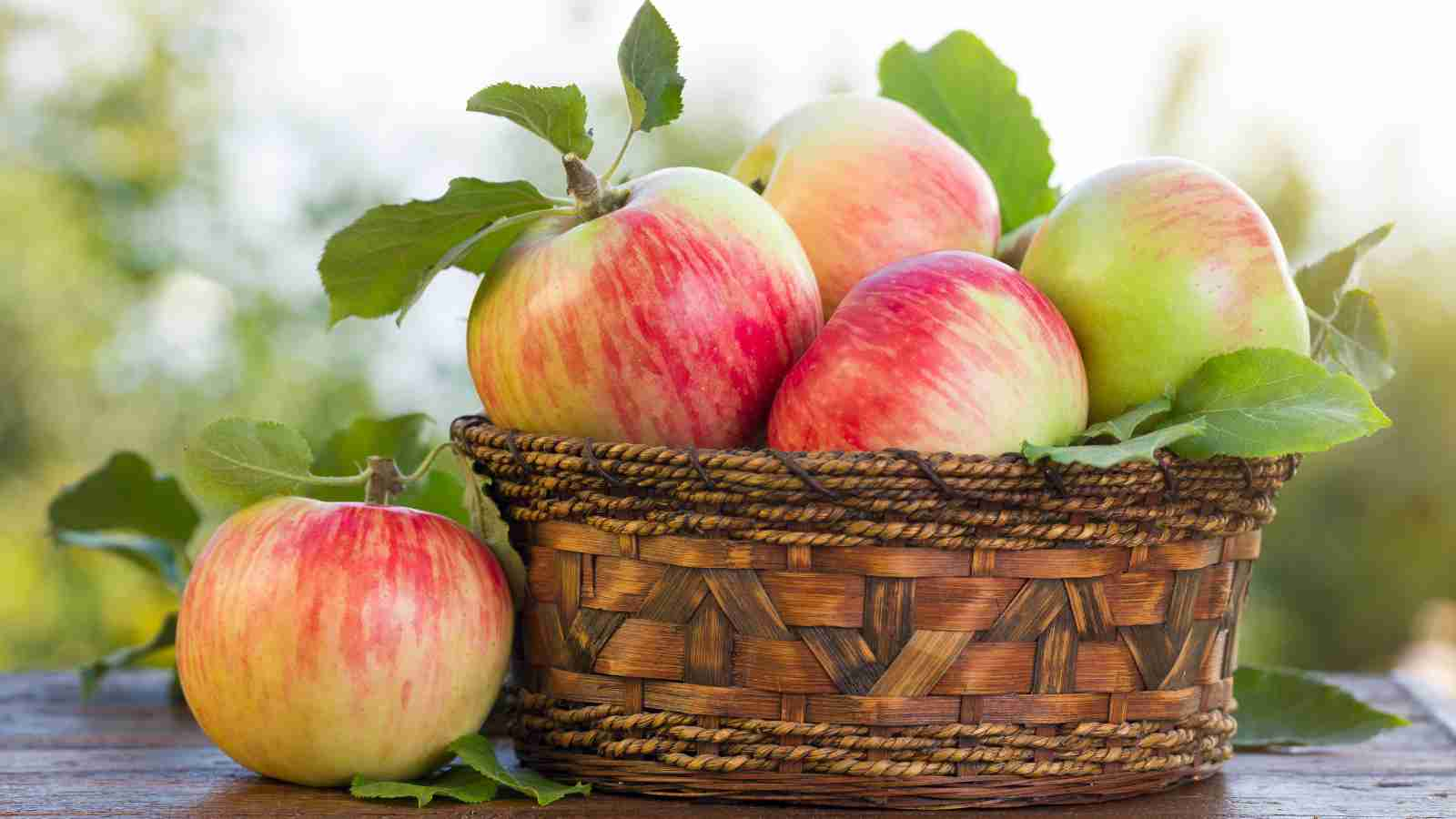
Long-lasting fruits frequently land in carts, with apples standing out for convenience and durability. They can be eaten raw, baked, or paired with both savory and sweet dishes. Their portability and minimal prep requirements suit busy mornings or snacks on the go. Nutritional benefits include fiber and vitamins that support balanced diets. Availability and reliability make apples a practical fruit choice for early-year routines.
Whole-Grain Bread

Quick and versatile carbohydrates often make sense after holidays, and whole-grain bread meets this need. It can be used for sandwiches, toast, or sides, adding fiber and nutrients to meals. Extra loaves can be frozen to prevent waste and extend convenience. Its adaptability ensures that multiple meals throughout the day can be prepared with minimal effort. Purchasing whole-grain bread simplifies meal planning without sacrificing nutritional support.
Peanut Butter

Easy-to-use, shelf-stable foods are appealing in January, and peanut butter fits perfectly. It provides protein and healthy fats while requiring no preparation. Fruits, bread, or crackers complement peanut butter, expanding its versatility. Longevity and cost-effectiveness allow households to keep it on hand for weeks. Convenience and nutrition make it a go-to for simple snacking or quick meals.
Olive Oil

Healthy cooking essentials frequently appear in January, and olive oil is often a top choice. It works for roasting, sautéing, and dressing salads, supporting a wide range of meals. Its long shelf life makes it economical for regular use. Healthy fats add nutritional value to everyday dishes. Households rely on olive oil as a practical, adaptable ingredient for simple winter cooking.
Cottage Cheese

Protein-rich foods that double as snacks or meal components often appear in carts, including cottage cheese. It pairs easily with fruits, vegetables, or grains for a versatile eating experience. Storage is manageable, with a reasonable shelf life for a refrigerated product. Portion flexibility suits households of different sizes. Practicality and adaptability make cottage cheese a January favorite.
Frozen Fish Fillets

Easy-to-store proteins attract attention after holiday indulgence, with frozen fish fillets providing convenience. They can be cooked directly from frozen or thawed ahead of time for quick meals. Fish delivers lean protein and omega-3 fatty acids that support winter nutrition goals. Variety in types and cuts allows households to enjoy different flavors without frequent store visits. Their longevity and versatility make them a practical option for efficient meal planning.
15 Foods To Take a Break From in January For a Healthier You

Taking a short break from certain foods can help you notice hunger cues, energy levels, and preferences more clearly. This list reflects common January pauses that happen organically, not rules carved in stone.
15 January Food Habits That Come From Pure Exhaustion

Food stops being a creative outlet and turns into something that just needs to work. People aren’t trying to optimize meals; they’re trying to make eating feel manageable. These habits show how food quietly adapts when exhaustion runs the show.

Tamara Tsaturyan is the owner and writer of Thriving In Parenting, a website focused on providing simple tips for busy parents — easy and healthy recipes, home decor and organization ideas and all things P A R E N T I N G.

Share Your Thoughts!
I love to know your thoughts, make sure to comment below to start a discussion! You can also follow me on your favorite social network below.