Holiday dishes carry more than flavor; they carry stories, history, and sometimes surprising symbolism. Many recipes have traveled across continents, evolving with cultures while keeping their original significance alive. Certain foods became markers of luck, community, or seasonal rituals, connecting us to generations past. Learning why these foods were cherished can make celebrations feel richer and more meaningful. From sweet treats to savory staples, each dish has a tale worth discovering.
Black-Eyed Peas – Good Fortune for the New Year

Black-eyed peas are a Southern New Year’s tradition with roots in African and American history. Eating them alongside greens and cornbread is believed to bring luck and prosperity for the year ahead. They were once an accessible, hearty food that symbolized survival and hope during tough times. Communities still gather to make and share them, keeping the tradition alive. Every bite carries the story of history, culture, and optimism rolled into one.
Gingerbread – Protection and Prosperity

Gingerbread has been around since medieval Europe, where bakers shaped it into religious figures, saints, and festive designs for markets and celebrations. The spiced dough was prized for its long shelf life and artistic possibilities. It wasn’t just a treat—it was a canvas that reflected seasonal and cultural stories. Over time, folklore added ideas of protection and prosperity, giving the cookies symbolic charm. Gingerbread today is a sweet reminder of centuries-old creativity and festive spirit.
Candy Canes – Peace and Kindness

Candy canes started as simple white sugar sticks in Europe before getting their signature curved shape. The bend is often linked to a shepherd’s staff, tying it to Christian traditions of guidance and care. Striped red and white versions appeared later, becoming popular tree decorations and gifts. While modern interpretations link them to peace and goodwill, their historical roots focus more on religious symbolism. Sharing candy canes at gatherings blends fun, tradition, and a touch of history.
Tamales – Community and Togetherness

Tamales are more than food—they’re a labor of love that brings families together. Corn dough filled with meats, vegetables, or sweet ingredients is wrapped and steamed, often in large batches made by multiple people. Preparing tamales can take hours, making it a social activity where stories, laughter, and recipes get passed down. This communal effort highlights the role of food in connecting generations. Every tamale represents cooperation, tradition, and a shared sense of celebration.
Latkes – Strength Through Hard Times

Latkes are potato pancakes tied to Hanukkah, celebrating the miracle of oil that lasted eight days in the ancient Temple. The fried dish symbolizes resilience, perseverance, and hope during challenging times. Recipes vary by region, with some families adding onions, cheese, or other flavors. Sharing latkes connects modern celebrations to historical events and enduring traditions. The crispy, golden pancakes are a delicious way to remember light triumphing over darkness.
Fruitcake – Longevity and Celebration

Fruitcakes have a long history in Europe, where dense cakes filled with dried fruits and nuts could last for months. Their durability made them ideal for special occasions, gifts, and celebrations. Many cultures viewed the long shelf life as a symbol of endurance and festivity. While modern jokes about fruitcake exist, historically it was a meaningful, celebratory dessert. Each slice tells a story of tradition, preservation, and festive gatherings.
Collard Greens – Wealth and Growth

Collard greens are a Southern U.S. favorite around New Year’s Day, often paired with black-eyed peas. Their deep green leaves symbolize money and prosperity, creating a simple yet meaningful tradition. Historically, collards were a reliable winter staple, sustaining communities with both nutrition and symbolism. Serving them at the start of the year reflects hopes for financial stability and growth. Eating collards is more than a meal—it’s a nod to culture, luck, and family heritage.
Panettone – Blessings and Generosity

Panettone is a tall, airy Italian bread filled with dried fruits that dates back to Milan. It was traditionally given as a gift during Christmas, symbolizing goodwill and generosity. Crafting panettone required skill, making it a sign of care and festivity. Families continue to enjoy it as a centerpiece of holiday meals, connecting past and present traditions. Each bite is a sweet reminder of sharing, celebration, and cultural history.
Pomegranates – Family and Fertility

Pomegranates have long been symbols of abundance and fertility in Mediterranean, Middle Eastern, and Jewish cultures. The fruit’s hundreds of seeds represent life, prosperity, and strong family ties. Holiday meals often include pomegranate to highlight continuity and communal bonds. Beyond symbolism, its vibrant color and tart-sweet flavor make it a versatile ingredient in both savory and sweet dishes. Pomegranates carry both taste and centuries of meaning in every bite.
King Cake – Luck and Leadership

King Cake is a Mardi Gras tradition with roots in France, popularized in Louisiana. A small figurine hidden inside the cake represents responsibility and luck, with the finder expected to host the next gathering. Its bright purple, green, and gold sugar colors tie back to themes of faith, justice, and power. Sharing the cake is both a social and symbolic ritual, connecting participants through festive play. Each slice blends fun, history, and communal celebration.
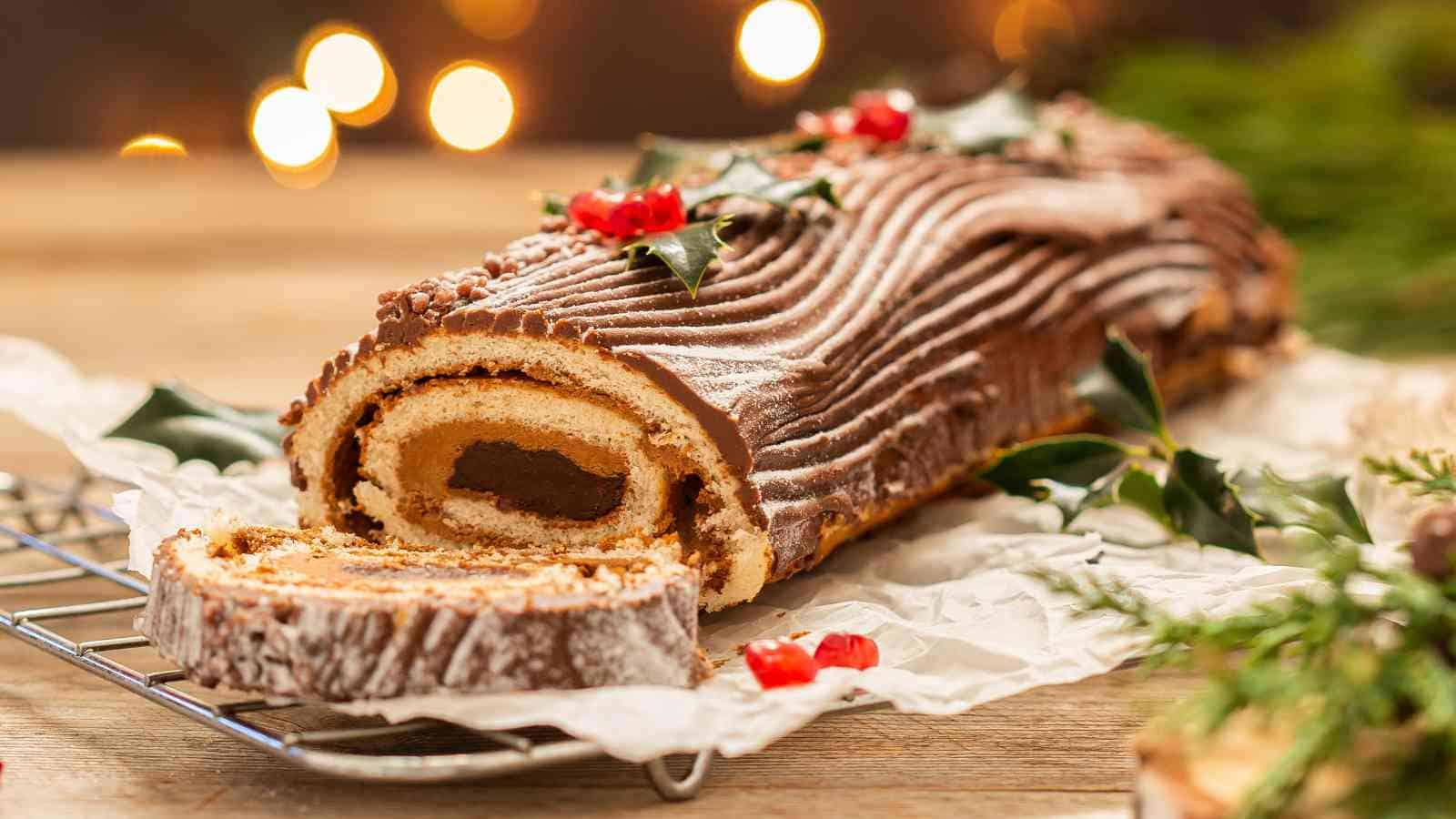
Yule Log Cake – Light Over Darkness
Yule log cakes evolved from the ancient tradition of burning a yule log during winter solstice celebrations. The fire symbolized warmth, light, and hope during the darkest days of the year. The cake, shaped like a log and decorated with chocolate and berries, became a culinary homage to that ritual. Families continue to serve it at Christmas, blending history with modern festivity. Every slice celebrates seasonal change, light, and continuity of tradition.
Turkey – Gratitude and Harvest

Turkey became a central dish for Thanksgiving in North America in the 17th century. It symbolized abundance and was large enough to feed entire gatherings, reflecting shared gratitude and harvest success. The bird’s size and presence made it ideal for communal meals, solidifying its place in holiday tradition. Families continue the ritual, honoring both culinary and cultural history. Serving turkey represents more than taste—it’s a celebration of collective effort and thankfulness.
Honey – Sweetness in the Year Ahead

Honey is a traditional part of Rosh Hashanah, representing wishes for a sweet and prosperous new year. Often paired with apples or breads, it links culinary enjoyment with symbolic hope. Its use dates back thousands of years in the Middle East as both food and ceremonial ingredient. The golden color and natural preservative qualities added practical value historically. Each bite is a sweet reminder of continuity, optimism, and shared tradition.
Pickled Herring – Prosperity and Good Catch

Pickled herring has been part of Scandinavian and Eastern European holiday traditions for centuries. Preserving fish ensured a reliable winter food, while eating it symbolized success and prosperity, especially in fishing communities. Recipes vary, often including vinegar, onions, and spices. Serving pickled herring at holidays blends practicality with cultural symbolism. Each bite reflects history, livelihood, and festive celebration.
Hot Cocoa – Comfort and Safety

Hot cocoa became popular in Europe and North America between the 17th and 19th centuries, providing warmth during cold winter months. Early recipes were rich and spiced, often sweetened with sugar or honey. Families drinking cocoa together turned it into a comforting tradition tied to gatherings and seasonal celebrations. While symbolic “comfort” is a modern interpretation, the historical link to warmth and shared enjoyment is clear. Hot cocoa embodies both culinary history and the simple joy of togetherness.
15 Regional Holiday Dishes That Outsiders Just Don’t Understand
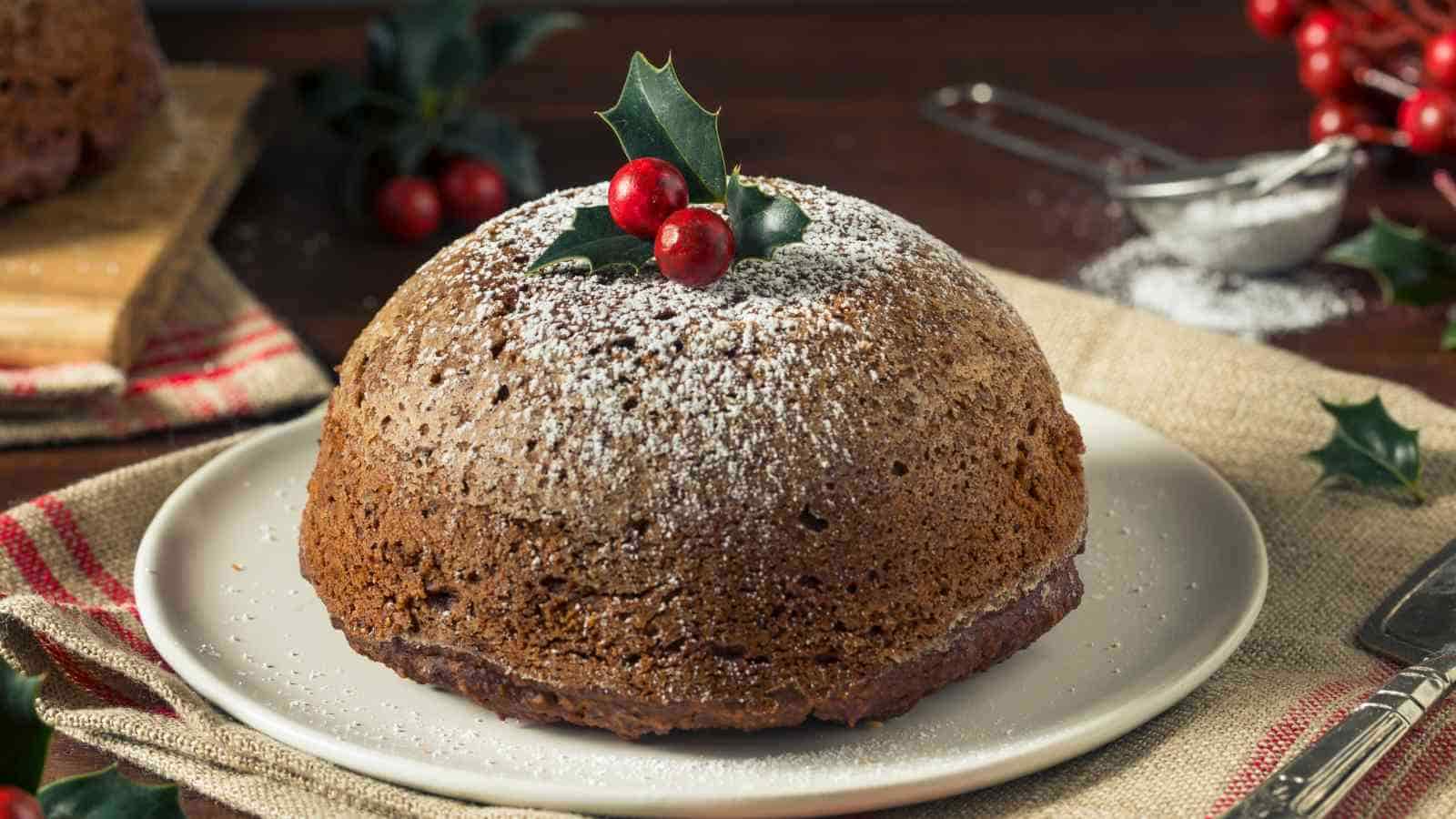
Exploring these dishes provides insight into communities, celebrations, and personal memories tied to the holidays. Expect surprises, unusual textures, and flavors that challenge your assumptions about holiday food. Every bite tells a tale of heritage and creativity.
20 Holiday Recipes That Boomers Swear By—But Millennials Have Modernized

Whether it’s swapping canned soups for fresh herbs or turning sugary casseroles into balanced sides, each update shows how timeless flavors can meet modern sensibilities. Here’s how 20 beloved Boomer-era holiday recipes have been reimagined for a new generation—proof that nostalgia and innovation can sit on the same plate.

Tamara Tsaturyan is the owner and writer of Thriving In Parenting, a website focused on providing simple tips for busy parents — easy and healthy recipes, home decor and organization ideas and all things P A R E N T I N G.

Share Your Thoughts!
I love to know your thoughts, make sure to comment below to start a discussion! You can also follow me on your favorite social network below.