Fruits can be tricky when you’re watching your sugar intake. While they’re packed with essential nutrients, not all of them are equally kind to your blood sugar levels. Some contain natural sugars that spike quickly, while others offer a sweet taste with far less impact. The good news is that you don’t need to give up fruit entirely—you just need to choose wisely. These 15 low-sugar fruits let you enjoy natural sweetness, vibrant flavors, and plenty of vitamins and minerals without the sugar overload. Each one brings its own unique benefits, giving you variety and nutrition in every bite.

Strawberries

Sweetness meets nutrition in strawberries, with only about 7 grams of sugar per cup. You get a boost of vitamin C and antioxidants that help protect your cells from damage and support your immune system. Their natural compounds can also promote heart health and help reduce inflammation. You’ll love how easy they are to enjoy—whether tossed into a smoothie, layered in yogurt, or eaten straight from the bowl. They bring a burst of color and flavor without spiking your sugar levels.
Lemon
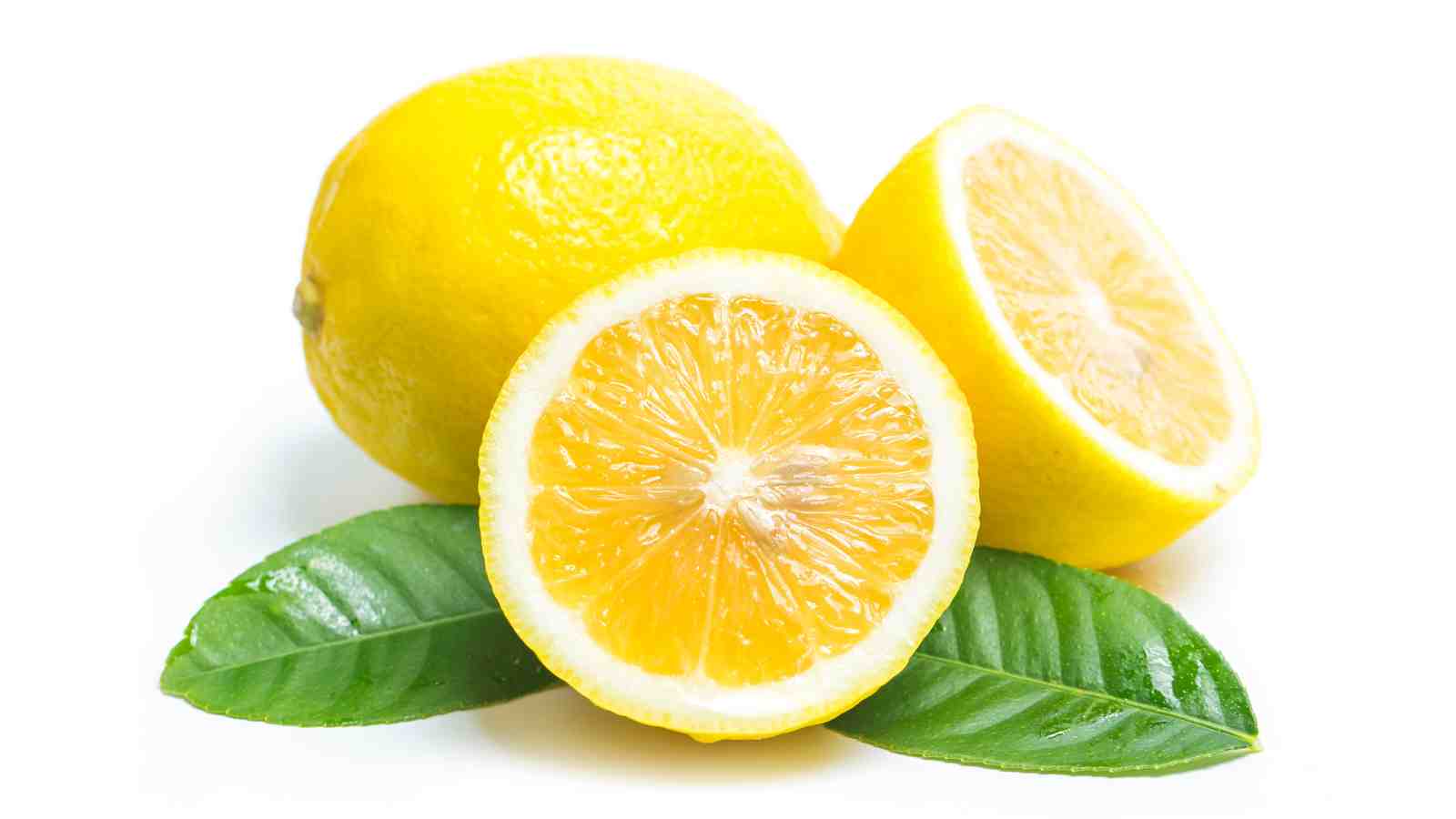
Bright and zesty, lemons contain just around 2 grams of sugar per fruit. You gain a powerful dose of vitamin C, which strengthens your immune defenses and supports collagen production for healthy skin. Lemons also help improve digestion and encourage hydration when added to your water. You can use their juice or zest to lift flavors in savory dishes or desserts without adding extra sugar.
Kiwi

Vibrant and tangy, kiwi carries roughly 7 grams of sugar per fruit but packs an impressive amount of nutrients. You’ll get more vitamin C from one kiwi than from an orange, plus vitamin K and fiber that support digestion and blood health. Its natural enzymes also make it a good choice for helping your body break down proteins. The soft green flesh is as versatile as it is nutritious—great for salads, smoothie bowls, or eaten solo.
Watermelon

Few fruits are as hydrating as watermelon, with about 9 grams of sugar per cup. You benefit from its high water content and antioxidants like lycopene, known for supporting heart health and protecting your skin from sun damage. It’s light, refreshing, and perfect for staying cool on hot days. Eating watermelon can also help your muscles recover after exercise.
Orange

Citrus flavor shines in oranges, which offer about 12 grams of sugar per fruit. You get a healthy dose of vitamin C, antioxidants, and fiber that support your immune system and digestion. Oranges contain natural compounds that may help reduce inflammation and promote heart health. Their juicy sweetness makes them a satisfying alternative to processed sweets.
Avocado

Creamy and rich, avocado contains only about 1 gram of sugar per fruit. You’ll benefit from its heart-healthy monounsaturated fats and an impressive mix of potassium, folate, and fiber. Eating avocado helps you stay full longer and supports stable blood sugar levels. It’s a perfect fruit for both savory and sweet dishes—from toast to smoothies.
Raspberries

Small but powerful, raspberries contain only 5 grams of sugar per cup. You gain an excellent source of fiber, which supports digestion and helps you stay full longer. These berries also provide vitamins C and K, which promote healthy skin, bones, and immunity. Their tangy-sweet flavor pairs well with yogurt, cereal, or even desserts.
Cantaloupe

Juicy and bright, cantaloupe offers around 13 grams of sugar per cup. You get high levels of vitamins A and C, which are essential for healthy vision and skin. Its high water content helps keep you hydrated while adding natural sweetness to your meals. Cantaloupe also provides potassium, which supports proper muscle and nerve function. Slice it for breakfast or add cubes to your fruit salad for a light, refreshing snack.
Peach

Fragrant and juicy, a medium peach has roughly 13 grams of sugar. You’ll benefit from vitamins A and C, antioxidants, and fiber that promote digestion and overall wellness. Its natural compounds can help reduce oxidative stress and support glowing skin. You can grill peaches for a smoky-sweet side dish or blend them into smoothies for natural sweetness.
Papaya

Tropical and soft, papaya contains about 11 grams of sugar per cup. You gain vitamins A and C, plus the enzyme papain, which aids digestion by breaking down proteins. It’s known for supporting skin health and reducing inflammation throughout your body. Papaya’s mild sweetness makes it a favorite in smoothies or fruit bowls.
Blackberries

Deep in color and flavor, blackberries have about 7 grams of sugar per cup. You benefit from a strong dose of fiber, vitamins C and K, and antioxidants that support heart and digestive health. They’re also known to help fight oxidative stress thanks to their anthocyanin content. You can toss them into oatmeal, salads, or baked treats.
Gooseberries

Tart and crisp, gooseberries hold only about 6 grams of sugar per cup. You’ll get vitamin C and antioxidants that help keep your immune system strong and your skin healthy. They’re also high in fiber, which supports smooth digestion. The tangy flavor pairs beautifully with both sweet and savory dishes. Try them fresh, in compotes, or baked into tarts for a unique twist.
Cranberries

Bold and tangy, cranberries contain about 4 grams of sugar per cup. You benefit from their powerful antioxidants, which are known to support urinary tract health and overall wellness. They’re also a great source of vitamin C and dietary fiber. Because fresh cranberries are naturally tart, you can mix them with sweeter fruits or use them in sauces and baked goods.
Apricots

Golden and smooth, apricots contain about 9 grams of sugar per fruit. You get vitamins A and C, along with antioxidants that support your eyes, skin, and immune health. Their fiber content aids digestion and helps keep your energy levels steady. Fresh or dried, apricots make a nutritious, naturally sweet snack. Add them to salads or yogurt bowls for a bright, fruity accent.
Plums

Juicy and tart-sweet, plums contain around 9 grams of sugar per fruit. You’ll get a boost of vitamins C and K, along with fiber that helps regulate digestion and stabilize blood sugar. Their antioxidants can protect your cells from damage and promote heart health. Fresh or dried, they make a satisfying and naturally sweet snack. You can also slice them into salads or bake them into desserts for added depth of flavor.
Small Changes, Big Impact! 15 Whole Food Swaps You Can Make Today

Instead of cutting out entire food groups or following extreme diets, making simple swaps can provide better nutrition without sacrificing flavor or satisfaction. The right alternatives can improve digestion, support heart health, and even help maintain steady energy levels throughout the day. Here are 15 easy swaps that pack more nutrition into your diet without making you feel like you’re missing out.
Eat Smart: Top Foods That Improve Brain Function and Memory

What you eat plays a bigger role in brain health than you might think. The right foods can help boost memory, focus, and overall mental clarity. These 15 brain-boosting options are packed with nutrients that support cognitive function and keep your mind sharp. Add them to your diet and give your brain the fuel it needs to perform at its best!

Tamara Tsaturyan is the owner and writer of Thriving In Parenting, a website focused on providing simple tips for busy parents — easy and healthy recipes, home decor and organization ideas and all things P A R E N T I N G.

Share Your Thoughts!
I love to know your thoughts, make sure to comment below to start a discussion! You can also follow me on your favorite social network below.