Traveling is fun—until jet lag hits. It throws off your circadian rhythm, disrupts sleep patterns, and messes with digestion, energy, and mood. While sleep and hydration matter, what you eat before, during, and after your flight can either help your body recover faster—or drag it down even more. Certain foods support hormonal balance, reduce inflammation, and regulate digestion, which are key when your system feels off. Others work against your body’s efforts to reset, intensifying fatigue, bloating, or mental fog. Here are 15 foods to eat during jet lag to rebalance your system—and 5 to avoid—so your body can adapt, restore, and keep up with your travel plans. Each food helps in adjusting your body’s rhythm, rehydrating your cells, and boosting alertness, helping you bounce back faster from time zone chaos.
Watermelon

High water content in watermelon helps rehydrate your cells after dry cabin air and disrupted sleep cycles. Dehydration worsens jet lag symptoms like headaches and fatigue, so replenishing fluids through hydrating foods is essential. Watermelon also contains magnesium and potassium, which support nerve function and help regulate your heartbeat. Natural sugars in watermelon provide quick energy without the crash of processed sweets. Eating it post-flight helps your body restore electrolyte balance and feel more refreshed.
Cucumbers

Cucumbers are 95% water, making them one of the best choices for internal hydration. Beyond water content, they contain silica and antioxidants that reduce puffiness and support skin health after long-haul flights. The cooling effect of cucumbers can also help regulate body temperature, which often fluctuates due to cabin pressure and time zone shifts. Their fiber helps combat sluggish digestion caused by long periods of inactivity. Including cucumbers in your first meal post-arrival supports faster internal recovery.
Avocado

Packed with healthy fats, avocados help stabilize blood sugar levels that fluctuate due to erratic travel eating patterns. The potassium content supports muscle function and prevents cramps, which can occur from sitting long hours. Avocados also aid in producing neurotransmitters that regulate mood and sleep. Their fiber promotes gut health, helping your digestive system adjust smoothly to a new time zone. Eating avocado can help you feel full and balanced without spiking energy then crashing.
Nuts

Nuts like almonds, walnuts, and cashews provide a steady source of energy through healthy fats, protein, and magnesium. Magnesium is known to support sleep quality by calming the nervous system. The combination of nutrients in nuts can reduce inflammation caused by travel stress and poor sleep. Their satiety helps curb the urge to snack on sugary or salty airport foods. Including a small portion of nuts in your travel snacks can ease the transition into a new daily rhythm.
Seeds

Chia, flax, and pumpkin seeds are nutrient-dense and rich in omega-3s, which help reduce inflammation and support brain function. These small foods also offer fiber, which keeps your digestive system moving despite hours of sitting. Zinc found in seeds like pumpkin can support immune function, often weakened during flights. Their steady energy release helps stabilize blood sugar levels. Eating seeds during or after travel can help regulate your system and reduce mental fog.
Bananas

Rich in potassium, bananas help prevent bloating and water retention from altitude and cabin pressure. They contain vitamin B6, which plays a role in melatonin production—your body’s natural sleep hormone. Bananas also provide natural sugars that give quick energy without overstimulation. Their soft texture makes them easy to digest when your stomach feels off. Eating a banana post-flight supports sleep regulation and gentle digestion.
Spinach
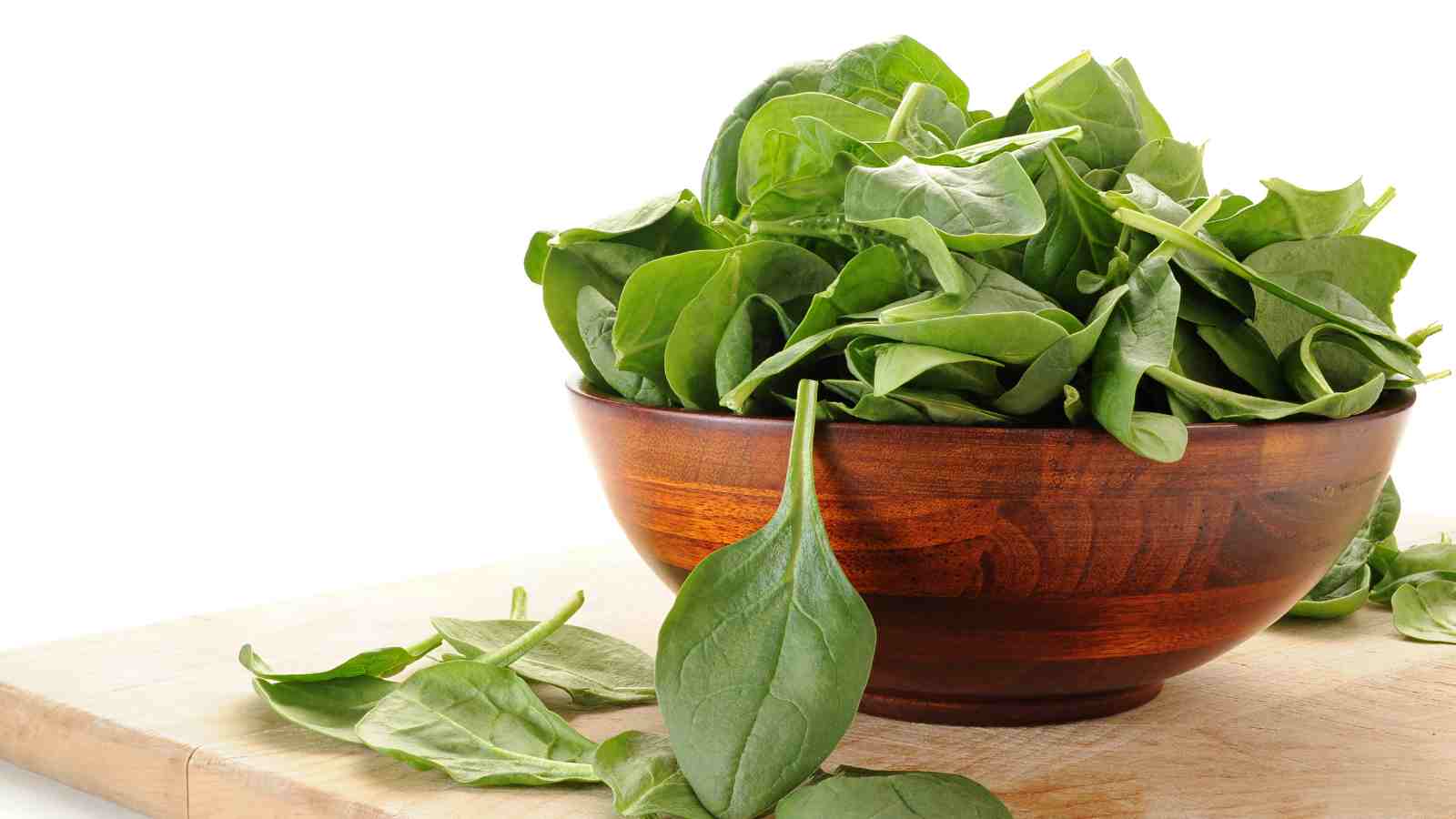
Loaded with iron and magnesium, spinach can help fight the fatigue often associated with jet lag. Iron supports oxygen transport in your blood, which can be compromised after long flights. Magnesium contributes to muscle relaxation and better sleep. Spinach also contains folate, a B-vitamin that helps regulate mood and cognitive function. Including spinach in meals post-travel helps your body feel stronger and more alert.
Grapefruits
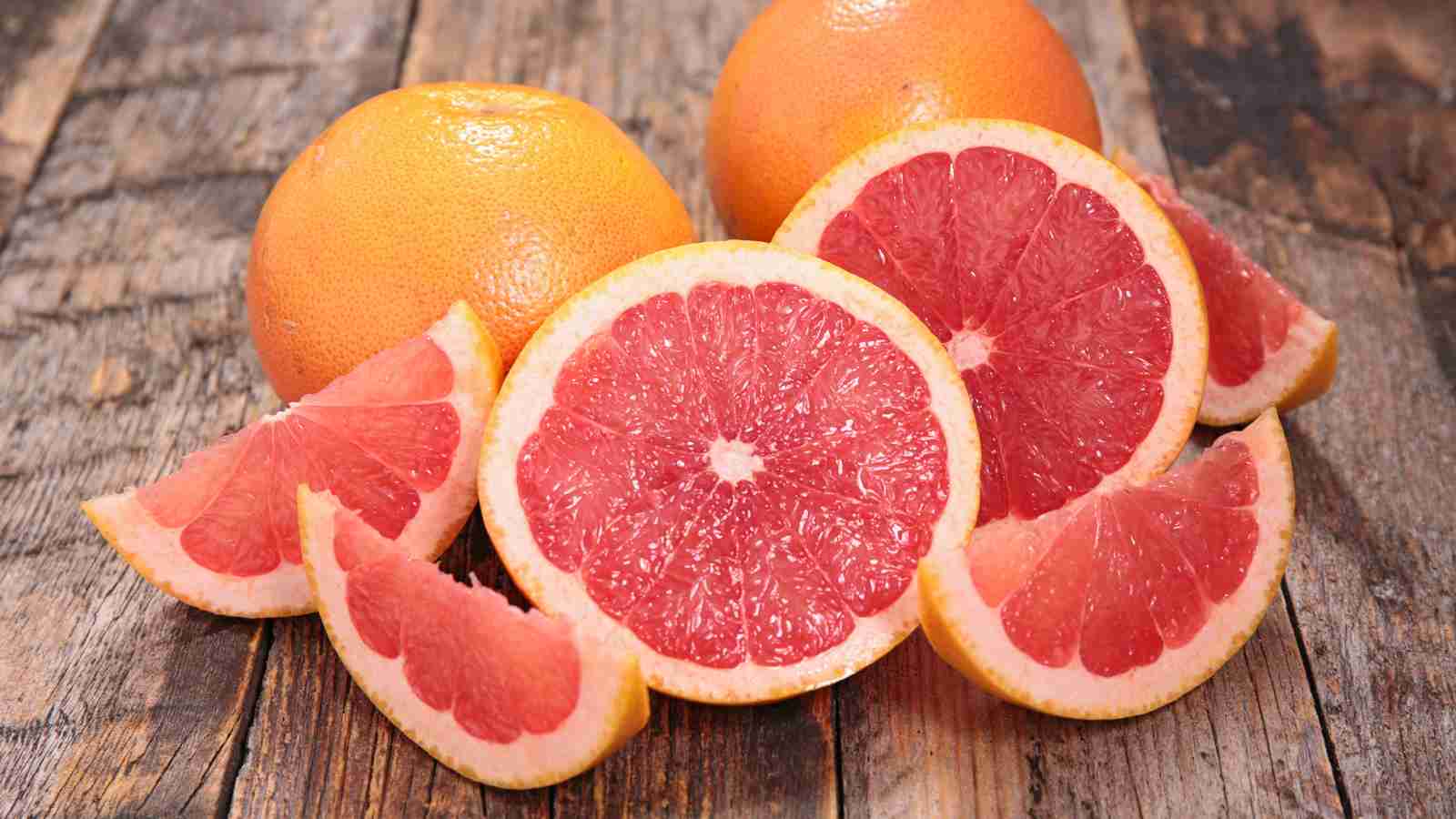
The high vitamin C content in grapefruits helps boost immunity, which can be strained after flights and time zone shifts. Their acidity can stimulate digestive enzymes, helping your body process meals better after travel-induced sluggishness. Grapefruits also help regulate insulin levels, which can be disrupted by time-zone eating. The fiber supports gut health, while the tangy flavor can refresh your senses. Eating grapefruit in the morning can help reset your internal clock.
Cherries

Cherries are one of the few natural sources of melatonin, which helps regulate sleep-wake cycles disrupted by jet lag. They also contain antioxidants that reduce inflammation and oxidative stress caused by air travel. Their natural sugars provide gentle energy, supporting daytime alertness without causing crashes. Cherries can help your body align to a new schedule by promoting better sleep. Having a small portion in the evening supports smoother sleep transitions.
Ginger
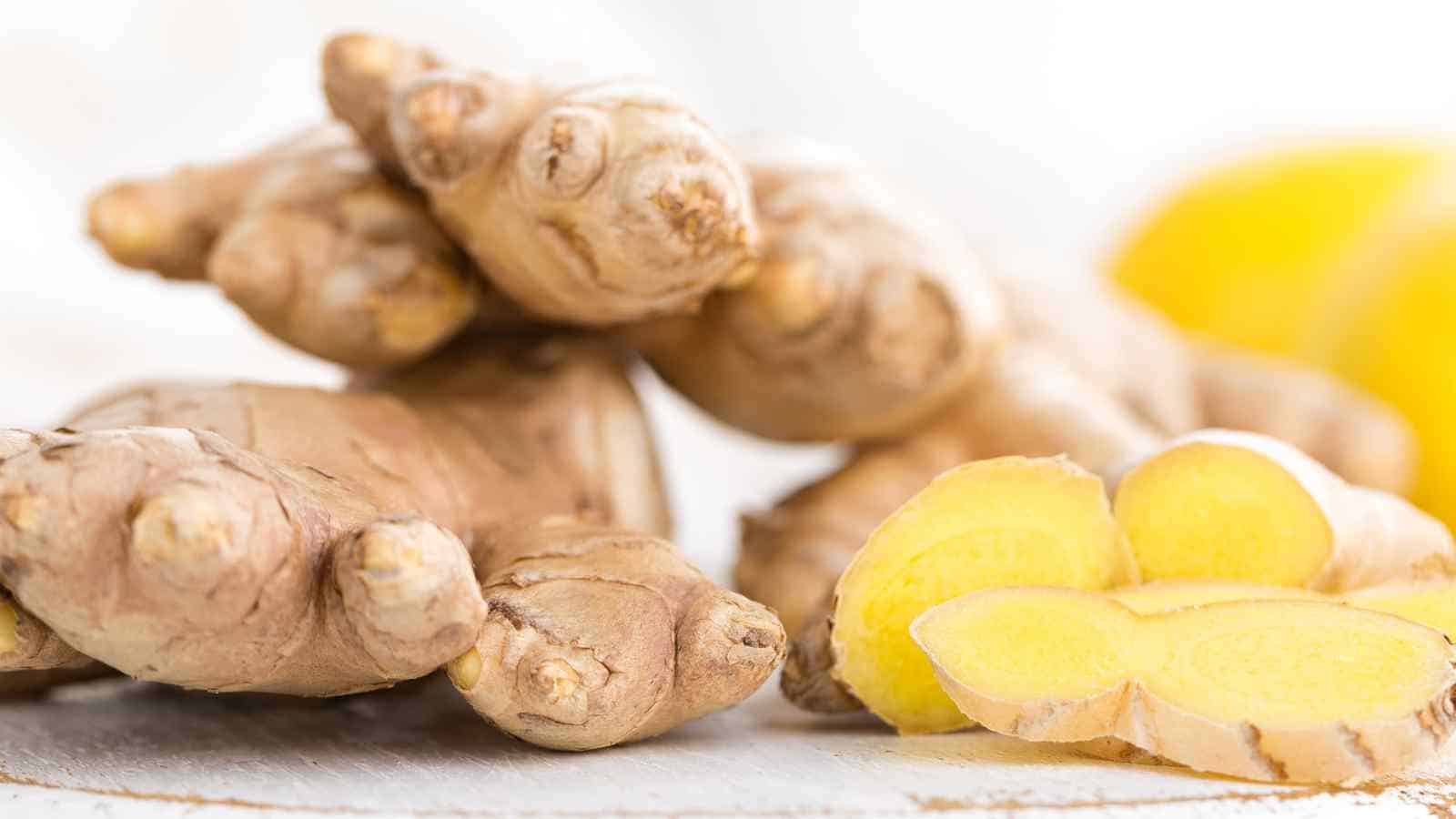
Ginger helps reduce nausea and supports digestion, both of which are common issues after flying. Its anti-inflammatory properties ease muscle soreness and general discomfort. Ginger can also regulate blood sugar and reduce cortisol, a stress hormone often elevated during travel. Consuming ginger tea or slices post-flight helps your body feel grounded and soothed. It’s especially useful if jet lag affects your stomach or energy levels.
Kiwi

Kiwi is rich in serotonin, which helps improve sleep quality and regulate circadian rhythms. It also contains vitamin C and potassium, which boost immunity and cellular function after travel. Kiwi’s enzymes assist in digestion, breaking down protein-heavy meals often eaten in transit. Its fiber helps your digestive system recover from flight-induced sluggishness. Eating kiwi in the evening supports sleep and hormonal balance.
Berries

Strawberries, blueberries, and blackberries offer antioxidants that combat inflammation and oxidative stress from long flights. Their fiber content aids digestion, while vitamin C strengthens your immune defense. Berries have a low glycemic index, providing energy without causing sugar spikes. They’re also hydrating and refreshing, helping your system stay balanced. Including berries in your meals supports recovery on multiple levels—immune, digestive, and cognitive.
Quinoa

Quinoa is a complete protein with all nine essential amino acids, supporting muscle recovery and energy. Its high magnesium content promotes calmness and better sleep regulation. The complex carbohydrates in quinoa offer steady fuel to prevent energy dips common after long travel days. It’s also gluten-free and easy on digestion, which can be sensitive during jet lag. Eating quinoa helps your body reset without feeling heavy or sluggish.
Eggs

Eggs provide high-quality protein and choline, supporting brain function and cognitive alertness after travel. They also contain B vitamins that help with energy metabolism and red blood cell production. The balance of fats and protein helps you feel full and focused, avoiding energy crashes. Eggs are easy to prepare and digest, making them a reliable post-travel meal. Including eggs in your first breakfast after arrival supports a smoother transition into your new time zone.
Leafy Greens

Leafy greens like kale, arugula, and Swiss chard provide chlorophyll, which helps detoxify the body after travel. They’re also rich in calcium, magnesium, and vitamin K, supporting everything from bone health to sleep quality. The fiber aids in digestion, helping regulate bowel movements affected by long flights. Antioxidants reduce stress on your body’s systems, promoting overall balance. Eating leafy greens shortly after arrival supports full-body recovery and energy renewal.
Foods to Avoid

Flying across time zones already challenges your system—don’t make it harder with foods that add stress. Certain items may seem comforting or convenient but actually delay your recovery, disrupt sleep, and leave you more fatigued. When your internal clock is off, your digestion, hormones, and energy levels are more sensitive than usual. Choosing what not to eat is just as important as what you do eat. Avoiding the following foods gives your body a better chance at adjusting smoothly.
Junk Food

High in sodium, saturated fats, and refined sugars, junk food worsens inflammation and disrupts digestion during an already stressful time for your body. These ingredients can interfere with your body’s ability to regulate insulin and serotonin, both critical for sleep and mood. Junk food causes blood sugar spikes followed by crashes, leaving you groggy and unfocused. The lack of nutrients slows down your recovery and makes jet lag symptoms linger. Avoiding it gives your body space to reset naturally.
Flavored Yogurt

Flavored yogurts are often packed with added sugars that spike insulin levels and interfere with your body’s ability to regulate sleep hormones. The artificial flavors and preservatives can irritate your gut and cause bloating. While plain yogurt can be beneficial, sweetened versions do more harm than good when you’re adjusting to a new schedule. These hidden sugars delay your recovery by stressing your metabolism. Choosing less-processed options helps support smoother digestion and hormonal balance.
Smoothies

Store-bought or overly sweetened smoothies often contain excess sugar and lack fiber, causing a spike in blood sugar followed by a crash. Many commercial smoothies use fruit concentrates or sugary bases that can hinder your body’s recovery rhythm. Drinking these can make you feel bloated or sluggish instead of energized. Without balanced nutrients like protein or healthy fats, smoothies provide short-lived energy. Skipping them during jet lag avoids unnecessary sugar overload and energy swings.
Coffee

Caffeine overstimulates your nervous system and masks fatigue without fixing the root of jet lag. Drinking coffee too close to bedtime can delay your natural sleep cycle and worsen insomnia. It also acts as a diuretic, contributing to dehydration, which intensifies headaches and brain fog. Relying on coffee post-flight can disrupt your body’s ability to reset its natural rhythms. Opting for herbal teas or water helps your body recalibrate more effectively.
Processed Foods

Packaged snacks, frozen meals, and instant noodles contain preservatives, added sugars, and artificial additives that strain your digestive system. These ingredients create inflammation and interfere with your sleep-wake cycle by impacting hormone regulation. Processed foods are often low in fiber and essential nutrients, slowing down recovery. They can make you feel bloated, sluggish, and unfocused for hours. Avoiding them allows your body to return to balance faster after a flight.
20 Foods That Help You Recover Faster After a Cold or Flu

Whether your goal is to calm a cough, unclog sinuses, settle your stomach, or just finally get a good night’s sleep, these foods offer more than comfort—they work with your body to help you feel better, faster.
17 Things to Eat First Thing in the Morning (That Aren’t Toast or Cereal)

These 17 options are far from boring and way more nutritious than a slice of toast or a sugar-filled bowl of cereal. Some are grab-and-go, others take five minutes, but all give your body a boost. From high-protein picks to fiber-packed bites, here’s what to eat when you’re trying to actually start your day right.

Tamara Tsaturyan is the owner and writer of Thriving In Parenting, a website focused on providing simple tips for busy parents — easy and healthy recipes, home decor and organization ideas and all things P A R E N T I N G.

Share Your Thoughts!
I love to know your thoughts, make sure to comment below to start a discussion! You can also follow me on your favorite social network below.