Mushrooms are one of the most versatile ingredients you can find, bursting with earthy flavors that can transform any dish. Beyond their taste, mushrooms are packed with nutrients that support overall health and have been staples in traditional medicine for centuries. But they come with a warning: not all mushrooms are edible. Many wild varieties resemble edible species but are poisonous or even deadly if misidentified. It’s always best to arm yourself with knowledge or consult an expert before venturing into wild mushroom territory.
Fortunately, many edible mushrooms are readily available in markets or through careful foraging. Here’s a guide to 16 incredible mushrooms that are safe to eat and how to turn them into amazing dishes. With so many types available, understanding their flavors and textures can transform your cooking game.
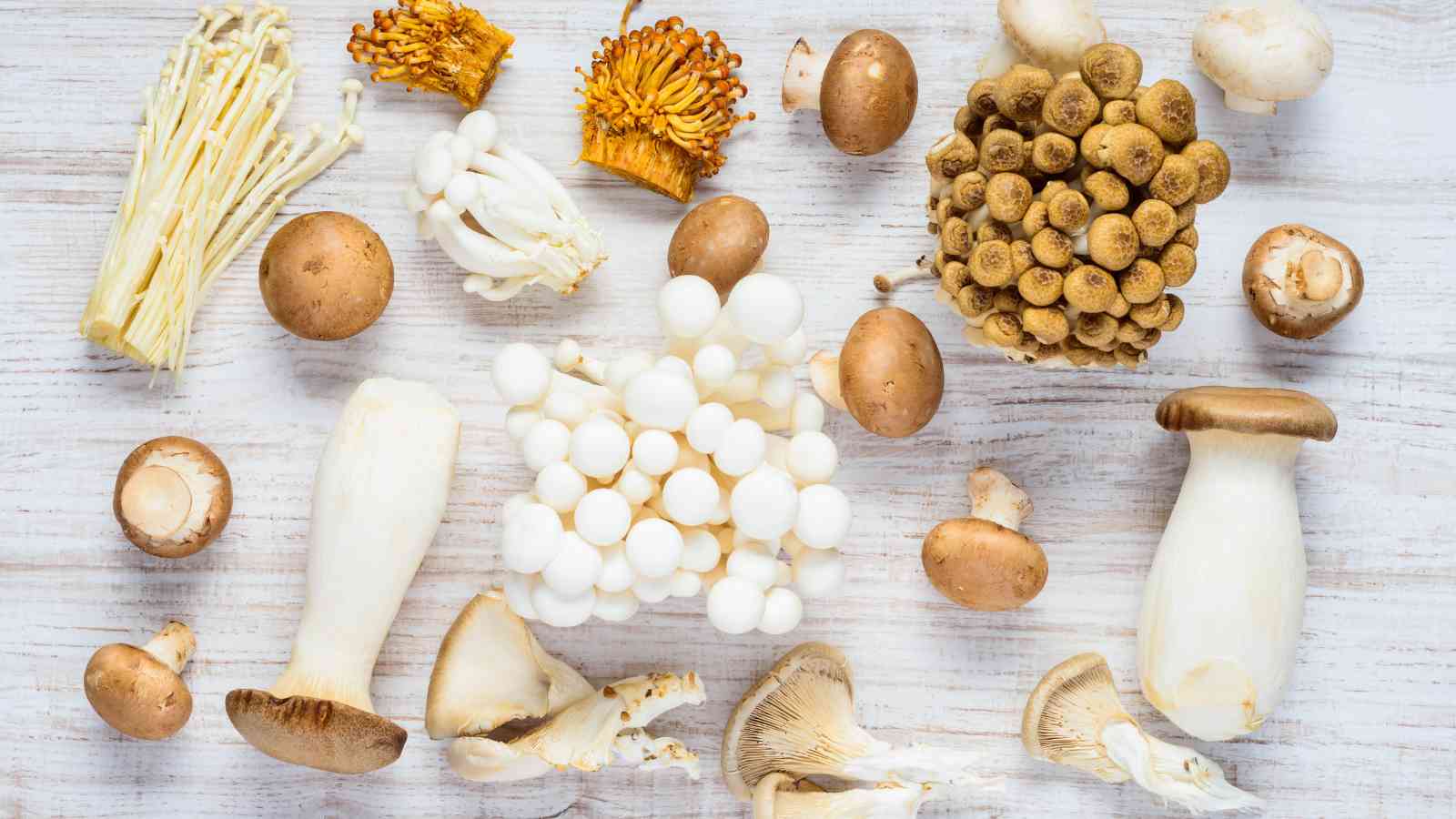
Enoki Mushrooms
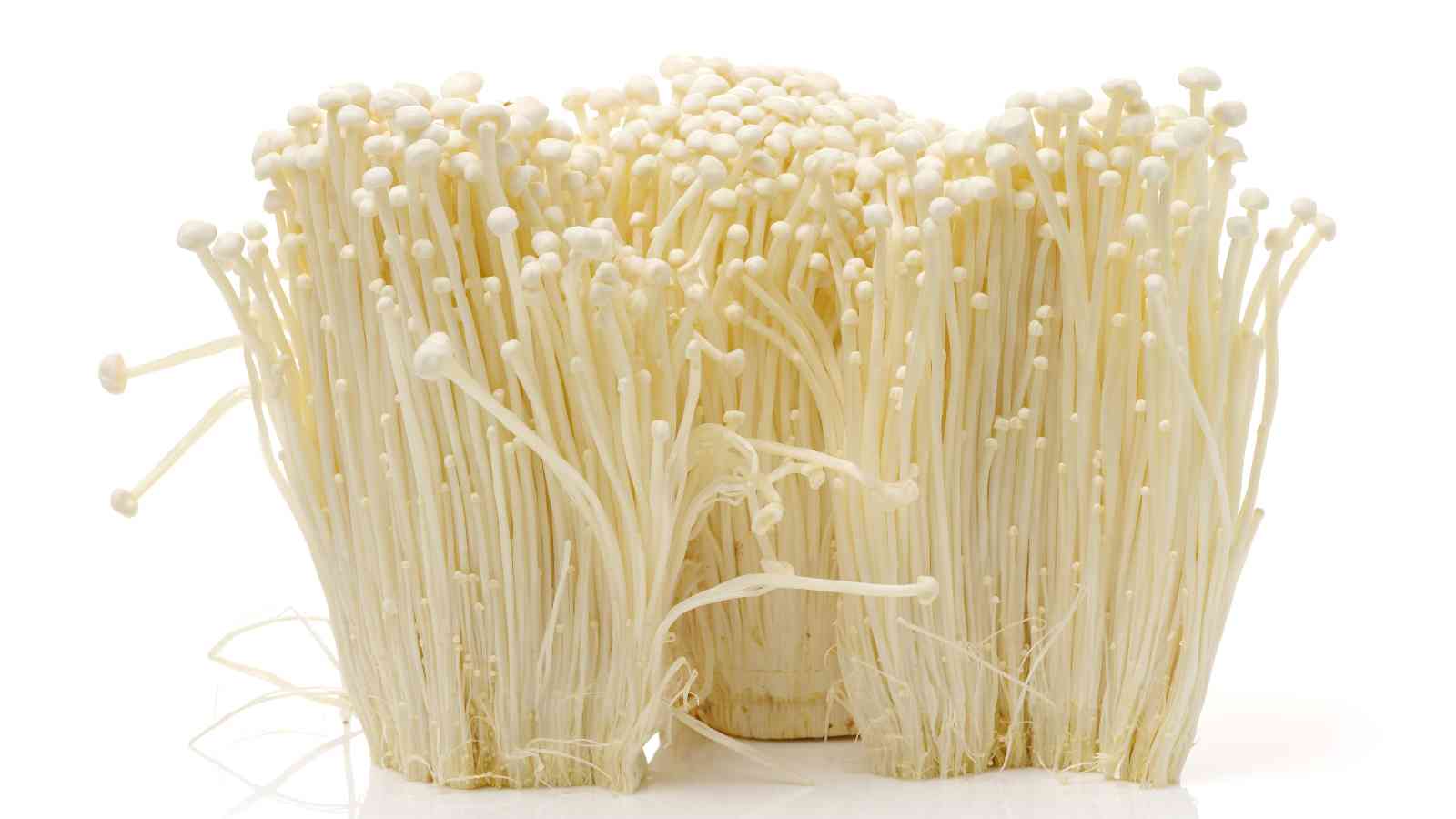
Long, slender stems crowned with tiny white caps give enoki mushrooms their unmistakable look. Their mild flavor and slight crunch make them perfect for soups and salads. When used fresh, they add texture to ramen bowls or hot pots, while stir-frying enhances their nutty undertones. For a simple dish, pair them with tofu steaks in a soy-based glaze.
Shiitake Mushrooms

Woodsy and earthy, shiitakes have umbrella-shaped brown caps that are firm yet tender. These mushrooms excel in Japanese dishes like miso soup or grilled with ponzu dressing for a smoky touch. Dried shiitakes pack an even stronger punch of umami, making them ideal for broths and stocks. Add sautéed shiitakes to rice or noodle dishes for a satisfying depth of flavor.
Button Mushrooms
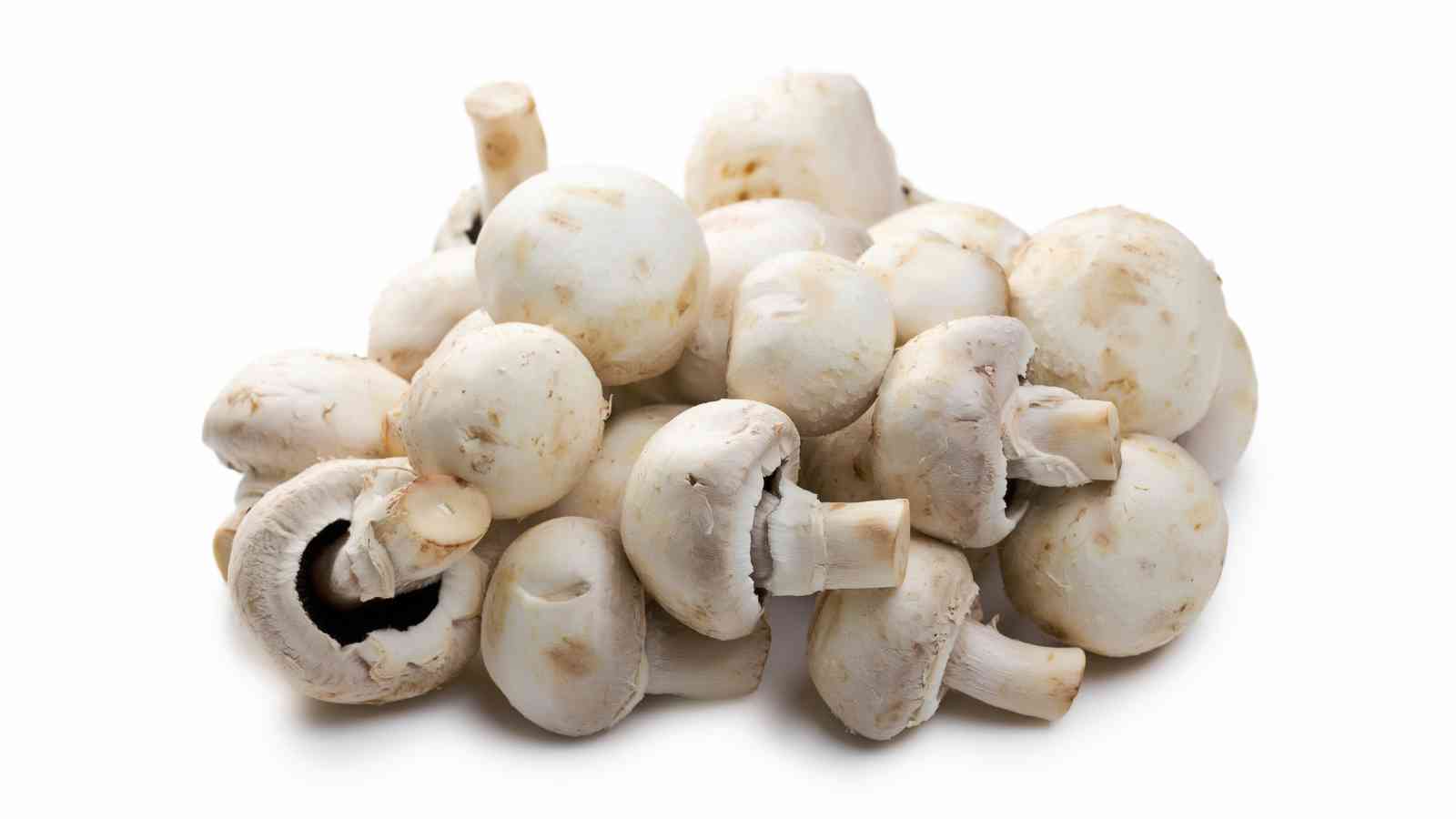
The mild, approachable flavor of button mushrooms makes them a kitchen staple. Raw slices add crunch to salads, while their subtle umami shines in soups and pasta sauces. Sauté or stuff them for easy appetizers, or roast them with garlic and herbs for a quick side dish. They’re versatile enough to blend seamlessly into any recipe.
Portobello Mushrooms
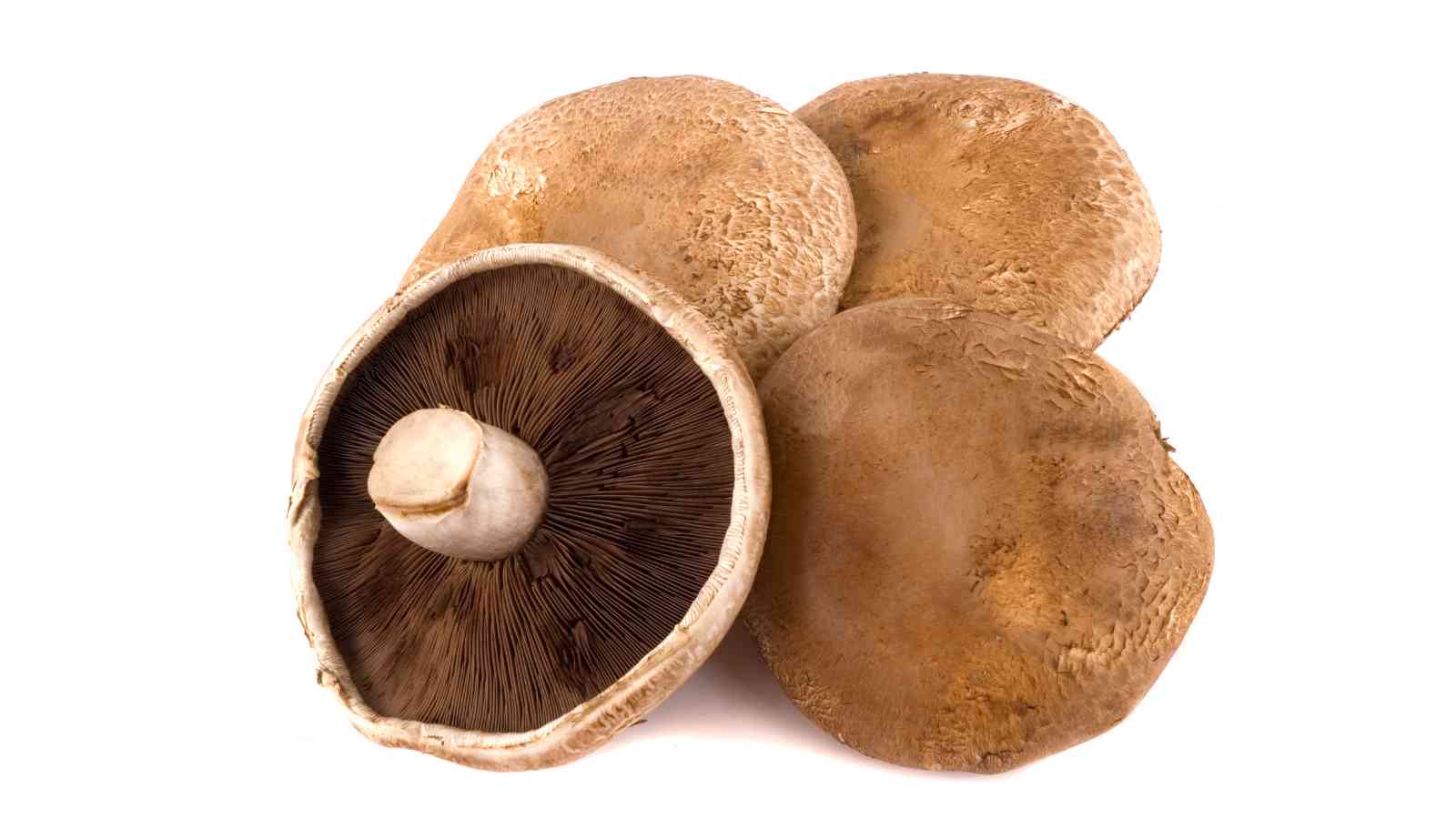
Dense and meaty, portobellos are a grill master’s dream. Their large caps soak up marinades beautifully, making them a great alternative to burger patties. Dice and sauté them for a hearty pasta sauce, or roast them whole as a vegan stuffed entrée with breadcrumbs and cheese. Their robust flavor also pairs wonderfully with risottos.
King Oyster Mushrooms
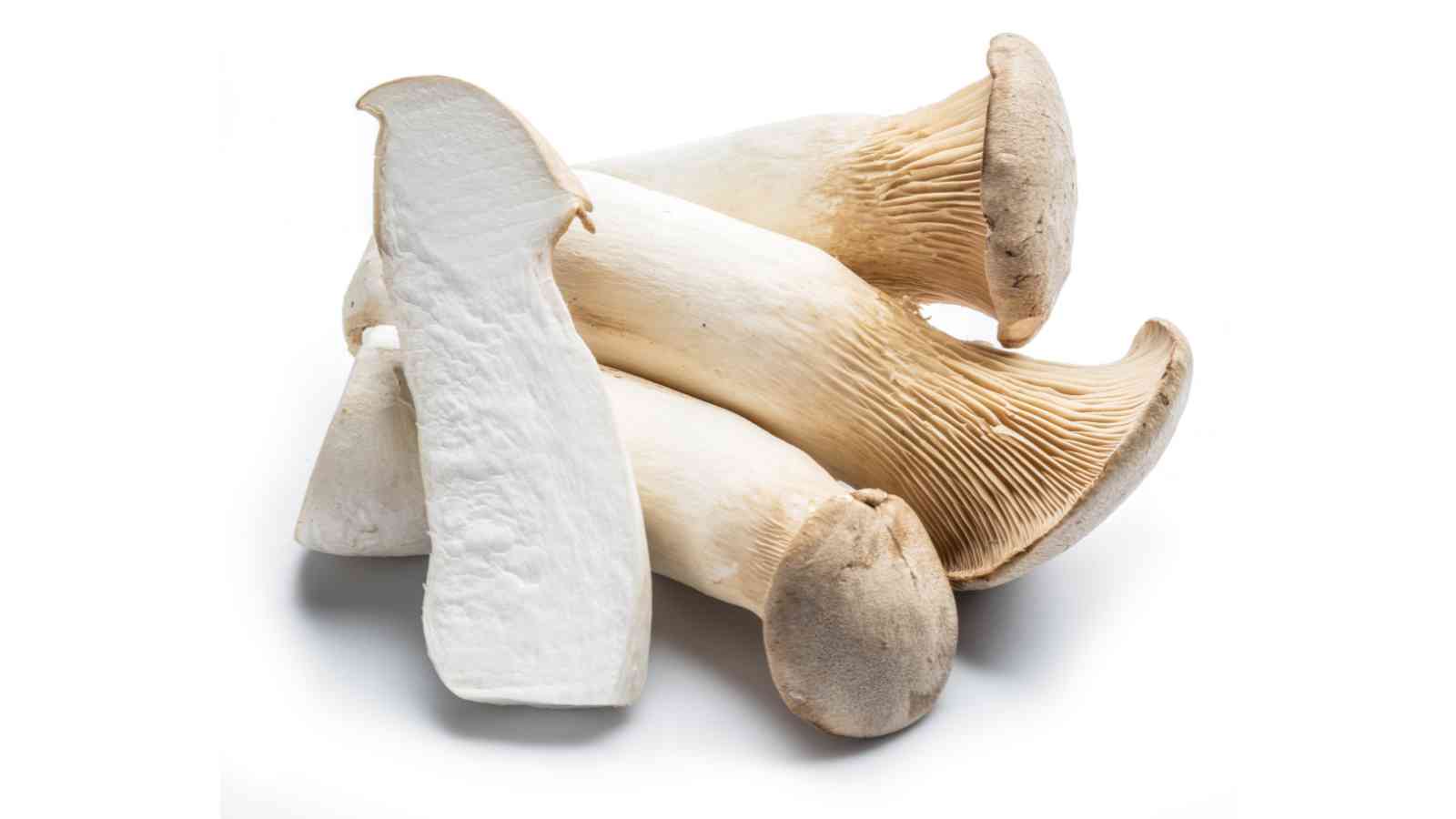
Thick stems and smooth caps give king oyster mushrooms a distinct appearance and firm texture. Slicing them into rounds or planks makes them ideal for grilling or pan-searing. Their mild flavor absorbs seasonings well, so try marinating them in soy and garlic for skewers. Alternatively, shred and sauté them for a vegan pulled “pork” sandwich.
Oyster Mushrooms
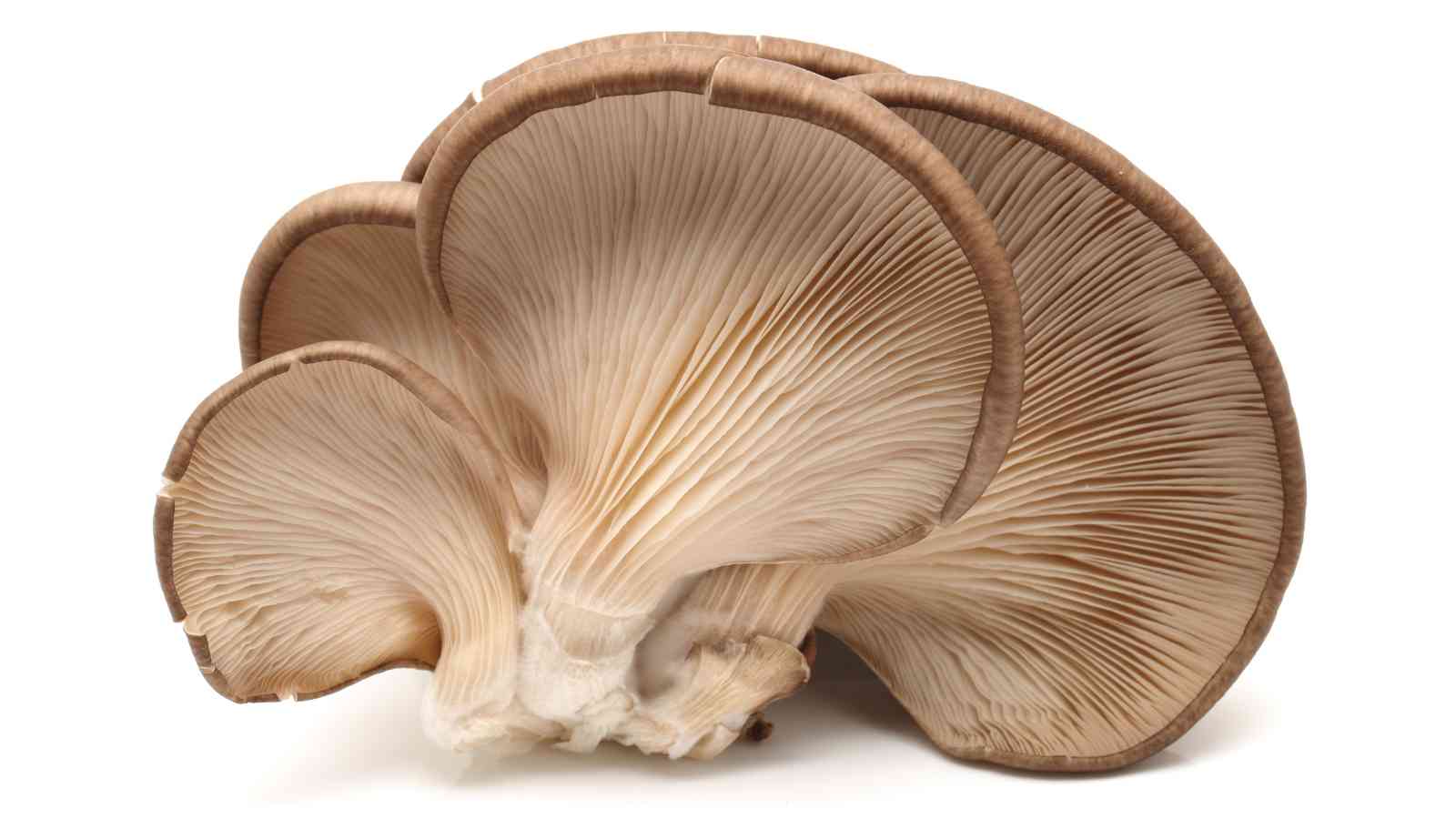
Soft, fan-shaped caps give oyster mushrooms a delicate appeal. Their mild, slightly seafood-like flavor works wonderfully in stir-fries, soups, and Asian-inspired dishes. Roast them with olive oil and spices for a crispy snack or sauté them in a creamy pasta sauce. They’re also an excellent substitute for fish in tacos.
Beech Mushrooms
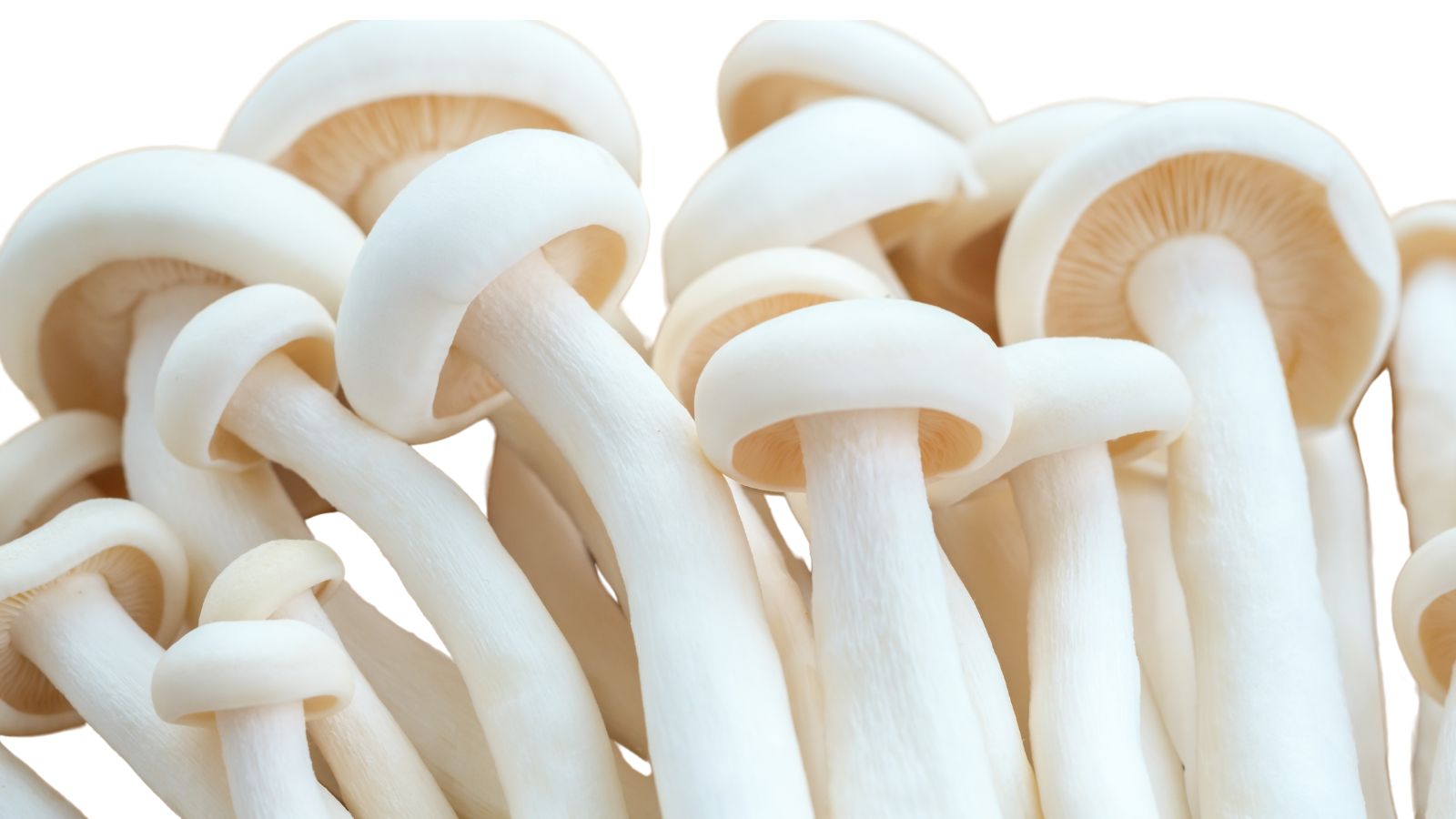
Growing in clusters, beech mushrooms bring a sweet nuttiness to any dish. They develop a pleasant crunch when cooked, perfect for stir-fries or steamed fish dishes. While raw beech mushrooms can taste bitter, cooking them in soy sauce and sesame oil highlights their natural sweetness. Use them to add texture to rice bowls or noodles.
Morel Mushrooms
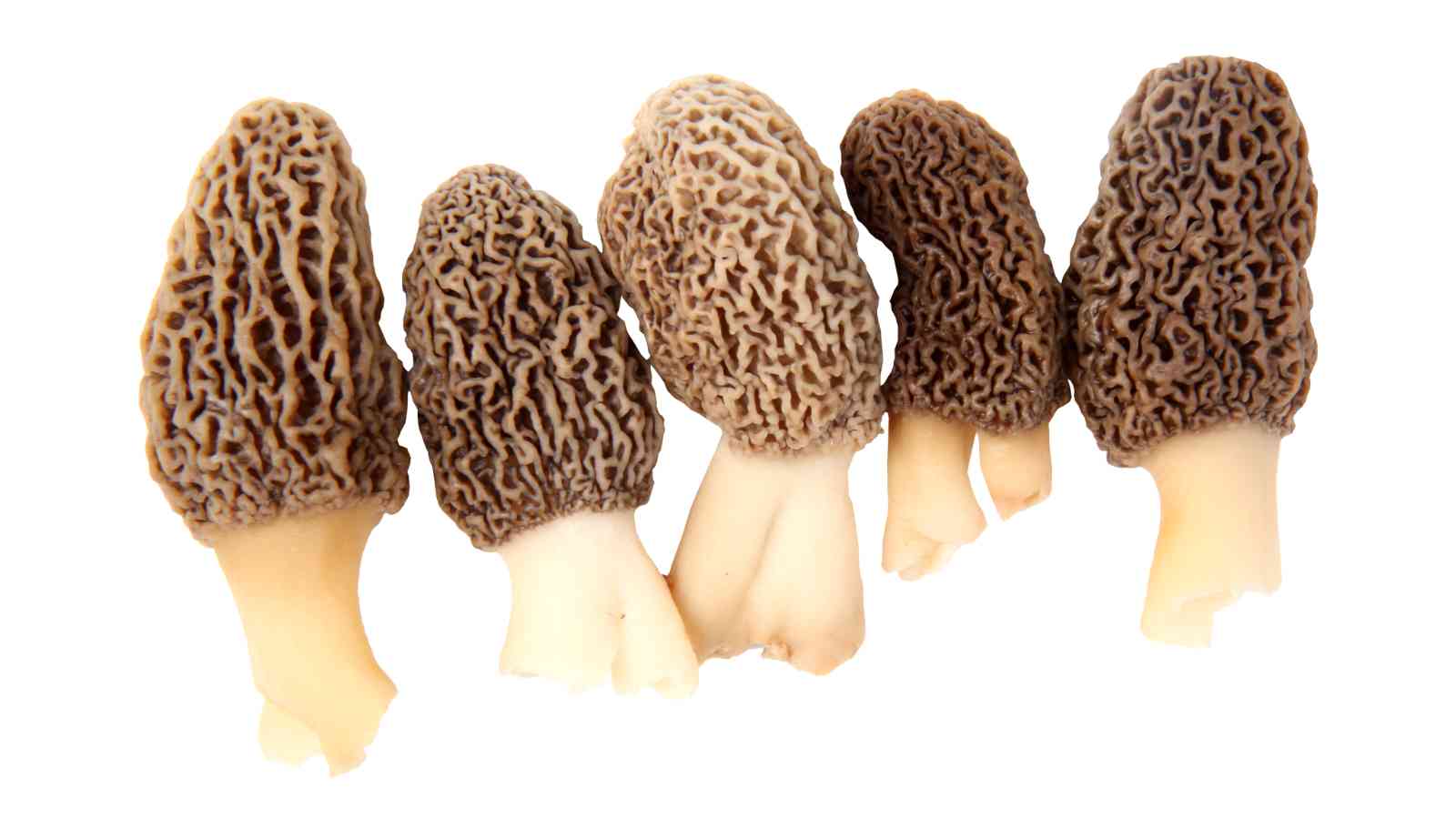
Known for their honeycomb-like caps, morels offer a woodsy flavor with nutty undertones. Dried morels are great for making flavorful stocks or broths, which can enhance soups and risottos. Fresh morels sautéed in butter create a simple yet elegant side dish. Pair them with asparagus or scrambled eggs for a seasonal treat.
Chanterelle Mushrooms
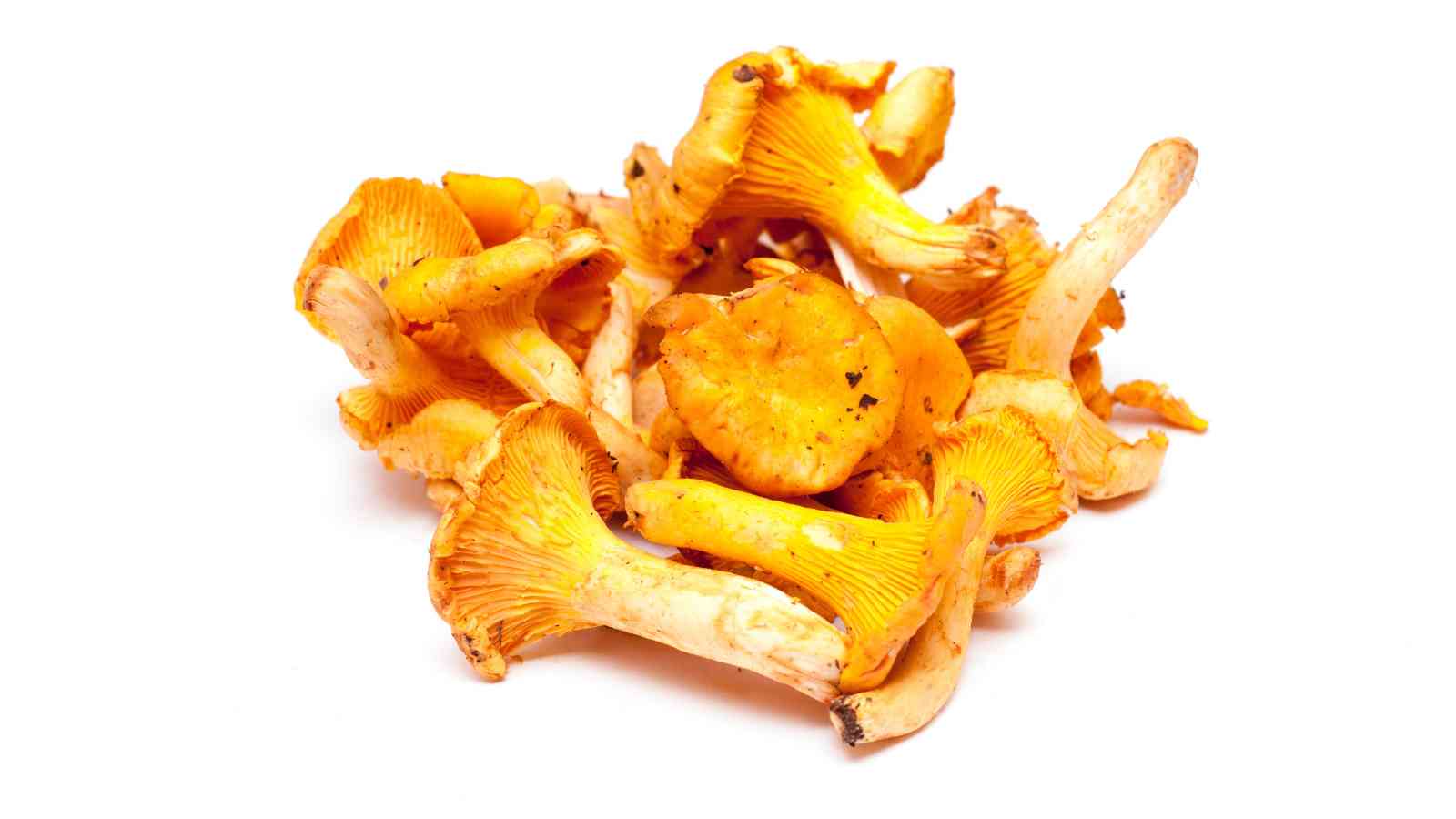
Golden hues and an apricot-like aroma make chanterelles stand out. Their slightly fruity flavor complements creamy dishes, such as fricassee or pasta. Sauté them with shallots and thyme, or roast them alongside chicken for a rich, aromatic meal. Always cook chanterelles thoroughly to bring out their best flavor.
Porcini Mushrooms
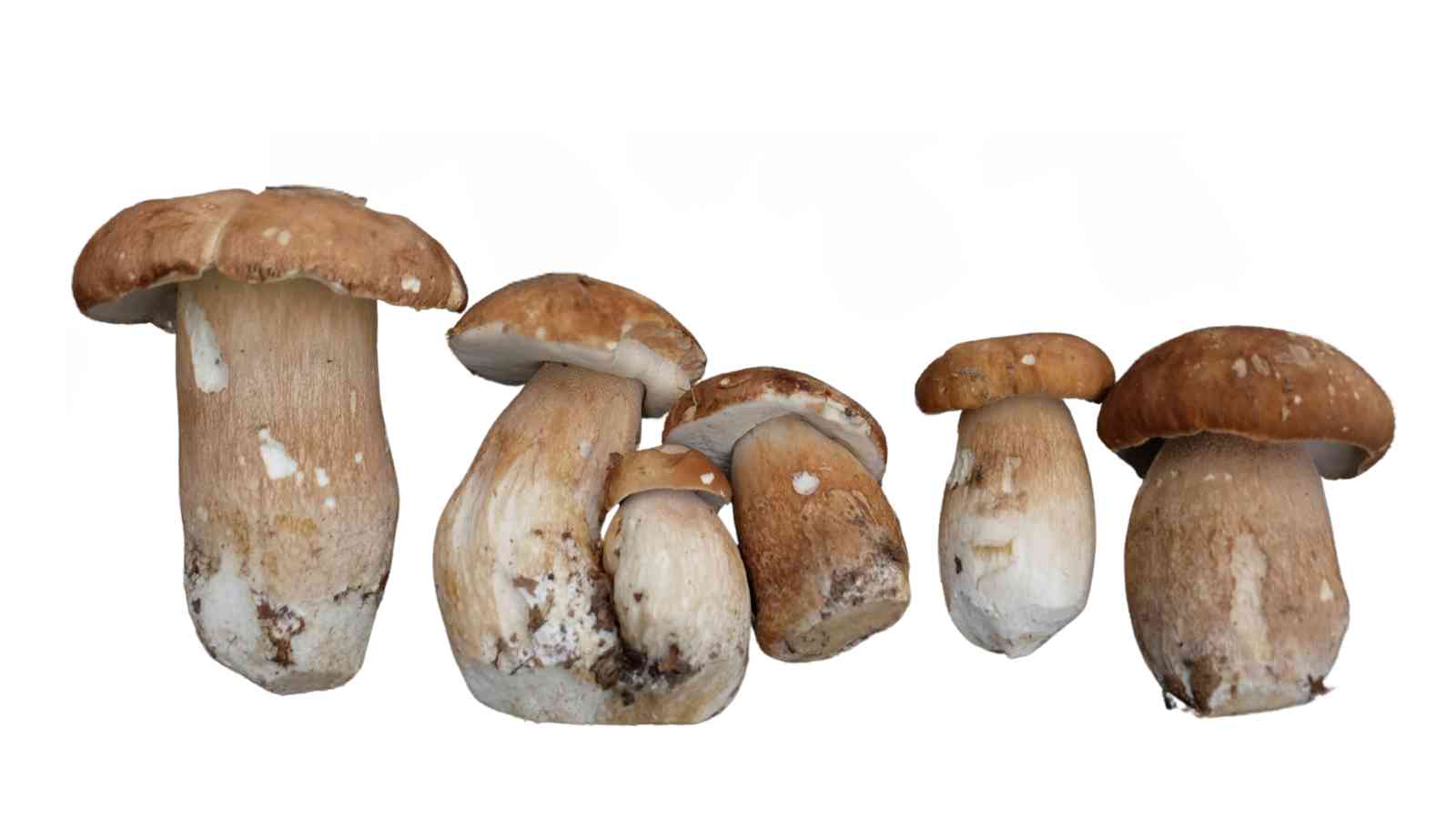
Slightly reddish-brown caps and a deep, earthy aroma make porcinis a favorite among chefs. Fresh porcinis shine in sautéed dishes with garlic and parsley, while dried ones create rich broths for soups and risottos. Add them to polenta or a wild mushroom ragout for a touch of luxury. Their umami-rich flavor pairs well with wine-based sauces.
Maitake Mushrooms
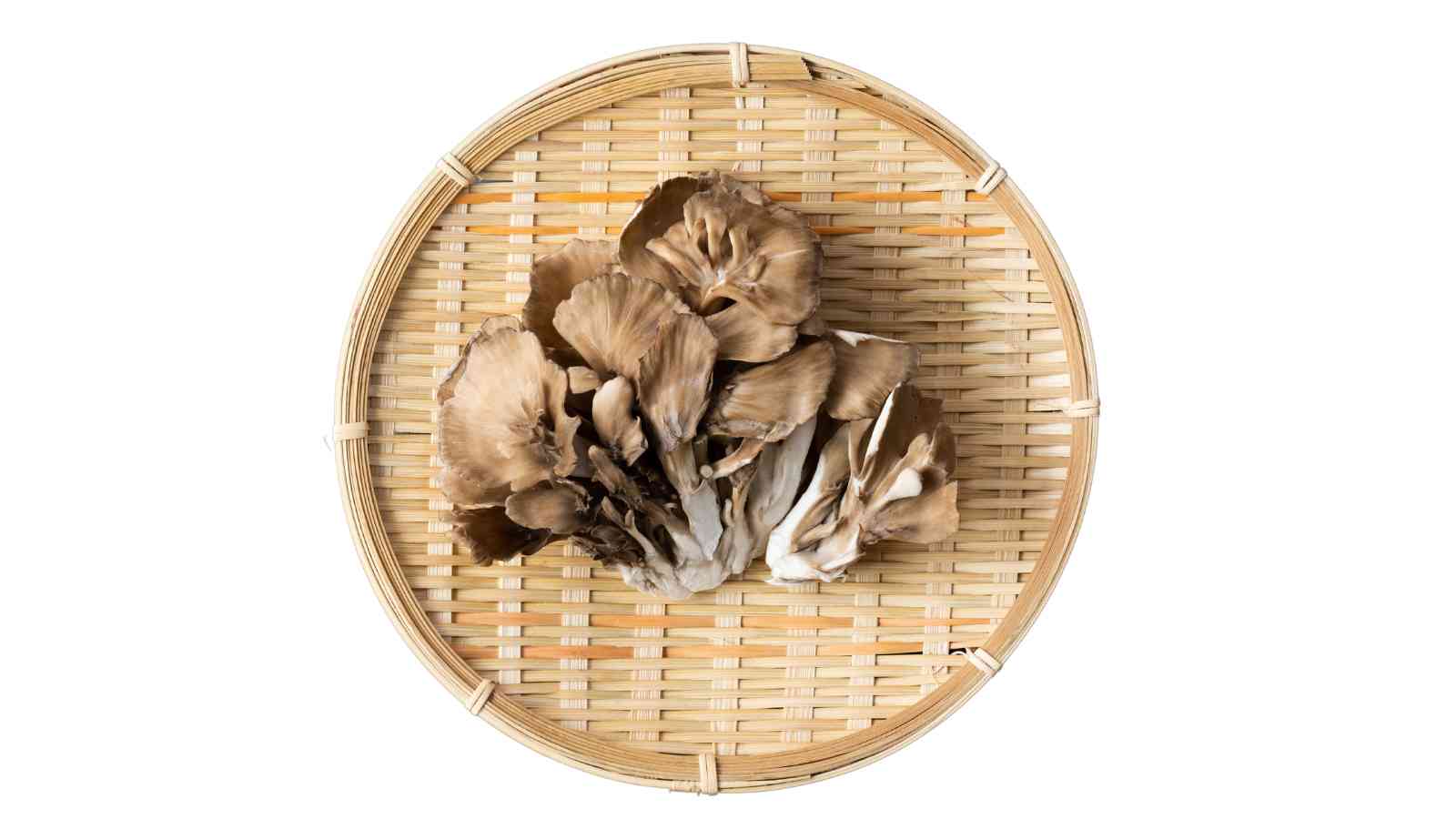
Clustered layers of soft caps give maitakes their feathery appearance. Their savory, gamey taste works beautifully in hearty dishes like roasted vegetables or grain bowls. Miso-glazed maitakes are a fantastic burger topping, while sautéing them with soy sauce creates an easy side. They’re also a delicious addition to omelets or frittatas.
Hedgehog Mushrooms
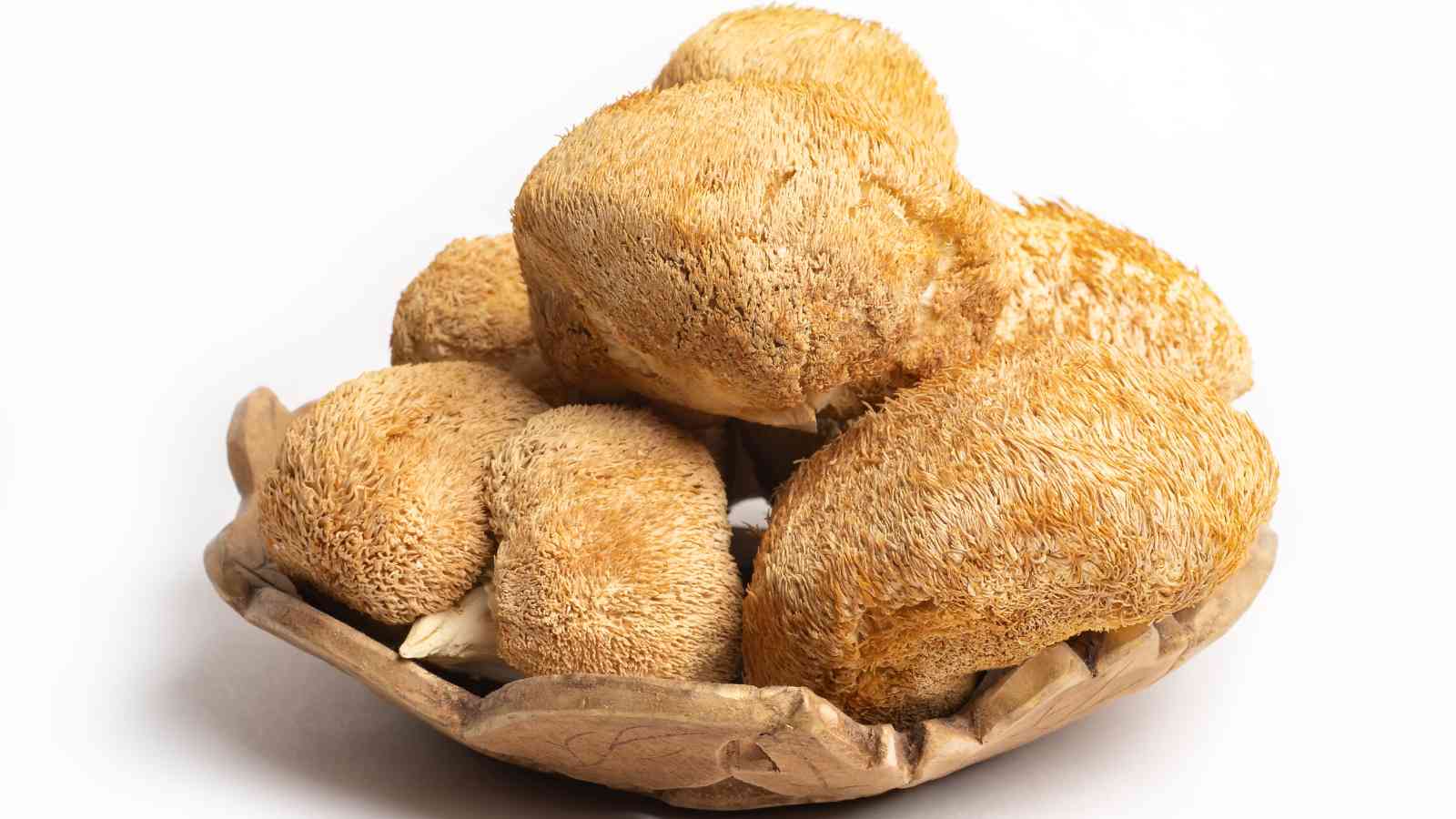
Crunchy and nutty, hedgehog mushrooms bring a unique flavor to the table. They work well in winter stews or mixed mushroom stir-fries, complementing root vegetables. Sauté them with butter and herbs to create a simple yet flavorful side dish. Their firm texture holds up well in soups and baked casseroles.
Cremini Mushrooms

Often called “baby bellas,” cremini mushrooms have a deeper flavor than their button counterparts. Their slightly firmer texture makes them great for roasting or adding to hearty soups. Sauté them with onions and garlic for a quick topping on burgers or steaks. They also blend well into casseroles and stir-fries.
Black Trumpet Mushrooms
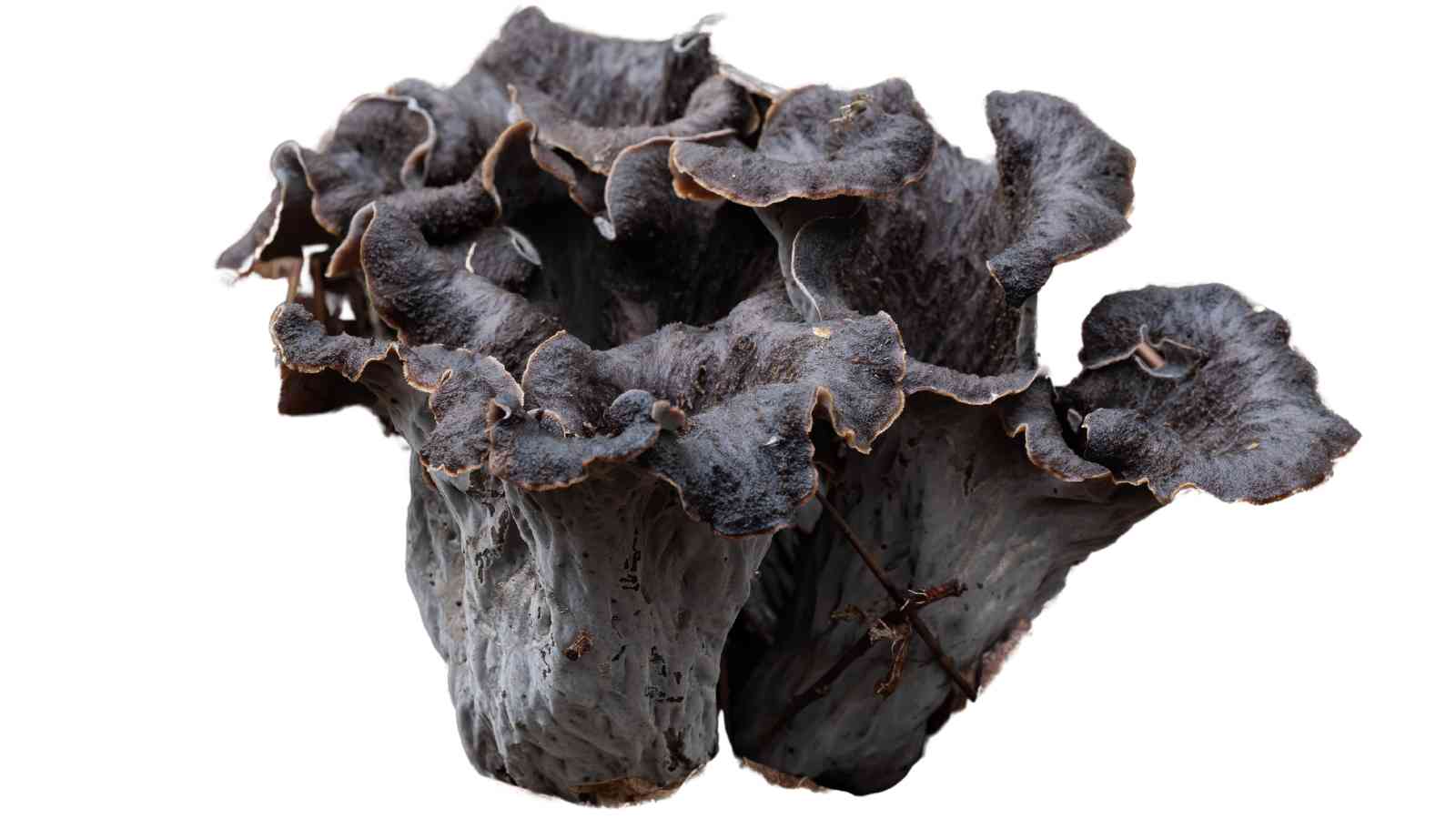
Smoky and rich, black trumpets add a bold flavor to any recipe. Their dried form rivals truffle oil in intensity, perfect for risottos or creamy pasta sauces. Rehydrate and chop them for stuffing chicken breasts or flavoring soups. They also pair well with potatoes or roasted vegetables.
Lion’s Mane Mushrooms
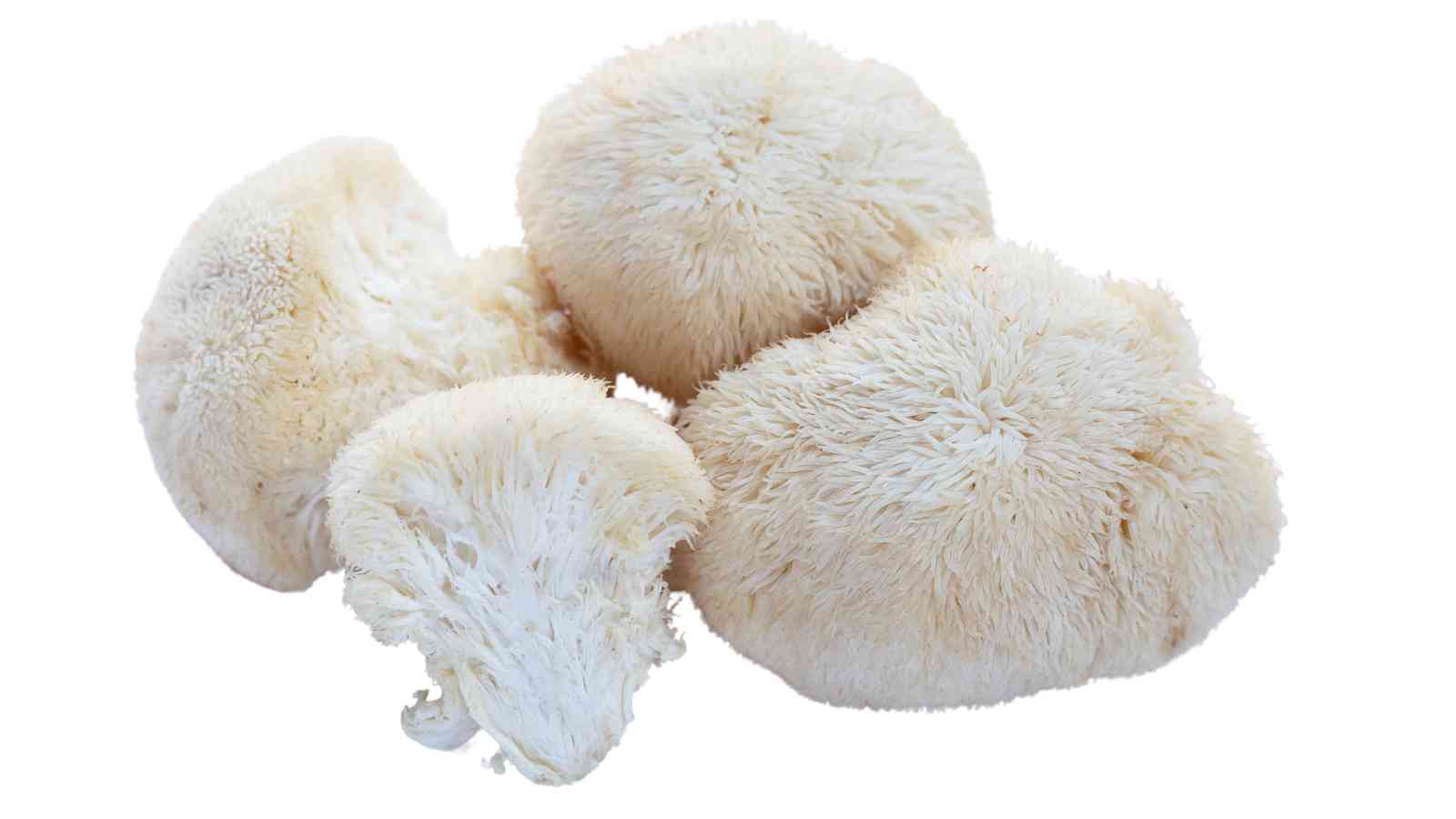
Resembling fluffy pom-poms, lion’s mane mushrooms have a seafood-like flavor and firm texture. Grilling or pan-frying brings out their lobster-like sweetness, while chopping them into soups adds an earthy note. Their hearty structure makes them ideal for vegetarian dishes like crab cake alternatives. Pair with garlic and lemon for a refreshing finish.
Wood Ear Mushrooms
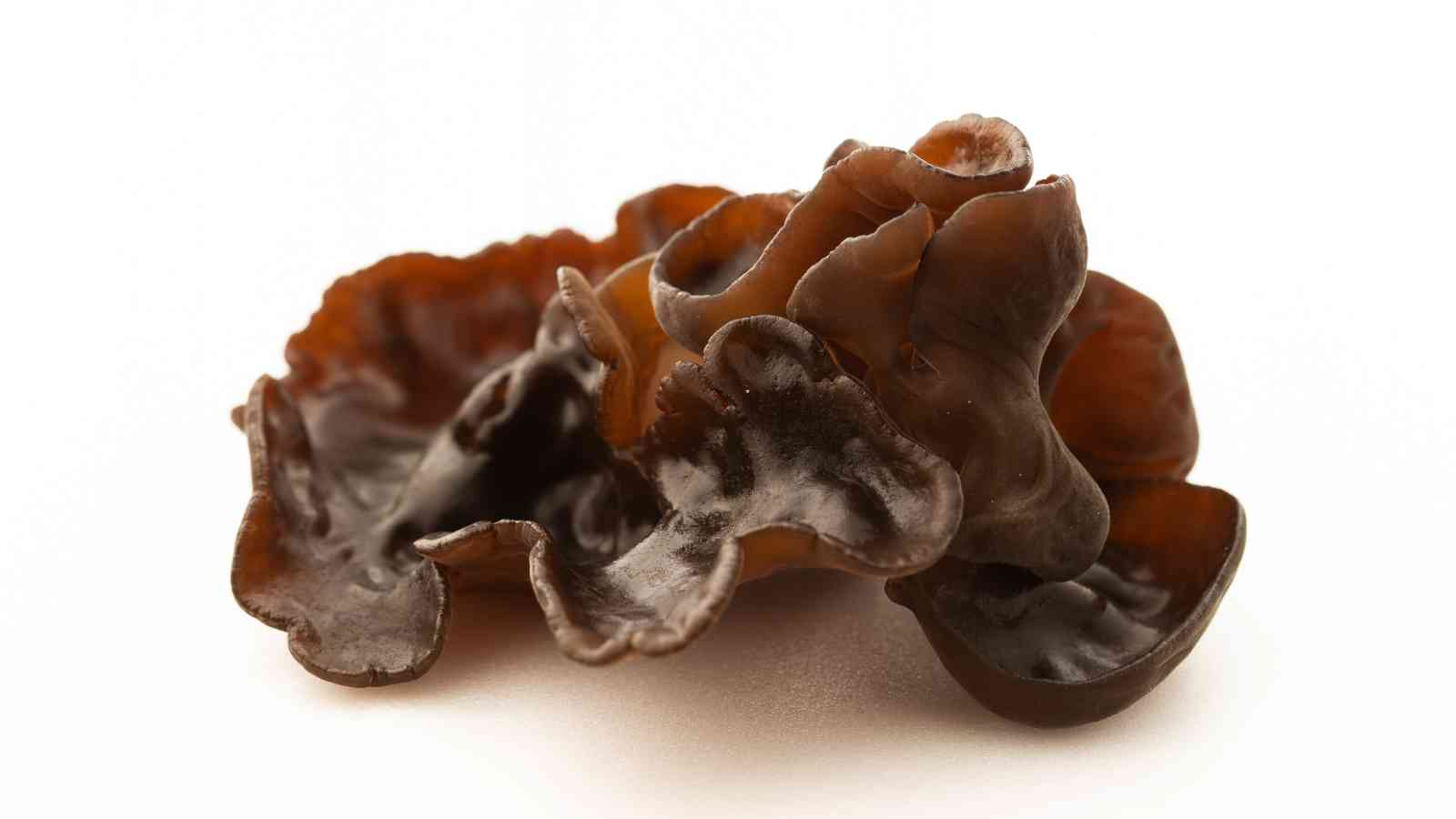
Common in Asian cuisine, wood ear mushrooms have a crunchy texture and subtle flavor. Stir-fry them with vegetables or add them to soups like hot and sour for a satisfying bite. Their chewy consistency also makes them perfect for salads or cold noodle dishes. Slice them thinly and marinate in soy sauce for a quick appetizer.
The Cheese Aisle Decoded! How Many of These 43 Popular Varieties Have You Tasted?
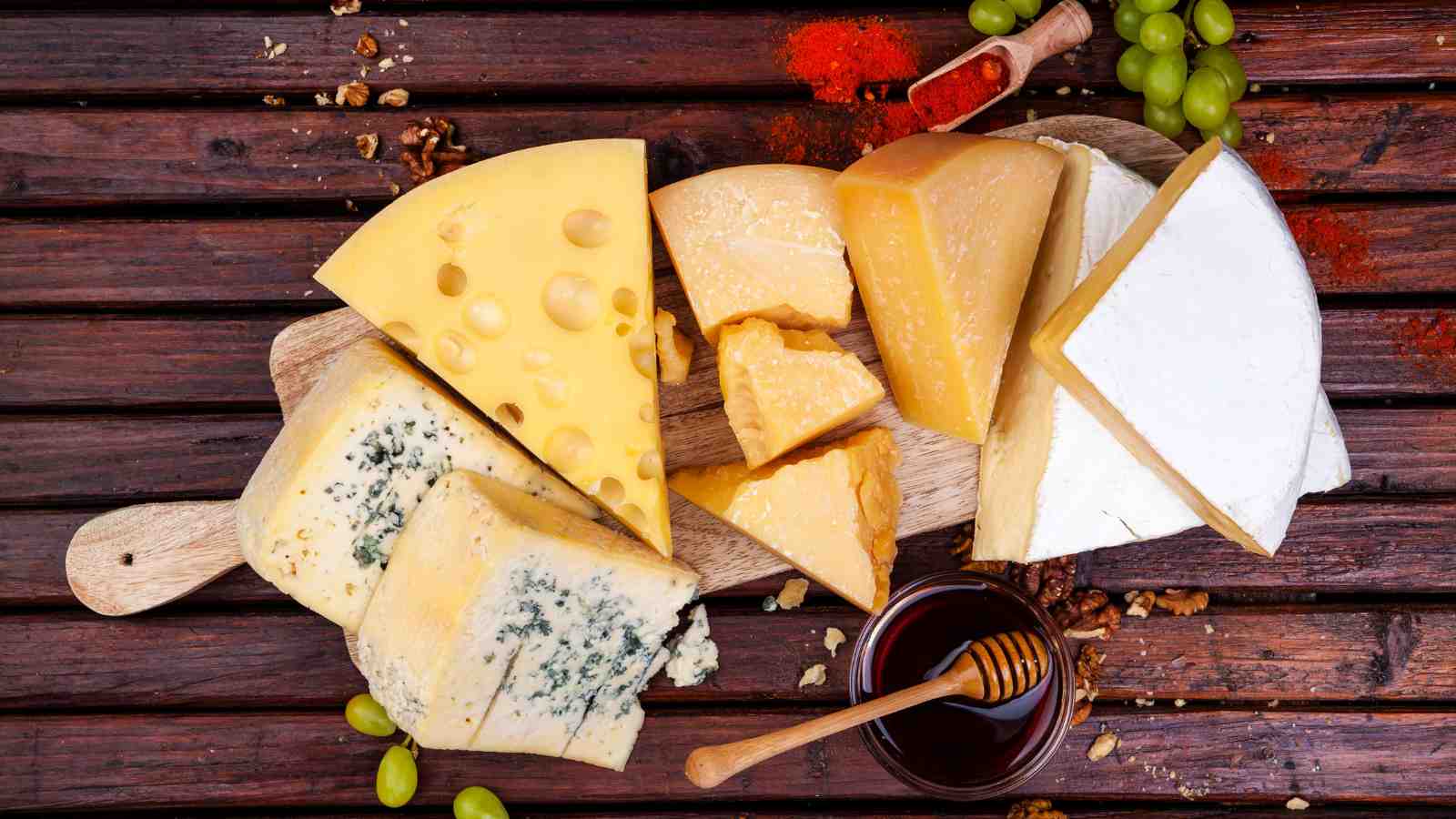
If you’re just grabbing the same cheese every time, you’re missing out on a vast world of flavors and textures that could totally change your dishes. While we can’t list every single type, we’ve decoded 43 of the most popular cheeses you might have seen — or maybe even tasted — at some point.
Not All Salt Is the Same! A Guide to 12 Types of Salt and Their Best Uses

There are different types of salt, each with unique colors, textures, and flavors. These distinctions mean that the salt you choose can make all the difference — and using the right one for the job can truly bring your dishes to life. This guide will take you through 12 types of salt and show you the best way to use each one.

Tamara Tsaturyan is the owner and writer of Thriving In Parenting, a website focused on providing simple tips for busy parents — easy and healthy recipes, home decor and organization ideas and all things P A R E N T I N G.

Share Your Thoughts!
I love to know your thoughts, make sure to comment below to start a discussion! You can also follow me on your favorite social network below.