Fear is a normal part of childhood, but that doesn’t make it any easier to watch our kids struggle with it. Monsters in the closet. Dogs who come too close. Loud thunder. Everything just feels so big when you’re little. As parents, our instinct is to protect them from anything scary, but real courage isn’t built by avoiding fear—it’s built by facing it in small, manageable ways. Helping kids feel safe while also giving them space to work through their fears is a delicate balance, but it’s one that will serve them for life.
So how do we help our kids navigate these worries without making them feel dismissed or overly protected? Fear won’t disappear overnight, but with patience and practice, kids can learn they’re stronger than they think. The trick is knowing when to offer reassurance and when to step back so they can practice handling it themselves.

The Dark and What’s Hiding in It
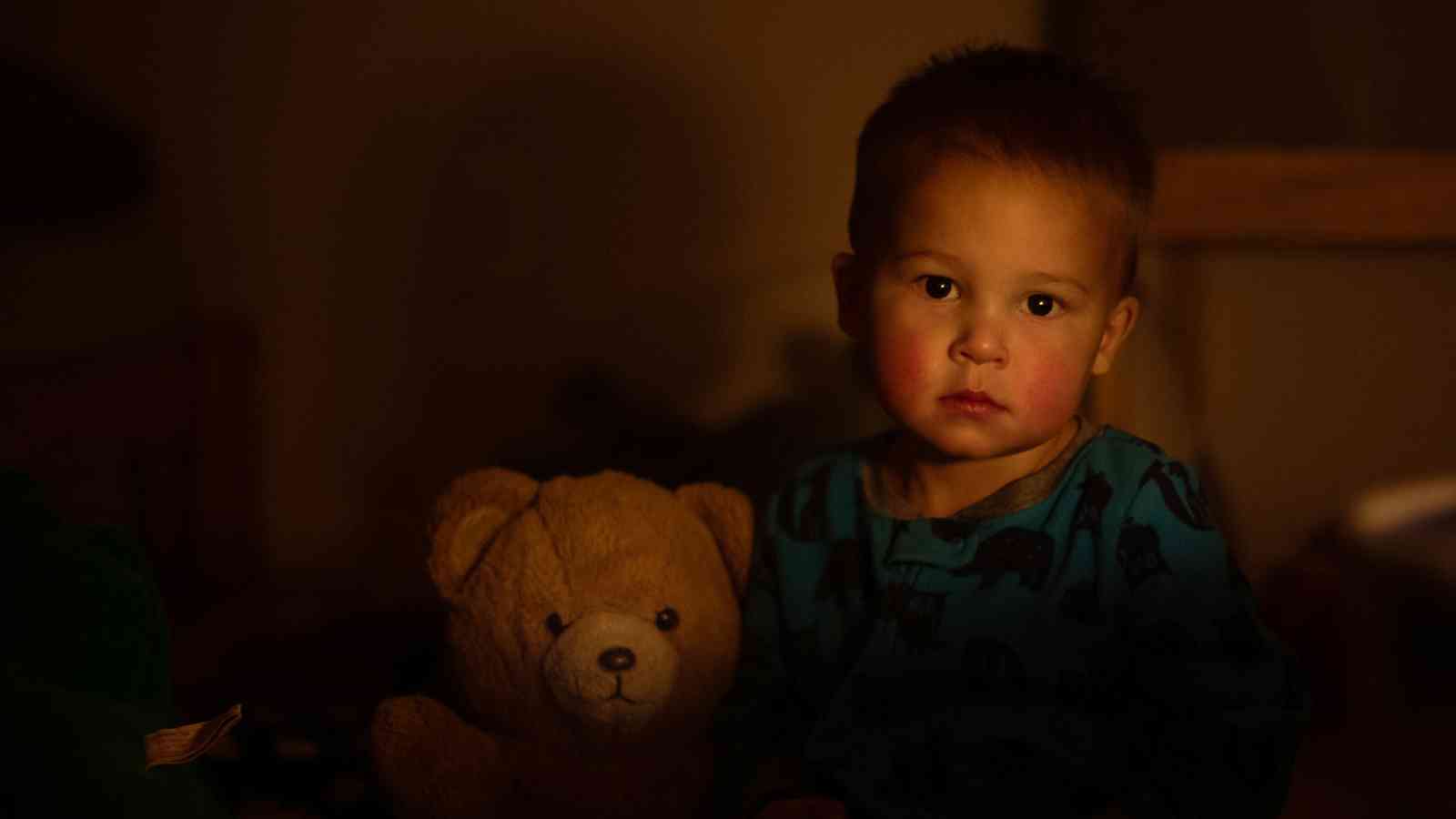
Darkness turns the world into something unfamiliar. Shadows stretch in ways that make everyday objects look scary, and small sounds feel magnified. Helping kids feel safe starts with routine—nightlights, calming bedtime stories, and quiet reassurances. Instead of dismissing the fear, validate it and give them ways to manage their anxiety, like listening to soft music or practicing deep breathing. Confidence comes when they realize they can handle the night on their own.
Bad Dreams That Feel Too Real

Waking up from a nightmare can feel like stepping out of one fear and straight into another. The fear that the dream might come back or that it was real can make bedtime feel impossible. Instead of saying, “It’s just a dream,” help them take control by drawing or talking about it in a silly way. Rewriting the dream’s ending can also help them feel less powerless. Over time, they’ll learn that nightmares are just thoughts, not threats.
Thunderstorms and Bad Weather

Loud claps of thunder and flashing lightning can feel overwhelming to a child. The unpredictability of storms makes them feel out of control, which is scary. Teaching your kids about weather in a fun, factual way helps them understand what’s happening and feel less anxious. Create a cozy atmosphere during storms—snuggle up with a book, play calming music, or count the seconds between thunder and lightning together. Showing them that storms come and go will help build resilience.
Being Home Alone

Even in a familiar place, being alone can make kids feel uneasy. They might worry about what could happen or feel unsure of how to handle unexpected noises. Preparing them ahead of time with a plan—where to go, who to call, and what to do—helps build their confidence. Start small, like staying alone for five minutes while you step outside, and gradually increase the time. Knowing they can handle it, even in little ways, makes a big difference.
Getting “Kidnapped”
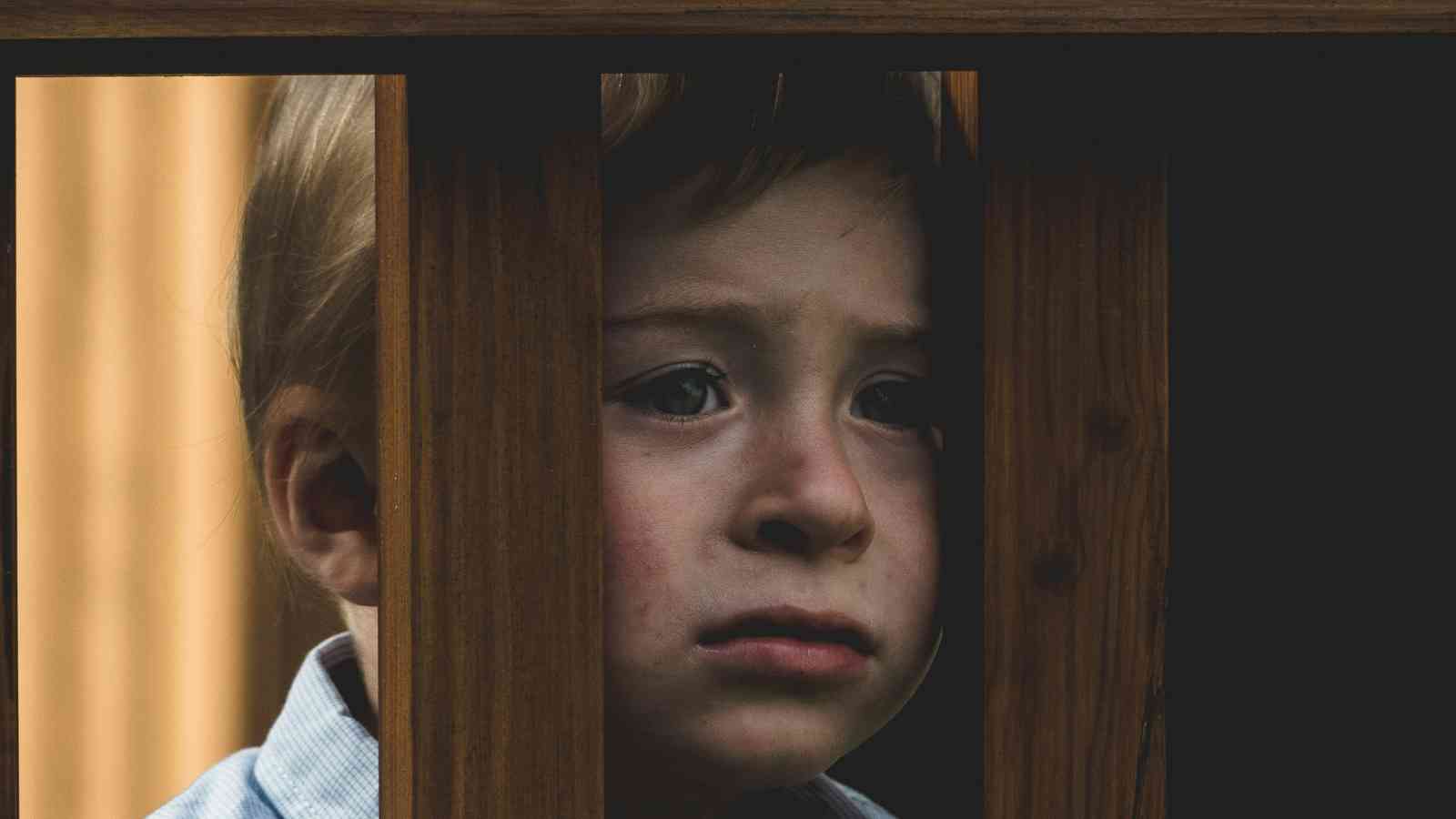
News stories and warnings from adults can make this fear feel very real to a child. They don’t always understand probabilities, so their minds go to the worst-case scenario. Instead of scaring them further, teach them practical safety habits—staying near trusted adults, knowing their full name and address, and recognizing when something doesn’t feel right. Reassure them that most people are good, but they should always trust their instincts. Confidence in their own ability to stay safe can ease the fear.
Going to the Doctor or Dentist

White coats, unfamiliar tools, and the possibility of pain make medical visits a common fear. The unknown is often scarier than the actual experience. Preparing them ahead of time by explaining what to expect and letting them play “doctor” at home can help ease anxiety. Bringing a favorite stuffed animal or book to appointments adds comfort. The more they associate checkups with something routine rather than something scary, the less afraid they’ll be.
Getting Sick or Hurt

For some kids, the fear of getting hurt or catching an illness can become overwhelming. They might worry about what pain feels like or if they’ll recover. Instead of brushing it off, help them understand how bodies heal and how doctors help. Showing them that small injuries heal over time with care can make a big difference. The goal is to help them trust that they can handle discomfort and that help is always available when needed.
Disappointing Parents or Teachers

The fear of letting others down is often tied to a child’s deep need for approval. They might worry that a bad grade, forgotten homework, or a mistake on the field means they’re not good enough. The best way to ease this fear is by showing them that love and value aren’t tied to achievements. Praise effort over results, and remind them that making mistakes is part of learning. When they feel secure in their worth, they’ll stop fearing failure so much.
Stranger Danger

Children are often taught about “stranger danger,” but that can lead to excessive fear. The goal is to help them understand the difference between unsafe situations and regular social interactions. Teaching kids how to recognize red flags—like an adult asking them to keep secrets or offering gifts—helps them feel prepared rather than scared. Encourage them to trust their instincts and seek help when something doesn’t feel right. Confidence in their awareness helps reduce unnecessary fear.
Creepy Crawlies Everywhere
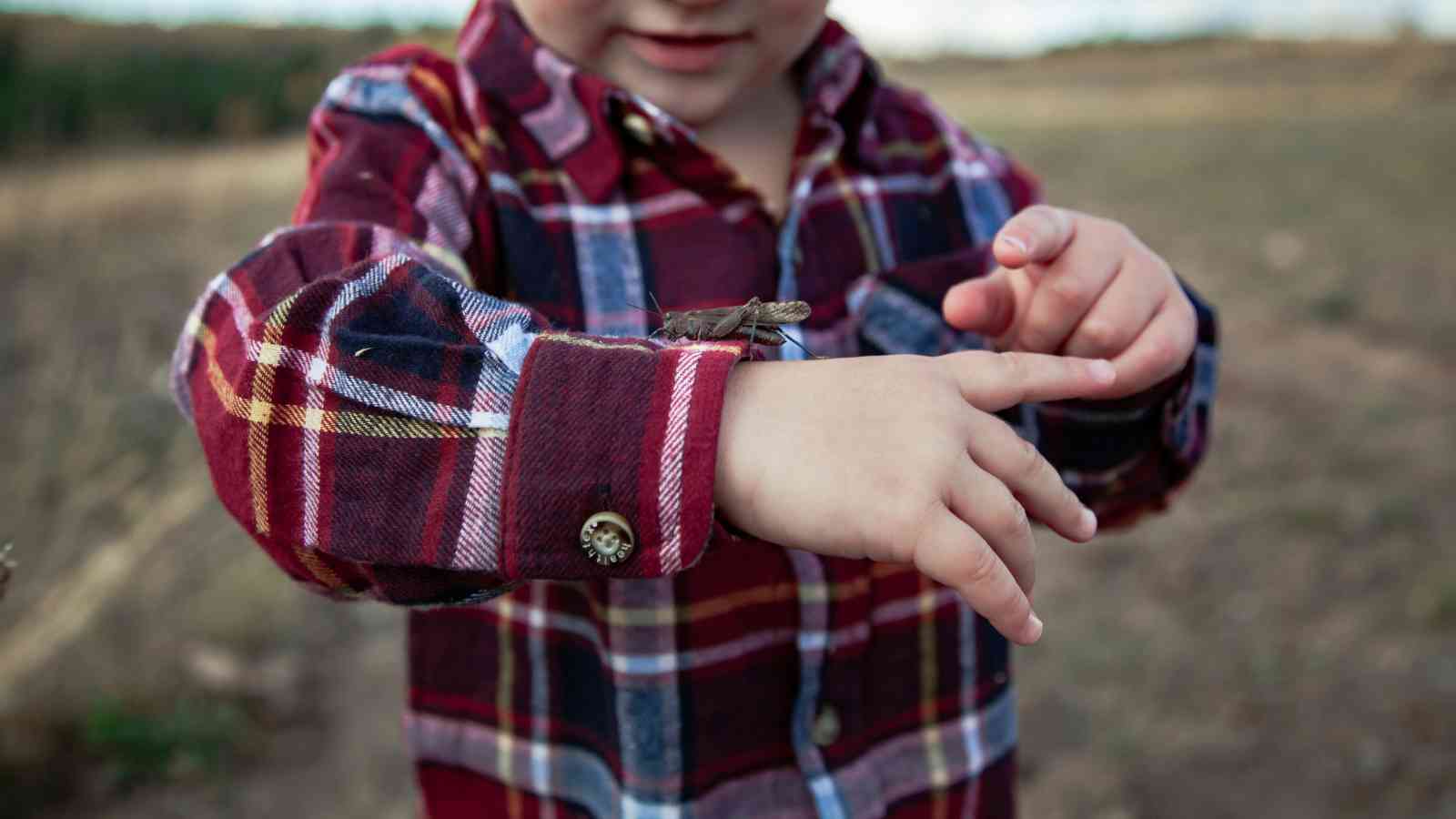
Tiny creatures can feel like big threats to little kids. Fast movements, buzzing sounds, and unexpected appearances can make bugs seem scary. Instead of reinforcing the fear, help them learn about insects and their role in nature. Watching bugs safely from a distance or reading books about them can make them less intimidating. Familiarity turns fear into curiosity.
High Places That Make Tummies Flip

Looking down from a high place can trigger a deep fear of falling. The best way to help kids overcome this is gradual exposure—climbing low playground structures, standing on a small step stool, and working their way up. Encouraging them to take safe risks builds confidence. When they realize they can climb, balance, and stay safe, the fear loses its grip. Supporting them as they test their limits teaches them to trust their abilities.
Loud Noises and Sudden Booms
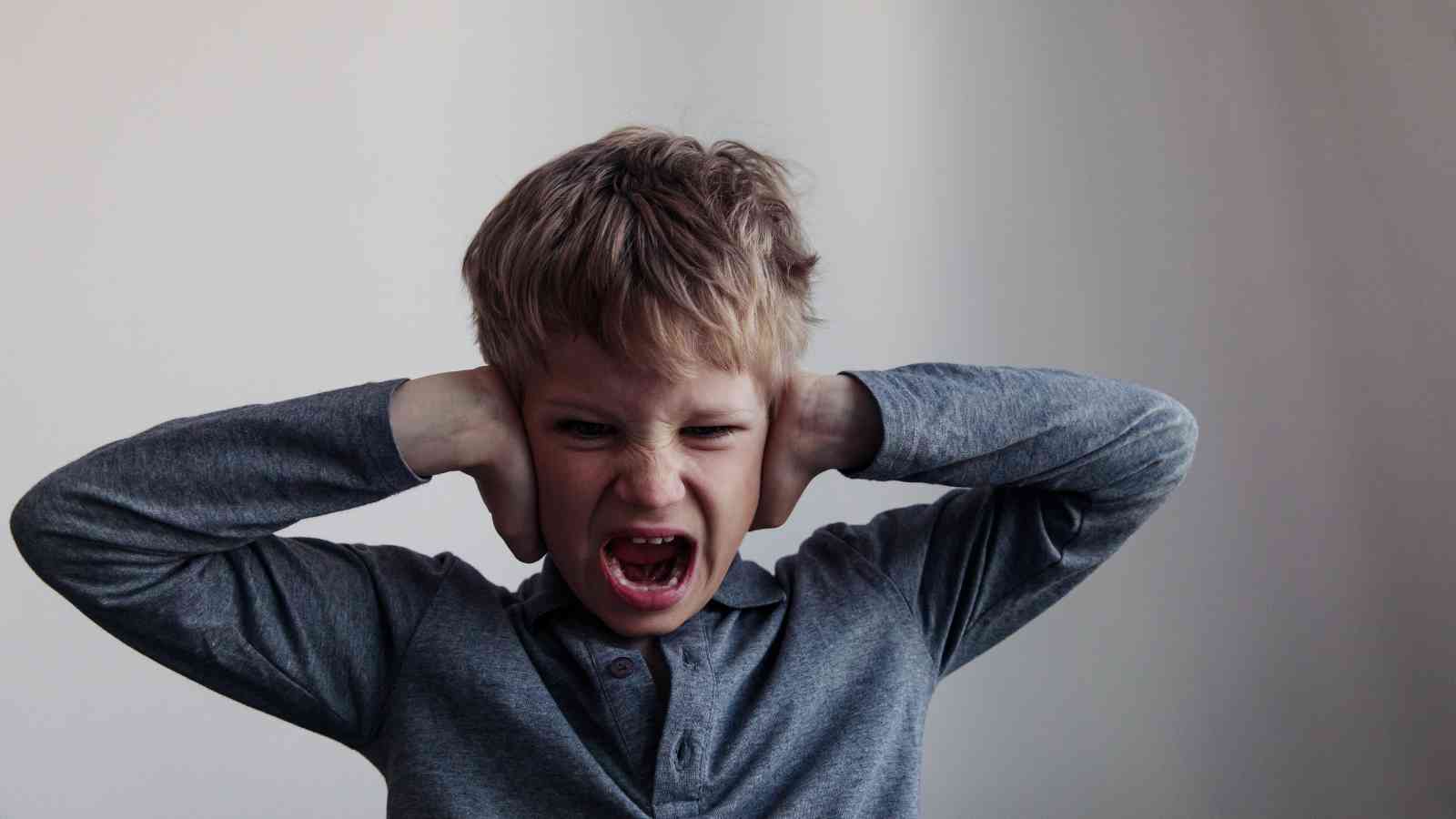
Fireworks, alarms, and even flushing toilets can be overwhelming for sensitive kids. Their nervous system reacts to sudden, unexpected sounds, making them feel out of control. Letting them use headphones or step away when needed gives them a sense of control. Over time, exposure in a calm, supportive environment can help lessen their sensitivity. Understanding that they can manage their reaction helps them feel safer.
Deep Water and the Fear of Sinking

Deep water and the inability to touch the ground can feel terrifying. A gentle introduction—starting with wading, practicing in shallow areas, and using flotation devices—builds confidence. Encouraging play with water toys can help create positive associations. Respecting their pace rather than forcing them helps build trust. Over time, they’ll see water as something fun rather than frightening.
Dogs, Cats and Unexpected Animal Encounters

Dogs, cats, and other animals can seem unpredictable and intimidating. Slowly introducing kids to calm, friendly animals can ease their fear. Teaching them how to read animal behavior and respect their space helps build confidence. Positive experiences, like feeding or petting a gentle pet, can create a sense of control. With time, fear turns into familiarity and trust.
Getting Separated in a Crowded Place
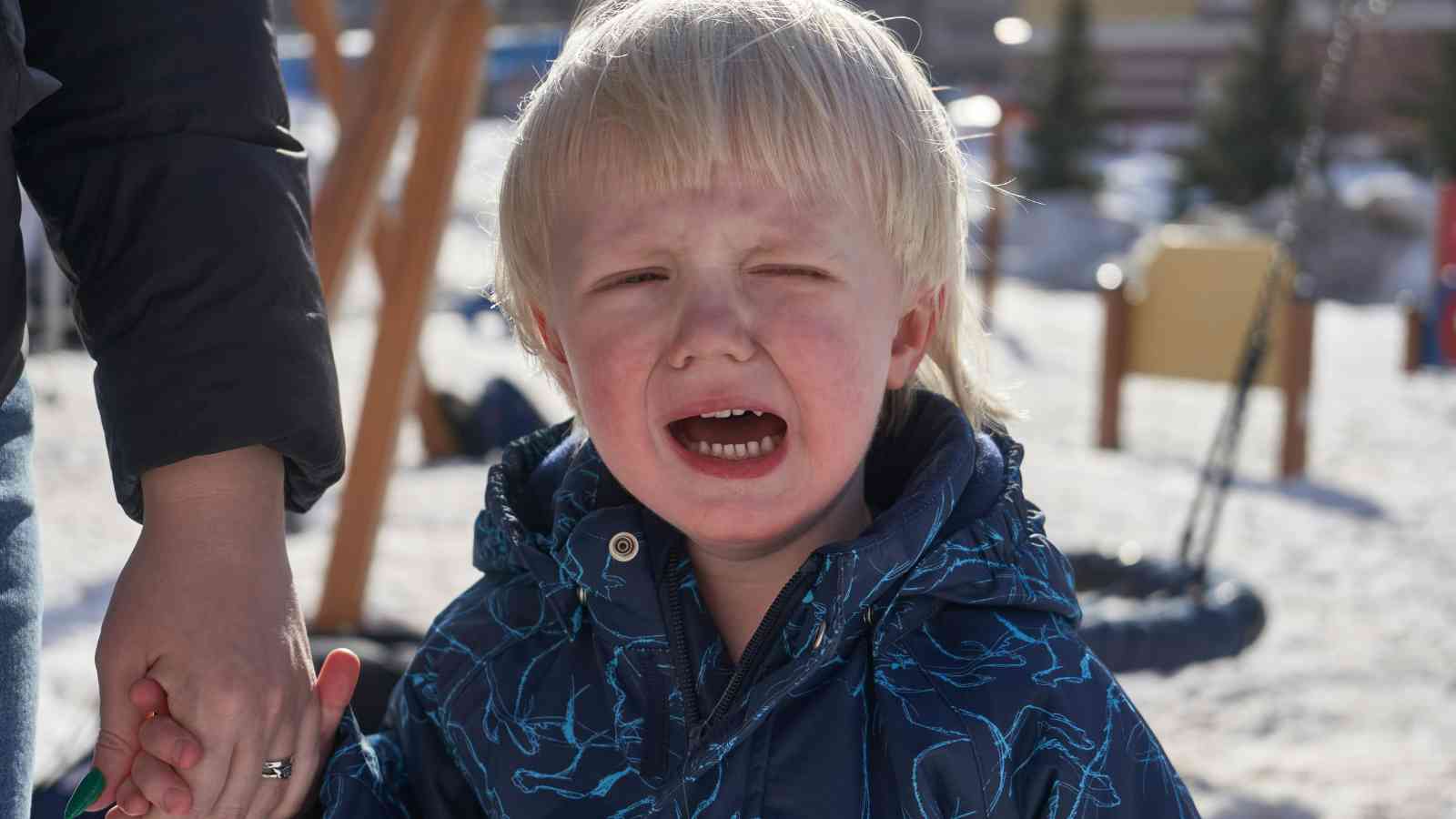
Being separated from parents in a public place can be terrifying for a child. Instead of just warning them about the danger, teach them what to do if it happens. Role-playing different scenarios—finding a safe adult, staying in one place, or knowing your phone number—can help them feel prepared rather than panicked. Reassure them that they won’t be in trouble for asking for help. Knowing they have a plan makes the fear more manageable.
Old-School Parenting Lessons That Kids Today Could Seriously Benefit From

These old-school values weren’t about being overly strict or harsh—they were about preparing kids for the real world. While times have changed, the wisdom behind those parenting principles is still just as relevant today.
15 Things Parents Did in the ’50s That Would Spark Outrage Today

Here are 15 things parents did back then that would totally spark outrage today. Looking back now, some of these parenting choices seem downright shocking, while others make us appreciate how much we’ve learned. What was once considered normal would now have people calling child services. Many of these choices weren’t questioned back then, but with time, research, and new societal norms, we’ve come to see things differently.

Tamara Tsaturyan is the owner and writer of Thriving In Parenting, a website focused on providing simple tips for busy parents — easy and healthy recipes, home decor and organization ideas and all things P A R E N T I N G.

Share Your Thoughts!
I love to know your thoughts, make sure to comment below to start a discussion! You can also follow me on your favorite social network below.