How lucky are those people who seem to breeze through flu season, avoid the stomach bugs going around, and somehow always bounce back quickly from the occasional sniffle? You might think it’s genetics or just pure luck, but there’s often something much more practical behind that track record. Your immune system is built and maintained by what you eat daily. Meals aren’t just about energy, they’re about sending signals to your body’s defense network. The people who rarely get sick usually have a set of quiet, consistent food habits that keep their immune system responsive and less prone to burnout. They eat in ways that support the body’s natural defense mechanisms without triggering unnecessary stress or imbalance. Here are 17 food habits they live by—and why each one works. These aren’t one-time fixes, but long-term habits that strengthen the body’s internal balance.

They Eat a Variety of Fruits and Vegetables Daily

Rotating through different fruits and vegetables helps you cover a wide spectrum of essential nutrients. Each color contains different antioxidants and phytochemicals that reduce cellular stress and support your immune cells. Fiber from these foods also feeds your gut bacteria, strengthening your gut lining where much of your immune system lives. You’re not just avoiding illness—you’re giving your body the raw materials it needs to fight back. A colorful plate every day means broader defense for every system in your body.
They Don’t Skip Breakfast

Eating a solid breakfast sets your immune system up for the day. When you fuel your body in the morning with balanced foods like oats, yogurt, or eggs, you stabilize blood sugar and reduce stress on your adrenal system. Consistent breakfast habits are linked to improved white blood cell function and fewer inflammatory spikes. You’re also more likely to meet your daily nutrient needs when you don’t skip the first meal. Skipping breakfast might feel harmless, but over time it can chip away at your immune stability.
They Include Fermented Foods Often

Regular servings of kimchi, kefir, or sauerkraut bring beneficial bacteria into your gut. These probiotics help regulate inflammation, support your gut lining, and enhance immune surveillance. Fermented foods also help produce short-chain fatty acids that promote balance in your microbiome. By nurturing the trillions of microbes in your gut, you’re helping your immune system detect and respond to threats more efficiently. A balanced gut equals a more alert, more responsive immune system.
They Don’t Overdo the Sugar

Consuming too much sugar, especially refined kinds, can weaken the activity of white blood cells for hours. That means your immune system may temporarily drop its guard after a high-sugar snack or drink. People who rarely get sick tend to be mindful of their sugar intake, limiting sweets to occasional treats. This habit helps reduce chronic inflammation, which can interfere with immune function. Balanced blood sugar also means less stress on your body overall, which supports stronger defenses.
They Cook at Home More Often Than Not

Preparing your own meals gives you full control over ingredients, portion sizes, and cooking methods. You naturally avoid excessive additives, artificial flavors, and unhealthy fats that are common in packaged foods. Home cooking also encourages more whole foods, like fresh produce and lean proteins. Eating this way helps your body get more vitamins, minerals, and fiber consistently. Over time, these choices keep your immune system running smoothly without extra burden from ultra-processed ingredients.
They Stay Hydrated

Drinking enough water throughout the day helps your lymphatic system carry immune cells where they’re needed. Proper hydration also keeps your mucous membranes moist, which forms a first line of defense against airborne pathogens. Whether it’s water, herbal tea, or broth, these fluids support your body’s natural detox and defense systems. Dehydration can lead to fatigue and sluggish responses to infection. Staying hydrated ensures your immune machinery works without unnecessary friction.
They Include Garlic and Onions Often

Allicin, a compound found in garlic, has antimicrobial effects that can help your body fight bacteria and viruses. Onions contain sulfur compounds that support detoxification and immune modulation. When eaten regularly, these foods can help reduce inflammation and support respiratory health. Their natural compounds also help enhance gut health and liver function—two areas closely linked to immunity. Including them in your daily meals adds flavor and powerful immune support without effort.
They Don’t Fear Healthy Fats

Unsaturated fats from foods like avocados, flaxseeds, and salmon help your body absorb fat-soluble vitamins that play direct roles in immune response. Omega-3 fatty acids in particular are known to regulate inflammation, a key factor in immune resilience. These fats also support cell membrane health, allowing immune cells to communicate and respond effectively. Avoiding all fats out of fear can deprive your body of these crucial benefits. Including them in moderation strengthens your body’s foundation for long-term health.
They Snack Smart

Snacking with intention means choosing foods that offer more than just empty calories. Options like almonds, boiled eggs, or fruit with nut butter give you protein, fiber, and healthy fats that keep energy and immune function steady. These snacks avoid blood sugar crashes that can put stress on your body and lower resistance. Nutrient-dense snacks can also help you meet your daily vitamin and mineral needs without overeating. Every snack becomes a small act of immune support when it’s made with purpose.
They Use Spices Generously

Turmeric, ginger, and garlic all have compounds that help reduce inflammation and support your body’s ability to fight infection. Spices are rich in antioxidants that reduce oxidative stress, a condition that can weaken immune defenses. Adding them to your meals boosts flavor and nutrition without added sodium or sugar. Many traditional diets with strong health records feature spices prominently. Making them a daily habit gives your immune system access to powerful natural allies.
They Don’t Always Eat Until Stuffed

Eating past the point of fullness can strain your digestive system and cause low-grade inflammation. People who eat mindfully often have steadier energy and more efficient nutrient absorption. By listening to your body’s hunger cues, you avoid metabolic stress that can reduce immune function over time. Chronic overeating is linked to higher levels of inflammation and insulin resistance. Choosing to stop when you feel satisfied helps your body stay balanced and more resilient.
They Watch the Alcohol

Alcohol in excess can disrupt gut bacteria, impair liver function, and interfere with sleep—all of which are important for immune strength. Those who rarely get sick tend to limit or avoid alcohol altogether. Even moderate intake can reduce the effectiveness of certain immune cells like lymphocytes and macrophages. Cutting back gives your immune system space to work without being suppressed. Staying mindful of your intake helps keep internal systems working in sync.
They Pay Attention to Vitamin Gaps

Whether through food or supplements, staying on top of nutrients like vitamin D, zinc, and vitamin C is essential. These nutrients play key roles in immune cell production, barrier protection, and inflammation control. People who rarely get sick often check their levels, especially in winter or during periods of stress. They don’t just rely on random supplements—they choose with purpose based on their needs. Filling these gaps keeps your immune defense system fully equipped year-round.
They Prioritize Protein with Every Meal

Proteins supply the amino acids your body uses to build immune cells and antibodies. Meals that include protein—whether from tofu, eggs, chicken, or beans—help keep your immune response strong and consistent. Skipping protein can lead to muscle loss and reduced healing capacity. When you include it regularly, your body is better prepared to fight off infections and bounce back from illness. Protein also helps stabilize energy, which supports daily physical and mental resilience.
They Limit Ultra-Processed Foods

Packaged snacks, sugary cereals, and processed meats often introduce harmful fats, sugar, and additives that wear down your immune response over time. Reducing these foods lowers inflammation and improves gut function, two critical components of immunity. Those who avoid getting sick tend to reach for real, whole foods that offer more than just calories. Swapping chips for fruit or soda for water has a lasting impact on your internal health. It’s not about cutting everything out—just about choosing better more often.
They Time Their Eating Wisely

Keeping a consistent eating schedule helps regulate your body’s circadian rhythm, which influences hormone levels and immune readiness. Late-night eating can disrupt digestion and reduce sleep quality, both of which affect how your body handles stress and infection. People who rarely get sick often avoid eating too close to bedtime, giving their system time to rest and repair. Regular meal timing also supports healthier gut bacteria, which are deeply tied to immunity. Timing isn’t just about metabolism—it’s about setting the whole body into a healthier rhythm.
They Choose Whole Grains Over Refined Carbs
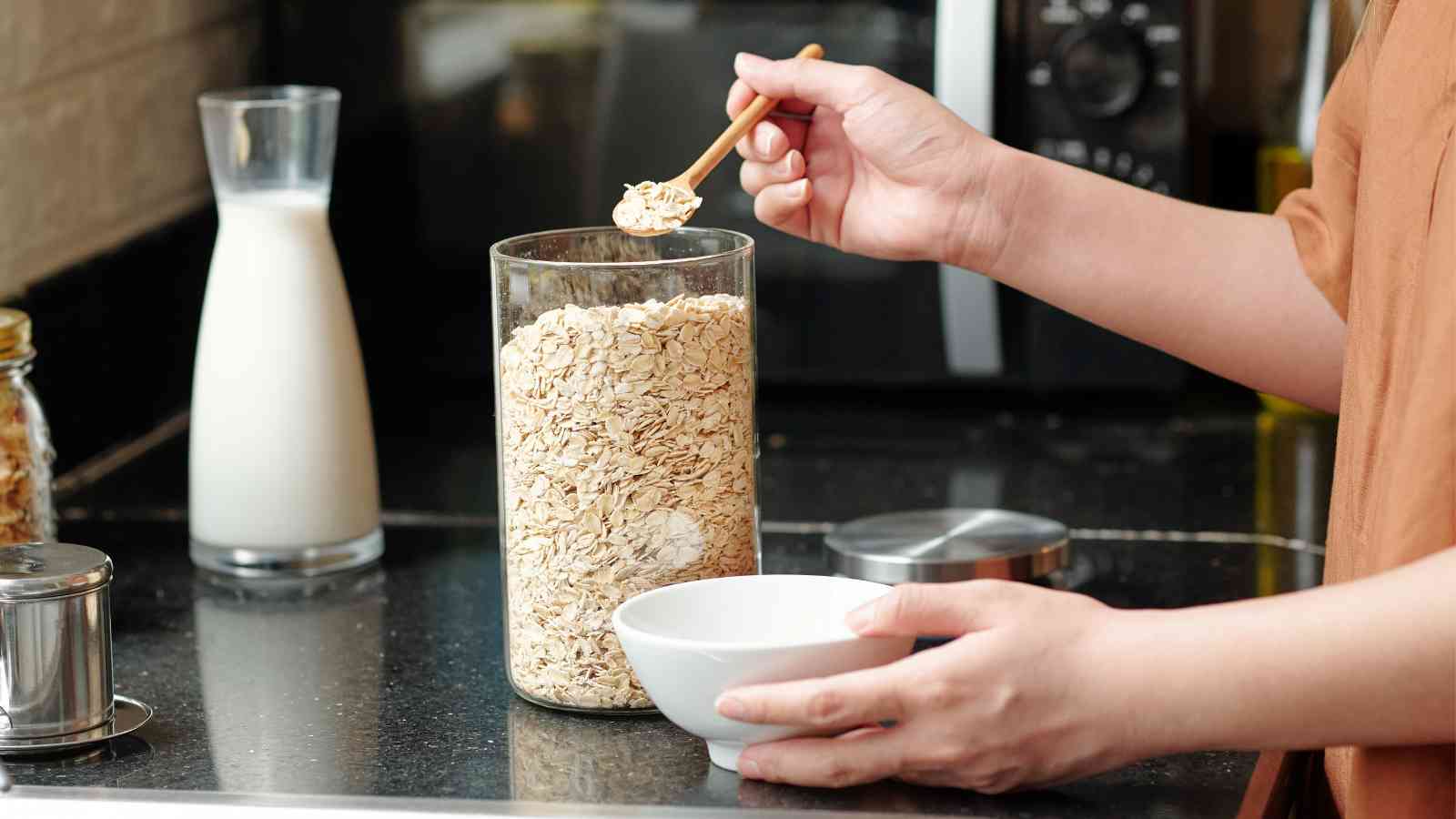
Whole grains like quinoa, brown rice, and oats offer complex carbohydrates that break down slowly and fuel your body evenly. They also provide key nutrients like magnesium, B vitamins, and selenium—all of which support immune function. Unlike refined carbs, whole grains help control blood sugar, reduce inflammation, and support a balanced gut microbiome. Including them in your meals supports steady energy and long-term health. It’s a quiet but powerful way to keep your defenses in check every day.
25 Eating Habits that Can Boost Your Health Naturally

Instead of relying on extreme diets or unproven hacks, building small, intentional habits into your meals can create consistent health benefits over time. Nutrition doesn’t have to be complicated to be effective—it just needs to be practical and sustainable. Here are 25 smart eating habits that can naturally boost your health. Build them into your routine one at a time — your body will notice the difference.
20 Habits That Make Healthy Eating More Automatic

Whether you’re trying to eat more vegetables, reduce overeating, or simply feel more in control, these 20 habits can make healthy eating second nature—no discipline marathon required. Instead of relying on willpower alone, you’ll be creating conditions that support better decisions, over and over again.

Tamara Tsaturyan is the owner and writer of Thriving In Parenting, a website focused on providing simple tips for busy parents — easy and healthy recipes, home decor and organization ideas and all things P A R E N T I N G.

Share Your Thoughts!
I love to know your thoughts, make sure to comment below to start a discussion! You can also follow me on your favorite social network below.