Parenting often feels like juggling convenience and nutrition, especially when kids beg for foods that are easy to unwrap and eat. Packaged options are everywhere, and they sneak into your pantry in ways you don’t even realize. What seems harmless can actually be packed with sugar, sodium, preservatives, and ingredients you can’t even pronounce. Kids love them because they taste sweet, crunchy, or salty, but you might be shocked at how processed they really are. Even foods labeled “healthy” sometimes hide more additives than you’d expect. As moms, we don’t have to eliminate them completely, but knowing what’s inside helps us make smarter choices. Think of this list as a little flashlight into what’s really fueling your kids week after week.

Breakfast Cereals

Colorful boxes make mornings fun, but many cereals have as much sugar as a candy bar. Even those marketed as “whole grain” usually come with added flavors and artificial coloring. Your kids might love the crunch, but the crash comes fast once the sugar wears off. Some cereals sneak in marshmallows or frosted coatings, making them more like dessert than breakfast. It’s no wonder mornings can feel like a rollercoaster ride after that bowl.
Granola Bars

They sound healthy, but most granola bars are sticky with corn syrup or coated with chocolate drizzle. Instead of fueling kids, they often spike blood sugar and leave them hungry soon after. Many brands even add candy-like pieces that make them more of a treat. Parents love tossing them in backpacks, but it’s easy to forget how processed they are. What looks like a “healthy snack” is really just a disguised dessert.
Fruit Snacks
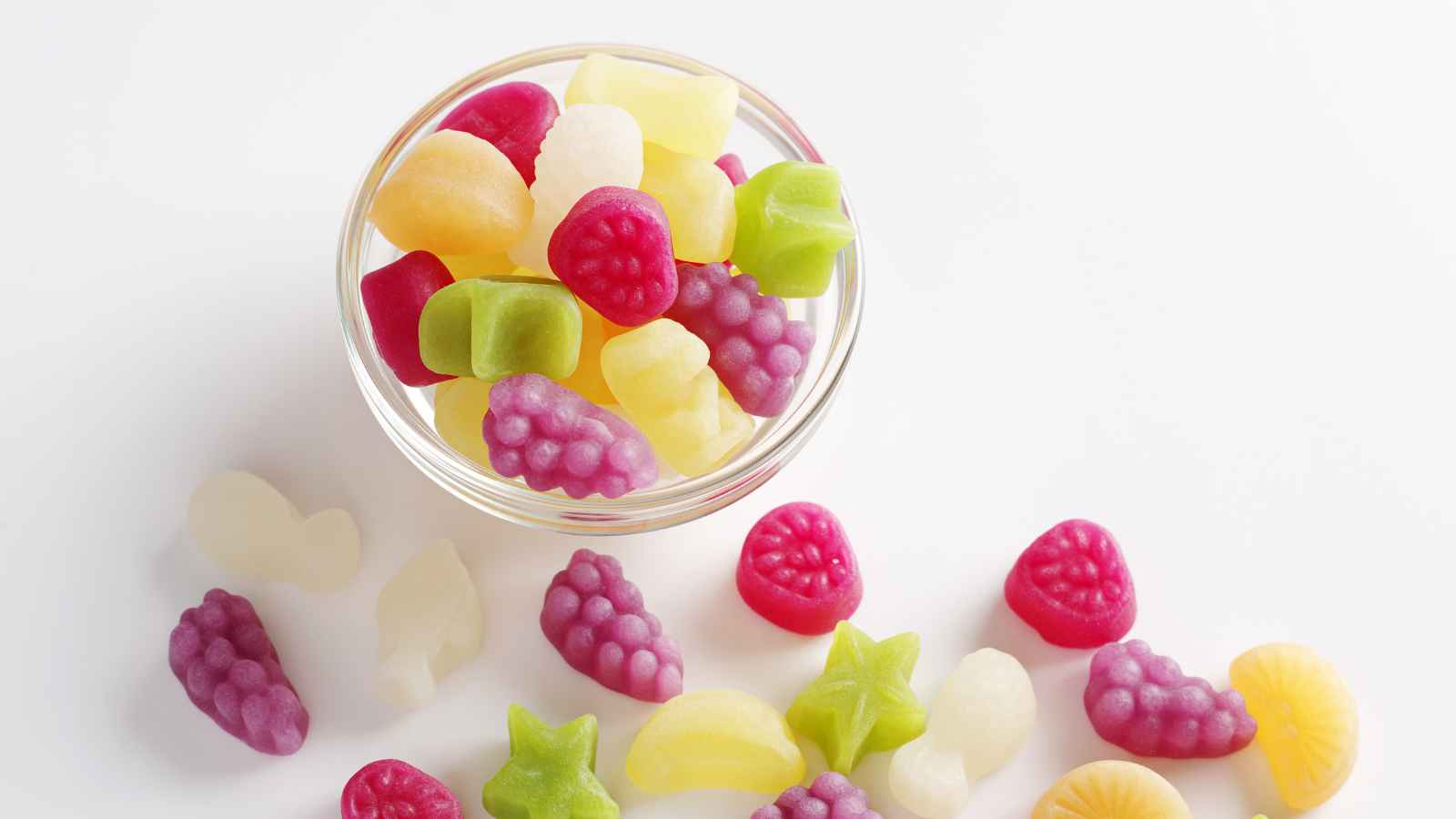
Those tiny packets seem like a win, but they’re basically chewy candy shaped like fruit. Even when they say “made with real fruit juice,” the amount is tiny compared to the added sugar. Artificial dyes make them extra colorful, which is why kids can’t resist. The stickiness can also cling to teeth, leading to cavities. They may calm snack-time meltdowns, but they don’t offer much nutrition.
Flavored Yogurts

A single cup of flavored yogurt can carry as much sugar as ice cream. What looks creamy and innocent often has syrups, fruit “purees,” and even sprinkles. Kids love scooping them up, but it’s less of a healthy snack and more of a sweet treat. Parents sometimes choose them thinking it’s better than pudding, but the nutrition gap isn’t as big as expected. Unless it’s plain yogurt, it’s closer to dessert than breakfast.
Juice Boxes
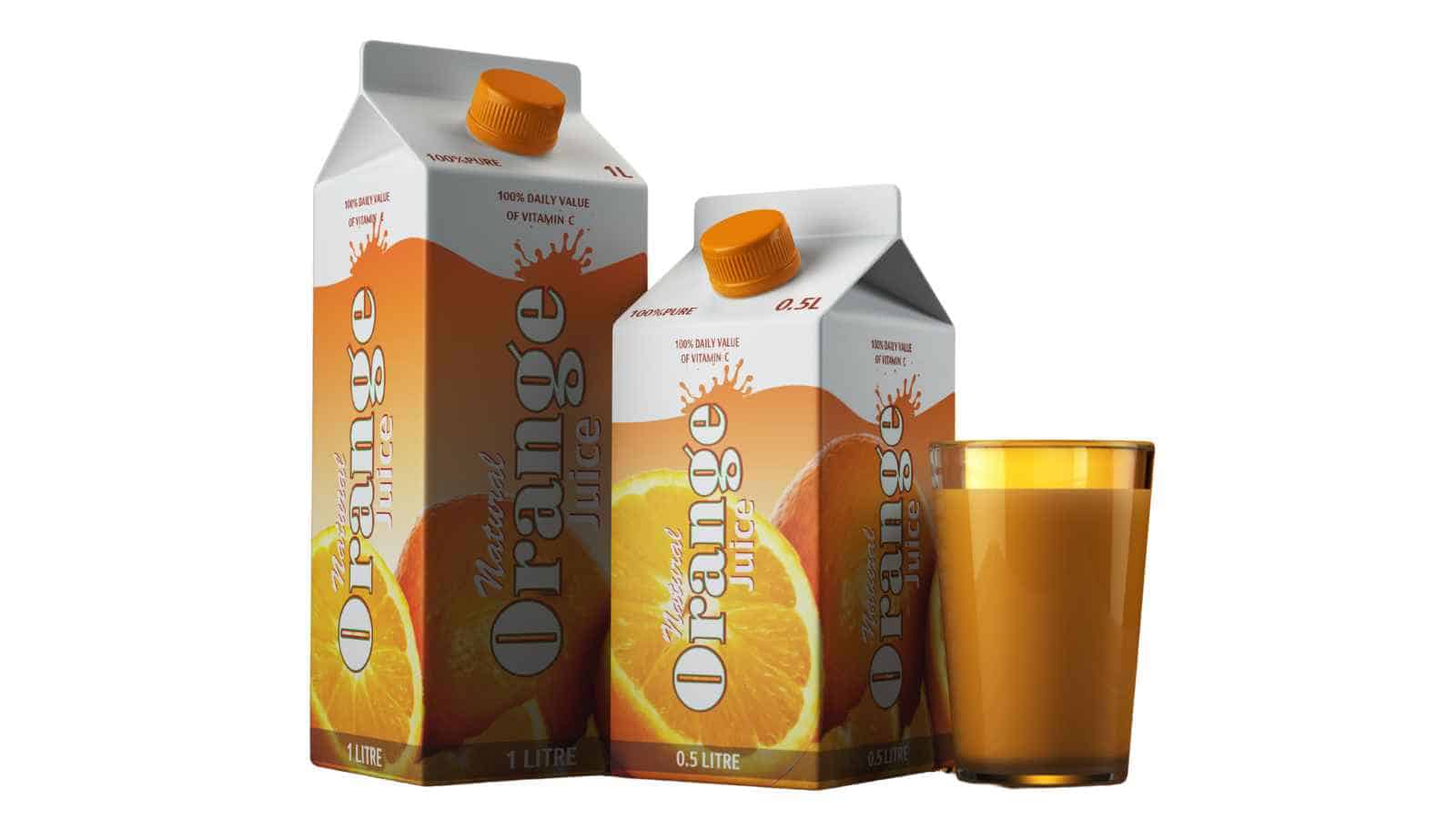
Cute packaging makes juice boxes a lunchbox favorite, but they’re usually closer to flavored sugar water. The fruit label gives parents a sense of relief, but most of the real fruit is stripped away. Without the fiber from whole fruit, the sugar rush hits hard. They’re hydrating in a pinch, but water does a much better job. That daily juice box adds up faster than you realize.
Instant Oatmeal Packets
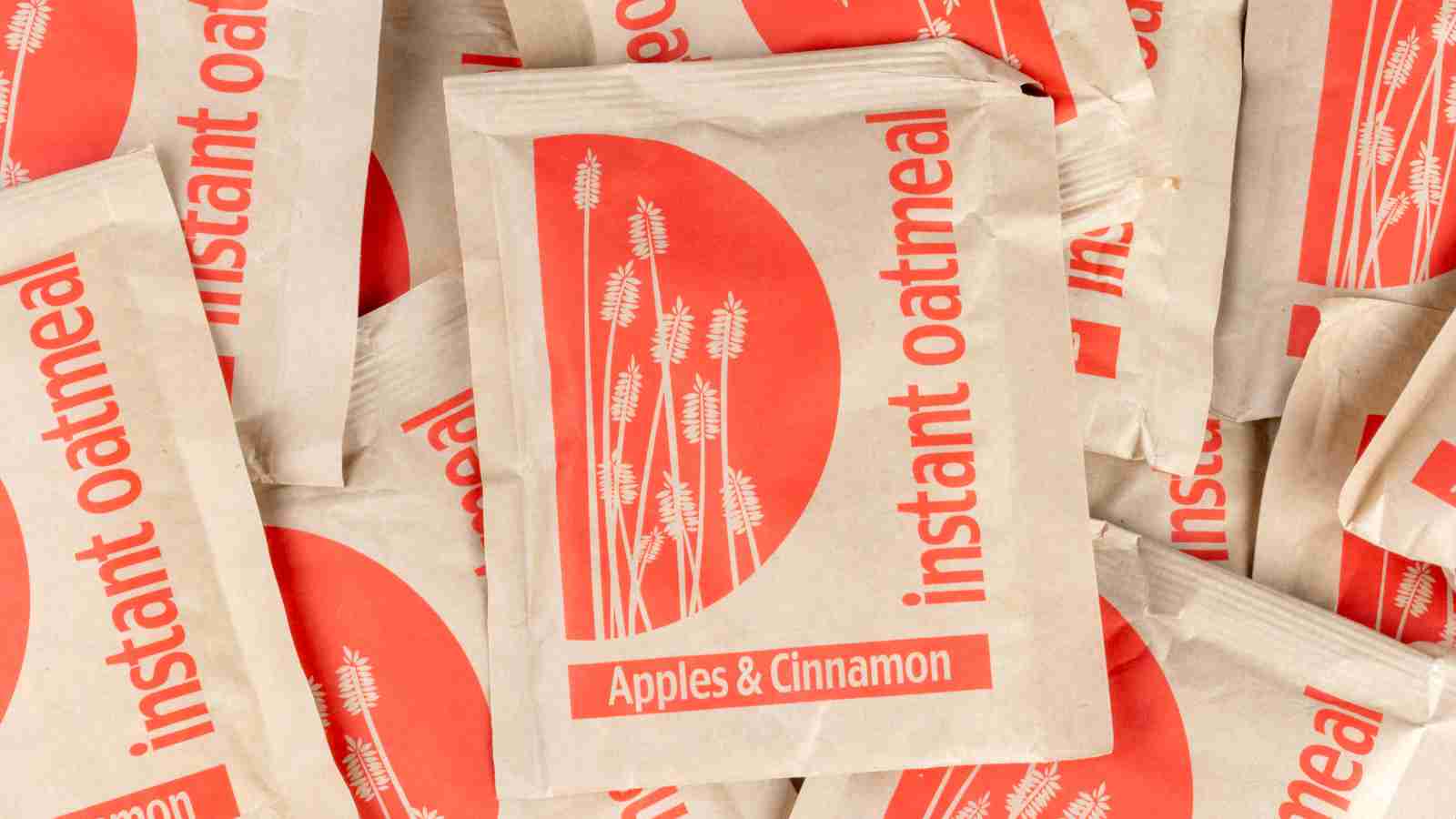
Packets are quick on busy mornings, but they’re loaded with flavored sugars and salt. Kids enjoy flavors like “maple” or “apple cinnamon,” but those tastes come from syrups and powders. While oats themselves are healthy, these versions undo the benefits. It feels comforting to serve a warm bowl, but the nutrition often doesn’t match the label. What should be hearty fuel ends up being another processed shortcut.
Chicken Nuggets
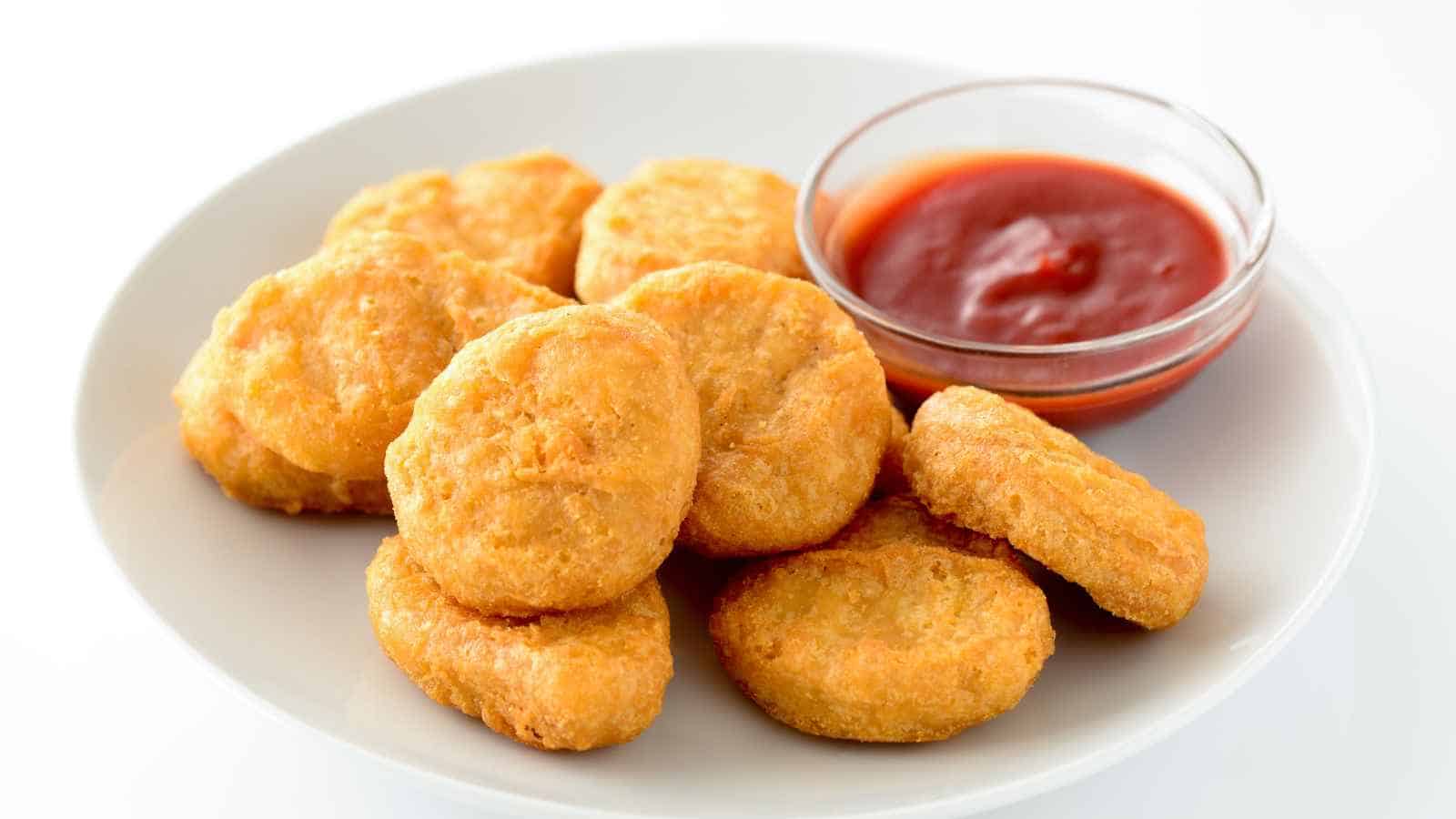
Few kids say no to nuggets, but they’re one of the most processed meats on the plate. The breading is usually fried and loaded with oils, while the meat often contains fillers. They’re quick to bake or microwave, making them an easy dinner fallback. Parents may feel relieved kids are eating “protein,” but the additives tell a different story. Nuggets may win the dinner battle, but they don’t win on nutrition.
Hot Dogs

Hot dogs are fun at cookouts, but they’re a processed meat loaded with sodium and preservatives. The texture kids enjoy comes from fillers and added flavors. They’ve been around forever, which makes them feel harmless, but the ingredients list is long. Tossing them into a bun feels like an easy meal, but it’s more salt than substance. Even “all beef” versions aren’t as simple as they sound.
Lunchables
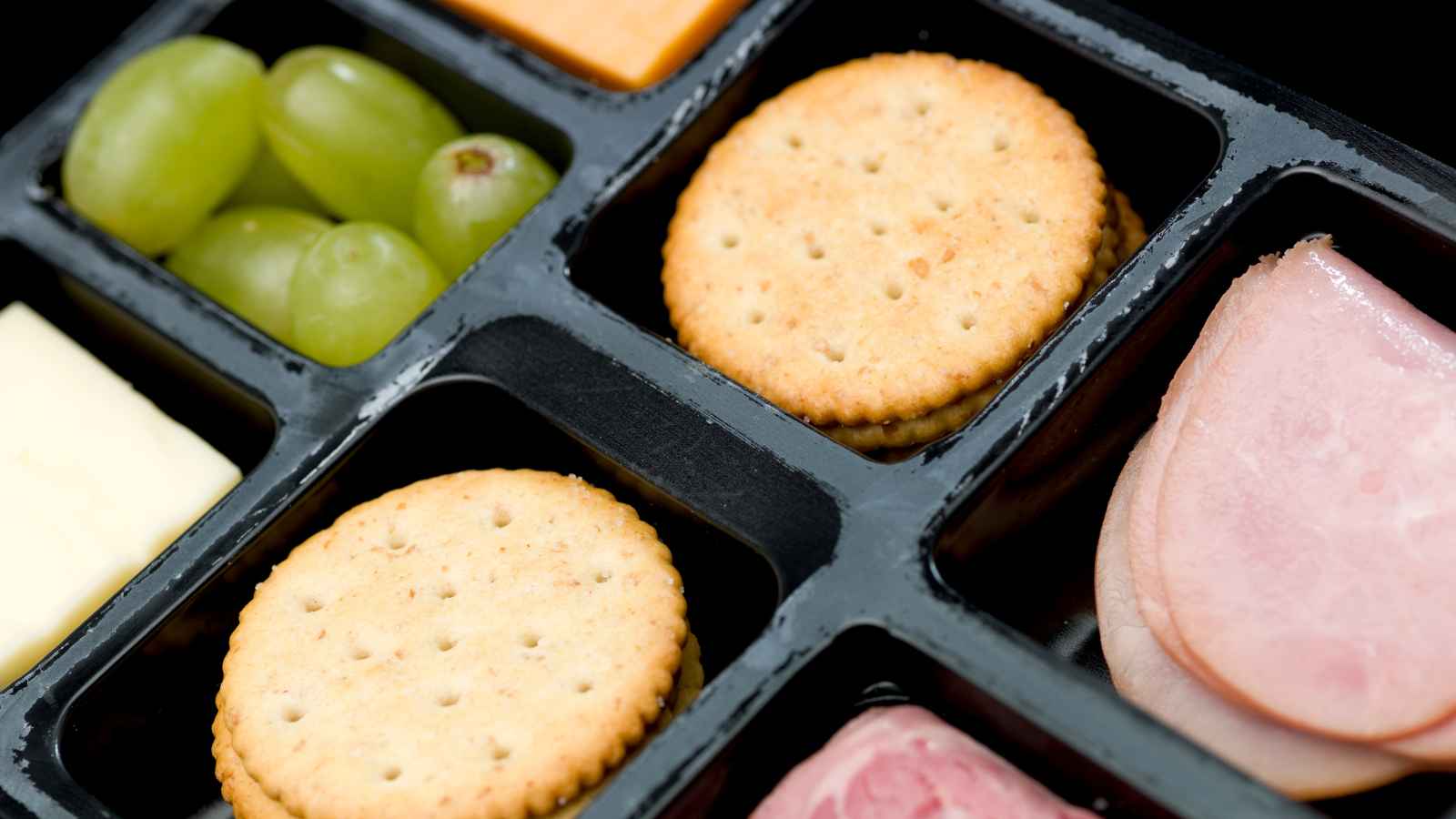
Packaged in colorful trays, Lunchables trick kids into thinking they’re fun “DIY” meals. Inside, the meats and cheeses are highly processed and full of sodium. The crackers may taste cheesy or buttery, but they’re mostly refined flour. Parents reach for them when mornings are rushed, but it’s not the balanced meal it pretends to be. Behind the playful packaging is just another processed food lineup.
Mac And Cheese Cups
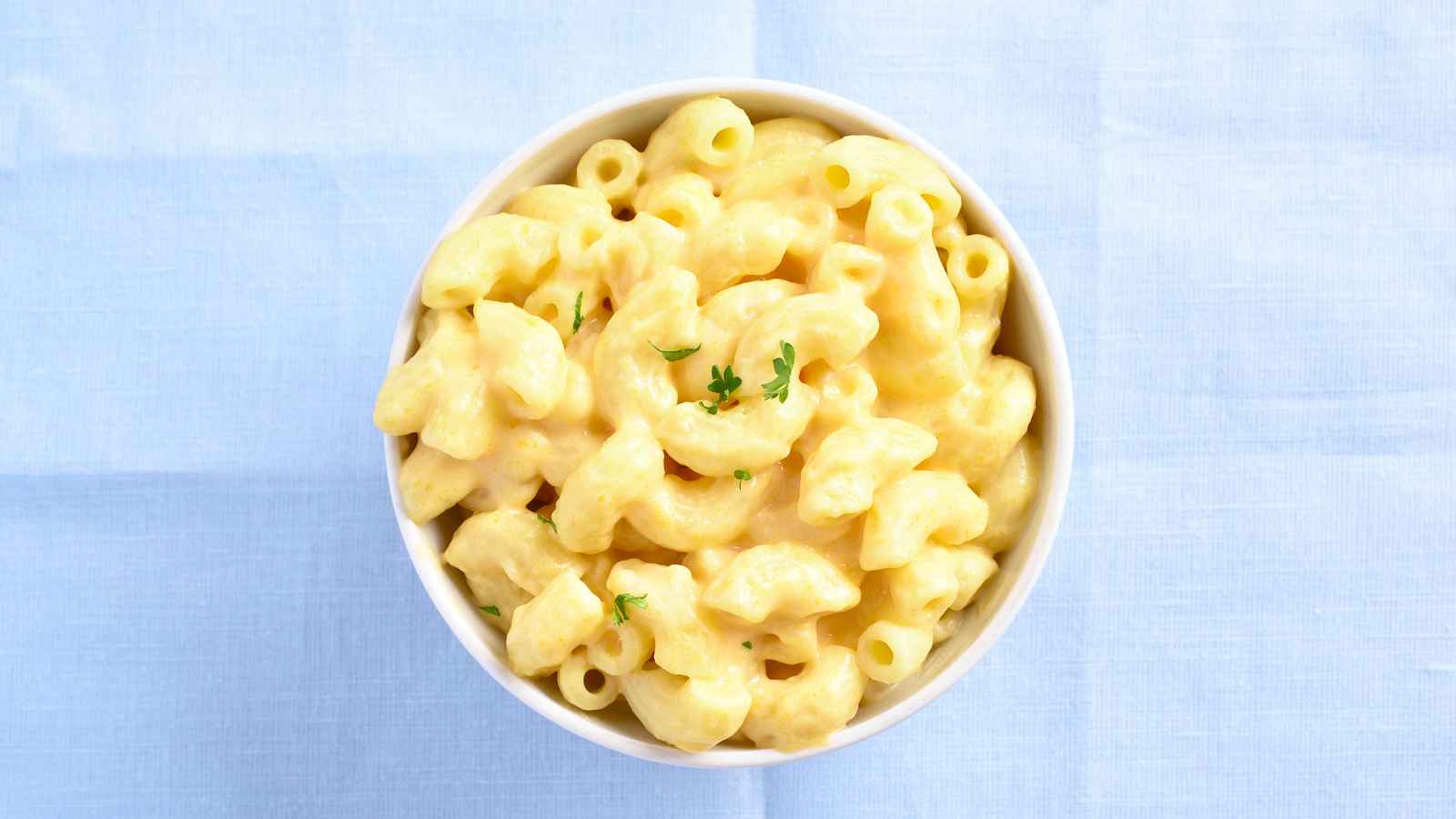
Microwave cups feel like a lifesaver on busy nights, but the powdered cheese mix is far from real. Bright orange color often comes from artificial dyes and flavor enhancers. Kids see comfort food; parents see convenience. What gets lost is the sodium and preservatives hidden inside. That quick bowl delivers warmth but little else nutritionally.
Flavored Applesauce Pouches
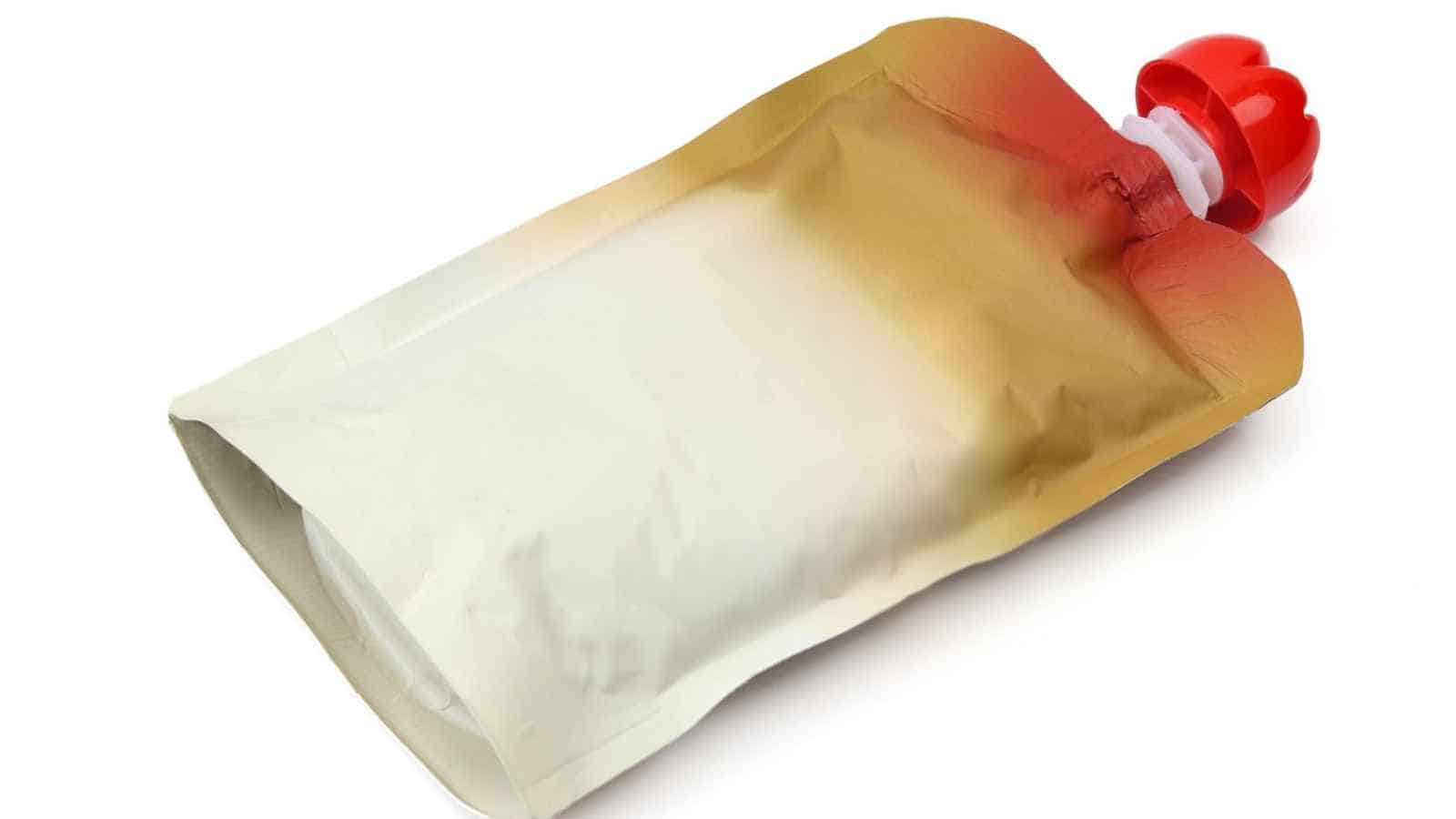
Handy for backpacks and strollers, applesauce pouches often hide extra sugar. The fruit label gives the impression of health, but most varieties aren’t just pure apples. Cinnamon or berry flavors usually come from concentrates and syrups. They’re mess-free, which makes them appealing to parents. Still, it’s far from the whole fruit experience kids need.
Crackers
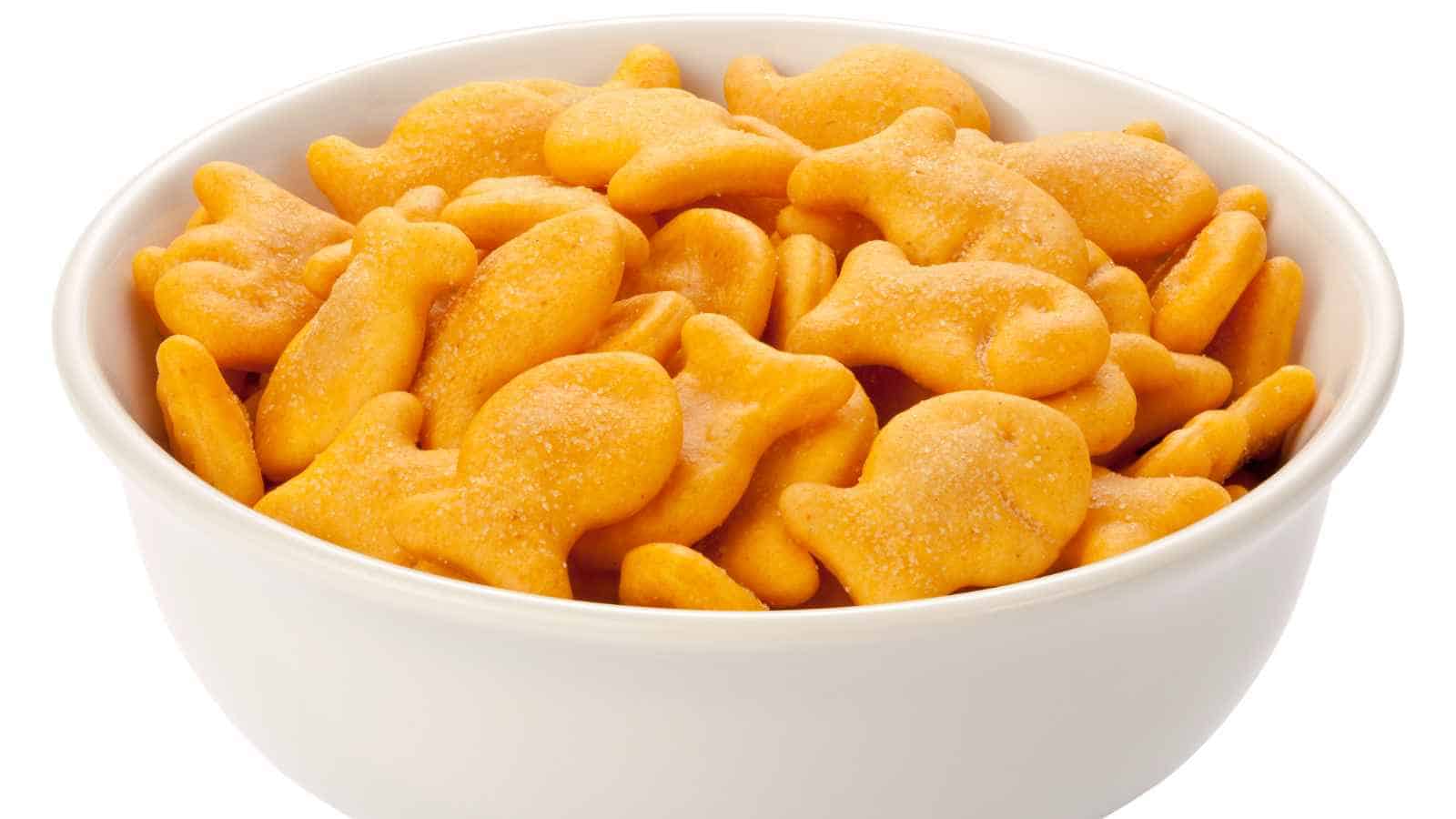
Goldfish, animal shapes, or cheesy bites keep little hands busy, but most crackers rely on refined flour. Oils, salt, and flavorings make them addictive without offering much nutrition. Some are even marketed as “baked with real cheese,” though the amounts are minimal. They’re fun for snacks, but rarely filling. Kids can polish off a box without ever feeling satisfied.
Chips
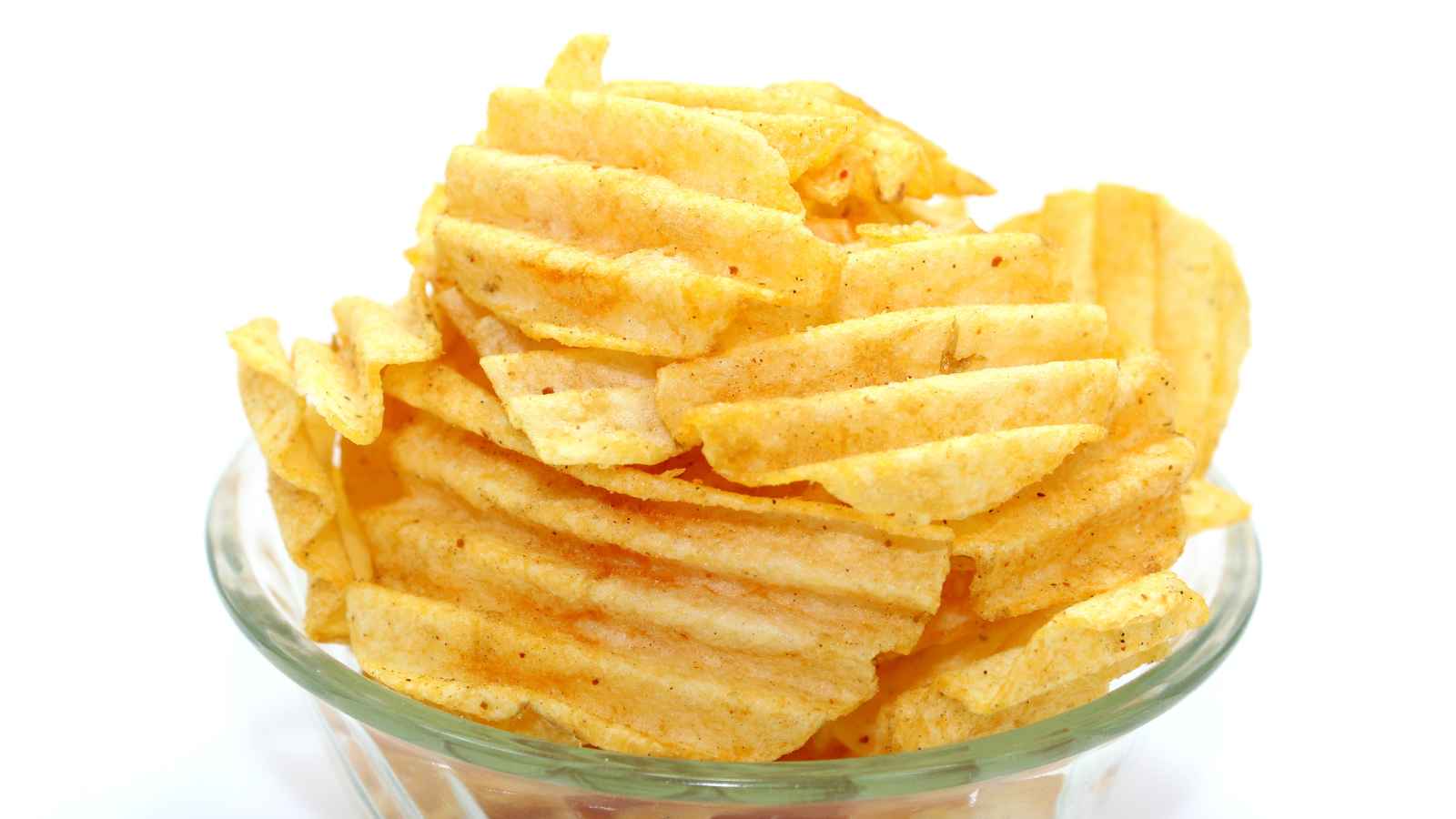
Whether potato, corn, or even veggie-based, chips are one of the most common processed snacks. They’re fried or baked in oils and coated with salt or powdered flavors. Kids often ask for them because they crunch perfectly. What parents see as a harmless side can quickly turn into a daily habit. Once the bag opens, it’s hard for kids—or even us—to stop.
Frozen Pizza
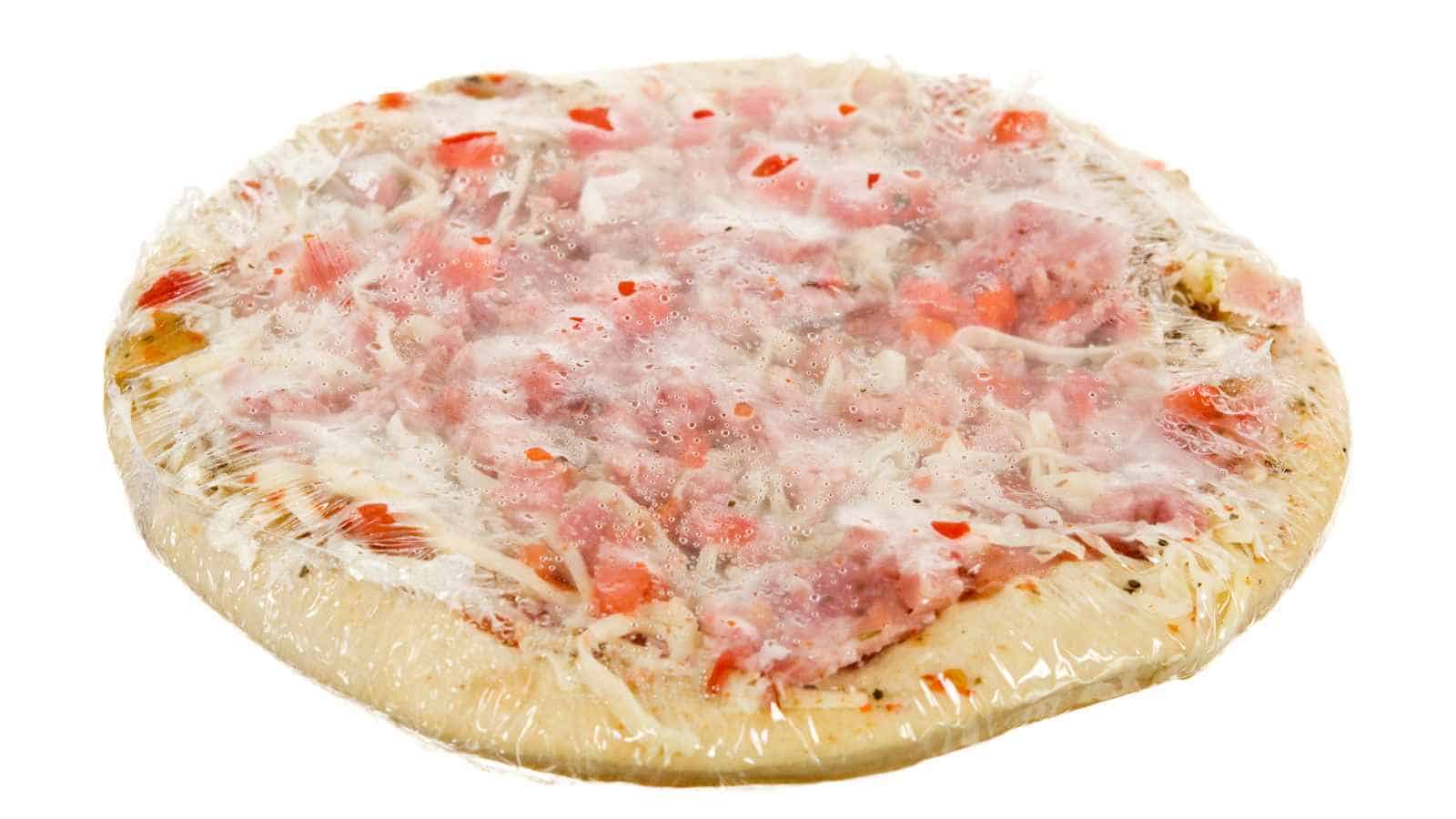
Movie nights and frozen pizza go hand in hand, but it’s loaded with sodium and additives. The crust is usually refined flour, while the toppings include preserved meats and processed cheeses. Kids love choosing their own slices, but nutrition isn’t really on the table. Parents appreciate the easy prep, but it comes with lots of hidden ingredients. One box is more about convenience than balance.
Bottled Smoothies
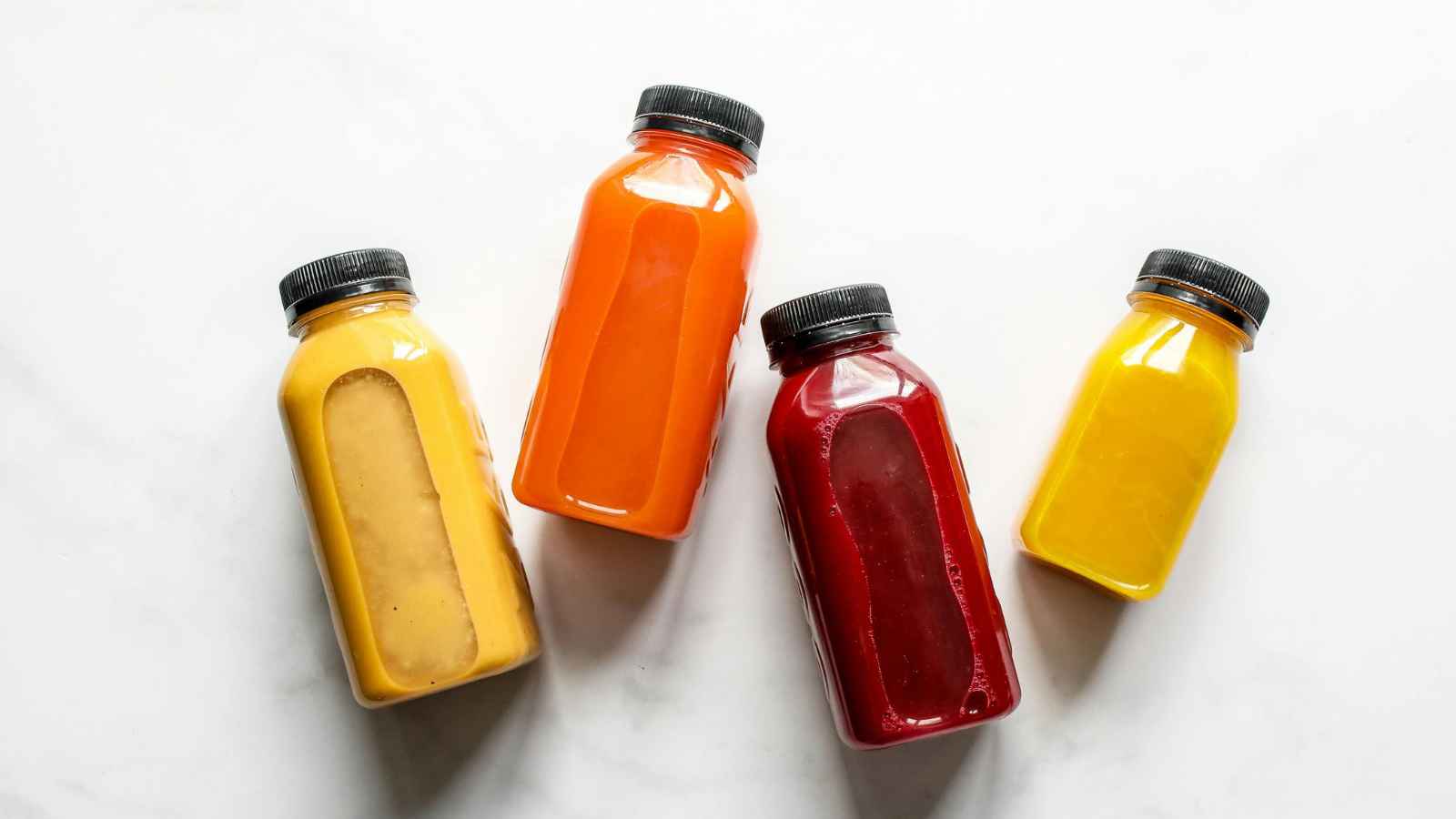
Marketed as healthy, bottled smoothies are often sugar bombs in disguise. Fruit purees get mixed with syrups and concentrates to create a sweet taste. Kids think they’re drinking something “fresh,” but the processing strips away natural fiber. Parents may feel better handing them over than soda, but nutritionally they’re not far apart. Behind the bright labels lies a drink closer to juice than a true smoothie.
Flavored Milk
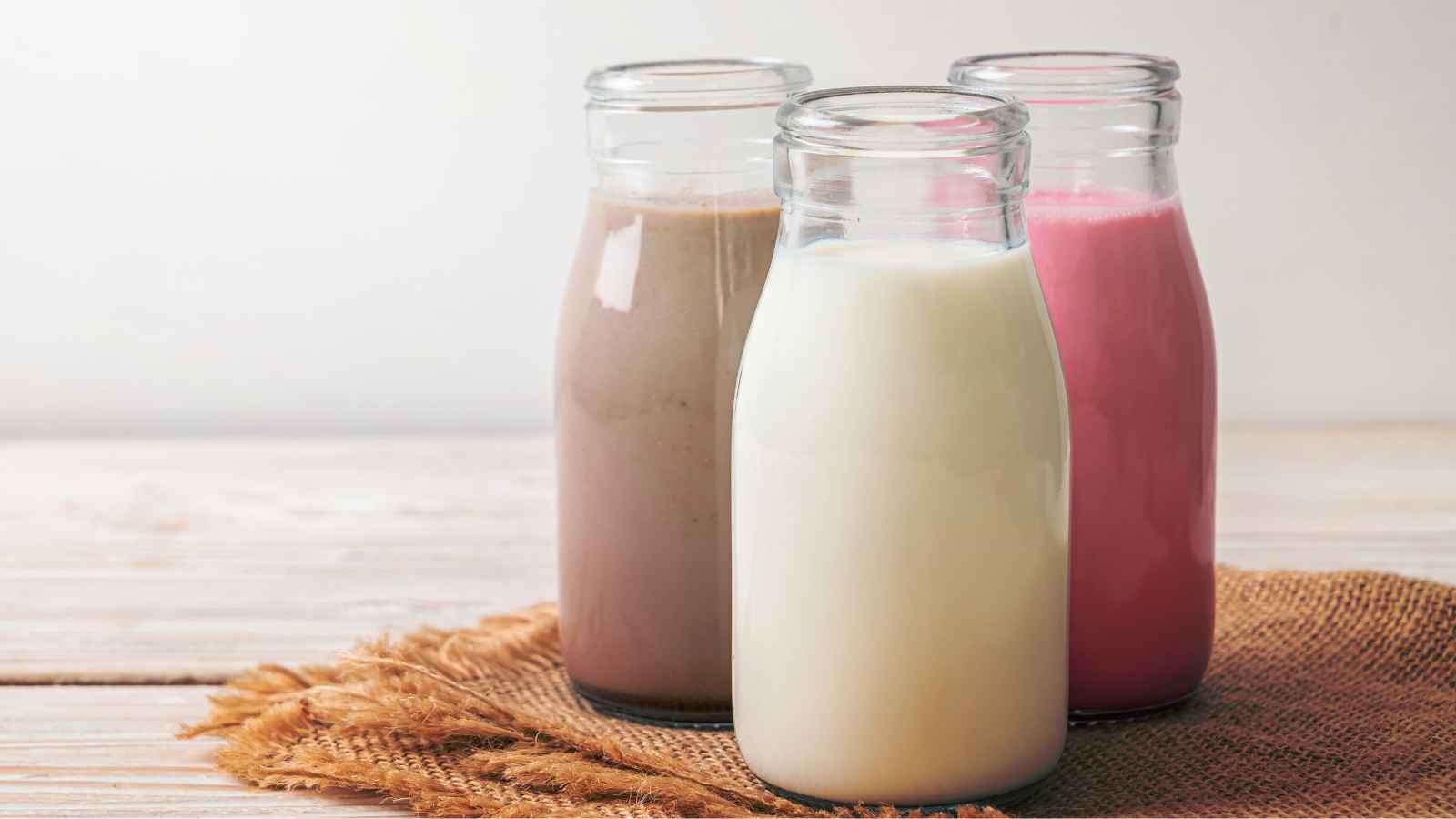
Chocolate or strawberry milk feels like a treat, but it adds spoonfuls of sugar to an otherwise healthy drink. Kids beg for it at school or fast-food chains because it tastes more like dessert. Even small cartons can pack in extra calories and sweeteners. Parents might think they’re sneaking in calcium, but the sugar outweighs the benefit. Plain milk doesn’t stand a chance against the flavored versions.
Packaged Muffins
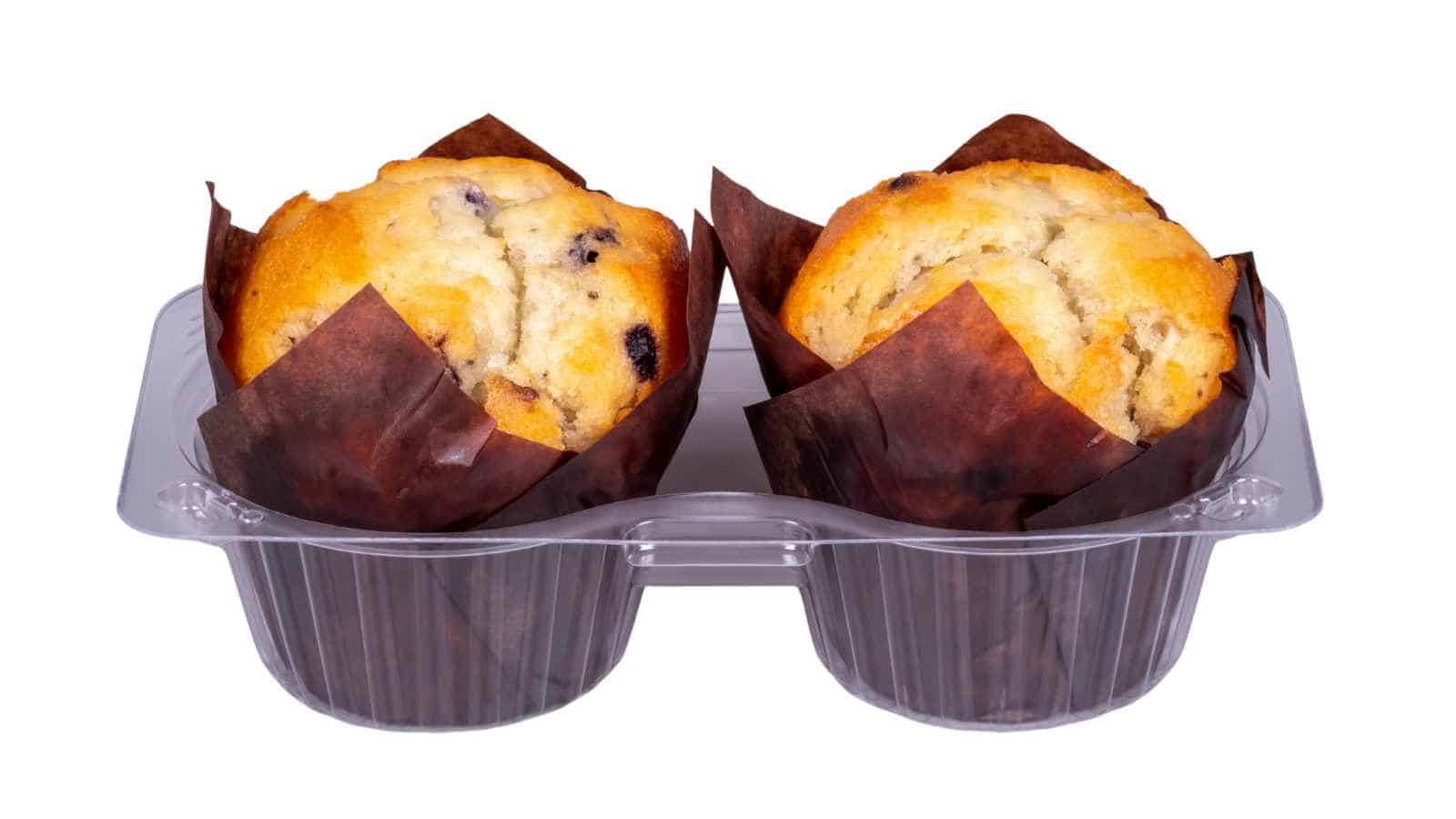
Individually wrapped muffins often look like breakfast but act like cupcakes in disguise. They’re dense with sugar, oils, and refined flour. Some brands toss in chocolate chips or icing to make them more appealing. Kids think they’re starting the day right, but it’s closer to dessert. Convenience wins, but nutrition takes the hit.
Toaster Pastries
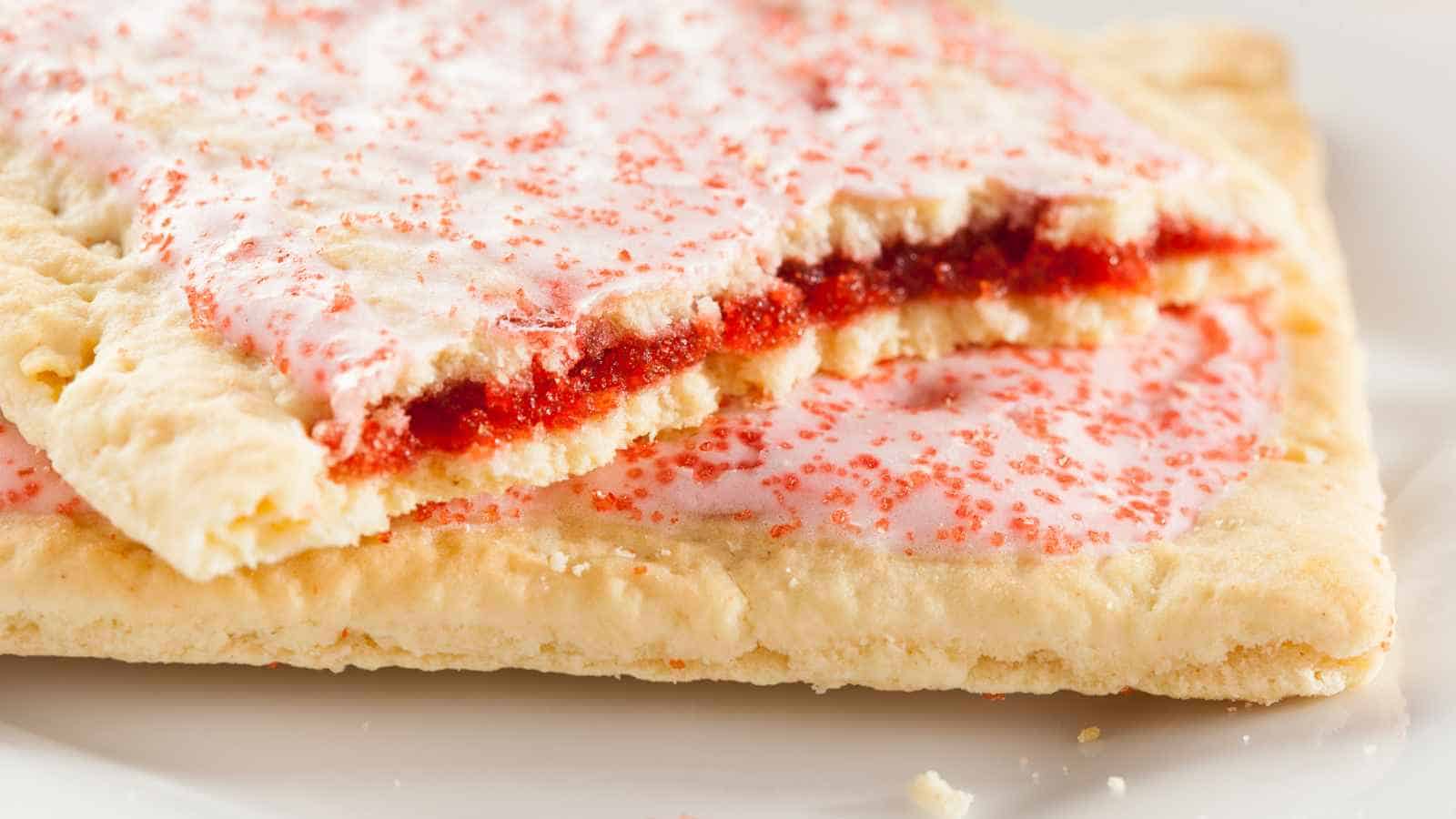
Pop them in the toaster and they’re ready in minutes, but they’re mostly frosted pie crusts. The filling is usually sugary syrup with artificial flavors. Kids love the sprinkles and gooey centers, making them hard to resist. Parents may grab them for speed, but it’s more sugar than fuel. What looks like a quick breakfast is actually processed candy in disguise.
Fast-Food Fries
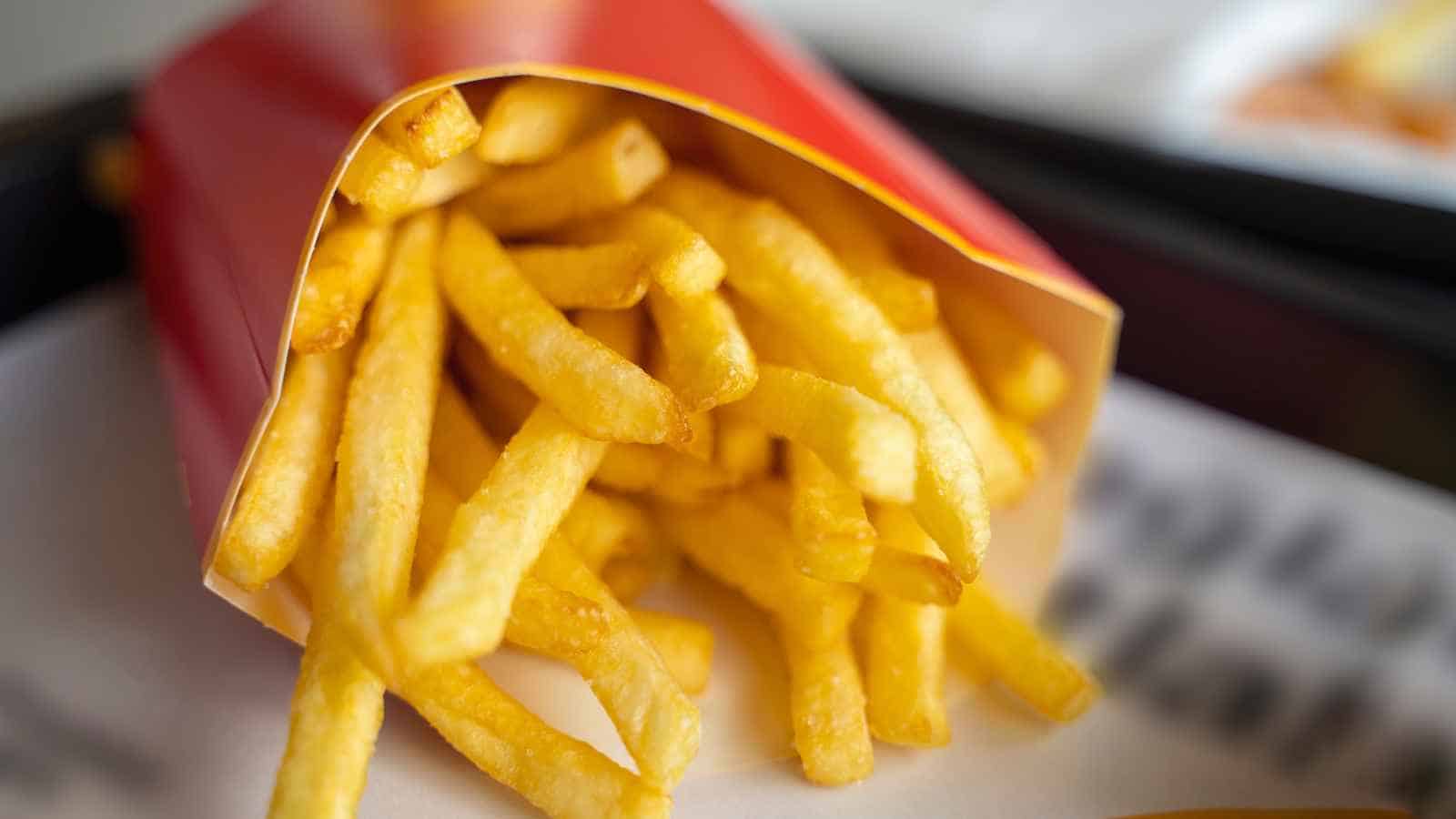
A kid’s meal doesn’t feel complete without fries, but they’re fried in oils and heavily salted. The smell alone makes kids perk up in the car. While potatoes start off healthy, the frying process strips away the benefits. Serving sizes may look small, but the salt adds up quickly. Fries become more of a habit than a treat when eaten often.
Frozen Waffles And Pancakes
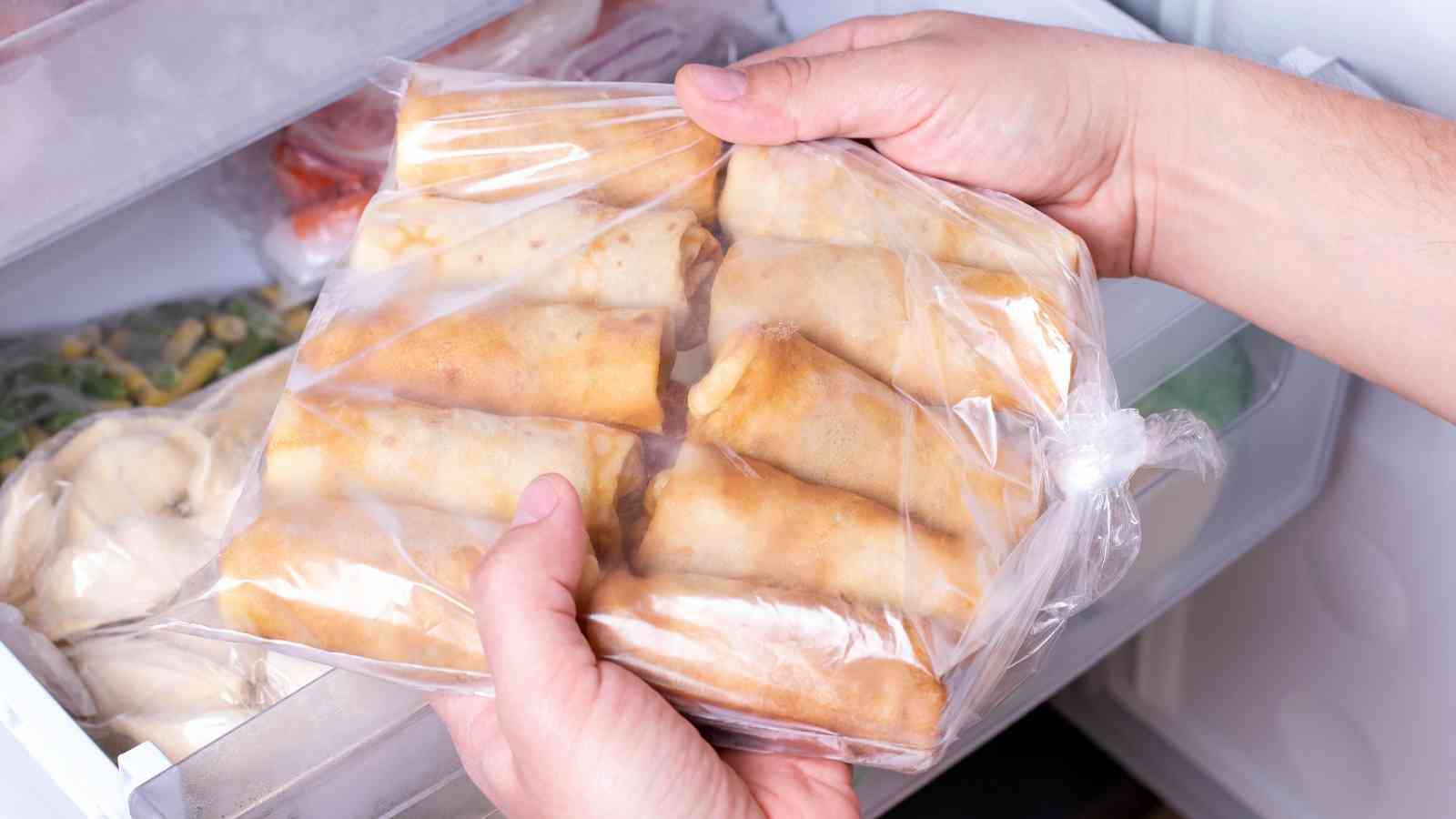
Busy mornings make frozen waffles and pancakes a go-to. They’re made with refined grains and often lack much fiber. Syrups and spreads pile on even more sugar. Kids enjoy stacking them high, but they don’t keep bellies full for long. Parents see convenience, but it’s another processed trap.
Deli Meats
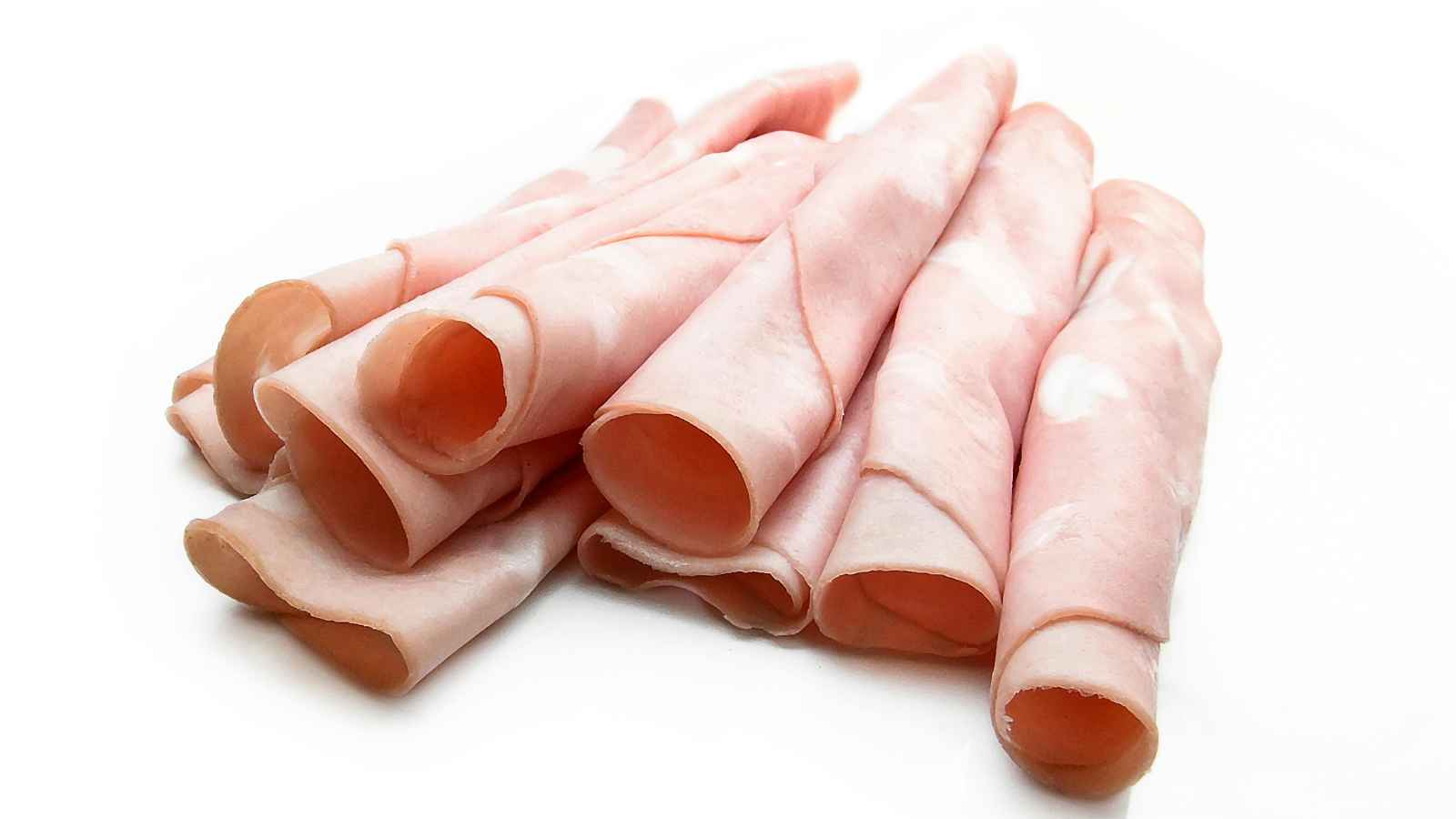
Sandwiches are quick and easy with deli slices, but the meats are preserved with sodium and nitrates. Kids enjoy turkey or ham rolled up in tortillas or sandwiches. The smooth texture and mild flavor make them appealing. Parents feel good about the protein, but the additives tell a different story. Behind that thin slice is a long list of processing steps.
Cheese Strings

Pull-apart cheese seems harmless, but many string cheese snacks are processed and loaded with sodium. Kids love the playful way of eating them, which makes them extra popular. While there’s protein and calcium, the additives reduce the health factor. Parents often toss them in lunchboxes without a second thought. They’re convenient, but not the same as real cheese slices.
Packaged Donuts

Mini powdered or chocolate-covered donuts are favorites at breakfast tables and snack times. Kids love the soft texture and sweetness. Parents know they’re more treat than meal, but the packaging makes them too easy to grab. Preservatives keep them soft for weeks. They’re a processed dessert disguised as a morning option.
Pudding Cups
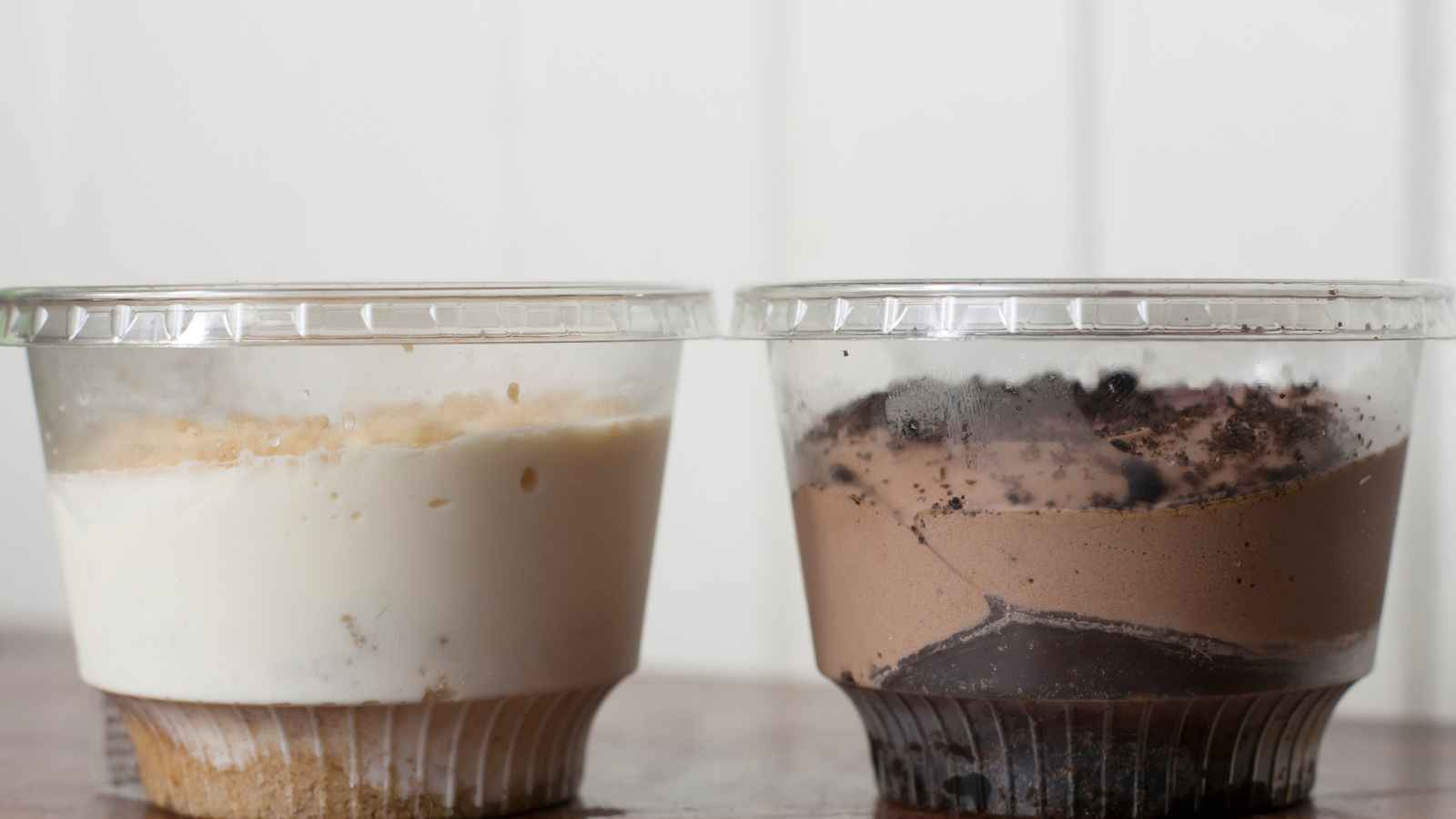
Little cups of pudding are marketed as dessert or lunchbox fillers, but they’re highly processed. The creamy texture comes from thickeners, sweeteners, and artificial flavors. Kids enjoy the chocolatey or vanilla taste, making them hard to resist. Parents like how shelf-stable they are, but that comes at a cost. Real ingredients are replaced with additives to keep them lasting longer.
Ice Cream Sandwiches

Kids see them as the ultimate frozen treat, but ice cream sandwiches are a double whammy of processed ice cream and cookies. Sugars, artificial flavors, and hydrogenated oils pack into every bite. The fun handheld design makes them seem smaller and harmless. Parents may buy them for summer treats, but the nutrition label tells another story. It’s one of those processed foods that sneaks in more often than we realize.
20 Ways To Reduce Sugar Without Kids Complaining

The last thing you want is to feel like the “bad guy” for saying no, but at the same time, you know too much sugar isn’t helping. The goal isn’t to take away every little thing they enjoy, but to make changes that feel natural enough that they don’t fight you on it. Sometimes it’s about adjusting what you already make, and sometimes it’s about creating new go-to options that feel fun for them. Small shifts add up, and before long, those healthier habits start to stick without all the pushback.
20 Tricks Parents Use To Help Picky Eaters Try New Foods

Every parent knows it’s not just about getting food into little bellies—it’s about teaching them to enjoy flavors, textures, and the joy of eating together. The journey isn’t always smooth, but each attempt helps kids slowly build trust with food. These tricks aren’t about sneaky shortcuts, but about guiding kids toward discovering that food can be fun, interesting, and even exciting. With a little persistence, patience, and love, mealtime can shift from a battle zone to a place of tiny celebration.

Tamara Tsaturyan is the owner and writer of Thriving In Parenting, a website focused on providing simple tips for busy parents — easy and healthy recipes, home decor and organization ideas and all things P A R E N T I N G.

Share Your Thoughts!
I love to know your thoughts, make sure to comment below to start a discussion! You can also follow me on your favorite social network below.