Belly fat isn’t just about how you look—it can quietly impact your health in ways that affect daily life. Extra fat around your midsection is linked to higher risks of diabetes, heart disease, and certain cancers, and it can also make you feel uneasy in your own body. Reducing it doesn’t have to mean drastic dieting or hours at the gym; small, smart changes to your meals can make a real difference. Here’s a list of 20 foods that do exactly that, helping you manage belly fat while still enjoying satisfying meals. Adding foods that support fullness, stabilize blood sugar, and boost metabolism gives your body a natural advantage.
Oatmeal

Starting mornings with a fiber-rich meal like oatmeal helps create early satiety that can last for hours. Soluble fiber in oats forms a gel-like consistency during digestion, slowing gastric emptying and stabilizing post-meal blood sugar. Steadier glucose levels often translate to fewer energy crashes and less impulse snacking later in the day. Beta-glucan, a key compound in oatmeal, is also linked to improved cholesterol markers. Regular inclusion supports appetite control while delivering steady, usable energy.
Quinoa

Adding a protein-and-fiber grain such as quinoa into meals helps extend fullness between eating windows. Unlike many refined grains, quinoa contains all nine essential amino acids, supporting muscle maintenance during weight management. Its fiber content slows carbohydrate absorption, helping prevent sharp insulin spikes. Magnesium and iron found in quinoa also contribute to metabolic efficiency. Swapping refined starches with quinoa can support calorie control without sacrificing satisfaction.
Greek Yogurt

Reaching for a high-protein dairy option like Greek yogurt can influence hunger hormones in a favorable way. Protein density helps reduce ghrelin levels while supporting lean muscle retention. Fermented cultures in Greek yogurt contribute beneficial bacteria that aid digestive balance. Improved gut microbiota diversity is associated with better weight regulation patterns. Choosing unsweetened varieties keeps added sugars low while maximizing nutritional value.
Eggs

Building meals around a protein anchor such as eggs often leads to reduced calorie intake across the day. Highly bioavailable protein supports muscle repair and increases diet-induced thermogenesis. Choline present in eggs plays a role in fat metabolism and liver function. Fat and protein together slow digestion, extending satiety after eating. Versatility in preparation makes eggs easy to incorporate without menu fatigue.
Hot Peppers

Turning up meal heat with ingredients like hot peppers introduces capsaicin, a compound linked to increased thermogenesis. Elevated body heat production can slightly raise calorie expenditure during digestion. Appetite perception may also decrease after consuming capsaicin-rich foods. Circulation benefits and metabolic stimulation add to their functional value. Even small amounts of hot peppers can influence flavor and metabolic response.
Cinnamon
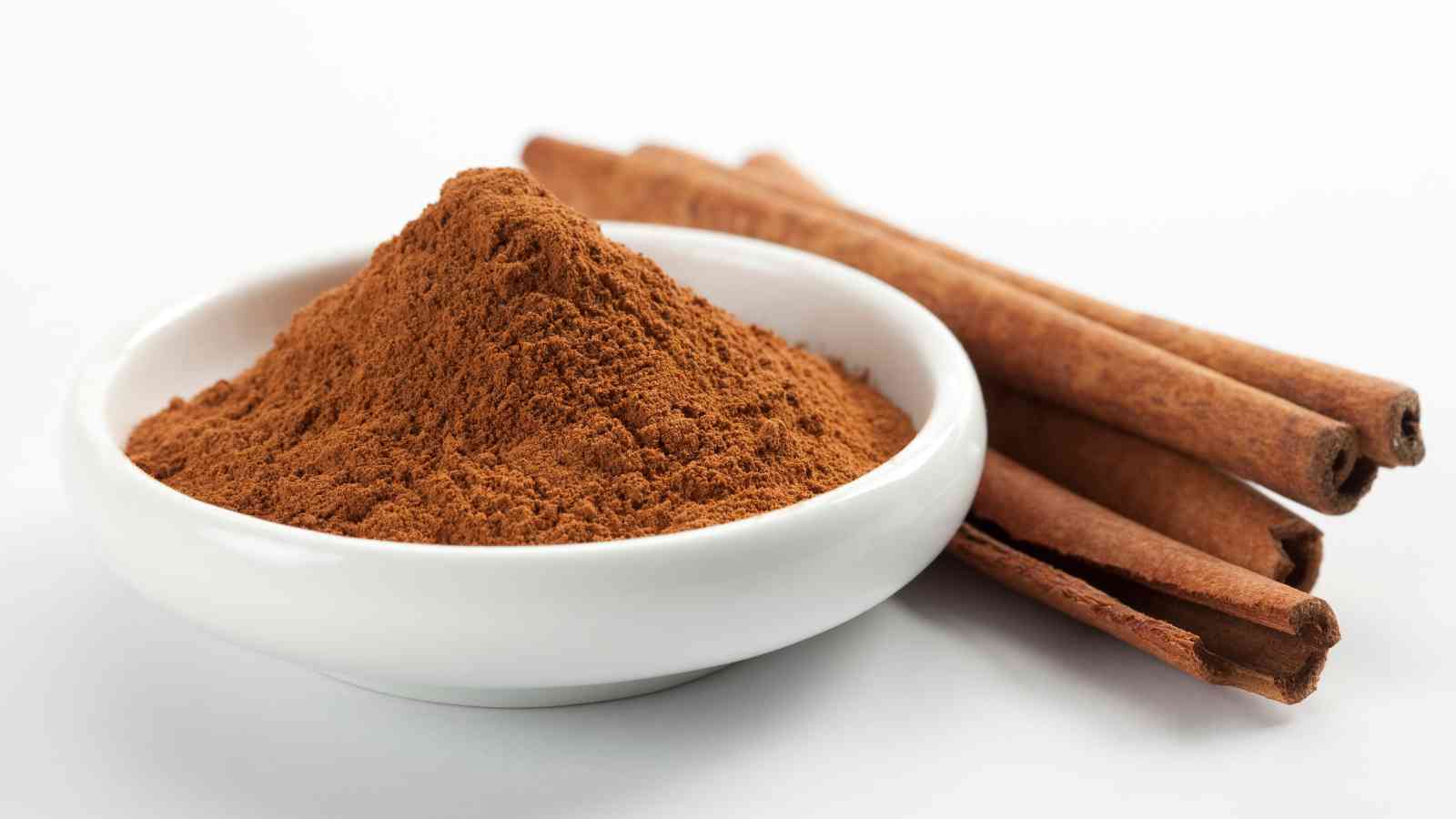
Incorporating warming spices such as cinnamon into meals supports glycemic control. Compounds in cinnamon can improve insulin sensitivity, helping glucose move efficiently into cells. Balanced blood sugar often reduces sudden hunger swings. Anti-inflammatory polyphenols add another metabolic advantage. Regular light use in oatmeal, yogurt, or drinks provides benefits without added calories.
Raw Vegetables

Snacking on hydrating produce like raw vegetables increases food volume without significantly raising calorie intake. High water and fiber content stretch the stomach, activating fullness signals. Chewing crunchy vegetables also slows eating pace, supporting portion awareness. Micronutrients such as vitamin C and potassium contribute to metabolic health. Keeping raw vegetables accessible makes low-energy snacking more convenient.
Sweet Potatoes

Choosing slow-digesting carbohydrates like sweet potatoes helps maintain steady energy release. Resistant starch and fiber work together to prolong satiety. Natural sweetness can also reduce cravings for refined desserts. Antioxidants such as beta-carotene support inflammatory balance. Replacing refined starches with sweet potatoes can improve overall dietary quality.
Avocados

Including healthy fat sources like avocados enhances meal satisfaction and nutrient absorption. Monounsaturated fats are associated with improved lipid profiles and reduced abdominal fat accumulation. Fiber content further supports digestive regularity. Fat slows gastric emptying, extending post-meal fullness. Moderate portions integrate well into calorie-controlled eating patterns.
Tabouli
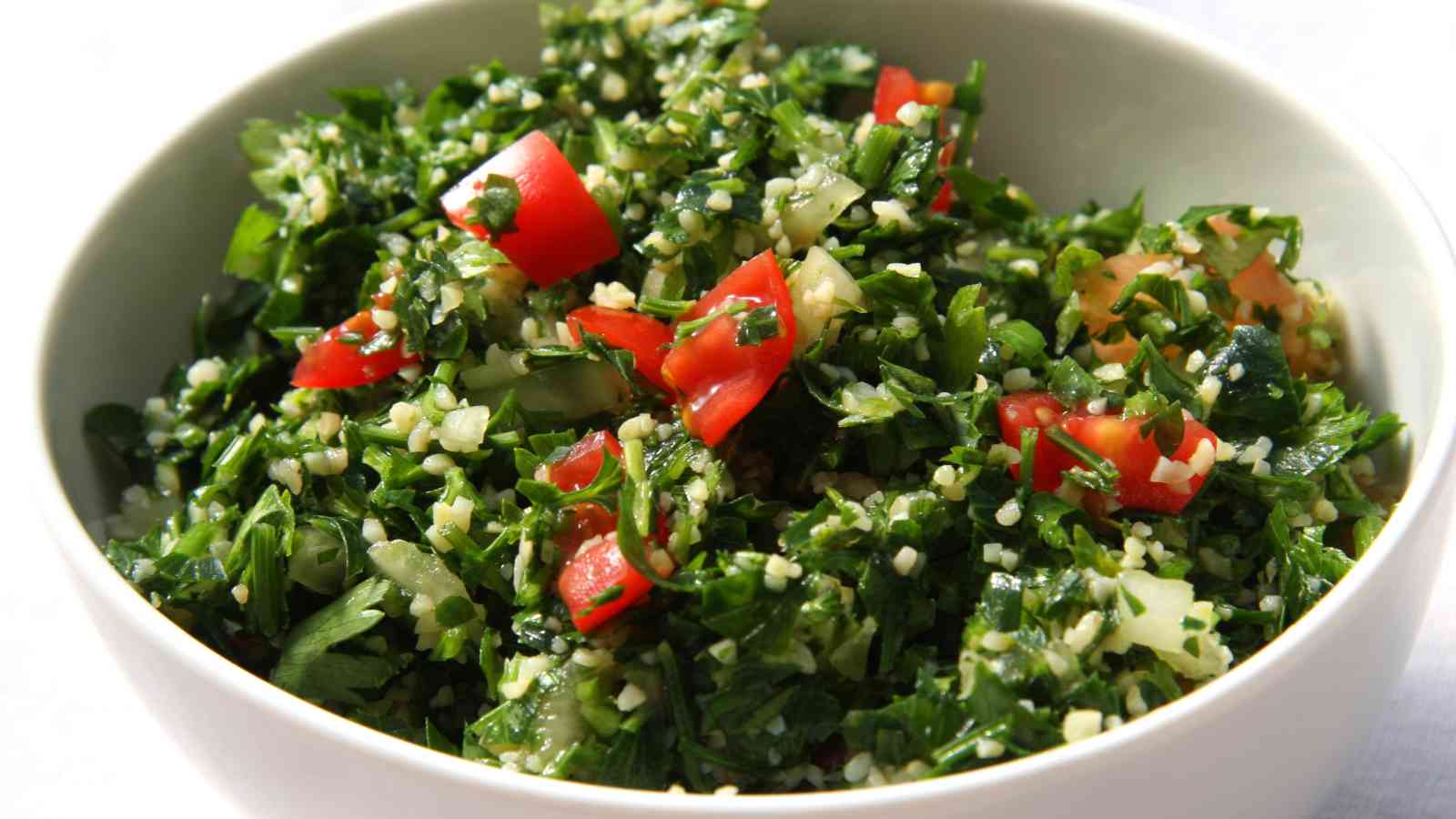
Opting for herb-forward grain salads such as tabouli increases fiber intake while keeping meals light. Bulgur wheat provides complex carbohydrates that digest gradually. Fresh parsley contributes vitamin K and antioxidant compounds. Lemon juice adds flavor without excess calories or fat. Tabouli works well as a filling side that supports portion balance.
Salad

Centering meals around vegetable-dense plates like salad lowers overall energy density. Leafy greens supply fiber, folate, and hydration with minimal calories. Volume eating helps create fullness before higher-calorie foods are consumed. Adding lean protein improves satiety even further. Dressing choice plays a major role in keeping salads aligned with fat-loss goals.
Nuts

Grabbing a small handful of nuts delivers a mix of protein, fiber, and unsaturated fats. Chewing effort and fat content both enhance satiety signaling. Despite being calorie-dense, moderate nut intake is linked with better weight control. Magnesium and plant sterols support cardiovascular health. Portion awareness keeps benefits aligned with calorie goals.
Watermelon

Cooling off with hydrating fruits like watermelon increases fluid intake while keeping calories modest. High water content contributes to stomach fullness. Natural sweetness can replace higher-calorie desserts. Lycopene, a carotenoid in watermelon, supports inflammatory balance. Refreshing texture makes it especially useful in warm climates.
Grapefruit
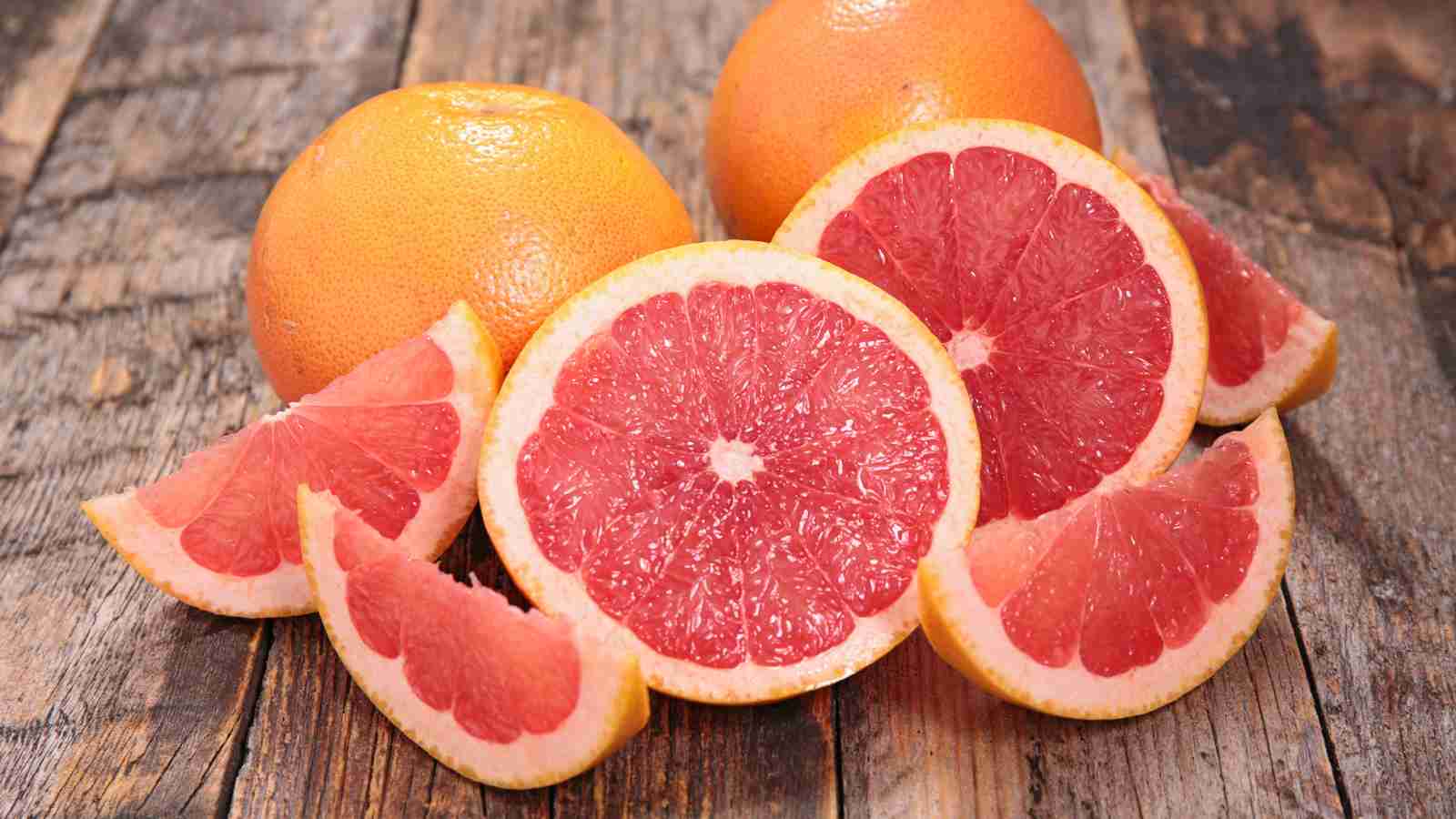
Adding citrus fruits such as grapefruit to meals introduces soluble fiber and hydration. Slower digestion supports prolonged fullness after eating. Tart flavor may reduce desire for overly sweet foods. Vitamin C content contributes to metabolic and immune function. Pre-meal fruit intake can help moderate portion sizes.
Berries

Mixing colorful fruits like berries into snacks boosts fiber without excessive sugar. Anthocyanins and other antioxidants help counter oxidative stress. Low energy density allows generous portions within calorie targets. Natural sweetness satisfies dessert cravings in a lighter format. Pairing berries with protein enhances satiety further.
Pears

Biting into high-fiber fruits such as pears supports digestive regularity and fullness. Skin-on consumption maximizes fiber intake. Natural fructose provides gentle energy without rapid spikes. Water content adds volume to snacks. Pears work well as a portable option for appetite control.
Beans

Adding plant proteins like beans to meals improves satiety and glycemic stability. Soluble fiber slows carbohydrate absorption. Resistant starch feeds beneficial gut bacteria. Protein content supports muscle preservation during fat loss. Beans also provide iron, folate, and potassium.
Soup
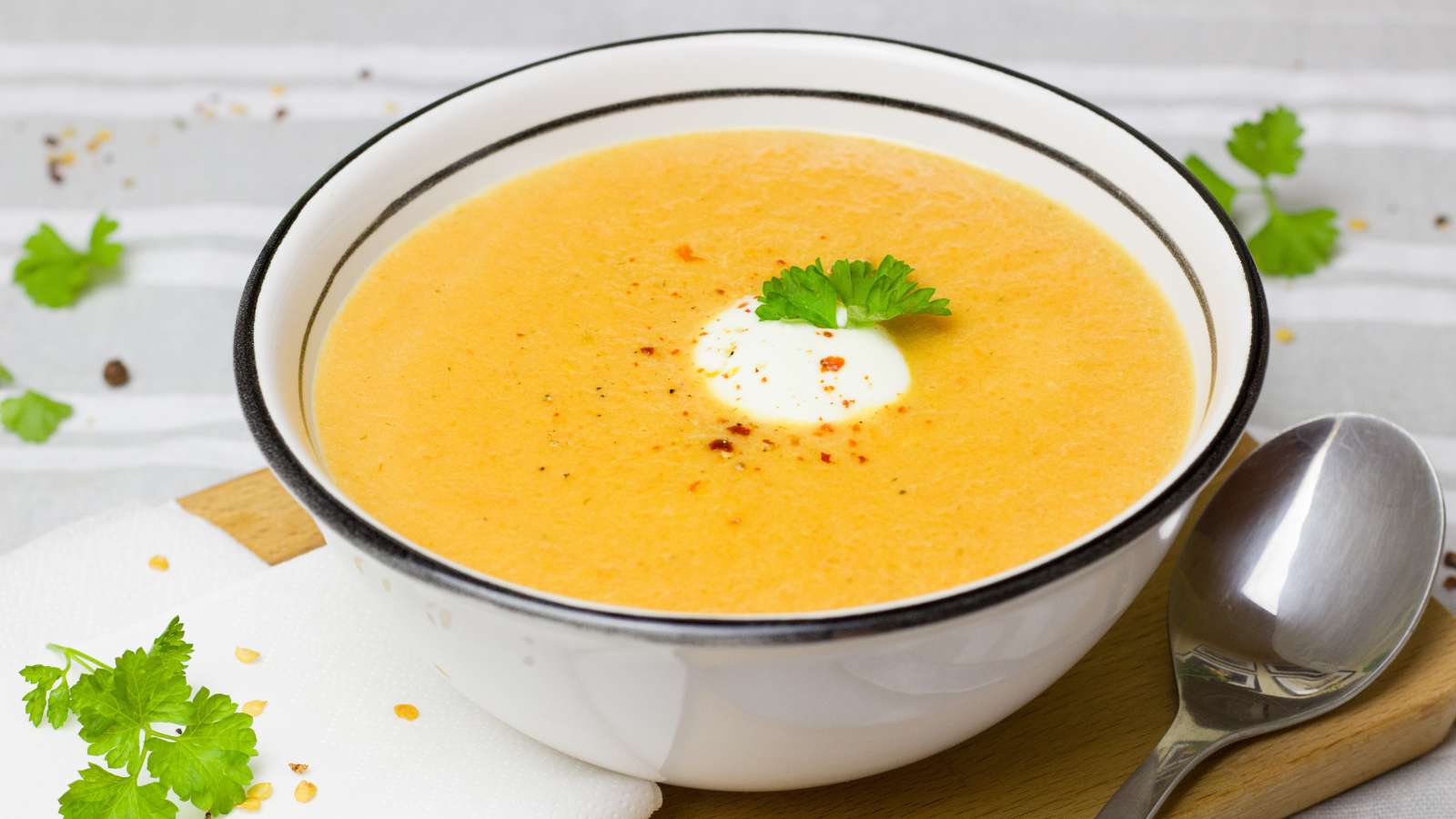
Starting meals with broth-based options like soup increases fullness before main courses. High water volume stretches the stomach with relatively few calories. Warm temperature often slows eating pace. Vegetable-rich soups add fiber and micronutrients. Choosing broth over cream bases keeps energy density low.
Fish

Prioritizing lean seafood such as fish supplies high-quality protein with beneficial fats. Omega-3 fatty acids support inflammatory balance and metabolic health. Protein digestion increases thermic effect compared to carbohydrates. Regular fish intake is linked with improved body composition markers. Grilled or baked preparations keep calories controlled.
Lean Meat

Structuring meals around protein sources like lean meat helps regulate hunger hormones. Lower fat cuts provide ample protein without excess saturated fat. Protein requires more energy to digest than carbohydrates or fats. Muscle maintenance supported by lean meat contributes to higher resting metabolism. Skinless poultry and trimmed cuts fit well into fat-loss meal planning.
Ditch Refined Carbs! 13 Whole Grains that Are the Secret to a Healthier You

Unlike refined grains, which are stripped of nutrients, whole grains retain their bran, germ, and endosperm—keeping all the good stuff intact. Here are 15 whole grains that bring serious health benefits to the table. If you’re looking to add more wholesome options to your diet, knowing which grains pack the most benefits can make all the difference.
Small Changes, Big Impact! 15 Whole Food Swaps You Can Make Today

Instead of cutting out entire food groups or following extreme diets, making simple swaps can provide better nutrition without sacrificing flavor or satisfaction. The right alternatives can improve digestion, support heart health, and even help maintain steady energy levels throughout the day. Here are 15 easy swaps that pack more nutrition into your diet without making you feel like you’re missing out.

Tamara Tsaturyan is the owner and writer of Thriving In Parenting, a website focused on providing simple tips for busy parents — easy and healthy recipes, home decor and organization ideas and all things P A R E N T I N G.

Share Your Thoughts!
I love to know your thoughts, make sure to comment below to start a discussion! You can also follow me on your favorite social network below.