Vitamin C, also known as ascorbic acid, is a powerhouse nutrient that our bodies can’t do without. It plays a crucial role in boosting your immune system, helping to ward off infections and speed up recovery from illnesses. Despite its importance, our bodies don’t store vitamin C, meaning we need a daily dose to stay healthy, especially during the cold season. Because it’s water-soluble, any excess vitamin C simply exits your body through urine, making it essential to regularly replenish this vital nutrient. But you can boost your intake with the help of vitamin-rich foods! These options will help strengthen your immune defenses this season and enhance your overall well-being, keeping you healthy throughout the year!

Strawberries

One cup of strawberries offers nearly 150% of your daily vitamin C needs. This low-sugar fruit is not only delicious but also packed with dietary fiber and antioxidants. A great choice for a refreshing snack or a sweet addition to your desserts like yogurt parfait. Incorporating strawberries into your diet is an easy way to boost your vitamin C intake.
Kiwifruit

Eating just one kiwi can provide over 100% of your daily vitamin C requirement. This small, green fruit is also rich in fiber, vitamin E, and potassium. Perfect for a quick snack or as a tangy addition to your morning smoothie.
Cruciferous Vegetables

Vegetables like broccoli, cauliflower and kale are excellent sources of vitamin C. A single cup of broccoli, for instance, provides around 80 mg of this vital nutrient. These veggies are also packed with antioxidants, anti-inflammatory properties, and calcium that help promote better bone health, making them a nutritious addition to your meals.
Red Bell Peppers

Red bell peppers are so rich in vitamin C, with one medium-sized pepper offering more than 150% of your daily intake. This vibrant veggie also adds a satisfying crunch and color to your dishes. Whether you eat them raw, roasted, or sautéed, red peppers are a versatile way to ensure you’re getting enough vitamin C.
White Potatoes

Potatoes are an often-overlooked source of this essential nutrient! One medium white potato provides about 17 mg of vitamin C, contributing to approximately 35% of your daily needs. Potatoes are also rich in potassium and vitamin B6, making them more than just a comforting side dish. Whether baked, smashed, or roasted, adding potatoes to your meals is a simple way to boost your vitamin C intake.
Papaya

Papaya, with its buttery texture and sweet flavor, delivers nearly 90% of your daily vitamin C in just one cup. This low-sugar fruit is also loaded with dietary fiber, folate, and vitamin A. Enjoy it on its own or add it to your yogurt for a refreshing treat. Papaya is a delicious and nutritious way to keep your immune system strong.
Citrus Fruits

Citrus fruits like limes and lemons are classic sources of vitamin C, with 1 lemon providing half of the daily needed intake. These fruits are also rich in fiber which helps reduce cholesterol levels naturally by promoting its excretion from the body. Whether you juice them, slice them, or eat them whole, citrus fruits are a refreshing way to meet your daily vitamin C needs.
Guava

One guava packs a serious vitamin C punch, offering up to 200% of your daily requirement. This tropical fruit is also rich in fiber and other essential nutrients. Slice it up for a quick snack or blend it into your favorite smoothie. Guava is a flavorful way to supercharge your vitamin C intake.
Kakadu Plums

Kakadu plums are native to Australia and boast the highest known concentration of vitamin C, with up to 2,907 mg per 100 grams. Just one small plum can provide over 400% of your daily vitamin C intake. This superfood is also high in potassium and antioxidants, making it a potent addition to your diet. Kakadu plums are a powerful way to ensure you’re getting more than enough vitamin C.
Tomatoes

Tomatoes may not seem like a vitamin C powerhouse, but one medium-sized tomato provides about 28% of your daily needs. This water-rich food is also packed with potassium, folate, and vitamin K. Use them in sauces, salads, or as a fresh snack. Tomatoes are an easy and tasty way to add more vitamin C to your diet.
Cantaloupe

Cantaloupe is a nutrient-rich fruit that provides about 58% of your daily vitamin C in just one cup. It’s also a great source of vitamin A, potassium, and fiber. Enjoy cantaloupe on its own or pair it with other fruits for a refreshing salad.
Pink Grapefruit

A small pink grapefruit offers around 69 mg of vitamin C, making it a tangy and nutritious choice for breakfast or a snack. It also contains lycopene, an antioxidant that supports heart health. Peel and eat it fresh, or add it to salads for a burst of flavor.
Brussels Sprouts

Brussels sprouts deliver 48 mg of vitamin C in just half a cup when cooked, making them a great addition to your diet. These mini cabbages are also rich in fiber and other essential nutrients. Roast them with a bit of olive oil for a tasty side dish.
Acerola Cherries

A half-cup of acerola cherries contains an impressive 825 mg of vitamin C, far exceeding your daily requirement. These cherries are also packed with antioxidants and anti-inflammatory compounds. Snack on them fresh or blend them into a smoothie for a nutrient boost.
Mango

Mangoes are not just delicious; they also provide about 76% of your daily vitamin C in one cup. This tropical fruit is also rich in vitamin A and fiber. Enjoy it on its own, in smoothies, or as a sweet addition to savory dishes.
Pineapple
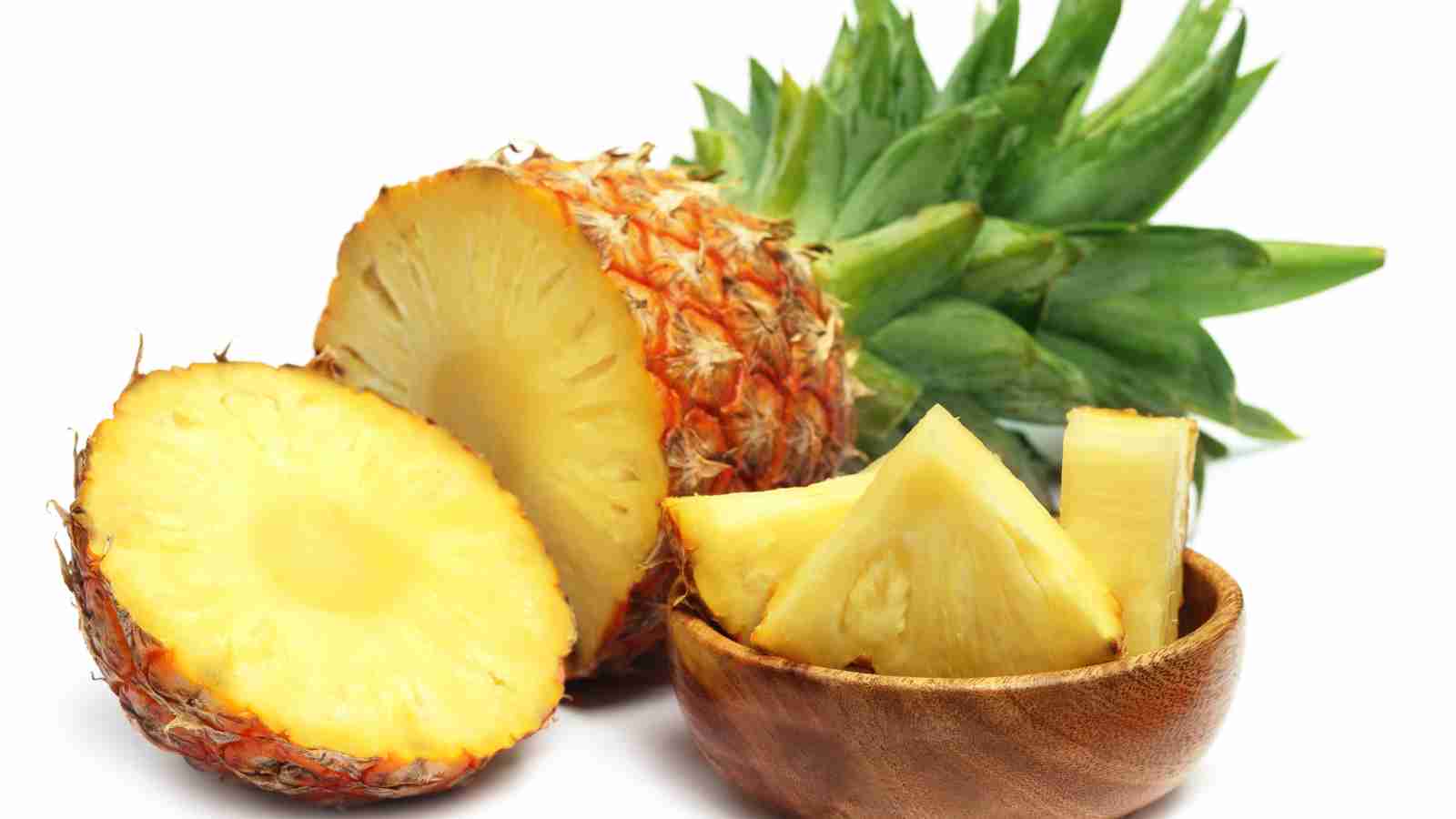
Pineapple is a tropical fruit that offers a healthy dose of vitamin C, helping to reduce symptoms of asthma and allergies. It’s also rich in bromelain, an enzyme that supports digestion. Slice it up for a refreshing snack or add it to your favorite dishes.
Black Currants

A half-cup of black currants contains 102 mg of vitamin C, making them a powerful addition to your diet. These dark berries are also loaded with anthocyanins, antioxidants that support overall health. Enjoy them in jams, desserts, or on their own.
Lychees

Lychees offer 7 mg of vitamin C per fruit, and a full cup delivers over 150% of your daily requirement. This exotic fruit is also high in antioxidants, making it a nutritious snack. Eat them fresh or add them to fruit salads for a sweet and juicy treat.
Parsley

Two tablespoons of fresh parsley provide 10 mg of vitamin C, adding a nutritional punch to your meals. This herb is also rich in vitamin K and antioxidants. Sprinkle it on your dishes for added flavor and health benefits.
Mustard Spinach

One cup of raw mustard spinach delivers 195 mg of vitamin C, making it a superfood for your immune system. Even when cooked, it still provides a significant amount of this essential nutrient. Add it to salads, soups, or stir-fries for a nutritional boost.

Tamara Tsaturyan is the owner and writer of Thriving In Parenting, a website focused on providing simple tips for busy parents — easy and healthy recipes, home decor and organization ideas and all things P A R E N T I N G.

Share Your Thoughts!
I love to know your thoughts, make sure to comment below to start a discussion! You can also follow me on your favorite social network below.