Food waste is one of those global problems that’s too big to ignore yet surprisingly fixable when the right systems are in place. Every year, the United States discards nearly 40% of its food supply, while millions go hungry and resources are stretched thin. But around the world, some countries have turned food waste reduction into an art form—combining innovation, strict laws, and creative community efforts. From transforming leftovers into renewable energy to building networks that ensure no edible food goes to waste, these nations are proving that smarter food systems are entirely possible. Here’s how 15 countries are showing that saving food can save money, feed people, and help the planet at the same time. You’ll find solutions that range from app-based rescues to supermarket bans and compost-powered buses. Each approach offers lessons in efficiency, compassion, and accountability.
France
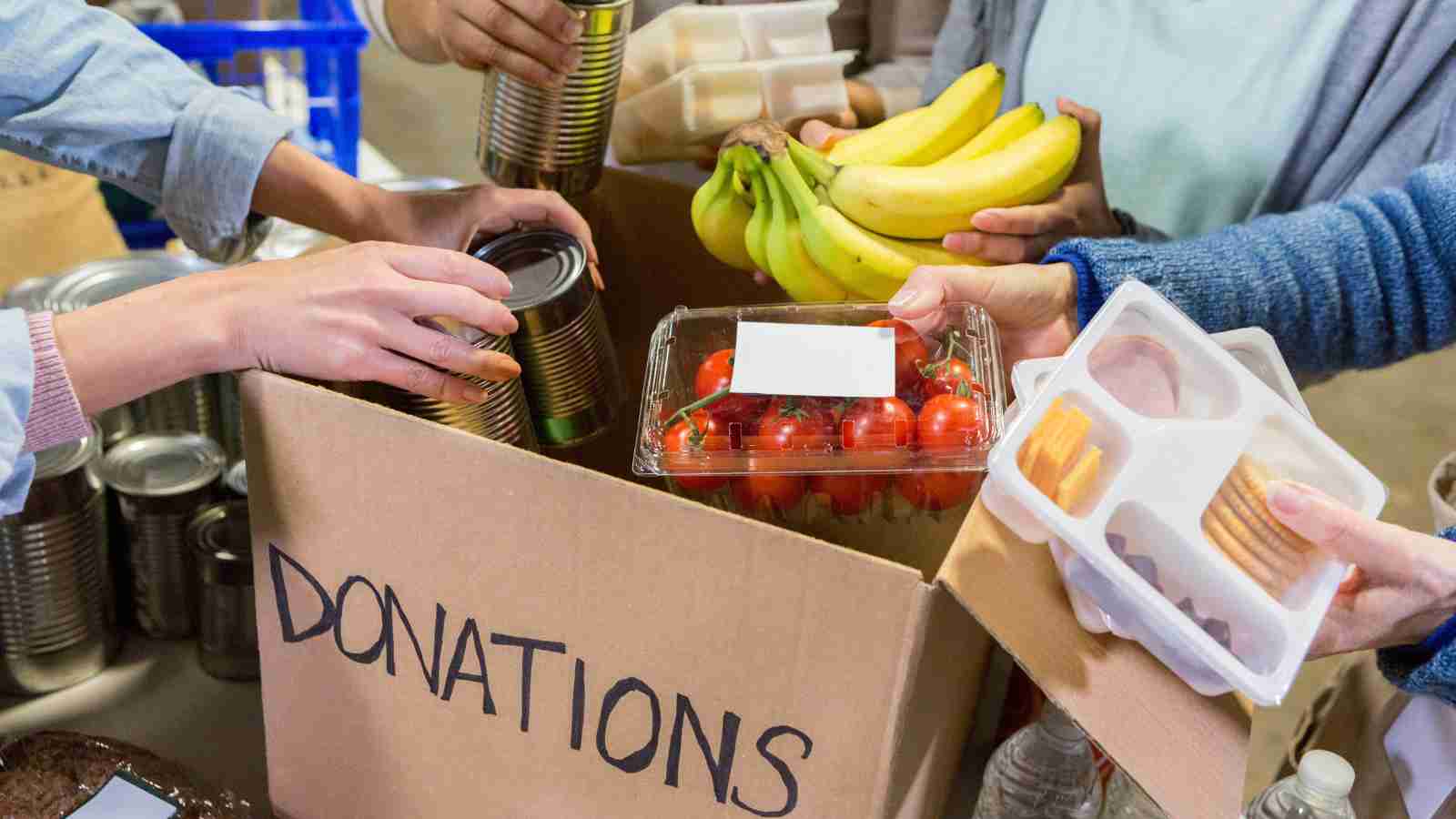
France made history by becoming the first nation to outlaw supermarkets from throwing away unsold food, forcing them to donate it to charities instead. The 2016 law sparked widespread change, transforming food waste from a backroom issue into a public movement. You can see the results in schools, restaurants, and homes, where reducing waste has become second nature. Supermarkets now collaborate with food banks, turning potential landfill waste into millions of free meals annually. France’s policy has since inspired similar laws in Italy and other European countries, showing just how powerful legislation can be in reshaping behavior.
South Korea
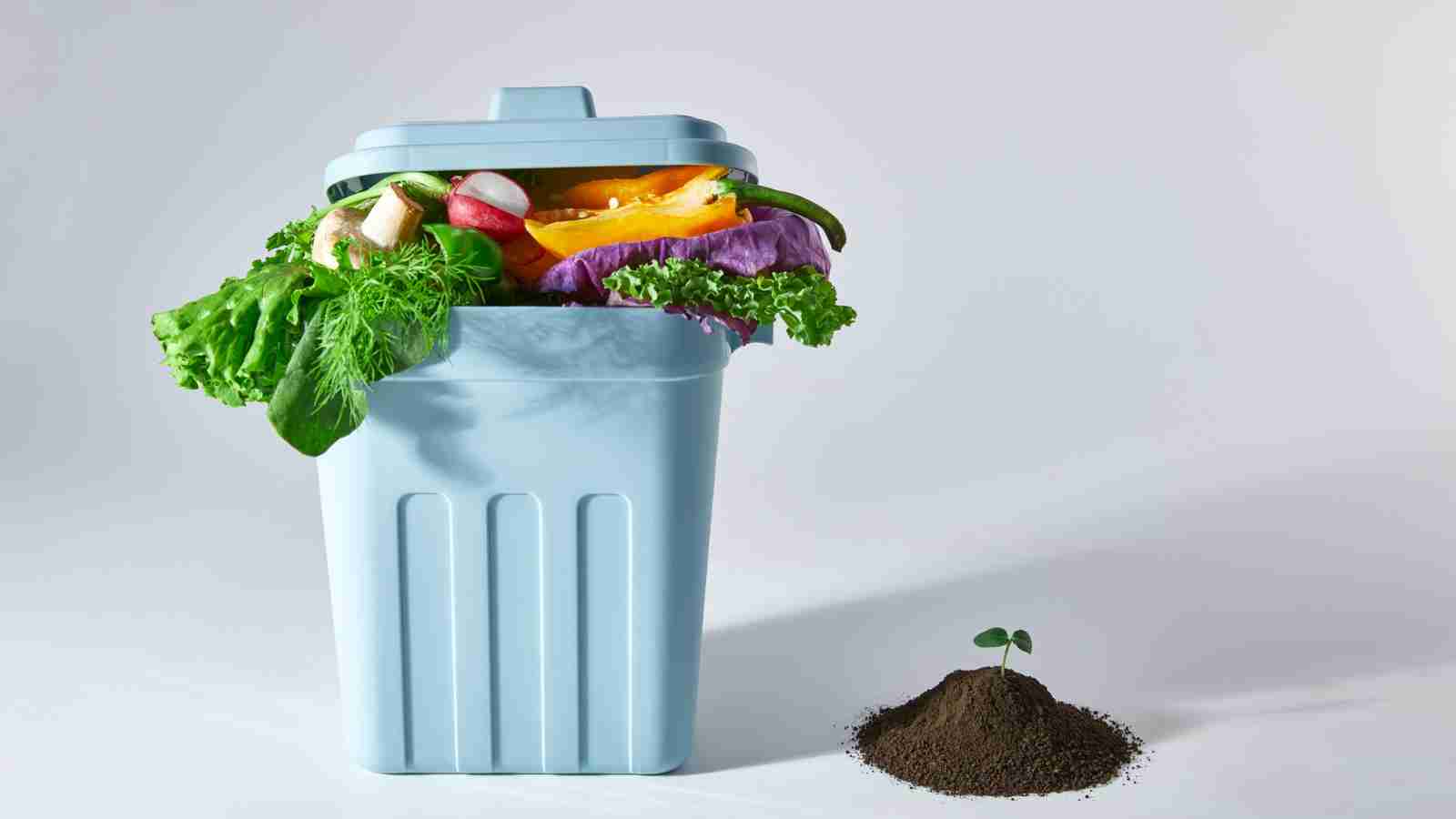
South Korea runs one of the most advanced food recycling systems in the world, turning nearly all its food scraps into compost or animal feed. Every household pays a small fee based on how much food waste they produce—tracked by high-tech bins that weigh the scraps. That system motivates you to think twice before throwing anything away. The collected waste is processed into biofuel and fertilizer, cutting down landfill use and greenhouse gas emissions. It’s a clear example of how technology and accountability can make sustainability part of daily life.
Japan
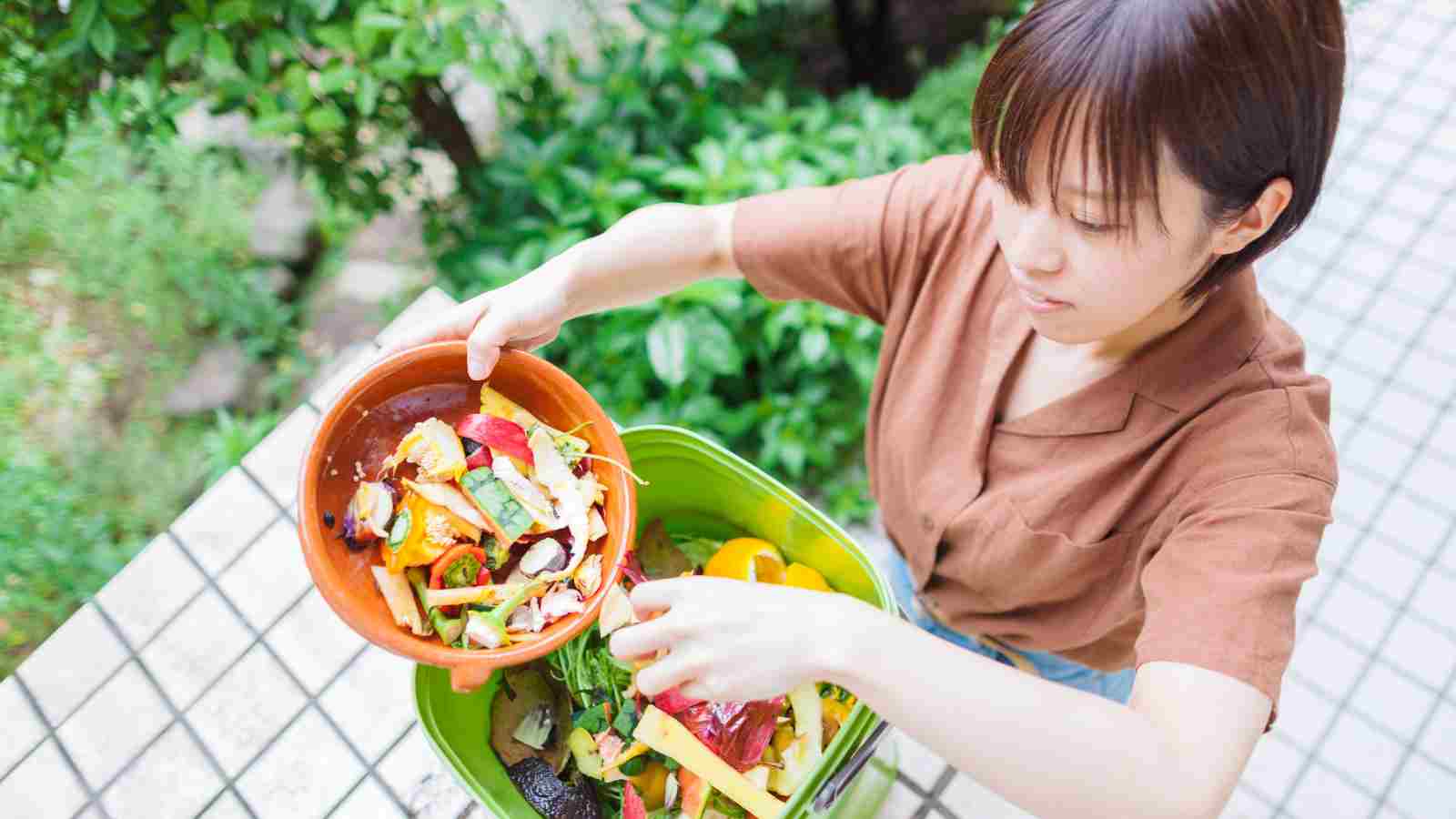
Japan’s “Food Recycling Law” ensures that almost nothing edible goes unused, with strict rules requiring businesses to recycle leftovers. Your local ramen shop, for instance, might send its scraps to farms as animal feed or have it processed into biofuel. Every business must meet specific waste-reduction targets, and detailed reporting keeps them transparent. Even convenience stores participate by selling nearing-expiration items at discounts or donating them.
Denmark
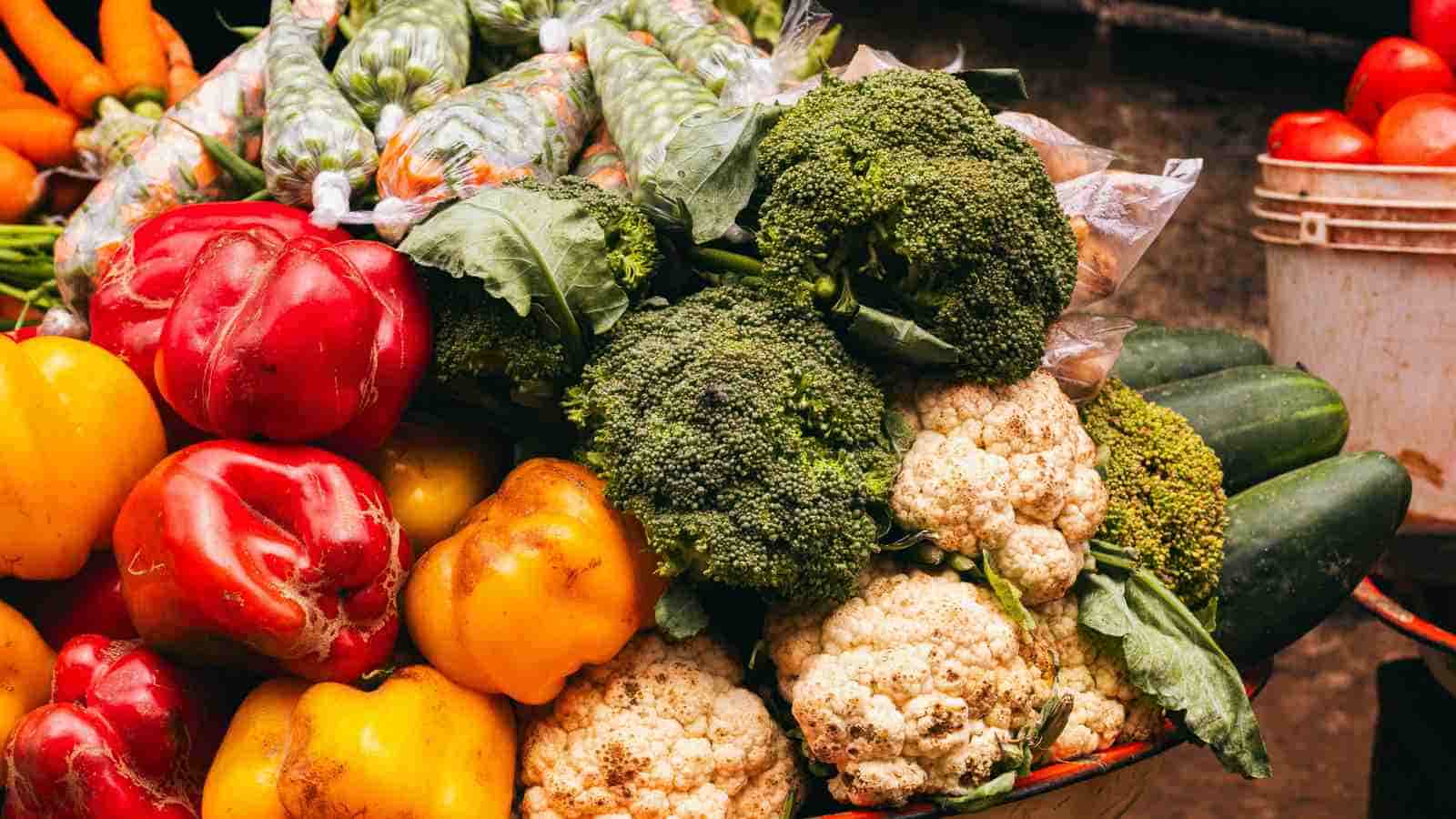
Denmark’s food waste revolution started from the ground up with passionate citizens and groups like “Stop Wasting Food.” Today, you’ll find everything from “ugly produce” stores to popular food rescue apps connecting surplus food with consumers. Nationally, Denmark has managed to slash its food waste by about 25%—a remarkable feat in under a decade. You can credit both public enthusiasm and government support for this success.
Germany
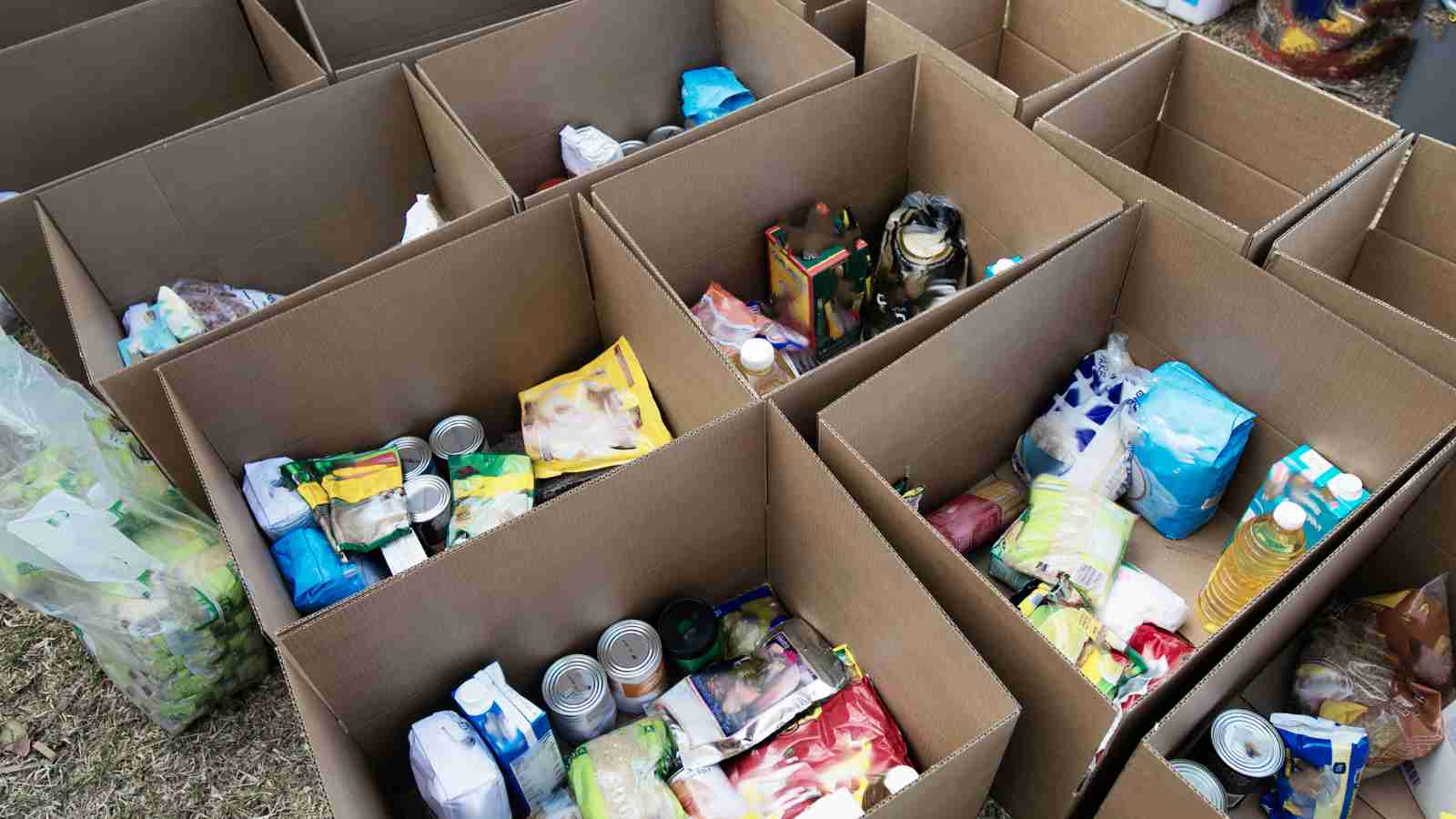
Germany takes waste management seriously, with food waste being no exception. A mix of strict packaging regulations, food donation programs, and public sharing initiatives keeps edible food circulating. In many cities, you can find “foodsharing” fridges stocked with surplus items anyone can take for free. Businesses are encouraged to participate rather than dispose, and communities actively promote mindful consumption.
Sweden
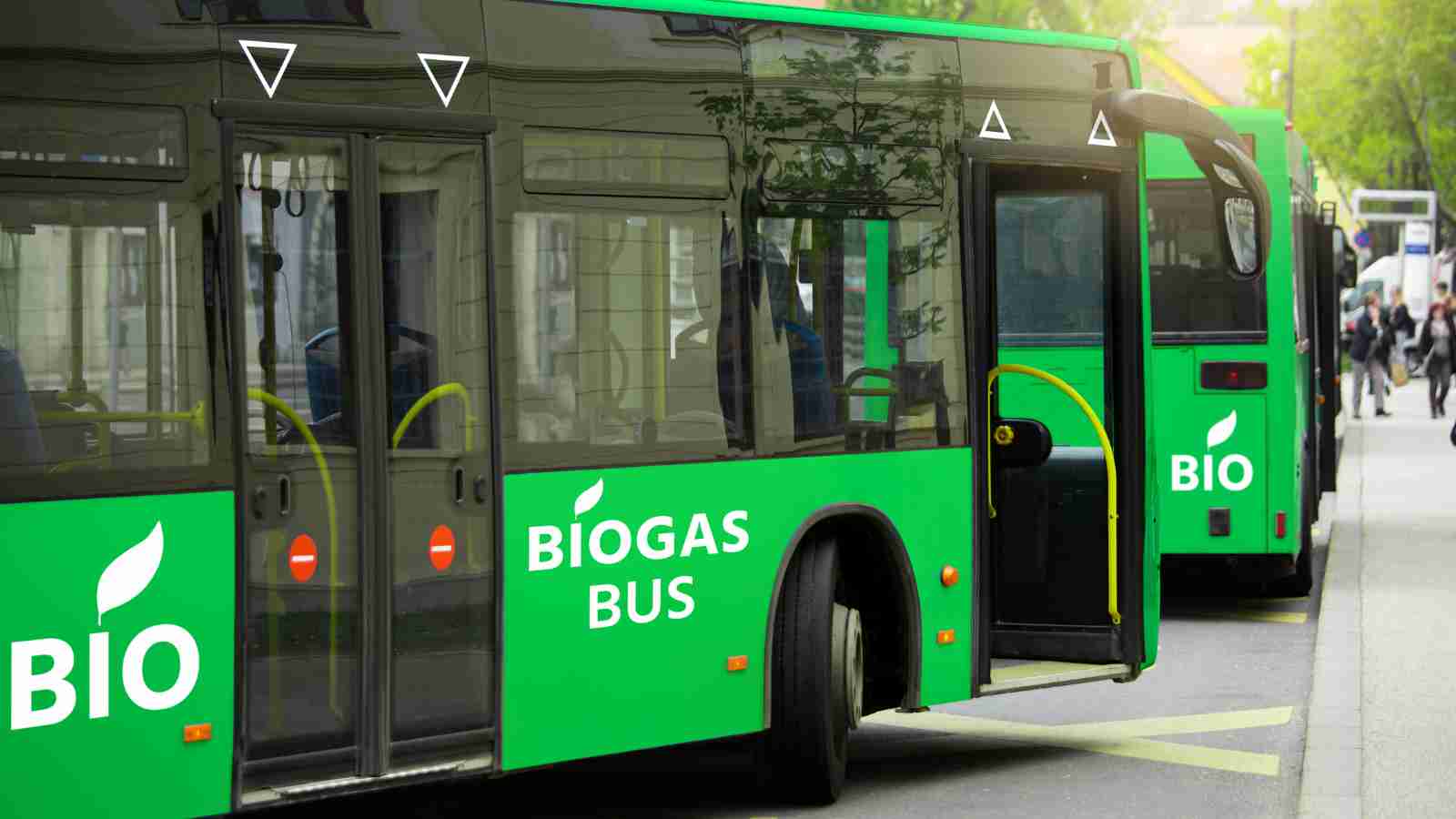
Sweden turns leftovers into literal fuel—powering public buses with biogas made from food scraps. Cities have separate collection systems for organic waste, ensuring nothing usable ends up in the landfill. You’re encouraged to sort waste properly at home, and it’s part of the culture to do so. The biogas program not only reduces emissions but also supplies renewable energy across the country.
Norway
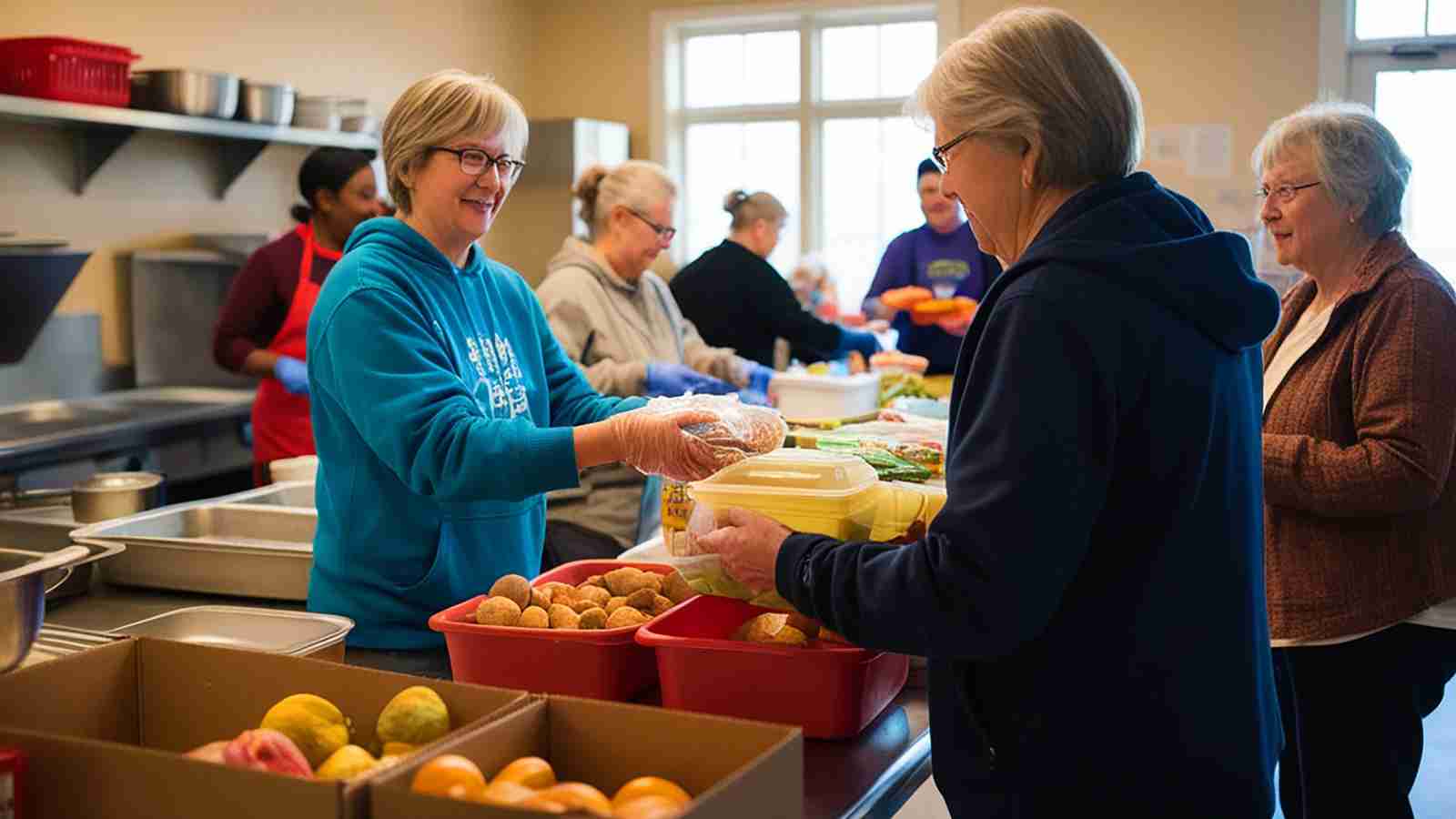
Norway has built a strong partnership between food retailers and charities through its “Matsentralen” food bank network. Surplus food that might otherwise be wasted goes directly to people in need, creating both environmental and social benefits. Many supermarkets take pride in being recognized for their waste-reduction efforts, turning it into a mark of honor. Technology helps track donations and logistics, making the process smooth and transparent. Norway’s model proves that community-driven collaboration can tackle food waste with both efficiency and empathy.
Netherlands
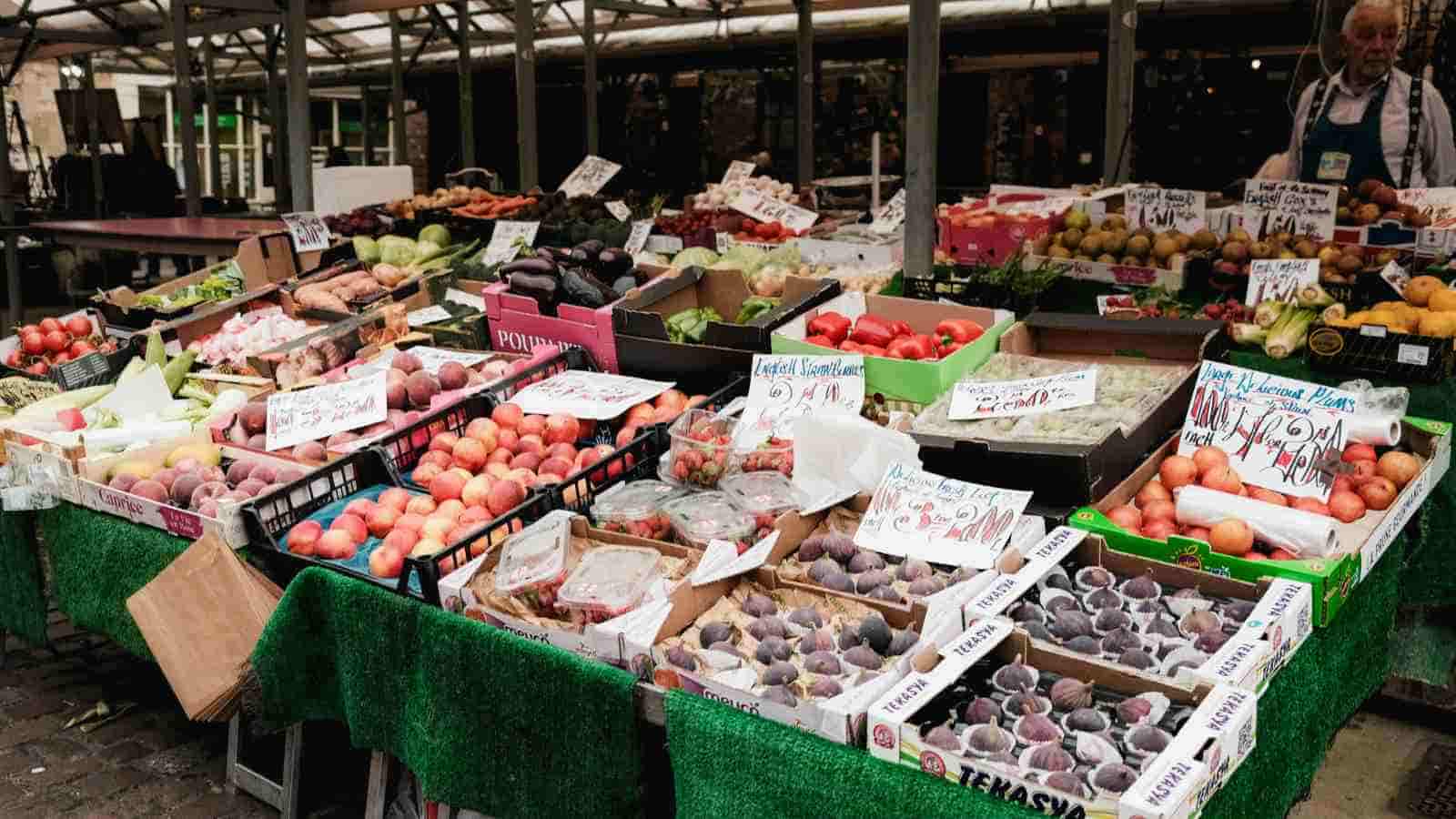
The Netherlands approaches food waste with innovation and teamwork, uniting government agencies, universities, and private companies under one goal—to halve waste by 2030. You’ll see creative solutions everywhere, from smart-label technology that extends shelf life to markets selling surplus goods at low prices. Public campaigns promote awareness, while research institutions test new food preservation methods. Dutch cities have also introduced “community fridges” and food-sharing apps to cut everyday waste.
Italy

Italy made food donations easier and more rewarding by offering tax incentives to businesses that give away unsold goods. The country also simplified regulations so that restaurants and stores can donate with less red tape. As a result, millions of tons of edible food now get redirected to people instead of dumps each year. Public awareness campaigns emphasize the moral and environmental impact of saving food. Italy’s approach blends generosity with practicality, turning waste reduction into both a civic duty and a cultural habit.
Finland
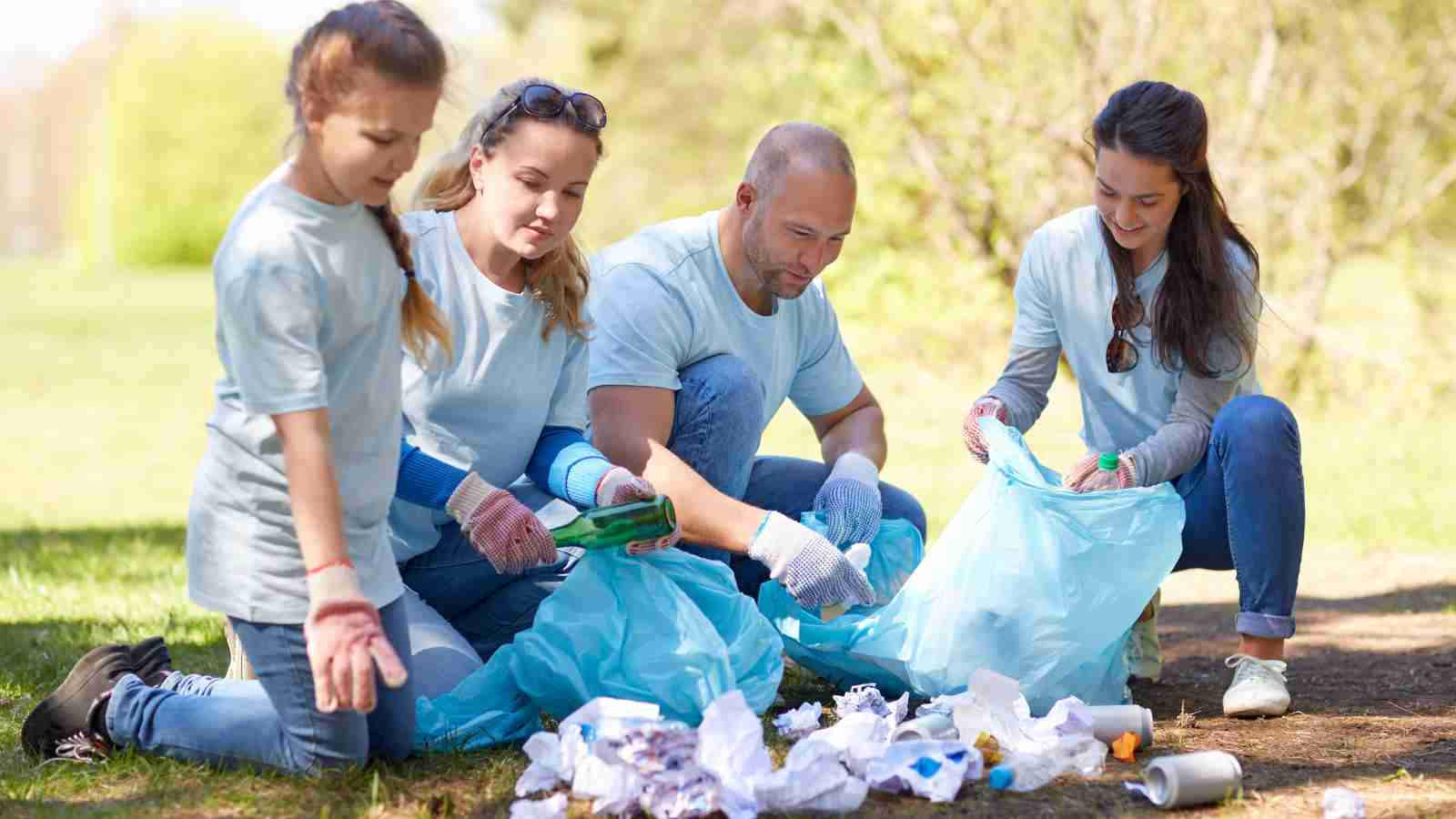
Finland encourages you to rethink your daily habits with national “waste-free week” campaigns. Families take on the challenge of reducing or tracking food waste, often sharing their progress online. Schools also teach children early about food conservation and sustainability, embedding good habits for life. Businesses support the cause with donation programs and innovative packaging ideas. Finland’s educational focus ensures that food waste prevention becomes as normal as recycling bottles or sorting trash.
Switzerland
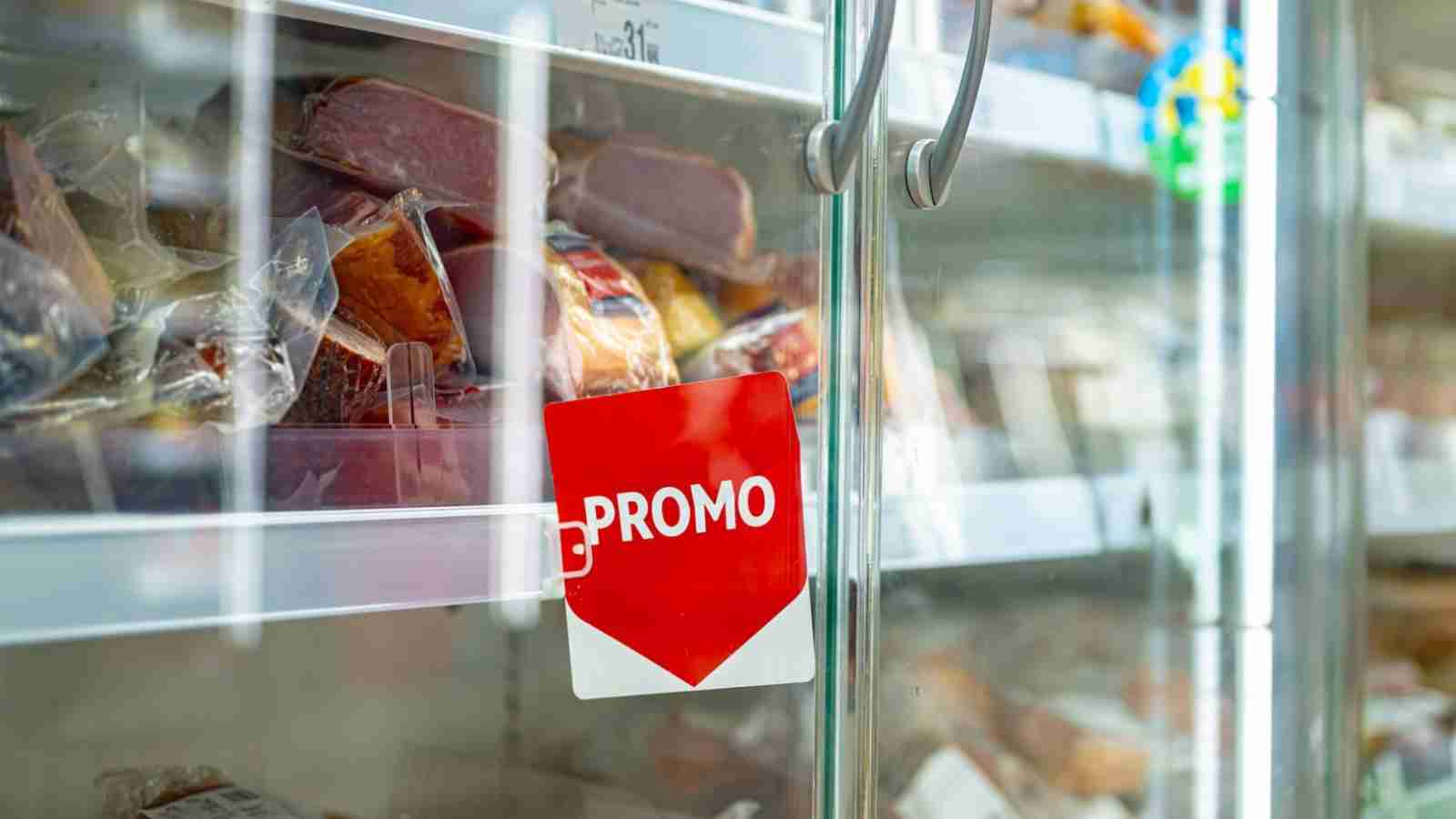
Switzerland’s supermarkets and startups collaborate to make “almost expired” food accessible instead of wasted. Through food-rescue apps and discount shelves, you can grab high-quality products for less while helping the planet. The system cuts down both waste and grocery costs, making sustainability appealing to everyday shoppers. Swiss companies are transparent about their inventory and expiry tracking, promoting accountability.
Austria
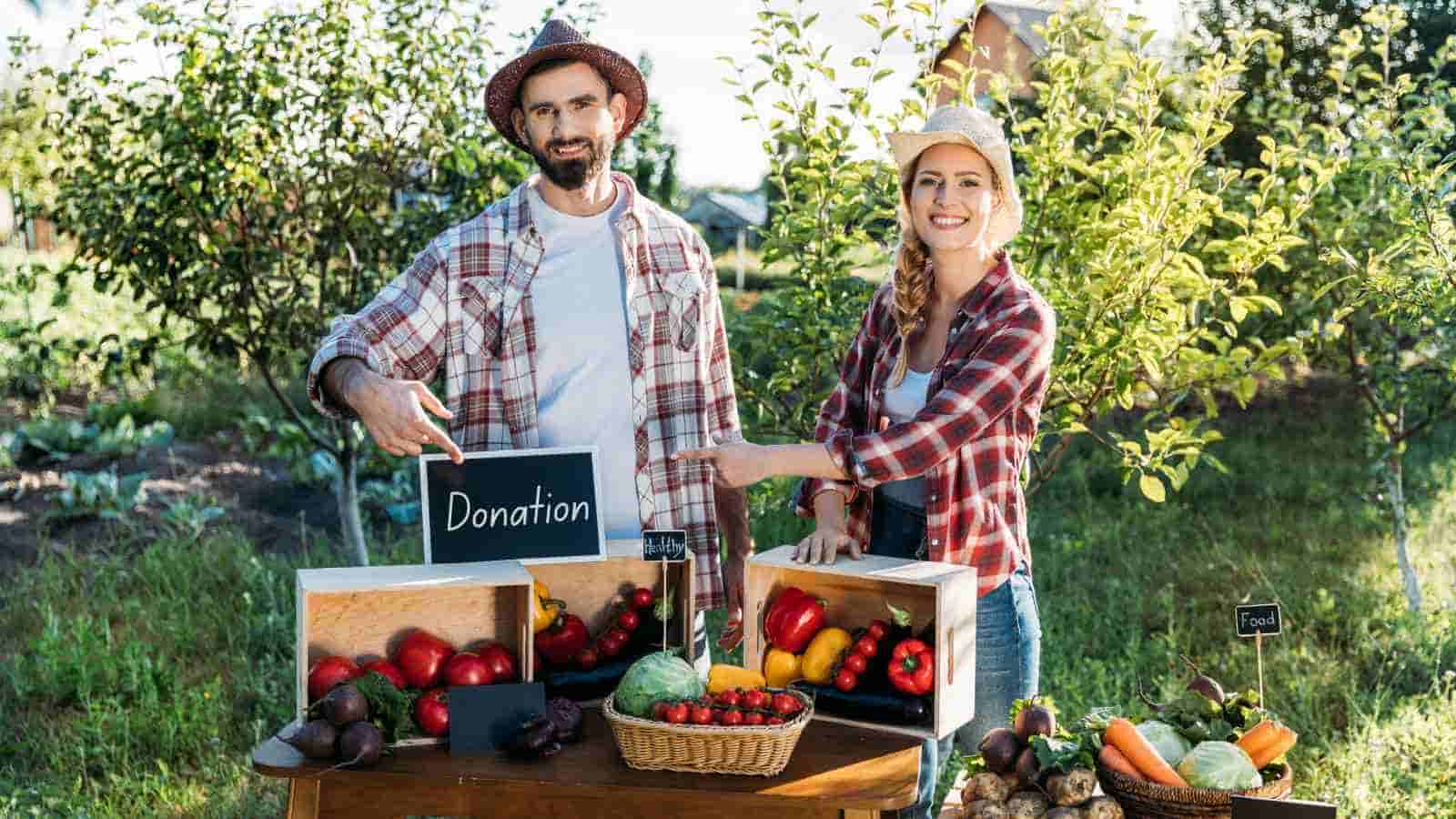
Austria’s “Too Good to Waste” program connects farmers, retailers, and charities to keep edible food out of the trash. Community composting initiatives are common, with local residents turning scraps into soil for gardens. You’ll often see surplus food redirected to shelters and social organizations before it ever spoils. Public campaigns promote using leftovers creatively at home. Austria’s approach combines local engagement with government coordination to make food waste reduction a shared responsibility.
Singapore
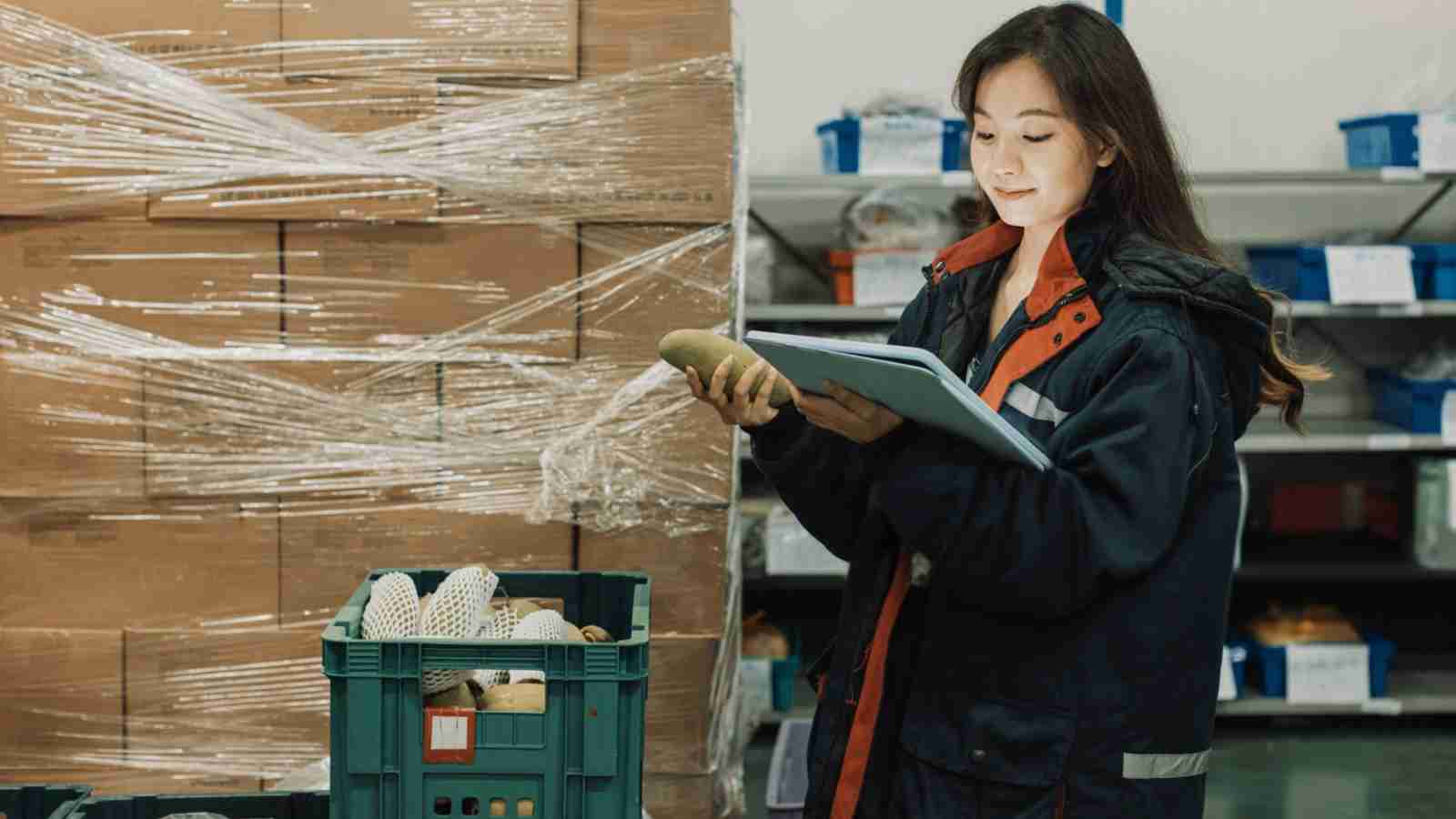
Singapore relies on technology and precision to tackle its food waste challenge. Smart sensors in storage areas monitor freshness levels, alerting suppliers before products expire. You’ll also find AI-driven redistribution systems that connect surplus food with charities in real time. The government invests heavily in waste-to-energy plants that process organic material efficiently.
United Kingdom
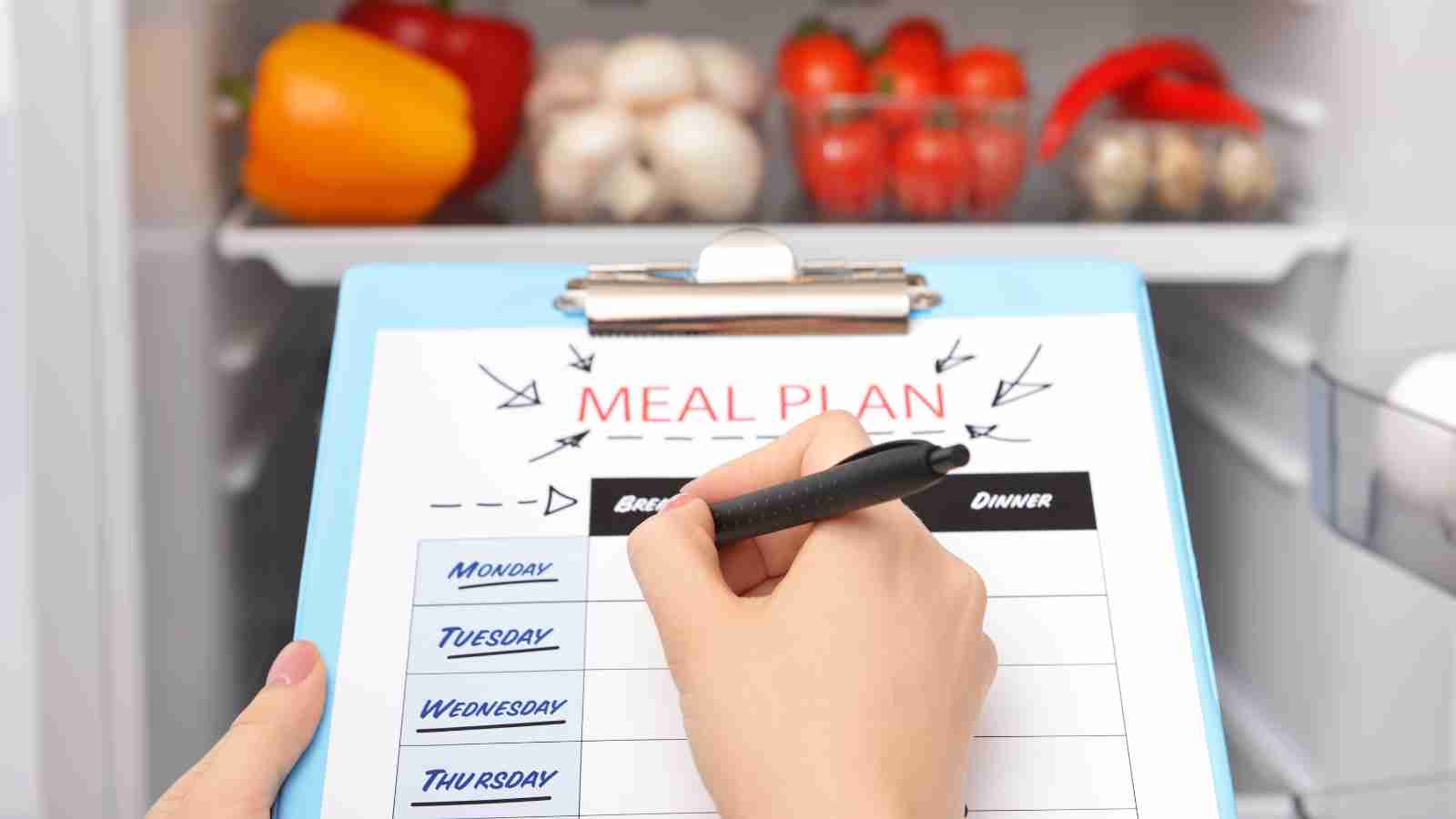
The UK turned public awareness into measurable impact through its “Love Food Hate Waste” campaign. You’re encouraged to make small daily changes—like planning meals, freezing leftovers, and using up ingredients before they spoil. That campaign helped cut household food waste by millions of tons since it began. Retailers joined the effort by standardizing “use by” labels and promoting portion control. The UK’s progress proves that education and clear messaging can change national habits faster than you’d expect.
Canada
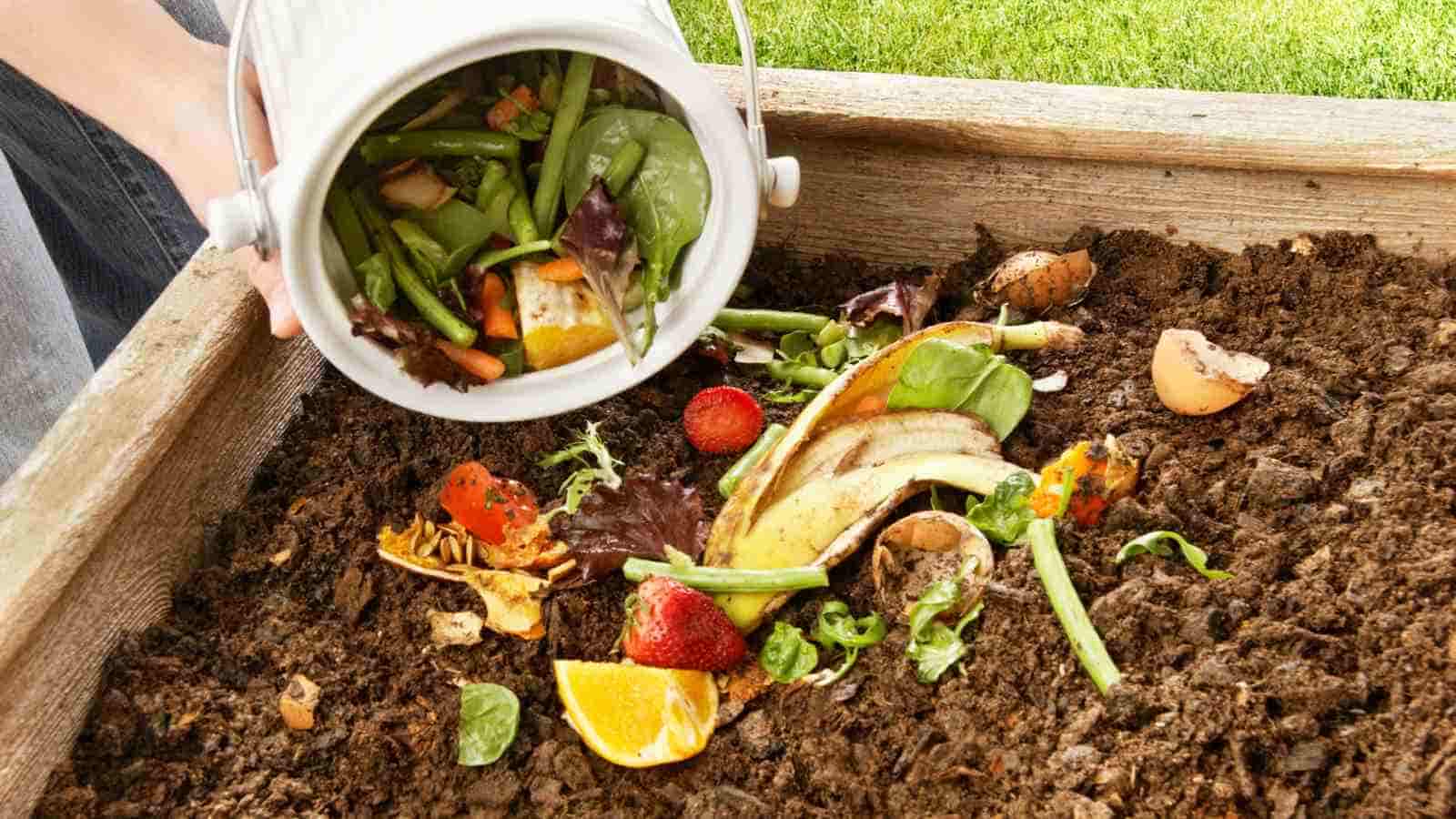
Canada is investing in innovation through its National Food Waste Reduction Challenge, funding startups that find creative solutions for surplus redistribution. Cities like Vancouver and Montreal lead the charge with large-scale composting programs that turn organic waste into nutrient-rich soil. You’ll also find tech-driven initiatives helping food producers connect directly with shelters and consumers. Community awareness is growing, with schools and households joining in through waste-cutting programs.
20 Meals That Tell the Story of Immigration in America

Many foods Americans now take for granted arrived with hopeful immigrants seeking opportunity and familiarity through the meals they prepared. Each plate reflects resilience, innovation, and the shared experience of blending traditions. From hearty stews to handheld snacks, these 20 meals showcase how immigration shaped what you eat today.
25 Meals That Reveal Generational Shifts in Eating Habits

Some dishes you grew up with are now nostalgic artifacts, while others have been reinvented to align with new health, environmental, or social ideals. These shifts reveal how eating habits mirror larger trends, like the rise of convenience foods, the wellness movement, and global flavor exploration. As you read through these meals, you’ll see how your own preferences connect with decades of change. It’s not just about food—it’s about how you live, host, and even define comfort in your everyday life.

Tamara Tsaturyan is the owner and writer of Thriving In Parenting, a website focused on providing simple tips for busy parents — easy and healthy recipes, home decor and organization ideas and all things P A R E N T I N G.

Share Your Thoughts!
I love to know your thoughts, make sure to comment below to start a discussion! You can also follow me on your favorite social network below.