Have your eating habits changed without you ever meaning to adjust them? Burnout often reshapes food routines long before motivation, mood, or productivity clearly shift. You may notice meals becoming shorter, simpler, or less intentional without consciously deciding to change anything. Mental fatigue interferes with appetite signals, routine planning, and the brain’s ability to prioritize basic self-care. Paying attention to how meals are approached can quietly reveal how deeply prolonged stress has settled into daily life.

Eating Standing Up

Eating while upright often reflects a state of constant urgency rather than preference. Digestion is influenced by posture, and rushed meals can reduce awareness of fullness signals. Standing meals usually happen when breaks feel undeserved or inconvenient. Over time, food becomes a task to complete instead of a pause to reset. That subtle shift mirrors a nervous system stuck in “go mode.”
Reaching for the Same Foods Every Day

Repeating identical meals reduces decision-making demands when mental energy runs low. Food variety typically requires planning, flexibility, and curiosity, which burnout quietly erodes. Nutrient intake can narrow without intention when rotation disappears. Familiar options feel safe because they remove extra steps. Consistency here often signals cognitive fatigue rather than strong preference.
Forgetting to Eat Until Late

Delayed eating commonly occurs when stress hormones suppress hunger signals. Focus stays locked on responsibilities while physical needs fade into the background. Energy dips later in the day tend to arrive suddenly and intensely. Blood sugar fluctuations can follow prolonged gaps without food. That pattern often reflects sustained mental overload rather than poor time management.
Relying Heavily on Convenience Foods

Packaged or ready-to-eat options offer predictability when capacity is low. Burnout often reduces tolerance for cooking, cleaning, and sequencing tasks. Convenience foods require minimal planning and deliver fast energy. Overreliance usually appears during periods of emotional depletion. Ease replaces intention when bandwidth shrinks.
Eating While Multitasking

Divided attention during meals limits sensory engagement with food. Satiety cues rely on awareness, not just intake volume. Screens or work tasks keep the brain stimulated instead of allowing recovery. Meals lose their role as grounding moments. That habit often reflects difficulty fully stopping.
Skipping Breakfast Without Intention

Morning meals are commonly skipped when stress elevates cortisol early in the day. Appetite suppression can mask hunger until later hours. Time pressure compounds the effect, making eating feel optional. Energy regulation becomes uneven as a result. Absence of planning, not dieting, drives the behavior.
Craving Warm, Soft Foods

Texture preferences often shift during emotional fatigue. Warm, soft foods require less chewing and sensory effort. These options also provide physical comfort through temperature and familiarity. Nervous system strain can increase desire for easily digestible meals. Comfort-seeking here reflects regulation, not weakness.
Grazing Instead of Sitting Down
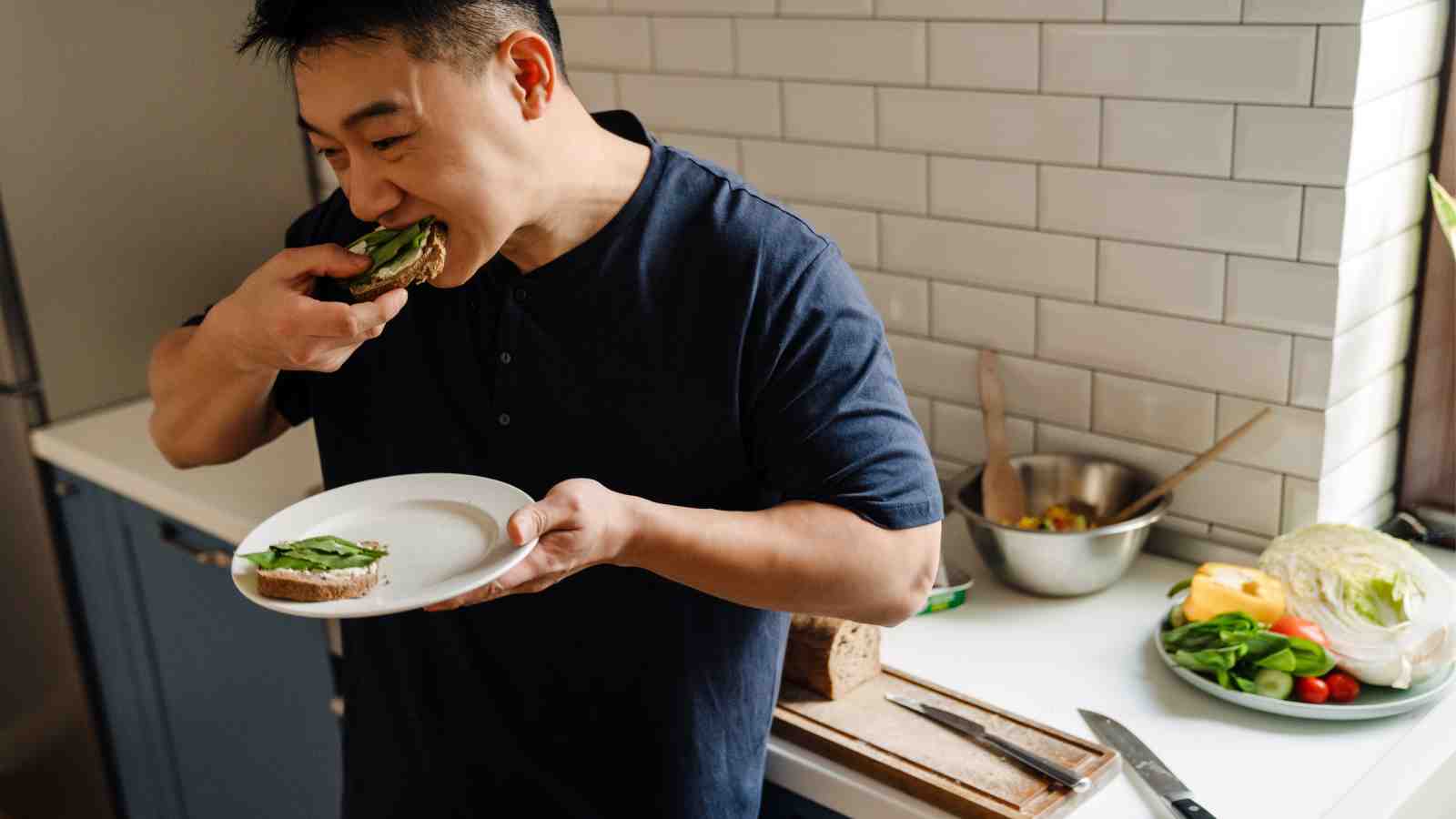
Frequent small bites spread across the day often replace structured meals under stress. Sitting down can feel like a commitment that requires mental space. Grazing allows eating without fully stopping tasks. Blood sugar stability may suffer without balanced portions. That rhythm mirrors fragmented attention patterns.
Drinking More Coffee Than Food

Caffeine stimulates alertness while masking hunger temporarily. Reliance grows when rest and meals feel inaccessible. Appetite suppression from coffee can delay eating further. Energy becomes chemically driven rather than nutritionally supported. That imbalance often accompanies prolonged fatigue cycles.
Avoiding Grocery Shopping

Meal planning requires foresight, organization, and choice evaluation. Burnout reduces tolerance for crowded spaces and decision-heavy tasks. Skipping grocery trips limits food availability at home. Eating becomes reactive instead of intentional. Avoidance signals mental exhaustion more than disinterest.
Eating Late at Night

Evening eating often follows delayed nourishment earlier in the day. Food can also serve as a decompression tool after prolonged restraint. Nighttime quiet allows attention to return to bodily needs. Sleep patterns may be affected by late intake. Timing shifts reflect recovery attempts rather than indulgence.
Ignoring Leftovers Until They Go Bad

Using leftovers requires memory, planning, and follow-through. Burnout disrupts those executive functions. Starting fresh can feel easier than managing unfinished tasks. Food waste increases without conscious choice. That pattern mirrors difficulty sustaining momentum.
Choosing Foods That Require Zero Prep

Low-effort foods become appealing when energy reserves are depleted. Even simple steps like chopping or heating can feel overwhelming. Decision fatigue amplifies resistance to preparation. Nutrition takes a back seat to immediacy. That choice reflects capacity limits, not lack of care.
Losing Interest in Favorite Meals

Anhedonia, or reduced pleasure, commonly accompanies burnout. Familiar foods may no longer trigger excitement or anticipation. Eating becomes routine rather than enjoyable. Emotional numbness can dull sensory reward. Loss of interest often appears before appetite changes.
Eating Just Enough to Get Through

Minimal intake often aims to maintain function rather than satisfaction. Meals become transactional instead of restorative. Energy needs are met at the lowest perceived requirement. Connection to hunger and fullness weakens over time. That approach mirrors survival mode rather than balance.
17 Food Habits of People Who Rarely Get Sick

The people who rarely get sick usually have a set of quiet, consistent food habits that keep their immune system responsive and less prone to burnout. They eat in ways that support the body’s natural defense mechanisms without triggering unnecessary stress or imbalance. Here are 17 food habits they live by—and why each one works. These aren’t one-time fixes, but long-term habits that strengthen the body’s internal balance.
20 Foods That Help You Recover Faster After a Cold or Flu

Whether your goal is to calm a cough, unclog sinuses, settle your stomach, or just finally get a good night’s sleep, these foods offer more than comfort—they work with your body to help you feel better, faster.

Tamara Tsaturyan is the owner and writer of Thriving In Parenting, a website focused on providing simple tips for busy parents — easy and healthy recipes, home decor and organization ideas and all things P A R E N T I N G.

Share Your Thoughts!
I love to know your thoughts, make sure to comment below to start a discussion! You can also follow me on your favorite social network below.