A strong heart starts with smart choices, and the foods you eat play a crucial role in keeping your arteries clear and healthy. While exercise, stress management, and regular checkups are essential, your diet can either fuel or fight the buildup of harmful plaque. Millions of people face heart-related conditions every year, with clogged arteries being a major risk factor for heart attacks and strokes. But simple dietary changes can make a world of difference.
Many nutrient-rich foods have been shown to support heart health by reducing inflammation, improving cholesterol levels, and preventing artery blockage. These natural powerhouses work in different ways to keep your blood vessels functioning smoothly and efficiently. Whether through fiber, antioxidants, healthy fats, or essential minerals, each of these foods provides unique benefits to help you maintain optimal cardiovascular health. Let’s explore some of the best options to add to your plate.
Seeds

Packed with lignans and omega-3 fatty acids, seeds such as chia seeds and flax seeds help reduce inflammation and improve artery function. Their high fiber content binds to cholesterol in the digestive system, preventing its absorption and lowering LDL levels. Studies show that regular seeds consumption can decrease blood pressure and keep arteries flexible. Sprinkle them over yogurt, oatmeal, or smoothies for an easy heart-boosting addition.
Nuts

A great source of monounsaturated fats and vitamin E, nuts support healthy cholesterol levels and reduce oxidative stress on arteries. They contain magnesium, which helps relax blood vessels and improve circulation. Regular consumption has been linked to lower LDL cholesterol and a reduced risk of plaque buildup. Just a handful a day can make a significant difference in heart health.
Berries

Loaded with antioxidants like anthocyanins, berries help fight oxidative stress and reduce inflammation in blood vessels. Their natural compounds improve circulation by supporting the flexibility of arteries, lowering the risk of blockages. Research suggests that eating berries regularly can significantly lower blood pressure and improve overall heart function. Enjoy them fresh, frozen, or blended into a heart-healthy smoothie.
Dark Chocolate

Rich in flavonoids, dark chocolate helps improve blood vessel elasticity and reduce arterial stiffness. It has been shown to lower blood pressure and prevent harmful clot formation that can lead to heart attacks. Choosing dark chocolate with at least 70% cocoa ensures you’re getting maximum heart benefits with minimal added sugar. A small square a few times a week is a delicious way to support cardiovascular health.
Citrus Fruits

Citrus fruits like oranges and lemons contain hesperidin, a flavonoid that improves blood circulation and reduces inflammation in artery walls. The high vitamin C content also helps prevent damage to blood vessels caused by oxidative stress. Drinking freshly squeezed orange juice or eating whole oranges can help lower cholesterol and keep arteries clear. Just be mindful of portion sizes to avoid excess sugar intake.
Oats

With their high soluble fiber content, oats help lower LDL cholesterol by preventing its absorption in the bloodstream. Beta-glucan, a specific type of fiber found in oats, has been proven to reduce plaque formation and improve overall heart health. Eating oatmeal regularly can contribute to more stable blood sugar levels, which is also beneficial for cardiovascular health. Start your morning with a warm bowl of oats topped with fruit and nuts for maximum benefits.
Quinoa

Unlike refined grains, quinoa is packed with fiber, protein, and essential minerals that promote heart health. Its magnesium content helps relax blood vessels, improving circulation and reducing the risk of hypertension. The plant-based protein in quinoa also helps regulate blood sugar and prevent cholesterol buildup. Use it as a base for salads, grain bowls, or side dishes to keep your heart strong.
Green Vegetables

Leafy greens like spinach, kale, and collard greens are excellent sources of nitrates, which help widen blood vessels and improve blood flow. Their potassium content supports healthy blood pressure levels, reducing strain on the cardiovascular system. Regular consumption has been linked to lower arterial stiffness and a reduced risk of heart disease.
Legumes

High in fiber and plant-based protein, lentils help reduce LDL cholesterol and stabilize blood sugar levels. Their polyphenols have anti-inflammatory effects, protecting blood vessels from damage. Eating lentils regularly has been associated with improved heart function and a lower risk of hypertension. Try them in soups, stews, or salads for a heart-healthy boost.
Avocado

Full of heart-healthy monounsaturated fats, avocados help lower bad cholesterol while raising good cholesterol levels. Their potassium content also plays a role in regulating blood pressure and reducing the risk of arterial hardening. Studies show that eating avocados regularly can help decrease inflammation and improve heart function. Mash them onto toast, blend them into smoothies, or toss them into salads for a nutritious addition.
Tomatoes

Rich in lycopene, an antioxidant that helps prevent LDL cholesterol from oxidizing and forming plaque, tomatoes support cardiovascular health. Their potassium content further contributes to lower blood pressure and improved artery function. Cooking tomatoes increases their lycopene availability, making sauces and soups excellent choices. Adding fresh or cooked tomatoes to meals regularly can provide lasting heart benefits.
Asparagus

A natural source of folate, asparagus helps regulate homocysteine levels, which, when elevated, can increase the risk of heart disease. Its anti-inflammatory properties support healthy blood vessel function, reducing the likelihood of arterial blockages. The fiber in asparagus also aids in cholesterol management by promoting its elimination from the body. Enjoy it roasted, steamed, or added to pasta dishes for a flavorful way to care for your heart.
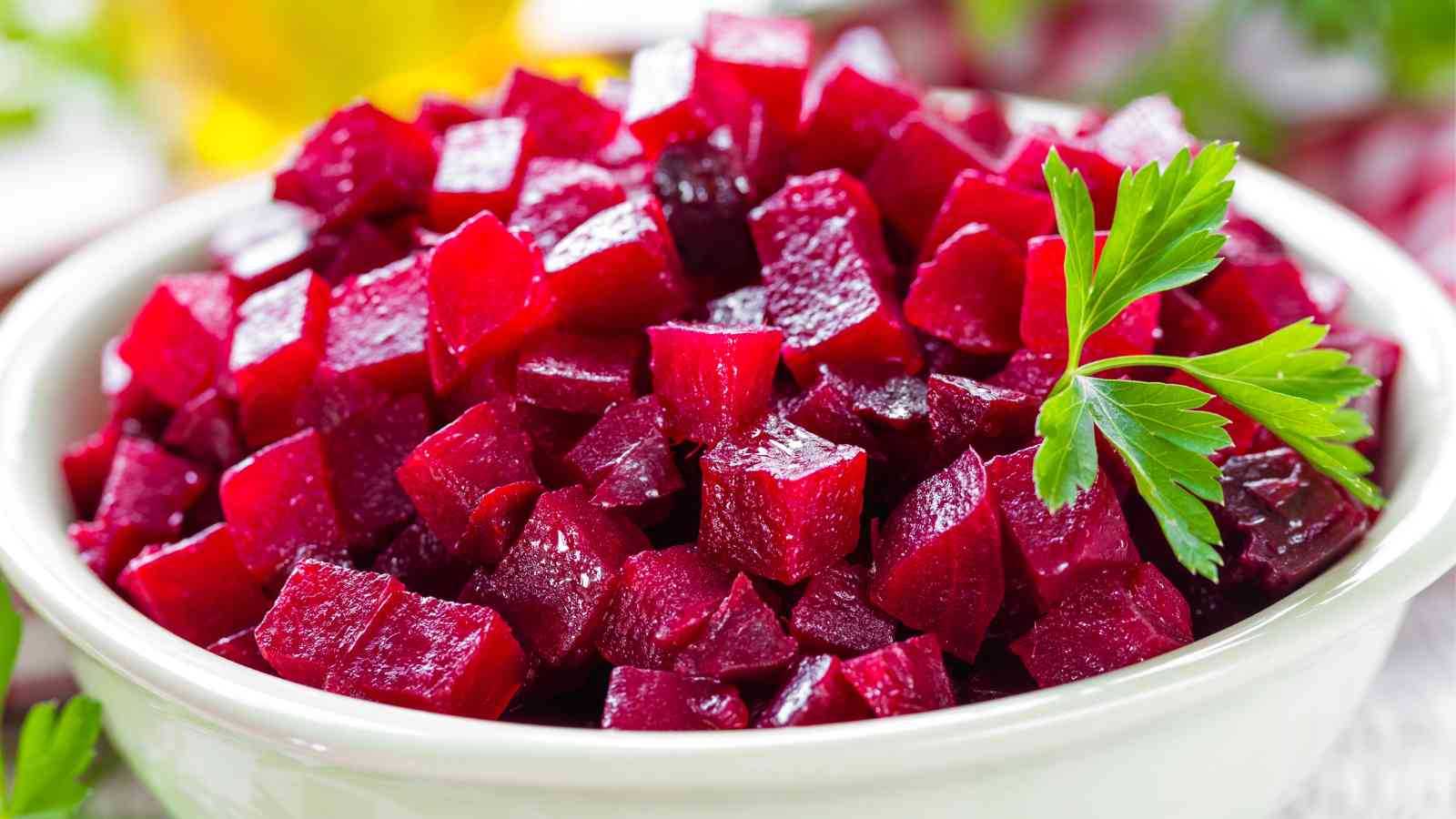
Beets

One of the best sources of dietary nitrates, beets help improve blood flow and lower blood pressure. Their natural compounds are converted into nitric oxide, which relaxes blood vessels and reduces strain on the heart. Studies suggest that drinking beet juice regularly can enhance cardiovascular function and endurance. Roasting or blending beets into smoothies is a simple way to incorporate them into your diet.
Salmon

As an excellent source of omega-3 fatty acids, salmon helps reduce triglycerides and prevent blood clot formation. These healthy fats also have anti-inflammatory properties that protect artery walls from damage. Eating fatty fish twice a week has been linked to a lower risk of heart attacks and strokes. Grilling or baking salmon with herbs and lemon makes for a heart-friendly meal.
Liver

One of the most nutrient-dense organ meats, liver is rich in folate, iron, and B vitamins, all of which contribute to cardiovascular health. It helps increase red blood cell production and supports proper oxygen transport throughout the body. The high copper content in liver also plays a role in maintaining healthy arteries. Consuming liver in moderation as part of a balanced diet can provide essential nutrients for heart function.
15 Foods That Keep You Full Longer and Help with Weight Management

Instead of constantly reaching for snacks, loading up on foods that actually satisfy your appetite can make a big difference. These 15 powerhouse foods not only keep hunger at bay but also support weight management by naturally helping you eat less without feeling deprived.
Top 13 Foods That Naturally Detox Your Body
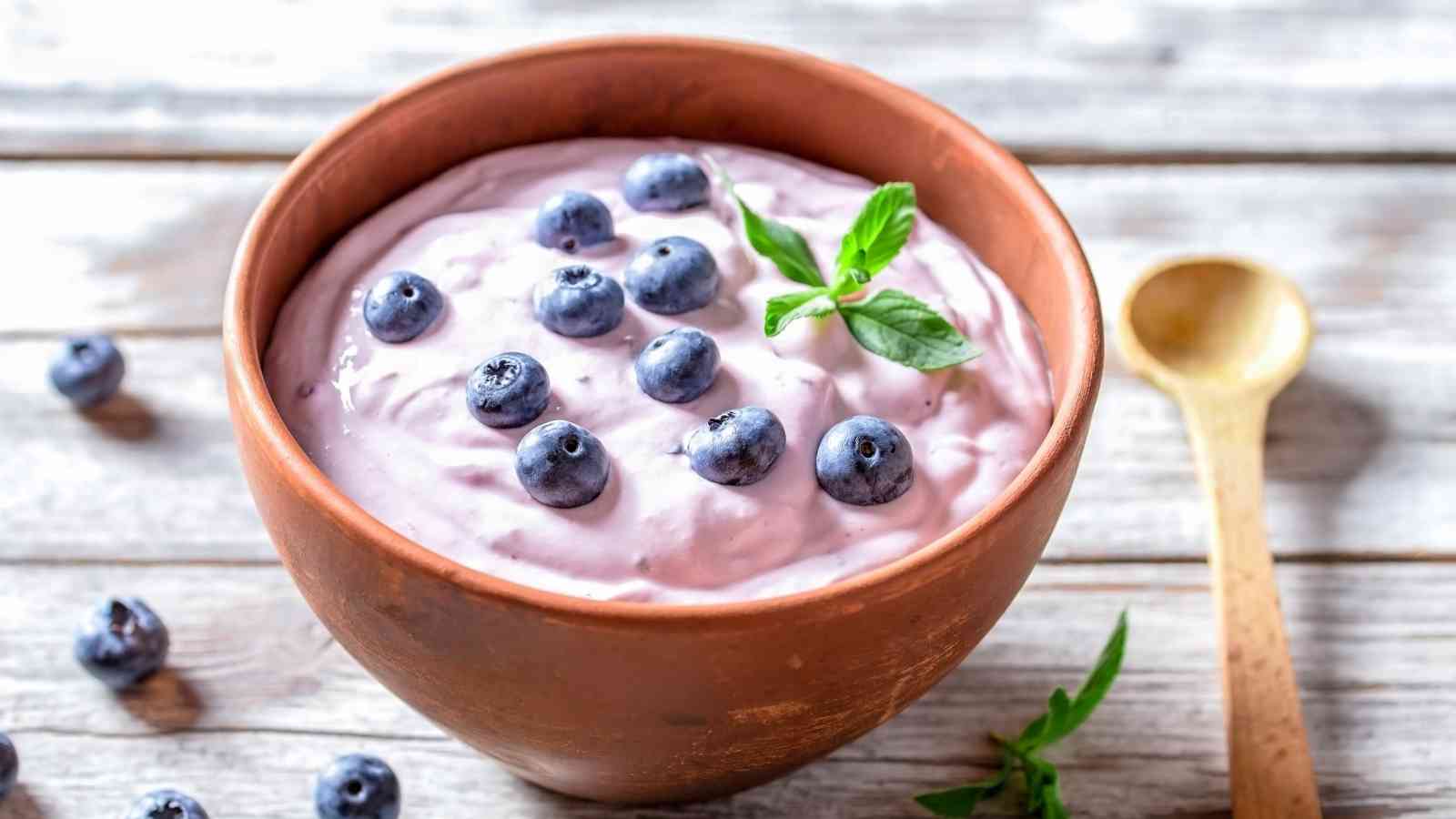
Here are 13 detox-friendly foods that not only aid in detoxification but also improve overall health. Incorporating these foods into your diet provide essential support, helping to eliminate harmful compounds and keep you feeling your best!

Tamara Tsaturyan is the owner and writer of Thriving In Parenting, a website focused on providing simple tips for busy parents — easy and healthy recipes, home decor and organization ideas and all things P A R E N T I N G.

Share Your Thoughts!
I love to know your thoughts, make sure to comment below to start a discussion! You can also follow me on your favorite social network below.