Holiday traditions in the United States come alive through food, blending nostalgia, convenience, and regional quirks into dishes that are instantly recognizable across American households. Many holiday favorites have evolved to fit modern lifestyles, often incorporating canned or processed ingredients alongside fresh ones, creating combinations that might seem unusual elsewhere. Sweet and savory mixes, elaborate decorations, and unexpected ingredient pairings often challenge international palates. Here are 15 foods that are beloved in the U.S. but often spark raised eyebrows in other countries. These foods offers a fascinating glimpse into how historical trends, local ingredients, and holiday rituals shaped American tastes.

Marshmallow-Topped Sweet Potato Casserole
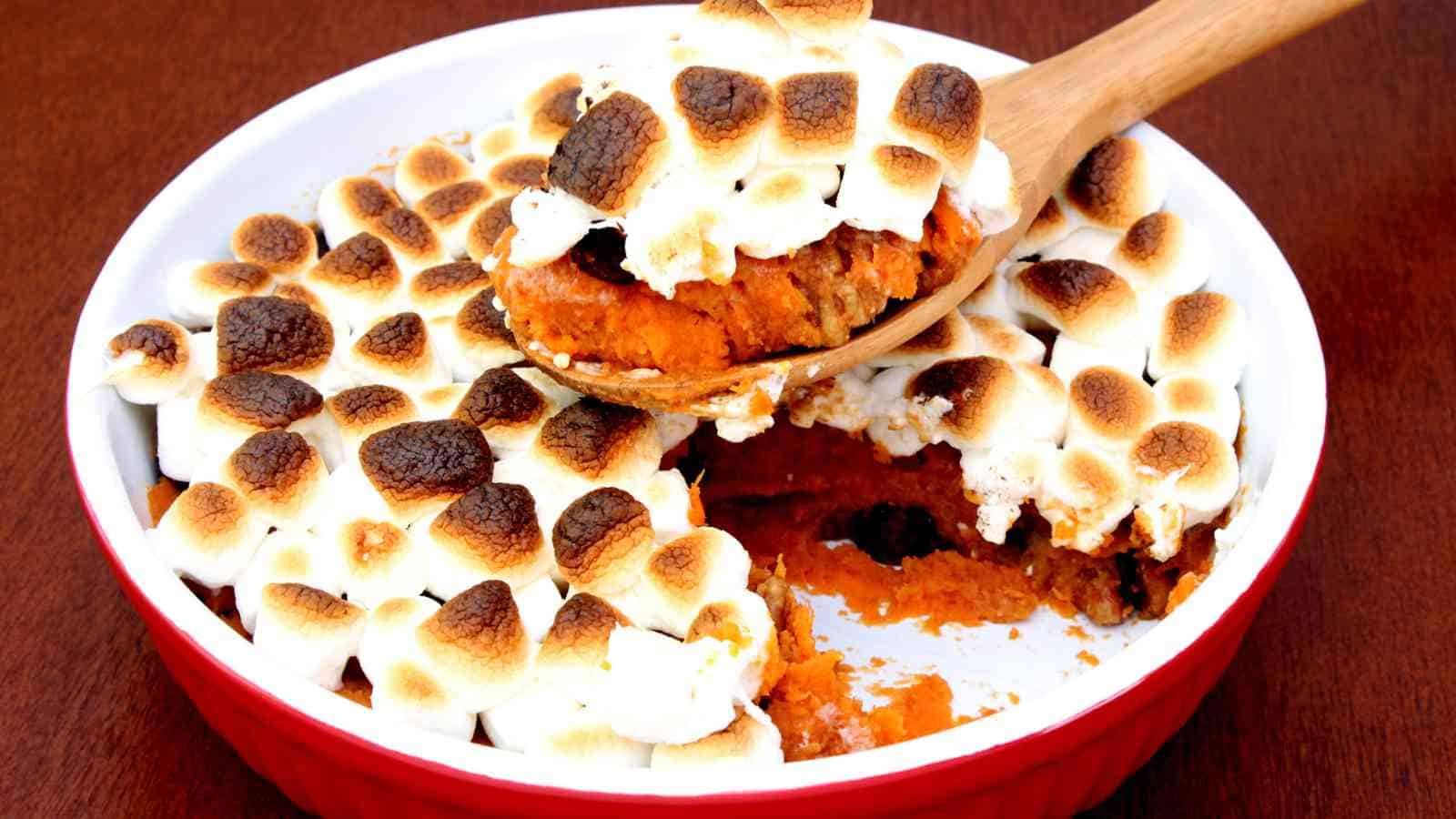
Soft, roasted sweet potatoes layered with gooey marshmallows and baked until golden represent a uniquely American twist on a classic vegetable. Sweet potatoes are traditionally served savory in most countries, often roasted with herbs or butter. Combining them with sugar-laden marshmallows creates a texture contrast that confuses foreign diners. The dessert-like topping can seem overly sweet for a side dish accompanying a holiday turkey. Despite its unusual pairing, it remains a nostalgic centerpiece in many American households.
Green Bean Casserole

A creamy mix of green beans, condensed soup, and crispy fried onions defines this iconic side dish. Vegetables are usually kept simple in most countries, often steamed or sautéed without heavy sauces. Baking them in a rich, processed sauce feels artificial to international palates. The crunchy topping adds texture, but foreign diners may see it as an odd combination. Its enduring popularity in the U.S. highlights a preference for creamy, comforting holiday dishes.
Jell-O Salads

Vibrant gelatin molds mixed with fruits, vegetables, or marshmallows are a quintessential American holiday feature. Outside the U.S., gelatin is mostly reserved for desserts or gourmet treats, never combined with savory ingredients. The mixture of sweet and savory elements in one mold can appear eccentric. Layered colors and shapes aim to impress visually, though the concept of a “salad” made of gelatin feels confusing abroad. It remains a playful, nostalgic dish at family gatherings.
Canned Cranberry Sauce
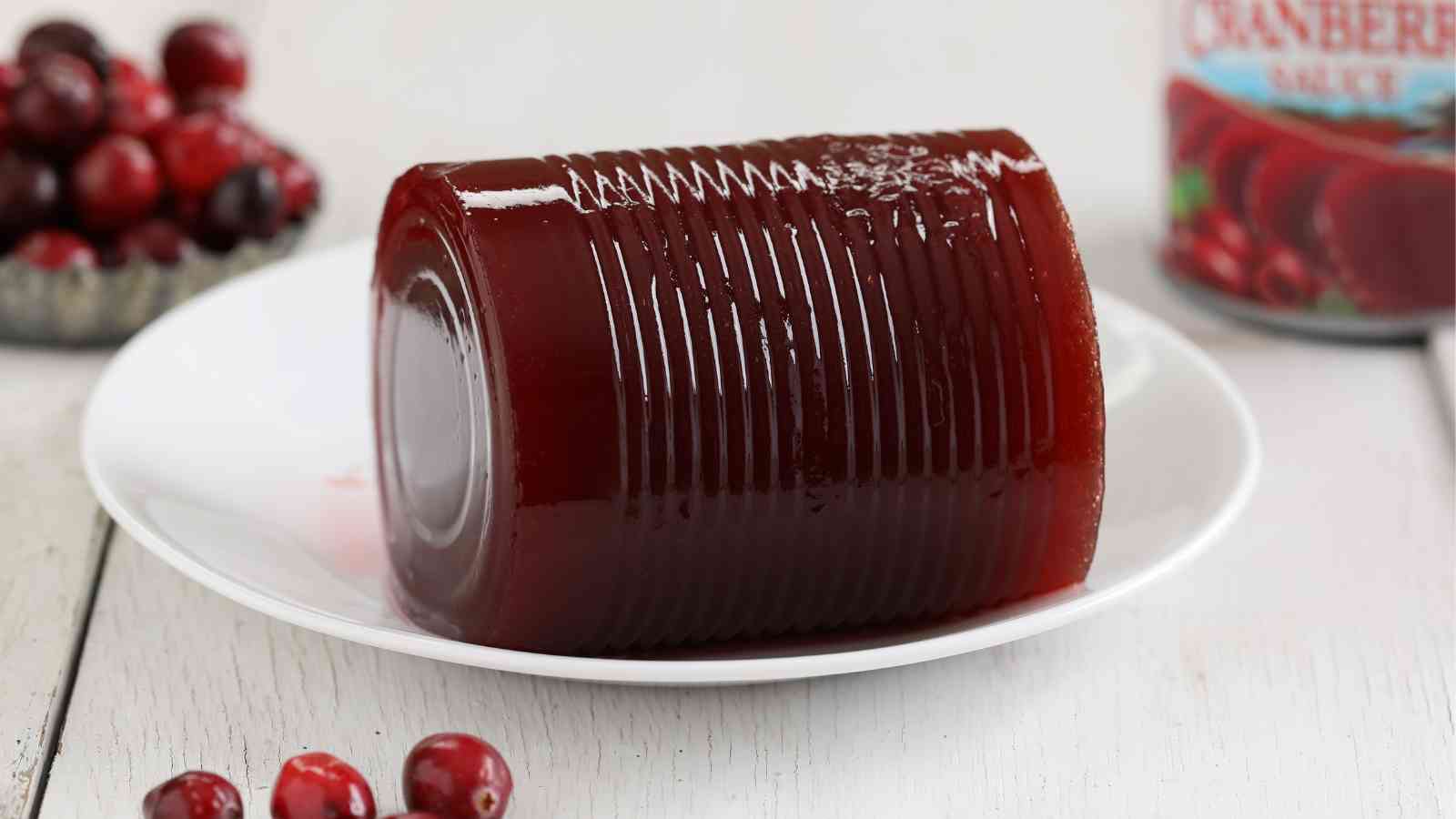
Bright red, ridged cylinders of sweetened cranberry jelly are instantly recognizable at U.S. holiday tables. Other countries typically serve cranberries fresh or in sauces cooked from scratch. Eating gelatinous, canned fruit alongside roasted meats can seem odd and overly processed. Its smooth, sliceable texture contrasts sharply with traditional sauces elsewhere. Despite the unfamiliarity, it’s praised for its convenience and consistent flavor year after year.
Candy Corn
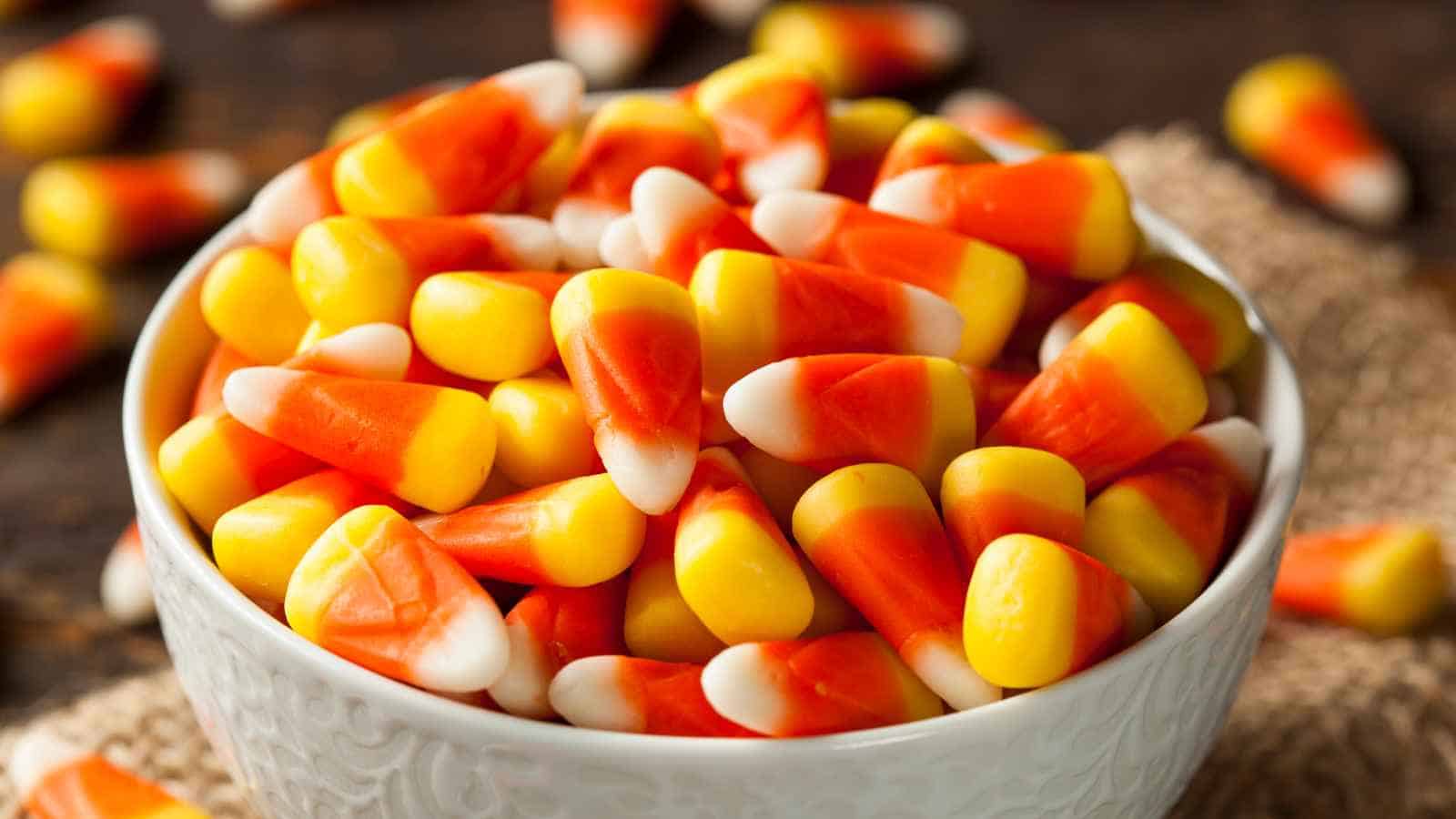
Tri-colored, waxy candies dominate autumn and holiday displays across the U.S. The intense sweetness and grainy texture are unlike most European or Asian sweets, which tend to balance sugar with fat or fruit. Candy corn’s seasonal branding often makes it feel nostalgic rather than purely edible. Its shape and color aim to evoke harvest imagery, though foreign visitors often view it as strange. Despite mixed reactions abroad, it remains a staple in Halloween and Christmas candy assortments.
Pumpkin Pie
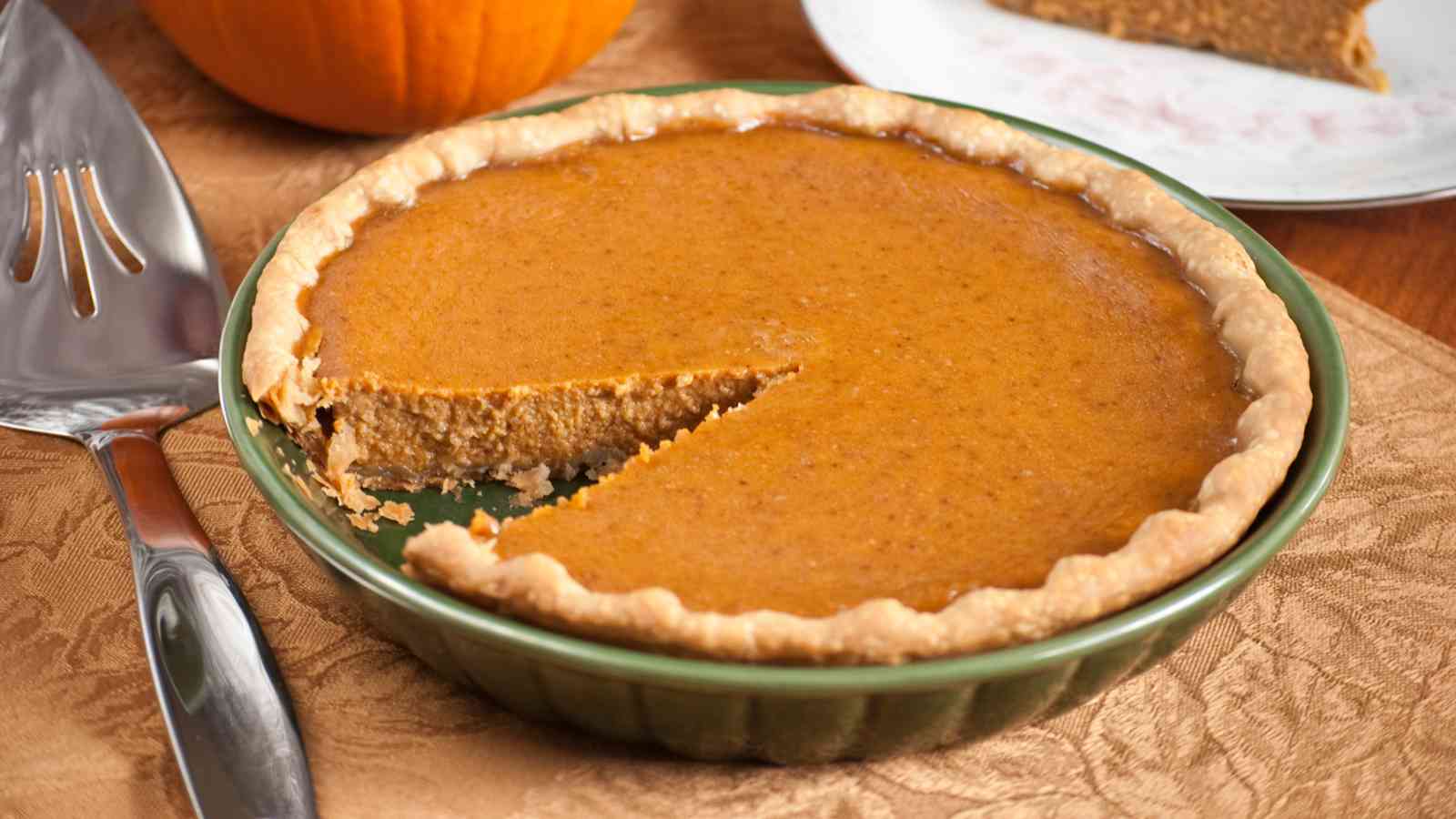
Smooth, spiced pumpkin filling nestled in a buttery crust is a classic holiday dessert. In many countries, pumpkin is primarily savory, appearing in soups, stews, or roasted dishes. Sweetening and spicing it for dessert can feel unusual to foreign palates. Cinnamon, nutmeg, and cloves create a distinctly American flavor profile. Pumpkin pie’s cultural significance makes it a must-have at Thanksgiving and Christmas tables.
Eggnog
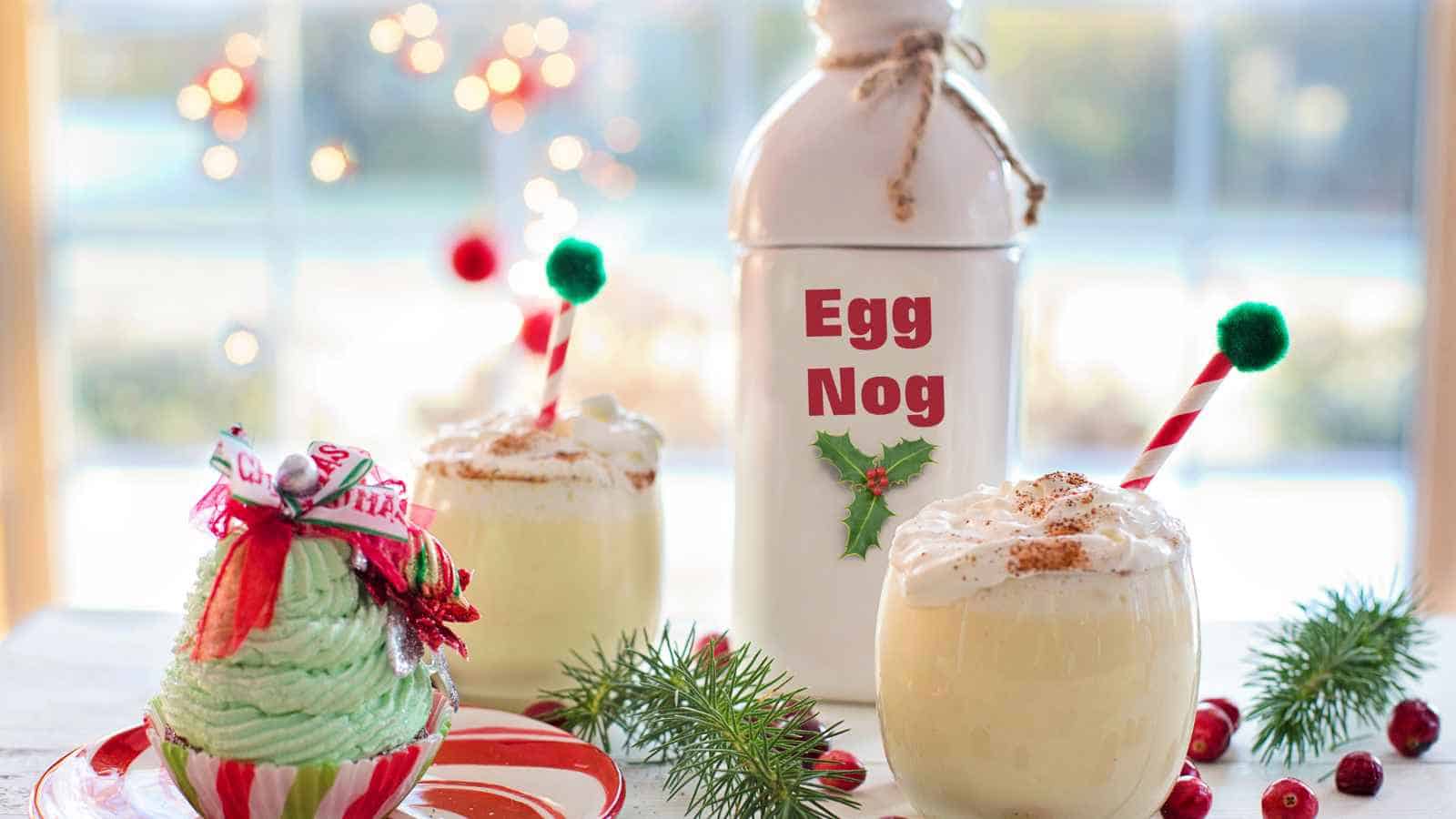
Rich, creamy, and spiced, eggnog blends dairy, sugar, and raw eggs into a holiday beverage. Raw eggs in drinks are uncommon or avoided in many countries due to safety concerns. Seasonal spices like nutmeg or cinnamon add warmth, but the thick consistency surprises visitors. Alcohol-infused versions further differentiate it from international winter drinks. Its festive charm and indulgent texture cement its place at American celebrations.
Sweetened Cornbread
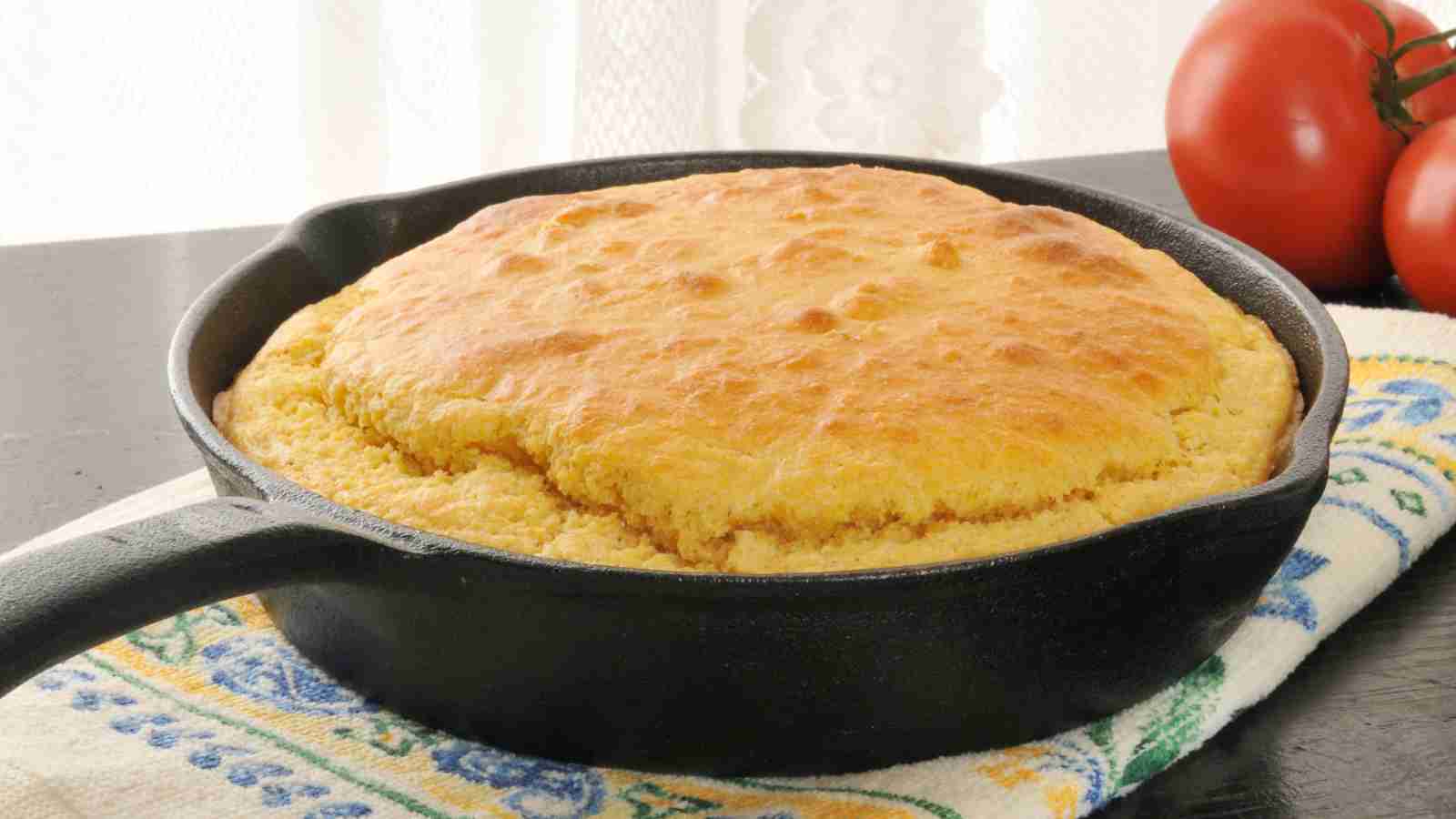
Moist cornbread with a hint of sugar often accompanies holiday meals, contrasting with savory mains. Corn-based breads elsewhere are rarely sweetened, maintaining a neutral or hearty flavor. The slightly sugary taste challenges traditional expectations of bread as a savory staple. Texture is often soft, almost cake-like, which also surprises visitors. Americans enjoy it as a versatile side, often paired with butter or honey.
Stuffing Cooked Outside the Bird

Bread-based mixtures with herbs, onions, and spices are sometimes baked separately from poultry. Other countries typically incorporate stuffing inside meat or prefer simpler bread accompaniments. Dense, heavily seasoned versions feel unusually hearty to foreign diners. Naming it “stuffing” despite being served alone can confuse cultural interpretations. Its flavor intensity makes it a holiday favorite in American homes.
Chocolate-Covered Everything

Pretzels, popcorn, potato chips, and even bacon are dipped in chocolate during American holidays. Many cultures keep sweet and salty items separate, finding these combinations extravagant. The mix of textures and extreme sweetness contrasts with more restrained traditional desserts abroad. Holiday marketing encourages playful experimentation, making unusual pairings socially acceptable. Despite the eccentricity, chocolate-covered snacks remain a popular indulgence in the U.S.
Peanut Butter Desserts
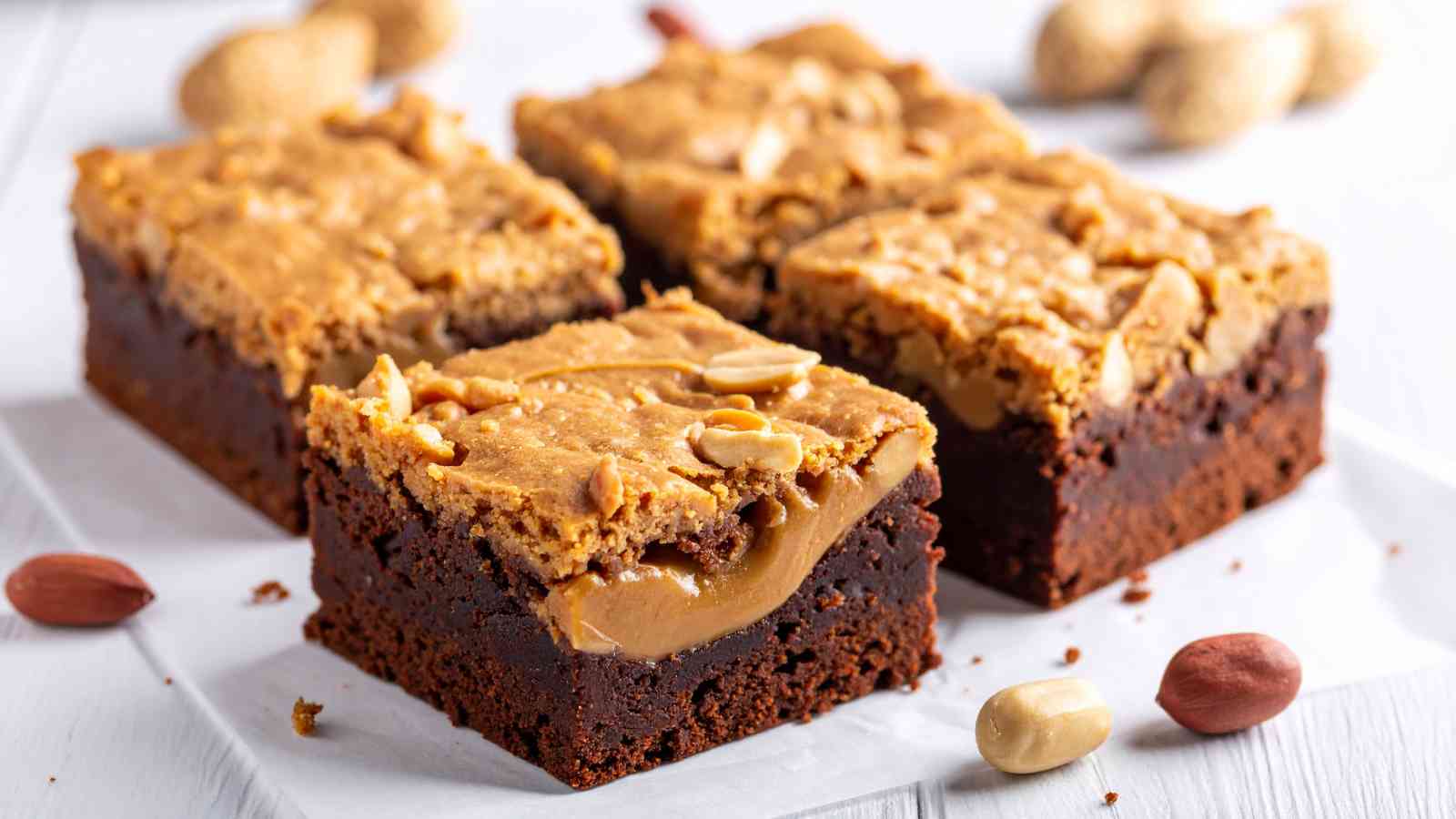
Rich peanut butter transforms cookies, pies, and candies into uniquely American treats. In several countries, peanuts are eaten plain or roasted, but rarely incorporated into desserts. The nutty, salty, and sweet combination often surprises foreign palates. Peanut butter’s creamy texture allows it to dominate flavors in ways uncommon elsewhere. It has become a holiday staple, particularly in cookie and candy recipes.
Frosted Sugar Cookies

Thickly decorated sugar cookies often display elaborate designs for holidays. Many countries prefer minimalistic biscuits with light sugar coatings. The heavy icing-to-cookie ratio can seem excessive or overly sweet. Visual appeal is prioritized, making these treats both festive and collectible. Their cheerful designs make them an enduring centerpiece for holiday celebrations in the U.S.
Store-Bought Fruitcake

Dense cakes packed with preserved fruits, nuts, and alcohol are widely sold during the holidays. Unlike freshly baked European versions, American fruitcakes are often mass-produced with long shelf lives. Foreign visitors may question why such cakes are intentionally stored for months. Their sticky texture and intense sweetness are divisive. Despite criticism, fruitcakes remain a recognizable and nostalgic seasonal gift.
Peppermint-Flavored Sweets
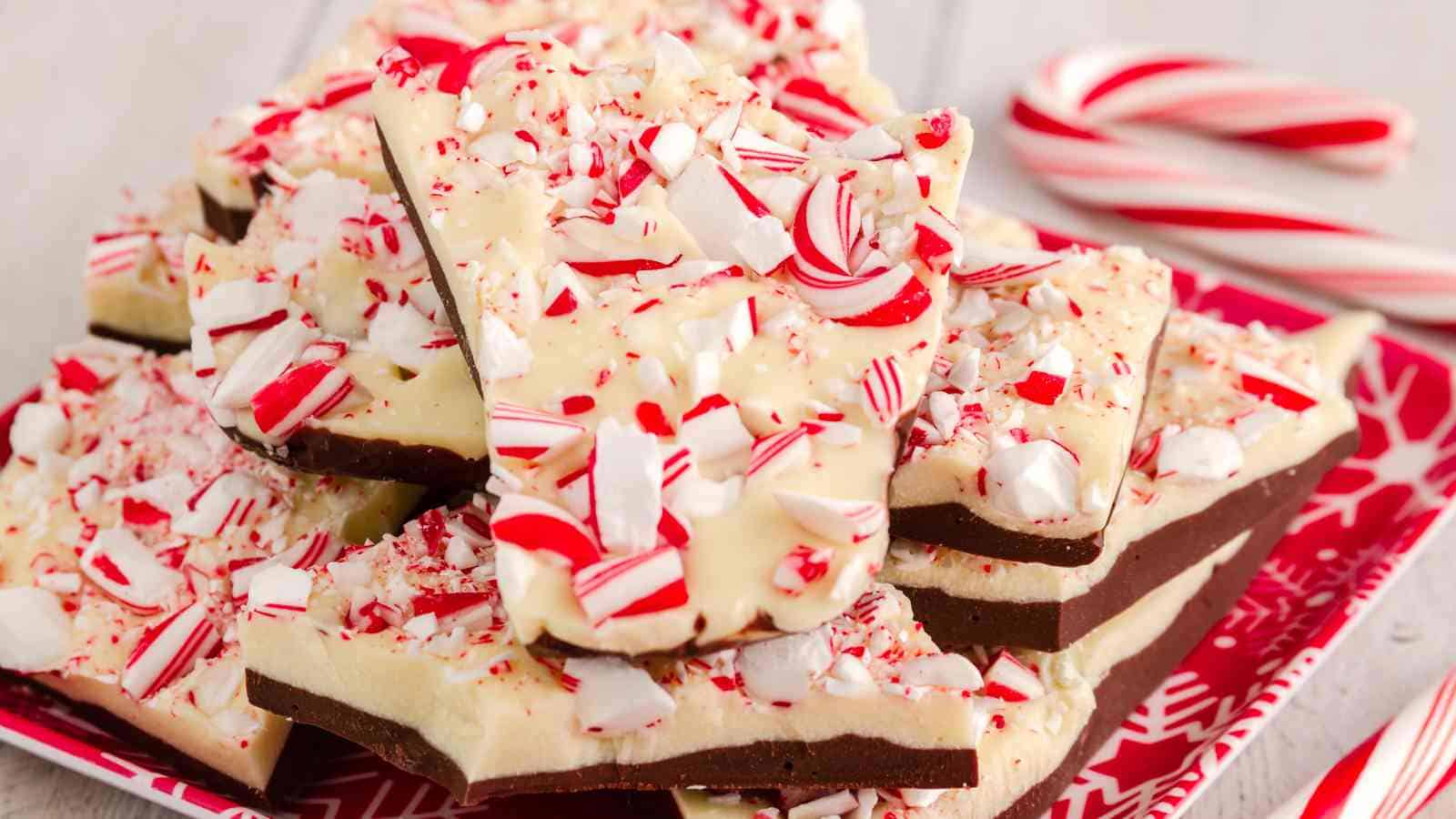
Mint-infused chocolates, candies, and beverages dominate winter holidays. Pairing peppermint with chocolate is far less common in Europe, Asia, and Latin America. Many find the flavor medicinal or overpowering when combined with dessert items. Candy canes, hot chocolates, and peppermint bark showcase its festive association. Americans embrace it as a sensory marker of Christmas seasonality.
Cheese Balls Rolled in Nuts
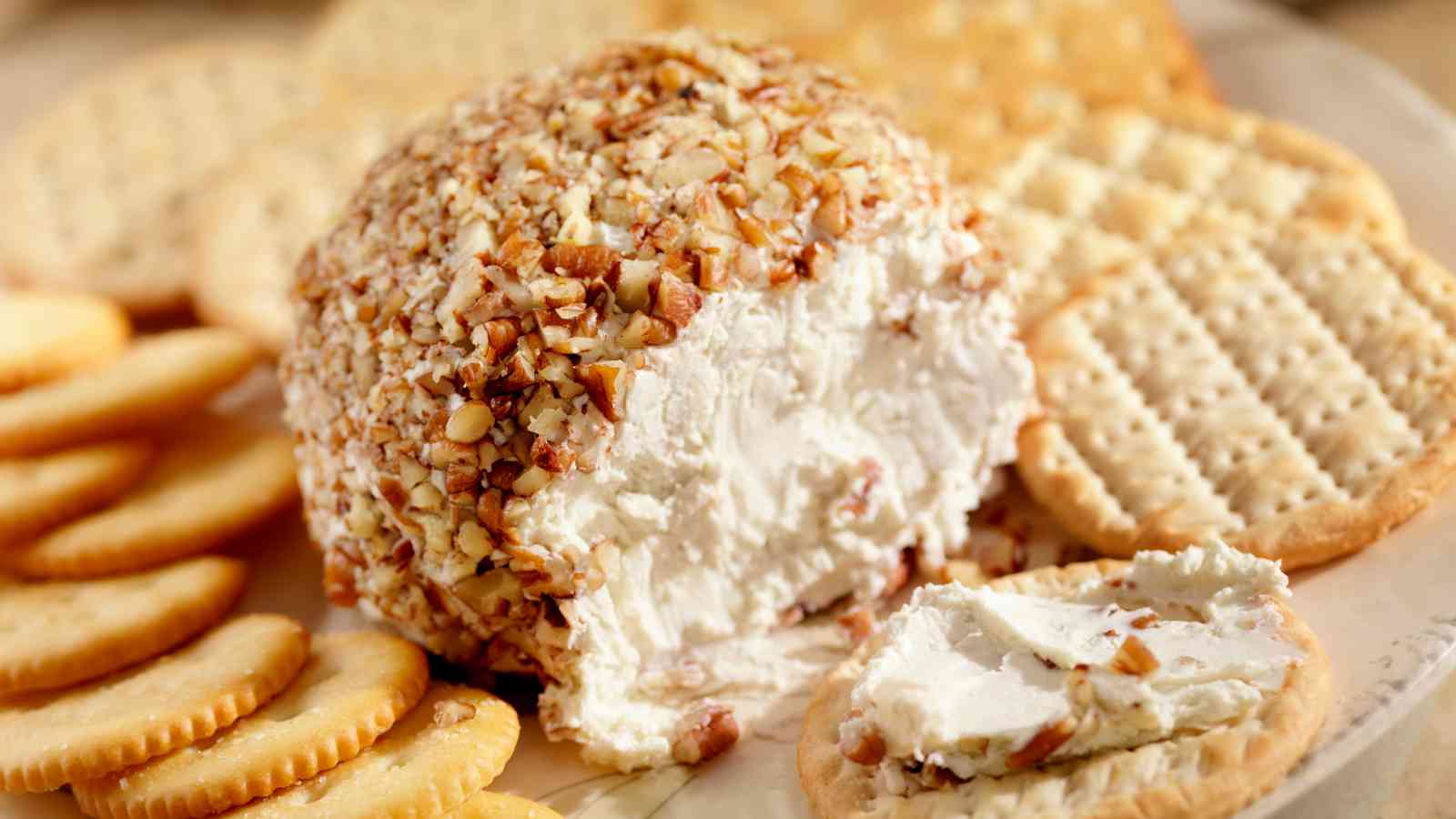
Cold, molded cheese spreads shaped into balls and coated with nuts or herbs serve as decorative appetizers. Many cultures serve cheese simply or at room temperature, rarely as a sculpted centerpiece. The combination of textures and cold serving temperature appears unusual to outsiders. It’s often accompanied by crackers and enjoyed communally during parties. Despite seeming peculiar, it embodies American creativity and hospitality at holiday gatherings.
15 Ways New Food Trends Are Changing Holiday Menus

Hosts are exploring new techniques, flavors, and approaches while still honoring seasonal traditions. Cooking is becoming more strategic, combining efficiency with imagination to make celebrations smoother and more enjoyable. Attention to ingredients, presentation, and health is influencing how meals are planned and shared. These fifteen trends show how holiday menus are evolving, making festive meals feel both fresh and thoughtful.
18 Holiday Foods Boomers Love That Gen Z Doesn’t Understand
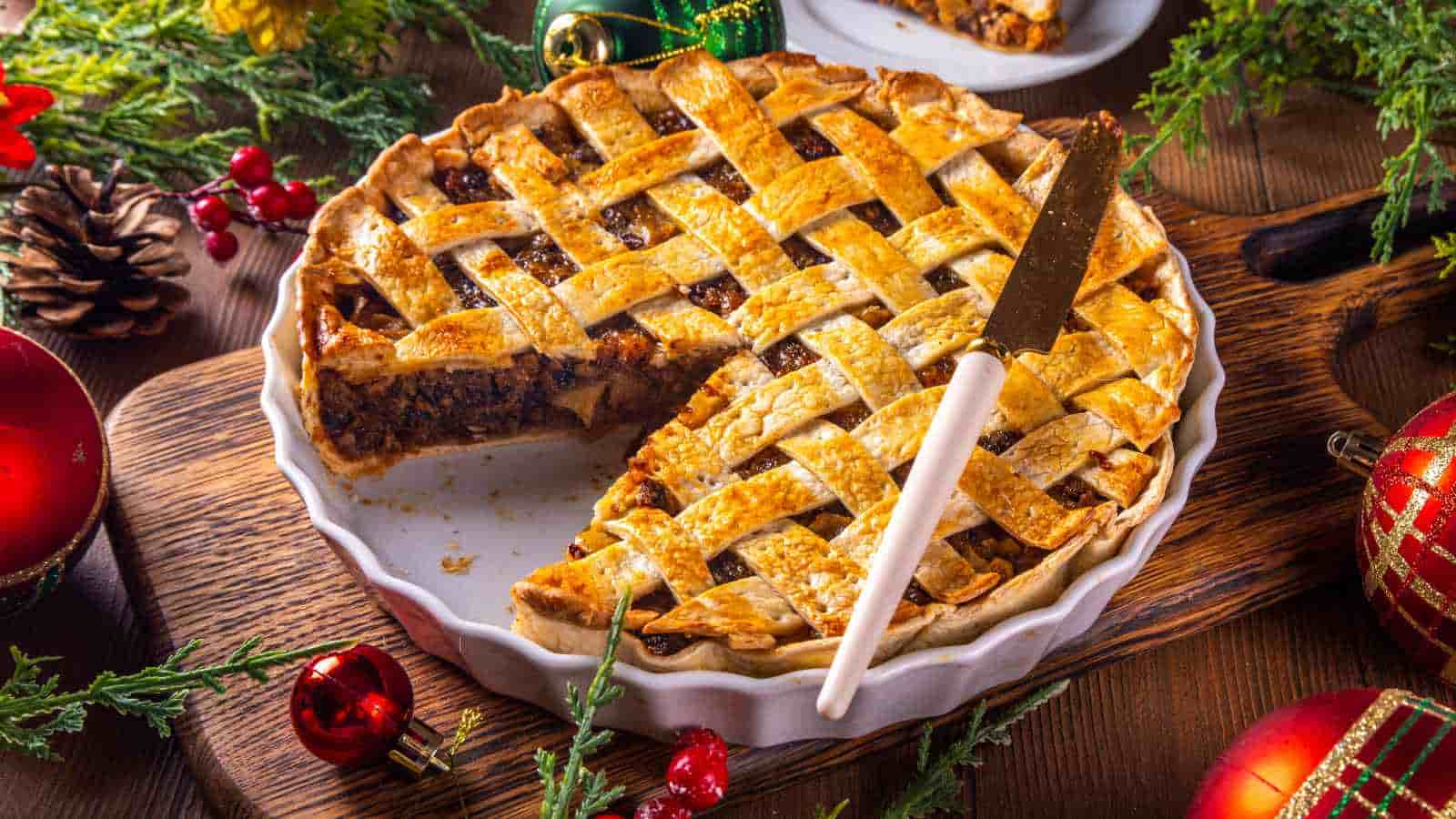
Many of these foods relied on convenience ingredients or culinary trends of their time, which can feel unusual or confusing to Gen Z. Yet, each dish has a history, whether it’s a recipe passed down through generations or a quirky invention of the mid-20th century. Exploring these classics gives insight into what defined holiday meals for older generations and why certain flavors and textures still hold sentimental value.

Tamara Tsaturyan is the owner and writer of Thriving In Parenting, a website focused on providing simple tips for busy parents — easy and healthy recipes, home decor and organization ideas and all things P A R E N T I N G.

Share Your Thoughts!
I love to know your thoughts, make sure to comment below to start a discussion! You can also follow me on your favorite social network below.