Something special happens when the holidays arrive—your kitchen transforms into a nostalgic time machine. You start baking, roasting, and simmering dishes that only make sense when the air smells like pine and cinnamon. Many of these foods trace their roots back centuries, created for winter feasts, harvest celebrations, or religious traditions. They’re rich, heavy, and often time-consuming—exactly what you’d never make in the middle of a busy March. Their ingredients and flavors reflect a time when food meant comfort and abundance, not convenience. You might forget them the rest of the year, but during the holidays, they’re the flavors that define the season.
Pumpkin Pie
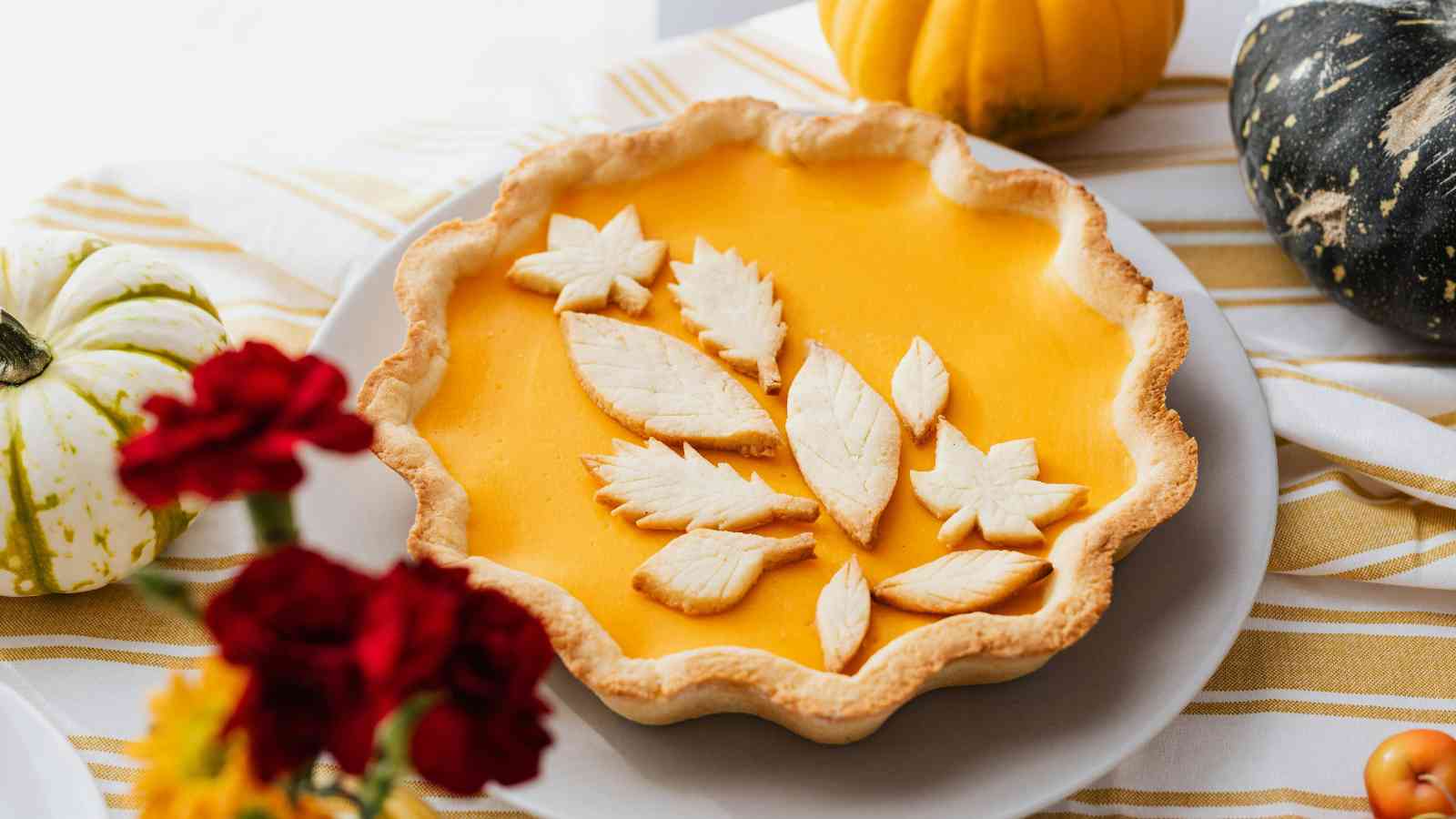
Pumpkin pie became a Thanksgiving staple in the 1800s, thanks to American harvest traditions. The blend of pumpkin, cinnamon, nutmeg, and cloves instantly signals fall’s arrival. It’s comforting and nostalgic, but its flavor is tied so deeply to that season that it feels misplaced any other time. Once the leaves are gone, so is the craving. It’s a dessert that depends on autumn’s warmth and mood to shine.
Fruitcake

A dense block of history and sugar, fruitcake traces its roots to ancient Rome, where it began as a mix of nuts, honey, and preserved fruits. Modern versions are soaked in liquor for weeks, sometimes months, giving them an almost eternal shelf life. You eat it once a year not just because of its intense flavor, but because one slice is practically a meal. Its reputation as a “regift” joke only adds to its quirky holiday fame. Despite the jokes, fruitcake remains a global symbol of celebration and preservation.
Eggnog
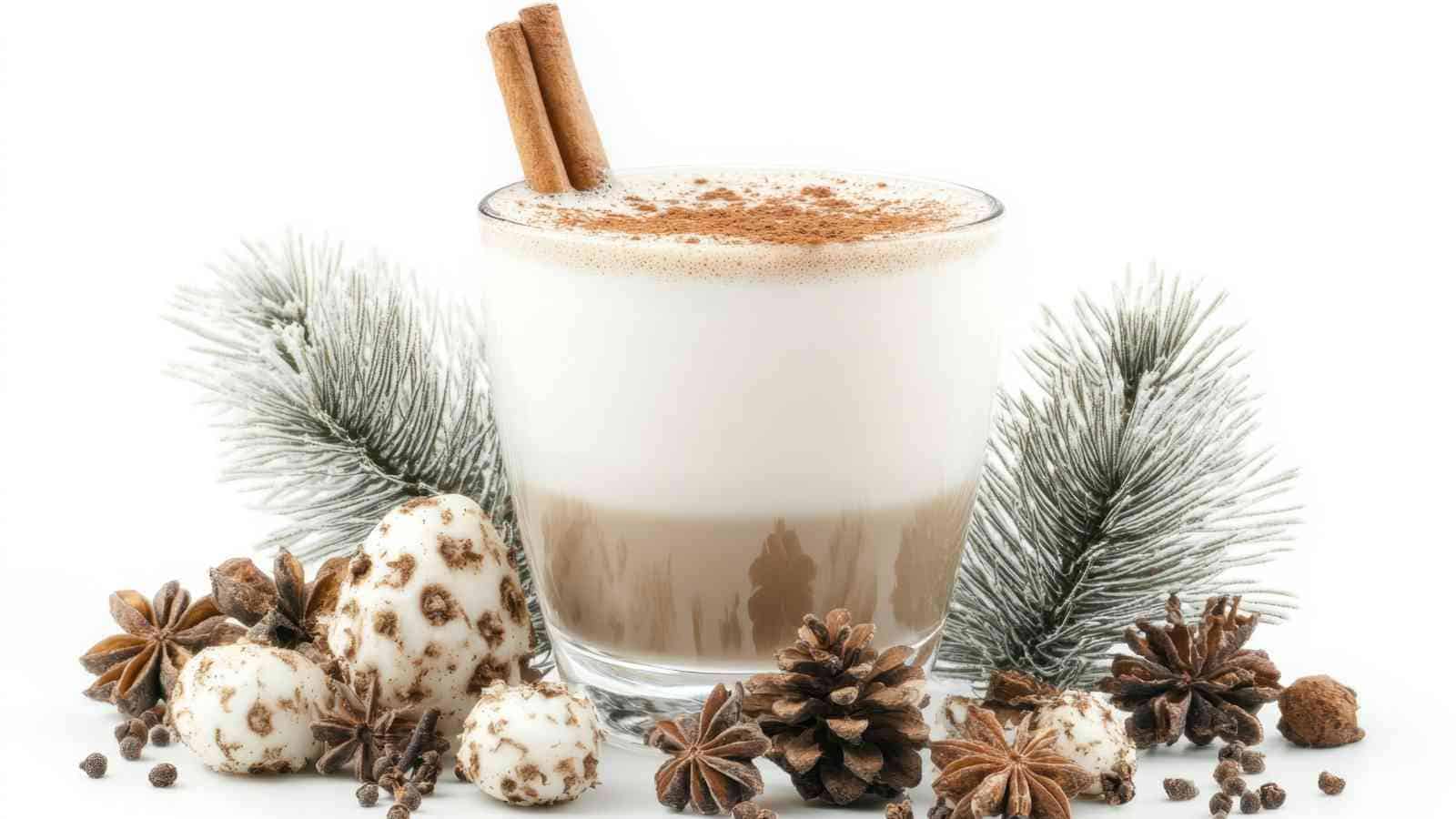
Rich and spiced, eggnog combines milk, cream, eggs, sugar, and nutmeg into a drink that’s practically dessert in a glass. The drink dates back to medieval England, where it was a toast to prosperity. It’s comforting during cold December nights but far too heavy for warm weather. After a couple of mugs, even the biggest fans usually tap out. Its charm lies in that creamy nostalgia you can only handle once the lights are twinkling.
Gingerbread Houses
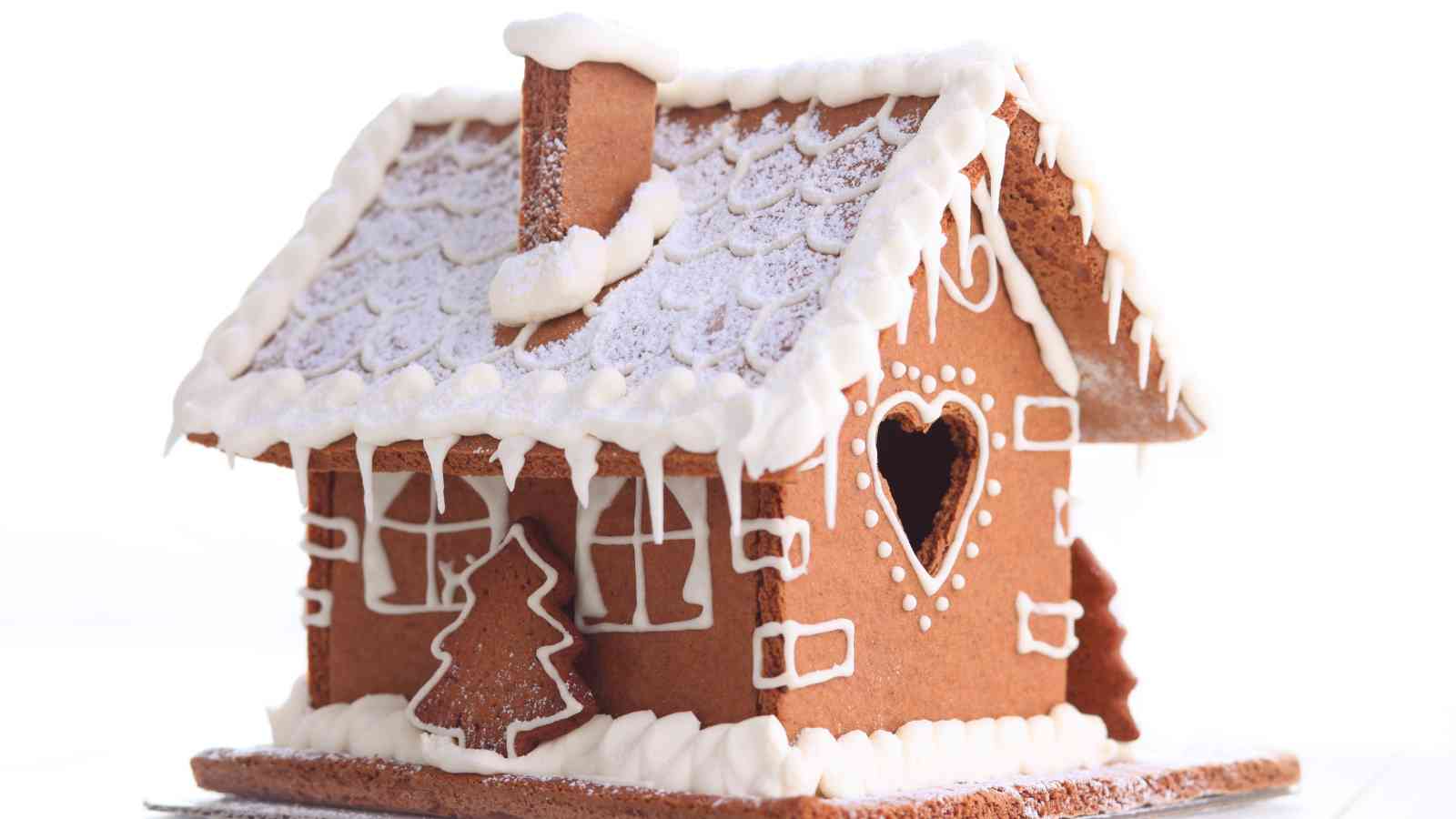
Originating in 16th-century Germany, gingerbread houses are a creative fusion of baking and architecture. You don’t make them for taste—you make them for fun. The cookies are often dry and firm by design, perfect for standing tall but not exactly for eating. It’s an activity steeped in family tradition and festive display, not flavor. Once the holidays end, your frosting glue and candy roofs lose all their appeal.
Candy Canes

Peppermint candy canes have decorated trees since the late 1600s, and their striped pattern became a symbol of Christmas in the 20th century. Their cool, sharp sweetness feels festive for about two weeks before becoming repetitive. Most people end up using them as stirrers for cocoa or ornaments rather than snacks. Once the holidays pass, they gather dust in bowls or hang forgotten on branches. Their purpose is more visual than culinary, which is exactly why they belong to December alone.
Roast Goose
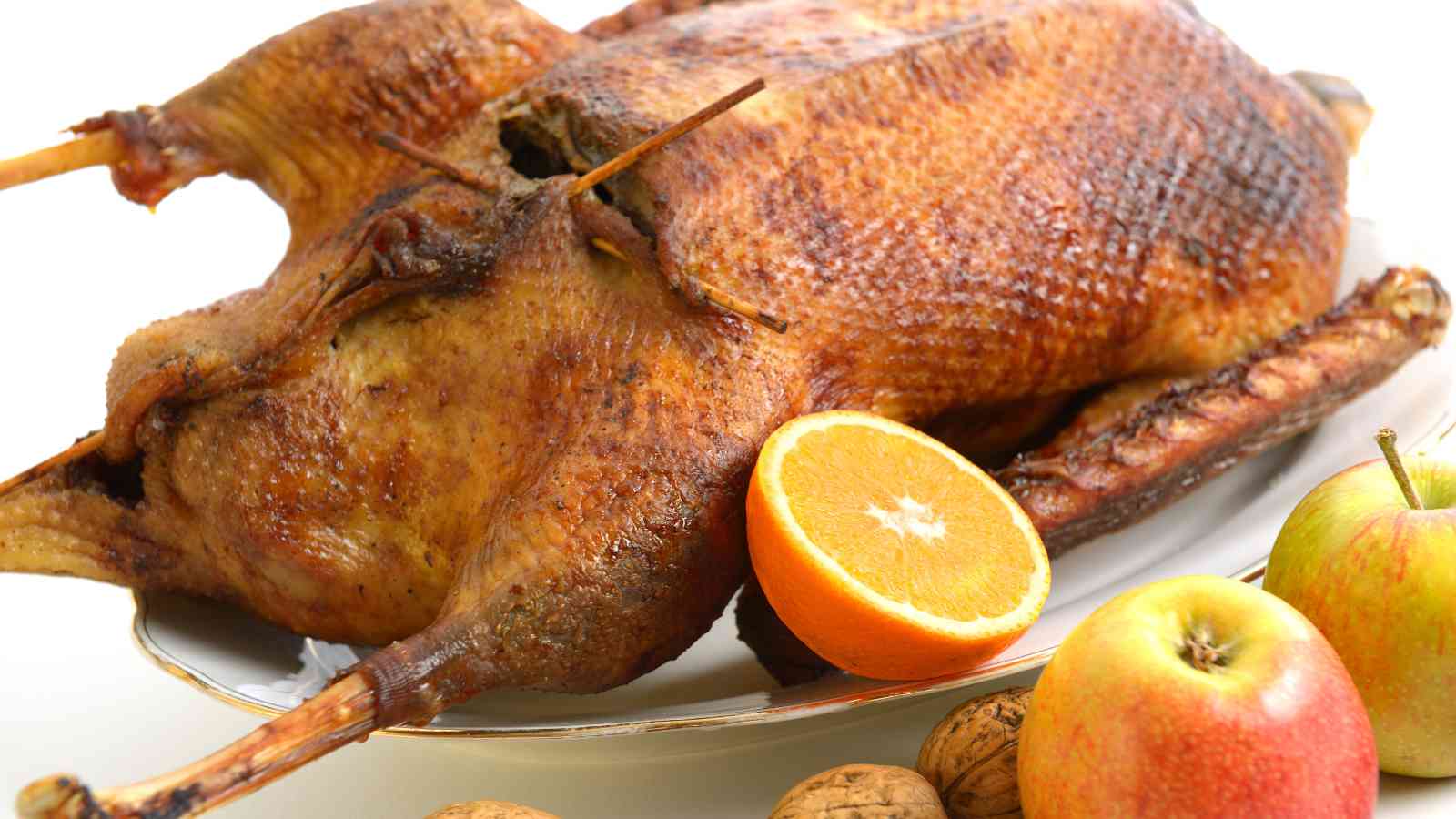
Long before turkeys took over American tables, roast goose was Europe’s Christmas showpiece. Its high fat content gives the meat a deep, savory flavor but also makes it tricky to cook right. The preparation is messy and time-consuming, which keeps it firmly in the “special occasion” category. Its flavor profile—rich, gamey, and old-fashioned—feels out of place in everyday meals. That’s why it’s stayed a relic of grand winter feasts.
Sweet Potato Casserole with Marshmallows
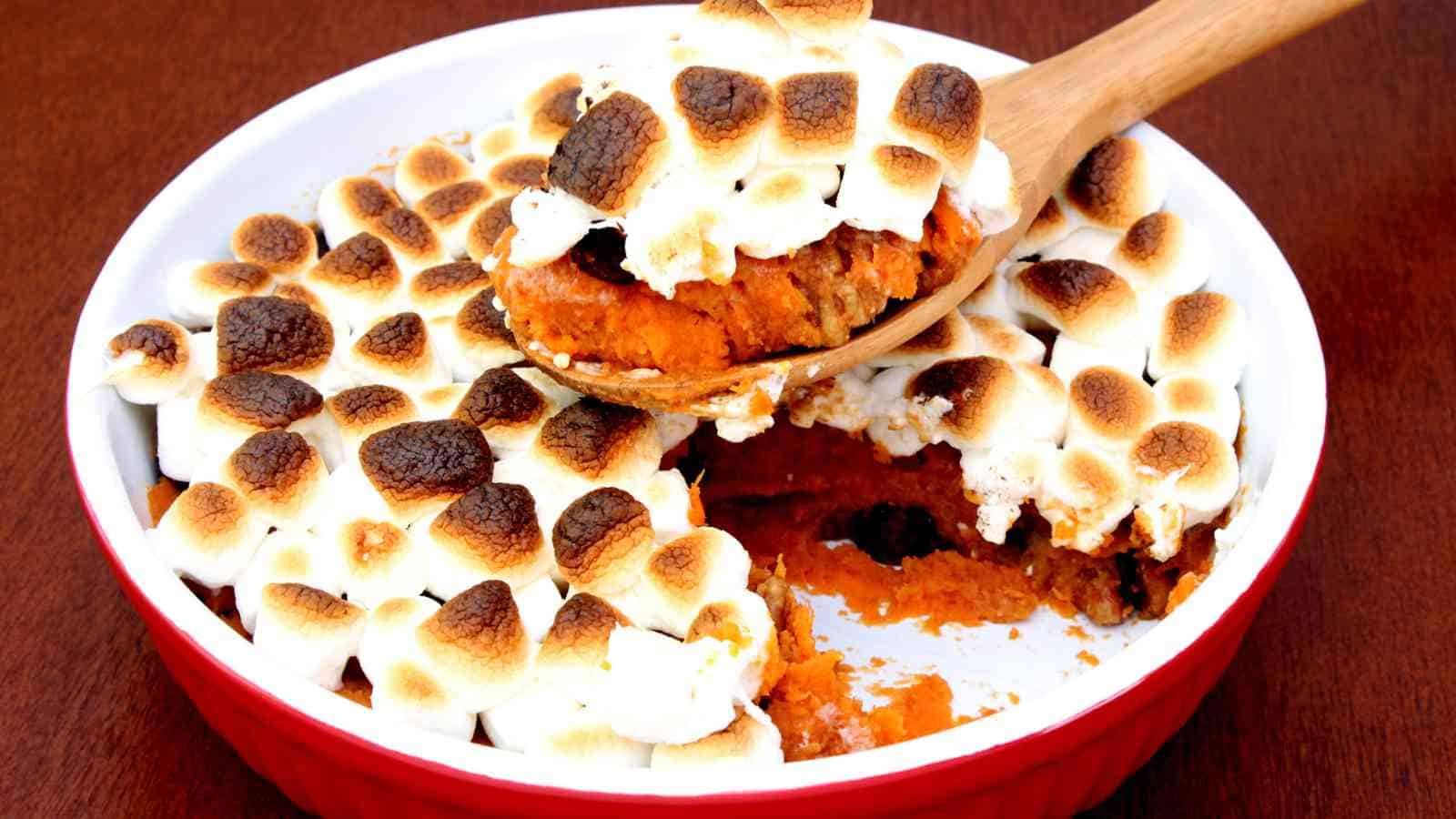
Created in the early 1900s when marshmallow companies promoted their product as a modern topping, this dish blurs the line between side and dessert. The combination of sugary topping and mashed sweet potatoes is undeniably indulgent. It pairs perfectly with roasted meats once a year—but beyond that, it’s simply too rich for repetition. The flavor hits like a nostalgic sugar rush tied to family tables. Its appeal lives and dies with the holiday feast.
Pecan Pie
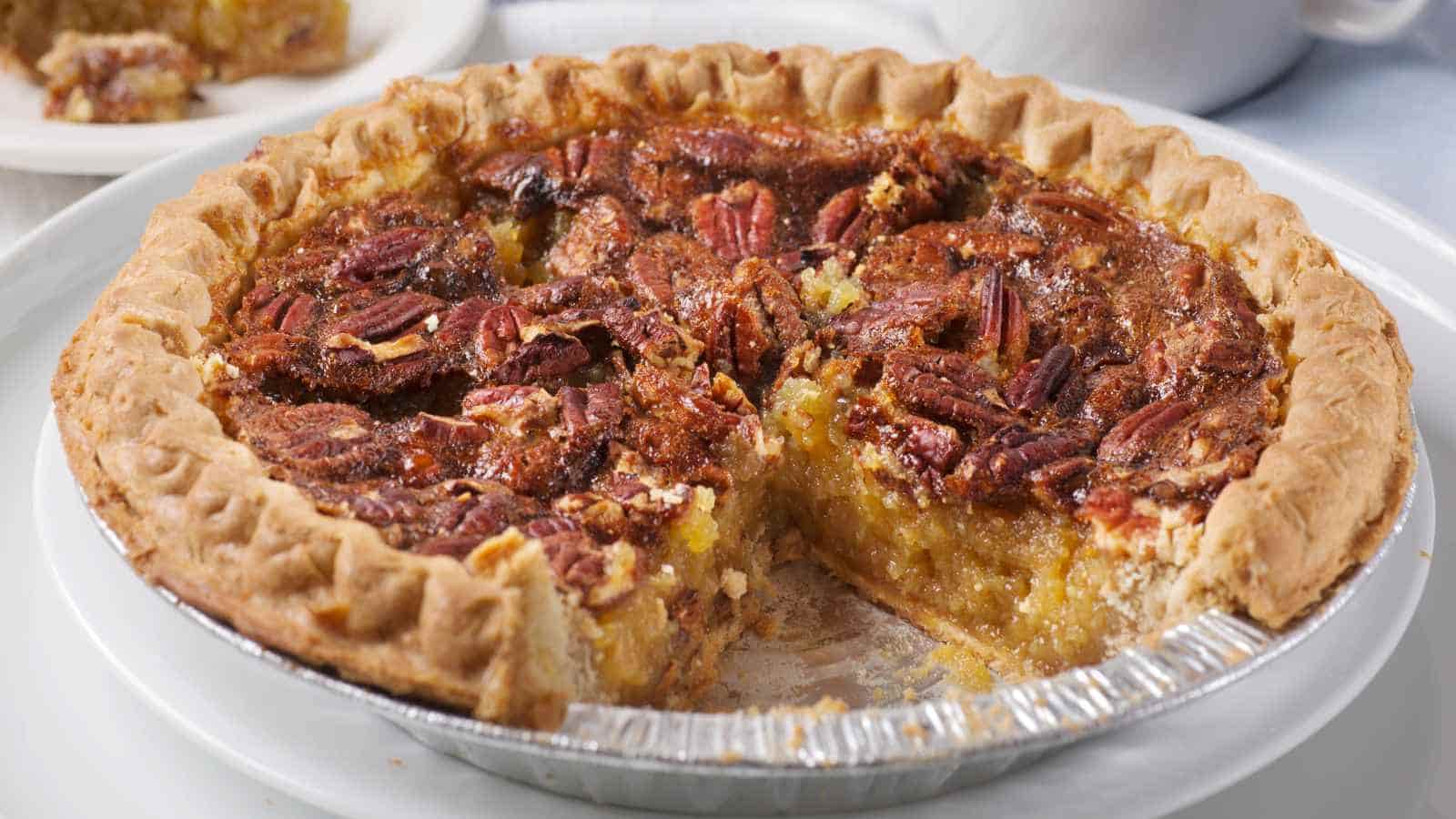
A Southern classic dating back to the late 19th century, pecan pie is built on corn syrup, sugar, and nuts suspended in buttery filling. Its sweetness is almost overwhelming, which explains its limited seasonal window. You enjoy it because it feels like celebration condensed into a slice. Outside the holidays, its richness borders on excess. That intensity keeps it treasured but rare.
Cranberry Sauce

Cranberries were one of the few native fruits available to early American settlers during winter, making them a natural fit for holiday feasts. The sauce’s tang cuts through the heaviness of turkey and gravy, balancing the entire plate. Yet its flavor is too sharp and specific for everyday meals. You don’t crave it with chicken or beef—it belongs with Thanksgiving alone. It’s the quintessential supporting act that only shines in its once-a-year role.
Stuffing (or Dressing)

Bread soaked in broth and herbs has ancient roots, originally used to stretch out roasts. Every family has a version—some with sausage, others with oysters—but all share the same hearty comfort. It’s heavy, earthy, and best eaten alongside roast meats, not light weekday dinners. You make it in bulk for gatherings, not solo meals. That ritualistic preparation is what keeps it special.
Panettone

An Italian holiday staple, panettone’s tall, airy structure requires careful proofing over several days. The mix of candied orange peel, raisins, and buttery dough reflects centuries-old Milanese tradition. It’s festive, mildly sweet, and often gifted rather than baked at home. Once the holiday season ends, its delicate texture and subtle flavor feel too fancy for an ordinary breakfast. It’s a bread that thrives only under twinkling lights.
Yule Log Cake (Bûche de Noël)
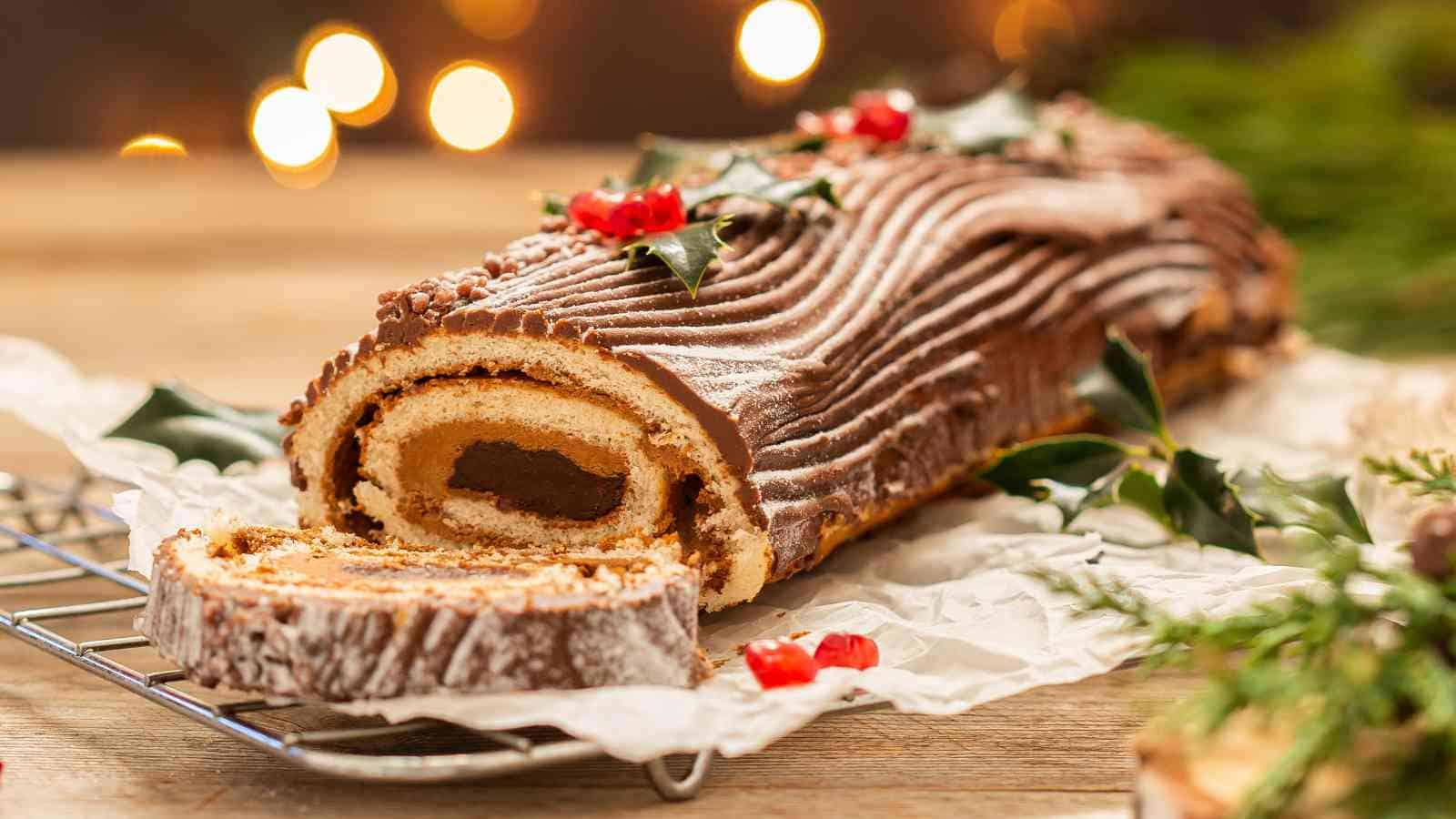
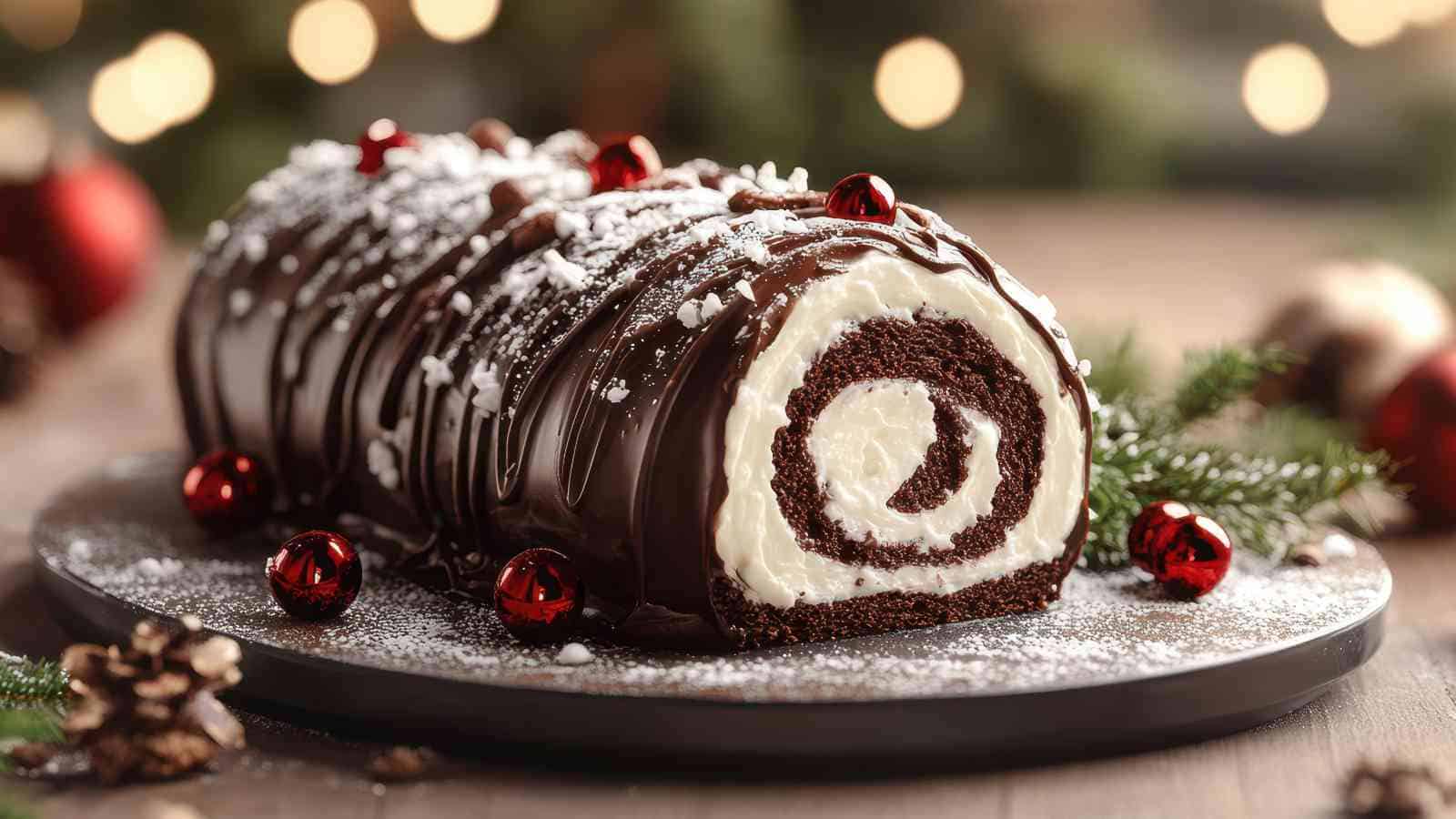
Born from French holiday tradition, the Yule Log cake symbolizes the ancient practice of burning logs for good luck. Its sponge cake and buttercream layers are rolled, frosted, and textured to mimic bark. The process is intricate and time-consuming, which makes it a true showstopper for one night a year. Its whimsical design steals the spotlight but demands too much work for casual baking. Once the holidays pass, even the most devoted bakers need a break.
Mulled Wine
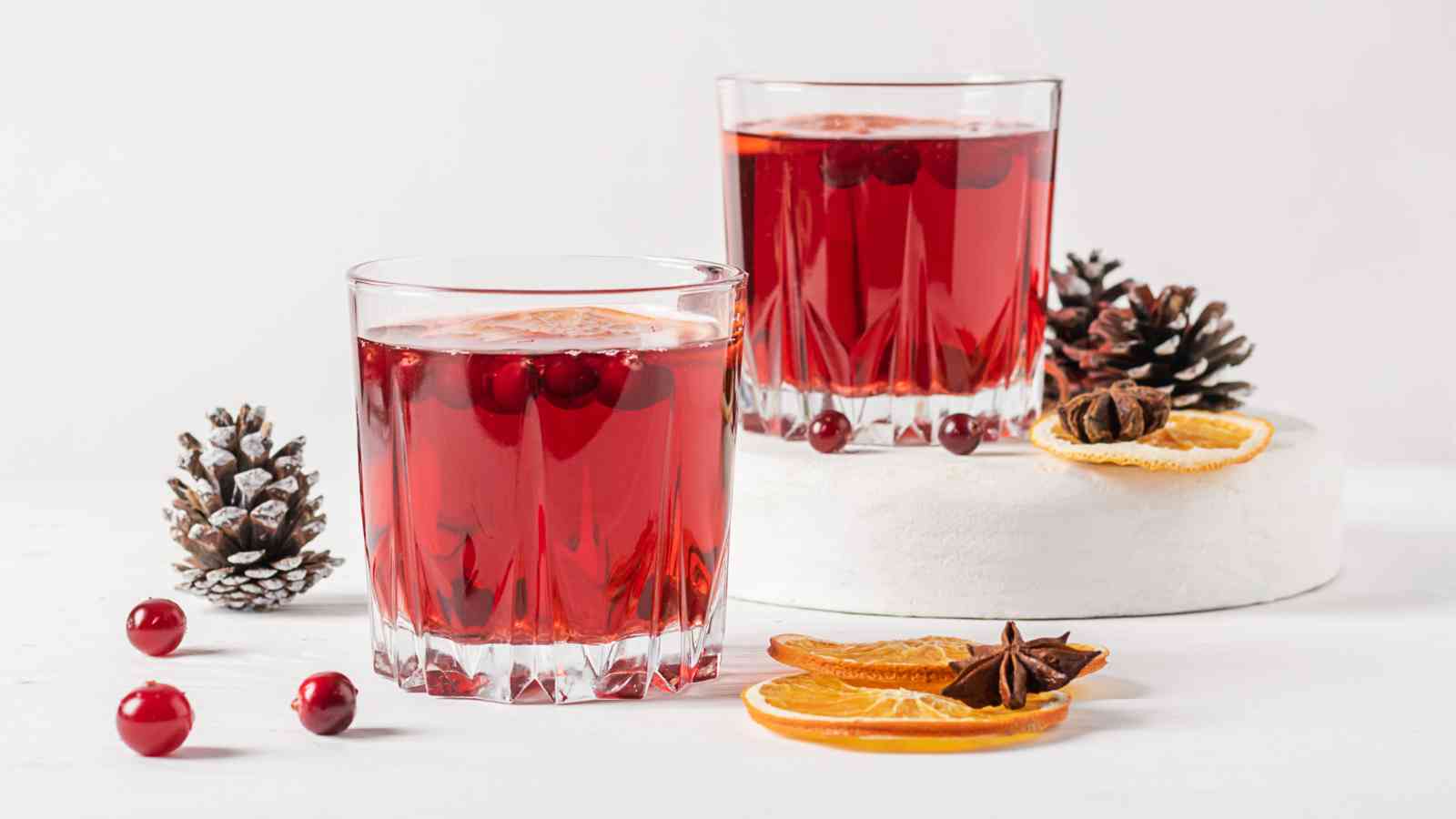
Hot spiced wine dates back to Roman times, when it was used to warm travelers in winter. You heat it with cinnamon, cloves, and citrus, filling your kitchen with seasonal aroma. The drink feels magical when it’s cold outside, but completely impractical in warm months. Its charm depends on that cozy, fireside setting. You might love it in December, but by summer, your palate moves on.
Latkes

These crisp potato pancakes are central to Hanukkah celebrations, symbolizing the miracle of oil in Jewish tradition. Fried to golden perfection, they’re served with sour cream or applesauce and eaten fresh from the pan. The effort of grating potatoes and frying batch after batch means they rarely appear outside the holiday. Plus, their scent lingers—something best reserved for special occasions. They’re a once-a-year labor of love with deep cultural roots.
Figgy Pudding
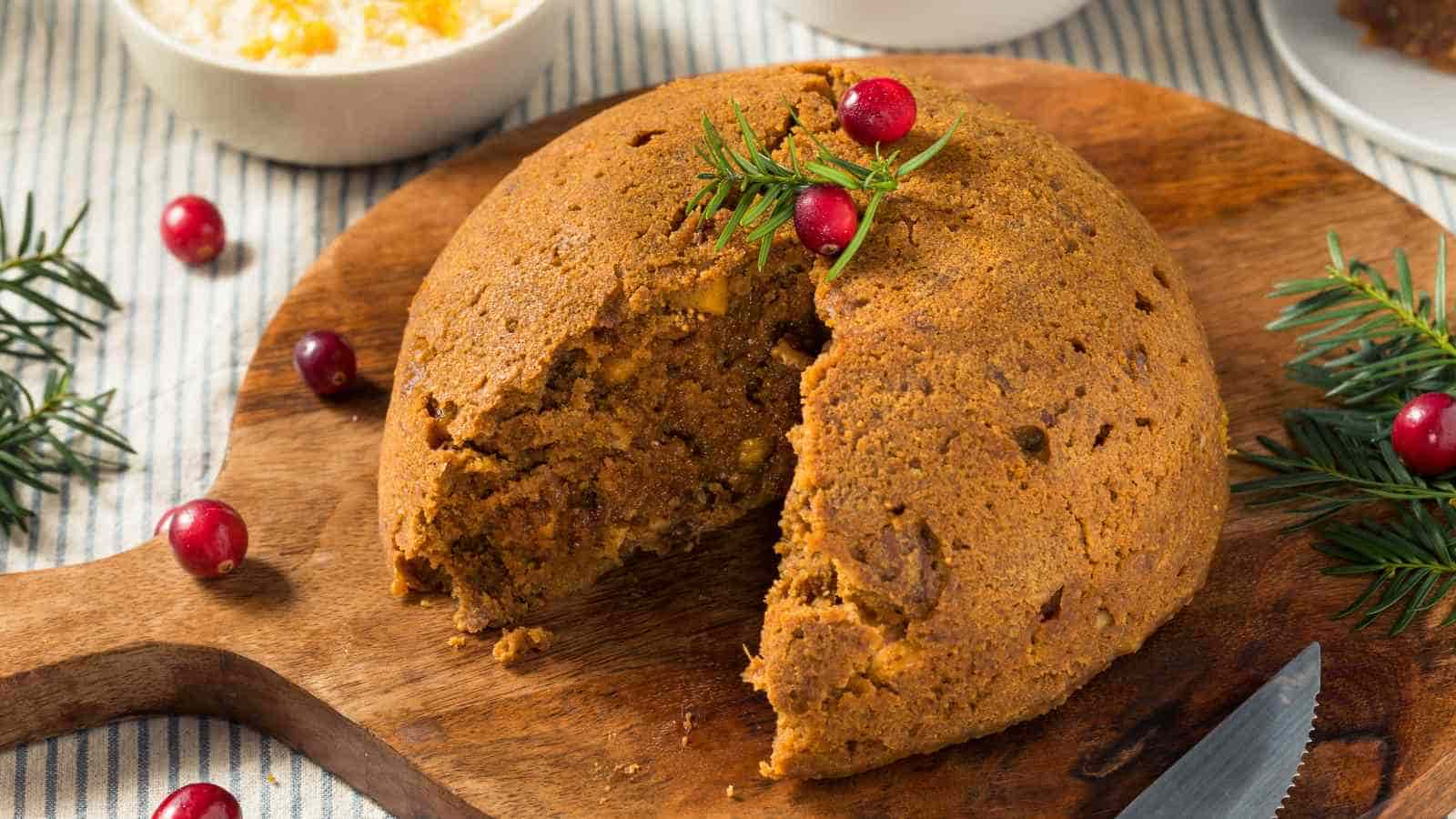
A classic from Victorian England, figgy pudding is a steamed dessert packed with dried fruits, spices, and brandy. It’s dense, moist, and often set aflame before serving—a dramatic end to a Christmas feast. Making it involves weeks of preparation as the flavors mature over time. Its heavy texture and strong taste make it too intense for regular enjoyment. You wait all year for that one rich, festive spoonful—and then happily wait again.
20 Holiday Recipes That Boomers Swear By—But Millennials Have Modernized

Whether it’s swapping canned soups for fresh herbs or turning sugary casseroles into balanced sides, each update shows how timeless flavors can meet modern sensibilities. Here’s how 20 beloved Boomer-era holiday recipes have been reimagined for a new generation—proof that nostalgia and innovation can sit on the same plate.
15 Regional Holiday Dishes That Outsiders Just Don’t Understand
Exploring these dishes provides insight into communities, celebrations, and personal memories tied to the holidays. Expect surprises, unusual textures, and flavors that challenge your assumptions about holiday food. Every bite tells a tale of heritage and creativity.

Tamara Tsaturyan is the owner and writer of Thriving In Parenting, a website focused on providing simple tips for busy parents — easy and healthy recipes, home decor and organization ideas and all things P A R E N T I N G.

Share Your Thoughts!
I love to know your thoughts, make sure to comment below to start a discussion! You can also follow me on your favorite social network below.