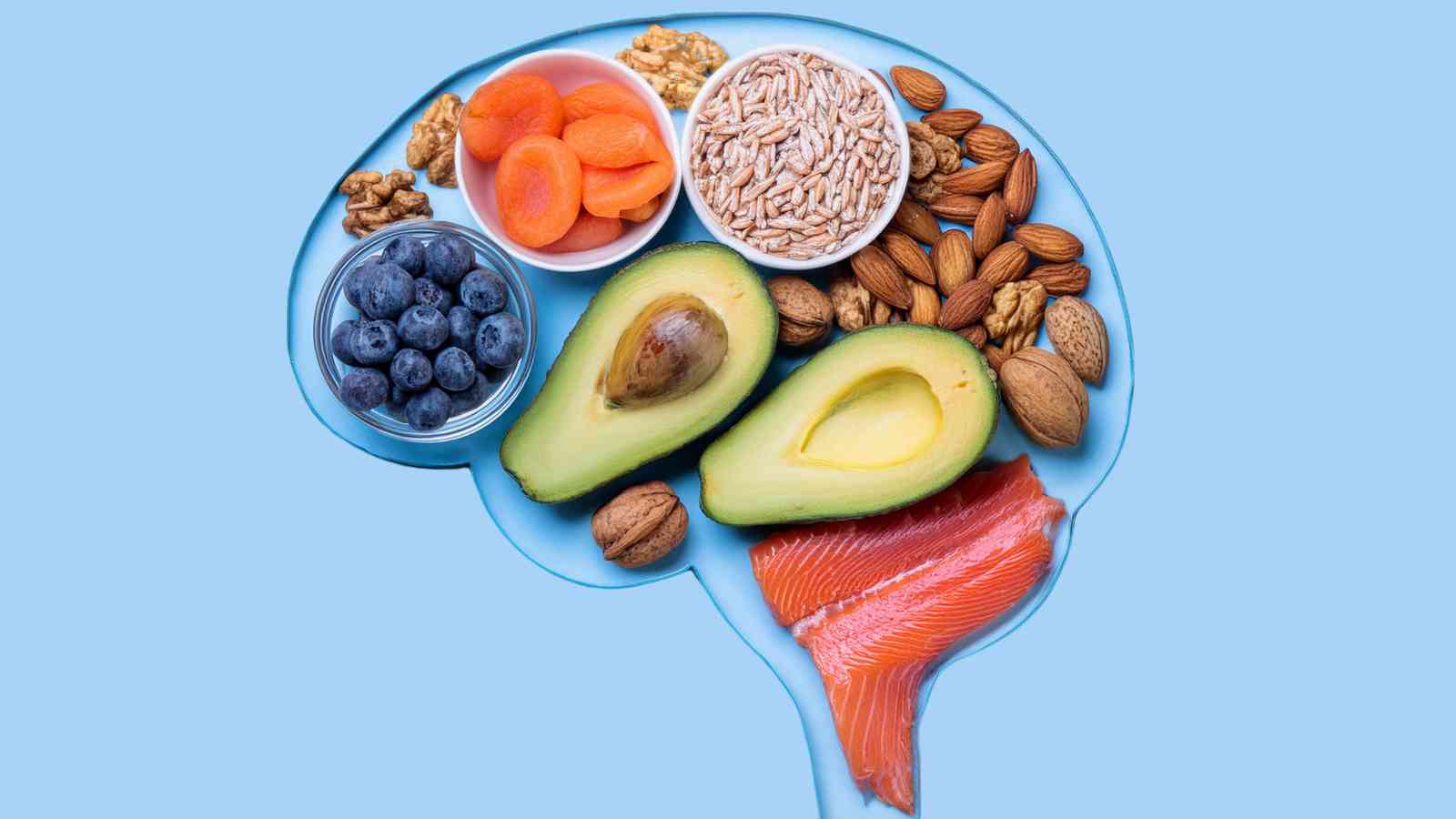
As we age, it’s normal for cognitive sharpness to decline slightly—but that usually becomes noticeable later in life, not in your 30s or 40s. Experiencing early signs like forgetfulness, brain fog, or trouble concentrating can be frustrating and is often tied to what you eat every day. Your brain depends on specific nutrients to function well, and when those are missing, it starts to show in your memory, mood, and focus. While genetics and lifestyle play a role, diet is one of the easiest areas you can control. Certain nutrients play protective roles by helping your neurons fire more efficiently, regulating mood-related neurotransmitters, reducing inflammation, and supporting long-term brain plasticity. Here are 20 nutrients that may help protect against cognitive decline—and how they support the way your brain works.
Omega-3 Fatty Acids
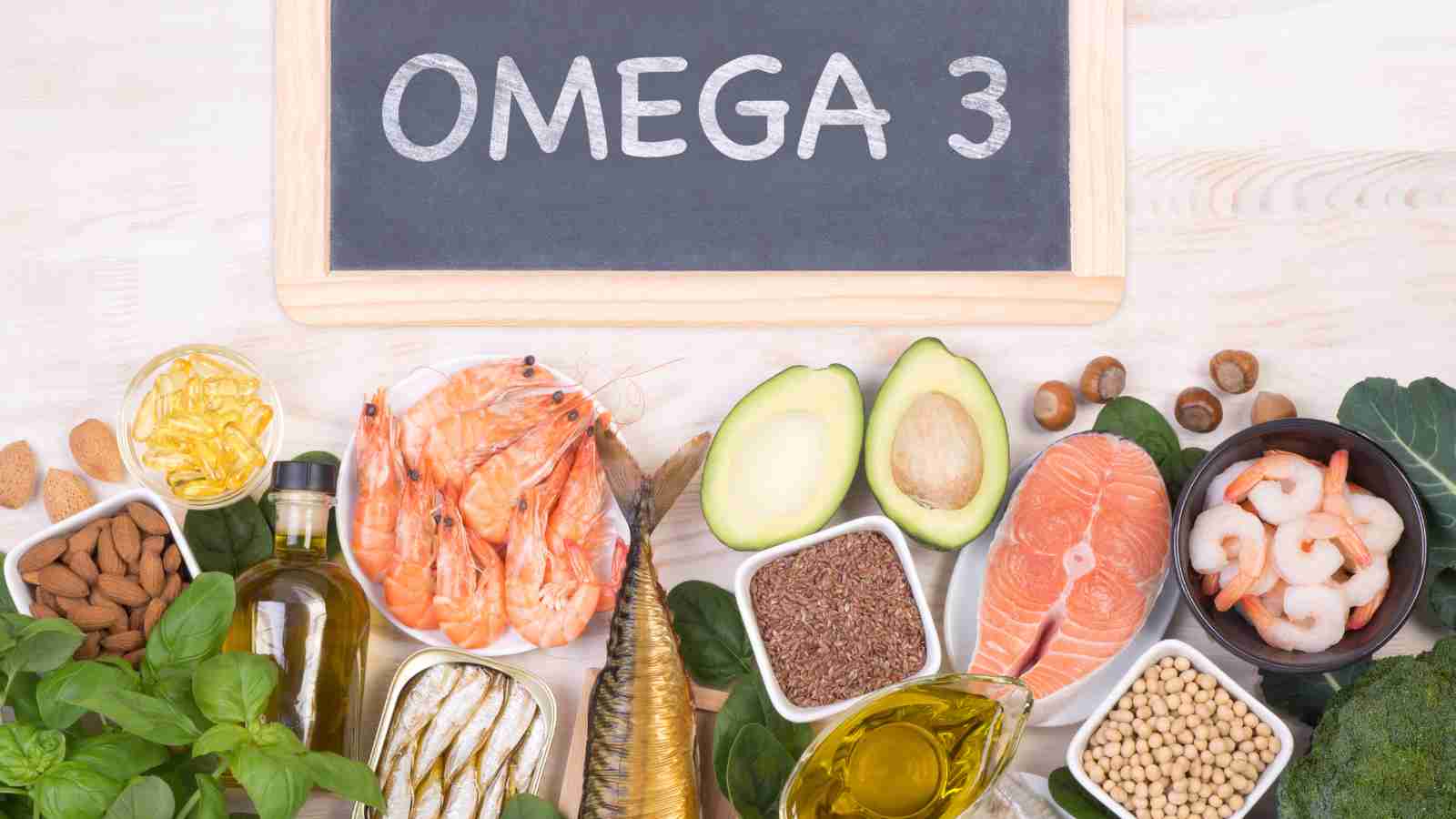
Omega-3s contribute directly to brain cell structure, particularly in the membranes of neurons. DHA, a type of omega-3, supports communication between brain cells, enhancing memory and attention span. Regular intake also reduces inflammation that’s associated with cognitive aging and mood disorders. You’ll get the most benefit from fatty fish like salmon, sardines, and mackerel, or from plant-based sources like chia seeds and walnuts. Supplementing with fish oil may also be helpful if your diet lacks consistent omega-3 sources.
Vitamin B12

Essential for maintaining the protective sheath around nerves, vitamin B12 is critical for brain signal transmission. Low levels are linked to brain fog, memory problems, and even irreversible neurological damage. It helps convert homocysteine into methionine, which supports brain repair and cognitive performance. Animal-based foods such as eggs, dairy, meat, and shellfish provide high amounts. If you follow a vegetarian or vegan diet, fortified cereals or supplements may be necessary to meet your needs.
Vitamin B6

Vitamin B6 helps produce neurotransmitters like serotonin, dopamine, and GABA, which influence mood and cognitive clarity. It also aids in reducing homocysteine levels, which when elevated, are associated with brain shrinkage and cognitive decline. Your ability to process new information and stay mentally alert relies on adequate B6. Good sources include chickpeas, bananas, poultry, fortified cereals, and potatoes. Regularly eating these foods can support your brain’s chemical balance over time.
Folate (Vitamin B9)
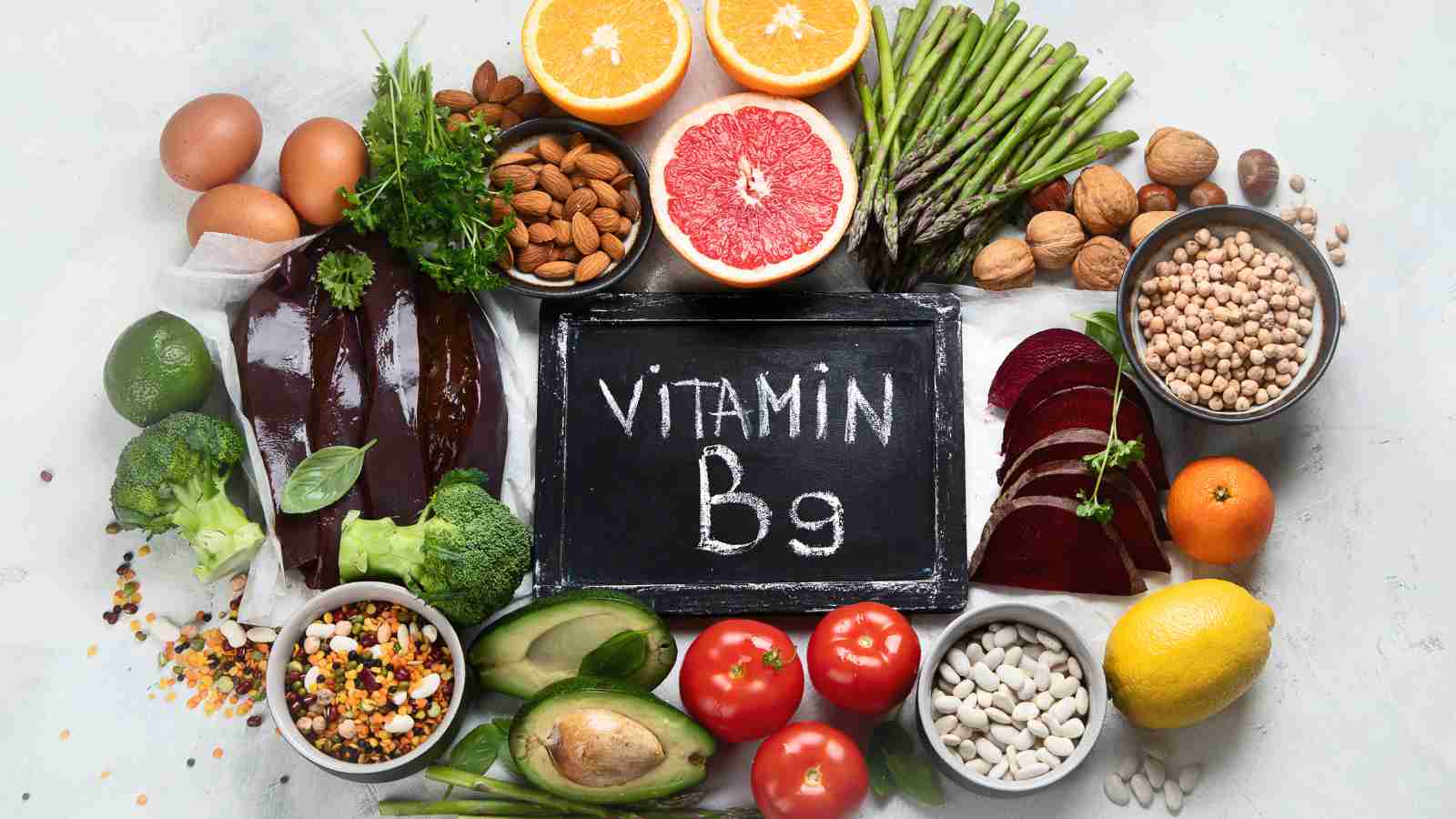
Folate plays a key role in DNA synthesis and the production of neurotransmitters tied to memory and mood. Without enough folate, homocysteine can accumulate and damage neurons, increasing your risk of cognitive issues. It also supports the brain’s detoxification process and helps form new neural connections. Leafy greens, legumes, oranges, and fortified grains are excellent sources. Keeping folate levels steady helps maintain mental energy and clarity as you age.
Magnesium
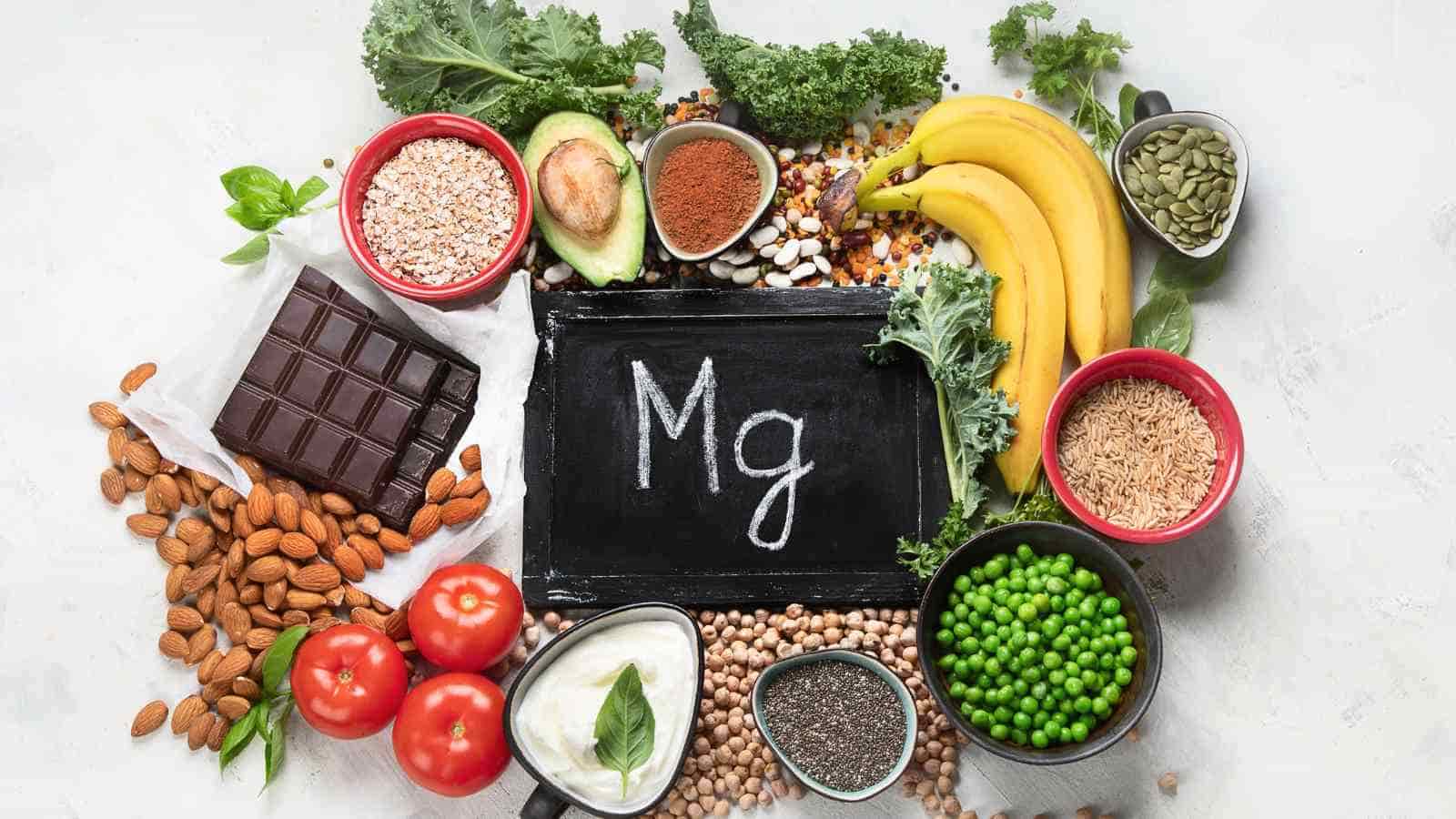
Magnesium regulates signaling between brain cells and supports long-term memory formation. A deficiency can contribute to stress sensitivity, poor focus, and even symptoms resembling depression or anxiety. It also helps protect the brain from excitotoxicity, a damaging overactivity of neurons. Almonds, avocados, whole grains, pumpkin seeds, and spinach are solid sources of magnesium. Adding these to your daily routine can promote more balanced brain function.
Vitamin D

Vitamin D helps control the expression of genes involved in brain development and function. Deficiency has been linked to slower thinking speed, poor memory, and increased risk of dementia. It also modulates immune responses in the brain, helping reduce inflammation. You can get it through sun exposure, fatty fish, fortified milk, or supplements if needed. Consistent levels support mental resilience and cognitive performance across all ages.
Vitamin E

Vitamin E acts as a powerful antioxidant, shielding your brain cells from oxidative damage caused by free radicals. Adequate intake has been associated with slower cognitive decline, especially in aging adults. It helps preserve cell membranes, keeping neurons stable and functioning well. Nuts, seeds, vegetable oils, and leafy greens are strong food sources. Prioritizing these can help maintain sharpness and delay age-related memory loss.
Choline
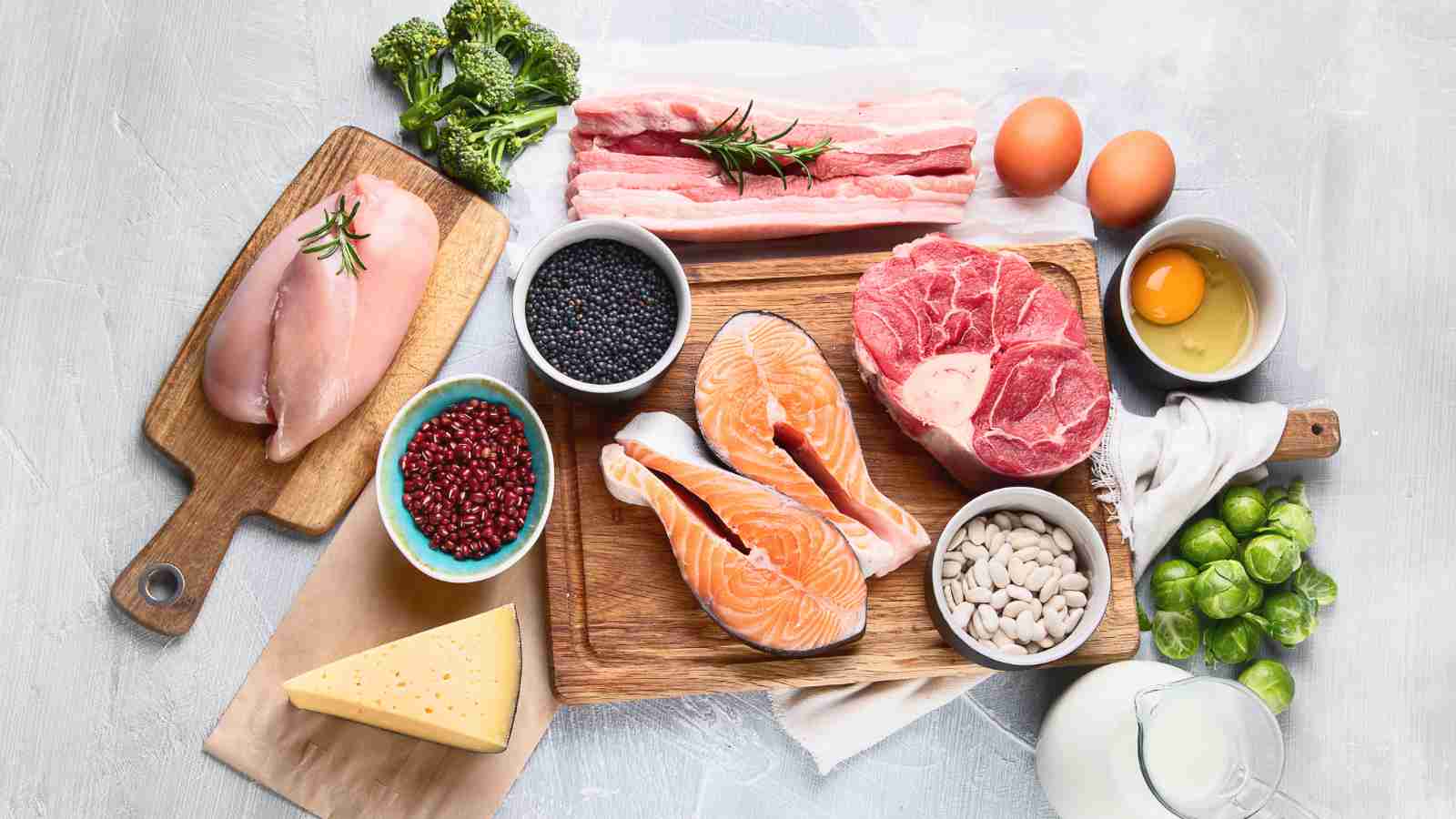
Choline is needed to create acetylcholine, a neurotransmitter involved in memory, learning, and attention. It also supports the structural integrity of brain cell membranes. Too little choline has been associated with memory issues and difficulty concentrating. Eggs, especially the yolks, liver, soybeans, and cauliflower offer concentrated sources. Making choline-rich foods part of your diet helps support memory and cognitive stamina.
Iron
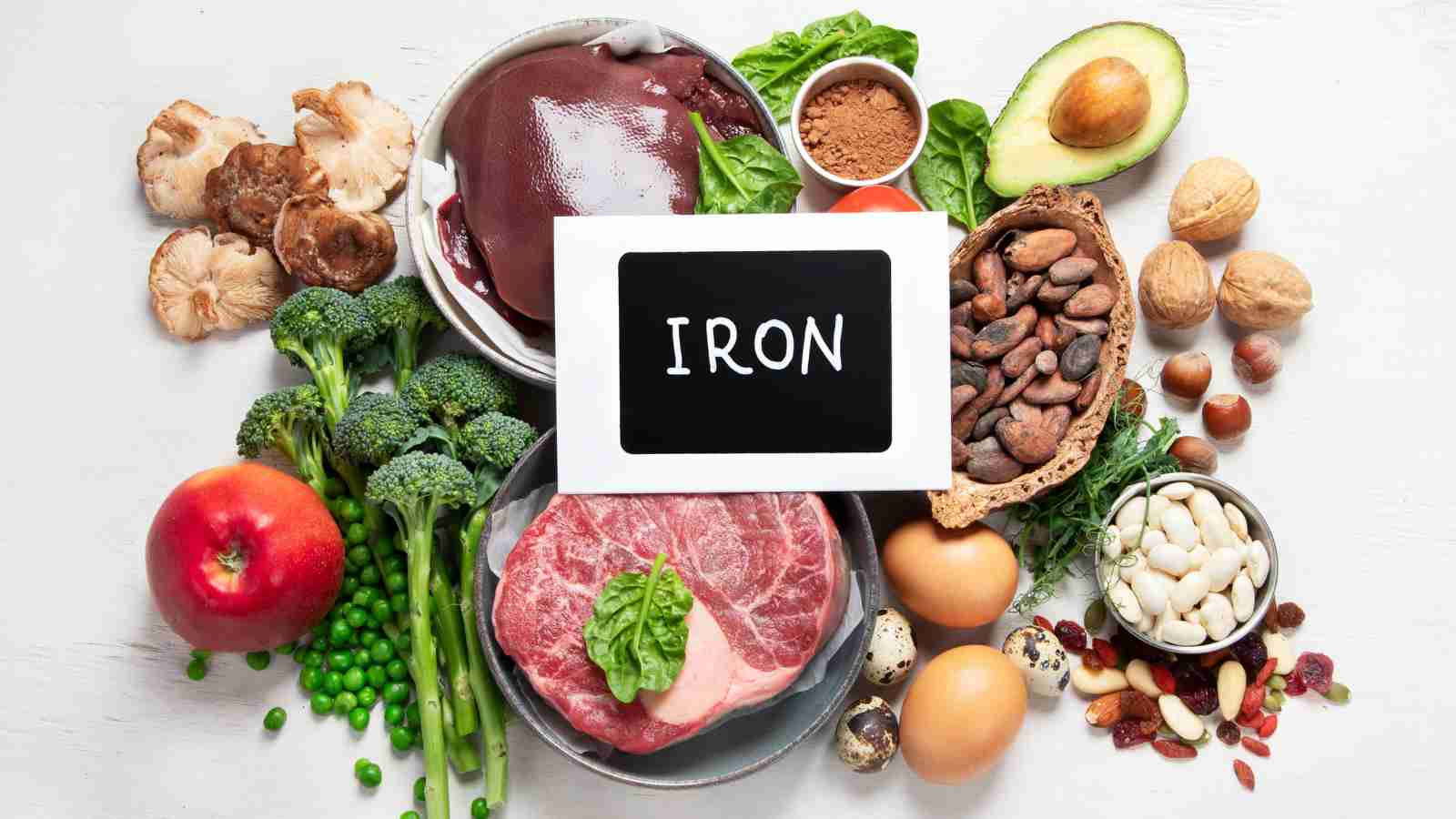
Iron is crucial for oxygen delivery to your brain, influencing energy levels, focus, and cognitive endurance. A lack of iron may cause fatigue, forgetfulness, and decreased attention span due to less oxygen reaching neural tissues. It also plays a role in neurotransmitter production. Red meat, lentils, tofu, fortified cereals, and spinach help maintain adequate iron stores. Balancing your iron intake can sharpen mental clarity, especially in younger adults and women.
Antioxidants
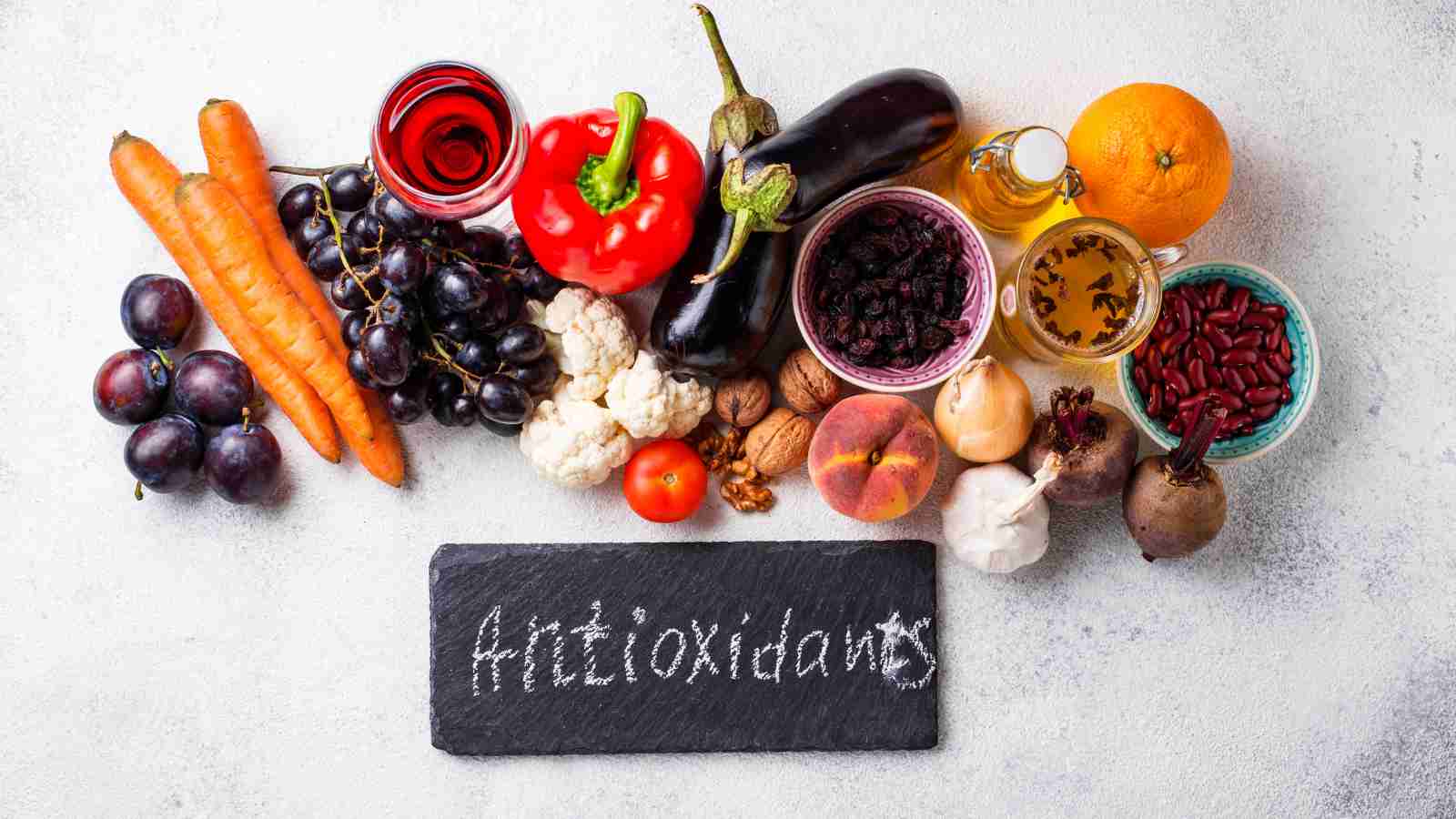
Antioxidants neutralize free radicals that can cause gradual damage to brain cells. Regular intake helps reduce inflammation and oxidative stress that contribute to cognitive decline. These compounds support neural protection and slow down cellular aging in the brain. You can find antioxidants in berries, green tea, dark leafy greens, nuts, and colorful vegetables. Incorporating a range of these into meals supports long-term brain health.
Lutein
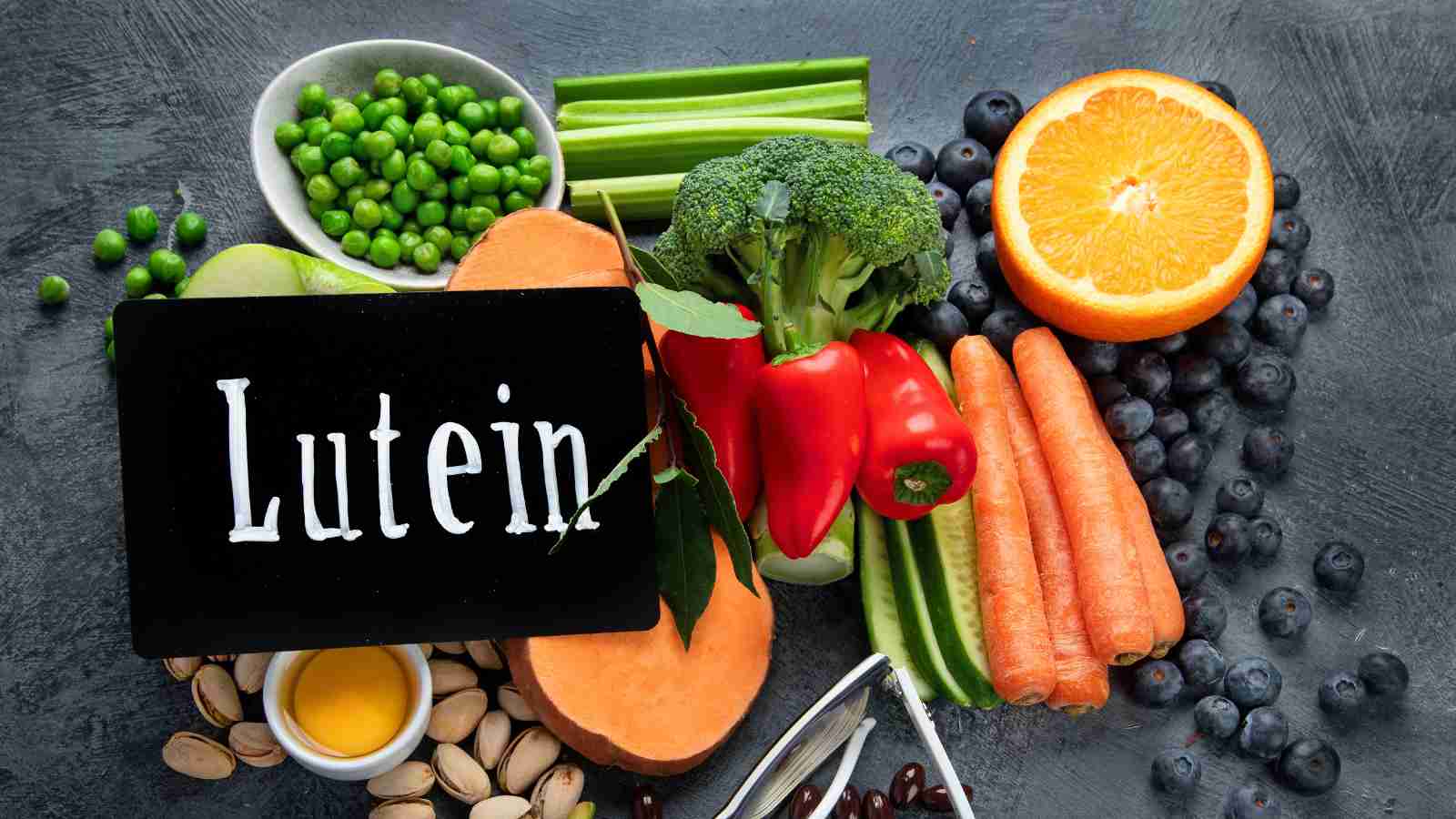
Lutein accumulates in the brain’s visual and cognitive centers and has been linked to better memory and processing speed. It acts as an antioxidant, protecting sensitive neural tissue from oxidative damage. In older adults, higher lutein levels are associated with better fluid intelligence and visual-spatial performance. Leafy greens like kale, spinach, and collard greens are rich in lutein. Consuming these regularly can support cognitive and visual health over time.
Coenzyme Q10
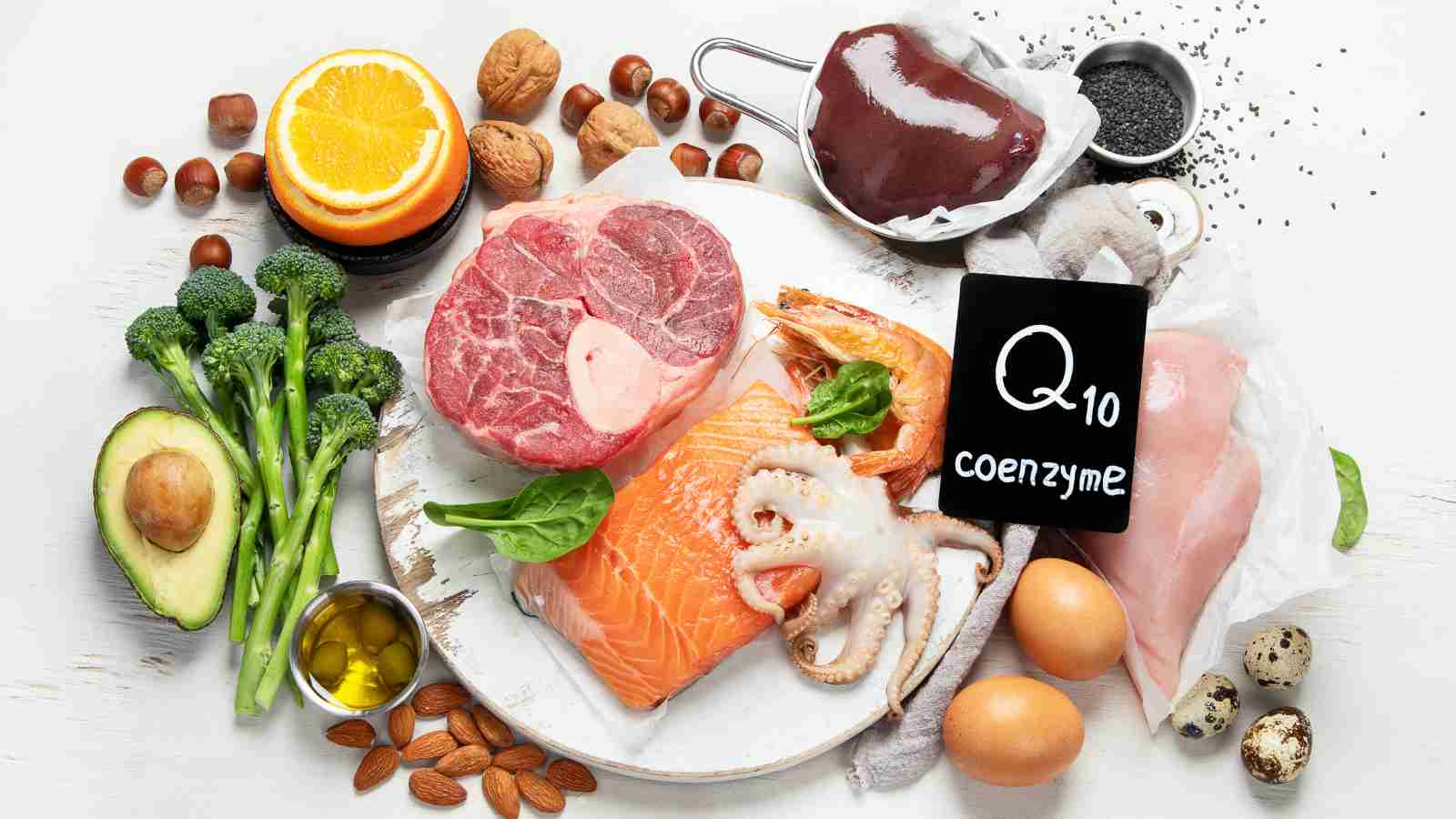
Coenzyme Q10 supports mitochondrial function, which provides energy for all brain activity. With age, natural levels decrease, potentially contributing to slower thinking and mental fatigue. Supplementing or eating foods rich in CoQ10 helps maintain energy production within neurons. Beef, sardines, peanuts, and organ meats contain notable amounts. Keeping these in your diet may enhance mental energy and reduce age-related decline in mental sharpness.
Selenium
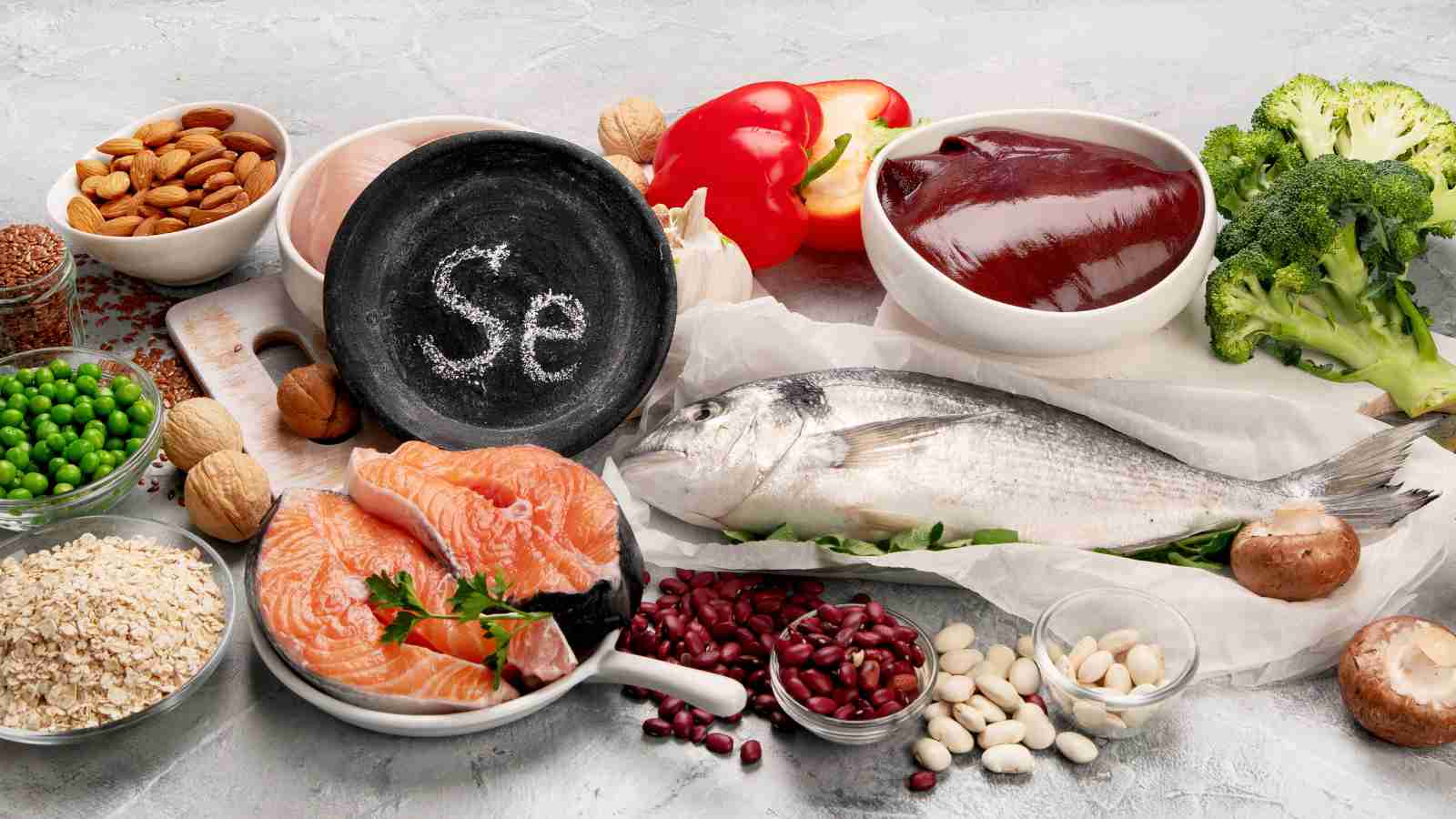
Selenium supports antioxidant activity in the brain, helping protect neurons from oxidative stress. Low selenium levels have been linked to reduced cognitive function and slower reaction times. It also plays a role in mood regulation and thyroid function, both of which impact mental clarity. Brazil nuts, sunflower seeds, seafood, and whole grains offer high levels of selenium. Just a few servings per week are enough to meet your needs and support brain resilience.
Curcumin
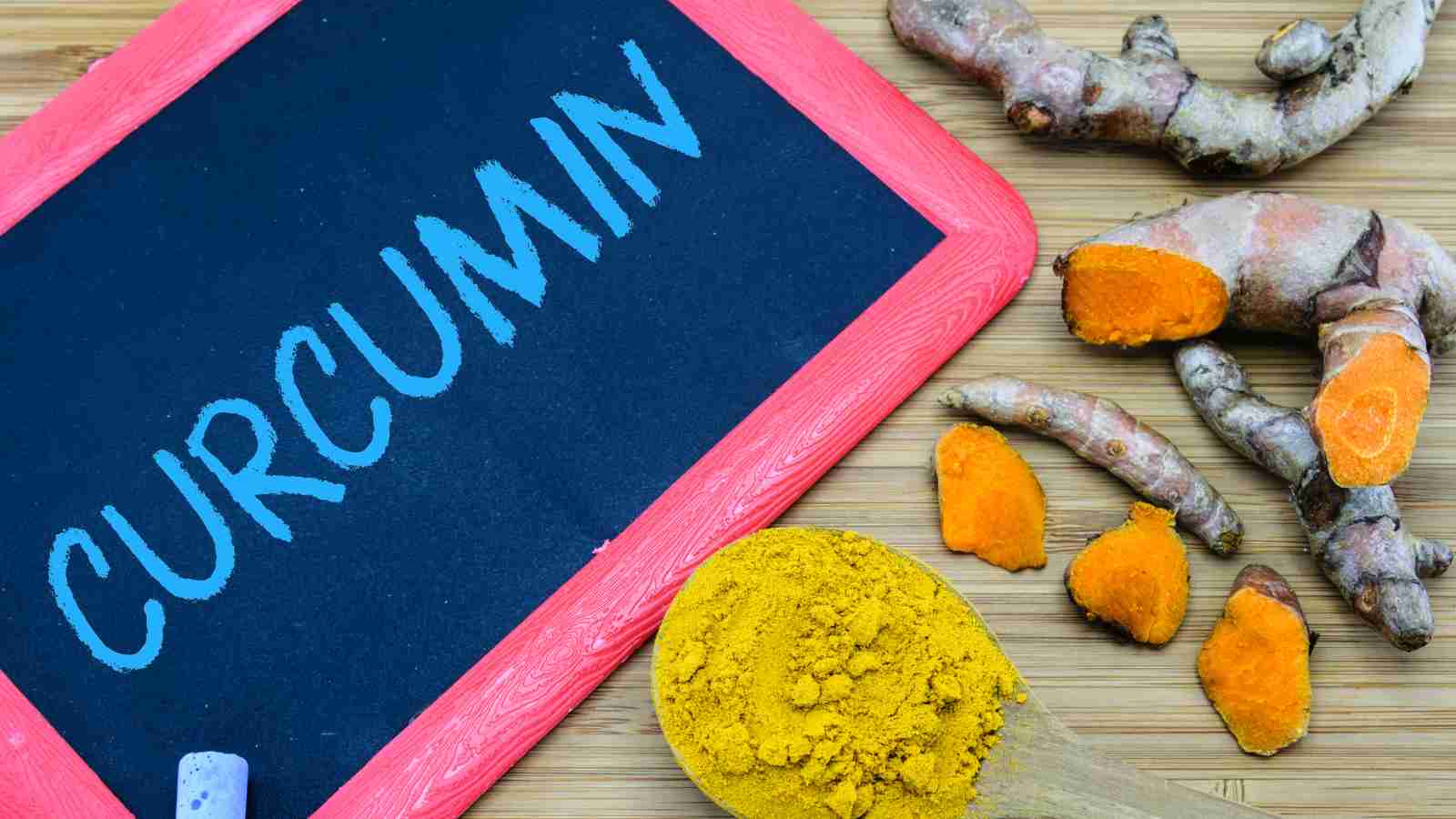
Curcumin, the active compound in turmeric, reduces brain inflammation and enhances memory function. It also increases levels of brain-derived neurotrophic factor (BDNF), a protein that supports neuron growth and connectivity. This can lead to improved learning, mood, and long-term memory consolidation. Add turmeric to curries, rice, soups, or take it as a supplement paired with black pepper for better absorption. Making it a regular habit may help you maintain better brain health over the years.
Zinc
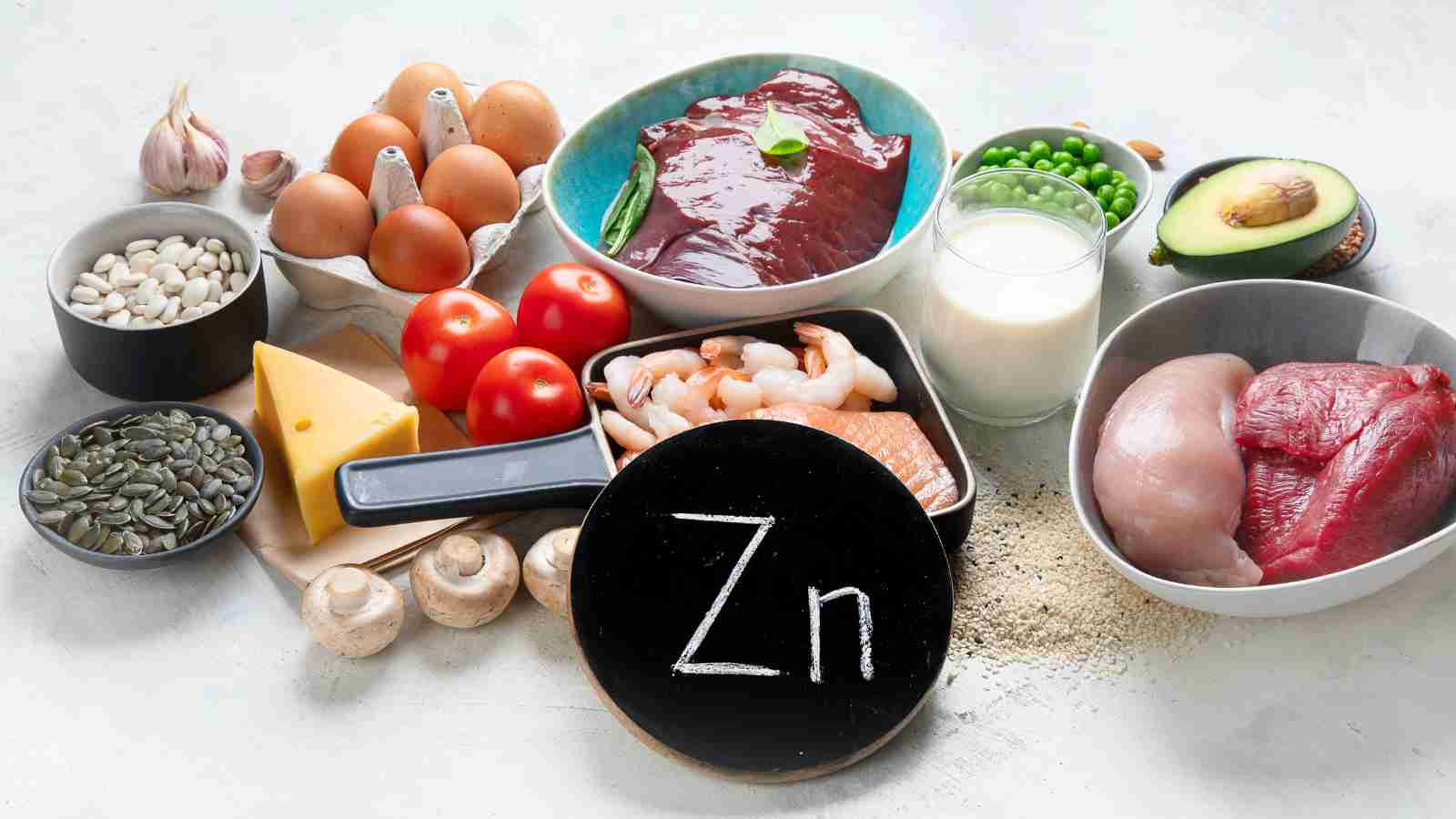
Zinc supports the regulation of communication between neurons and is essential for memory formation and learning processes. It also helps maintain the structure of brain proteins and cellular membranes, protecting against oxidative stress and neurotoxicity. A deficiency can impair focus, decision-making, and emotional regulation due to disrupted neurotransmitter activity. You can get zinc from foods like oysters, beef, pumpkin seeds, legumes, and whole grains.
13 Essential Vitamins You Might Not Be Getting Enough Of

If you’ve ever felt sluggish, had brittle nails, or caught colds too often, you might be missing some key nutrients. Let’s break down the essential vitamins, why you might not be getting enough, and the best foods to add to your diet.
Skip the Pills! 20 Natural Remedies for Common Ailments

Whether you’re dealing with muscle pain, digestion issues, or seasonal sniffles, these natural solutions may help you feel better without turning to a medicine bottle. This guide explores a range of well-known natural remedies, examining their potential benefits, scientific backing, and any precautions to consider so you can make informed choices about incorporating them into your routine.

Tamara Tsaturyan is the owner and writer of Thriving In Parenting, a website focused on providing simple tips for busy parents — easy and healthy recipes, home decor and organization ideas and all things P A R E N T I N G.

Share Your Thoughts!
I love to know your thoughts, make sure to comment below to start a discussion! You can also follow me on your favorite social network below.