If you have more than one child, you know that sibling fights are just part of the deal. One minute, they’re laughing together, and the next, they’re arguing over who gets the last piece of cake or whose turn it is with the remote. It’s exhausting, but deep down, you just want them to get along—not just now, but for life. Sibling relationships are some of the most important and long-lasting bonds, and while conflict is normal, it doesn’t have to define their connection. As parents, we can’t force them to be best friends, but we can guide them toward a relationship built on respect, love, and teamwork. Here are some parenting tips to help minimize sibling fights and encourage a more positive, supportive relationship.

Avoid Labels That Pit Them Against Each Other

When you assign labels like “the responsible one” or “the wild child,” you create expectations that can cause resentment. If one child is always called “the smart one,” their sibling might feel less intelligent by comparison. Even positive labels can add pressure and make your kids feel like they have to live up to a title instead of just being themselves. Instead of assigning roles, celebrate each child’s strengths without comparisons. When your kids don’t feel like they have to fight for an identity, they’re less likely to compete in unhealthy ways.
Stop Rewarding the “Victim” and Punishing the “Aggressor”

It’s easy to jump in and comfort the child who’s crying while scolding the one who started it. But if you do this every time, one child learns that playing the victim gets them attention, while the other feels unfairly labeled as the bad guy. Instead, focus on teaching both kids how to express themselves and work through conflict fairly. Ask them to talk about what happened, help them see each other’s perspective, and encourage them to come up with solutions. This way, neither child feels like they have to take on a set role just to be heard.
Stay Calm—They’re Watching You

If you lose your temper every time your kids start fighting, you’re unconsciously teaching them that yelling is how problems get solved. It’s hard (so hard!), but staying calm helps de-escalate fights before they spiral. Instead of jumping in with frustration, take a deep breath and approach the situation with a clear head. Your kids will mimic the way you handle conflict, so modeling patience and problem-solving skills can go a long way. When you stay composed, you’re showing them how to do the same.
Teach Them to Say “I Feel…” Instead of Blaming

Your little ones often lash out because they don’t know how to express their emotions properly. Teaching them to say, “I feel upset when you take my toy” instead of “You’re so mean!” changes the conversation. This small shift helps them communicate their feelings without immediately putting the other on the defensive. Practice this in everyday situations so it becomes second nature. The more they use words instead of fists or screams, the fewer full-blown fights you’ll have to break up.
Use Fun Activities to Teach Empathy

Board games, storytelling, and role-playing can all help your kids understand each other’s feelings. Play games that require turn-taking, negotiation, or teamwork so they can practice these skills in a low-stakes way. Reading books about sibling relationships or even acting out different scenarios can also help them put themselves in each other’s shoes. When your kids understand their sibling’s perspective, they’re more likely to have longer patience and be kind. Sometimes, a little creativity goes a long way in shaping behavior.
Notice and Praise When They Get Along

It’s easy to focus on the bad moments, but you need to highlight the good ones too. When kids share, take turns, or help each other out, make sure to acknowledge it. A simple, “I love how you worked that out together!” reinforces the kind of behavior you want to see more of. Your kids naturally crave attention—if they get it for being kind, they’ll keep doing it. Positive reinforcement is way more effective than just punishing the bad moments.
Get to the Root of the Conflict

Sometimes fights aren’t really about what they seem. A battle over a toy might actually be about one child feeling left out or wanting more attention. If fights are constant, take a step back and ask yourself if there’s an underlying issue. Are they feeling compared to each other? Do they need more one-on-one time with you? Addressing the real problem can stop the same fights from happening over and over again.
Give Each Child Their Own Special Time With You
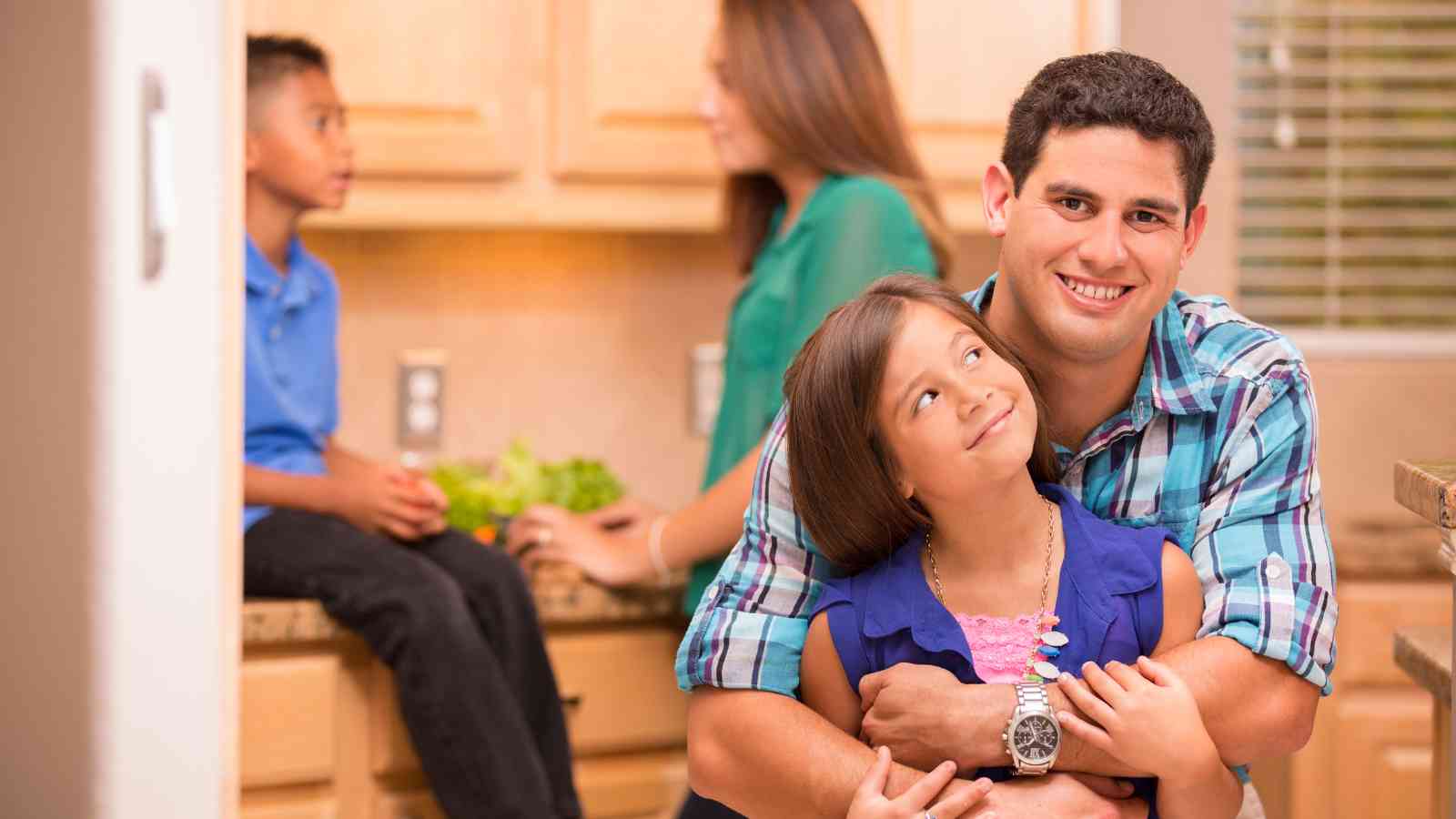
Sibling rivalry often comes from feeling like they have to compete for your attention. Setting aside even 10–15 minutes of one-on-one time with each child can help them feel secure and valued. Whether it’s reading a book together, playing a quick game outdoors, or running an errand just the two of you, that undivided attention matters. When your kids don’t feel like they have to fight for your love, they’re less likely to take their frustrations out on each other. A little intentional time can go a long way.
Create Routines to Reduce Arguments

Fights over screen time, chores, or bedtime often happen because expectations aren’t clear. A set schedule helps remove arguments before they start. If everyone knows that one child picks the movie on Fridays and the other on Saturdays, there’s no need to fight about it. Consistency removes the “but that’s not fair!” debates and makes transitions smoother. Less room for negotiation means less fighting.
Let Them Work It Out (Within Reason)
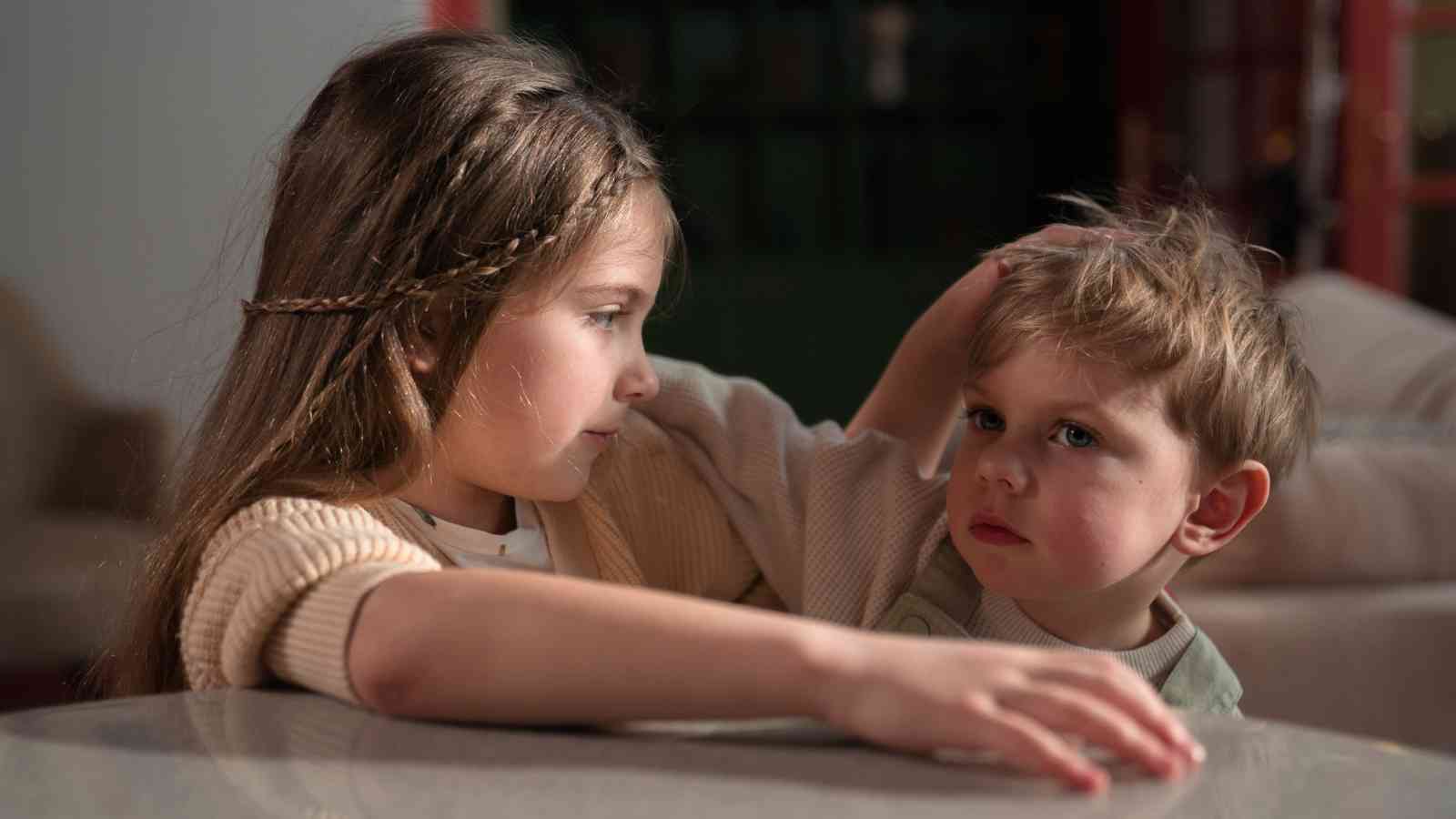
Not every fight needs a referee. If they’re arguing but not getting physical or cruel, let them practice solving it on their own. Step in only if things escalate or they need guidance. Learning to negotiate, compromise, and resolve conflicts are skills that will serve them well in life. Plus, when they realize Mom isn’t always going to swoop in, they’ll start figuring things out faster.
Celebrate Their Differences Instead of Comparing Them

It’s natural to notice differences between your kids but be mindful of how you talk about them. Instead of saying, “Your sister is such a great artist,” try “I love how creative you both are in different ways!” Encourage each child to explore their own strengths without feeling like they have to compete. When your kids feel appreciated for who they are, they’re less likely to resent each other.
Set Clear Family Rules
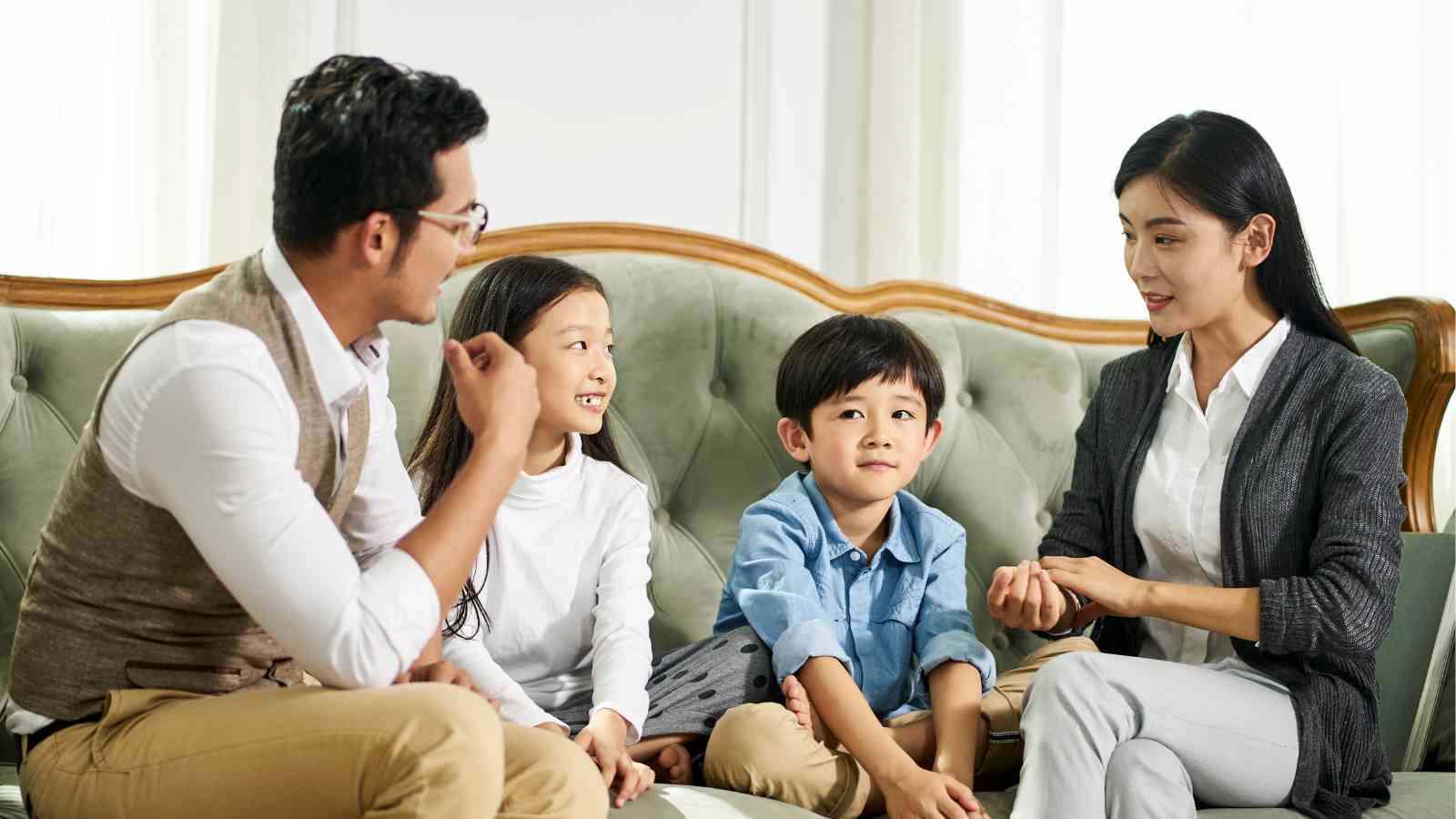
Maintaining a happy sibling relationship starts with clear family rules that outline acceptable behaviors and mutual respect. Let all family members be aware of these rules, especially those about communication, behavior, and conflict resolution. For example, if two people are angry, they shouldn’t shout or use abusive language toward each other. Enforce these rules consistently and fairly so that children understand expectations and boundaries.
Encourage Cooperation, Not Competition

Instead of fostering a competitive environment between siblings, create opportunities for them to work together as a team. Assign tasks that require collaboration, such as building a puzzle together, baking cookies, or doing a shared chore where they both contribute. When siblings experience success as a team, they develop stronger bonds and learn to appreciate each other’s strengths. Praise their teamwork and highlight how working together makes things easier and more enjoyable.
Forget Fair

“That’s not fair!” is a common phrase among siblings, but life itself isn’t always fair. Trying to ensure everything is perfectly equal at all times isn’t realistic. Older children may have later bedtimes, and younger ones might see this as unfair, but fairness doesn’t always mean the same treatment for everyone. You can explain why certain rules exist but don’t have to justify every decision—sometimes, “this is the rule” is enough. Sharing personal experiences about dealing with perceived unfairness, like workplace policies or seniority benefits, helps your kids understand that fairness doesn’t always mean equality.
Teach the Importance of Personal Space
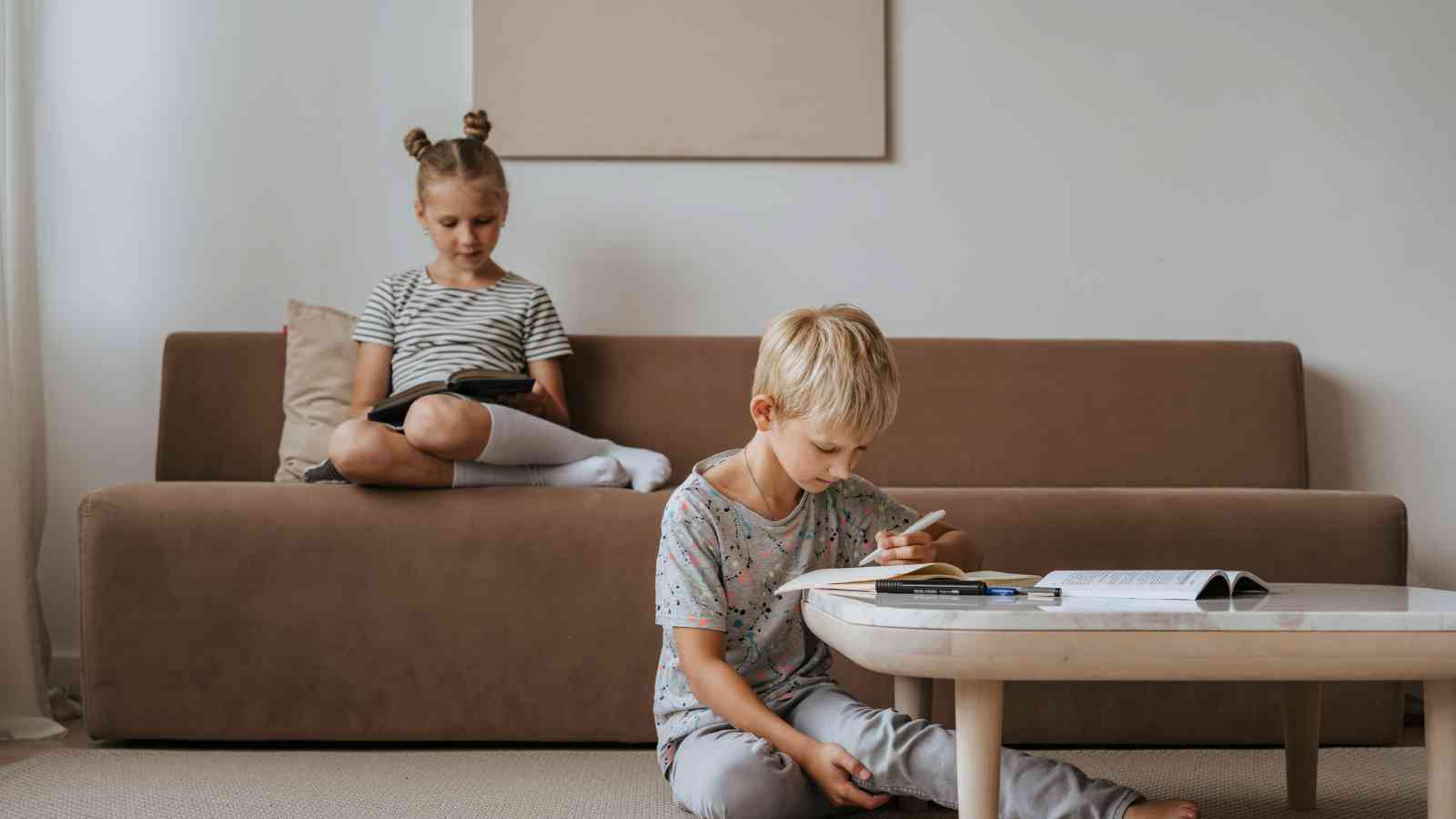
Everyone needs their own space, and siblings are no exception. Encourage respect for each other’s belongings, privacy, and personal time. If one child wants alone time, make it clear that it should be respected, whether it’s through knocking before entering their room or asking permission before borrowing something. Teaching boundaries early helps prevent unnecessary conflicts and promotes mutual respect between siblings.
Are You Raising a Spoiled Kid? 15 Signs (and How to Fix It)

No one plans to raise an entitled child, but certain habits can unknowingly set the stage for it. Spoiling isn’t just about showering kids with toys—it’s a pattern where appreciation takes a backseat, and constant special treatment becomes expected. If your child struggles with gratitude, frustration, or demands more than they give, it may be time for a reset. Here are 15 behaviors that signal a spoiled mindset—and practical ways to turn things
15 Easy Hacks to Get Kids Out the Door on Time Every Morning

Mornings with kids can feel like a nonstop scramble, leaving you exhausted before the day even begins. Between missing shoes, half-eaten breakfasts, and unexpected tantrums, getting everyone out the door on time can seem impossible. But with a few smart tweaks, you can turn the chaos into a manageable routine. Simple, effective strategies can reduce stress, build independence, and create the structure kids need to transition smoothly into the day.

Tamara Tsaturyan is the owner and writer of Thriving In Parenting, a website focused on providing simple tips for busy parents — easy and healthy recipes, home decor and organization ideas and all things P A R E N T I N G.

Share Your Thoughts!
I love to know your thoughts, make sure to comment below to start a discussion! You can also follow me on your favorite social network below.