Having more than one child means sibling squabbles are basically guaranteed. One moment, they’re giggling together, and the next, they’re arguing over who gets the last cookie or whose turn it is with the tablet. It’s exhausting, but underneath it all, every parent hopes for more than just temporary peace—they want a bond that lasts a lifetime. Sibling relationships are some of the most enduring and meaningful connections kids will ever have, and while disagreements are inevitable, they don’t have to define those bonds. Parents can’t force kids to be best friends, but with a little guidance, they can nurture a relationship rooted in respect, care, and teamwork. Here are practical parenting tips to help reduce fights and foster a more supportive, positive sibling connection.

Avoid Labels That Pit Them Against Each Other

Labels create invisible scorecards in kids’ minds, and competition sneaks in where it doesn’t belong. When one child feels “the smart one” and another feels “the wild one,” resentment can quietly take root. Highlighting individual strengths without comparisons nurtures confidence and reduces rivalry. It allows each child to shine in their own way, without carrying a title that might limit them. Celebrating differences instead of labeling keeps the home atmosphere lighter and more harmonious.
Stop Rewarding the “Victim” and Punishing the “Aggressor”

Comforting one child while scolding the other can unintentionally teach roles that nobody wants. Both children benefit when attention focuses on communication and problem-solving skills instead of assigning blame. Encouraging honest expression of feelings allows each child to be heard without taking sides. It shifts the dynamic from punishment to learning, which helps prevent repeated conflicts. Kids feel validated and learn to navigate disagreements without relying on manipulative tactics.
Stay Calm—They’re Watching You

Patience becomes the most powerful tool in teaching conflict management. Kids absorb how emotions are handled, so modeling calmness teaches them to approach disputes without yelling or frustration. Taking a deep breath before responding can change the entire tone of a situation. When children see reason and composure in action, they gradually mirror those behaviors themselves. Calm guidance creates a safer environment where conflicts lose intensity.
Teach Them to Say “I Feel…” Instead of Blaming

Expressing emotions clearly prevents arguments from spiraling out of control. Words like “I feel frustrated” allow for discussion rather than immediate confrontation. Practicing this regularly helps kids recognize emotions and communicate without attacking each other. It lays a foundation for respectful conversation that continues into adulthood. Over time, fights become less about conflict and more about problem-solving.
Use Fun Activities to Teach Empathy

Games, role-playing, and storytelling transform lessons into enjoyable experiences. Kids learn to see the world from another perspective in ways that stick without lecturing. Creative play encourages patience, sharing, and understanding without feeling forced. Practicing empathy during fun activities strengthens their connection while keeping tensions low. Little moments of learning become powerful tools for lasting behavior changes.
Notice and Praise When They Get Along

Acknowledging cooperative behavior encourages more of the same. Celebrating shared efforts like teamwork or kindness boosts motivation far more than focusing only on mistakes. Praise doesn’t have to be extravagant—simple recognition reinforces positive habits. Attention naturally gravitates toward actions, and positive reinforcement makes good choices feel rewarding. Consistent acknowledgment helps children internalize cooperative behavior as the norm.
Get to the Root of the Conflict

Surface arguments rarely tell the full story, and attention to underlying issues matters. Conflicts often hide deeper feelings like jealousy, frustration, or the need for recognition. Identifying these patterns allows for proactive support rather than repeated interventions. Listening carefully uncovers what each child truly needs, reducing tension in the long run. Addressing the cause instead of the symptom fosters understanding and stronger sibling bonds.
Give Each Child Their Own Special Time With You

One-on-one moments reassure children that attention isn’t a competition. Even short periods of dedicated time can reduce feelings of neglect or rivalry. Shared activities like reading, chatting, or simple errands make a lasting impression. Feeling valued individually strengthens confidence and reduces the need to fight for attention. Personal time nurtures secure, trusting relationships with both children.
Create Routines to Reduce Arguments

Predictable schedules remove opportunities for unnecessary disputes. Knowing what to expect around meals, playtime, and chores provides structure and fairness. Consistent routines help children manage expectations, minimizing arguments over perceived inequities. Regularity also reduces stress for parents, keeping mornings, evenings, and transitions smoother. When expectations are clear, everyone moves through the day with less friction.
Let Them Work It Out (Within Reason)
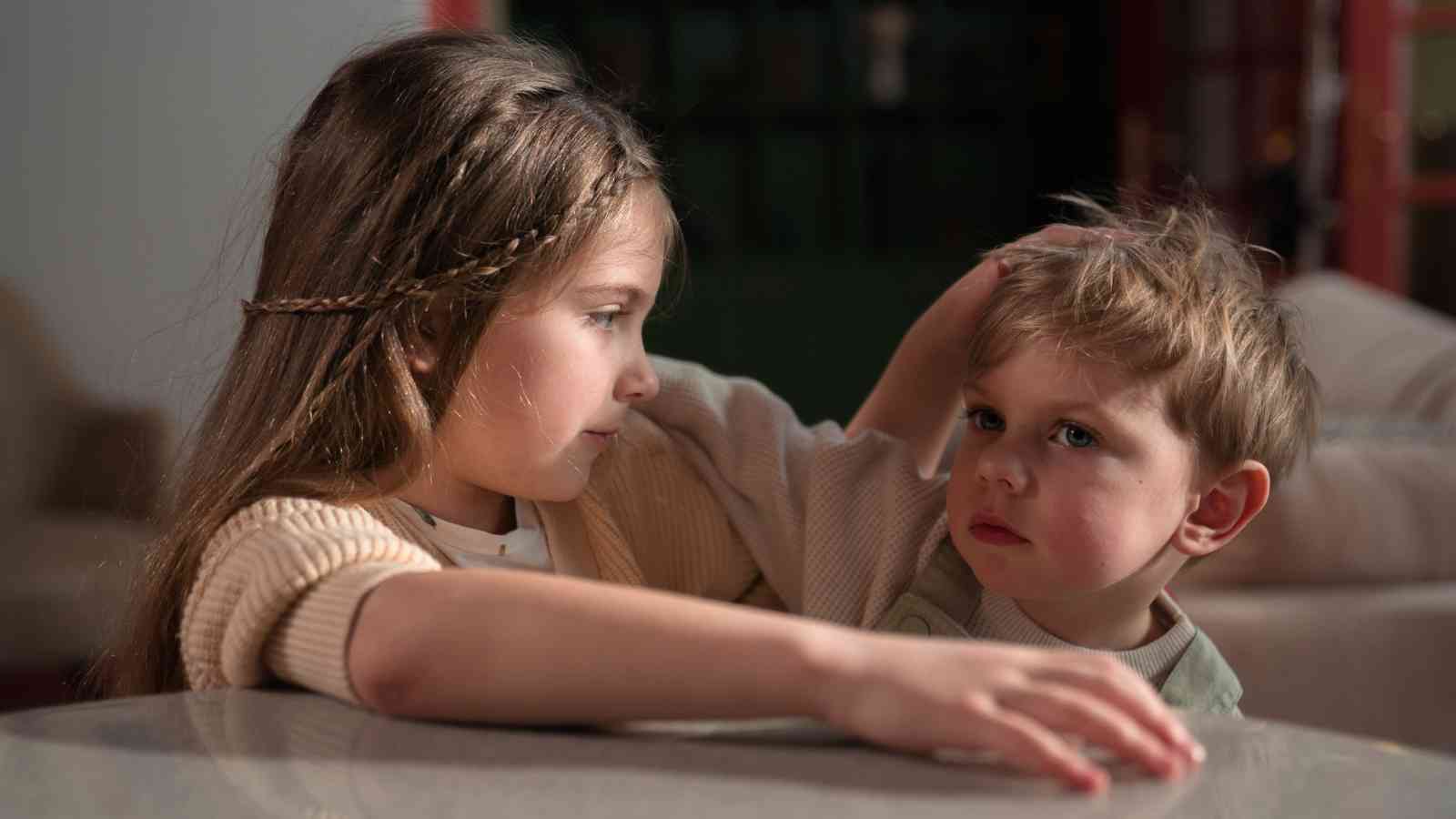
Autonomy in resolving minor disagreements builds essential life skills. Encouraging compromise, negotiation, and self-regulation helps kids become problem solvers. Intervening only when safety or fairness is compromised fosters confidence and independence. Realizing that every conflict doesn’t require parental interference accelerates their ability to manage disagreements. Over time, children learn accountability and patience without constant guidance.
Celebrate Their Differences Instead of Comparing Them

Acknowledging unique talents without ranking reduces competition naturally. Embracing individuality encourages self-expression and reduces jealousy. When children feel appreciated for who they are, resentment toward siblings fades. Encouraging exploration of personal interests builds confidence and mutual respect. Highlighting diversity in abilities fosters a sense of pride in differences rather than division.
Set Clear Family Rules

Clear, fair rules create a safe environment for sibling interactions. Boundaries around communication, behavior, and respect make expectations obvious. Consistent enforcement prevents confusion and reduces arguments over fairness. Rules also provide children with a framework for decision-making during disputes. Everyone thrives when the guidelines are transparent and predictable.
Encourage Cooperation, Not Competition

Shared goals and teamwork foster connection and problem-solving skills. Completing tasks together highlights the value of collaboration over rivalry. Success experienced jointly builds pride and encourages repeated cooperative behavior. Celebrating joint accomplishments strengthens relationships more than individual accolades. Cooperation becomes a fun, engaging way to work alongside each other rather than against each other.
Forget Fair

Striving for perfect equality can unintentionally fuel conflicts. Life naturally involves differences in privileges, attention, or responsibilities. Helping children understand that fairness isn’t always equality eases tension. Clear explanations or simple rules communicate expectations without lengthy justifications. Teaching flexibility around fairness encourages patience and reduces unnecessary disputes.
Teach the Importance of Personal Space
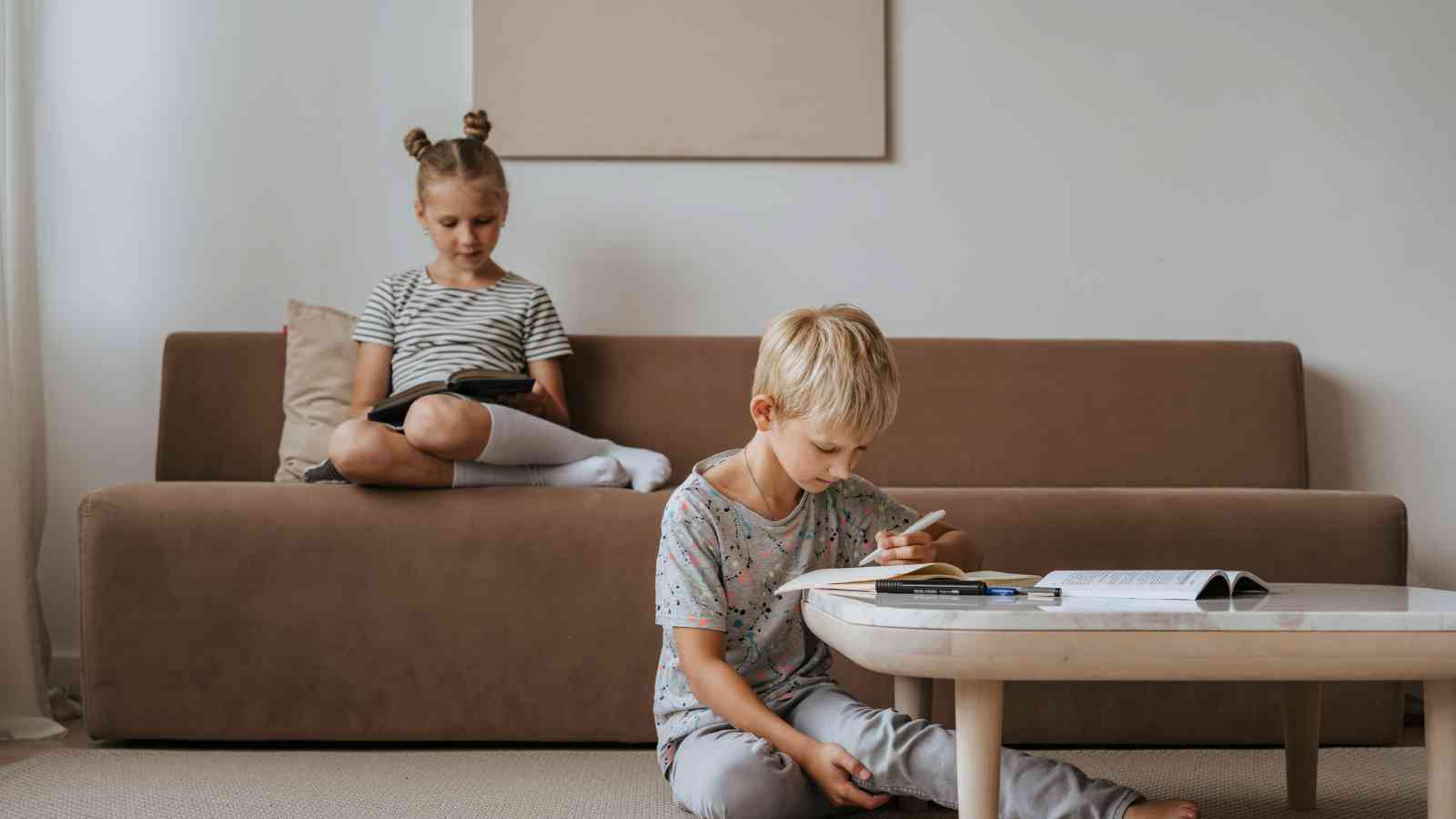
Respect for privacy prevents unnecessary tension between siblings. Encouraging boundaries around possessions, rooms, and quiet time fosters independence. Clear expectations for personal space help children navigate sharing and respect naturally. Kids who understand boundaries are more likely to engage positively and less likely to argue over territory. Healthy space cultivates mutual respect while supporting individuality.
Are You Raising a Spoiled Kid? 15 Signs (and How to Fix It)

No one plans to raise an entitled child, but certain habits can unknowingly set the stage for it. Spoiling isn’t just about showering kids with toys—it’s a pattern where appreciation takes a backseat, and constant special treatment becomes expected. If your child struggles with gratitude, frustration, or demands more than they give, it may be time for a reset. Here are 15 behaviors that signal a spoiled mindset—and practical ways to turn things
15 Easy Hacks to Get Kids Out the Door on Time Every Morning

Mornings with kids can feel like a nonstop scramble, leaving you exhausted before the day even begins. Between missing shoes, half-eaten breakfasts, and unexpected tantrums, getting everyone out the door on time can seem impossible. But with a few smart tweaks, you can turn the chaos into a manageable routine. Simple, effective strategies can reduce stress, build independence, and create the structure kids need to transition smoothly into the day.

Tamara Tsaturyan is the owner and writer of Thriving In Parenting, a website focused on providing simple tips for busy parents — easy and healthy recipes, home decor and organization ideas and all things P A R E N T I N G.

Share Your Thoughts!
I love to know your thoughts, make sure to comment below to start a discussion! You can also follow me on your favorite social network below.