Lent often feels like one more thing on our already overflowing plates, especially when we’re just trying to get through the school week. It is a season where we can actually slow down and teach our kids about being good humans without it feeling like a massive chore. You don’t need to be a perfect parent to make these forty days feel special or significant for your household. These simple ideas are just ways to bring a little more heart into your daily routine while keeping things realistic. We can all grow together by focusing on small, intentional moments that fit right into our busy lives.

Create A Lent Countdown Chain

Making a paper chain is such a classic way to help kids actually see how much time is left until Easter. They get to tear off one loop every single day, which gives them a little win to look forward to each morning. It really helps stop those constant questions about when the holiday is finally happening. Plus, it’s a great project for a rainy afternoon when you need to keep their hands busy. You’ll love seeing that physical reminder of the season getting shorter as the excitement builds.
Make A Kindness Jar

Find an old jar in the pantry and fill it with scraps of paper listing easy ways to be helpful. Each morning, your kids can pick one out and try to do that specific nice thing before bedtime. It turns being thoughtful into a fun game rather than another lecture about using manners. You might notice them being a little extra sweet to their siblings just to check a task off their list. It’s a low-stress way to focus on others while you’re running errands or doing chores.
Decorate A Prayer Journal

Grab some plain notebooks and let the kids go wild with markers and stickers to make them their own. They can use these pages to draw pictures of things they care about or write down stuff they want to say “thanks” for. Having their own private spot to express themselves helps them learn how to process their feelings quietly. It’s a sweet habit to start before bed, and it gives you a few minutes of peace, too. You’ll end up with a cute keepsake of what was on their minds this year.
Start A Family Gratitude Board

Tape a big piece of poster board to the wall where everyone can reach it easily. Every evening, have everyone write down one good thing that happened during the day, no matter how small it was. This helps kids learn to look for the positive parts of their day instead of just complaining about homework. It’s a great conversation starter while you’re making dinner or hanging out in the kitchen. Seeing a big list of happy moments grow over the weeks really changes the mood in the house.
Put Together A Donation Box
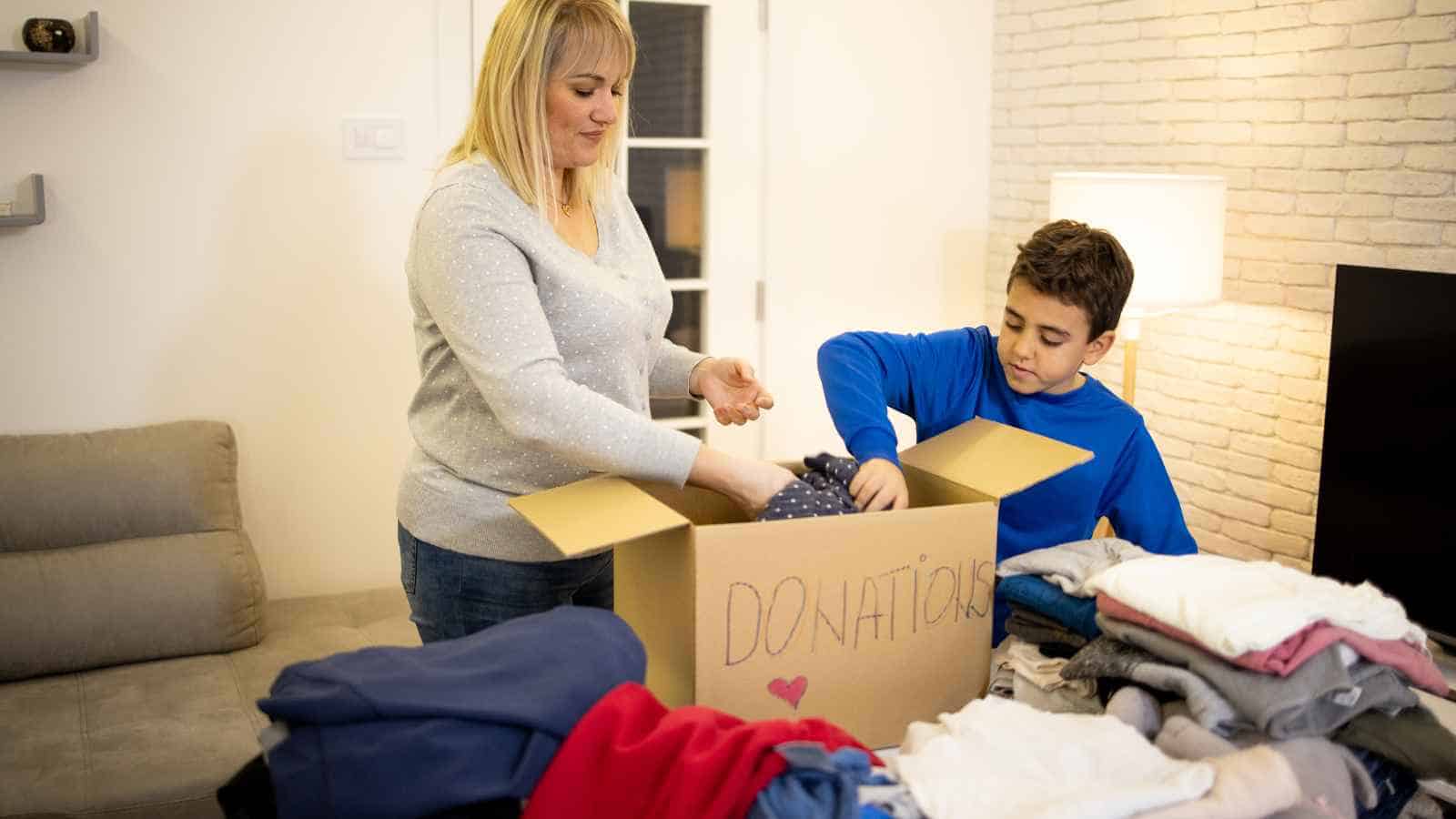
Set a box in the living room and encourage the kids to find toys or clothes they don’t play with or wear anymore. It’s a practical way to clear out the clutter while talking about helping families who might need those items. They get to be in charge of what they give away, which makes them feel proud of being generous. At the end of the month, you can drive to a local drop-off center together to deliver the goods. It’s a great lesson in sharing that doesn’t cost a dime.
Read A Short Bible Story Each Night

Pick a kid-friendly book and read just one short story together before tucking them in. It only takes five minutes, but it creates a really steady and calm routine for the end of the day. They start to recognize the people and events in the stories, which makes the season feel more familiar to them. It’s a nice way to bond without any screens or loud noises interrupting you. These quiet moments often lead to the best questions and most honest conversations.
Bake Simple Bread Together

Letting the kids help you mix flour and water is a messy but really fun way to spend a Saturday. They love the feeling of the dough in their hands and watching it change as it bakes in the oven. You can talk about how good it feels to share food with people we care about while the kitchen starts to smell amazing. Maybe take a small loaf over to a neighbor just to say hello and brighten their day. It’s a very basic activity that teaches them that simple things are often the best.
Make A “Give Instead Of Give Up” List

Instead of just taking away treats, sit down and list things the kids can actually do more of. This might include giving more hugs, helping with the laundry, or using a patient voice with friends. It makes the season feel much more positive because they are focused on doing good things. You can stick the list on the fridge so everyone remembers what they’re working on. It’s a refreshing change from the usual “no candy” rule that kids usually struggle with.
Create A Family Service Day

Pick one Saturday during Lent to go out and do something helpful as a group. This could be as easy as picking up trash at the local playground or helping a grandparent with their yard. Working side-by-side teaches the kids that they are capable of making a real difference in their town. It’s a great way to get some fresh air and do something productive away from the house. You’ll all feel a sense of accomplishment after spending a few hours working together.
Write Encouraging Notes
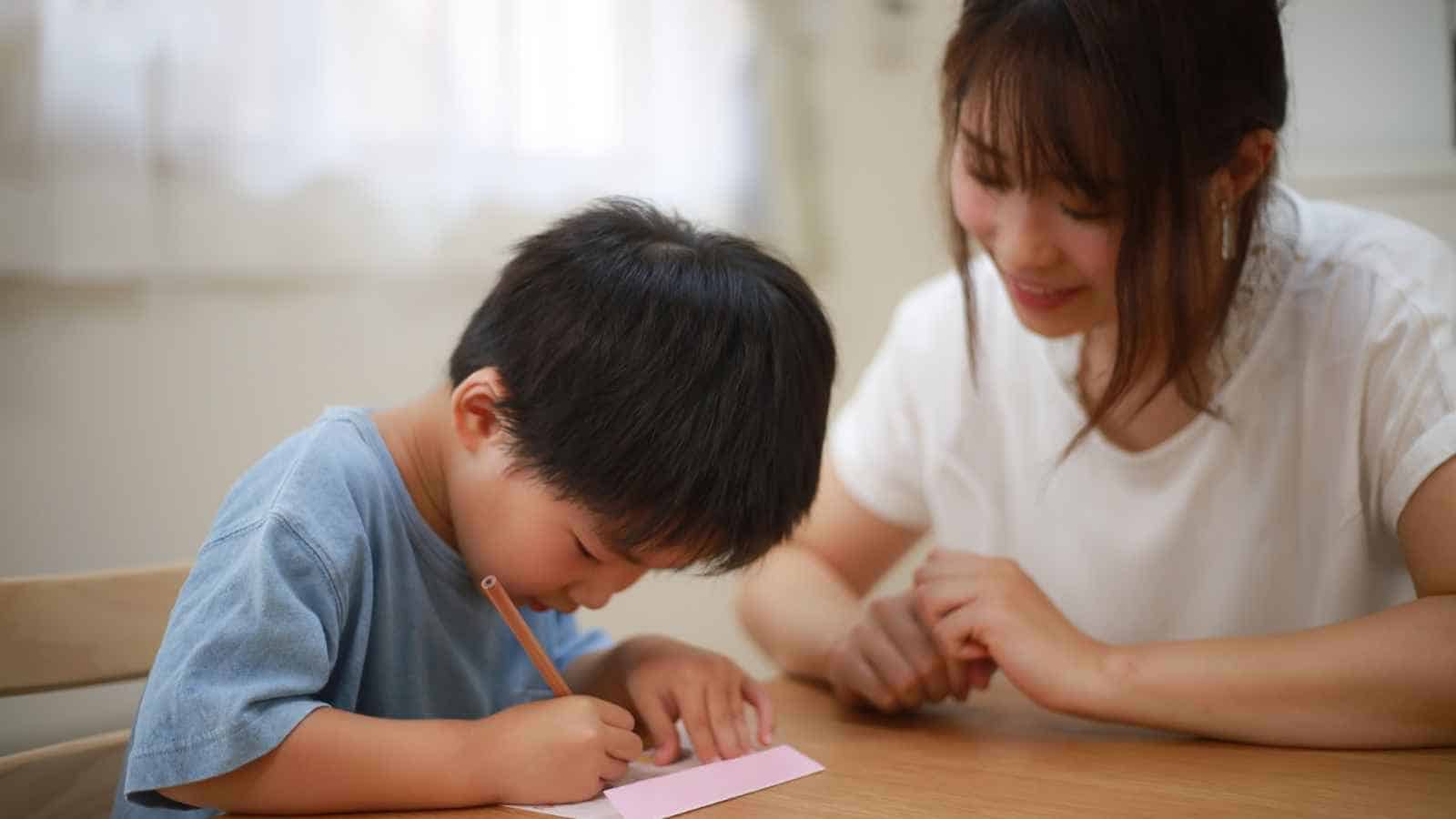
Give the kids some paper and pens to write quick messages for their teachers or friends. They can tell someone they’re doing a great job or just wish them a happy day. It’s a wonderful way for them to practice being kind with their words and thinking about others’ feelings. Dropping these notes in the mail or a backpack is a tiny gesture that has a big impact. It teaches them that a few nice words can really change someone’s entire afternoon.
Plant Seeds And Watch Them Grow

Buy a few cheap packets of seeds and some dirt to start a little indoor garden. Your kids can be responsible for watering the pots and making sure they get enough sunlight every day. It’s exciting for them to see the first green sprouts finally pop up after waiting so long. This teaches them a lot about being patient and taking care of something living. Plus, it’s a nice reminder that warmer weather and spring are finally on the way.
Make A Prayer Box

Decorate a small shoebox where the kids can drop in little notes about things they’re worried about. It gives them a place to put their “big thoughts” so they don’t have to keep them bottled up inside. You can sit together once a week and look through them, or just let the box be their own private space. This helps them learn how to handle stress in a healthy, calm way. It’s a simple tool that makes a big difference in how they manage their emotions.
Choose A Weekly Family Reflection Time

Set aside ten minutes on Sunday evenings to just chat about how everyone’s week went. Ask the kids what they found easy or hard about their Lenten activities so far. It’s a low-pressure way to stay connected and see what they are actually learning. You can share your own experiences too, so they see that even parents are still learning things. This habit builds a lot of trust and keeps the whole family on the same page.
Create A Lenten Nature Table

Clear off a small shelf or table and let the kids bring in things they find outside like rocks or sticks. They can arrange these items to show what the world looks like during this time of year. It’s a fun way to get them to pay attention to the environment and notice small changes outdoors. You can add a candle or a special cloth to make it look a bit more intentional. It becomes a quiet little corner of the house that reminds everyone of the season.
Host A Simple Soup Night

Replace your usual Friday dinner with a basic meal of soup and bread for the whole family. Having a simpler meal is a great way to talk about how we don’t always need fancy things to be happy. The kids can help pick out the recipe or stir the pot while you talk about your day. It saves you time on cooking and cleanup, which is a huge win for any busy mom. It’s a cozy, easy tradition that everyone will start to look forward to each week.
15 small Lent sacrifices kids can try

When kids take part in little sacrifices, they start learning patience, generosity, and self-awareness in ways that stick. Families get to join in too, turning these moments into shared lessons rather than chores. By keeping things simple and meaningful, Lent becomes a season of growth, kindness, and fun family experiences.
25 Ways to Build Family Culture on Purpose (Instead of Letting It Happen by Accident)

Here are 25 ways that serve as small but meaningful steps toward making sure your family grows closer and feels more connected every day. By making these actions part of your routine, you’ll be able to shape a family culture that reflects your values, keeps everyone on the same page, and creates memories that will last a lifetime.

Tamara Tsaturyan is the owner and writer of Thriving In Parenting, a website focused on providing simple tips for busy parents — easy and healthy recipes, home decor and organization ideas and all things P A R E N T I N G.

Share Your Thoughts!
I love to know your thoughts, make sure to comment below to start a discussion! You can also follow me on your favorite social network below.