Even if you keep your pantry organized, there are probably a few forgotten items lingering in the back that haven’t been touched in years. Long shelf lives can be deceiving—many pantry staples may look fine but lose quality, nutritional value, or even become unsafe over time. Some foods degrade quietly while others spoil in ways that could make you sick or ruin a recipe without warning. While dry and canned goods do last longer than refrigerated items, they’re not immune to expiration. Here are 15 items that might be sitting in your pantry long past their expiration date. Certain ingredients are especially tricky because they don’t change appearance dramatically even when they’re well past their prime. It’s worth doing a full inventory check, not just for safety—but to make space for ingredients that still work like they should.

Old Spices
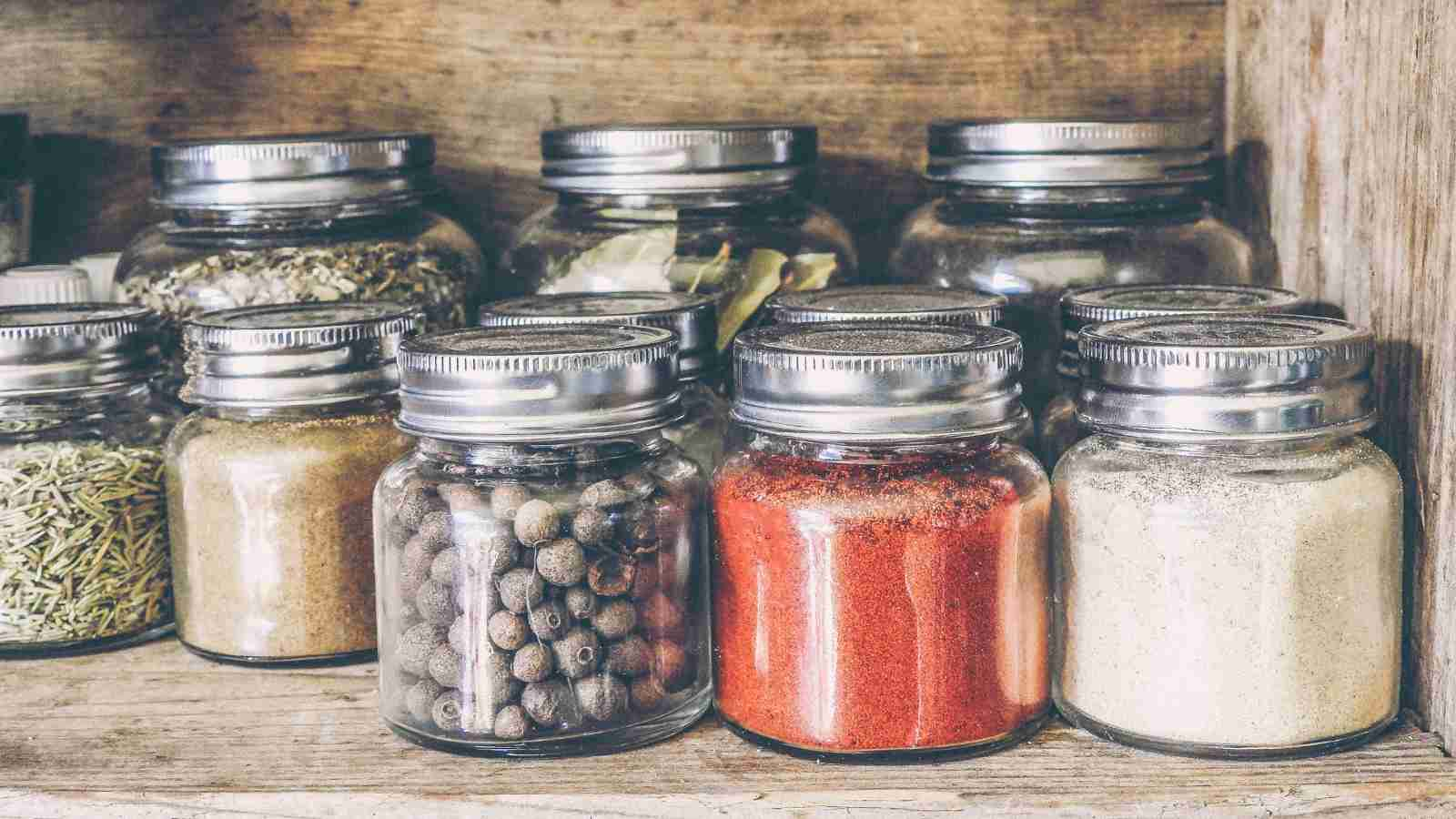
Ground spices lose potency significantly after one to two years, especially once the container is opened. Even if the jar looks fine and smells somewhat familiar, most of the aromatic oils that give spices their strength will have faded. Turmeric, paprika, and cinnamon are especially prone to flavor loss over time. You’ll likely need to use much more than usual just to get any noticeable flavor. Toss out those ancient jars—you’re not getting what the recipe calls for anymore.
Baking Powder
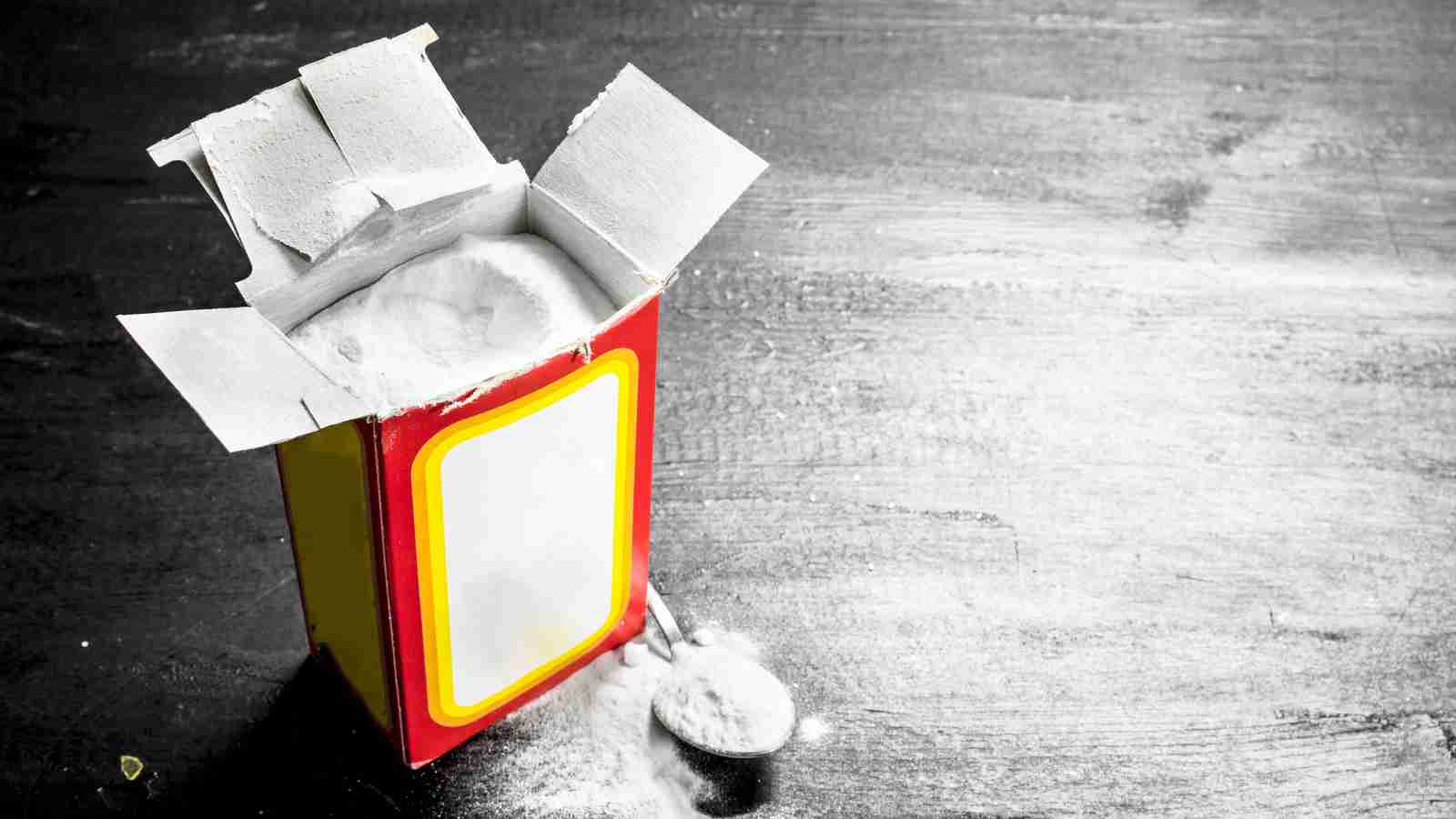
Leavening agents like baking powder rely on a chemical reaction to produce carbon dioxide, which helps baked goods rise. Once expired, the compounds lose their effectiveness even if stored in a sealed container. Using old baking powder can lead to dense, flat, or rubbery results. Even a few months past the expiration can change how your batter behaves. Test it by mixing with hot water—if there’s no fizz, it’s done.
Condensed or Evaporated Milk

Canned milk products may be shelf-stable, but they’re not immune to time. Over the years, the sugar and fat in condensed milk or the proteins in evaporated milk begin to break down. Bulging, rusting, or leaking cans are clear signs of spoilage, but internal degradation can also occur unnoticed. Exposure to high heat during storage speeds up chemical changes, making it unusable even before the printed date. Using old canned milk can lead to off-putting flavors or worse—foodborne illness.
Bags of Dried Beans or Lentils

Legumes are shelf-stable, but after several years they dry out even further and become harder to cook. Older beans might never fully soften, no matter how long you soak or boil them. Age also reduces protein quality and vitamin content, making them less nutritious. In some cases, insect eggs might hatch after long storage, especially if not sealed tightly. Discoloration or an unusually long cooking time signals it’s time to toss the bag.
Instant Oatmeal Packets
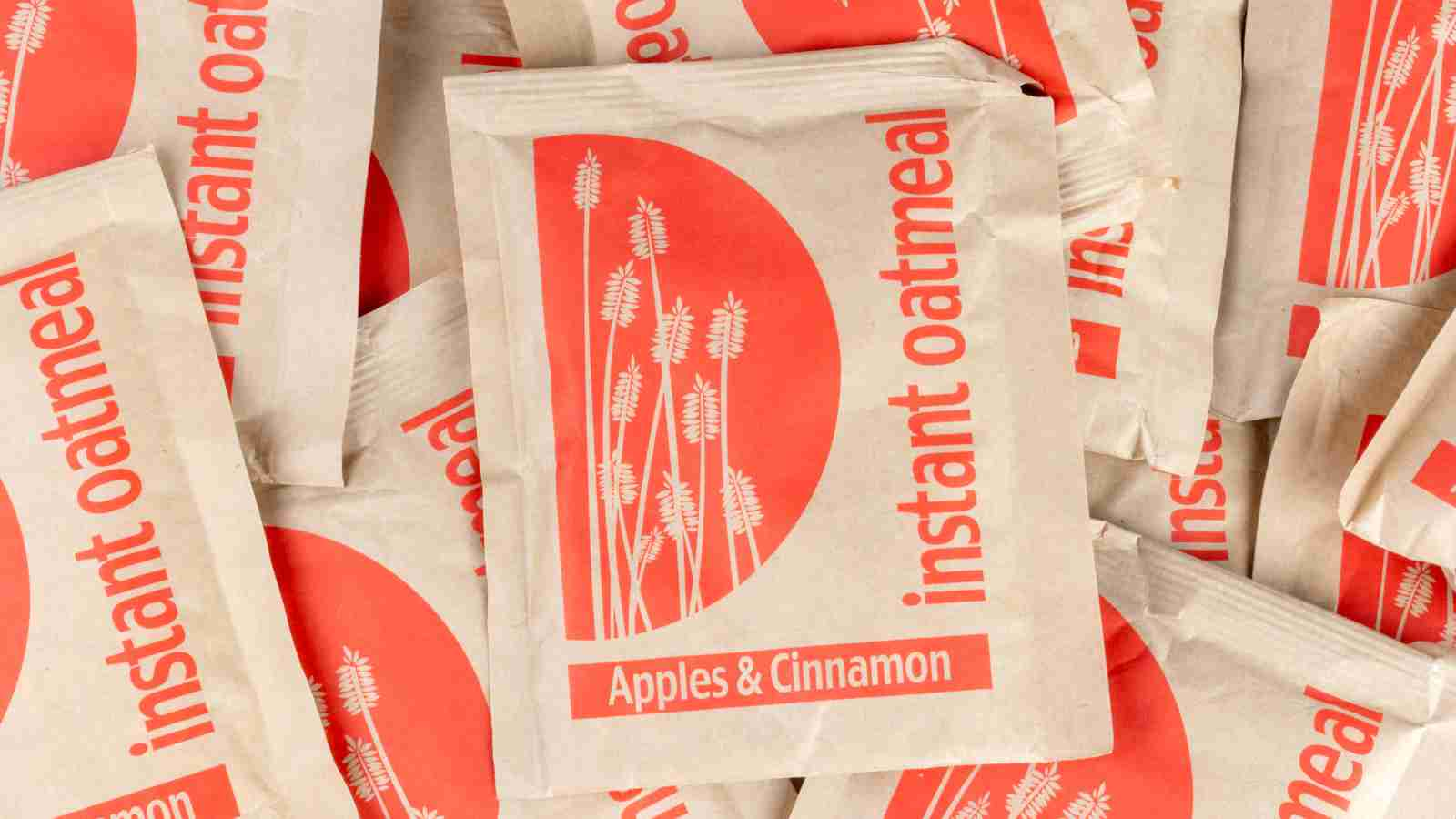
The oats themselves can technically last a long time, but it’s the flavored mix-ins that don’t age well. Added sugars, fruit bits, and powdered flavorings can oxidize or go rancid after a few years. You may notice an off-smell or stale taste even if the packaging looks intact. Humidity can also creep into paper packaging over time, turning the contents clumpy. When in doubt, skip the old packets and buy fresh ones.
Forgotten Jars of Nut Butters
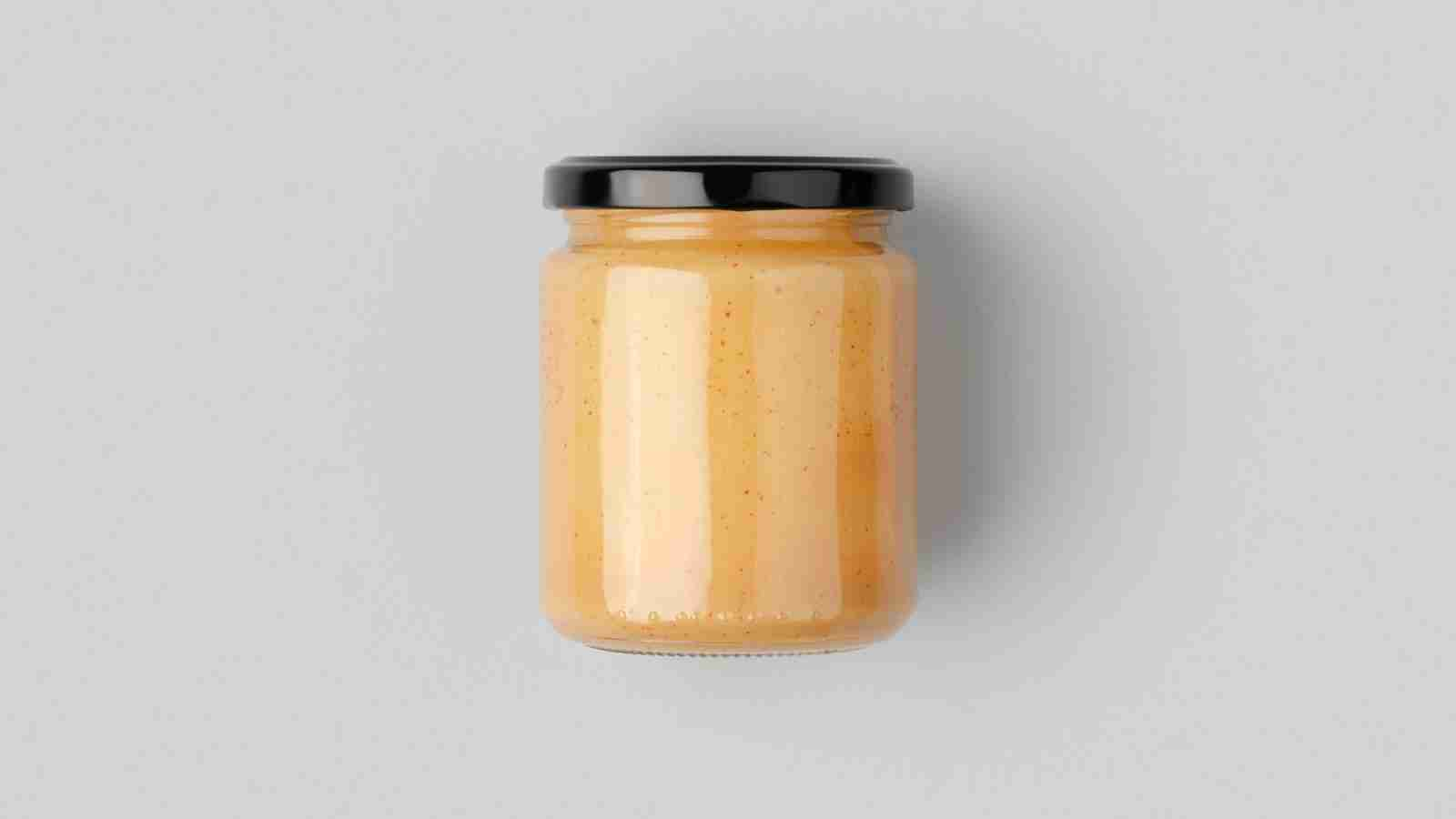
Nut butters contain natural oils that separate and oxidize with time. Once those oils break down, they create a sour or bitter smell that signals rancidity. Even if the surface is scraped clean, the spoilage goes throughout the jar. Refrigeration can slow this down, but room temperature storage shortens shelf life to about a year after opening. If your peanut butter smells off or tastes bitter, it’s no longer safe to eat.
Bottles of Vegetable Oil
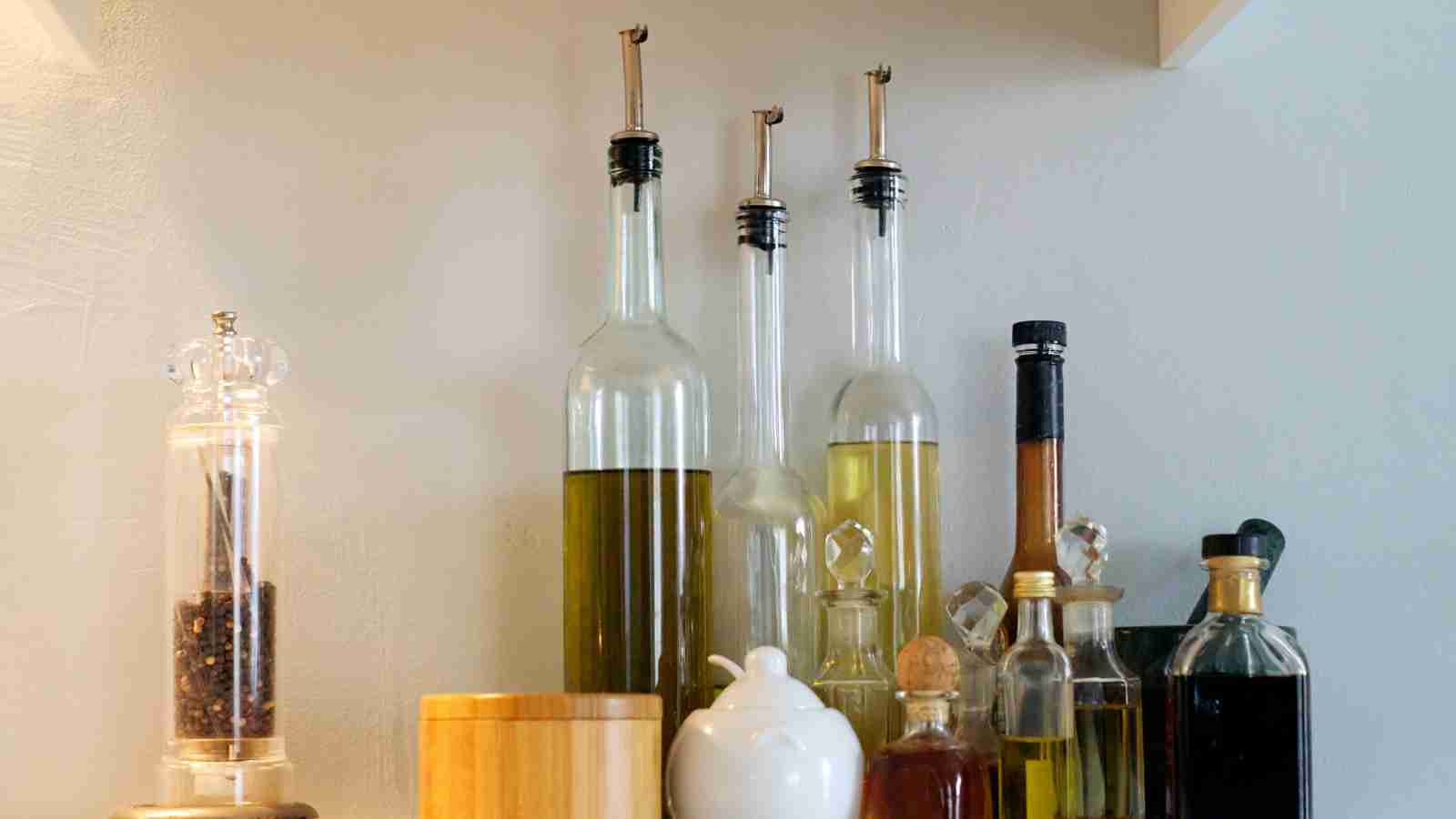
Oils break down over time, especially if exposed to light, air, or fluctuating temperatures. Rancid oil smells like old crayons or paint and can give your food an unpleasant, bitter flavor. Once the antioxidants naturally present in the oil degrade, spoilage accelerates quickly. Even unopened bottles have a shelf life, often around 6 to 12 months depending on the type of oil. Cooking with expired oil not only ruins dishes but may also introduce harmful compounds.
Expired Snack Bars
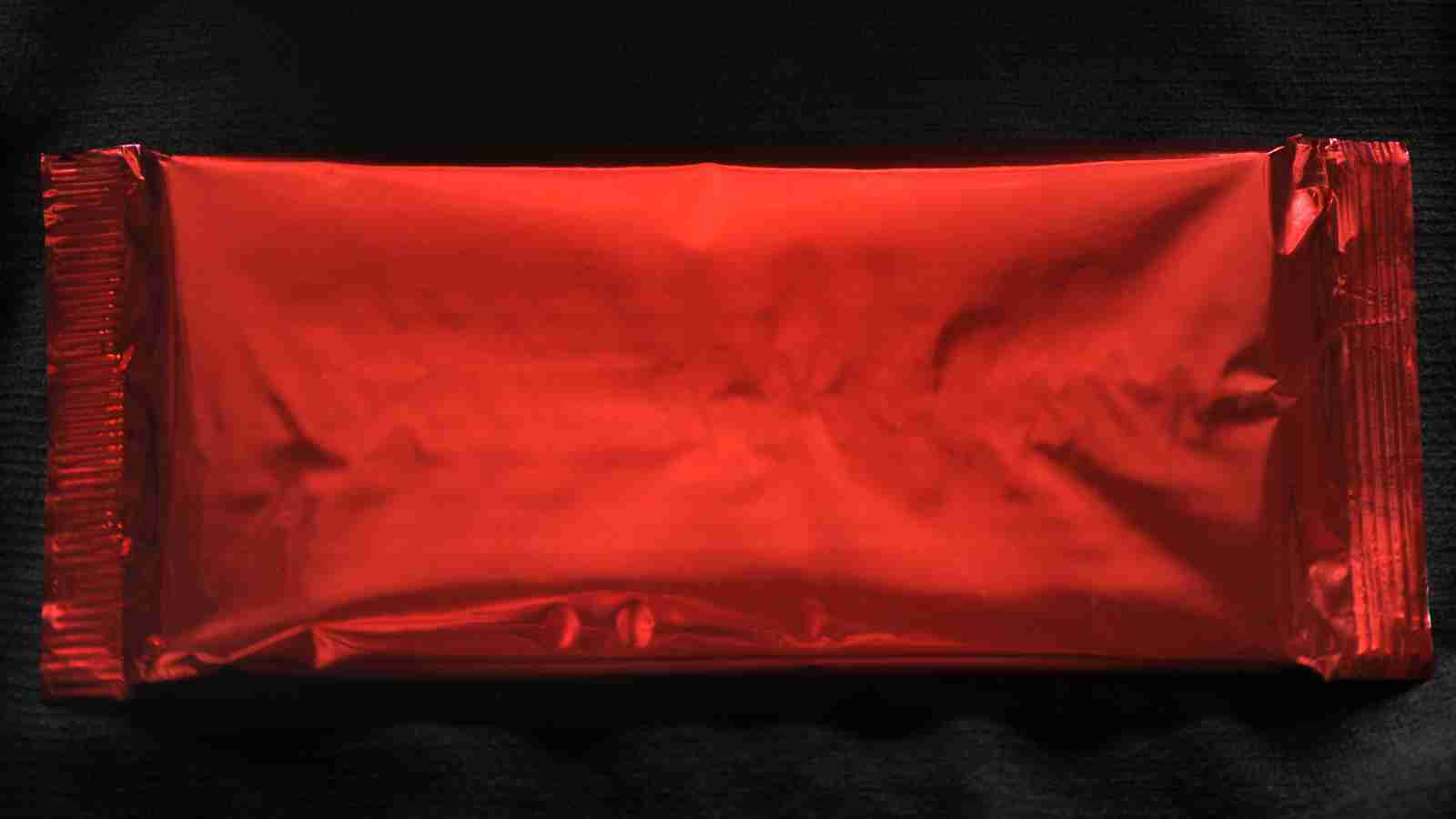
Pre-packaged bars might look fine, but the nuts, dried fruits, or chocolate inside can spoil individually. Over time, fats turn rancid, and moisture loss makes the texture unpleasantly hard or crumbly. Some bars may also grow mold if stored in humid conditions. Packaging integrity matters—any small tears or gaps speed up the aging process. Eating expired bars can lead to digestive discomfort or just a very disappointing snack.
Canned Tomato Products
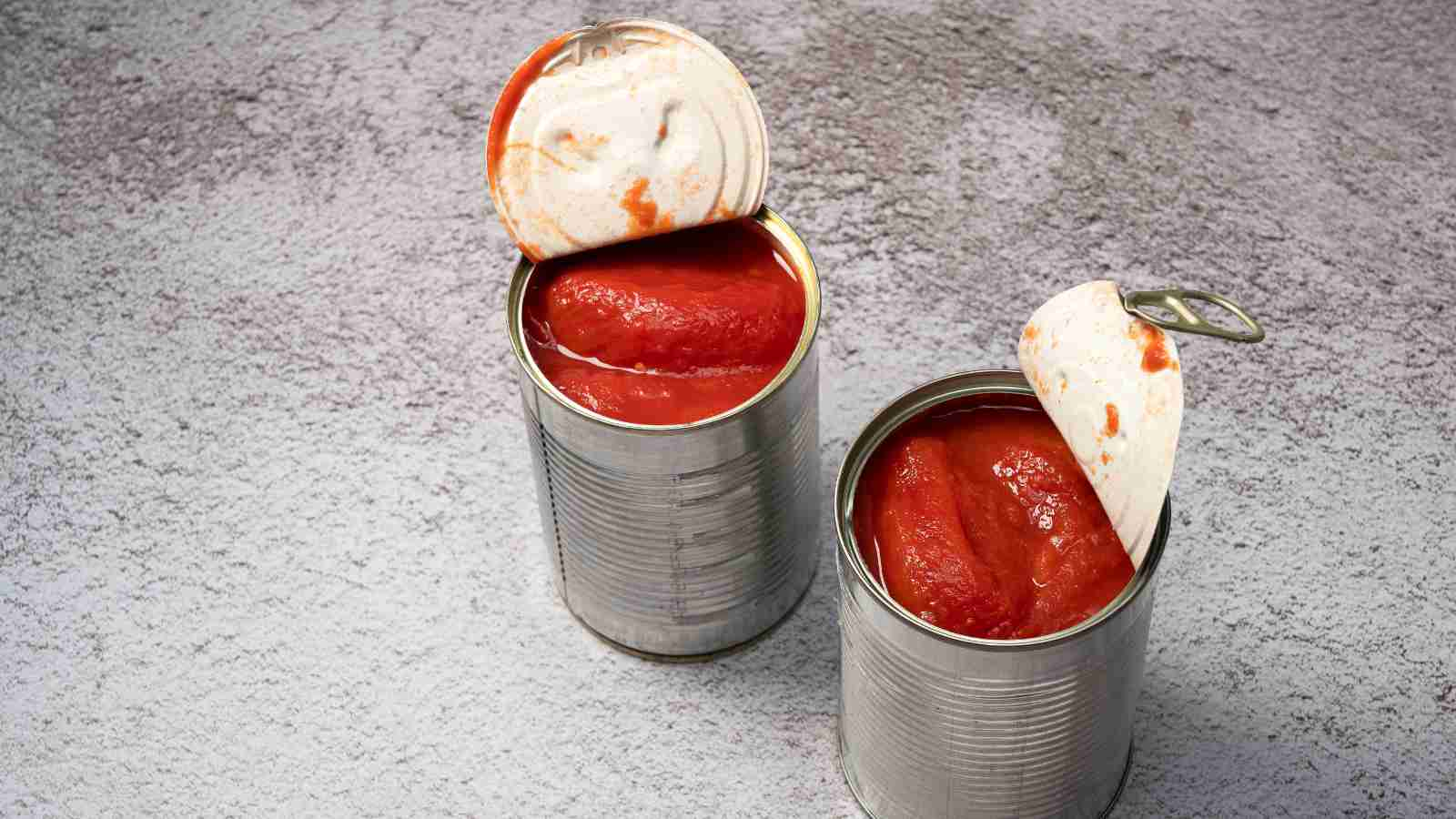
Tomatoes are highly acidic, which reacts with metal over time and weakens the can’s lining. This reaction can affect flavor and cause cans to swell or leak. Even if you don’t see visible damage, long-expired tomato products can taste metallic or sour. The acid breaks down the nutrients and texture over time, turning once-rich sauce into a watery mess. Never use a can that’s bulging, rusted, or more than a year past its expiration.
Cracker Boxes with One Sleeve Left
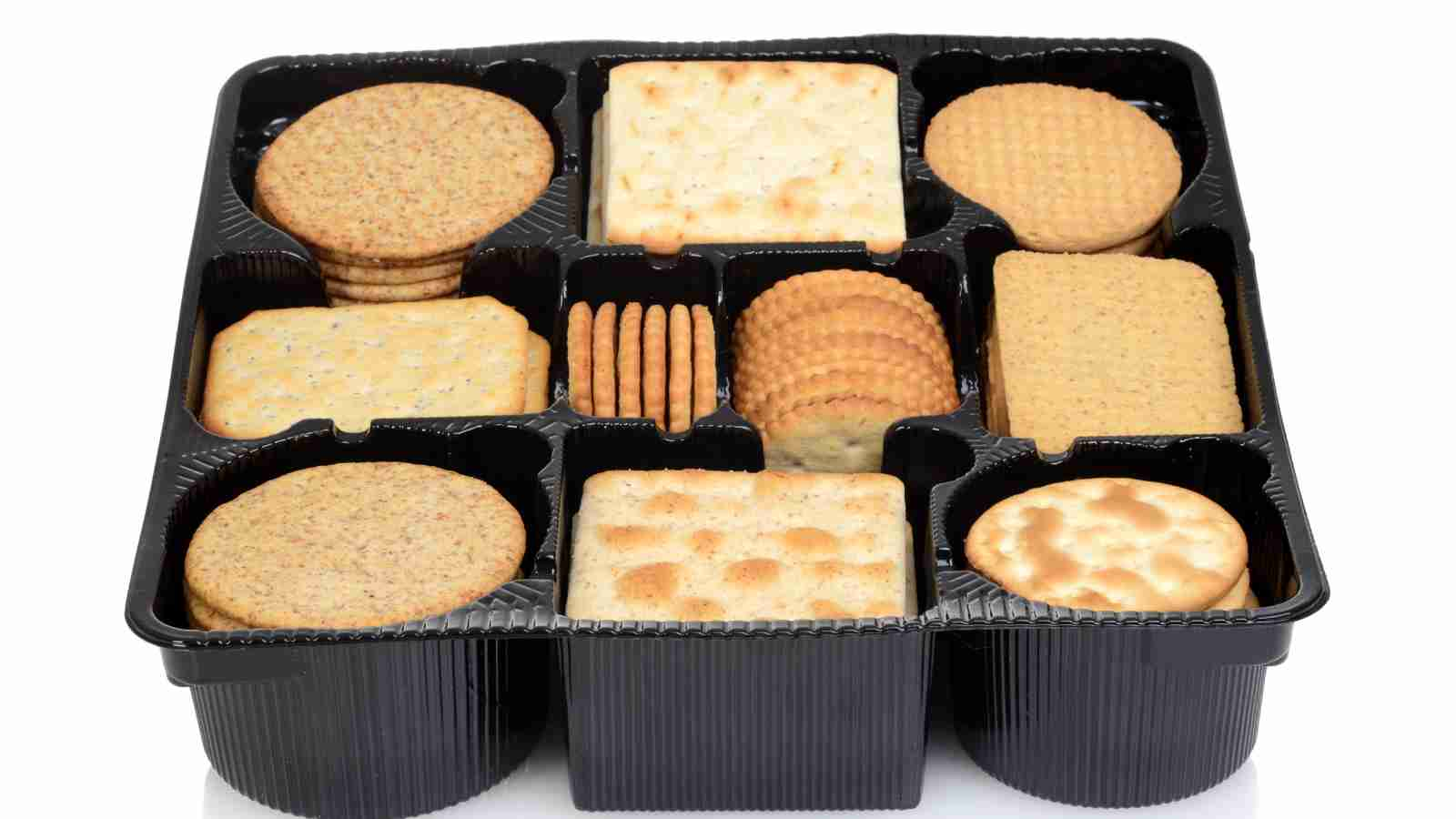
Crackers lose crispness as they absorb moisture from the air over time. Once the seal is broken, even if the inner sleeve is closed, staleness sets in quickly. Pantry pests like weevils or moths often target opened grain products, especially ones forgotten for months. Crumbs, strange smells, or a sticky sleeve are signs something’s wrong. If it’s been sitting around since your last holiday party, it’s best to toss it.
Mystery Grains in Unlabeled Bags
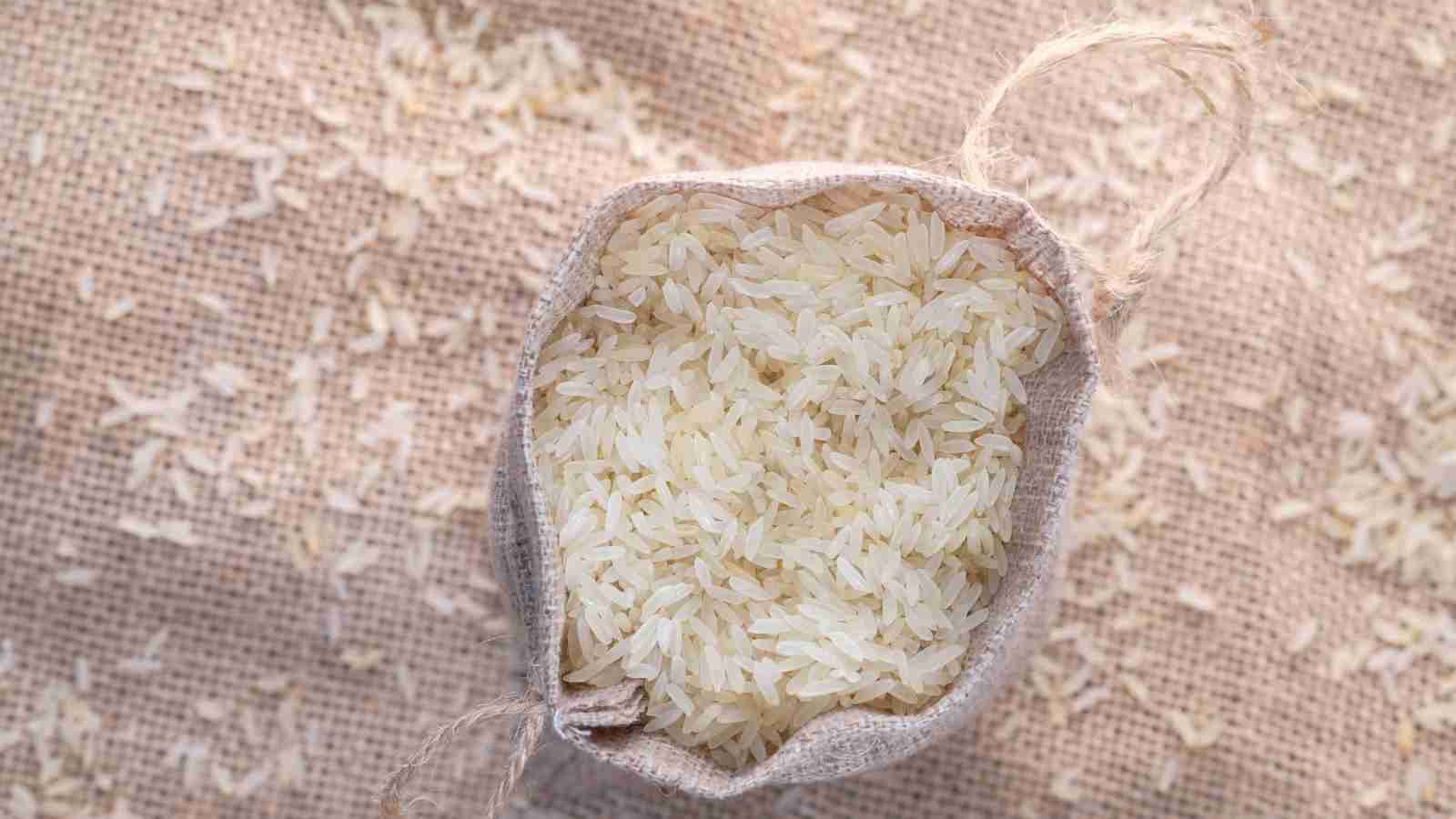
Storing bulk grains without labeling the purchase date is a recipe for waste. Over time, even dry grains degrade, losing flavor and sometimes attracting pests. Unmarked bags are especially risky because you can’t verify age or contents. Exposure to light, humidity, and air shortens shelf life dramatically. If you can’t remember when you bought it—or even what it is—there’s no reason to keep it.
Expired Broth Cubes or Bouillon Powder
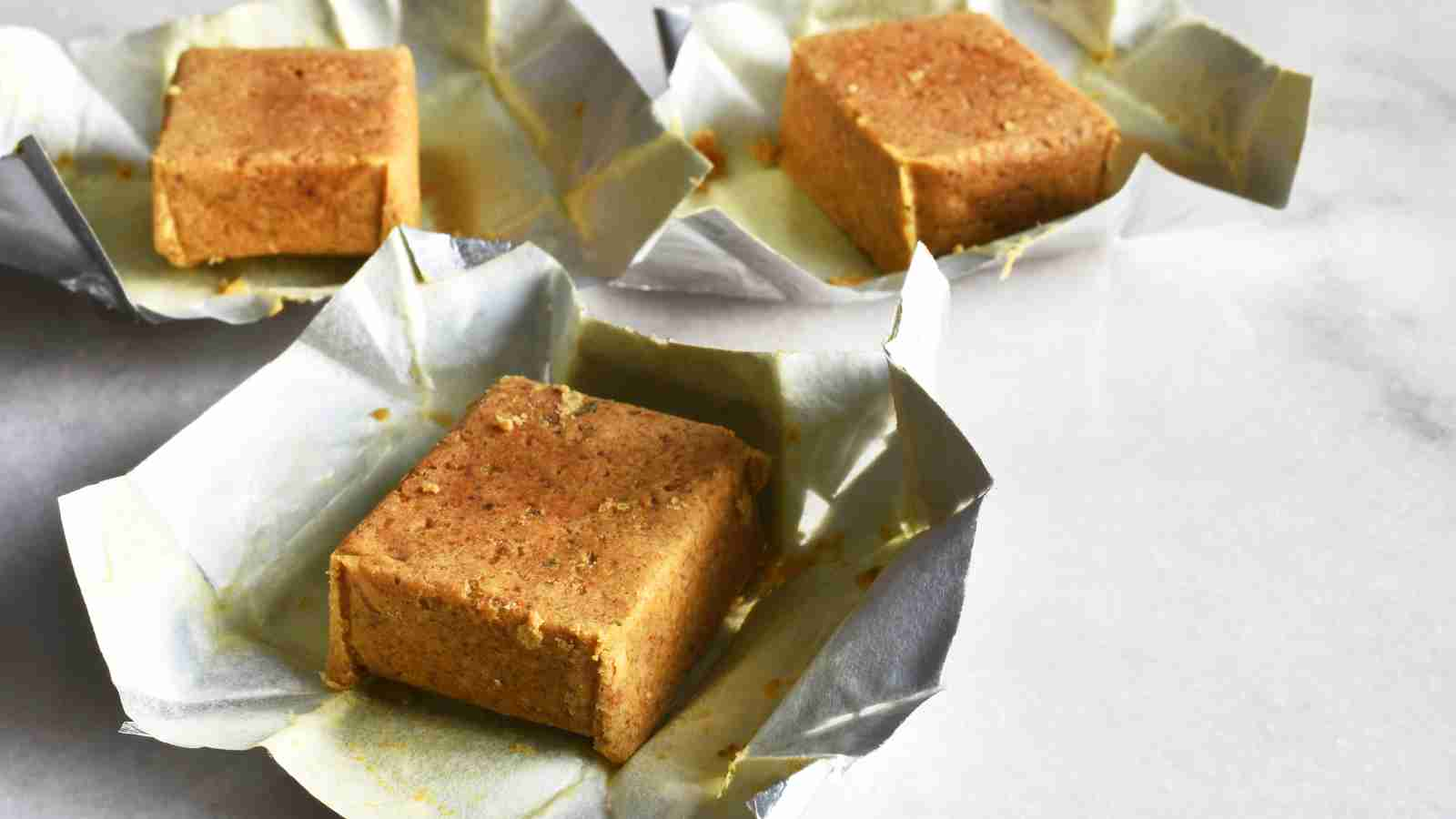
Dehydrated broth products contain fats, salts, and spices that degrade over the years. Old cubes often develop an unpleasant odor or change color, indicating oxidation. Moisture exposure is another concern—if the texture becomes soft or clumpy, it’s been compromised. Once the flavors break down, they won’t provide the rich taste you expect in soups or stews. It’s better to replace them than ruin a whole pot with off flavors.
Outdated Jams and Preserves
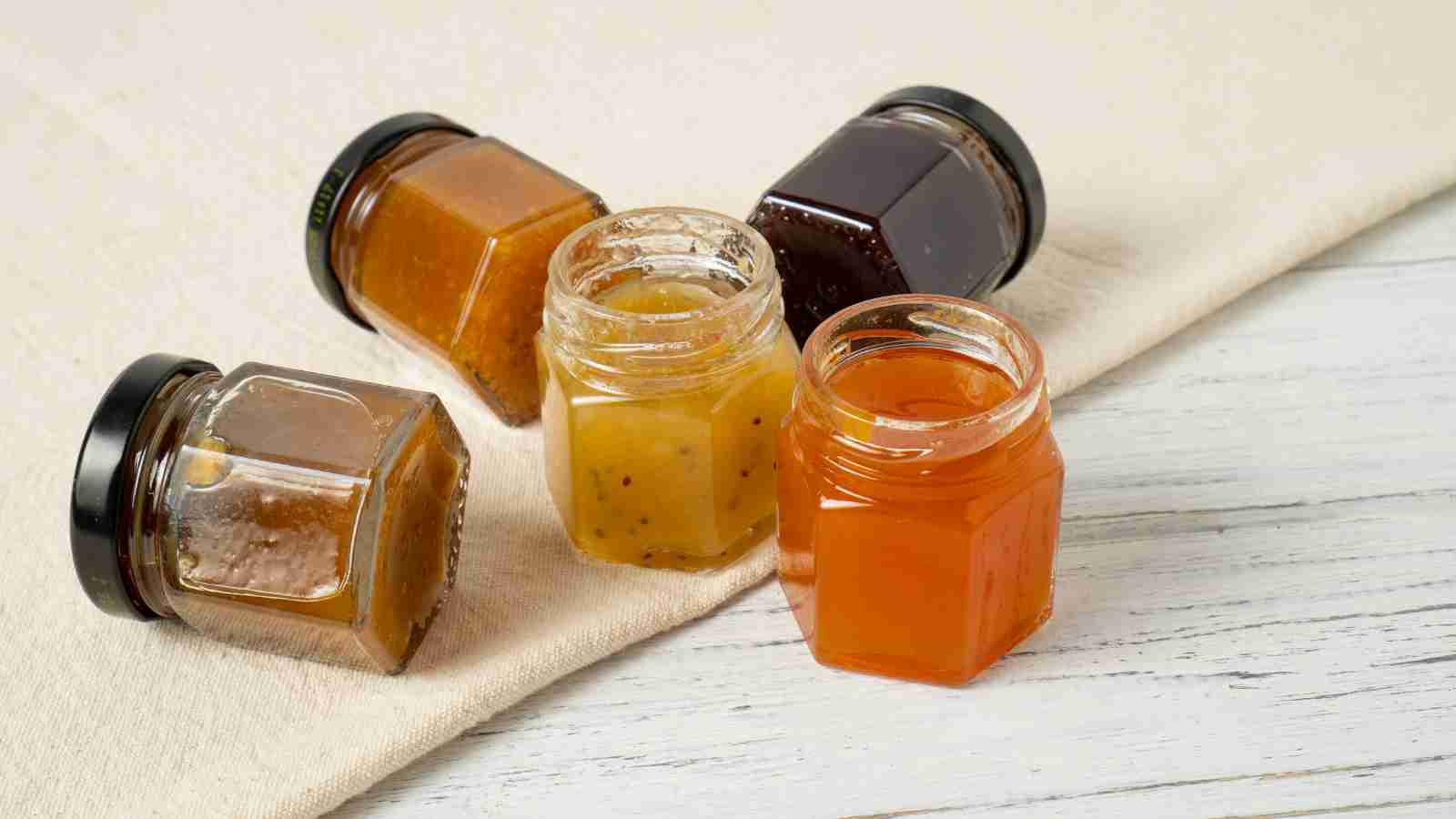
Even sealed jars of jam have a limit, especially if they contain no artificial preservatives. Over time, the sugars can crystallize and the fruit content can ferment, causing sour smells or bubbling. Spoilage may happen slowly, but once opened, these spreads last only a few months in the fridge. Old jam can also grow mold under the lid or around the rim, even if it looks fine on top. Don’t risk spreading it on anything if it’s been around for years.
Boxed Cake or Muffin Mixes
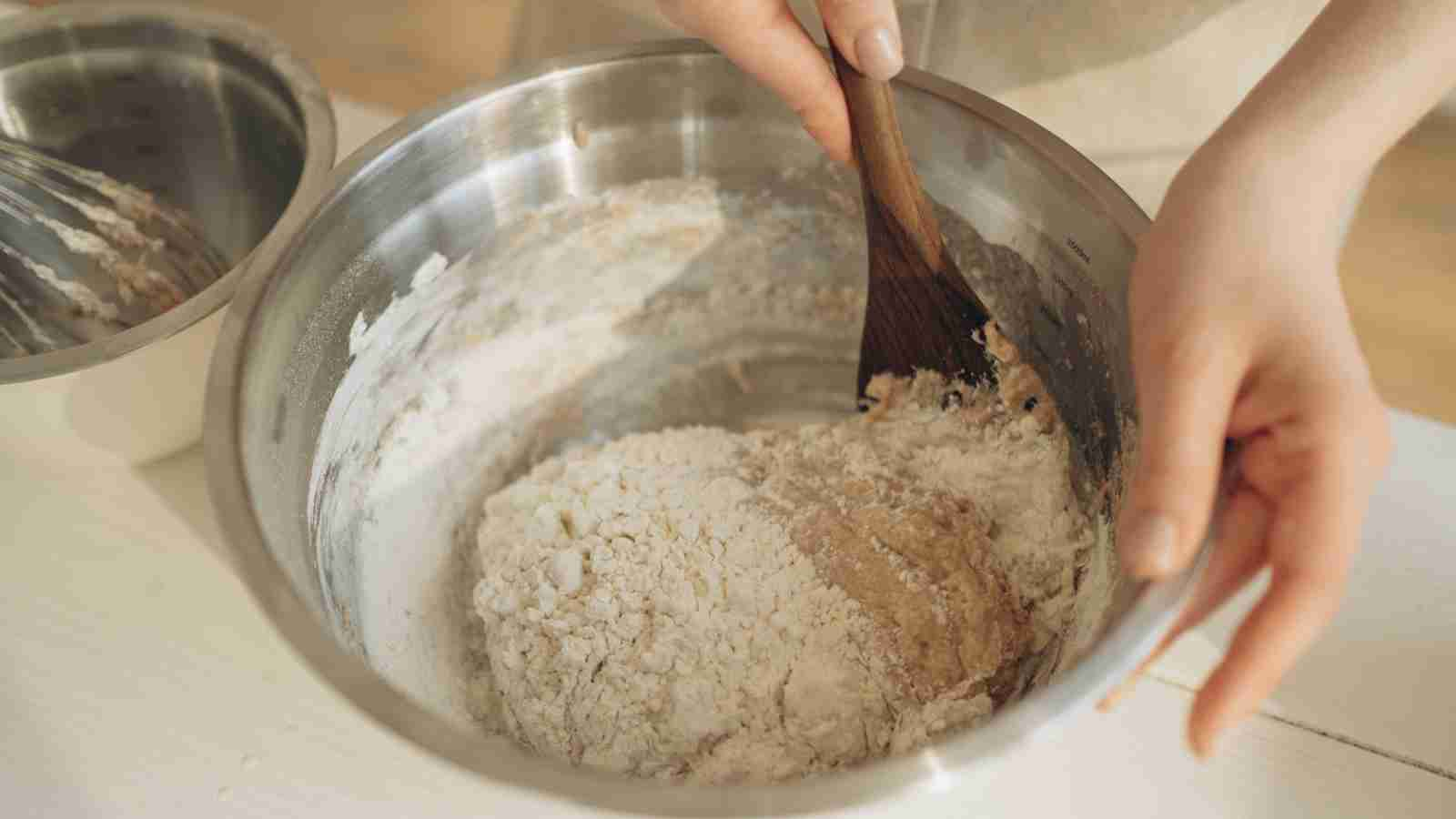
Pre-mixed dry baking products contain leavening agents that lose strength after about 12 to 18 months. You might end up with dense or unevenly baked results even if the box looks untouched. Ingredients like powdered milk, shortening, or flavoring can spoil or go stale within the mix. In some cases, insects may infest the packaging if not stored properly. Using old baking mixes can lead to disappointing results or wasted effort.
Tea Bags in Torn or Faded Boxes
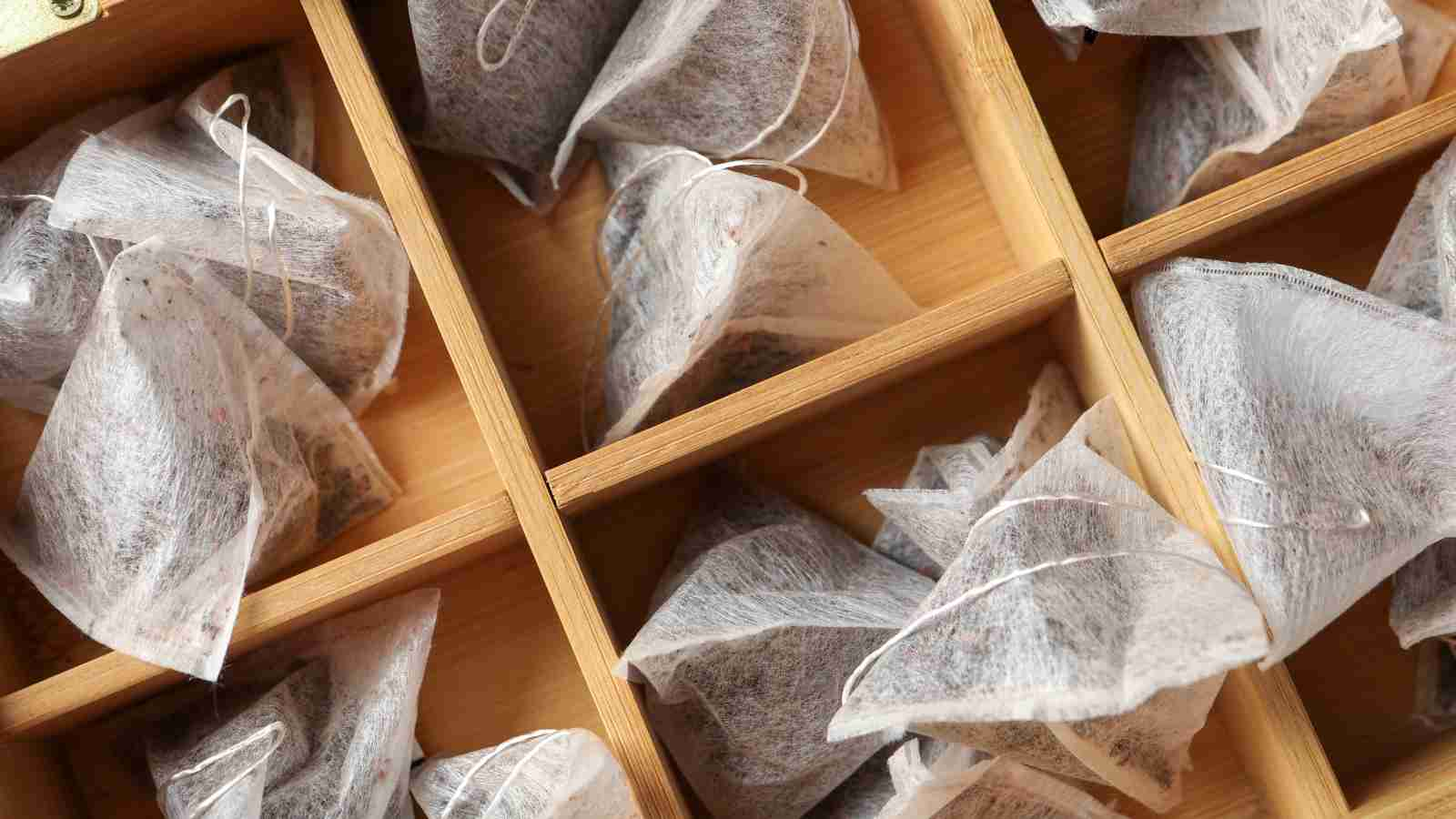
Tea doesn’t go “bad” in a dangerous way, but its aroma and health benefits fade quickly. Exposure to air, light, and humidity dulls the essential oils responsible for flavor. Herbal and green teas are especially sensitive and can become bitter or weak. Stale tea may also develop a musty odor or taste like cardboard. If your tea box is sun-bleached or missing its inner wrap, the contents are likely long past useful.
13 Processed Ingredients to Watch For (and Easy Replacements)

Here are 13 processed ingredients to watch out for—and what to use instead. Some have been linked to inflammation, digestive issues, or even chronic diseases when consumed regularly. While not all additives are dangerous, being aware of what you’re eating puts you in control. Choosing foods with fewer, more familiar ingredients is often a safer bet.
20 Habits That Make Healthy Eating More Automatic

Whether you’re trying to eat more vegetables, reduce overeating, or simply feel more in control, these 20 habits can make healthy eating second nature—no discipline marathon required. Instead of relying on willpower alone, you’ll be creating conditions that support better decisions, over and over again.

Tamara Tsaturyan is the owner and writer of Thriving In Parenting, a website focused on providing simple tips for busy parents — easy and healthy recipes, home decor and organization ideas and all things P A R E N T I N G.

Share Your Thoughts!
I love to know your thoughts, make sure to comment below to start a discussion! You can also follow me on your favorite social network below.