Parents are always looking for ways to make mealtime easier, and some food hacks just stick because they actually work. These tricks are about saving time, cutting stress, and getting kids to eat more without battles. Many of them use simple psychology—like giving kids choice, repetition, or fun visuals—to make meals more appealing. Some are all about convenience, making it easier for parents to grab and serve healthy foods. Here are 15 hacks parents swear by, with the reasons they actually make life a little smoother.

Cutting Food Into Fun Shapes

Kids notice what’s on their plate before they taste it, and cutting sandwiches, fruit, or cheese into fun shapes can make them way more interested. Star-shaped pancakes or animal-shaped sandwiches turn eating into a little game. Parents see that even picky kids will sometimes try foods just because they look fun. It also gives kids a tiny sense of control—they can pick their favorite shapes. Over time, it helps them approach new foods without a fuss.
Serving Veggies First When Kids Are Hungriest

Hunger can be your secret ally, and putting veggies on the table first takes advantage of that. Carrot sticks, broccoli, or cucumber slices go down easier when kids are actually ready to eat. Parents notice that early exposure without distractions makes kids less resistant. It also sets a healthy tone for the rest of the meal. Repeating it often helps vegetables feel normal, not negotiable.
Muffin-Tin Meals for Picky Eaters

Little compartments make meals less overwhelming, and muffin tins are perfect for that. Meatballs, fruit, and grains each get their own space, so kids can pick and choose without touching foods they don’t like. Parents find it works because kids feel in control. Portion sizes stay small, which reduces waste. Over time, it makes trying new foods easier.
Freezing Leftover Rice and Pasta in Portions

Busy nights get easier when rice or pasta is already portioned and frozen. A quick reheat cuts down on cooking stress and stops food from going to waste. Parents love that it saves time without skipping a balanced meal. It also means fewer decisions when dinner suddenly needs to come together fast. Frozen portions quickly become a lifesaver on hectic nights.
Letting Kids Build Their Own Plates

Giving kids a chance to assemble tacos, sandwiches, or bowls works wonders. When they pick what goes on their plate, they’re more likely to eat it. Parents notice that mealtime feels calmer because there’s less arguing. It gives kids ownership without added rules or pressure. Doing it often makes meals feel fun instead of a battle.
Hiding Vegetables in Familiar Foods

Sneaking pureed veggies into pasta sauces, muffins, or meatballs helps kids get nutrients without a fight. Spinach in brownies or carrots in meatloaf works because the familiar flavors are front and center. Parents see less pushback and more acceptance. Over time, it can gently expand a child’s palate. This trick works best alongside visible servings, not instead of them.
Repeating New Foods Without Pressure

Offering a new food again and again without comments or pressure helps kids get used to it. Roasted veggies or grains feel less scary when they’re served multiple times. Parents notice that familiarity makes tasting easier. Kids start to accept foods just by seeing them regularly. It’s a slow, low-stress way to grow their food horizons.
Turning Snacks Into Mini Meals

Balanced snacks can prevent meltdowns and keep energy steady. Cheese sticks, fruit, and whole-grain crackers make a mini meal kids actually eat. Parents use this to fill gaps before dinner without chaos. Snacks become another chance for nutrition rather than just empty calories. Kids stay satisfied and parents avoid last-minute battles.
Offering Dips With Fruits and Vegetables

Dips make fruits and veggies way more appealing. Hummus, yogurt, or peanut butter can get kids to try carrot sticks or apple slices they’d usually skip. Parents notice more bites get eaten when dipping is involved. It adds a little fun and control, letting kids decide how much to dip. Over time, even picky eaters start enjoying new foods.
Pre-Chopping Produce Right After Grocery Shopping

Washing and cutting fruit and veggies as soon as you get home makes healthy eating easy. Carrots, bell peppers, or berries are ready to grab for snacks or meals. Parents see that convenience often equals follow-through. It saves time during the week and reduces waste. Kids are more likely to eat what’s already prepared.
Using “Try One Bite” Rules

Asking kids to just try one bite keeps mealtime low-pressure. A single bite of broccoli or a new grain can feel doable instead of scary. Parents notice that battles drop when the expectation is small. Kids feel safe and in control, which encourages tasting. Over time, this tiny rule can lead to bigger acceptance.
Rotating Breakfasts Instead of Reinventing Them

Sticking to a few breakfast options saves a lot of mental energy. Oatmeal, eggs, or fruit bowls give variety without chaos. Parents find mornings smoother when kids know what to expect. It also helps children feel secure and ready to start the day. Rotation makes healthy choices easy and consistent.
Packing Lunches the Night Before

Even a little prep the night before can calm chaotic mornings. Sandwiches, cut fruit, and snacks ready to go reduce rushing. Parents see fewer forgotten items and smoother routines. Kids get predictable meals and learn organization. Over time, it becomes a simple, stress-free habit.
Eating the Same Food as the Kids

Kids notice what parents eat, and sharing the same meal makes them more willing to try it. Pasta, vegetables, or sandwiches feel less scary when everyone is eating the same thing. Parents find mealtime tension drops when they model eating the food themselves. It teaches acceptance without arguing. Repeating it builds a habit of shared meals.
Using Colorful Plates and Utensils

Bright plates and fun utensils make meals more engaging for kids. Colorful spoons, forks, or bowls can encourage trying foods that might otherwise be ignored. Parents notice children play with their food less when they enjoy the tableware. It also adds a playful vibe without extra work. Over time, kids start eating more freely just because the setting feels fun.
20 Tricks Parents Use To Help Picky Eaters Try New Foods
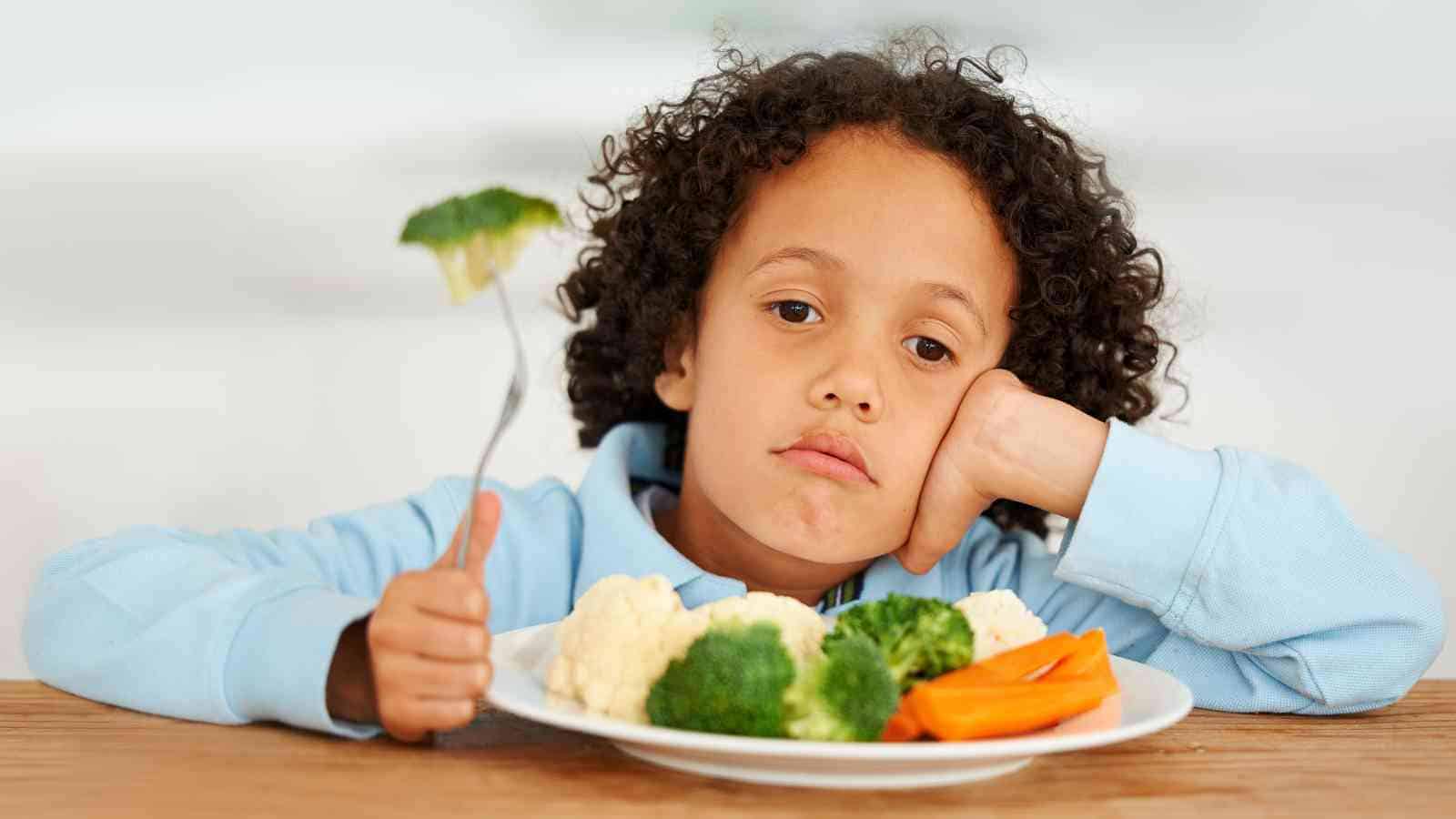
Every parent knows it’s not just about getting food into little bellies—it’s about teaching them to enjoy flavors, textures, and the joy of eating together. The journey isn’t always smooth, but each attempt helps kids slowly build trust with food. These tricks aren’t about sneaky shortcuts, but about guiding kids toward discovering that food can be fun, interesting, and even exciting. With a little persistence, patience, and love, mealtime can shift from a battle zone to a place of tiny celebration.
20 Ways To Reduce Sugar Without Kids Complaining

The last thing you want is to feel like the “bad guy” for saying no, but at the same time, you know too much sugar isn’t helping. The goal isn’t to take away every little thing they enjoy, but to make changes that feel natural enough that they don’t fight you on it. Sometimes it’s about adjusting what you already make, and sometimes it’s about creating new go-to options that feel fun for them. Small shifts add up, and before long, those healthier habits start to stick without all the pushback.

Tamara Tsaturyan is the owner and writer of Thriving In Parenting, a website focused on providing simple tips for busy parents — easy and healthy recipes, home decor and organization ideas and all things P A R E N T I N G.

Share Your Thoughts!
I love to know your thoughts, make sure to comment below to start a discussion! You can also follow me on your favorite social network below.