Watching your kids light up over gifts is priceless, but seeing piles of toys that barely get touched is its own kind of stress. Learning to balance joy with calm has become a survival skill for many families, and it doesn’t have to feel like limiting the magic. Thoughtful approaches can make the season feel full of laughter, connection, and moments that actually stick. These 15 strategies show how gifts can be meaningful, manageable, and still make every smile count.

The “Four-Gift Rule”
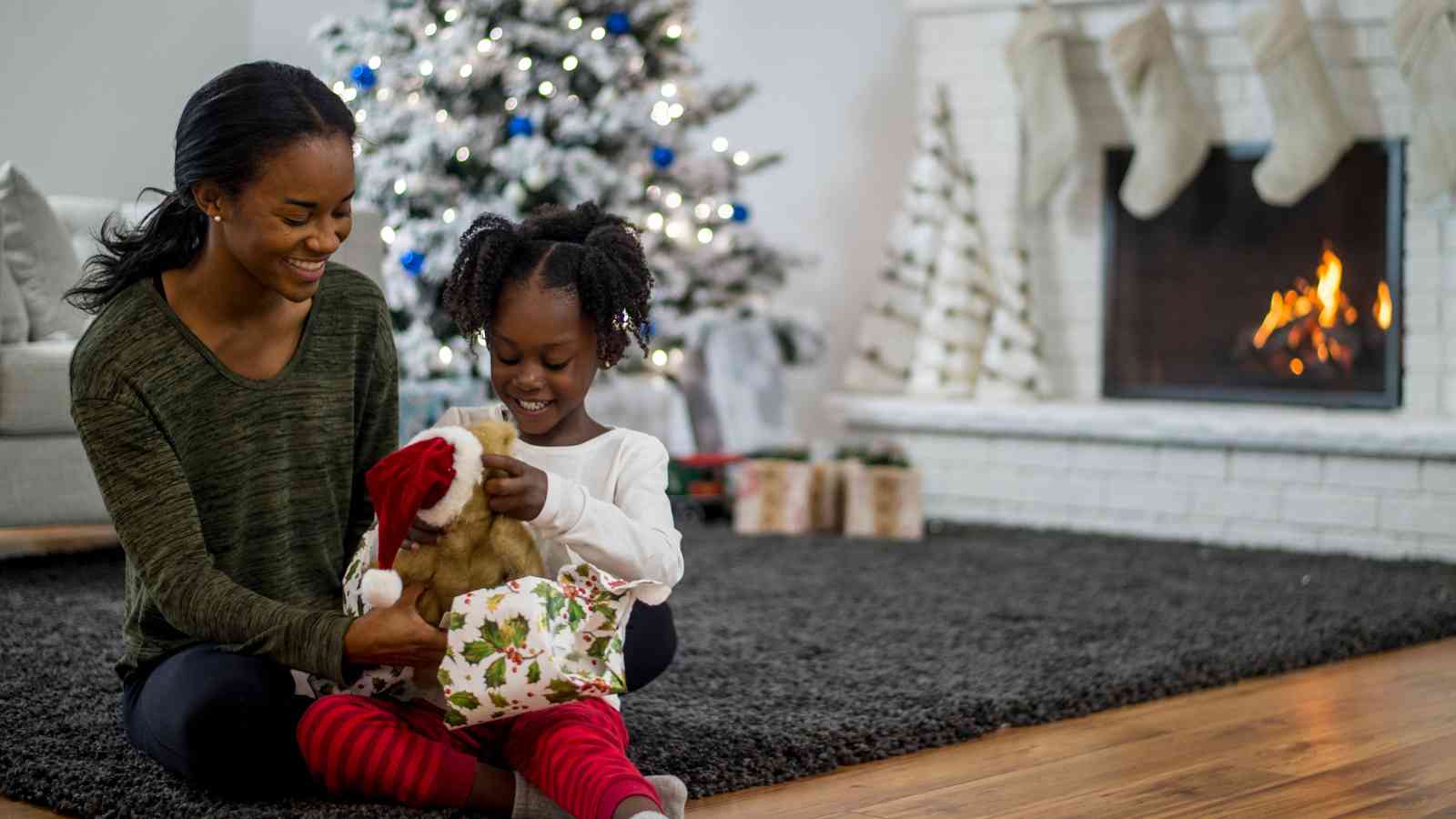
Following the four-gift structure turns holiday shopping into a game with clear goals. Each category—want, need, wear, read—helps create balance while still leaving room for surprises. Kids learn to appreciate thoughtful choices rather than stacks of random items. Parents enjoy a simpler, more organized shopping experience without feeling like they’re shortchanging the holiday spirit. It keeps excitement alive while gently teaching moderation.
Making Experiences the Main Present

Giving an experience instead of another toy creates memories that last longer than anything on a shelf. Zoo trips, pottery classes, or weekend adventures spark joy that stays with the family. Children learn that fun can come from shared moments, not just objects. Parents notice how anticipation builds differently when a trip or event is the focus. Experiences can bring laughter, learning, and bonding all in one, making the holiday feel bigger than a gift box.
Prioritizing Quality Over Quantity
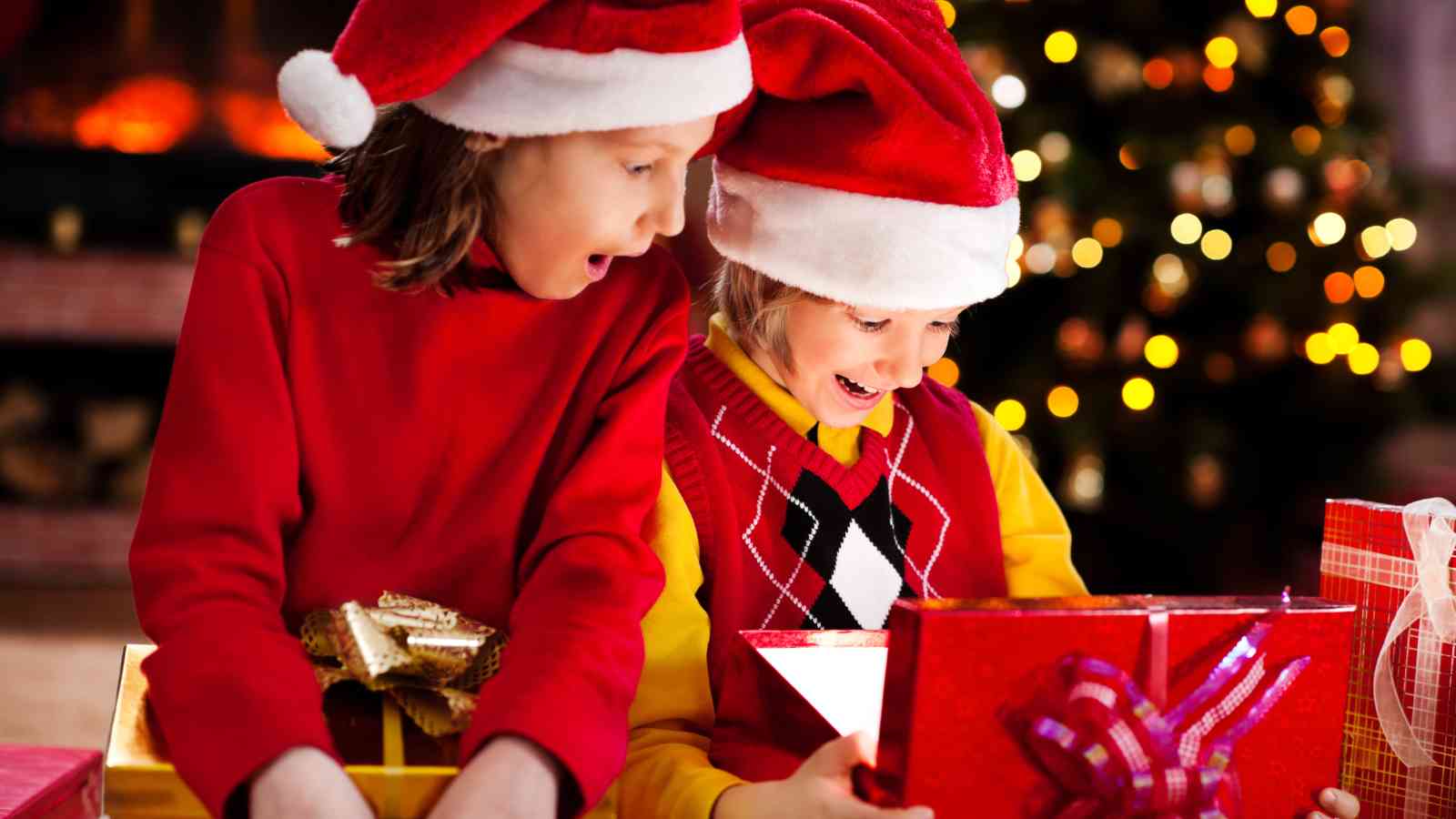
A single, well-chosen gift can leave a stronger impression than a pile of small toys. Kids get to enjoy something truly special instead of scattering their attention across five items that lose charm by lunchtime. Parents appreciate the reduced clutter and the chance to invest in something meaningful. Every unwrapping moment becomes a highlight rather than a blur. Focusing on quality teaches children to value what they have and enjoy it fully.
Secret Santa Among Siblings

Turning gift-giving into a sibling Secret Santa keeps shopping fun and manageable. Each child focuses on surprising just one other person, which sparks creativity and anticipation. Parents dodge the stress of buying for multiple kids multiple times. Kids practice thoughtfulness and learn the joy of giving without feeling overwhelmed. The system keeps excitement alive while avoiding unnecessary extras.
Setting a Clear Gift Budget Early
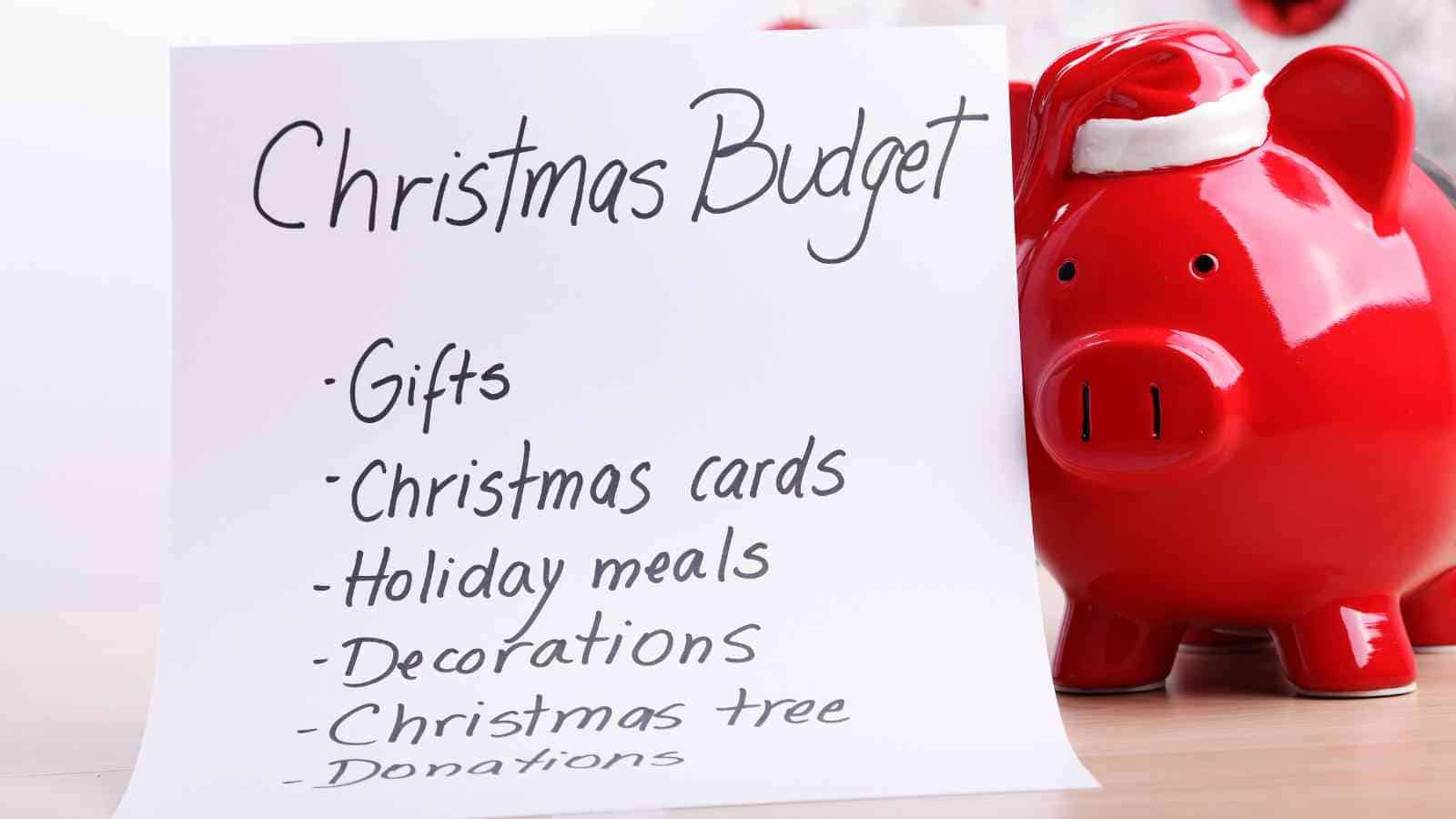
Agreeing on a budget ahead of time brings calm to the chaos. Kids notice the limits but still feel excitement within the set boundaries. Parents can shop with confidence, avoiding spur-of-the-moment purchases that pile up quickly. Budgeting encourages smarter choices and teaches the value of money in a gentle way. When limits are clear, gifts feel intentional and meaningful rather than random.
Asking Relatives to Choose from a Wishlist
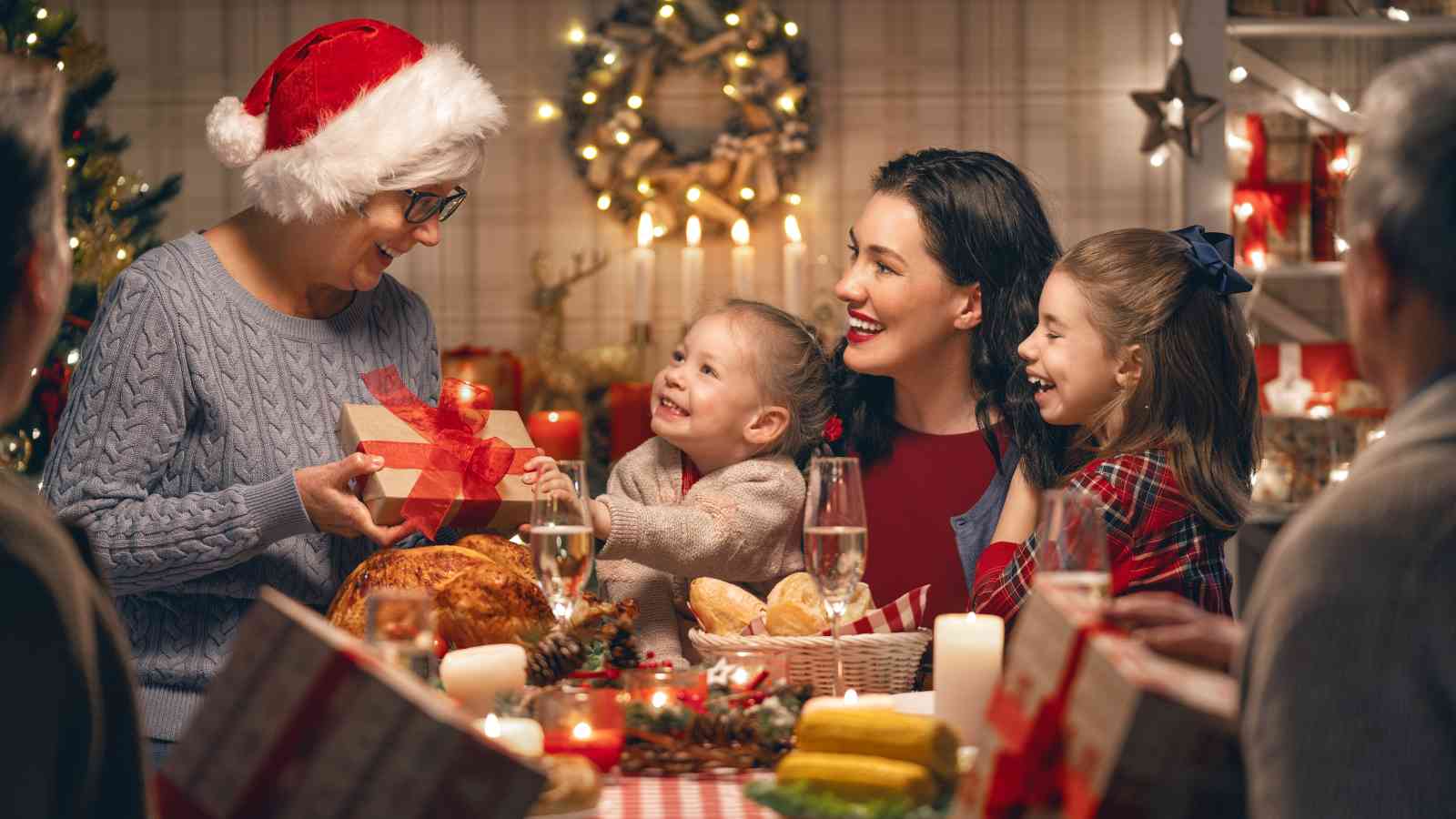
Sharing a concise wishlist keeps everyone on the same page. Kids get what they genuinely hope for, and parents avoid unwanted extras cluttering the home. Relatives feel included without the stress of guessing. The process encourages communication about preferences and priorities. It’s a simple way to maintain joy while keeping gifts purposeful.
Pre-Holiday Toy Declutter
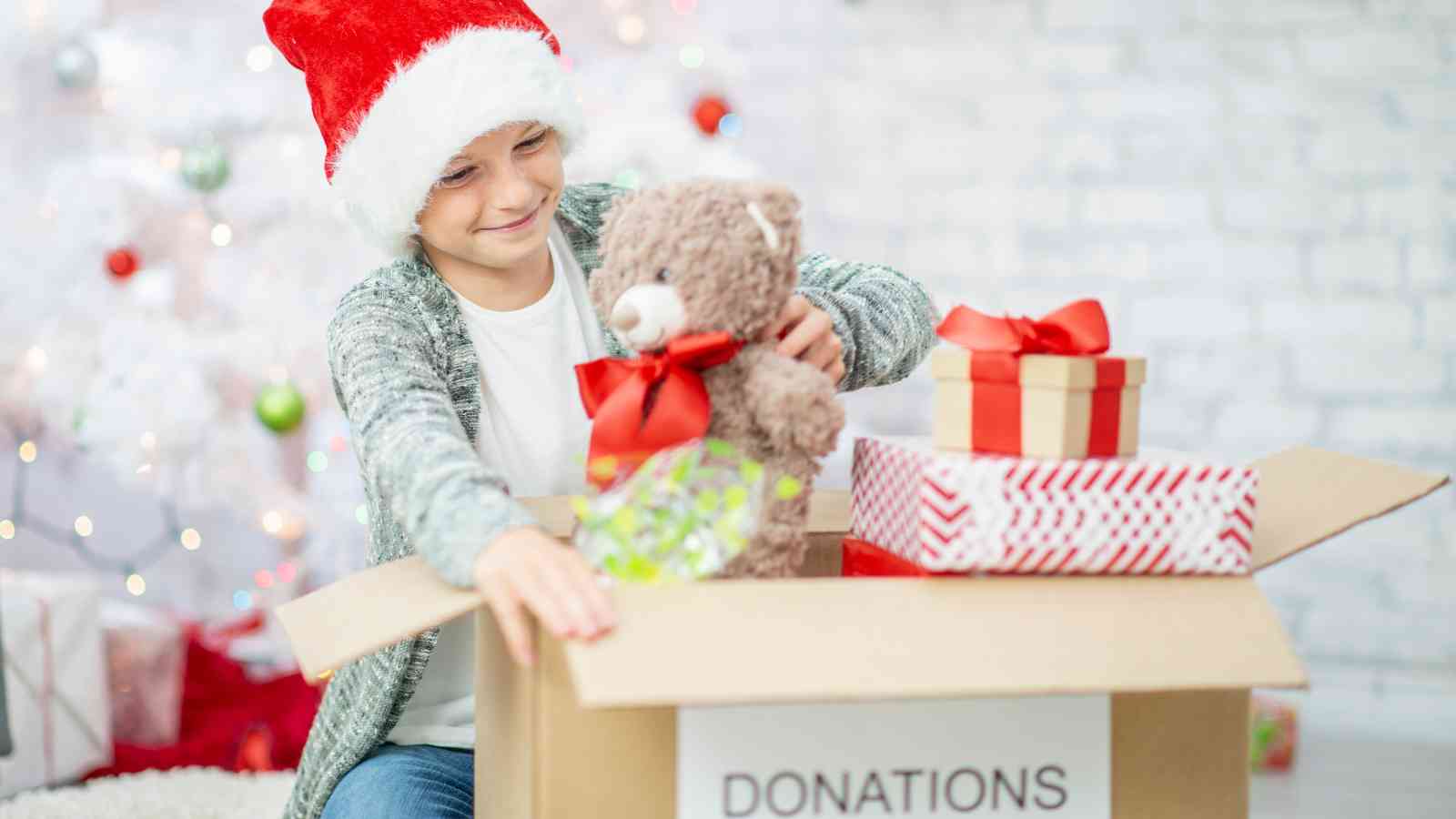
Clearing out toys before new ones arrive sets the stage for a fresh start. Children learn generosity by donating items they no longer use. Parents gain space and a calmer environment for unwrapping new treasures. The habit also highlights mindful consumption, showing kids that possessions are meant to be enjoyed, not hoarded. It transforms giving and receiving into a more meaningful experience.
One Big Family Gift
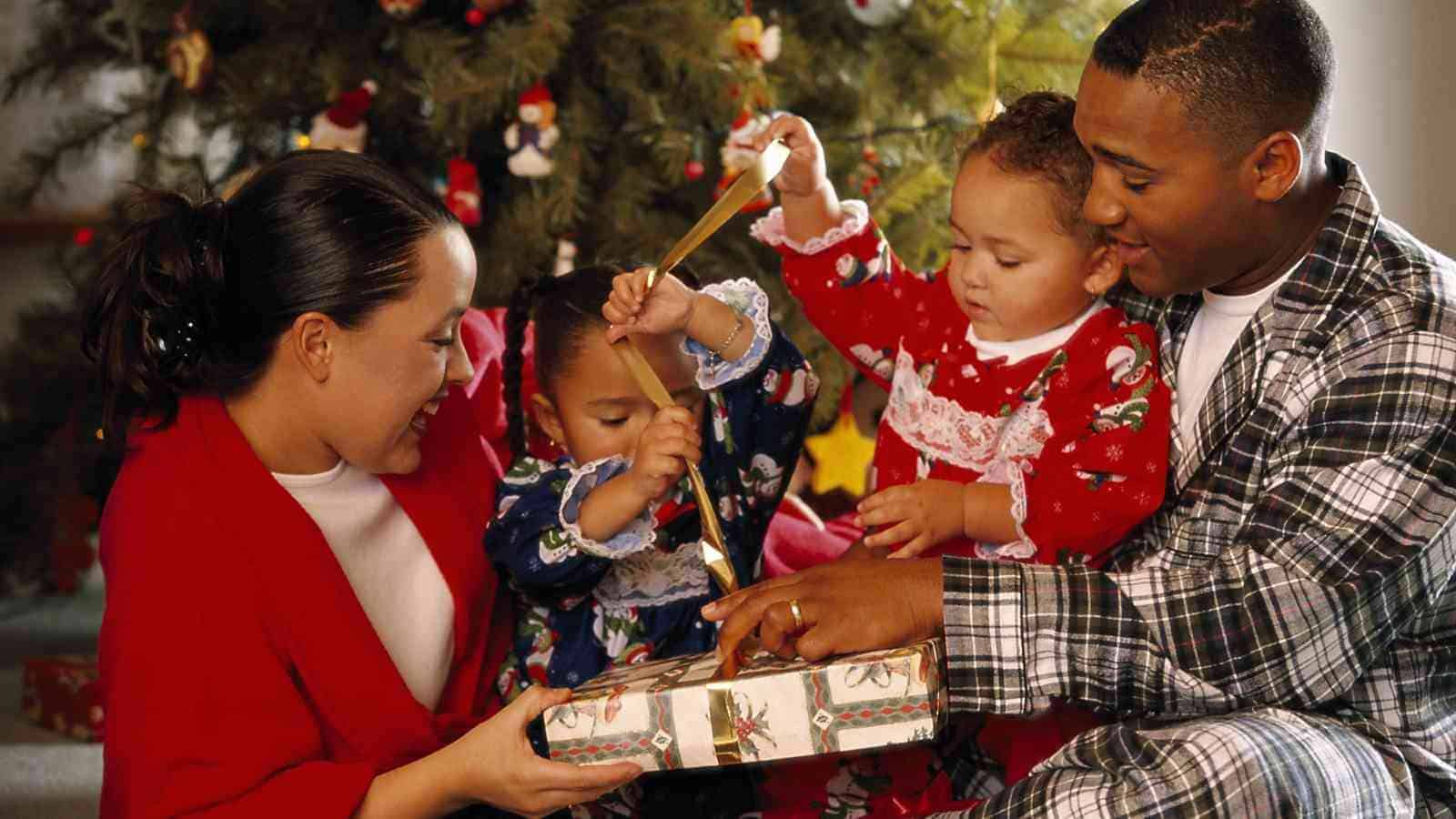
A shared present brings everyone together in celebration. It could be a gaming console, a trampoline, or something the whole family can enjoy. Kids learn to collaborate and share excitement over something that benefits everyone. Parents enjoy a gift that creates ongoing joy rather than temporary thrills. One big gift often becomes the highlight of the season for the whole household.
Spacing Gifts Throughout the Season

Opening presents over several days extends the magic of the holidays. Kids get to savor each gift and feel anticipation build gradually. Parents avoid a single overwhelming morning of chaos. Small daily or weekly surprises maintain excitement without overloading anyone. This approach keeps the energy positive and continuous, rather than frenzied and fleeting.
Focusing on Stocking Stuffers with Purpose
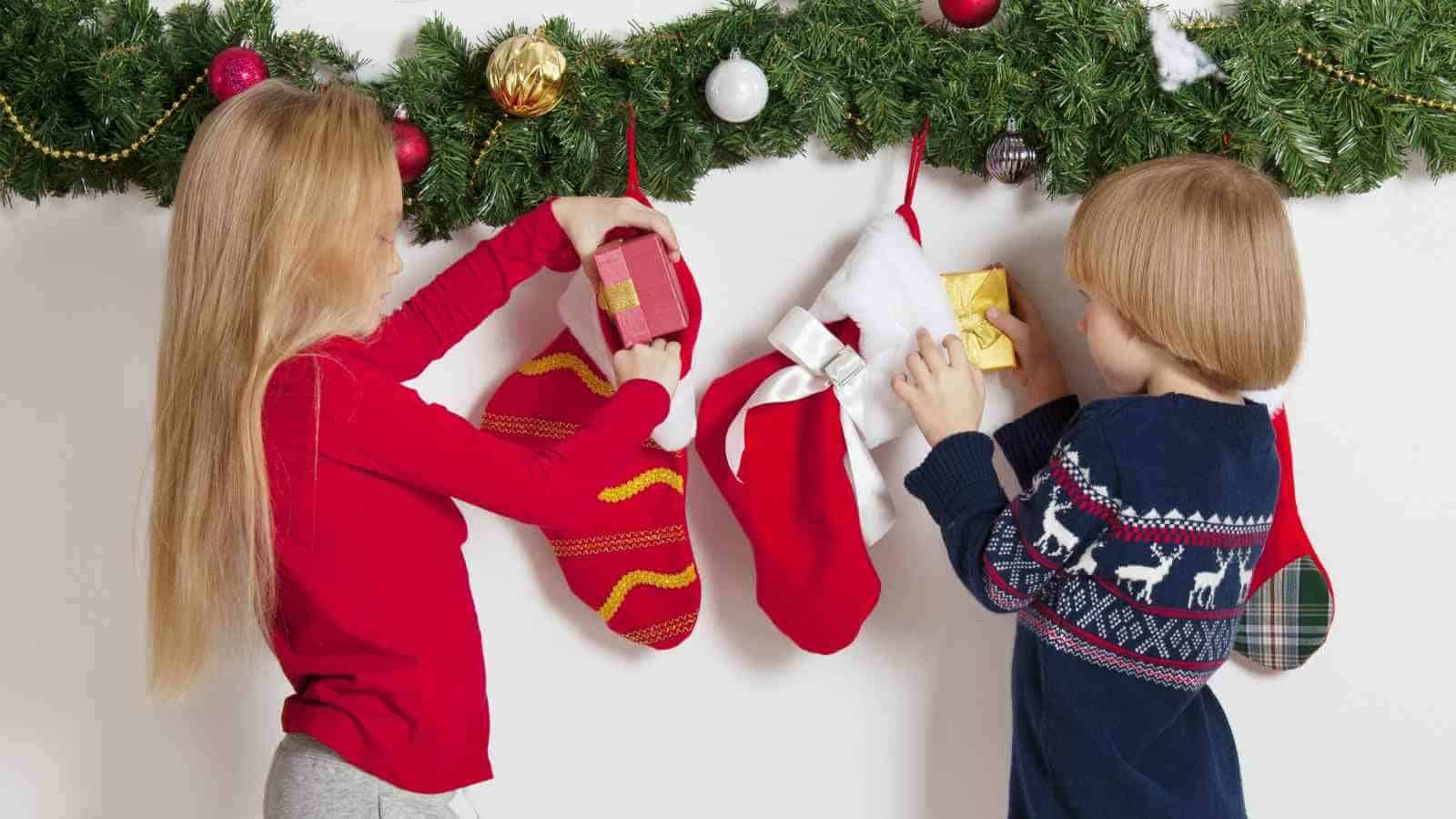
Thoughtful little items turn stockings into treasures without cluttering the home. Socks with favorite characters, snacks kids love, or practical bath products add charm without excess. Parents appreciate the simplicity while kids enjoy surprises that feel personal. It’s a way to mix function with fun and keep holiday traditions alive. Every unwrapping moment becomes a tiny highlight of the season.
Creating a “Wish List vs. Need List” Chart
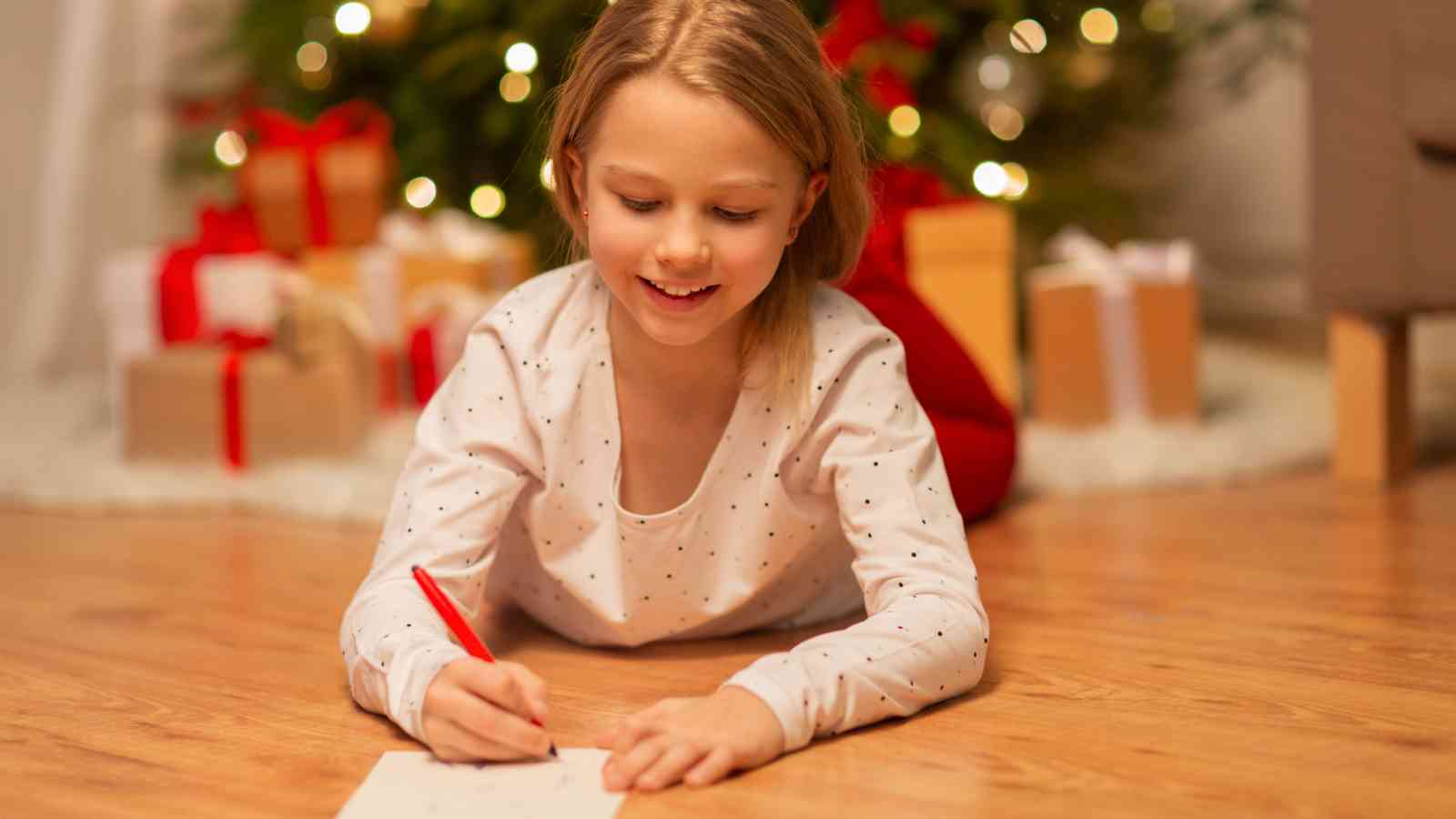
Separating wants from needs builds awareness and fosters gratitude. Kids begin to understand the difference between what excites them and what truly matters. Parents can guide shopping choices without dampening joy. It encourages thoughtful thinking and sets realistic expectations. This practice makes the holiday feel intentional and grounded, even amidst the excitement.
Gift-Giving With a Theme
Choosing a theme helps shopping stay focused and creative. Art supplies, sports gear, or puzzle sets create cohesion and reduce random impulse buys. Kids get a collection of items that complement each other and match their interests. Parents enjoy the clarity and simplicity in choosing gifts. A themed approach turns opening presents into a story rather than a scatter of items.
Encouraging Handmade Gifts
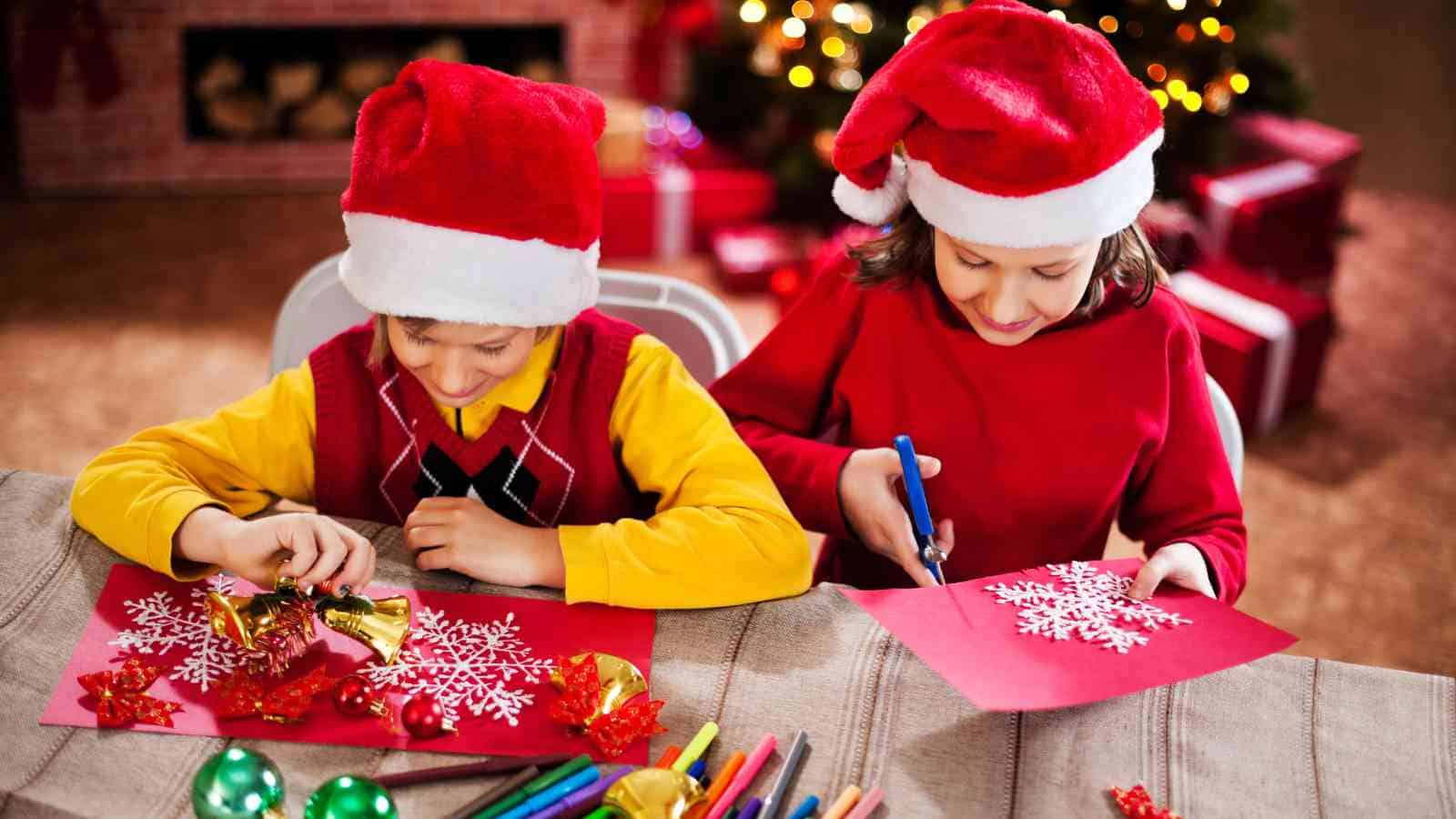
Crafting gifts brings out creativity and heart in every exchange. Coupons, drawings, or small crafts hold sentimental value that outshines any store-bought item. Parents love watching kids pour effort and personality into what they give. Handmade presents keep spending low while the emotional impact soars. They reinforce connection and thoughtfulness, making every gift meaningful.
Rotating Toys After the Holidays
Storing some toys for later stretches out excitement and reduces overwhelm. Children experience renewed joy when hidden treasures reappear. Parents avoid cluttered rooms and the stress of managing too many new items at once. Rotation keeps the play environment fresh and engaging. It teaches kids patience and appreciation for what they already have.
Teaching Gratitude as Part of the Tradition

Highlighting thankfulness shifts the focus from quantity to meaning. Writing notes, reflecting on gifts, and talking about what made the season special reinforces appreciation. Parents notice the impact on children’s attitudes and relationships. Gratitude becomes part of the holiday culture rather than a separate lesson. It turns giving and receiving into a shared experience full of heart.
What Kids Remember Most About Holidays—According to Adults Who Grew Up
You hear grown adults talk about their childhood memories, and it hits you how similar the themes always are, no matter how different the families were. That’s when it becomes clear that kids remember the feeling of being loved far more than the checklist you stress about. And when those memories come back to them as adults, they’re usually tied to comfort, closeness, and the gentle way the season brought everyone together.
15 Traditions You’ll Regret Not Starting With Your Kids This Holiday Season

Between school events, last-minute shopping, and trying to keep everyone fed, it’s easy to miss those small, cozy moments that actually make it all special. That’s why having a few family traditions matters so much—they give the season some kind of rhythm that feels comforting year after year. It doesn’t have to be perfect or Pinterest-worthy; it just has to be yours. Because someday, those simple traditions will be the things your kids remember most.

Tamara Tsaturyan is the owner and writer of Thriving In Parenting, a website focused on providing simple tips for busy parents — easy and healthy recipes, home decor and organization ideas and all things P A R E N T I N G.

Share Your Thoughts!
I love to know your thoughts, make sure to comment below to start a discussion! You can also follow me on your favorite social network below.