For centuries, people have relied on natural remedies to soothe everyday ailments without reaching for pharmaceuticals. Many of these solutions are rooted in traditional medicine yet continue to hold relevance today due to their actual, measurable benefits. Ingredients found in kitchens and gardens often contain compounds that can reduce inflammation, support immunity, and promote overall wellness. While they may not replace prescription treatments for serious health conditions, they offer gentle, accessible support for common discomforts like headaches, digestive issues, and colds. Understanding how to incorporate these remedies safely can empower anyone to manage minor ailments effectively while enjoying the flavors and aromas of nature’s pharmacy.
Disclaimer: Always check with your doctor before trying any new remedy, especially if you take medications or have underlying health conditions.

Turmeric

Chronic inflammation and joint discomfort can become more manageable with turmeric, known for its active compound curcumin. Curcumin works as a natural anti-inflammatory, supporting muscle recovery and soothing digestive discomfort. Combining turmeric with black pepper enhances absorption, making teas or meals more effective. Some people choose supplements for higher concentrations, especially to target arthritis or muscle pain. Regular inclusion of turmeric in the diet may offer gradual but noticeable relief for inflammation-related issues.
Eucalyptus Oil

Sinus congestion and sore muscles can be eased using eucalyptus oil, which contains 1,8-cineole, a compound with pain-relieving and anti-inflammatory effects. Topical application of diluted eucalyptus oil provides a cooling sensation that helps numb discomfort and reduce tension. Inhalation of the scent may assist with clearing nasal passages and improving breathing. People should be cautious around pets and sensitive individuals, as concentrated oil can be harmful. Its versatility makes it a handy option for minor aches and respiratory relief.
Ginger

Digestive unease and nausea are often eased by ginger, which blocks certain inflammatory pathways and relaxes the stomach. Consuming ginger in teas or meals can relieve bloating, menstrual cramps, and post-exercise soreness. Its natural compounds provide a gentle way to calm upset stomachs without harsh side effects. Blending fresh ginger into smoothies or adding it to cooking helps integrate its benefits into daily routines. Regular use may support overall digestive comfort and inflammation management.
Mint
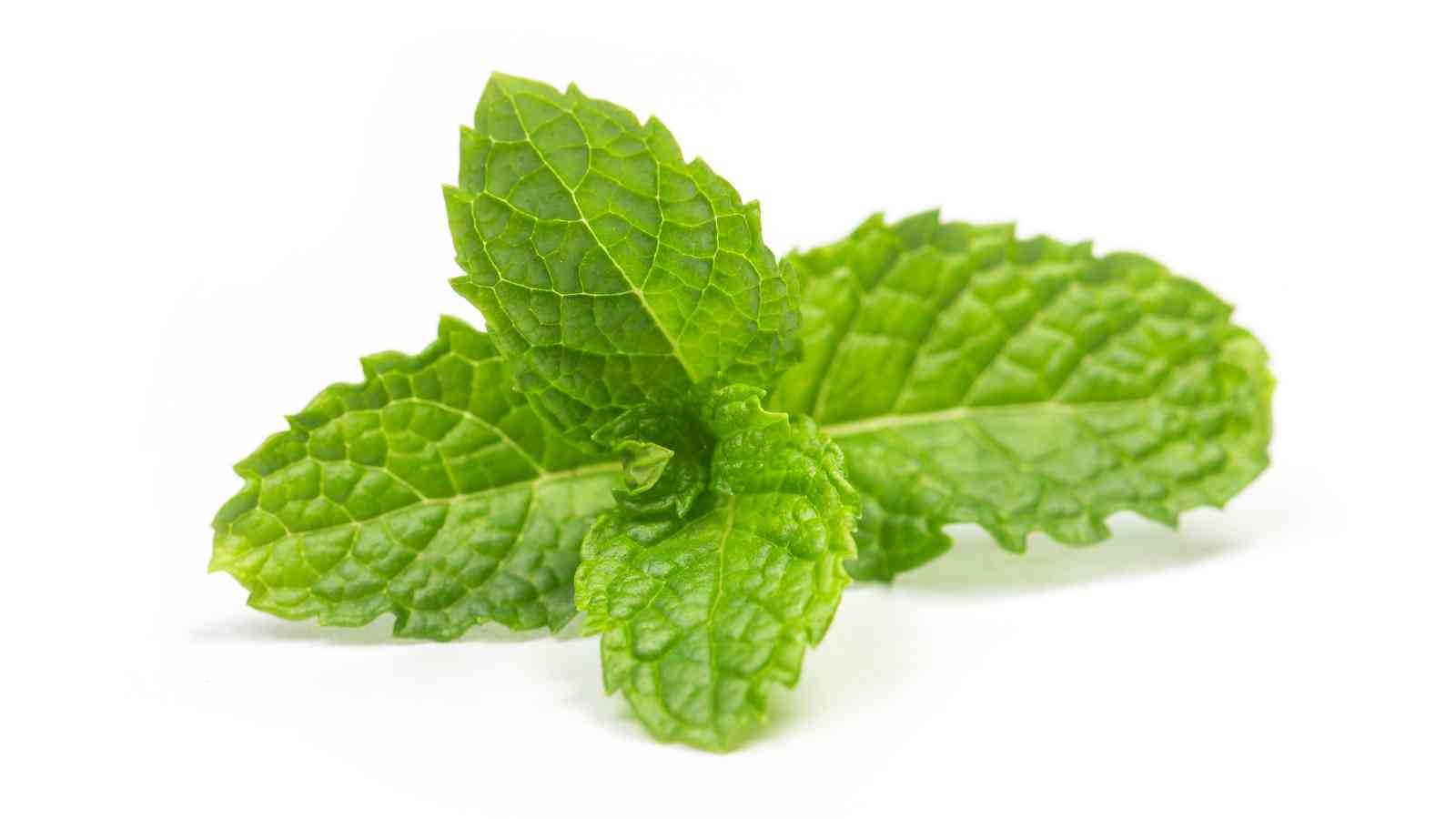
Digestive discomfort and muscle tension can be addressed using mint, particularly peppermint and wintergreen varieties. Peppermint oil relaxes digestive tract muscles, helping reduce bloating, gas, and IBS-related discomfort. Wintergreen contains natural compounds similar to aspirin, providing topical pain relief. Consuming peppermint tea may also ease headaches and support clearer breathing. With both oral and topical uses, mint proves to be a flexible, natural remedy.
Chili Peppers

Pain management can benefit from chili peppers, whose active compound capsaicin temporarily numbs nerve endings. Applying capsaicin topically, often mixed with oils like coconut, can reduce soreness and joint discomfort. Some commercial patches use concentrated capsaicin for chronic pain relief. Incorporating chili into diets can offer minor circulatory benefits alongside its pain-relieving properties. Handling should be careful to avoid skin or eye irritation.
Shiitake Mushrooms

Immune system support and inflammation reduction are linked to shiitake mushrooms, which are rich in antioxidants. Compounds in these mushrooms may enhance immune defenses and assist in neutralizing harmful free radicals. Including them in soups, stews, or stir-fries allows both flavor and potential health benefits to be enjoyed. Extracts from shiitake mushrooms have been studied for their ability to modulate immune responses. Regular dietary intake may contribute to overall wellness and resilience against minor infections.
Lavender

Anxiety, stress, and mild headaches can be eased using lavender, known for its calming scent. Lavender oil applied topically or diffused in the air can promote relaxation and better sleep quality. Drinking lavender-infused teas adds a soothing effect that complements topical use. Some individuals use diluted oil on temples to alleviate tension-related headaches. Integrating lavender into a bedtime routine may improve both mood and relaxation naturally.
Fenugreek
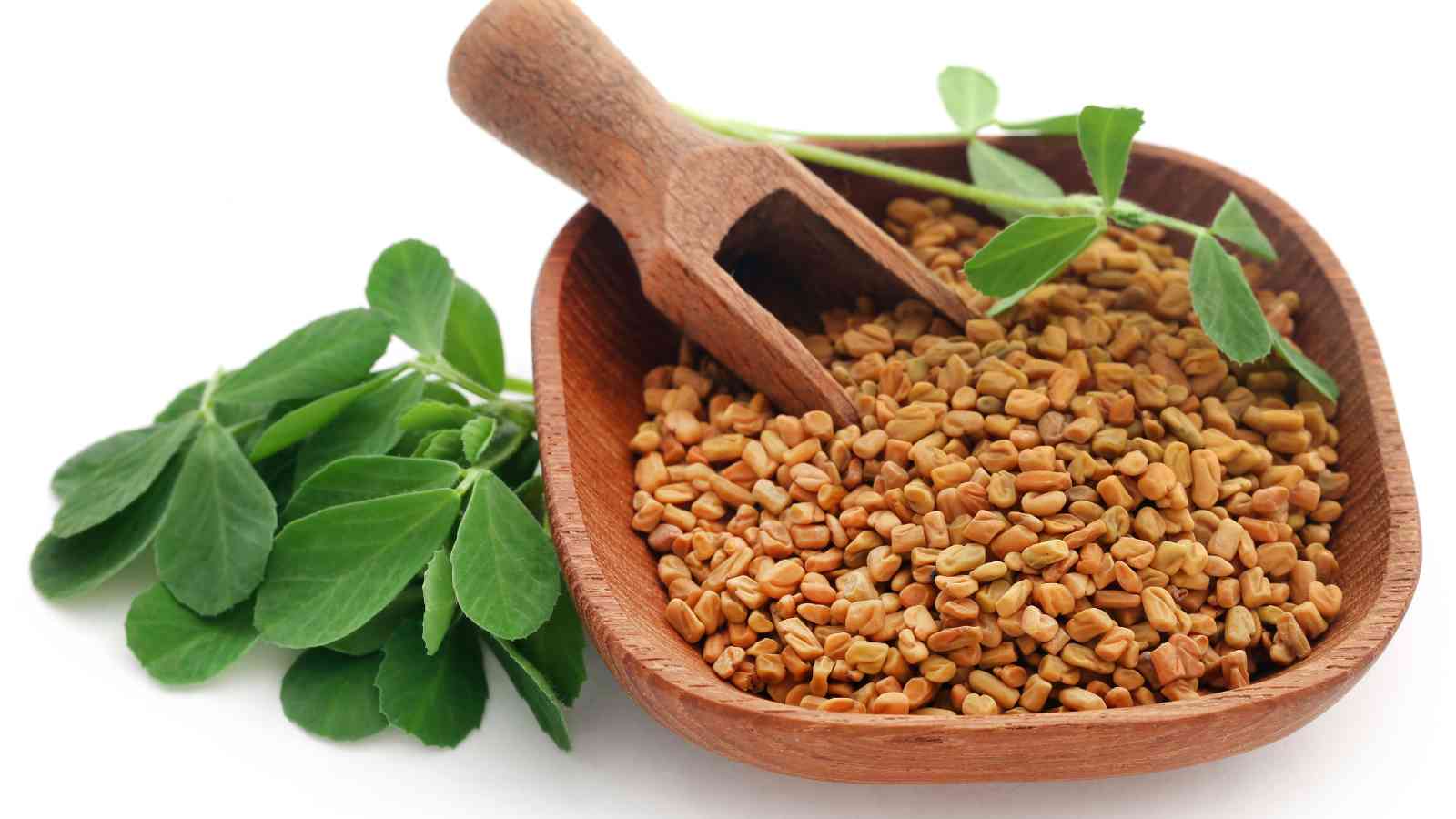
Blood sugar regulation and digestive comfort are among the benefits associated with fenugreek. Its fiber-rich seeds can help stabilize glucose levels while also relieving bloating and supporting digestion. Nursing mothers sometimes use fenugreek to promote milk production safely. Adding fenugreek to meals or consuming it as tea allows its benefits to be incorporated easily. Consistent use may provide gentle support for digestive and metabolic health.
Honey

Sore throats and minor coughs can be soothed using honey, which possesses natural antimicrobial properties. Applying honey topically may aid in healing minor cuts and burns, providing a protective barrier. Consuming it in warm liquids can suppress nighttime coughing and promote throat comfort. Infants under one year should avoid honey due to botulism risk. Regular, moderate use adds both flavor and functional support for mild respiratory issues.
Garlic

Cardiovascular health and immune support are linked to garlic consumption, largely due to its sulfur-containing compounds. Raw garlic provides the strongest potency, potentially helping reduce the frequency of colds and supporting heart health. Cooking garlic still offers benefits, though supplements can provide a controlled dosage for convenience. Awareness of dosage is important for individuals on blood-thinning medications. Including garlic in meals can provide subtle protective effects without major dietary changes.
Chicken Soup
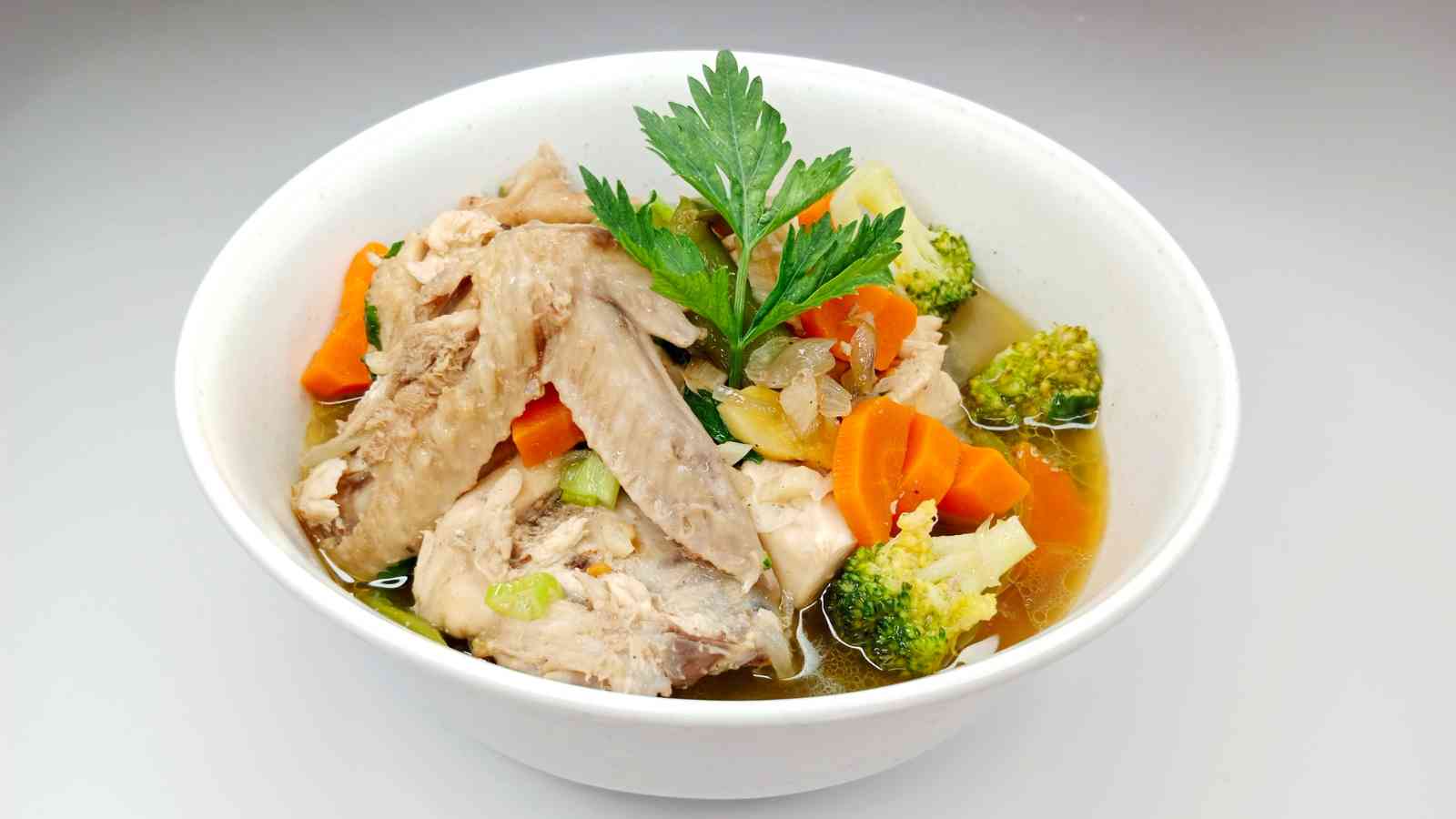
Cold symptoms and congestion often feel less burdensome with chicken soup, offering both hydration and soothing warmth. The broth helps loosen mucus while the steam contributes to nasal clearance. Some components may even exhibit mild anti-inflammatory activity, supporting comfort during illness. Nutrients in the soup can also provide gentle energy when appetite is low. While not a cure, chicken soup can be a comforting aid for recovery from colds.
Inhaling Steam
Congestion relief and airway comfort can be achieved simply through inhaling steam, which loosens mucus and soothes irritation. This method requires no special equipment, making it accessible and repeatable throughout the day. Steam can be generated over hot water or in a shower, with care taken to avoid burns. Regular practice can improve nasal passage comfort and help with minor cold or allergy symptoms. It’s a simple, natural way to manage congestion without medication.
Cinnamon

Blood sugar support and antioxidant intake are possible benefits of cinnamon, though evidence for disease treatment is limited. Incorporating cinnamon into meals or beverages adds flavor while providing mild metabolic effects. Overconsumption, particularly of concentrated extracts, may be harmful to the liver. Moderate usage is the safest approach when integrating cinnamon into a daily routine. Its warming flavor and potential antioxidant properties make it a common addition to many diets.
Elderberries

Viral defense and immune support are linked to elderberries, which contain compounds that may reduce flu severity if used early. They are commonly available as syrups, teas, or gummies, offering versatility in consumption. Raw elderberries can be toxic, so proper cooking or processing is necessary. Elderberry products may stimulate the immune system, so individuals with autoimmune conditions should use caution. Regular, safe intake can provide gentle support during cold and flu season.
Probiotics

Gut health and digestion can benefit from probiotics, which introduce helpful bacteria into the digestive system. These live microorganisms may assist in managing diarrhea and supporting a balanced microbiome. Fermented foods like yogurt, kimchi, and kombucha provide natural sources, while supplements offer controlled doses. Different strains target specific health effects, making careful selection important. Incorporating probiotics regularly can support overall digestive function and immune health.
Figs

Constipation relief and digestive support are associated with figs, which contain natural laxative compounds and high fiber content. Fig leaf tea or consuming whole figs may promote regular bowel movements and overall gut comfort. Alongside digestive benefits, figs provide essential minerals and antioxidants that contribute to heart health. Their natural sweetness makes them a convenient and nutritious snack. Including figs in a balanced diet may support digestive function and metabolic well-being.
Magnesium-Rich Foods
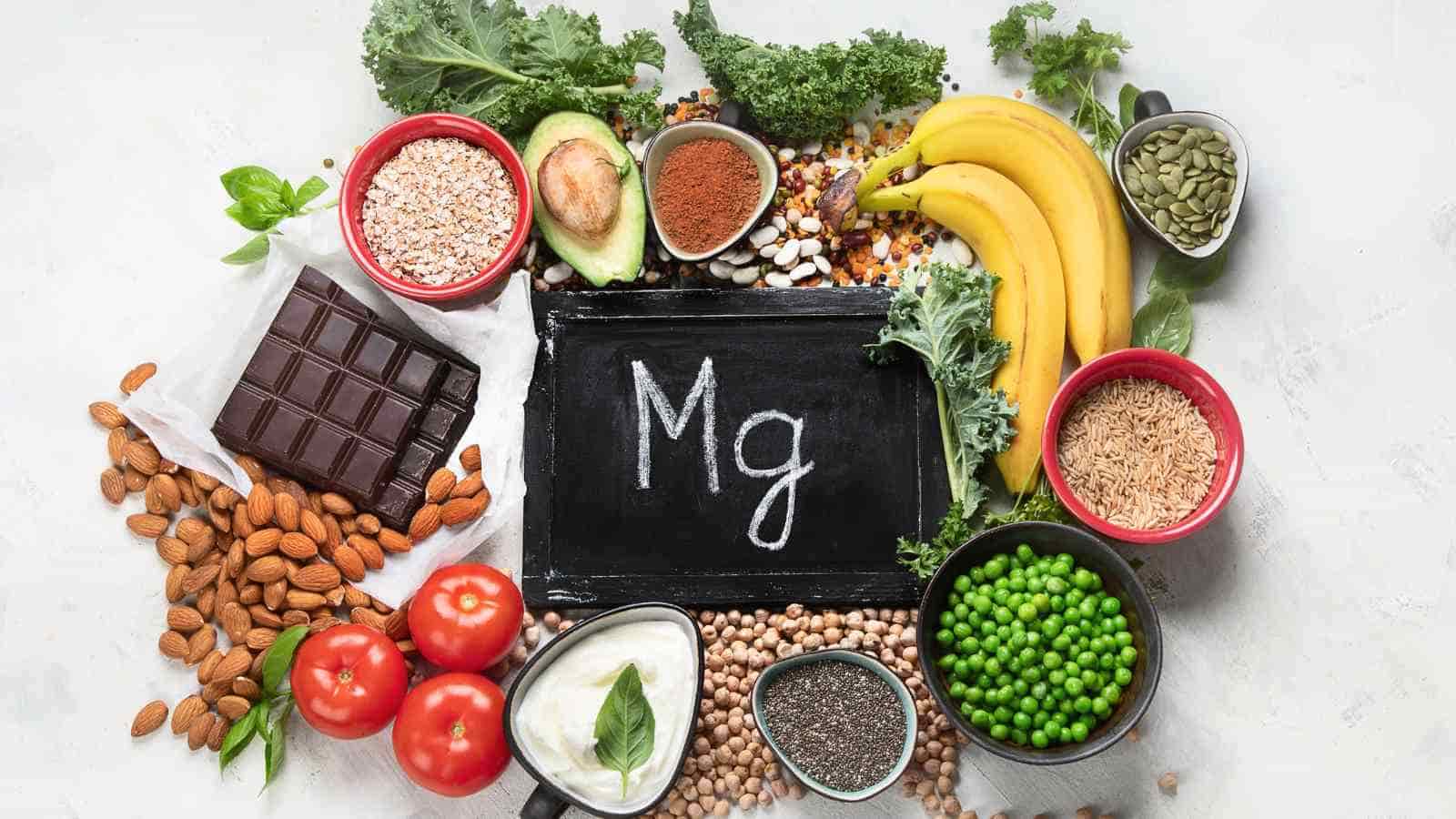
Muscle function, nerve health, and mood regulation rely on adequate magnesium, which many people do not get enough of. Foods such as leafy greens, nuts, and avocados offer natural sources, while legumes, whole grains, and bananas add variety. Magnesium deficiency may manifest as cramps, fatigue, or emotional changes. Regular intake through diet or supplementation can support relaxation and overall physiological balance. Ensuring sufficient magnesium helps maintain both mental and physical wellness.
Oatmeal

Skin irritation and dryness can be alleviated using oatmeal, which forms a protective barrier while locking in moisture. Colloidal oatmeal is commonly included in creams and baths for rashes, eczema, or insect bites. Applying a paste or soaking in oatmeal baths soothes inflammation and supports skin healing. Its gentle nature makes it suitable for all ages, including sensitive skin. Integrating oatmeal into skincare routines offers a natural way to promote skin comfort and hydration.
Aloe Vera
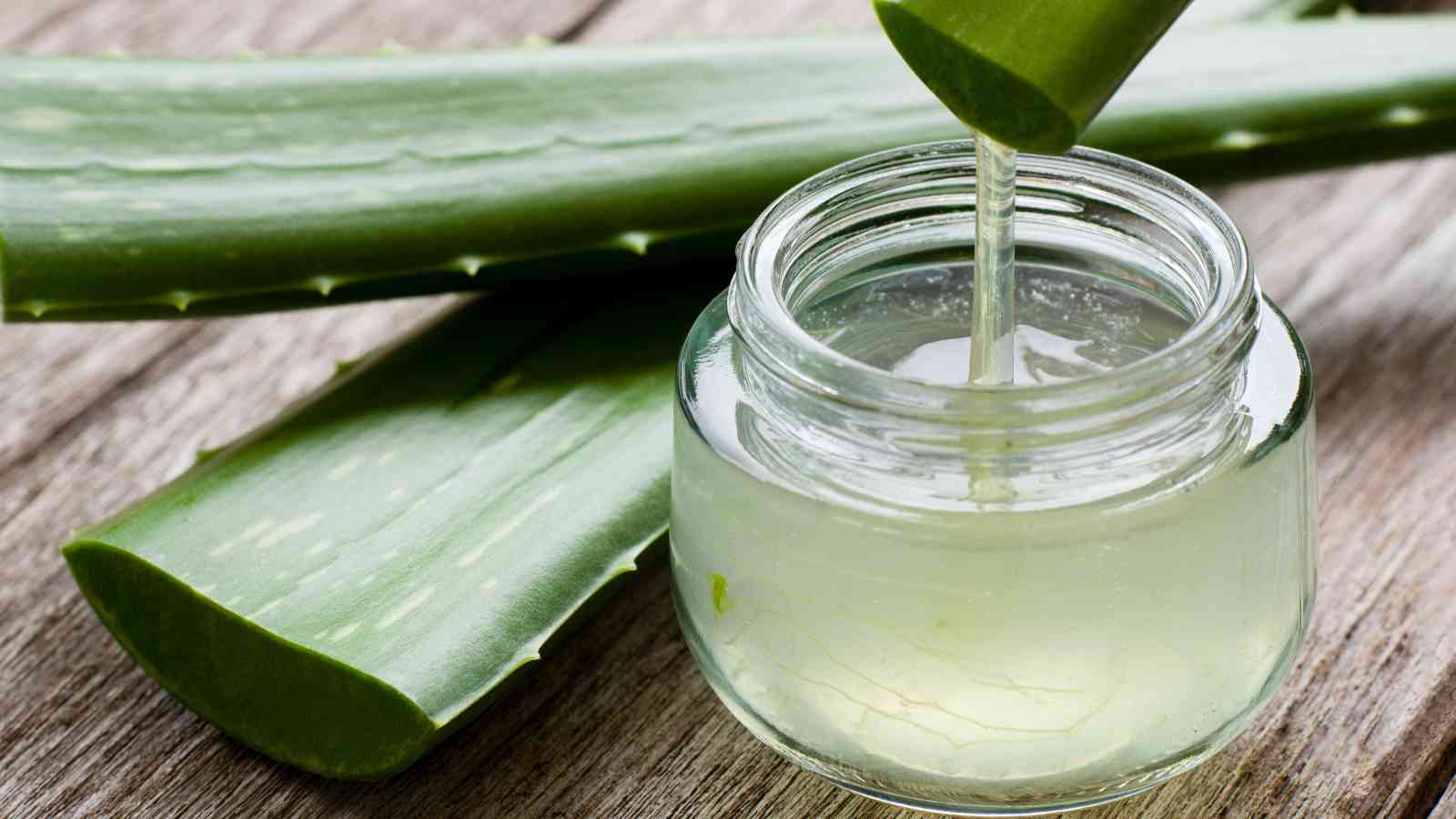
Burns, minor wounds, and skin hydration are effectively addressed with aloe vera, whose gel contains anti-inflammatory and cooling compounds. Applying the gel can reduce redness, swelling, and discomfort from minor burns. Some small studies suggest oral consumption in moderation may support digestive health. Aloe vera is versatile, with topical and dietary uses enhancing both skin and internal well-being. Careful use ensures maximum benefits without digestive complications.
Flaxseed

Digestive regularity and heart health are supported by flaxseed, which provides both soluble and insoluble fiber along with omega-3 fatty acids. Ground flaxseed is easier to digest and can be added to yogurt, smoothies, or baked goods. Fiber contributes to smoother bowel movements while omega-3s help manage inflammation. Regular consumption may assist in cholesterol regulation and overall metabolic health. Including flaxseed in meals offers a simple way to support digestive and cardiovascular function naturally.
18 Foods That Help Prevent Hair Loss and Promote Growth

Many foods contain powerful nutrients that help support hair growth by improving scalp health, reducing oxidative stress, and enhancing the strength of each strand. By incorporating the right foods into your diet, you can ensure your hair follicles have the nutrients they need to thrive. It’s time to fuel your hair from the inside out with these nutrient-rich foods that help combat hair loss and stimulate new growth!
20 Foods That Help You Melt Belly Fat

Here’s a list of 20 foods that are not only great for your body but also can help you target belly fat more effectively. By combining these foods with exercise and proper hydration, you’ll be on your way to a healthier, leaner you in no time!

Tamara Tsaturyan is the owner and writer of Thriving In Parenting, a website focused on providing simple tips for busy parents — easy and healthy recipes, home decor and organization ideas and all things P A R E N T I N G.

Share Your Thoughts!
I love to know your thoughts, make sure to comment below to start a discussion! You can also follow me on your favorite social network below.