Every country has delicacies to boast—meals that reflect identity, tradition, and regional quirks. In the United States, which have absorbed influence from dozens of immigrant cultures, some food creations strike even fellow Americans as a bit odd. Yet many of these dishes are not just real—they’re beloved, steeped in regional pride, and often tied to family memories, holidays, or working-class ingenuity. For outsiders, however, they can be bewildering combinations of ingredients, textures, or presentations that defy expectations of what food “should” look or taste like. Here are 20 U.S. dishes that non-Americans often find totally bizarre—and why they raise so many eyebrows abroad. These dishes might make perfect sense to someone raised with them, but to many from other cultures, they’re head-scratchers.

Peanut Butter and Jelly Sandwiches
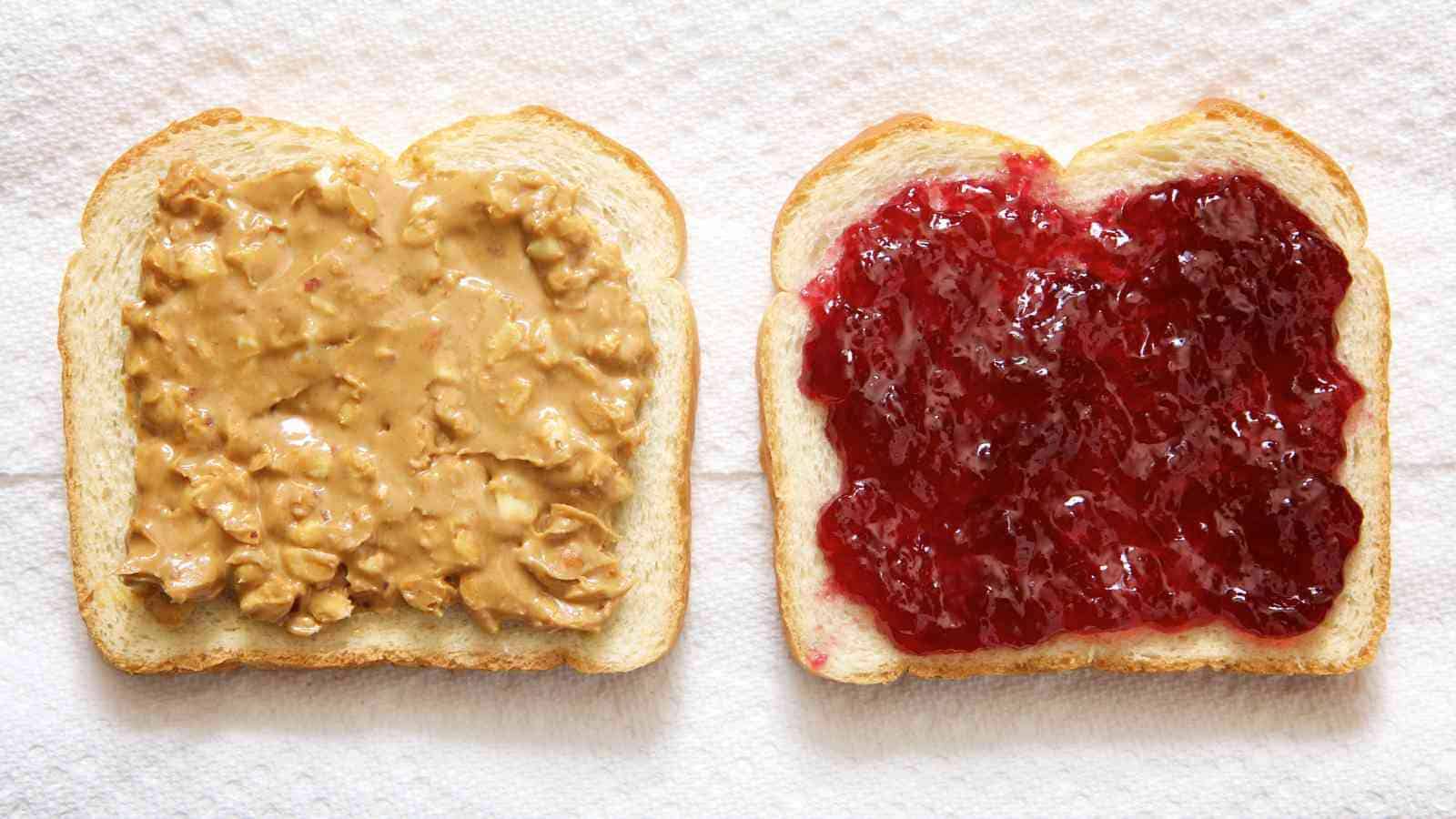
Popular in school lunches across the U.S., this sandwich combines two textures and flavor profiles rarely paired elsewhere. Peanut butter’s creamy saltiness and jelly’s sugary sweetness create a mix that some cultures find overly rich or odd for a main meal. In much of Europe and Asia, sandwiches are expected to be savory, making this sweet-salty fusion feel more like a dessert. Jelly itself—often misunderstood as jam—can add to the confusion, especially when it’s artificially flavored. Despite its popularity in the U.S., many outsiders find the pairing unappetizing and nutritionally confusing.
Chicken and Waffles

Fried chicken served on top of a waffle, often drizzled with syrup, challenges conventional mealtime boundaries. Originally rooted in Southern soul food, it’s a dish that merges sweet breakfast with savory dinner. Outside the U.S., many struggle to understand why syrup belongs anywhere near poultry. In most countries, chicken is strictly reserved for savory meals, making the inclusion of waffles and sugar perplexing. What Americans see as comforting, others often see as contradictory.
Grits
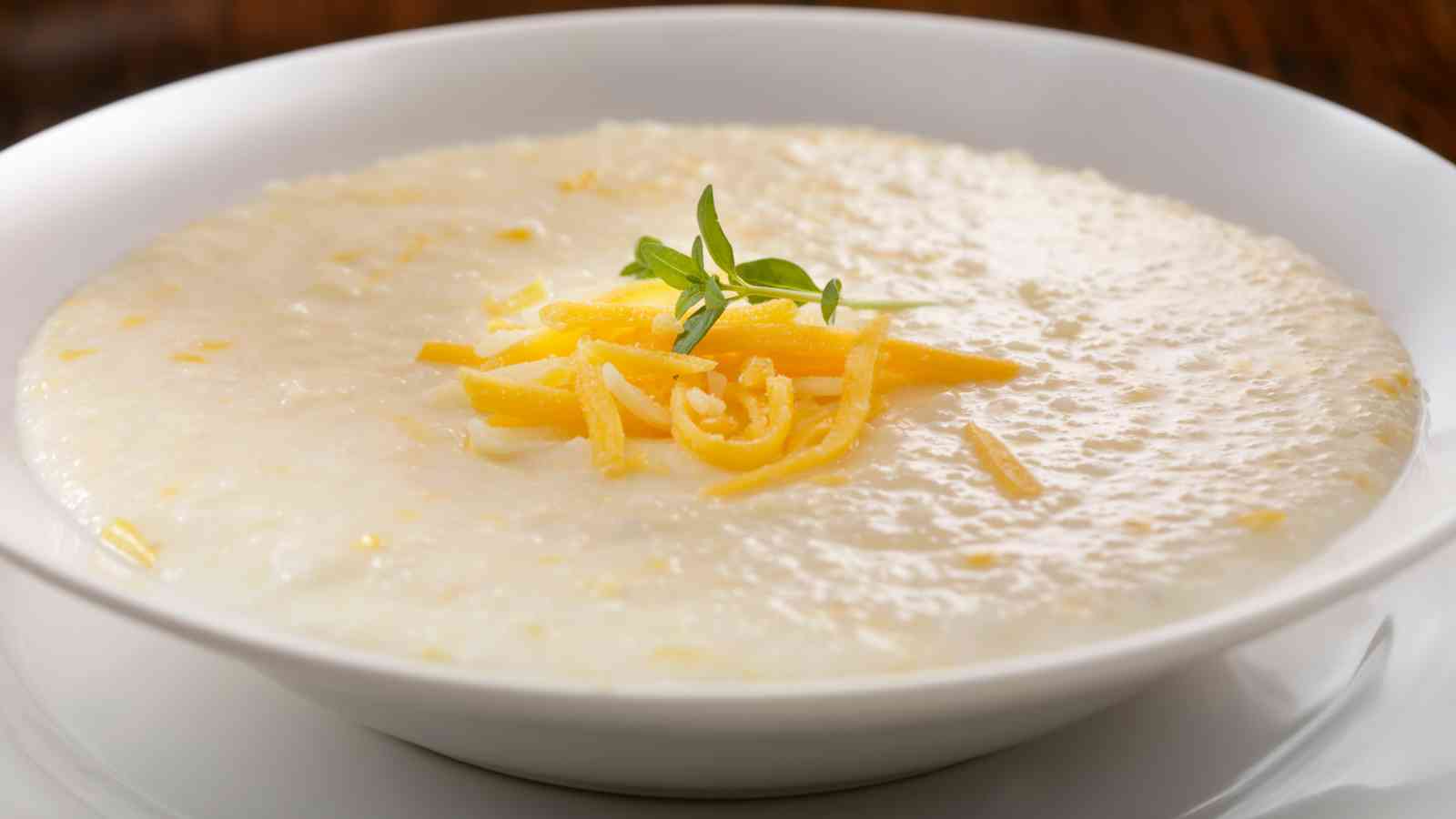
Made from ground corn cooked into a porridge-like consistency, grits are a staple in the American South. Depending on the region, they can be served plain, with butter, or heavily dressed in cheese and shrimp. The grainy texture is unexpected for those unfamiliar with corn-based porridges, especially when served as a savory breakfast. In many cultures, corn is associated with bread or tortillas, not mush. The dish’s simplicity and visual appearance often leave newcomers unsure of how or why it’s eaten.
Sloppy Joes

A sandwich filled with loose ground beef simmered in tomato-based sauce, Sloppy Joes are sticky, messy, and unmistakably American. The sauce is sweet and tangy, often confusing those used to more savory meat preparations. The lack of structure—meat spilling out of a soft bun—adds to the dish’s informal, almost chaotic nature. In countries where sandwiches are crafted for neatness or balance, this sloppy handheld meal seems inefficient and overly sugary. Yet it remains a nostalgic comfort food for many Americans.
Tater Tot Casserole
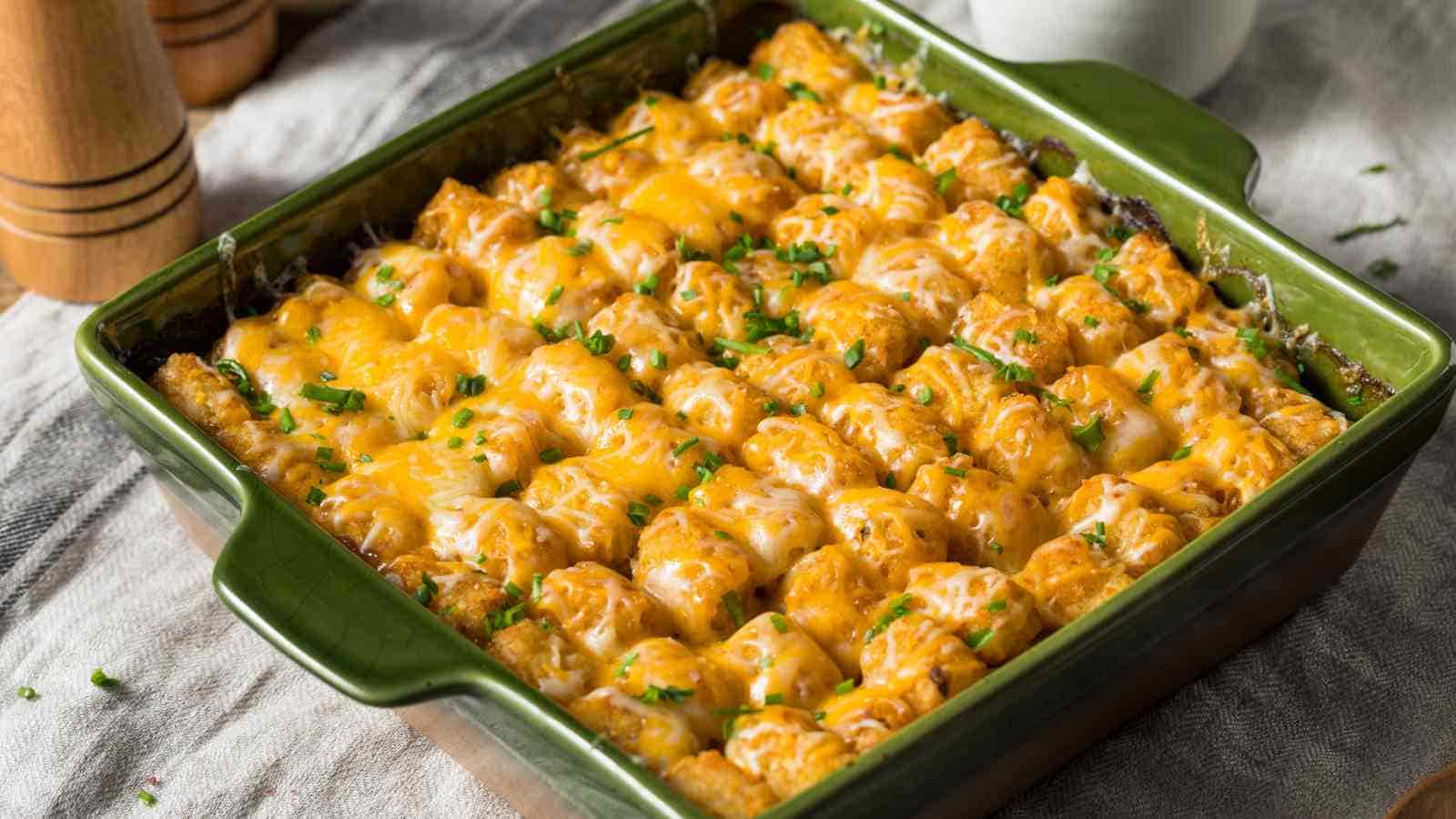
This Midwestern classic layers frozen potato bites over a mix of ground meat, vegetables, and condensed soup. The use of pre-packaged ingredients like canned soup and frozen tots gives it a reputation for being processed and overly salty. To many outsiders, combining breakfast-style potatoes with meat in a baked dish feels disorganized. The idea of throwing leftovers or convenience foods into one pan contrasts with cooking traditions that prioritize freshness. Its popularity speaks more to practicality than culinary refinement.
Sweet Potato Casserole with Marshmallows
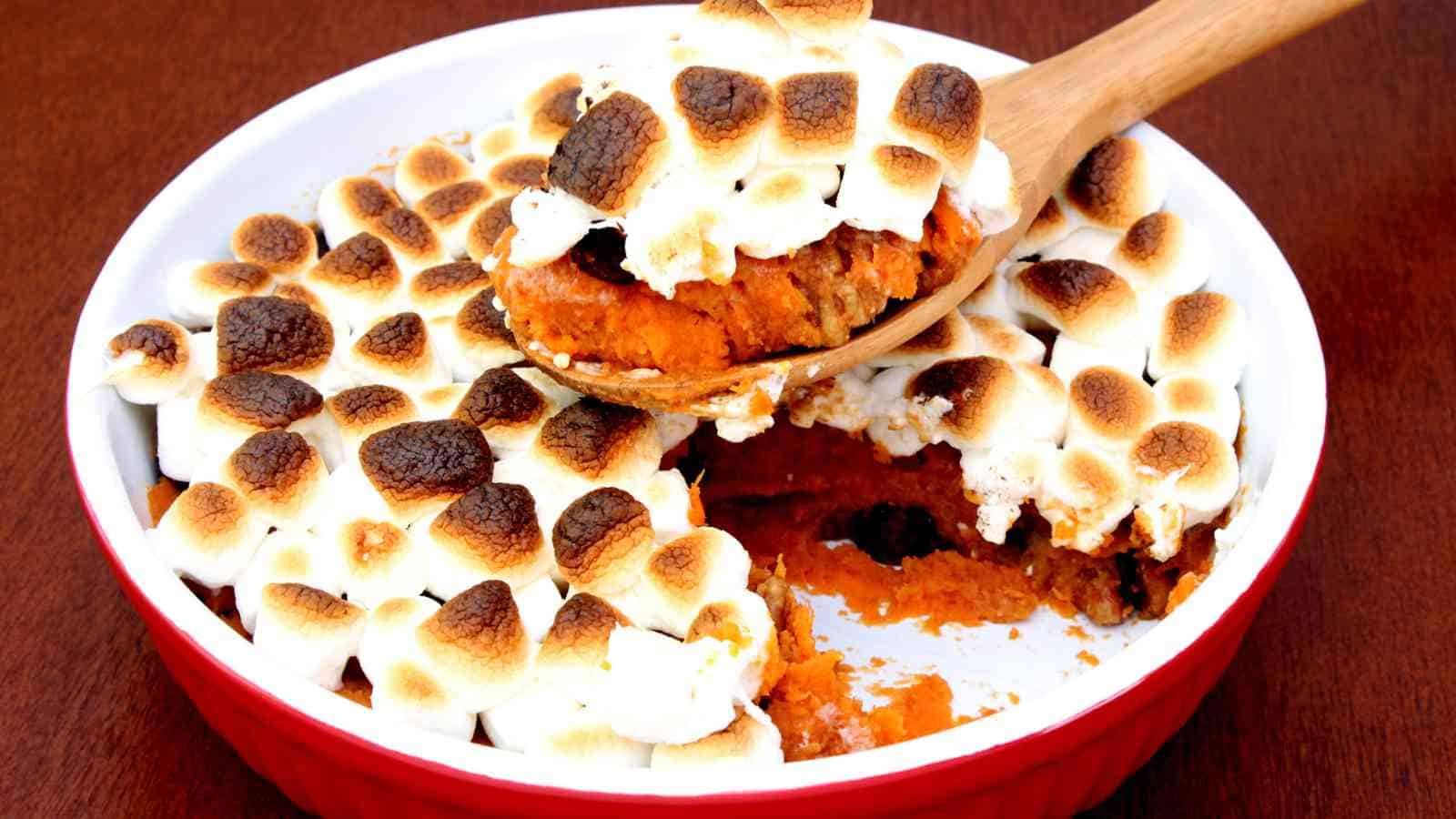
Often served during Thanksgiving, this dish blurs the line between side and dessert. Sweet potatoes, already sugary on their own, are mashed and topped with toasted marshmallows. For non-Americans, the idea of putting candy-like toppings on vegetables feels confusing and excessive. In many places, sweet potatoes are used in savory applications, so this treatment can be jarring. Despite its unusual flavor profile, it remains a holiday favorite in many households.
Frito Pie
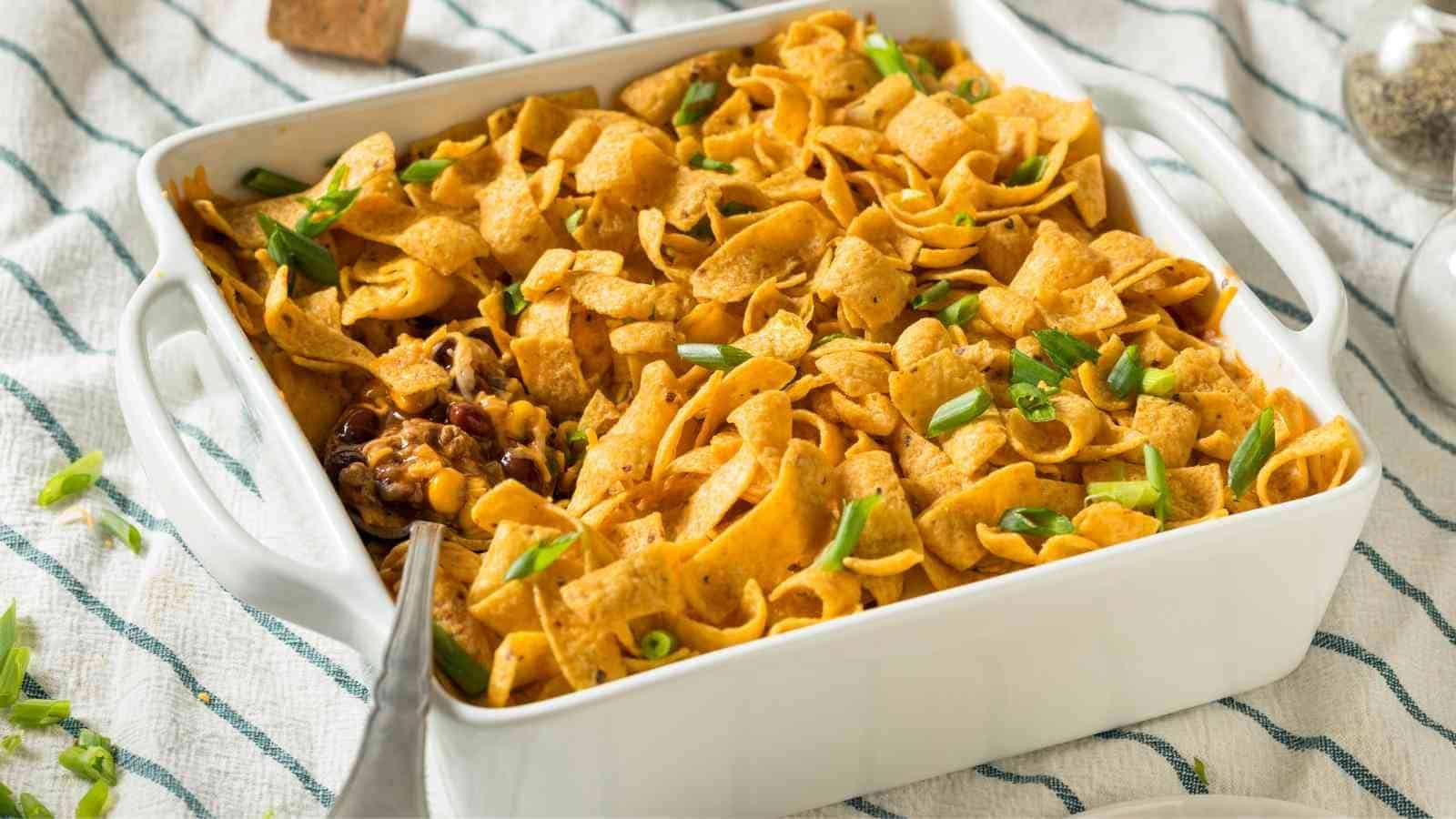
Consisting of chili, shredded cheese, and Fritos corn chips—often served directly in the chip bag—Frito pie epitomizes casual American comfort food. The mix of crunchy chips and hot chili is messy and unconventional by many standards. Some find it hard to categorize: is it a snack, a main course, or something in between? The concept of eating hot food from a foil bag also seems unsanitary or sloppy to some cultures. Yet it reflects the American love for inventive, on-the-go meals.
Scrapple
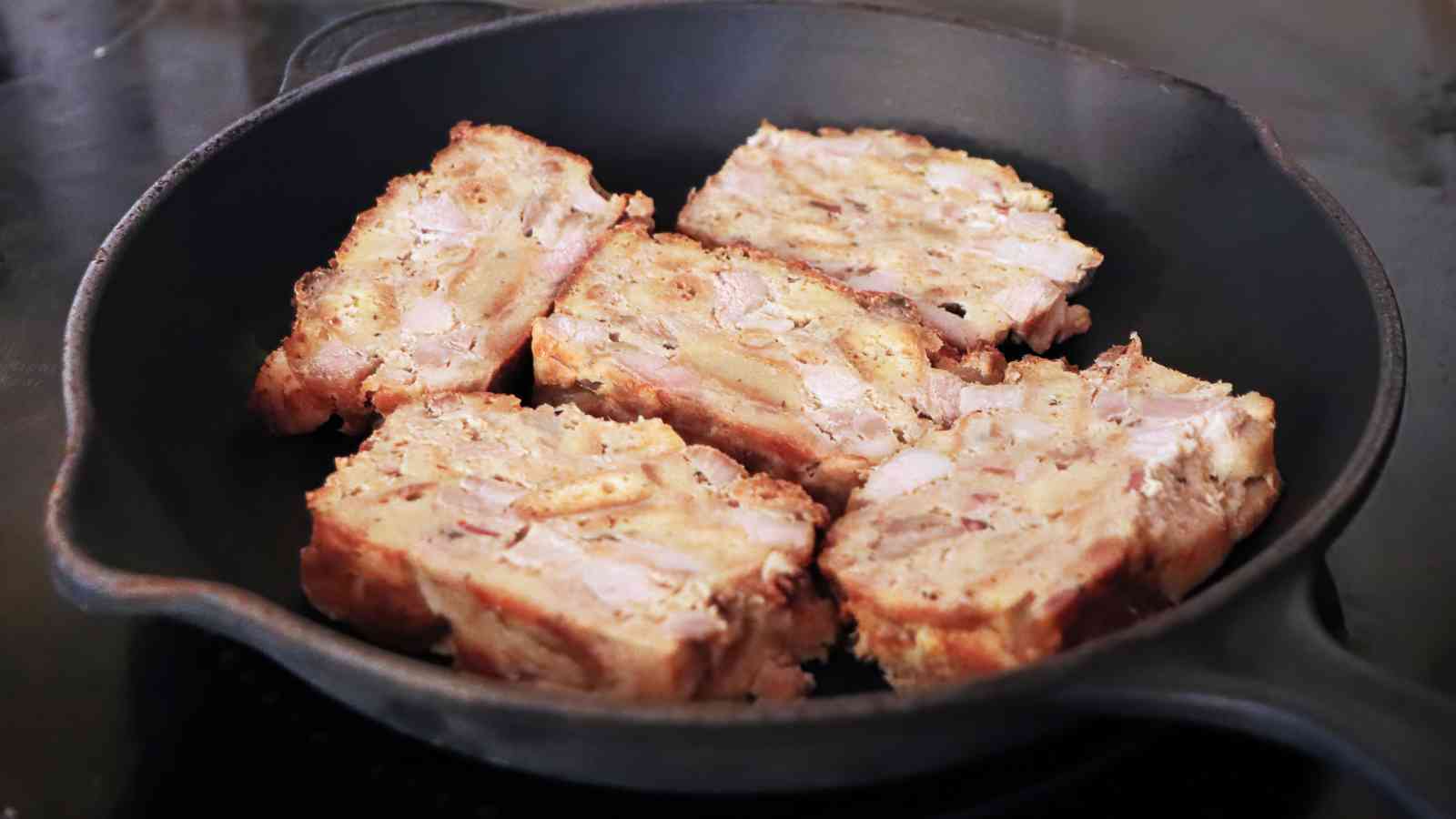
Originating from Pennsylvania Dutch communities, scrapple is made from leftover pork parts blended with cornmeal and spices, then fried. Its purpose was to prevent waste and make use of every part of the pig. The dense, loaf-like texture and strong pork flavor are off-putting to those unaccustomed to nose-to-tail eating. It shares similarities with blood sausage or haggis, but its mushy interior and crispy exterior are often criticized. Scrapple’s name alone often raises eyebrows among first-timers.
Funnel Cakes
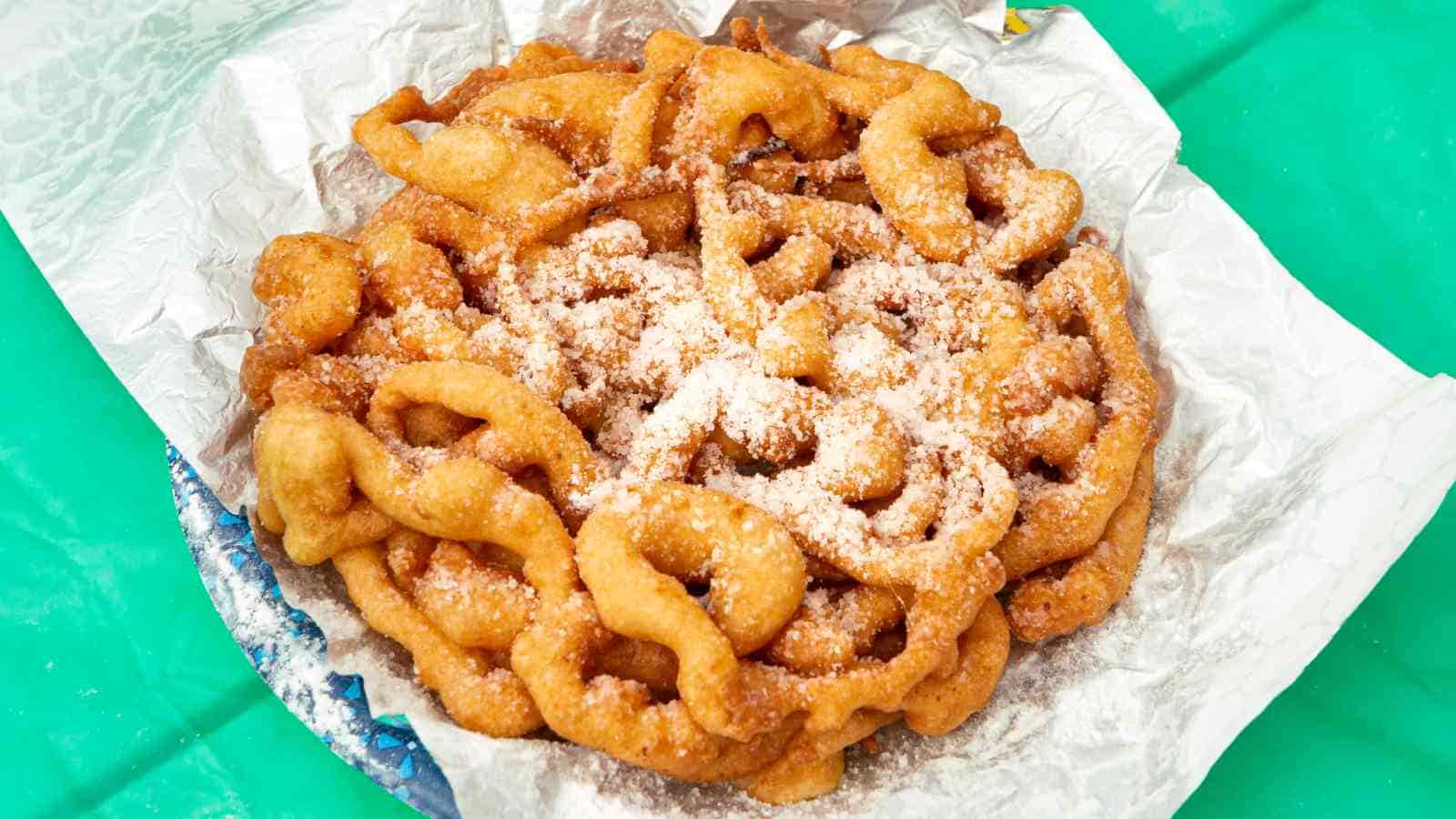
A staple at American fairs, funnel cakes are deep-fried dough ribbons covered in powdered sugar or chocolate syrup. They’re known for their lacy, tangled appearance, created by pouring batter through a funnel into hot oil. The extreme sweetness and oiliness can overwhelm those not used to fried desserts. In many countries, desserts are more restrained and less sugary. For that reason, funnel cakes often come across as excessive and indulgent.
Jerky

Once a survival food for Native American tribes and frontiersmen, jerky is dehydrated meat with intense flavor and a chewy texture. It’s highly salted for preservation and often seasoned with smoky or spicy rubs. While other cultures also preserve meat, the American versions tend to be aggressively flavored and tough. The idea of snacking on dried beef strips feels primitive or strange to some. In contrast, many parts of the world prefer fresh meat or seafood snacks.
Root Beer Floats
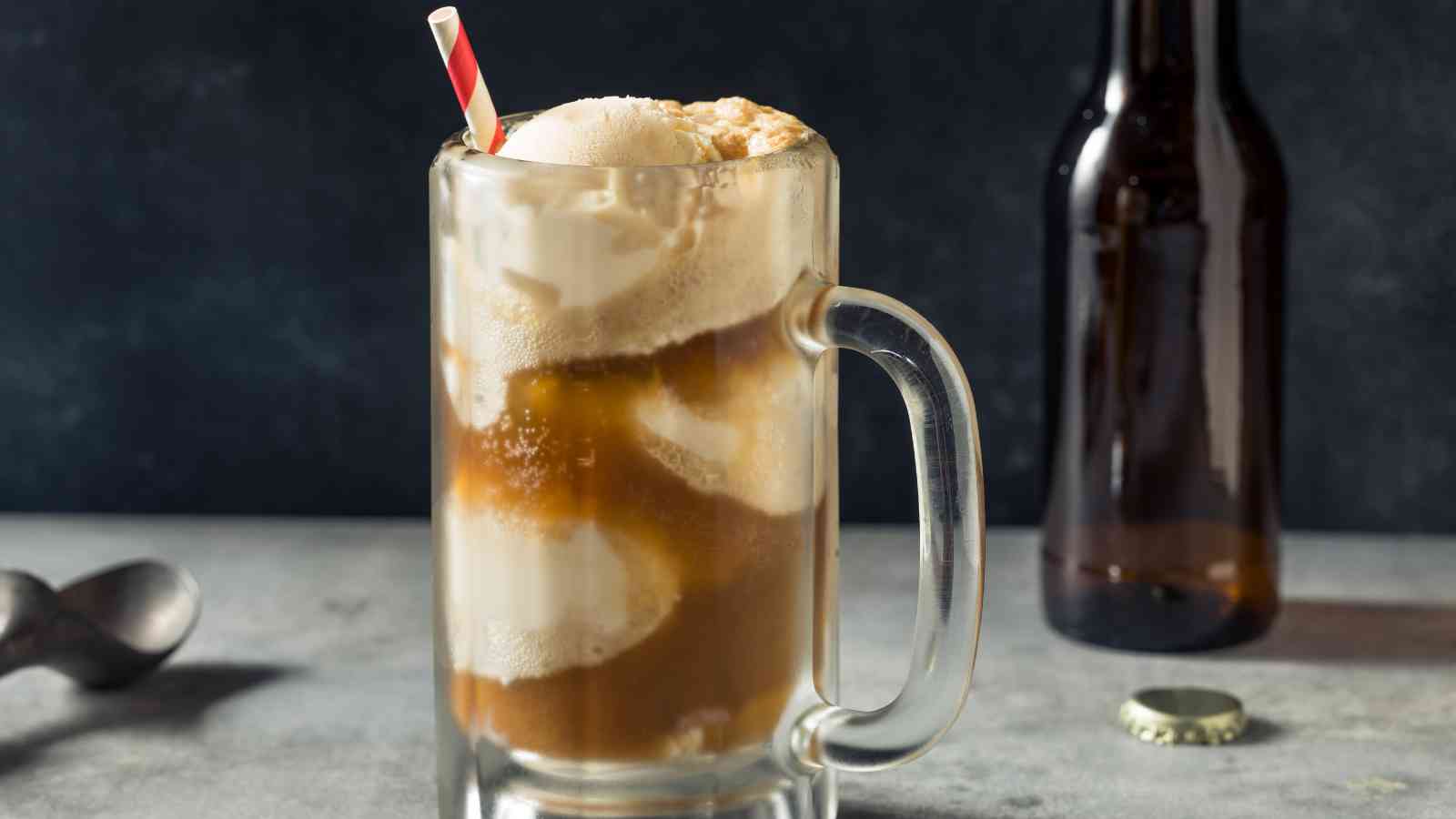
Combining a scoop of vanilla ice cream with carbonated root beer, the float is a nostalgic treat for many Americans. The herbal, medicinal taste of root beer—derived from sassafras root—can be jarring to international palates. To those unfamiliar, it often resembles cough syrup or toothpaste. Adding ice cream only deepens the confusion about whether it’s a dessert or a drink. Despite its long history in soda fountains, it’s rarely appreciated outside the U.S.
Corn Dogs
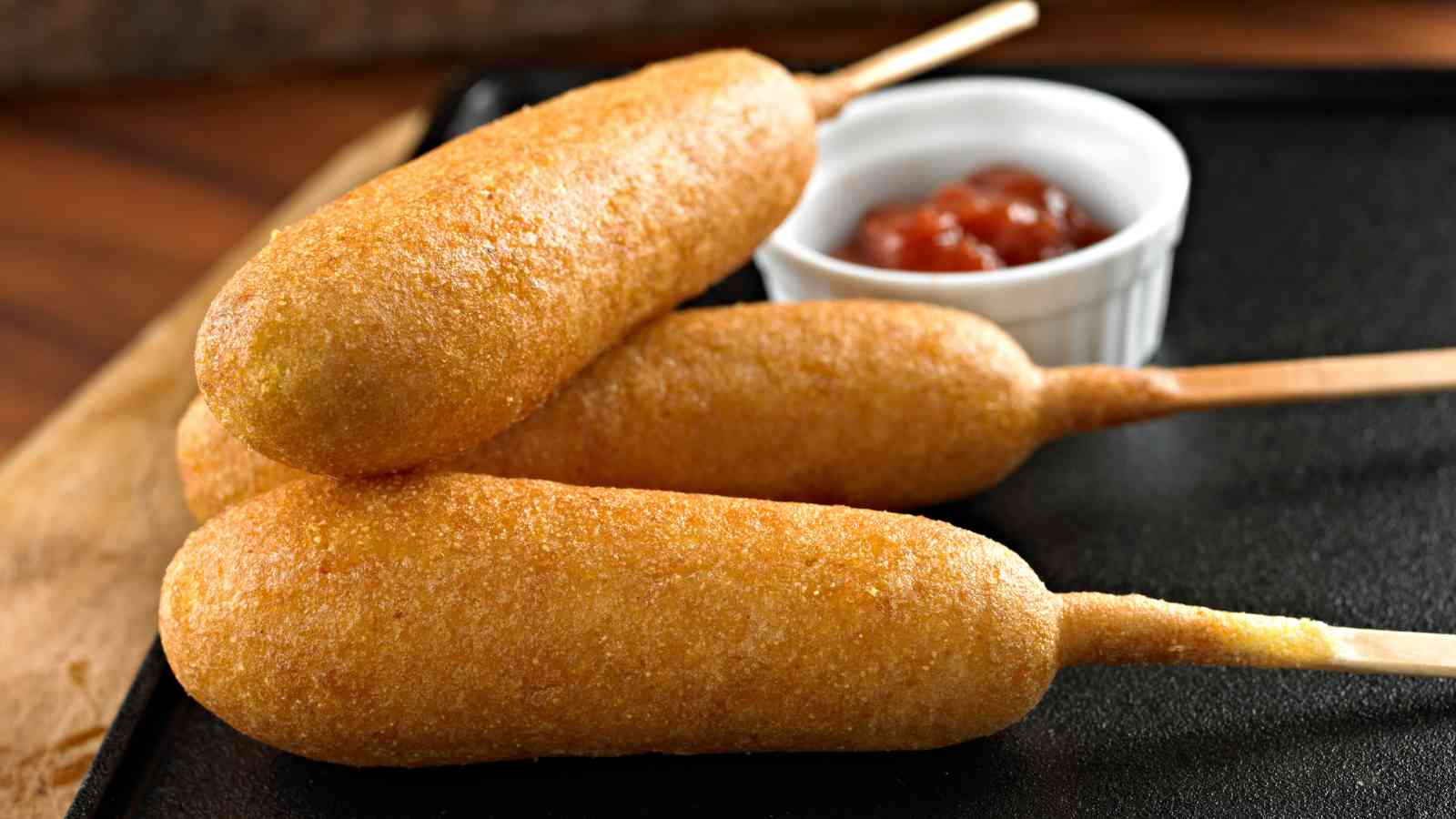
Deep-fried meat on a stick is a fairground staple across the U.S., especially during carnivals and state fairs. You dip a hot dog into a thick cornmeal batter and fry it until golden, resulting in a sweet-savory handheld snack. The origin dates back to German-American immigrants in Texas experimenting with batter-fried sausages in the 1920s. To Americans, it’s a nostalgic, easy-to-eat food with strong links to childhood events and public gatherings. But elsewhere, combining processed meat with a sugary coating, then deep-frying it on a stick, seems more like a novelty than a meal.
Hot Pockets
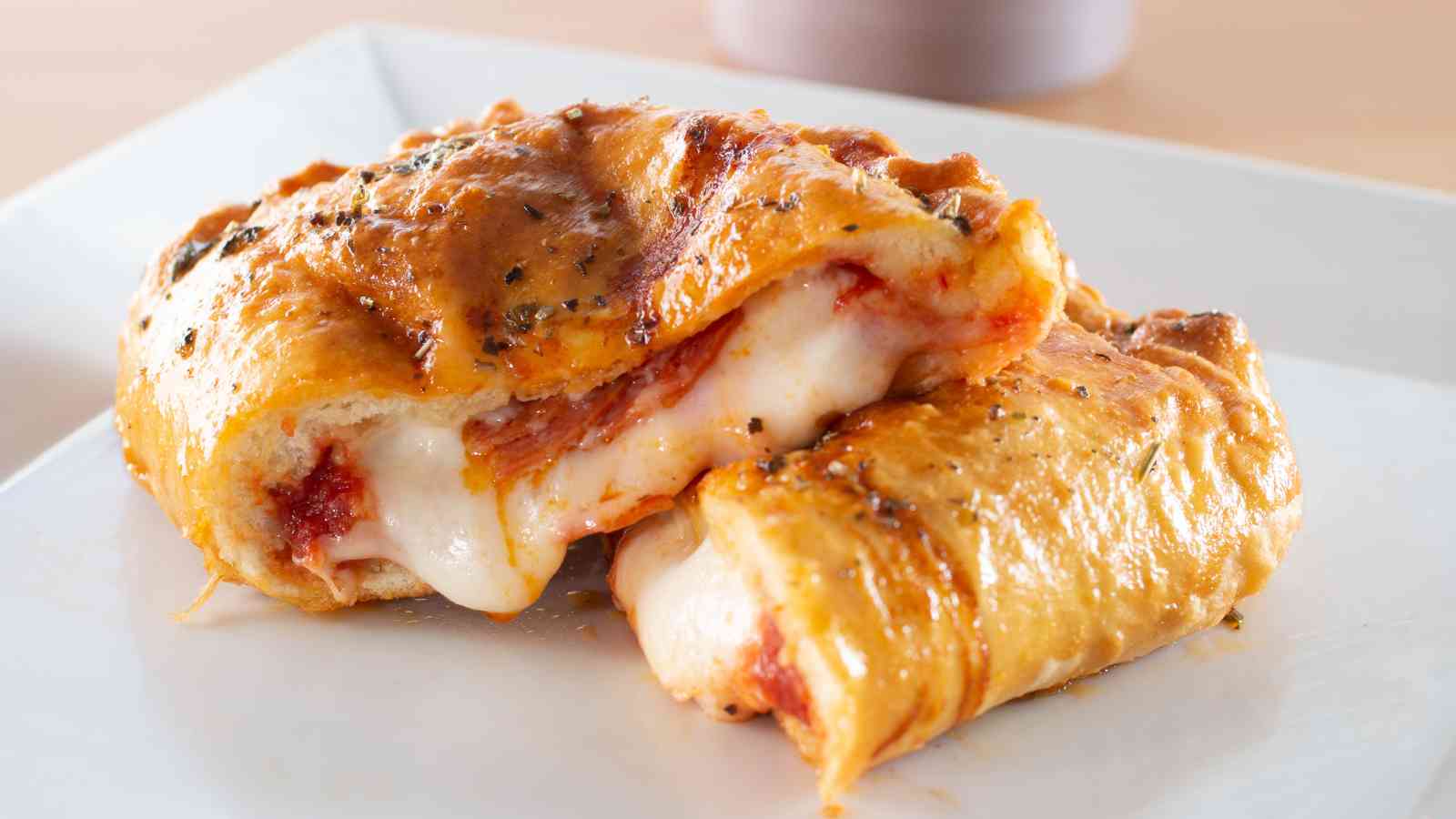
These microwaveable pastries are filled with meats, cheeses, or vegetables and wrapped in a bread-like crust. Designed for fast meals, they’re favored by students and busy families. To many, the idea of eating a frozen, pre-cooked pocket as a full meal seems lacking in nutrition and flavor. The fillings can range from pepperoni pizza to ham and cheddar, often with a gooey, molten center. Outside the U.S., processed foods of this kind are more snack than staple.
Biscuits and Gravy
Flaky, buttery biscuits smothered in sausage-laden white gravy is a classic Southern breakfast dish. The gravy’s pale color and thick consistency often resemble sauces used in other countries for pasta, not breakfast. Non-Americans sometimes question whether it’s savory or sweet, given its rich, buttery base. The name “biscuit” also causes confusion, as it refers to cookies in many parts of the world. These cultural disconnects make the dish feel unfamiliar, even before tasting it.
Pop Tarts
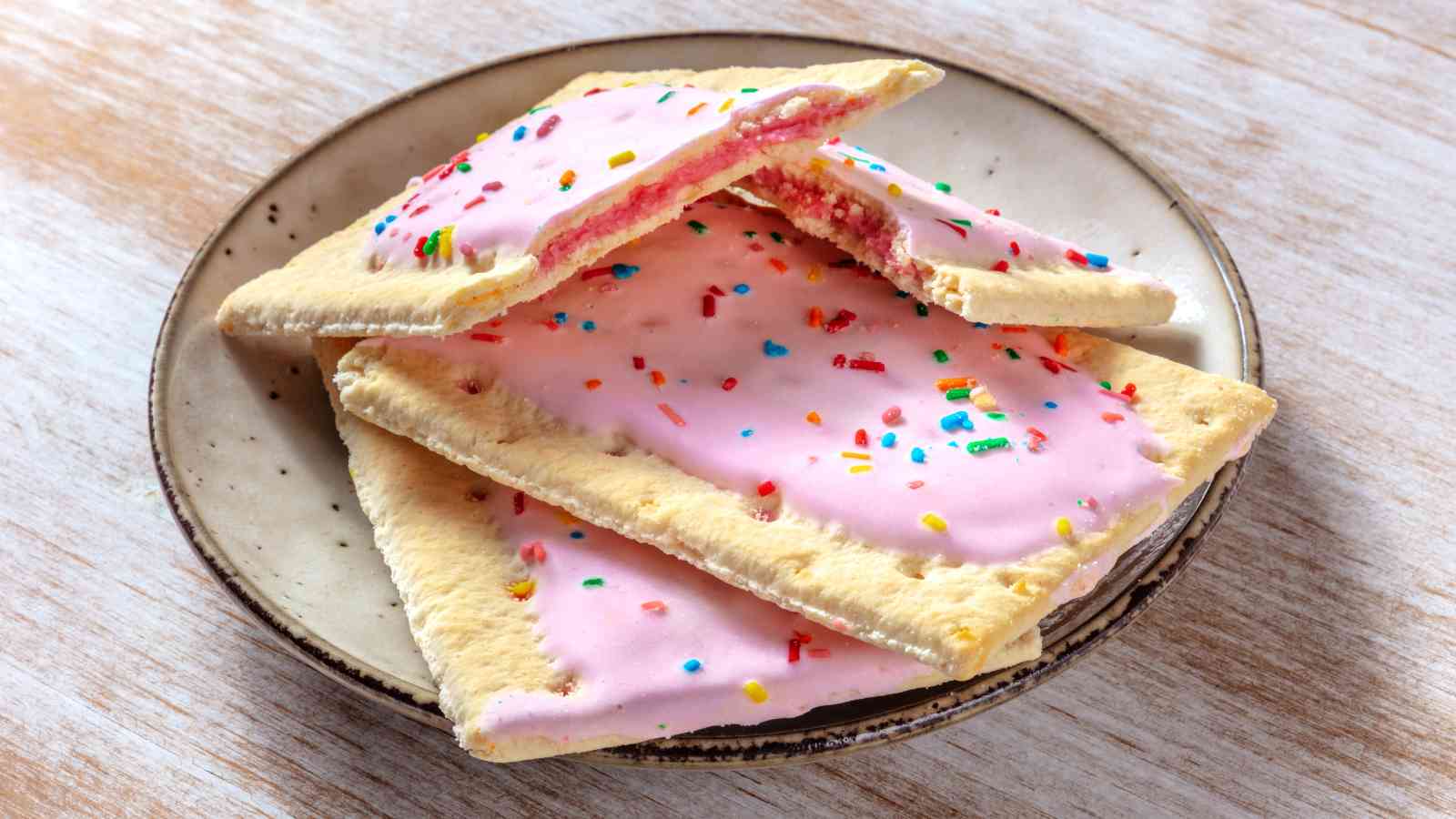
Pop-Tarts are toaster-ready pastries with sugary fillings like strawberry, brown sugar cinnamon, or chocolate fudge. They’re sold pre-baked but are often heated before eating, despite containing no fresh ingredients. Many find it odd to eat something so sweet first thing in the morning, especially without any fresh fruit or dairy. The hard icing on top and artificial flavors also spark skepticism abroad. In many countries, breakfast is lighter, fresher, or more savory.
Jell-O Salads

These colorful gelatin molds often include fruit, whipped topping, cottage cheese, or even shredded vegetables. Once considered elegant in mid-20th-century America, Jell-O salads are now retro and quirky. Many people abroad are unsure whether to treat them as side dishes or desserts. The rubbery texture and neon colors clash with modern preferences for fresh, unprocessed foods. Their visual appearance alone tends to confuse non-Americans.
Pumpkin Pie
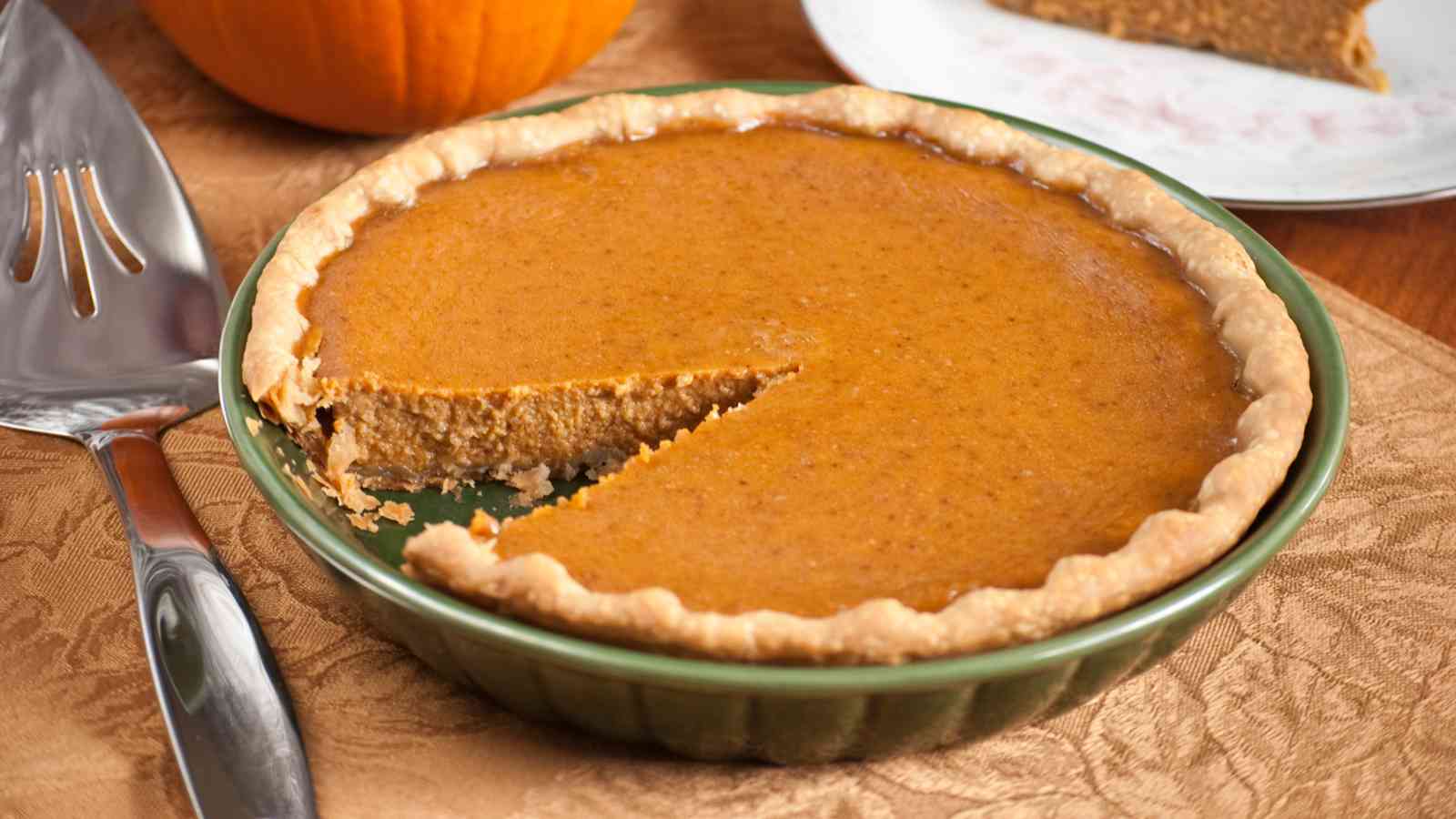
A Thanksgiving classic, pumpkin pie features puréed winter squash sweetened and spiced with cinnamon, nutmeg, and cloves. In many parts of the world, pumpkin is strictly used in savory dishes, making its dessert use puzzling. The texture is custard-like and dense, topped with whipped cream. For those unfamiliar, the spice blend and earthy flavor of squash don’t align with dessert expectations. It’s a holiday staple that often gets a skeptical response abroad.
Meatloaf
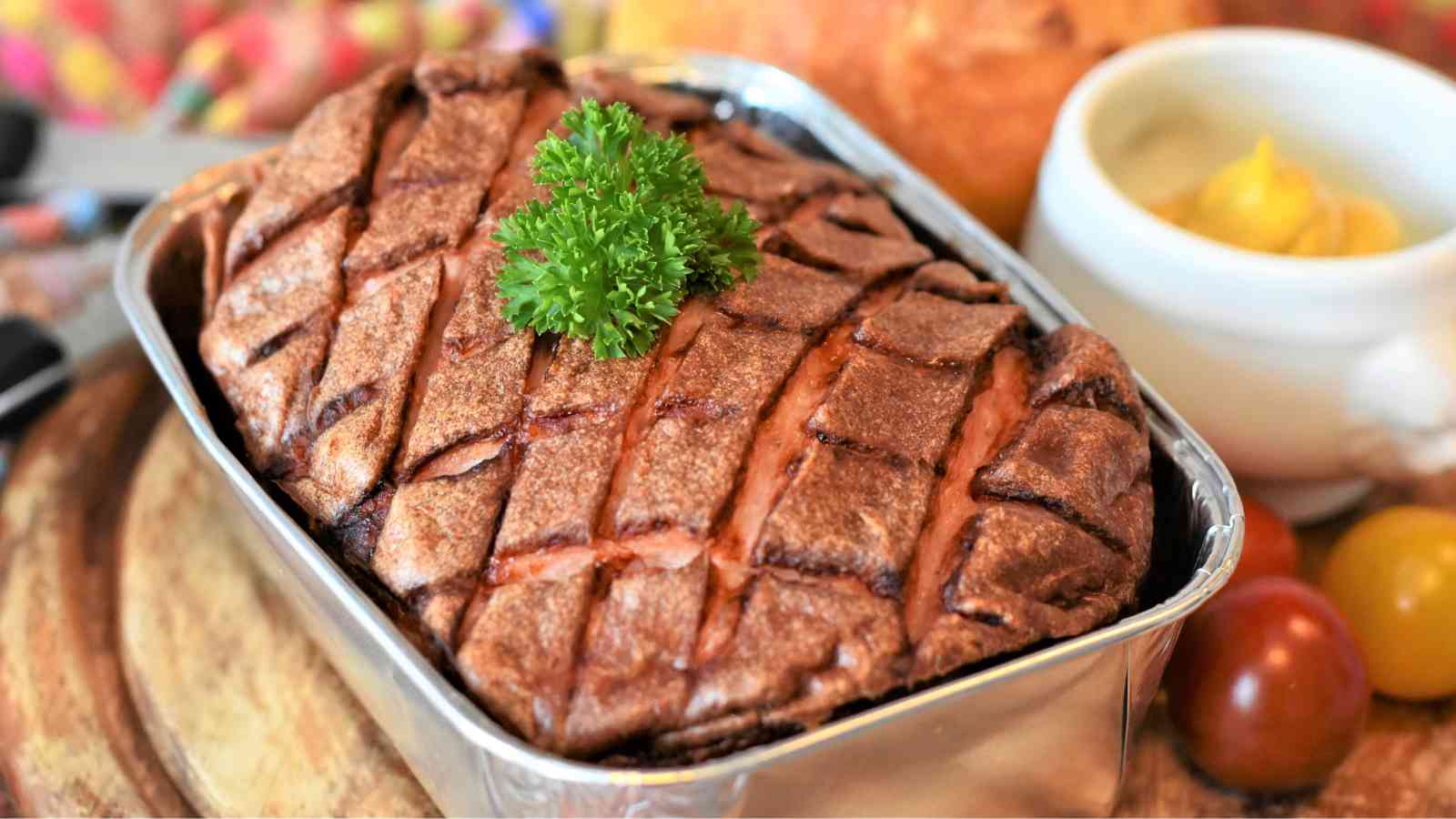
Ground beef mixed with breadcrumbs, eggs, and ketchup is shaped into a loaf and baked—sometimes with a glaze on top. The final result is dense, moist, and deeply nostalgic for many Americans. In other places, meat is rarely served in loaf form, and the ketchup topping can seem out of place. Its visual similarity to cake adds another layer of confusion. Texture, flavor, and form all combine to make it one of the more questioned American dishes.
Chicken-Fried Steak
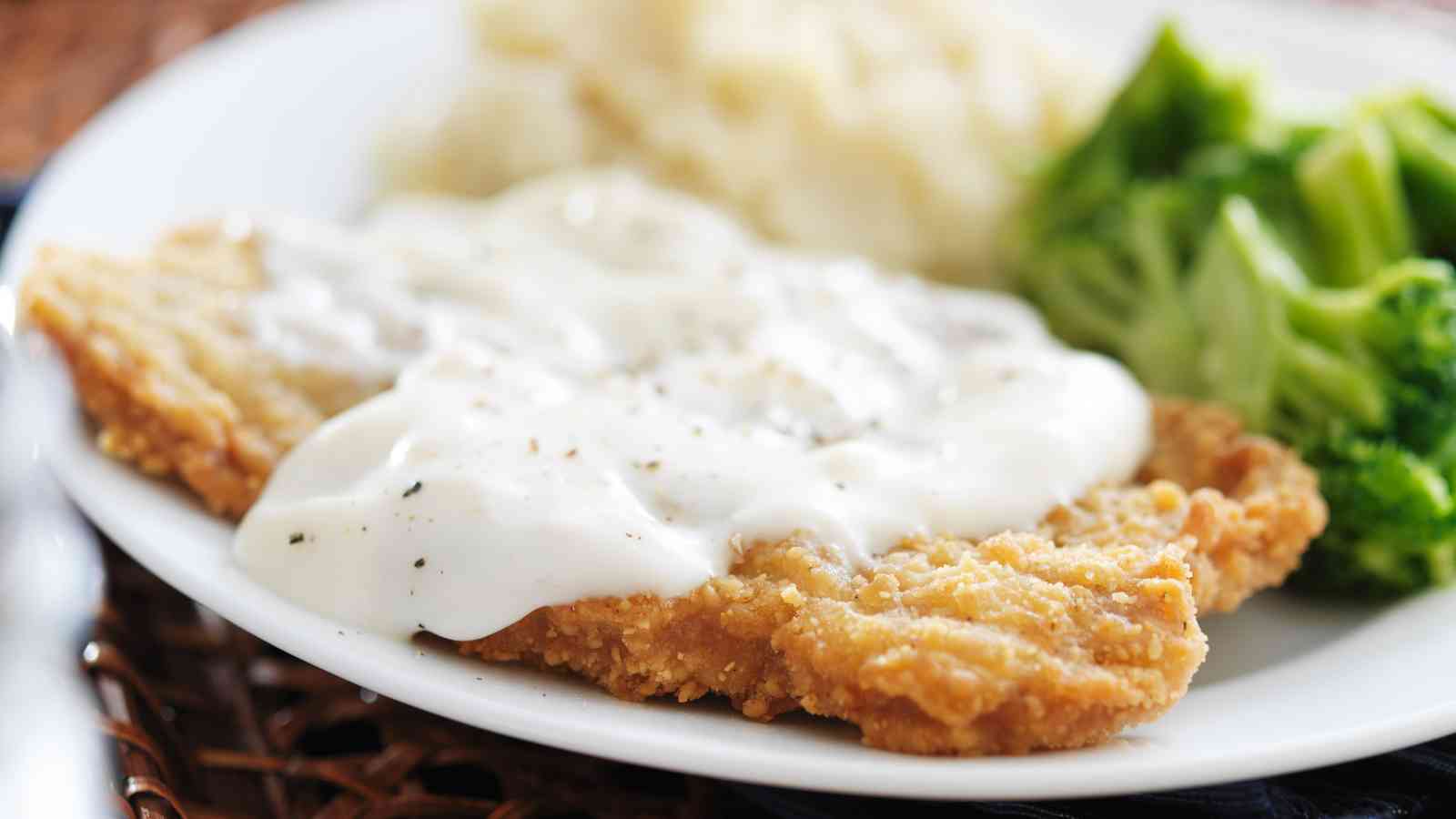
Despite its name, this dish contains no chicken—just beef battered and fried like fried chicken. Usually served with white gravy, it’s a comfort food from the American South. The naming alone causes confusion internationally, and the concept of deep-frying beef is foreign in many cultures. Its crispy crust and tender inside make it hearty, but the combination can seem excessive. The heavy gravy further complicates its identity as either breakfast or dinner.
Deep Fried Twinkies

A fairground invention, deep-fried Twinkies take an already sweet sponge cake and coat it in batter before frying. The result is a warm, melty dessert with a crunchy shell and gooey center. Even Americans debate its value as food versus novelty. Many from other cultures find the sugar and fat levels overwhelming. It symbolizes excess and indulgence more than flavor balance.
20 Most Iconic San Francisco Foods You Shouldn’t Miss

Here are 20 of the most iconic foods in San Francisco you shouldn’t miss when you visit. Each dish represents the city’s diverse culinary scene and rich cultural heritage. Enjoy exploring these delicious flavors and discovering even more classic creations in the vibrant city of San Francisco!
Food Bucket List: 15 Asian Noodles You Must Try

There’s a whole world of noodles out there, each with its own unique flavor and texture! Here are 15 Asian noodles you must try. These noodles are not only unique in their own ways but also rich in history, carrying the traditions and cultures of their origins. Go through the list and next time you’re in an Asian restaurant, you’ll know which type to try next.

Tamara Tsaturyan is the owner and writer of Thriving In Parenting, a website focused on providing simple tips for busy parents — easy and healthy recipes, home decor and organization ideas and all things P A R E N T I N G.

Comments & Reviews
esl says
Several of these dishes exist in other countries. Meatloaf? There are many versions in other cuisines such as those in Germany, Italy, Denmark, and Lebanon for example. Funnel cake? Ever hear of Jalebi, a very popular sweet and street food throughout India, Pakistan and Bangladesh. Prepared and eaten in a very identical way. Kind of hard to find them totally bizarre then when a significant portion of the world’s population eats that. Jerky? There are versions in China and Japan to name two countries. Hot Pockets? There are versions of a savory meat, cheese, or vegetables filled pastry in a bread-like crust found throughout the world. Yes, microwavable calzone and empanadas exist.