Cold season makes it even more important to get enough vitamin C, since your body uses it daily to support immunity and repair tissues. Because you can’t store vitamin C, you need fresh sources of it from food every single day. Many fruits and vegetables offer far more of it than most people realize, and some can meet your entire daily needs in one serving. Any extra vitamin C simply leaves your body, so steady intake matters more than taking a large dose once in a while. Here are 20 great options that help keep your defenses strong through the colder months. Adding more vitamin C–rich foods also gives you extra nutrients like fiber and antioxidants along the way.

Strawberries

One cup of strawberries supplies close to 150% of your required daily vitamin C intake, giving these bright berries impressive nutritional value. Each piece comes loaded with fiber and beneficial plant compounds that play roles in general wellness. Their naturally sweet flavor makes them an easy addition to breakfasts, snacks, or desserts without adding much sugar. Blending them into parfaits, smoothies, or oatmeal keeps their nutrients intact.
Kiwifruit

One kiwi delivers more than your daily vitamin C needs, giving this small fruit a surprisingly strong nutritional profile. Its green flesh contains fiber, vitamin E, and potassium that all support various body functions. Cutting it open reveals a juicy texture that works beautifully in fruit bowls and yogurt blends. Many people enjoy it sliced on its own because of its tangy balance of sweet and tart flavors.
Cruciferous Vegetables

Broccoli, cauliflower, and kale offer reliable vitamin C levels, with a cup of broccoli alone providing roughly 80 mg. Each vegetable in this group contains unique antioxidants that contribute to overall health. Their compositions also include natural compounds with anti-inflammatory properties and minerals that support bone strength. Steaming, roasting, or sautéing them helps preserve their nutrients while bringing out their natural flavors. Making them a regular part of meals supports both vitamin C intake and general nutrient diversity.
Red Bell Peppers

One medium red bell pepper contains well over 150% of your daily vitamin C needs, making it one of the strongest sources among common vegetables. Its crisp texture adds freshness to salads, cooked dishes, or snack platters. Beneath the crunch lies a mix of antioxidants that complement its vitamin C content. Red peppers hold their nutrients well when eaten raw, although they remain highly nutritious even when roasted.
White Potatoes

One medium white potato offers about 17 mg of vitamin C, contributing roughly one-third of your daily requirement. This root vegetable also contains potassium and vitamin B6, nutrients that support various metabolic functions. Because potatoes are versatile, they can be incorporated into meals in countless ways without losing their nutritional benefits. Baking or roasting keeps preparation simple while preserving most of their natural vitamin C content.
Papaya

One cup of papaya provides nearly 90% of your daily vitamin C intake, giving this tropical fruit notable nutritional strength. Its soft texture carries fiber, vitamin A, and folate that contribute to digestive and cellular health. Many people enjoy it chilled because it maintains its flavor and keeps its nutrients intact. Combining papaya with yogurt or salads adds color and natural sweetness.
Citrus Fruits

Lemons and limes contain dependable amounts of vitamin C, with one lemon contributing around half the daily requirement. Their natural acidity adds flavor while also supplying fiber that plays a role in cholesterol management. Squeezing them into sauces, teas, or marinades allows you to incorporate vitamin C without major changes to meals. Eating citrus segments or zesting the peel introduces even more nutrients.
Guava

One guava contains up to twice the vitamin C you need for the entire day, giving this fruit remarkable nutritional density. Its crisp texture and subtle sweetness pair well with smoothies or fruit bowls. Fiber and additional vitamins add to its overall health benefits. Cutting it into wedges makes it convenient for snacking without complicated prep.
Kakadu Plums

Kakadu plums deliver some of the highest vitamin C concentrations found in food, offering up to 2,907 mg per 100 grams. A single small plum can supply more than four days’ worth of this nutrient in one serving. These fruits also contain abundant antioxidants and minerals that support cellular health. Indigenous Australian communities have valued them for generations because of their unique nutrient profile.
Tomatoes

One medium tomato provides around 28% of your daily vitamin C needs while also supplying potassium, folate, and vitamin K. Its high water content makes it refreshing and hydrating. Slicing tomatoes for salads or sandwiches preserves their nutritional value. Cooking them for sauces enhances flavor while still keeping notable nutrients intact.
Cantaloupe

One cup of cantaloupe contributes about 58% of your daily vitamin C requirement, offering a hydrating and nutrient-rich option. This melon contains vitamin A, potassium, and fiber that complement its vitamin C content. Its mild sweetness pairs easily with other fruits or yogurt. Chilled slices make a refreshing snack, especially in warm weather.
Pink Grapefruit
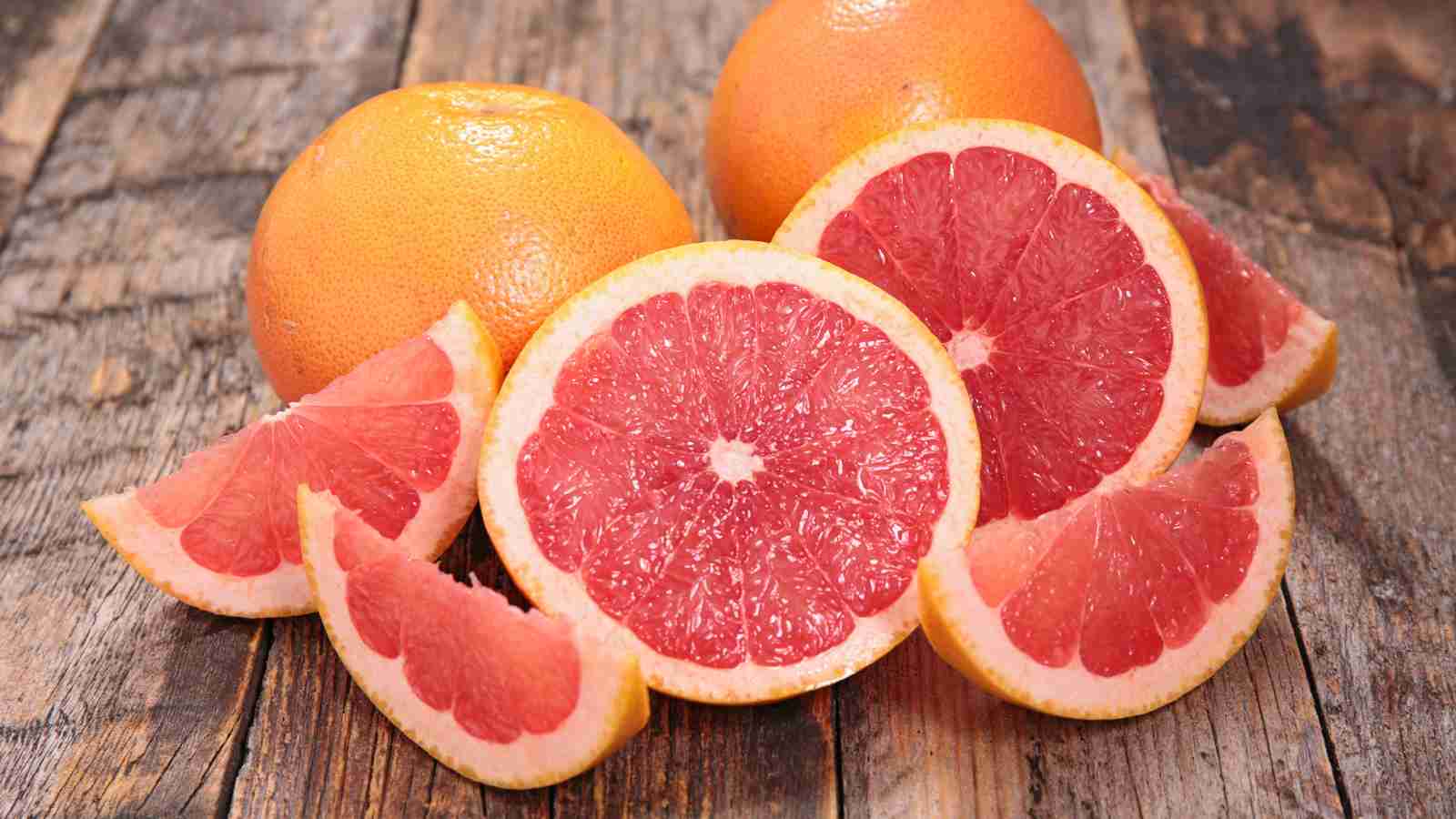
A small pink grapefruit supplies about 69 mg of vitamin C and includes plant compounds like lycopene that support heart function. Its tangy flavor gives breakfast plates a naturally bright taste. Enjoying it fresh helps preserve its nutrient content. Adding segments to salads creates a refreshing contrast with leafy greens or grains.
Brussels Sprouts

Half a cup of cooked Brussels sprouts contains about 48 mg of vitamin C along with fiber and essential micronutrients. These compact vegetables deliver notable nutritional power despite their small size. Roasting enhances their natural sweetness while maintaining many beneficial compounds. Pairing them with simple seasonings makes them easy to enjoy in everyday meals.
Acerola Cherries

Half a cup of acerola cherries provides roughly 825 mg of vitamin C, far exceeding daily requirements. Their bright flavor comes from naturally occurring plant compounds rich in antioxidants. Fresh cherries offer the highest nutrient concentration, though frozen varieties still supply strong levels. Blending them into smoothies creates a vibrant and nutrient-packed drink.
Mango

One cup of mango offers about 76% of the daily vitamin C intake while also contributing vitamin A and fiber. Its soft texture and sweet flavor make it popular in drinks, bowls, and savory pairings. Diced mango adds color and freshness to salads or salsas. Many people enjoy it simply sliced because it maintains full nutrient content.
Pineapple
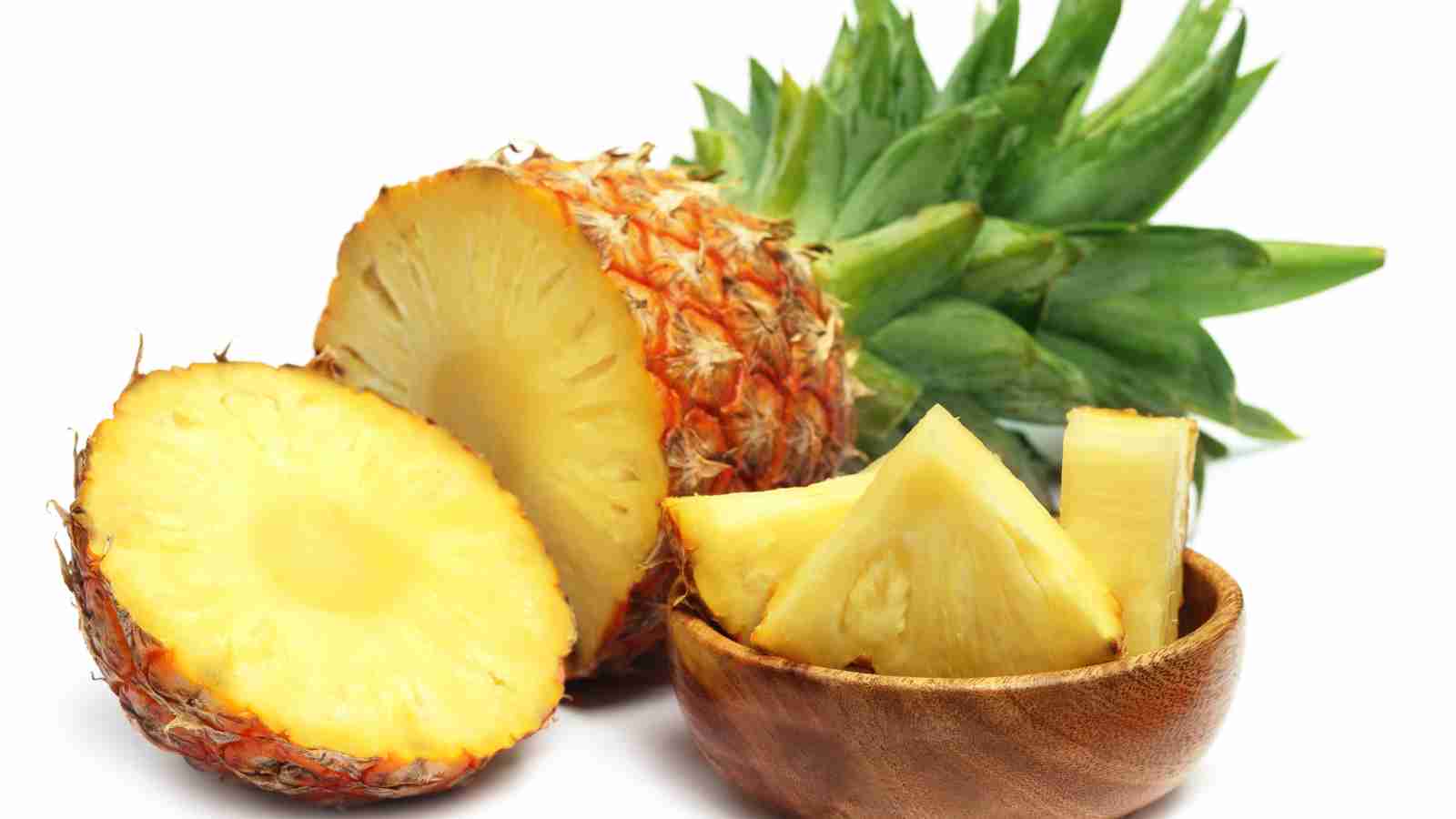
Pineapple contains a substantial amount of vitamin C along with bromelain, an enzyme linked to digestive support. Its juicy flesh offers a naturally refreshing taste. Cutting it fresh preserves most of its nutrients, though canned versions still carry significant vitamin C. Adding pineapple to stir-fries, fruit bowls, or grilled dishes expands meal variety.
Black Currants

Half a cup of black currants provides about 102 mg of vitamin C, showcasing their impressive nutritional potency. Their dark color comes from anthocyanins that support overall wellness. Currants work well in preserves, baked goods, or simple snack mixes. Eating them fresh retains the highest nutrient levels.
Lychees

One lychee contains about 7 mg of vitamin C, and a full cup surpasses the daily requirement. Its floral sweetness sets it apart from many other fruits. Peeling lychees reveals a juicy interior that retains nutrients well. Serving them chilled makes their texture even more enjoyable.
Parsley

Two tablespoons of parsley supply about 10 mg of vitamin C along with vitamin K and potent antioxidants. Finely chopping it preserves its nutrients and distributes flavor evenly. Sprinkling it over meals adds freshness without overpowering other ingredients. Using parsley in soups, salads, and sauces enhances both taste and nutrition.
Mustard Spinach

One cup of raw mustard spinach offers around 195 mg of vitamin C, placing it among the most nutrient-rich leafy greens. Even after cooking, it maintains a large share of its natural vitamins. Its peppery flavor adds character to stir-fries, soups, and salads. Including it raw preserves the highest vitamin C levels.
Why Your Body Needs Lysine — And 15 Best Foods to Get It

Are you dealing with frequent fatigue, slow wound healing, or even unexpected hair loss? You might be running low on lysine. As an essential amino acid, your body can’t produce it on its own, meaning you have to get it from food. Instead of turning to supplements, which can sometimes do more harm than good, it’s best to boost your intake naturally through food. Luckily, there are plenty of lysine-rich options to choose from.
Small Changes, Big Impact! 15 Whole Food Swaps You Can Make Today

Instead of cutting out entire food groups or following extreme diets, making simple swaps can provide better nutrition without sacrificing flavor or satisfaction. The right alternatives can improve digestion, support heart health, and even help maintain steady energy levels throughout the day. Here are 15 easy swaps that pack more nutrition into your diet without making you feel like you’re missing out.

Tamara Tsaturyan is the owner and writer of Thriving In Parenting, a website focused on providing simple tips for busy parents — easy and healthy recipes, home decor and organization ideas and all things P A R E N T I N G.

Share Your Thoughts!
I love to know your thoughts, make sure to comment below to start a discussion! You can also follow me on your favorite social network below.