As consumers grow more conscious of how their food is grown, it seems as though everyone is reaching for organic options, eager to embrace the promise of cleaner, more natural foods. But beyond the aisles of regulated organic produce lies an older, often overlooked source of nourishment: wild and foraged foods. For much of human history, these foods weren’t considered niche—they were essential. These plants grow independently of conventional farming, shaped by their environment rather than human intervention. Below, you’ll find 20 foraged and wild foods that not only survive in nature but thrive. In adapting to the stresses of the wild—drought, competition, predators—they often produce higher levels of protective compounds, antioxidants, and micronutrients. In many cases, they contain more nutritional value than their domesticated counterparts.
Dandelions
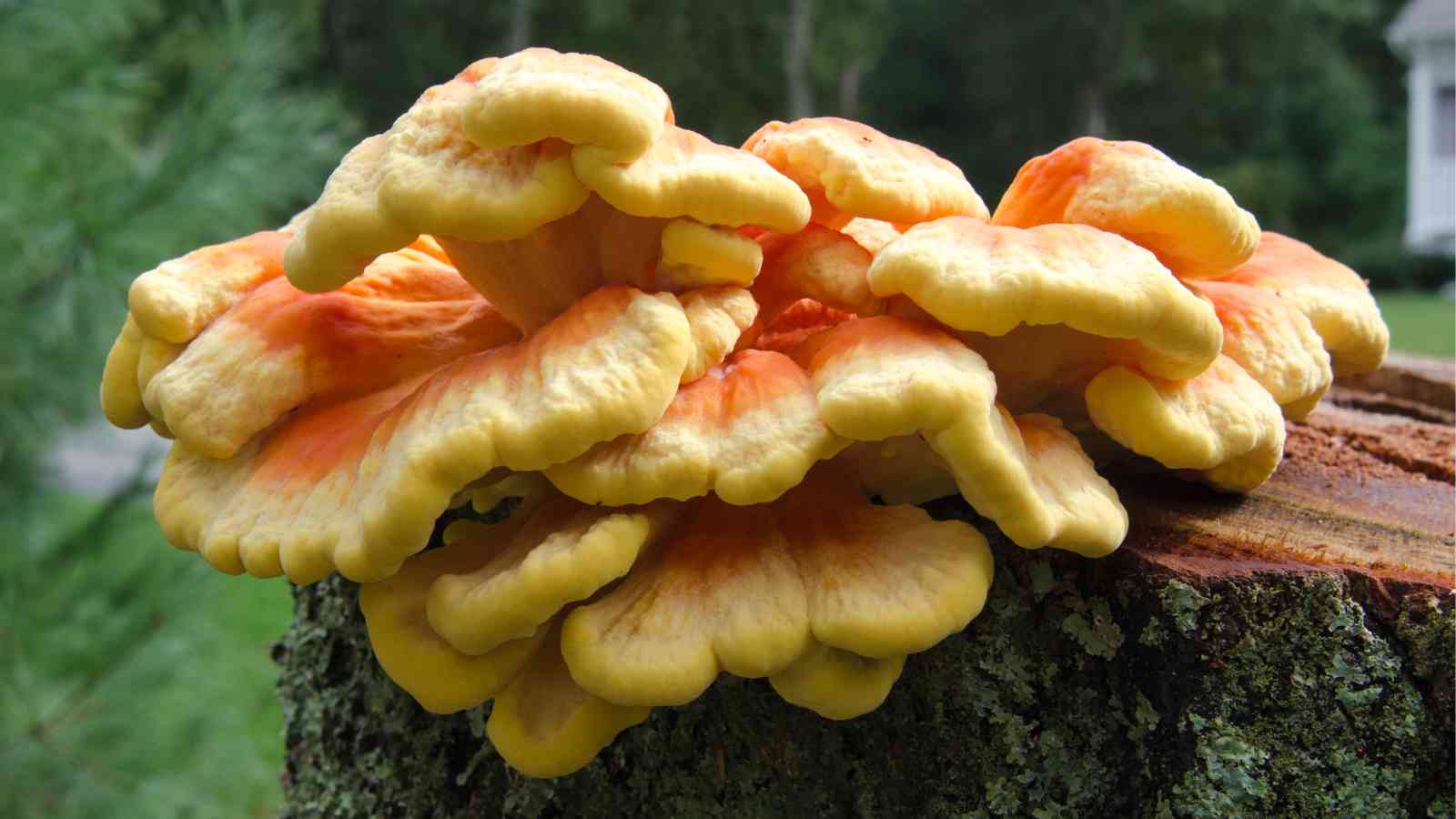
You can use nearly every part of the dandelion—from root to petal—for nutritional purposes. The leaves contain vitamins A, C, and K, as well as calcium and potassium. The roots can be dried and used as a caffeine-free coffee substitute, offering digestive benefits through their inulin content. Petals can even be mixed into batter or added to cookies for a floral, mildly sweet note.. Only the stem is typically avoided due to its bitter, latex-like sap.
Elderflower
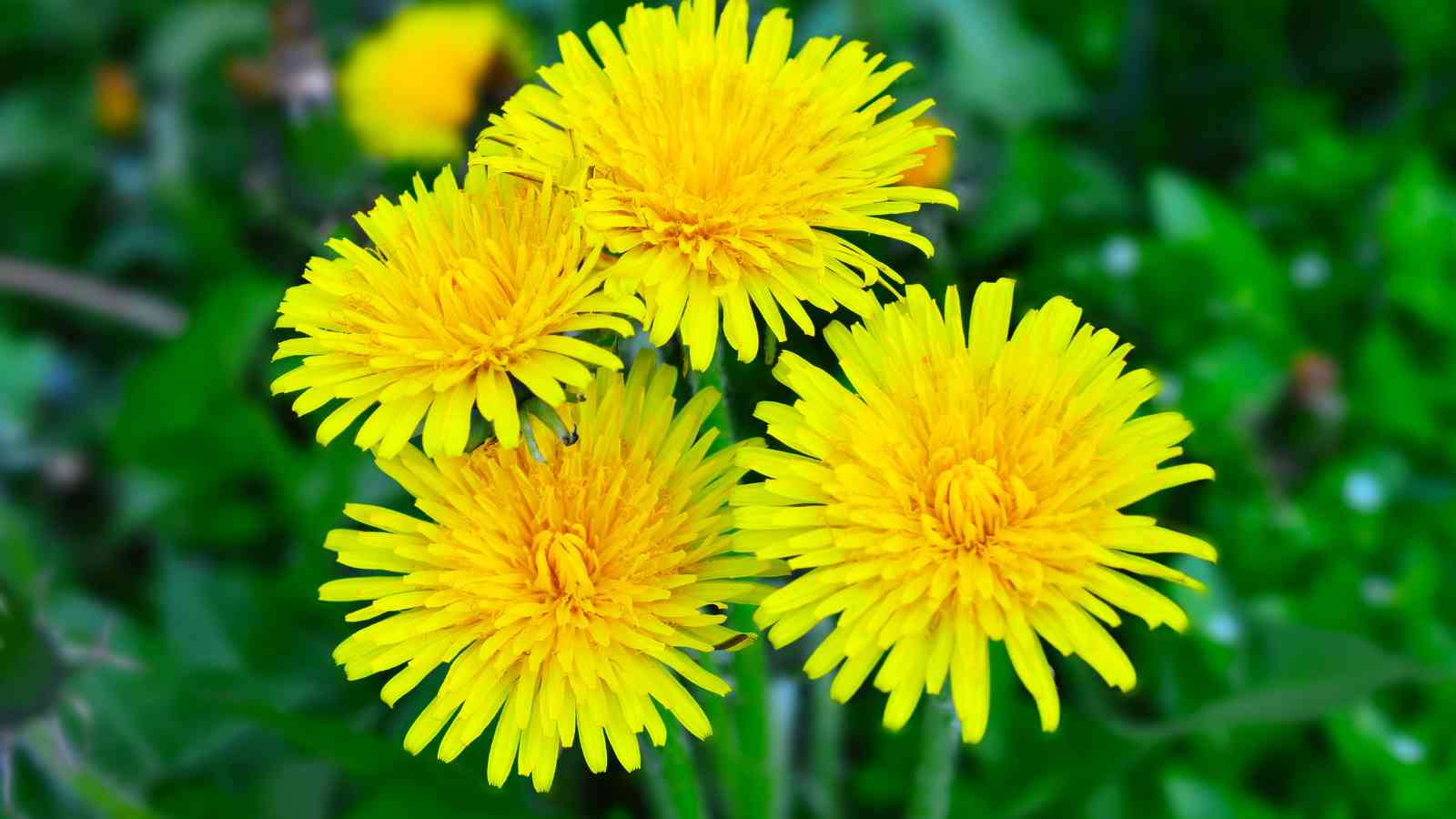
Known for its fragrant white blossoms, elderflower grows on shrubs often found along forest edges and open fields. Rich in flavonoids, elderflowers have been used in traditional remedies for supporting respiratory health. You can steep the flowers into teas or syrups to enjoy their natural antiviral and anti-inflammatory compounds. They also contain small amounts of vitamin C and phenolic acids. Harvest only the fully opened blooms, and avoid stems and leaves, which can be toxic.
Ramps
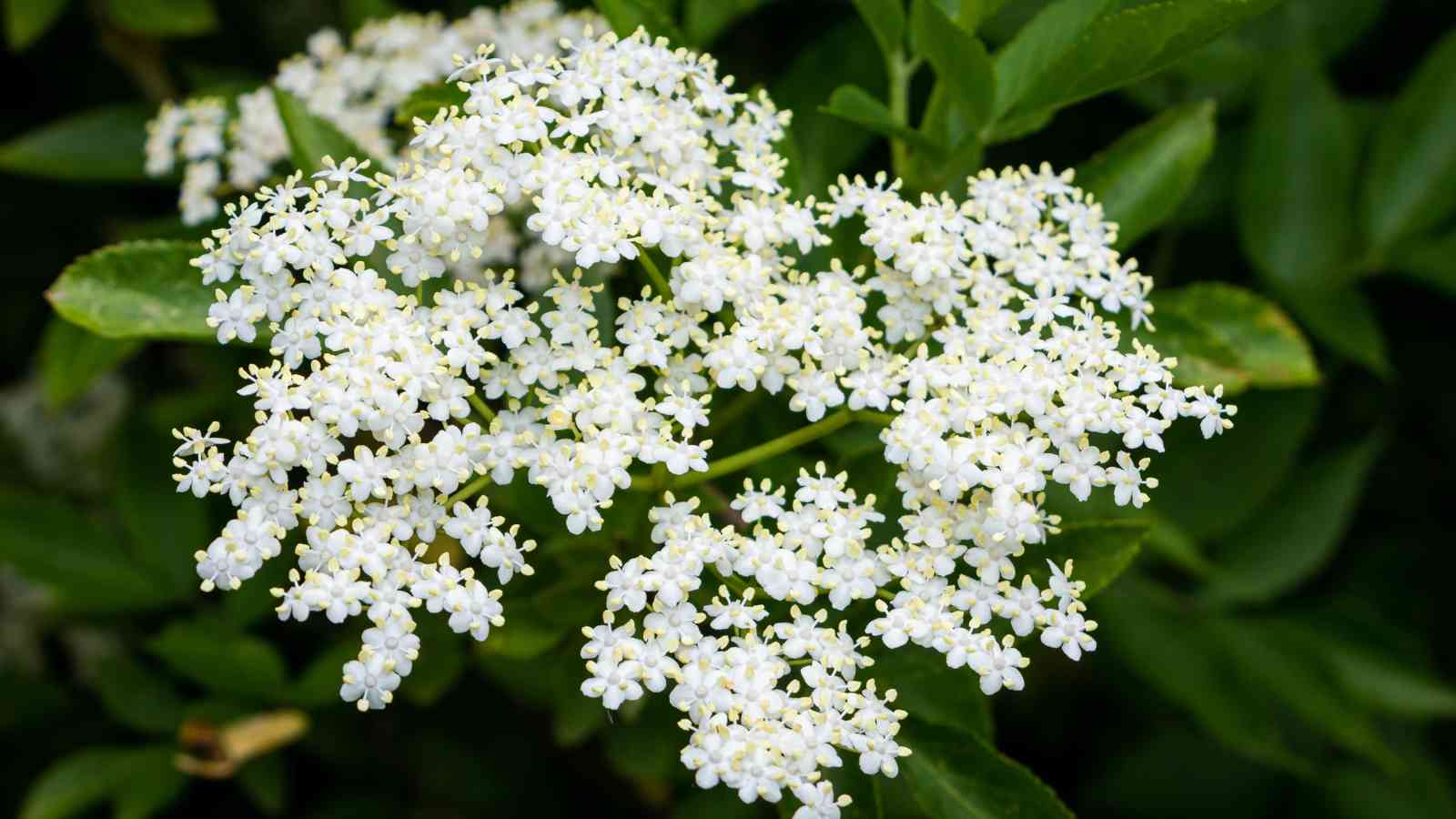
Ramps are one of the most sought-after spring wild edibles due to their garlic-onion flavor and nutritional value. Rich in vitamin A and sulfur-containing compounds like allicin, ramps may support cardiovascular health. Only harvesting the leaves, not the bulbs, ensures sustainable growth for future seasons. You can identify them by their smooth, broad green leaves and that unmistakable garlicky aroma. Always avoid lookalikes like Lily of the Valley, which are toxic.
Nettles
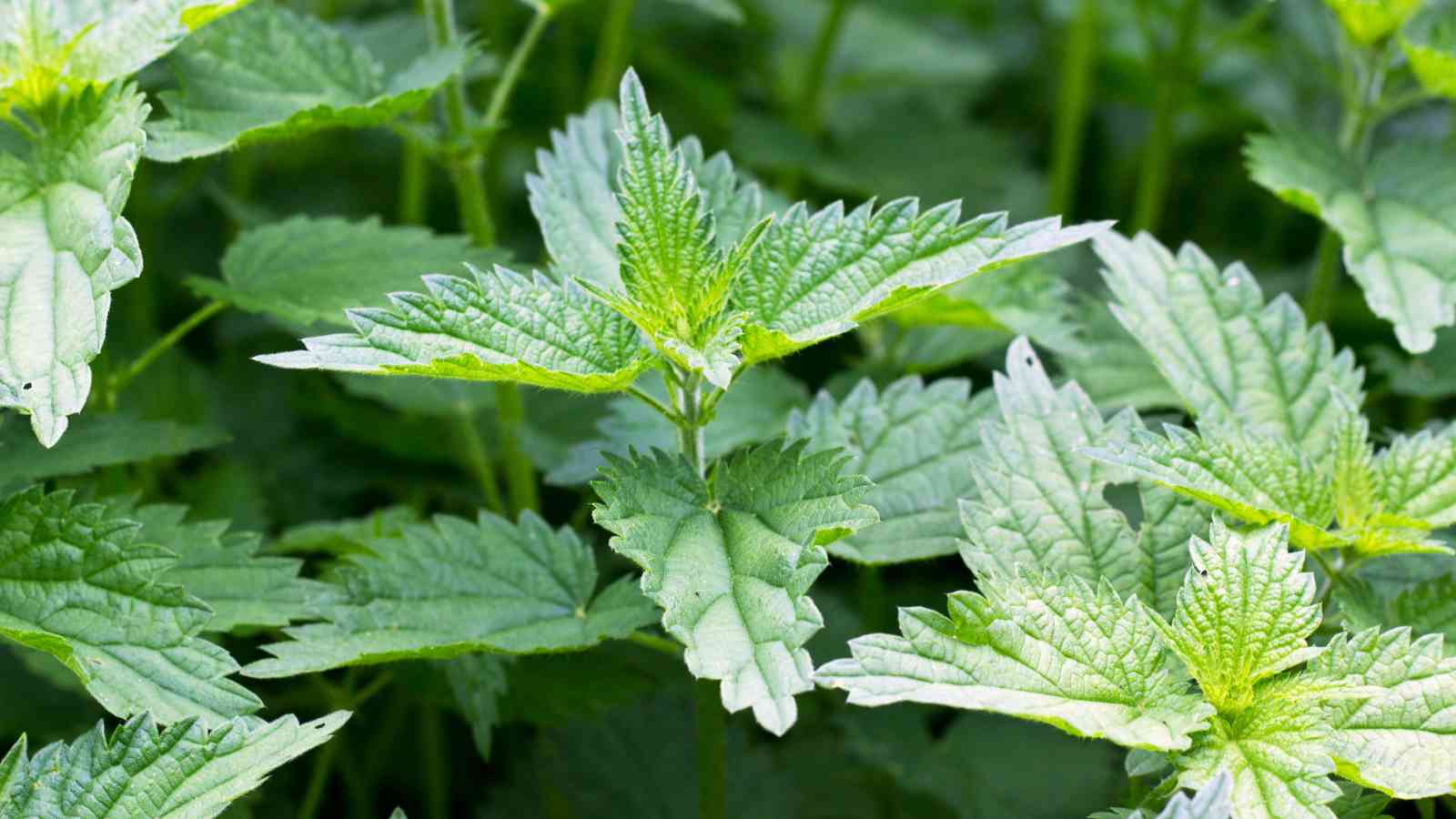
Nettles pack a strong nutritional punch with iron, calcium, vitamin A, and protein, making them a worthy wild substitute for leafy greens. The plant’s tiny stinging hairs contain formic acid, which can irritate the skin, so gloves are a must when harvesting. Cooking or drying neutralizes the stingers, making the plant safe and tender to eat. Use them in soups, sautés, or teas once prepared properly. Their nutrient density often surpasses that of cultivated greens like spinach.
Elderberries
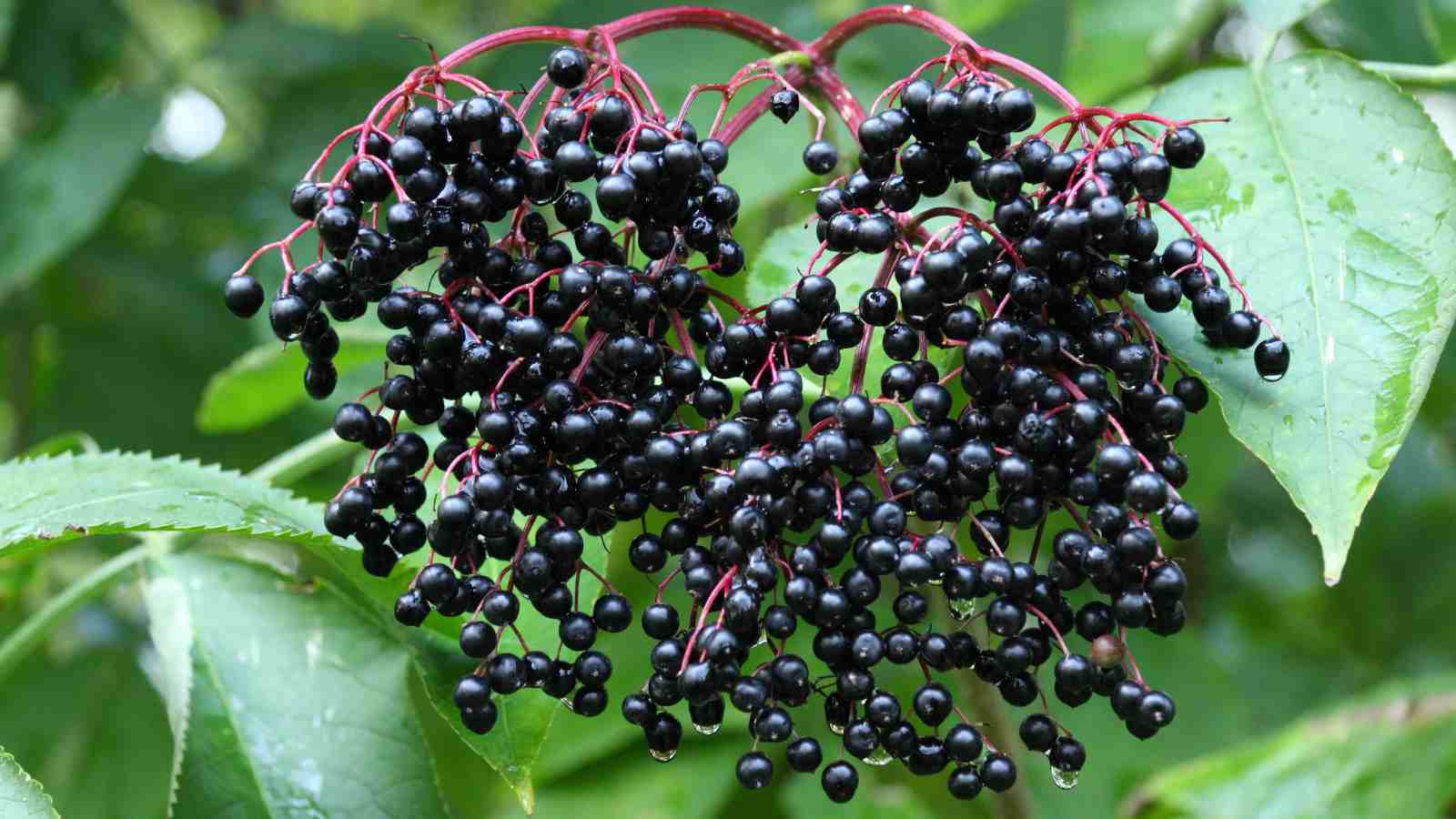
These deep purple berries are loaded with immune-supportive nutrients like vitamin C, anthocyanins, and flavonoids. Elderberries have been traditionally used to combat colds and flu due to their antioxidant and antiviral properties. They must always be cooked before consumption, as raw berries and other parts of the plant contain cyanogenic glycosides. Once heated, they make an excellent base for syrups, jams, or even fermented drinks. Their polyphenol content contributes to both immune and heart health.
Lamb’s Quarters
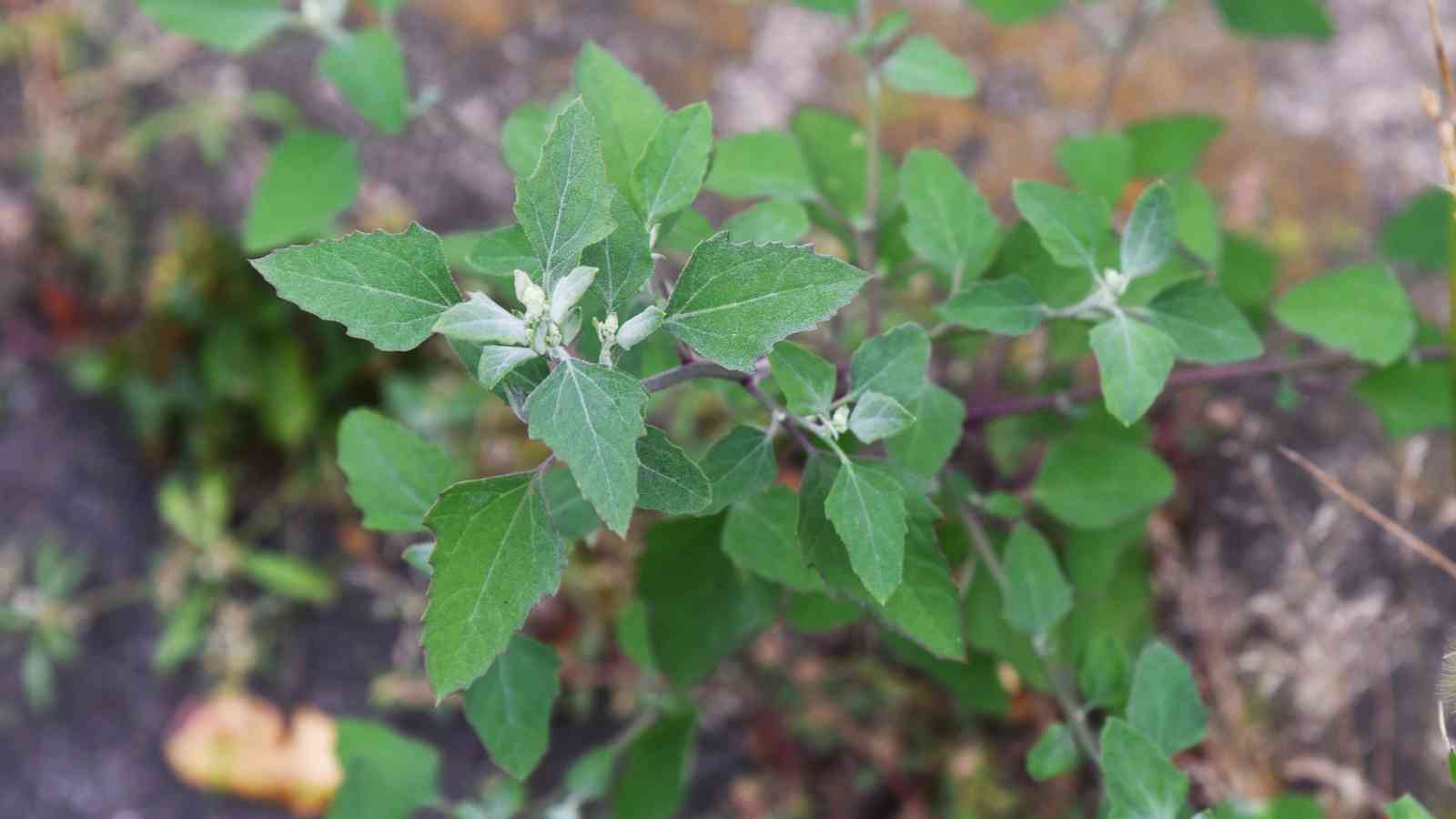
Sometimes overlooked as a weed, lamb’s quarters offer more protein, calcium, and iron than many cultivated leafy greens. The leaves are tender and mild, making them easy to substitute for spinach in cooked dishes. They’re also a good source of vitamin A and B-complex vitamins. You’ll find them thriving in disturbed soils like roadsides or garden edges. Their dusted, gray-green leaves are a reliable visual cue for foragers.
Chickweed
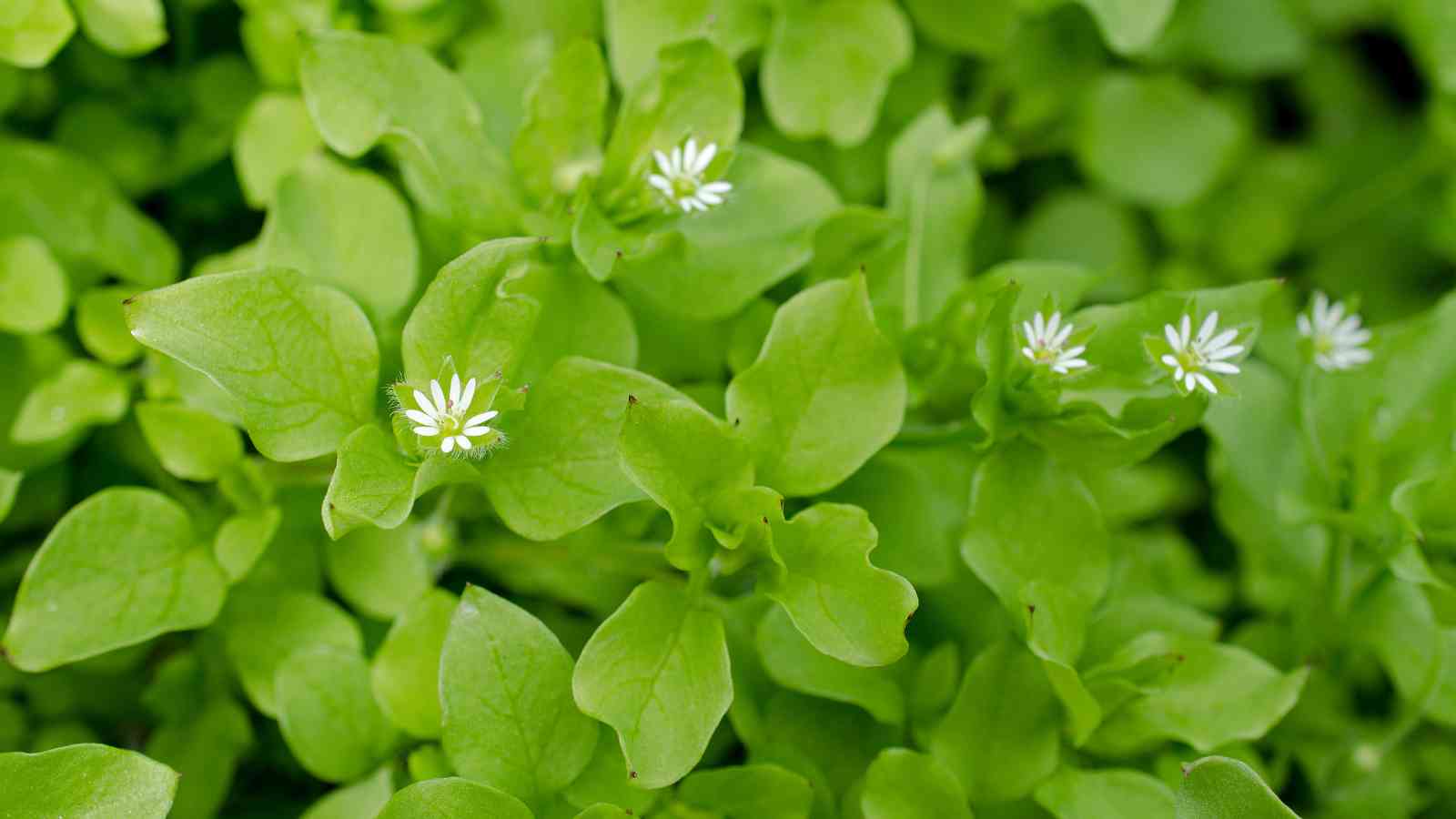
This mild, spinach-like plant contains vitamin C, iron, magnesium, and compounds with anti-inflammatory activity. Chickweed grows in clusters with small, star-shaped white flowers and can be eaten raw or cooked. It’s often used in herbalism for skin health and digestive support due to its cooling, soothing properties. You can toss the leaves and stems into salads or blend them into pestos. Avoid harvesting it once it starts to flower heavily, as the texture becomes tougher.
Wild Amaranth
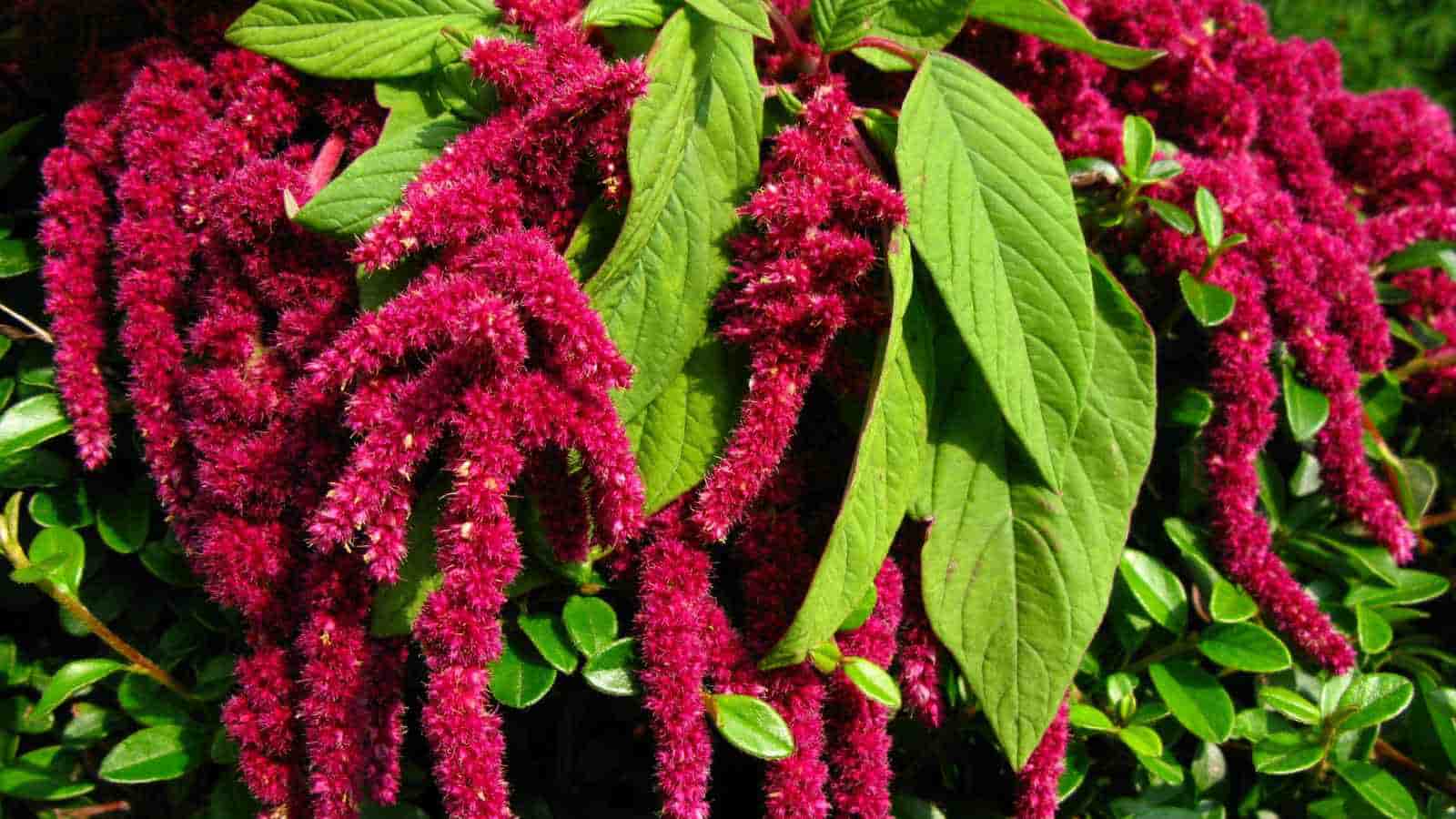
Wild amaranth, also called pigweed, has edible young leaves that are rich in vitamins A and C, as well as calcium and iron. The plant’s seeds, though tiny, are protein-rich and contain lysine, an amino acid often lacking in grains. You can cook the leaves like spinach or collect seeds by shaking dried flower heads. This plant is incredibly drought-tolerant and tends to thrive in poor soils. Its versatility and nutrient density have made it a staple in many traditional diets worldwide.
Sorrel
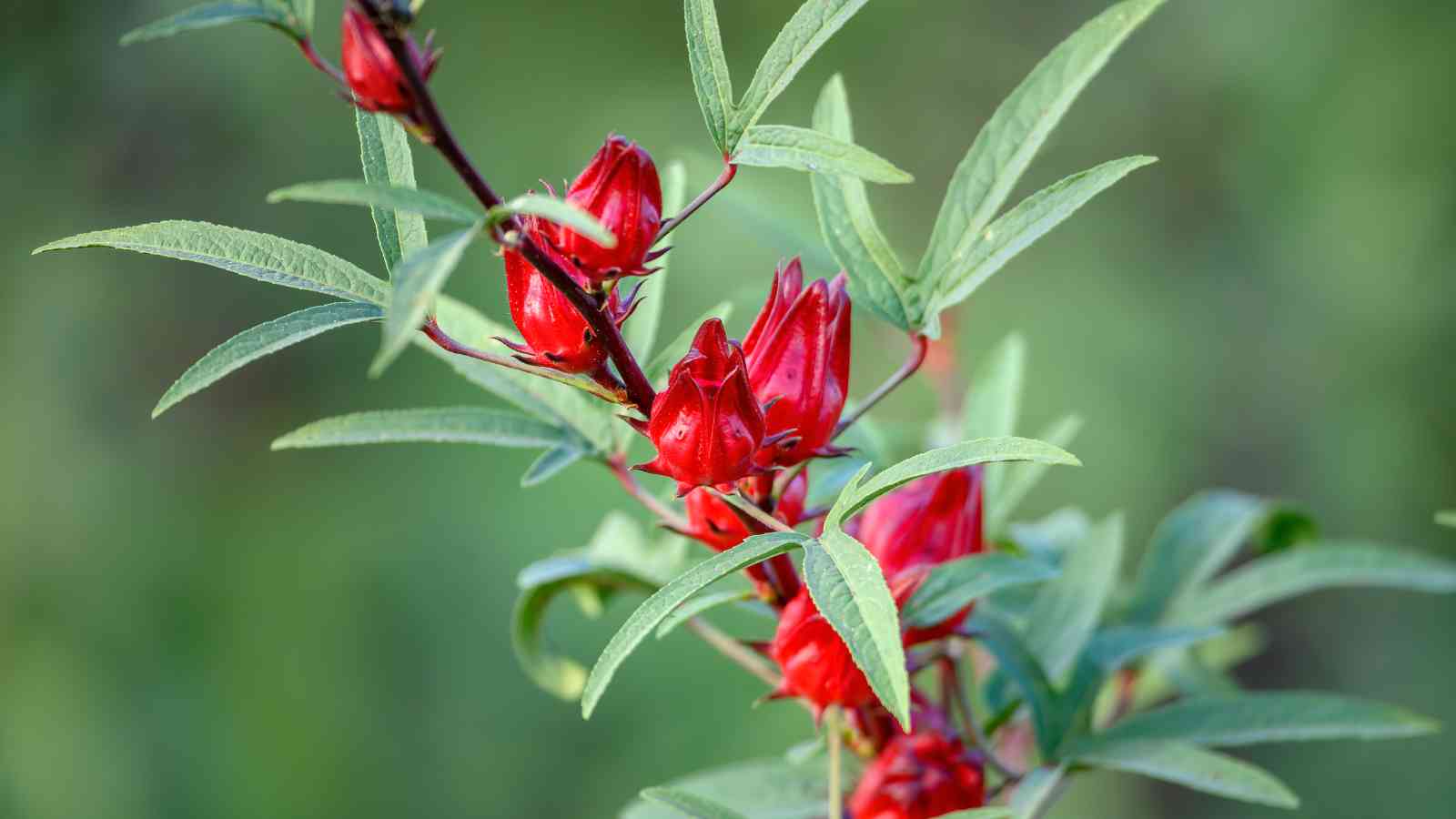
Recognizable by its tart, lemony flavor, sorrel is high in vitamin C, potassium, and antioxidants like quercetin. The sharp taste comes from oxalic acid, so moderation is key, especially for those with kidney concerns. It’s a favorite in soups and salads due to its bright, refreshing bite. The arrow-shaped leaves are often among the first wild greens to emerge in spring. Younger leaves tend to be milder and more palatable.
Purslane
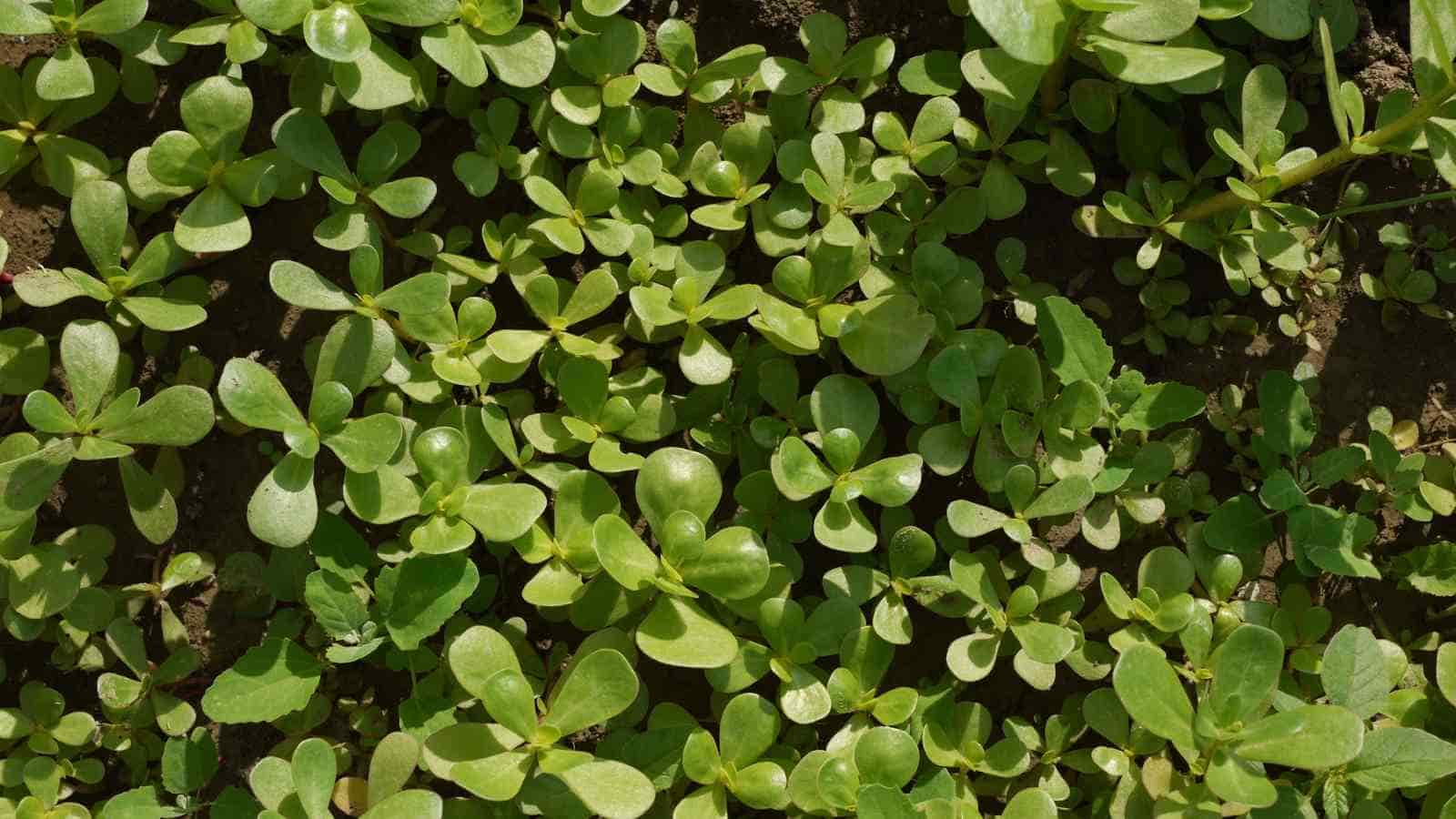
Purslane is a succulent wild groundcover loaded with alpha-linolenic acid, a plant-based form of omega-3 fatty acids. It also contains high levels of vitamin A, magnesium, potassium, and antioxidants like betalains. The stems and leaves have a crisp texture and slightly tart flavor, making them a great raw addition to salads. It thrives in sunny, dry areas, often growing in sidewalk cracks or garden beds. Compared to cultivated greens, it offers a rare omega-3 content that’s hard to find in plants.
Curly Dock
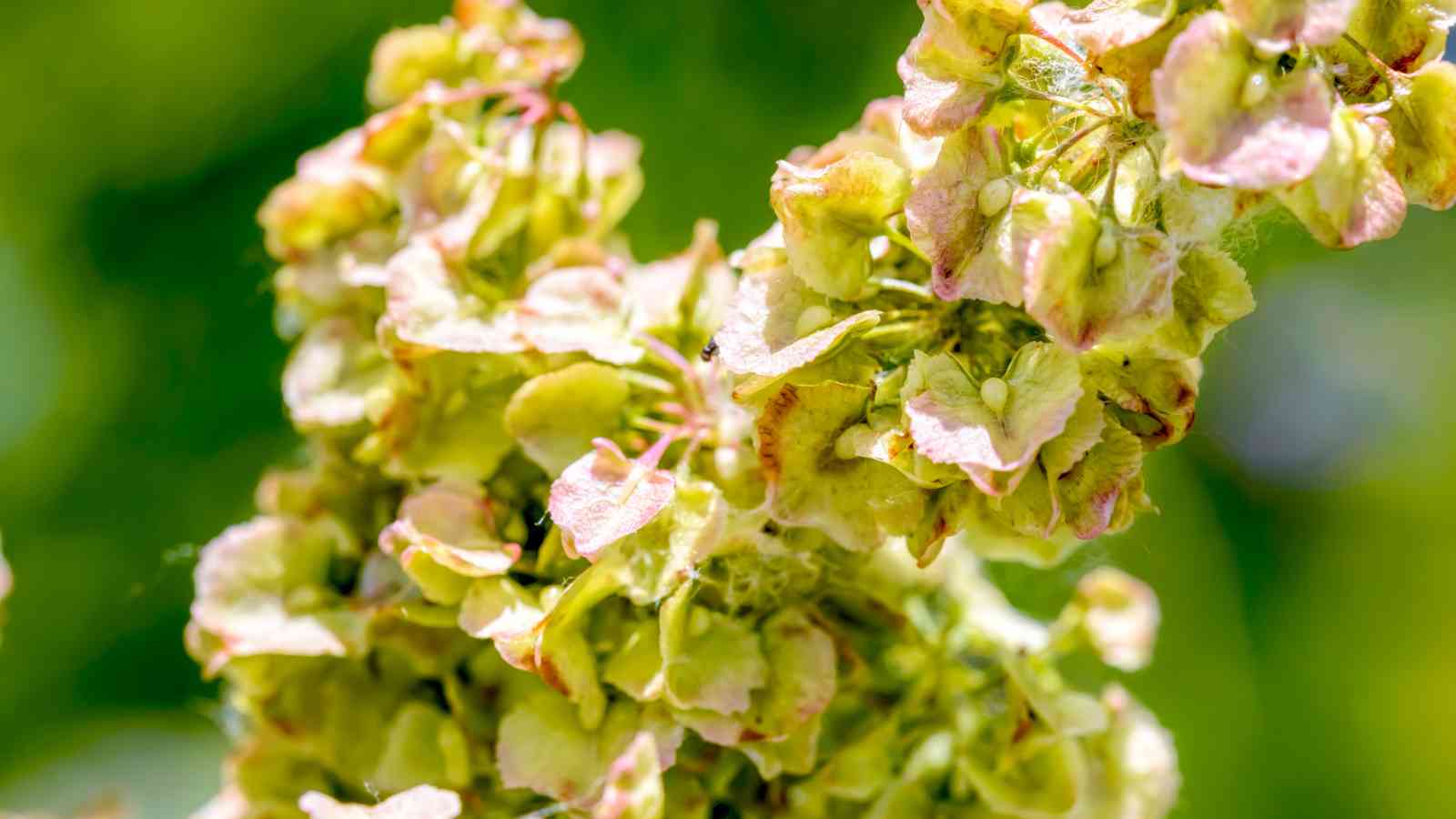
Curly dock offers young leaves rich in iron, potassium, and vitamin C, though they must be cooked to reduce oxalate content. The roots have been traditionally used in teas or tinctures for digestion and liver support. Its long, wavy-edged leaves and tall seed stalks make it easy to identify. Boiling or steaming neutralizes its bitterness and makes the greens more digestible. Use only the younger leaves, as mature ones become tough and overly sour.
Wild Garlic
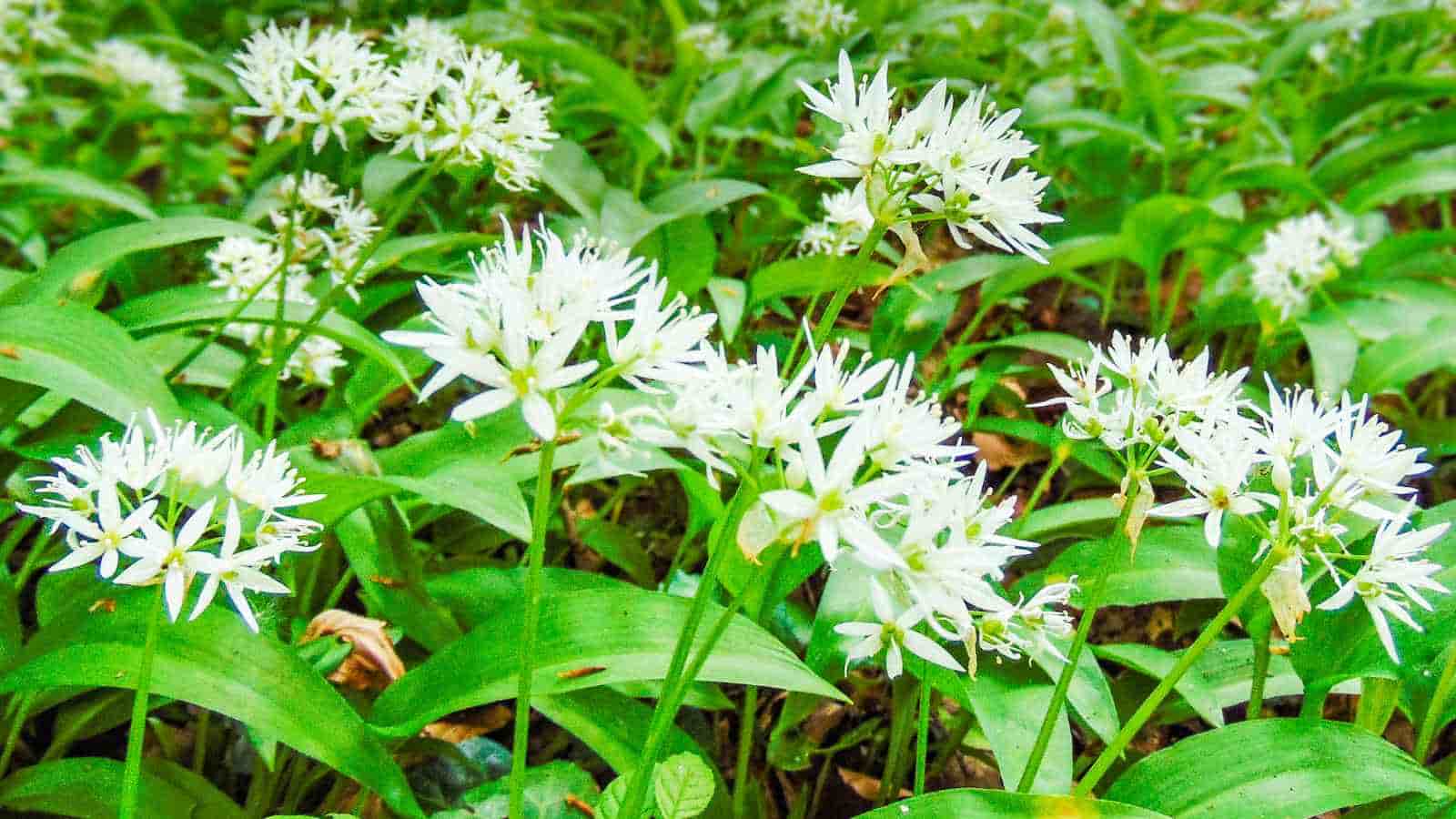
Wild garlic, often confused with ramps, grows in dense clusters and gives off a potent garlic scent when crushed. It’s full of allicin, a compound studied for antimicrobial and cardiovascular benefits. Both leaves and bulbs are edible, although responsible foraging recommends harvesting only the greens. You’ll spot them by their narrow, grass-like leaves and star-shaped white flowers. Incorporating them into dishes adds flavor and a dose of beneficial sulfur compounds.
Morel Mushroom
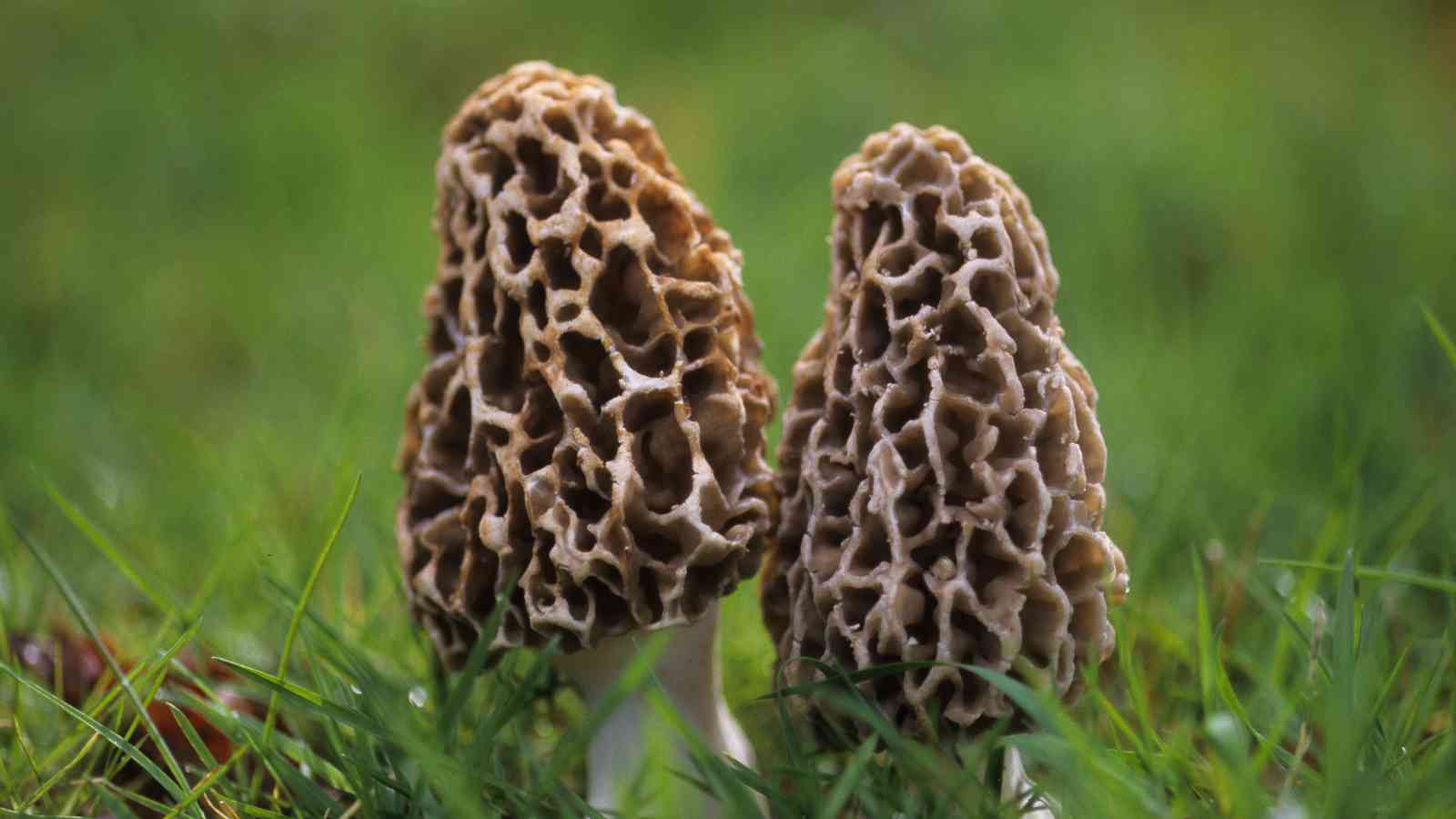
Morels are prized for their meaty texture and nutty flavor, but they’re also a nutritional standout with iron, vitamin D, copper, and antioxidants. They grow in the wild during spring, often near dead elm or ash trees. It’s important to clean them thoroughly before cooking, as they can hide grit and insects. And you must always cook them, as raw morels contain hydrazine toxins. Foraging them requires caution, since false morels can be toxic and look deceptively similar. Drying and rehydrating is a common method of preserving their unique taste and nutrients.
Fiddlehead Ferns
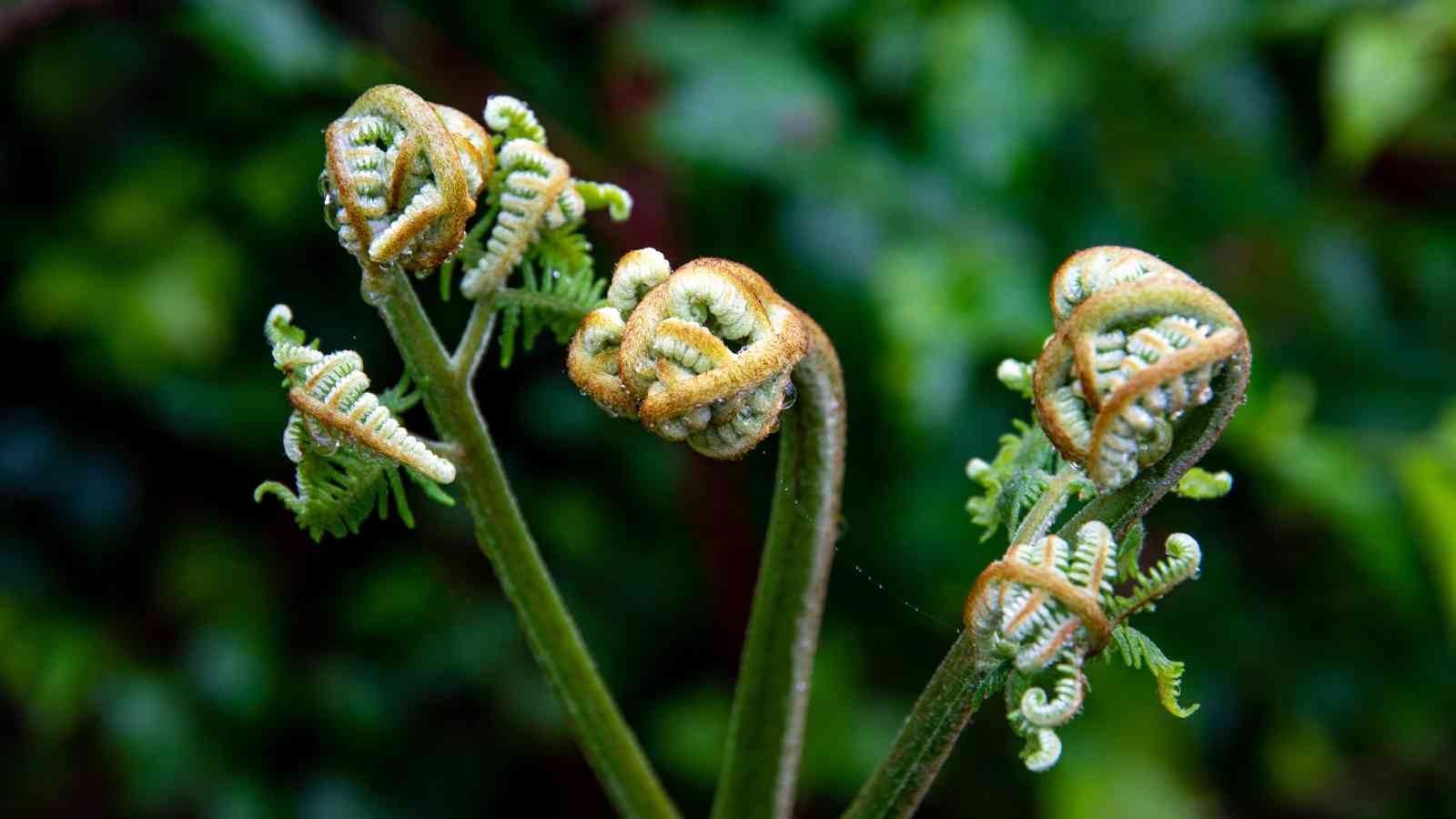
Fiddleheads are young, coiled shoots of ferns that offer iron, fiber, omega-3 fatty acids, and antioxidants. They must be cooked thoroughly to eliminate toxins and reduce bitterness. You’ll often find them near streams or moist forest floors during early spring. Their crisp texture and grassy flavor make them popular in stir-fries and sautéed dishes. Choose tightly coiled, bright green fronds for optimal flavor and safety.
Beech Nuts
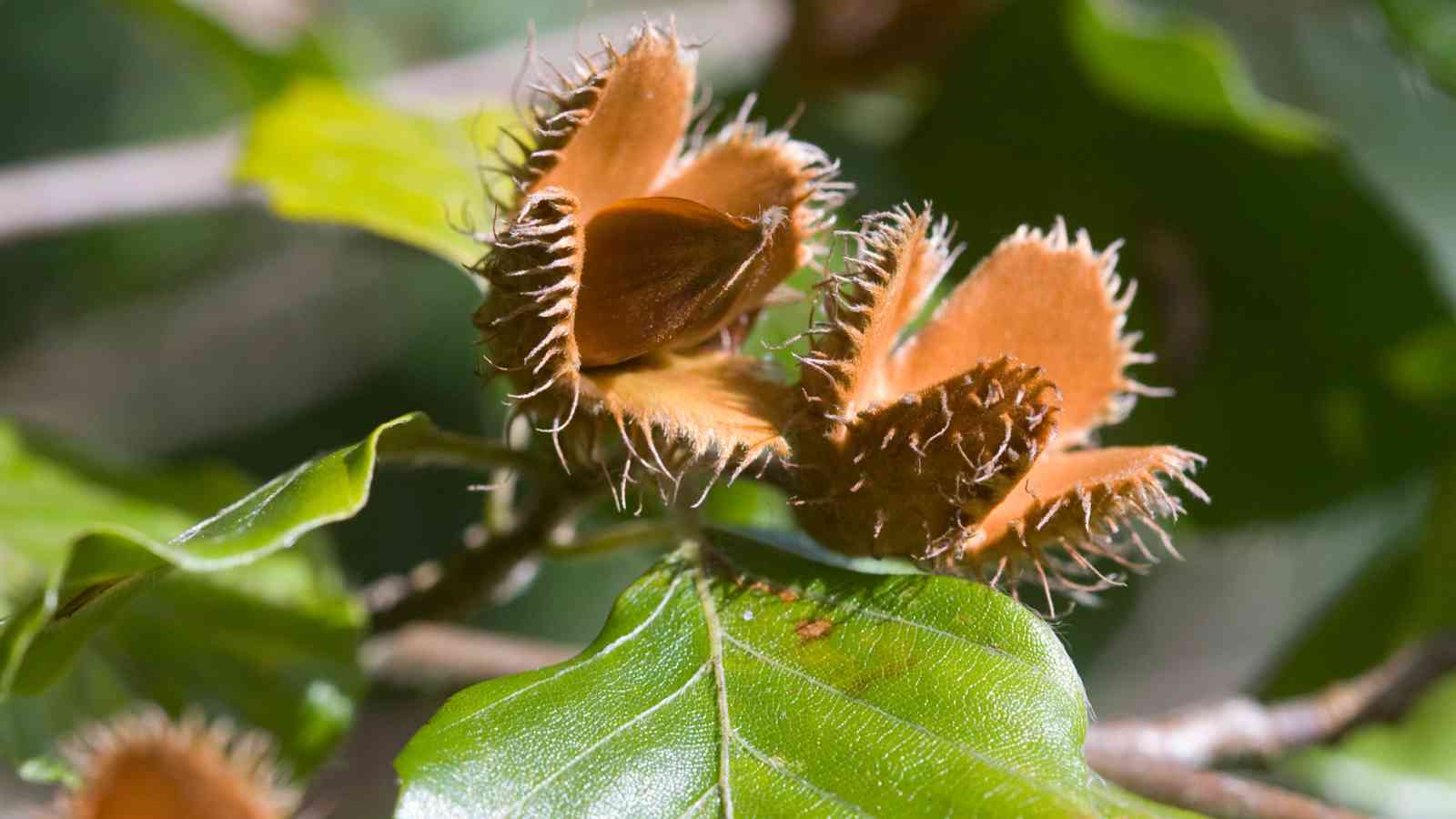
Falling from beech trees in autumn, these small triangular nuts are rich in fat, protein, and essential minerals like manganese. They require roasting to neutralize mild toxins found in the raw nut. You’ll need to crack their tough outer shells to access the nutritious seed inside. Beech nuts have a buttery flavor and can be ground into meal or eaten whole. They’re often scattered beneath mature beech trees, especially in mast years.
Watercress
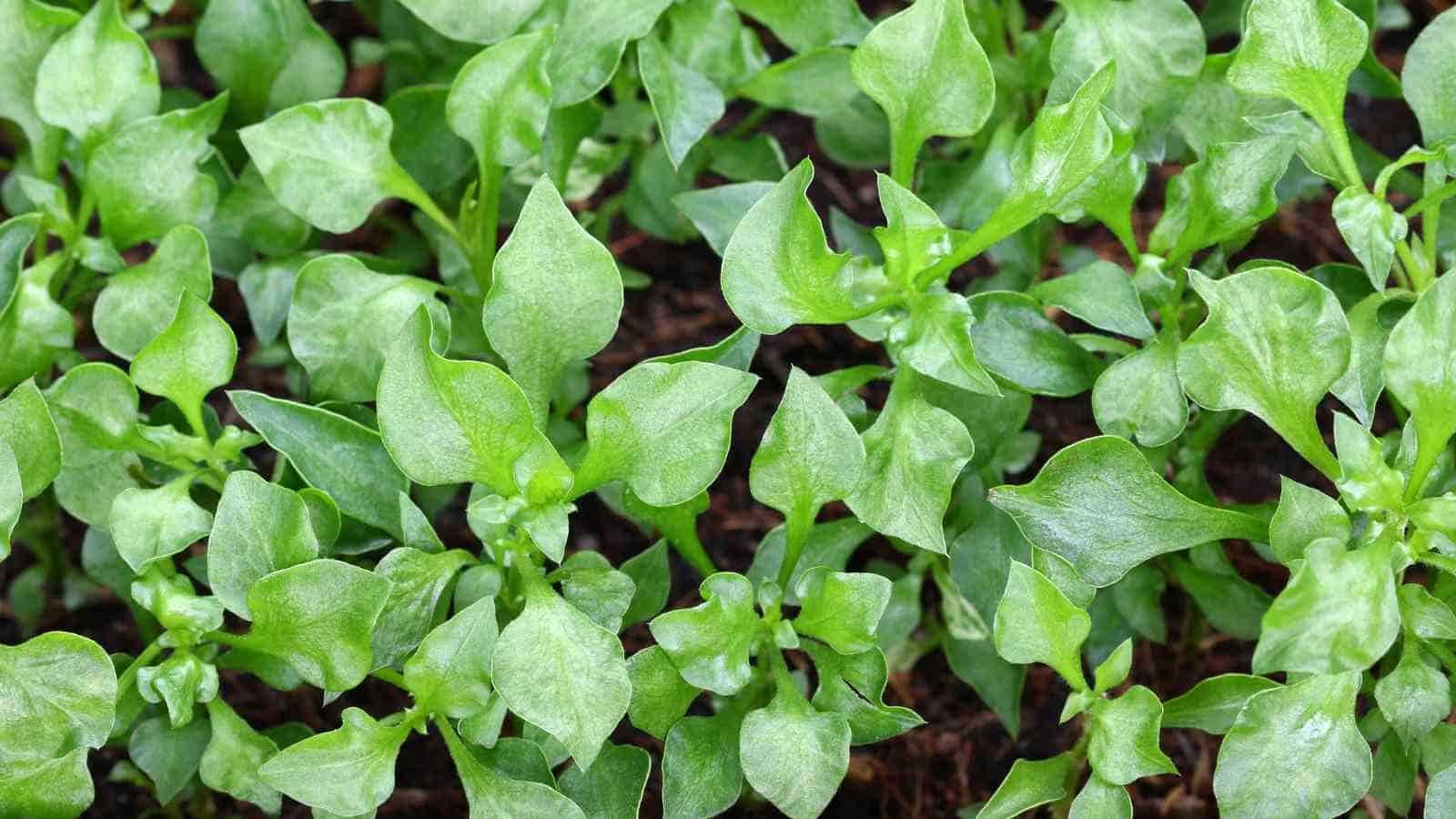
One of the most nutrient-dense wild greens, watercress contains more vitamin K per gram than kale and offers high levels of vitamin C, calcium, and beta-carotene. It grows in or near clean, running water, often forming dense mats. The peppery, crisp leaves are best eaten raw or lightly cooked. Its glucosinolate content links it to cancer-preventive properties, similar to those found in cruciferous vegetables. Always forage watercress from uncontaminated water sources to avoid parasites.
Toothwort
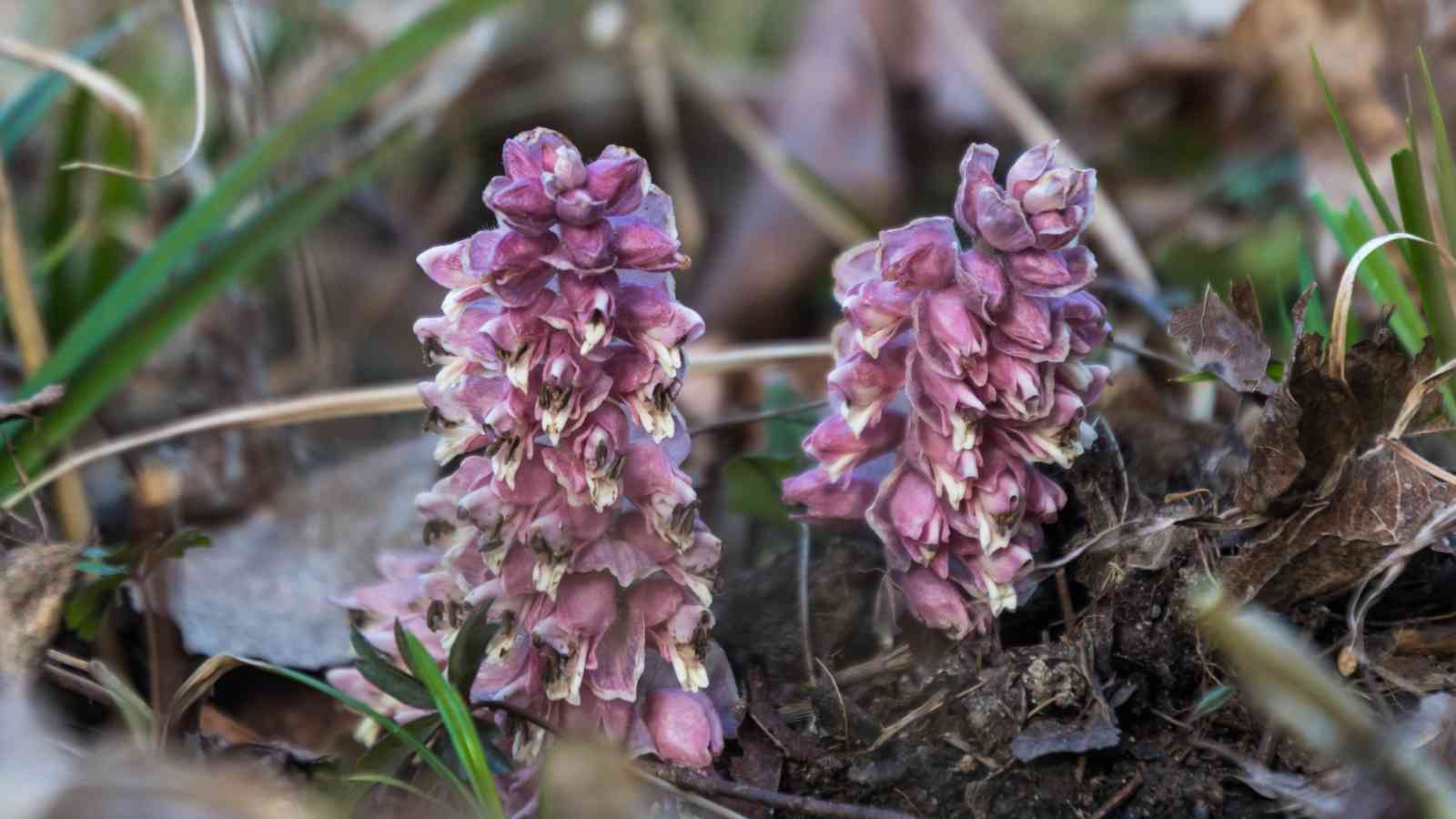
A wild member of the mustard family, toothwort provides glucosinolates and vitamin C, both valued for their anti-inflammatory and anti-cancer properties. Its small, four-petaled flowers bloom in early spring, and its roots and leaves are both edible. The roots have a pungent, horseradish-like taste often used to flavor sauces. It grows in shaded woodlands and rich soils. You’ll find it near wild ramps and other spring ephemerals.
Chicken of the Woods
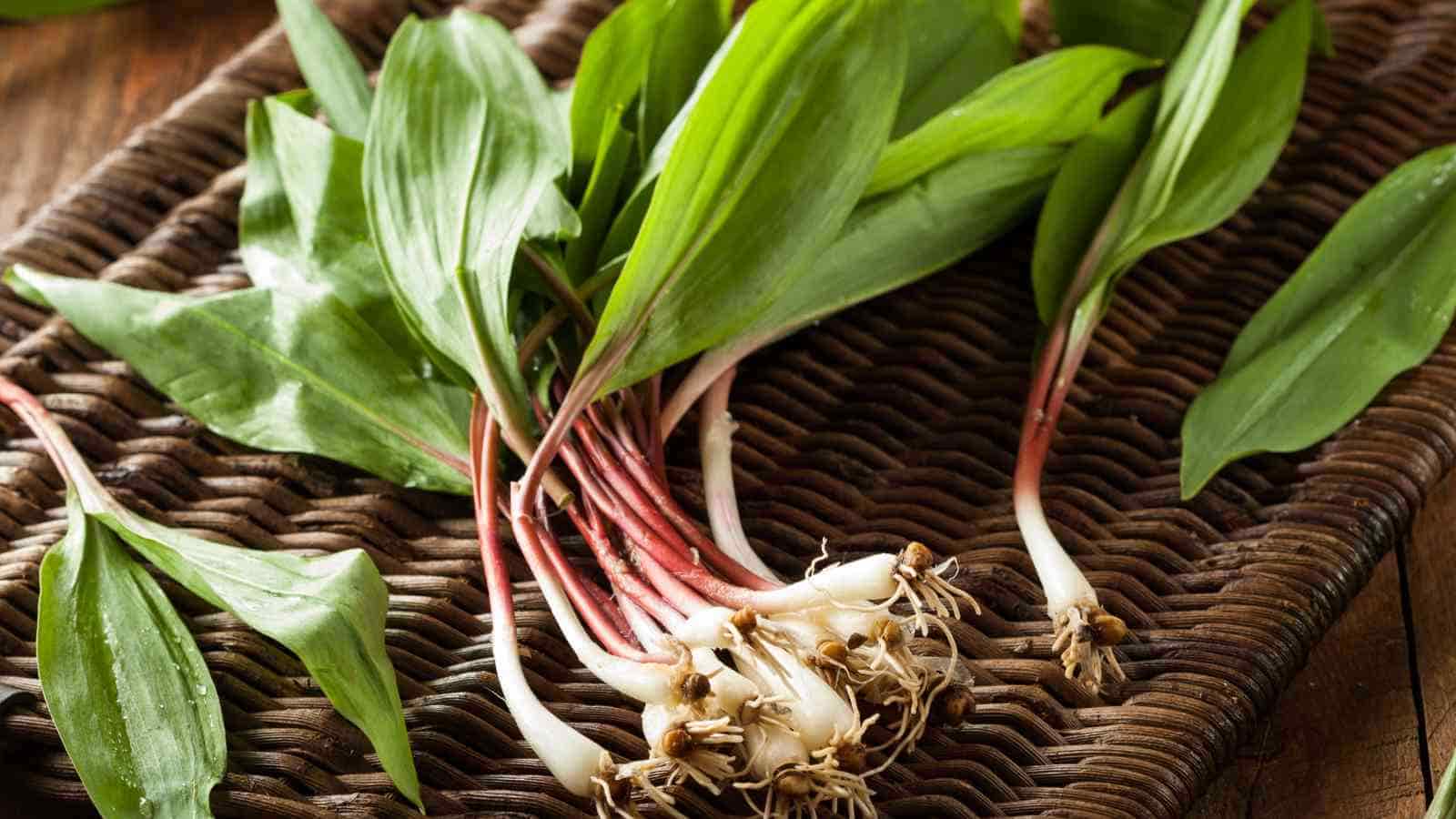
This vividly colored fungus is rich in protein and low in fat, making it a valuable meat substitute. It also contains polysaccharides that may enhance immune system activity. The bright orange shelf-like structure makes it easy to identify, especially on decaying hardwood trees. It must be thoroughly cooked to avoid digestive discomfort. Some individuals may be sensitive, so try a small amount first to test tolerance.
Goosefoot
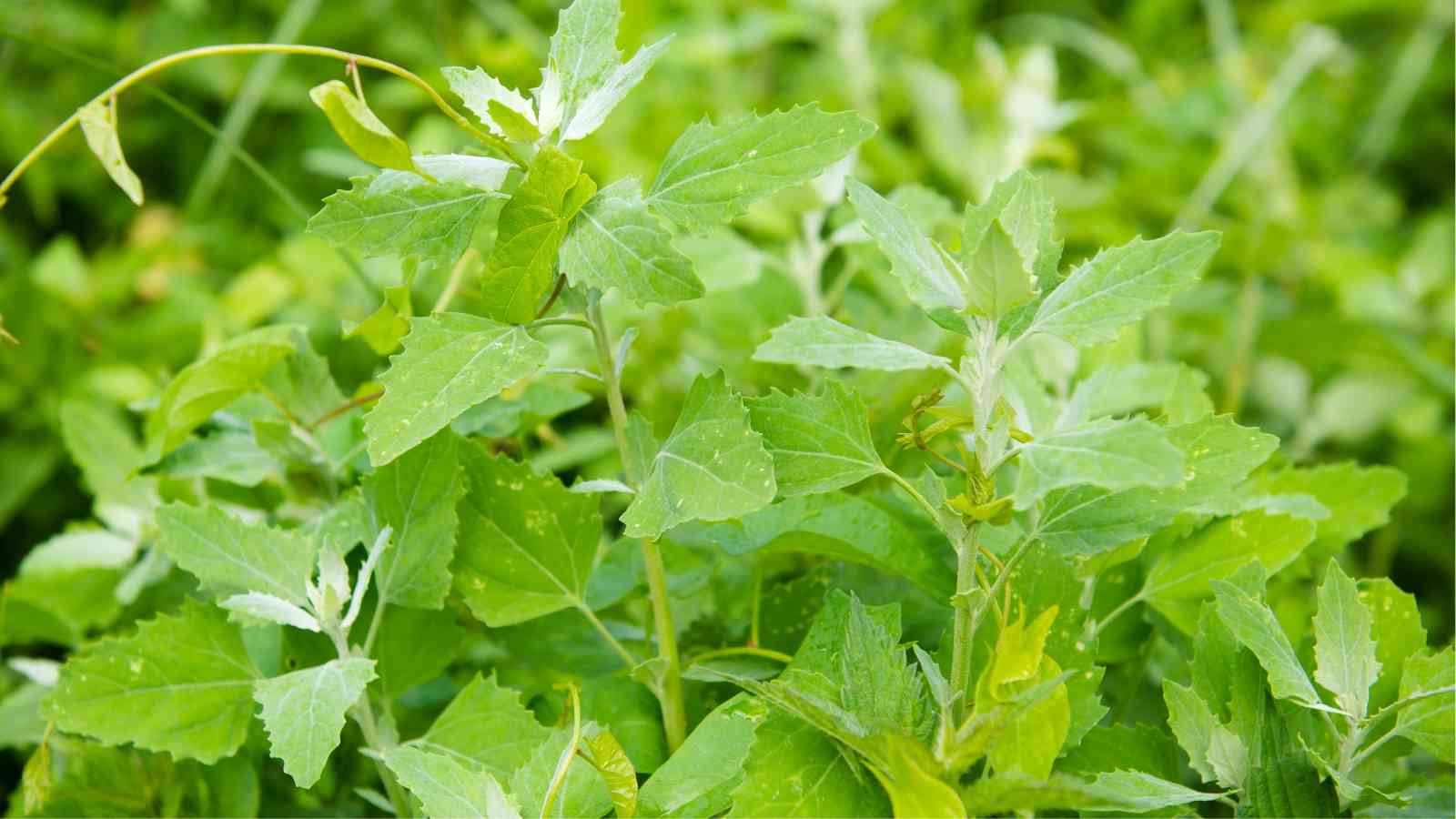
Closely related to quinoa, goosefoot’s edible leaves and seeds are packed with calcium, iron, and plant-based protein. The leaves resemble a goose’s footprint in shape, which is how it gets its name. You can use them like spinach or harvest seeds as a grain alternative. It thrives in disturbed soils and is highly adaptable. Wild species often contain higher mineral levels than domesticated ones.
Yarrow
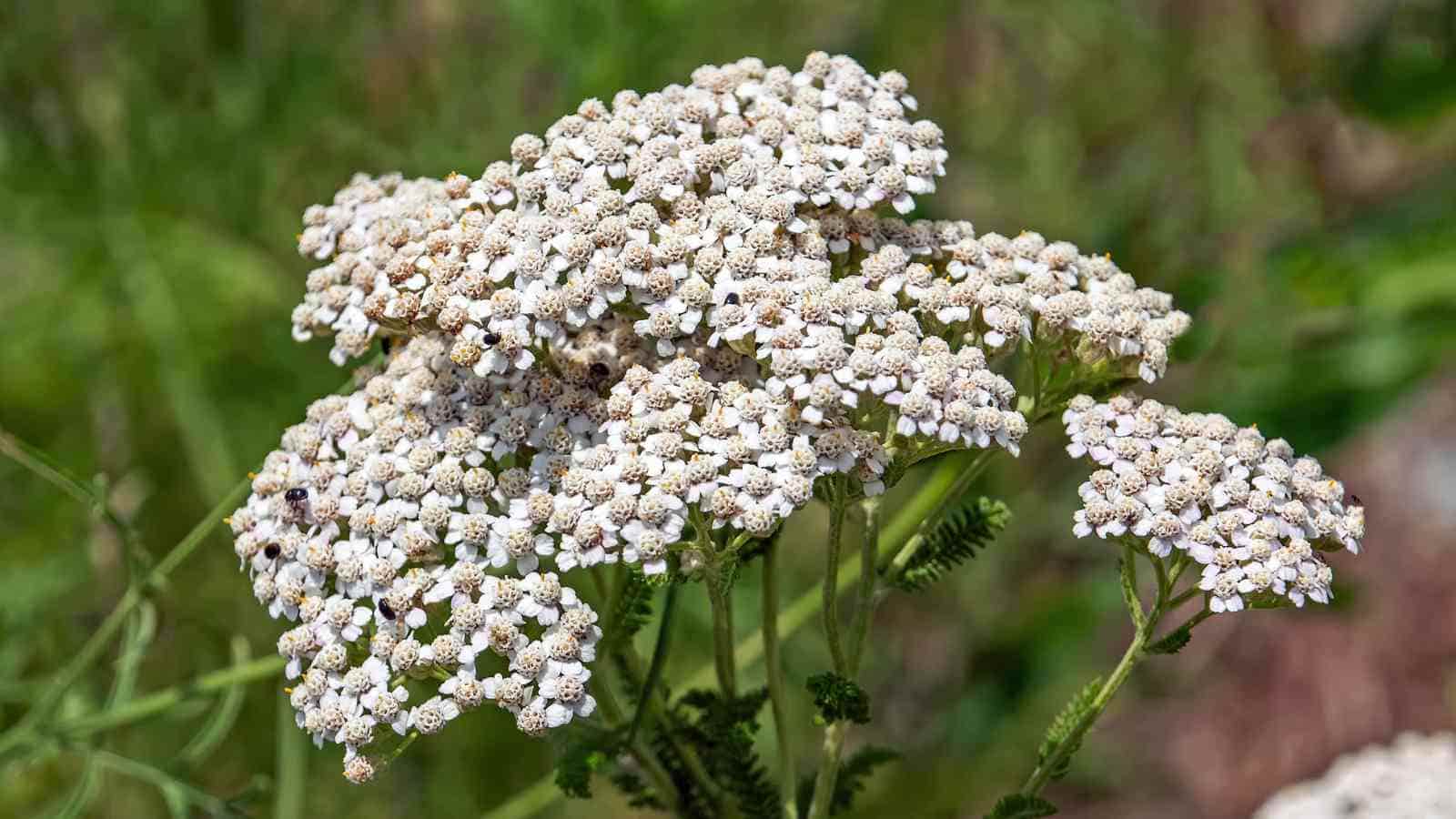
Yarrow has long been used in herbalism for its anti-inflammatory, antimicrobial, and wound-healing properties. It contains vitamin C, flavonoids, and volatile oils that contribute to its immune-supportive effects. The feathery leaves and umbrella-shaped flower clusters are easy to spot in open meadows. Its bitter compounds also support digestion when used in teas or tinctures. Foraging requires care, as it has a few lookalikes with different properties.
The Cheese Aisle Decoded! How Many of These 43 Popular Varieties Have You Tasted?

If you’re just grabbing the same cheese every time, you’re missing out on a vast world of flavors and textures that could totally change your dishes. While we can’t list every single type, we’ve decoded 43 of the most popular cheeses you might have seen — or maybe even tasted — at some point.
Not All Salt Is the Same! A Guide to 12 Types of Salt and Their Best Uses

There are different types of salt, each with unique colors, textures, and flavors. These distinctions mean that the salt you choose can make all the difference — and using the right one for the job can truly bring your dishes to life. This guide will take you through 12 types of salt and show you the best way to use each one.

Tamara Tsaturyan is the owner and writer of Thriving In Parenting, a website focused on providing simple tips for busy parents — easy and healthy recipes, home decor and organization ideas and all things P A R E N T I N G.

Share Your Thoughts!
I love to know your thoughts, make sure to comment below to start a discussion! You can also follow me on your favorite social network below.