A lot of people turn to low-carb eating for various reasons—to help manage blood sugar, weight management, support heart health, or just feel more steady throughout the day. But it’s easy to misunderstand what “low-carb” really means. Many assume it’s just about cutting out bread or skipping sweets. But in reality, it’s more about choosing foods that help your body stay balanced. That means focusing on ingredients that are naturally lower in carbs but still give you important nutrients, keep you full, and help you stay energized.
Once you start looking past the usual labels and trends, it becomes clear that there are tons of low-carb foods that are easy to work into your day. Here are 30 foods that fit a low-carb lifestyle and actually support it in practical, science-backed ways. Some are high in protein, others full of fiber or healthy fats—and each one offers something different your body can use. You don’t need to overthink it or eat the same few meals on repeat. Plus, you don’t need to sacrifice variety or flavor either.
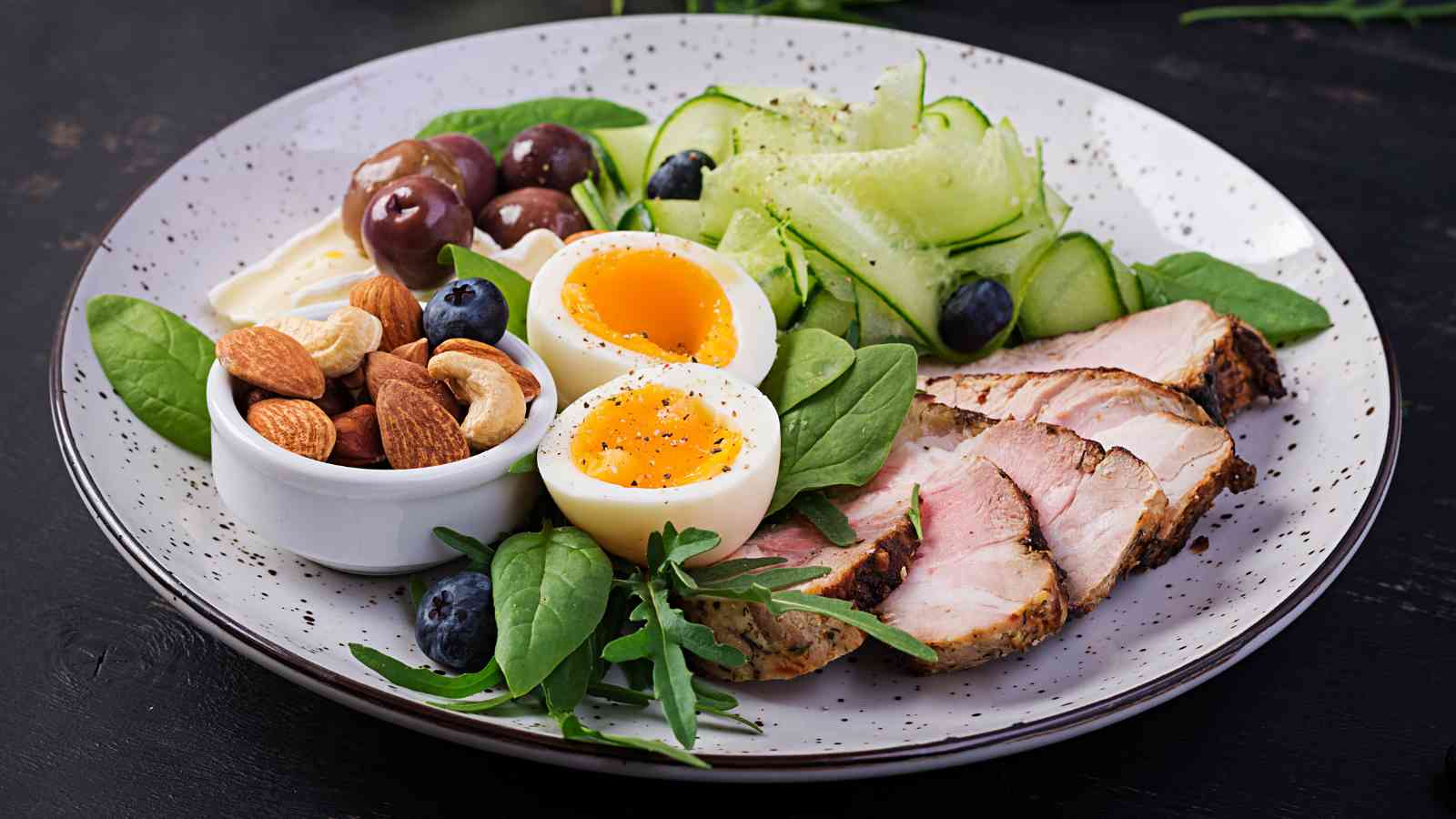
Cheddar Cheese

Packed with protein and high in fat, cheddar gives you a filling option that doesn’t spike blood sugar. You’re getting around 1 gram of carbs per ounce, which makes it easy to fit into a low-carb lifestyle. It’s also a solid source of calcium and vitamin K2, both crucial for bone health. You can snack on it solo or pair it with other low-carb ingredients. Just keep portions reasonable, especially if you’re watching sodium.
Greek Yogurt

Choose full-fat, plain versions and you’re looking at roughly 4-6 grams of carbs per serving. You’re not just getting protein here—Greek yogurt also supports gut health with probiotics. It’s thicker than regular yogurt, which makes it more satisfying and helps keep hunger away longer. There’s also calcium and B12 packed into every bite. Use it as a base for dips, smoothies, or a snack with low-carb toppings like seeds.
Dark Chocolate

Stick with varieties that are 70% cacao or higher and you’ll keep the carbs low—around 10-12 grams per ounce, many of which come from fiber. Dark chocolate brings antioxidants like flavonoids, which support heart health. You also get small amounts of iron and magnesium. A square or two can curb sweet cravings without derailing your low-carb goals. Just watch out for hidden sugars in lower cacao options.
Walnuts

Rich in healthy fats and very low in net carbs, walnuts are a great grab-and-go snack. You’re also getting plant-based omega-3 fatty acids, which help fight inflammation. They offer a small amount of protein and a satisfying crunch without a carb overload. Around 2 grams of net carbs per ounce make them easy to include regularly. Toss them into salads or enjoy a handful between meals.
Chia Seeds

Once soaked, chia seeds form a gel-like texture that can be used in everything from puddings to thickening smoothies. With about 1 gram of net carbs per tablespoon and lots of fiber, they’re ideal for staying full. You also benefit from plant-based omega-3s and a good hit of calcium. The high fiber content helps regulate digestion and blood sugar. These tiny seeds may not look like much, but they pack serious low-carb value.
Hazelnuts
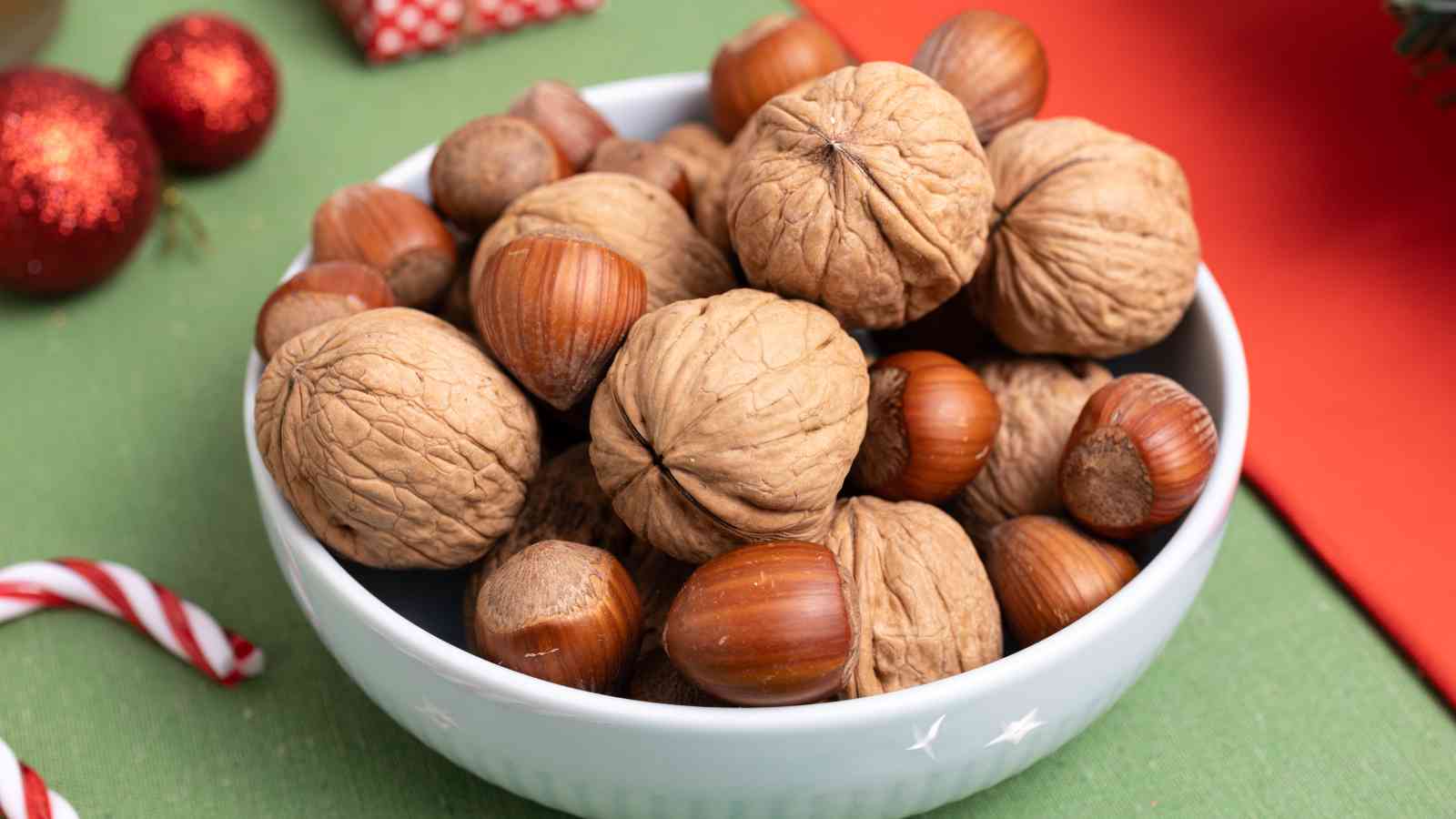
Low in carbs with only about 2 grams of net carbs per ounce, hazelnuts are nutrient-dense and satisfying. They contain healthy fats, vitamin E, and magnesium, which are helpful for energy and nerve function. You’ll also find antioxidants that may support heart health. Their rich flavor makes them great for both snacking and recipes. Just be mindful of portion size to keep carbs in check.
Coconut Meat
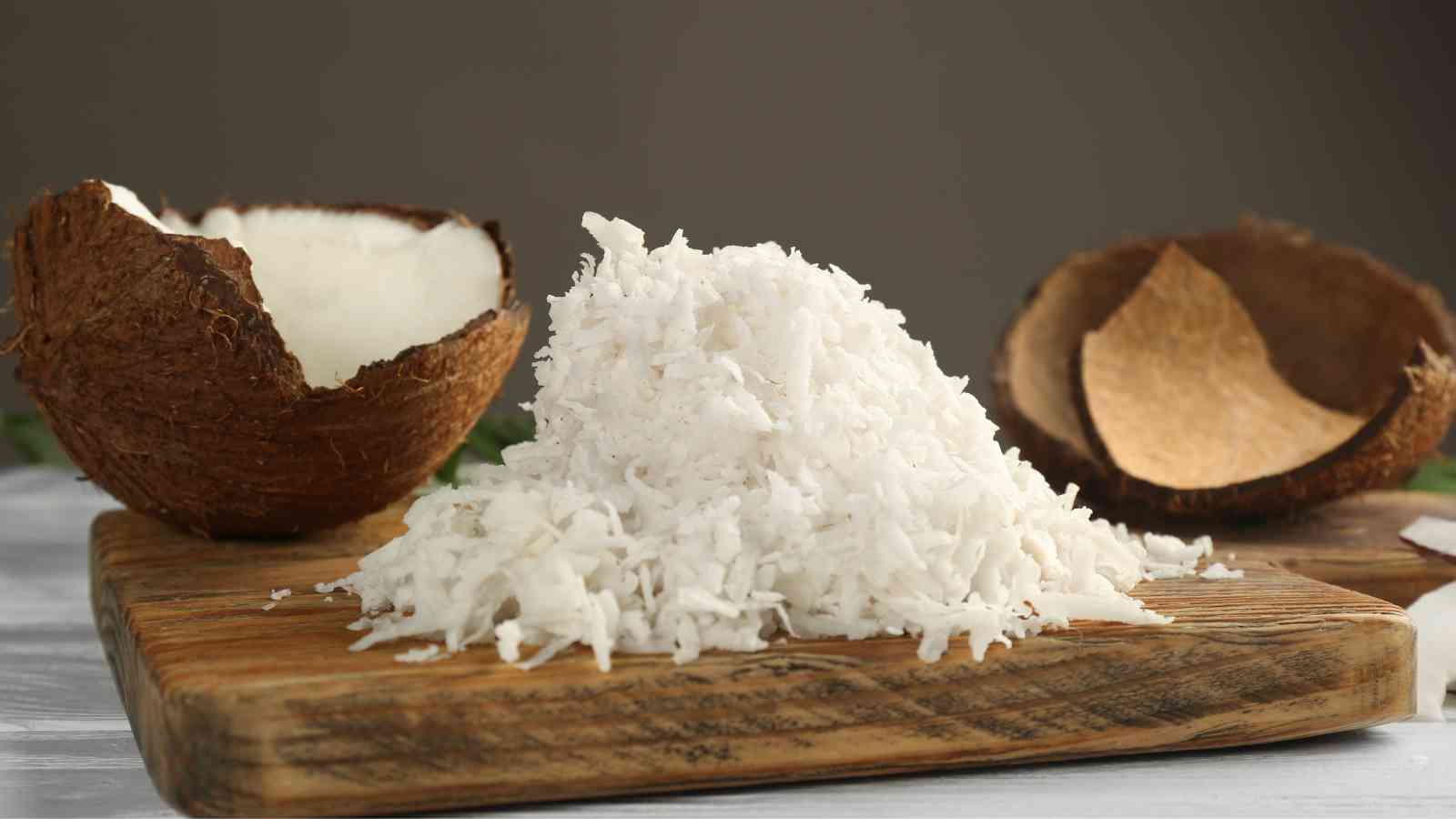
Whether fresh or dried (unsweetened), coconut meat offers fiber and healthy saturated fats called MCTs. These fats are known to be easily converted into energy, especially when carbs are limited. You’re looking at around 2-3 grams of net carbs per ounce. It’s also a good source of manganese, which supports metabolism and bone health. Add it to smoothies, low-carb granola, or eat it straight.
Pumpkin Seeds

Crunchy, salty, and packed with nutrition, pumpkin seeds only contain about 2-3 grams of net carbs per ounce. You also get magnesium, zinc, and a decent dose of plant-based protein. These seeds are known for supporting heart and prostate health. Their fiber helps with digestion and satiety. Sprinkle them on salads or eat them roasted for a satisfying snack.
Avocado

Creamy, rich, and incredibly low in net carbs thanks to its fiber content—avocados are a go-to for low-carb eaters. You’re also getting potassium and heart-healthy monounsaturated fats. They help keep you full while supporting blood sugar stability. One half contains just 2 grams of net carbs. Use them in salads, mash into guacamole, or eat with a spoon and a pinch of salt.
Black Olives
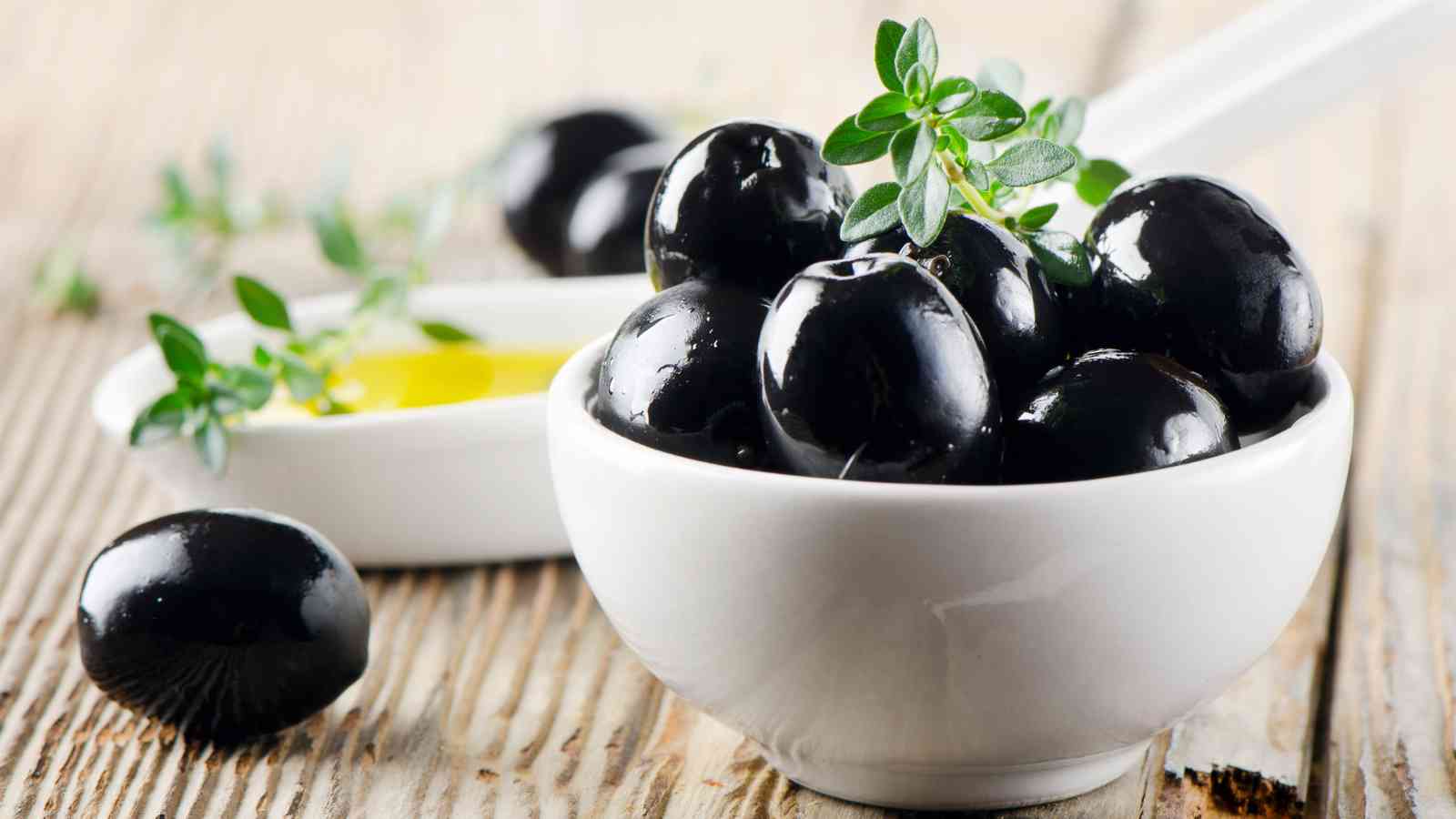
Offering about 1 gram of net carbs per ounce, black olives are rich in healthy fats and antioxidants. They’re a good source of vitamin E and iron, both of which play a role in immune support and oxygen transport. You also get oleic acid, known to support heart health. Their briny flavor adds variety without added sugars or starch. Add them to low-carb pizza, salads, or eat them straight from the jar.
Oranges

While higher in carbs than some options here, one small orange has about 12 grams of carbs, with 3 grams of fiber. If you’re mindful with portions, they can still fit into a moderate low-carb plan. You’re getting vitamin C, potassium, and antioxidants like hesperidin. These nutrients support immune function and blood pressure regulation. Eat them in moderation or use zest to flavor low-carb dishes.
Kiwi

Each kiwi has around 10 grams of carbs with nearly 2 grams of fiber, making it workable in smaller amounts. They’re loaded with vitamin C, even more than oranges, plus potassium and antioxidants. Kiwis also support digestion thanks to their natural enzymes. Slice one into a Greek yogurt bowl for a refreshing combo. The bright flavor offers a sweet fix without heavy sugars.
Strawberries

One cup has only about 8 grams of net carbs and is rich in vitamin C and antioxidants like anthocyanins. You’re getting a sweet option that doesn’t overload your carb count. Strawberries also support skin health and immunity. Their fiber helps blunt any blood sugar spikes. Add them to low-carb smoothies or pair with dark chocolate for a smarter dessert.
Apricots

Fresh apricots offer around 3 grams of net carbs per fruit, along with vitamin A and potassium. They support eye health and hydration, especially in warmer months. Their fiber helps slow digestion and promote fullness. You can chop them into salads or eat them alone as a simple snack. Just steer clear of dried versions, which pack in extra sugar and carbs.
Cauliflower

With only 3 grams of net carbs per cup, cauliflower is versatile and low in starch. It’s high in vitamin C and a good source of choline, which supports brain health. You can mash it, rice it, or roast it to replace higher-carb sides. Its mild flavor makes it easy to mix into many dishes. You’re getting volume without spiking your carb count.
Zucchini

Each cup contains about 2-3 grams of net carbs, making zucchini a flexible and filling veggie for low-carb meals. It’s loaded with vitamin C, potassium, and water for hydration. You can spiralize it into noodles, sauté it, or stuff it with meat and cheese. Zucchini helps bulk up meals without adding carbs. It’s also gentle on digestion and low in calories.
Green Beans

With roughly 4 grams of net carbs per cup, green beans are fiber-rich and easy to prepare. They provide vitamin K, folate, and a bit of protein. These beans support bone health and blood clotting functions. You can steam, roast, or stir-fry them as a quick side dish. Their mild sweetness adds variety to a low-carb plate.
Eggplant

Only 3 grams of net carbs per cup, eggplant brings fiber and antioxidants like nasunin to the table. It supports brain function and fights oxidative stress. You’ll also get manganese, which helps with metabolism. Bake it into lasagna or grill it with olive oil. It’s a hearty choice that feels more filling than other low-carb veggies.
Spinach

With just 1 gram of net carbs per cup, spinach offers iron, magnesium, and vitamin K in every bite. It’s great raw or cooked and doesn’t lose its value when wilted. Spinach helps support muscle and nerve function, especially important when lowering carb intake. You can toss it into omelets or blend it into smoothies. It’s one of the most nutrient-dense greens available.
Cucumber

Crisp and refreshing, cucumbers have just 2 grams of net carbs per cup. You’re mostly getting water, plus a little fiber and potassium. They’re ideal for snacking or using as a base for dips. Cucumber skin contains antioxidants that support skin health. It’s an easy option to munch on when you’re trying to stay low-carb and hydrated.
Eggs

Packed with essential nutrients like B12, selenium, and choline, eggs are one of the most nutrient-dense low-carb foods available. They contain nearly zero carbohydrates, making them an easy base for many meals. The high-quality protein in eggs helps support muscle function and keeps hunger under control. Rich in healthy fats and antioxidants like lutein and zeaxanthin, they also support eye health. You can enjoy them boiled, scrambled, or poached without disrupting your carb limits.
Beef

Red meat like beef provides a strong source of iron, zinc, and B vitamins—all important for immune function and energy. It contains zero carbohydrates and is naturally filling due to its high protein and fat content. Choosing grass-fed cuts adds omega-3 fatty acids and CLA, both linked to metabolic health. Leaner options like sirloin or ground round make it easier to manage fat intake. Adding beef to your low-carb routine gives you steady fuel without the blood sugar rollercoaster.
Pork

Pork fits easily into a low-carb plan with its high protein content and no carb count. It supplies thiamin, selenium, and other nutrients important for muscle repair and nerve function. Different cuts like tenderloin, shoulder, or ribs give you variety in both flavor and fat content. When cooked without sugary sauces or breading, it stays fully low-carb. Pork also pairs well with non-starchy vegetables, making balanced meals simple to build.
Jerky

Meat jerky can be a great low-carb snack as long as it’s free from added sugars or artificial fillers. It’s dense in protein, which can help with appetite control between meals. Jerky also travels well and doesn’t require refrigeration, making it useful for on-the-go eating. Choose options made with minimal ingredients and natural seasonings. Beef, turkey, and even salmon jerky offer a chewy, flavorful option with very low carb impact.
Turkey

Turkey is a lean protein source with zero carbs and a solid profile of B vitamins, especially niacin and B6. It helps support energy metabolism and muscle recovery after physical activity. Skinless turkey breast is especially low in fat, while dark meat contains more iron and zinc. Roasting, grilling, or using ground turkey gives you flexibility in meals without increasing carb intake. It’s a clean, reliable protein that fits right into a low-carb strategy.
Veal
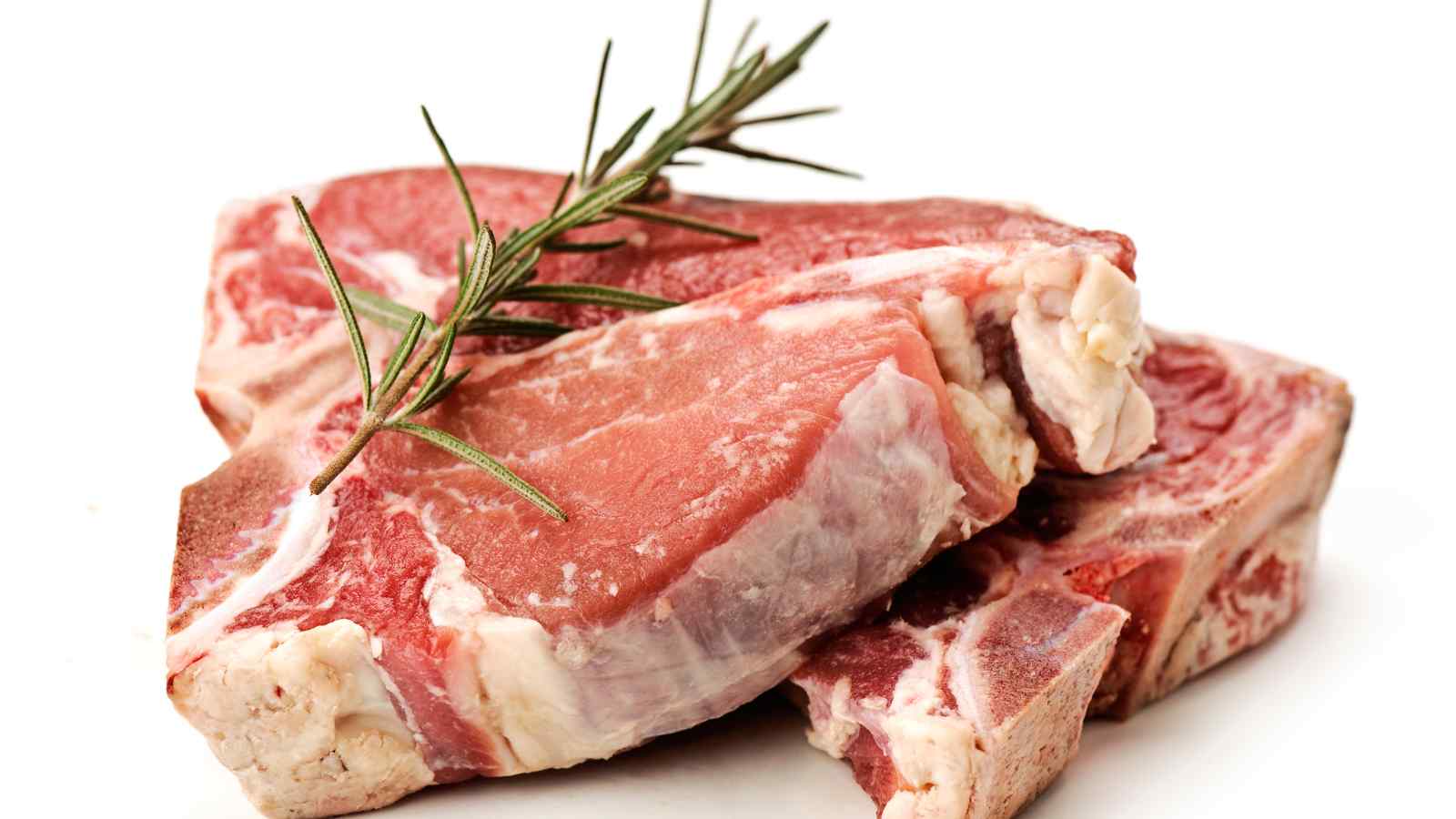
Veal is a tender meat rich in protein, zinc, and phosphorus with virtually no carbohydrates. It tends to be lower in fat than mature beef but still offers strong nutritional value. This meat is often easy to digest, making it a good option if you’re sensitive to heavier proteins. Cooking methods like pan-searing or roasting with herbs let the natural flavor shine without adding unnecessary carbs. Adding veal to your diet helps diversify your protein sources while staying low-carb.
Salmon

Fatty fish like salmon offer omega-3 fatty acids, protein, and essential nutrients like vitamin D and selenium. It contains zero carbs and promotes heart and brain health. The healthy fats in salmon can also help support blood sugar stability. Whether grilled, baked, or broiled, it’s simple to prepare without needing added sauces or starches. Including salmon in your meals supports low-carb eating while also boosting anti-inflammatory benefits.
Shrimp

Shrimp are high in protein and low in calories, with almost no carbohydrates. They also provide iodine, which supports thyroid function and metabolism. As a shellfish, shrimp is naturally low in fat but still very filling. Quick to cook and easy to season, they work well in stir-fries, salads, or lettuce wraps. Shrimp offers a light but nutritious option for staying on track with your carb goals.
Tuna

Tuna delivers lean protein and heart-supporting omega-3s without the carbs. It’s also a great source of selenium and vitamin B12. Canned or fresh, it works in both cold and hot dishes with minimal prep. Since it’s shelf-stable in cans or pouches, it adds convenience to your low-carb routine. Eating tuna helps you meet your protein needs while avoiding blood sugar spikes.
Shellfish

Clams, mussels, oysters, and scallops are all nutrient-dense options with very few carbs. Shellfish contain zinc, iron, copper, and B12, all of which contribute to energy production and immune health. Most varieties are naturally low in fat while still offering satisfying protein. Steamed or grilled with herbs and butter, they make an easy low-carb meal. Shellfish are also rich in antioxidants that support cellular repair.
20 Foods That Help You Melt Belly Fat

Here’s a list of 20 foods that are not only great for your body but also can help you target belly fat more effectively. By combining these foods with exercise and proper hydration, you’ll be on your way to a healthier, leaner you in no time!
13 Essential Vitamins You Might Not Be Getting Enough Of

If you’ve ever felt sluggish, had brittle nails, or caught colds too often, you might be missing some key nutrients. Let’s break down the essential vitamins, why you might not be getting enough, and the best foods to add to your diet.

Tamara Tsaturyan is the owner and writer of Thriving In Parenting, a website focused on providing simple tips for busy parents — easy and healthy recipes, home decor and organization ideas and all things P A R E N T I N G.

Share Your Thoughts!
I love to know your thoughts, make sure to comment below to start a discussion! You can also follow me on your favorite social network below.