When your gut feels good, everything else seems to fall into place. And if you’ve ever experienced bloating and any discomfort inside, you know how much it can affect your day. But did you know that some of the most common foods can also be the most powerful when it comes to supporting your digestive health? These 15 foods are not only nutritious but also play a crucial role in supporting your digestive system. Whether you’ve been feeling bloated, sluggish, or just not quite right, eating these foods can make a world of difference!

Dark Green Vegetables

Dark green vegetables, such as spinach and broccoli, are rich in insoluble fiber, which adds bulk to your stool and speeds up its movement through the digestive tract. These vegetables are also a good source of magnesium, which helps relax muscles in the gastrointestinal tract and relieve constipation. Additionally, dark green vegetables contain a unique sugar that feeds good gut bacteria, further supporting digestion and gut health.
Natto

Natto, a traditional Japanese food made from fermented soybeans, is incredibly rich in probiotics that support digestive health. The high probiotic content in natto helps maintain a healthy balance of gut bacteria, improving digestion and regularity. Natto also contains fiber that promotes regular bowel movements and reduces constipation.
Fennel
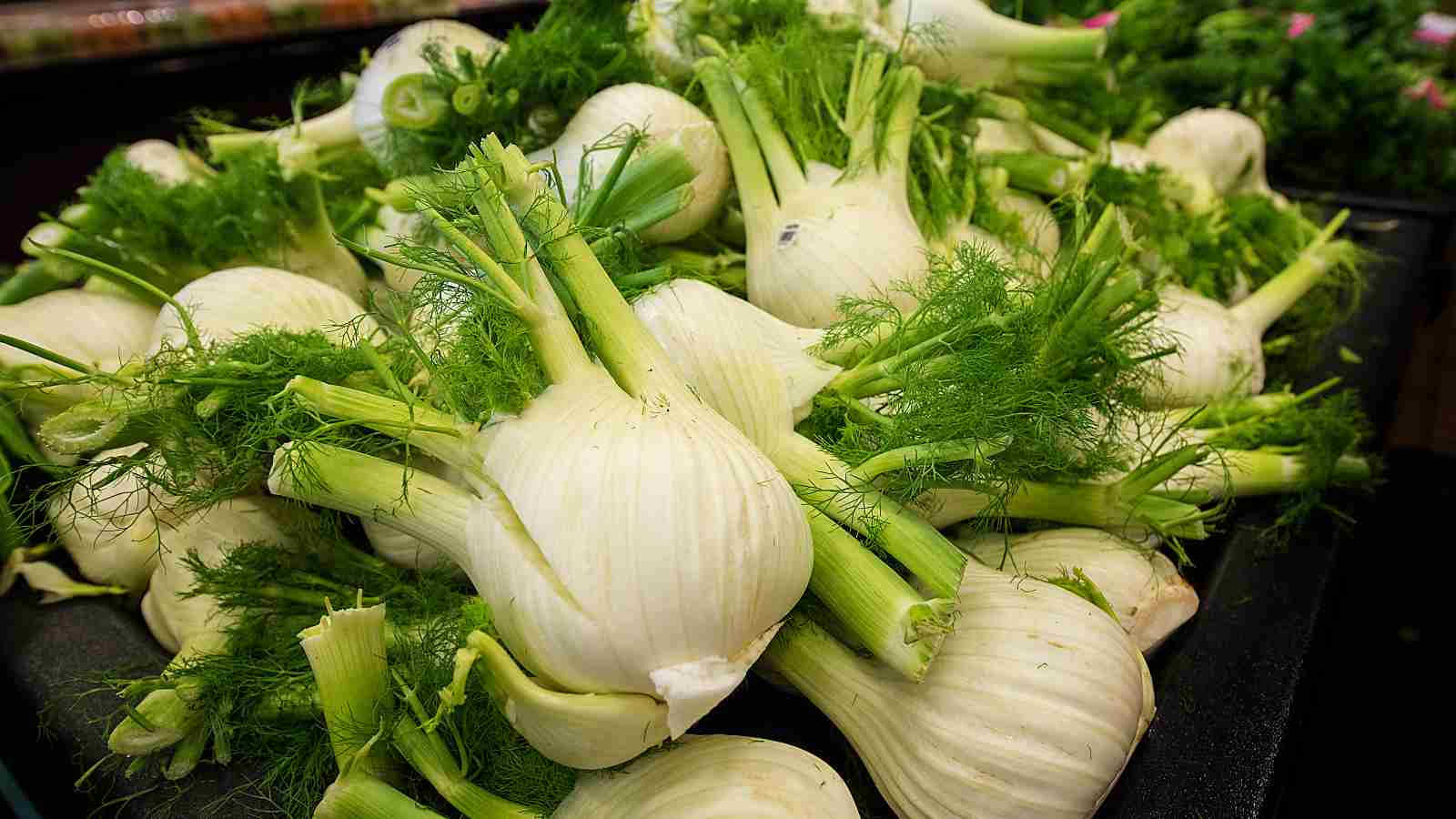
The fiber in fennel helps prevent constipation by adding bulk to the stool and promoting regularity. Moreover, fennel contains an antispasmodic agent that relaxes the muscles in your digestive tract, reducing uncomfortable symptoms like bloating and cramping. Incorporating fennel into your meals can help you enjoy smoother digestion.
Kefir

Kefir, a cultured dairy product, is another excellent source of probiotics that can enhance digestion. The probiotics in kefir help improve the digestion of lactose and reduce symptoms associated with lactose intolerance, such as bloating and gas. Additionally, kefir has been shown to increase the number of healthy gut bacteria while decreasing harmful bacteria, contributing to a balanced gut environment.
Chia Seeds

Chia seeds are a powerhouse of fiber, which turns into a gel-like substance in your stomach, acting as a prebiotic to support healthy gut bacteria. This fiber content not only promotes bowel regularity but also contributes to the growth of beneficial bacteria, aiding overall digestion and preventing constipation. Sprinkle them on your overnight oats, salads, or smoothies for a quick digestive boost.
Kombucha

Kombucha, a fermented tea, is rich in probiotics that support digestive health. The fermentation process of kombucha creates a multitude of beneficial bacteria that help balance the gut microbiome, aiding digestion and improving gut health. Some studies even suggest that kombucha may help heal stomach ulcers, making it a powerful drink for those with digestive issues.
Yogurt

Yogurt is a well-known probiotic food that promotes the growth of healthy bacteria in your gut, which is essential for proper digestion. The probiotics in yogurt can help alleviate digestive issues like bloating, constipation, and diarrhea by maintaining a healthy balance of gut flora. Additionally, yogurt has been shown to improve the digestion of lactose, making it an excellent option for those with lactose intolerance. To reap the benefits, choose yogurt with live and active cultures for the best digestive support.
Apples
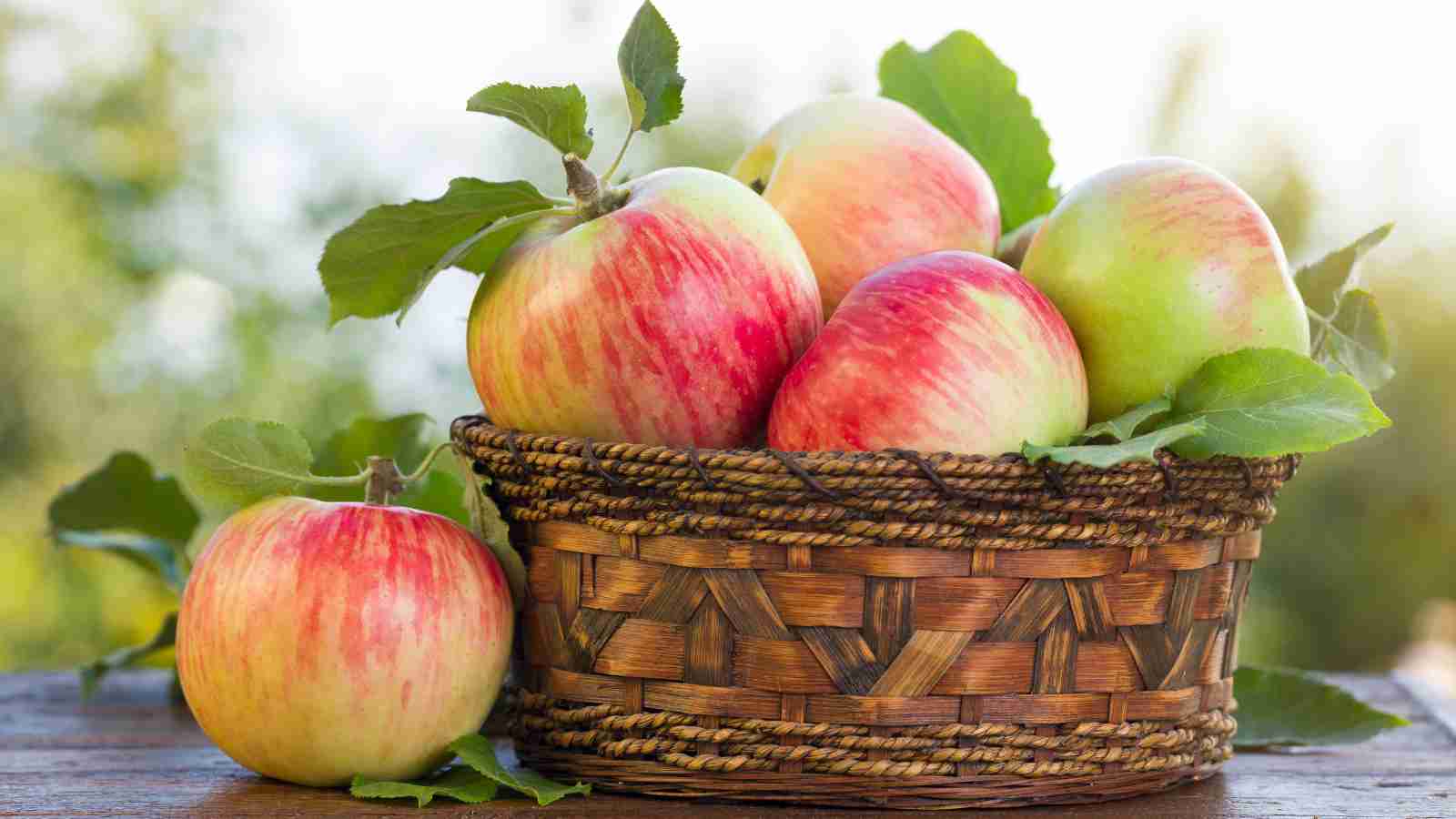
Apples are rich in pectin, a type of soluble fiber that bypasses digestion in the small intestine and is then broken down in the colon. This process increases stool volume, which can help alleviate both constipation and diarrhea. The pectin in apples also contributes to reducing inflammation in the colon, making them an excellent fruit for promoting a healthy digestive tract.
Papaya

Papaya is a tropical low-sugar fruit that contains papain, a digestive enzyme that helps break down protein fibers, easing the digestive process. This enzyme is particularly beneficial for those with irritable bowel syndrome (IBS) as it can alleviate symptoms like bloating and constipation. Papaya is often used in digestive enzyme supplements due to its potent digestive properties.
Whole Grains
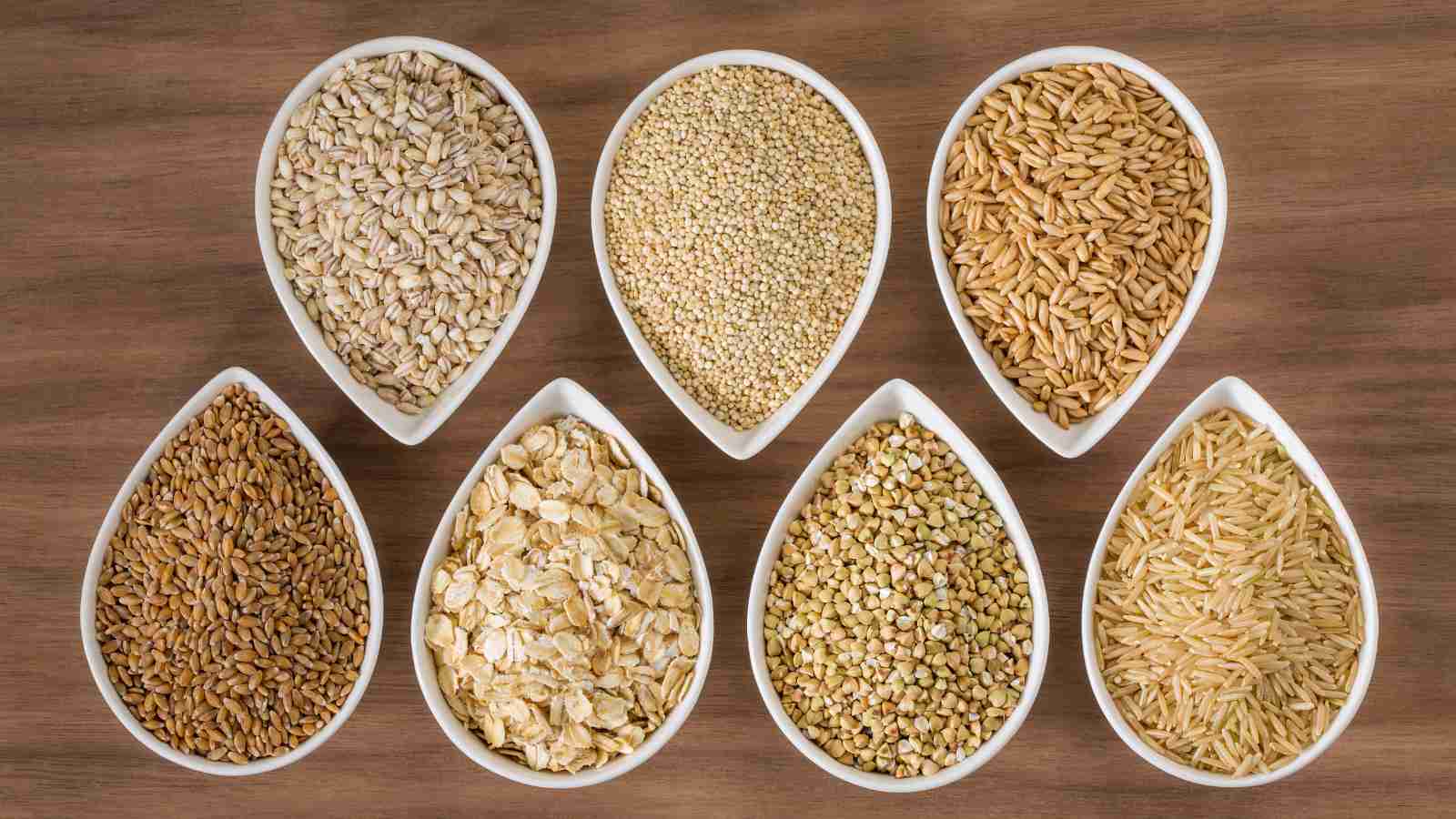
Whole grains, such as oats, quinoa, and whole wheat, are packed with healthy carbs and fiber that supports healthy digestion. The fiber in whole grains adds bulk to your stool, reducing constipation and promoting regular bowel movements. Some fibers in whole grains also act as prebiotics, feeding the good bacteria in your gut and enhancing overall digestive health.
Tempeh

Tempeh, made from fermented soybeans, is rich in probiotics that help improve digestion, nutrient absorption, and lowering cholesterol naturally. The fermentation process of tempeh breaks down phytic acid, an antinutrient that can hinder nutrient absorption, making it easier for your body to absorb essential nutrients. Additionally, the probiotics in tempeh help alleviate digestive issues like bloating and irregularity.
Beets
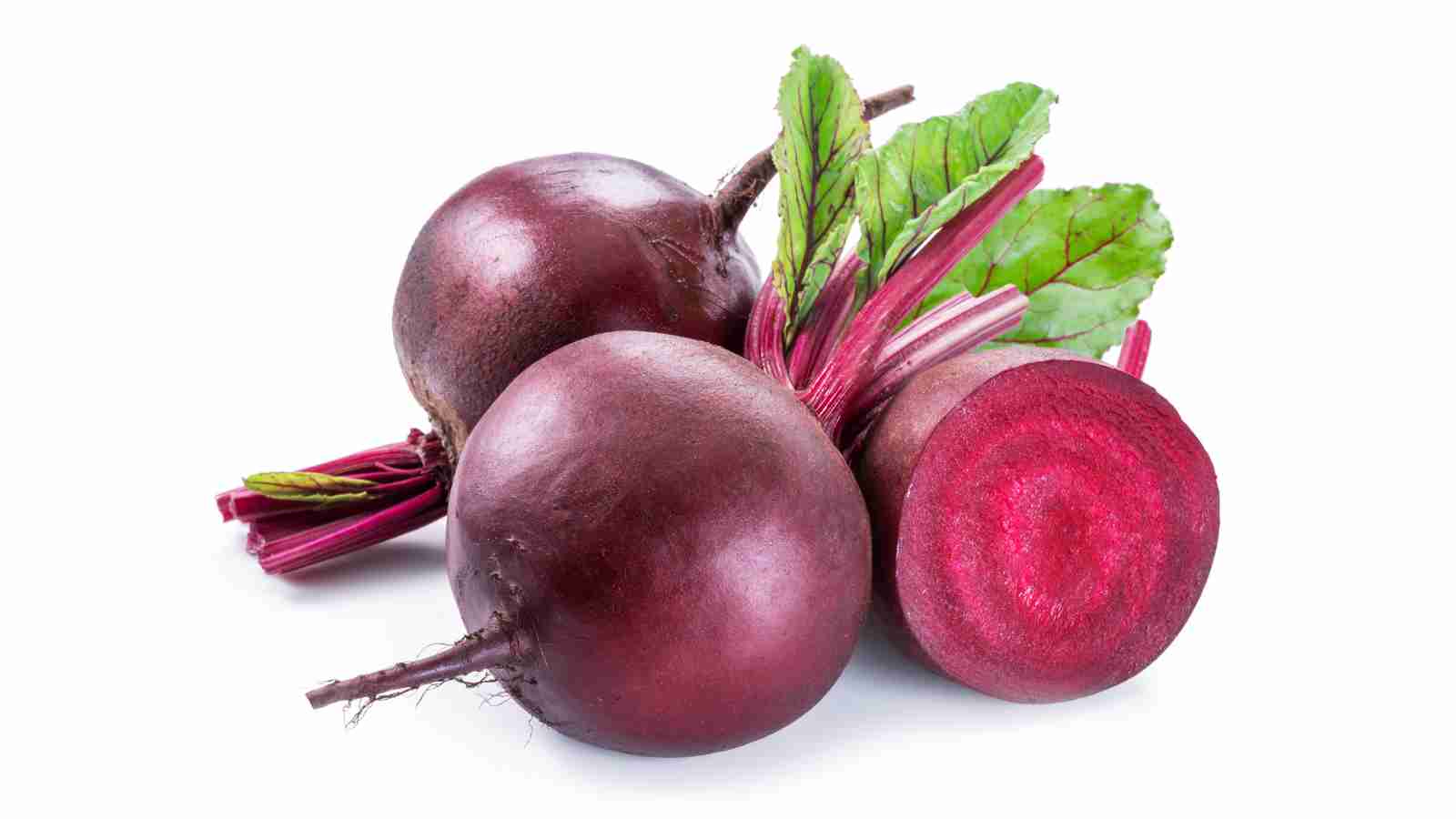
Beets are an excellent source of fiber, which supports digestion by feeding beneficial gut bacteria and adding bulk to the stool. This can help prevent constipation and promote regular bowel movements. Beets also contain nutrients that can reduce inflammation in the digestive tract, contributing to better overall gut health. Roasted, pickled, or blended into a smoothie, beets are a versatile way to boost your digestion.
Miso
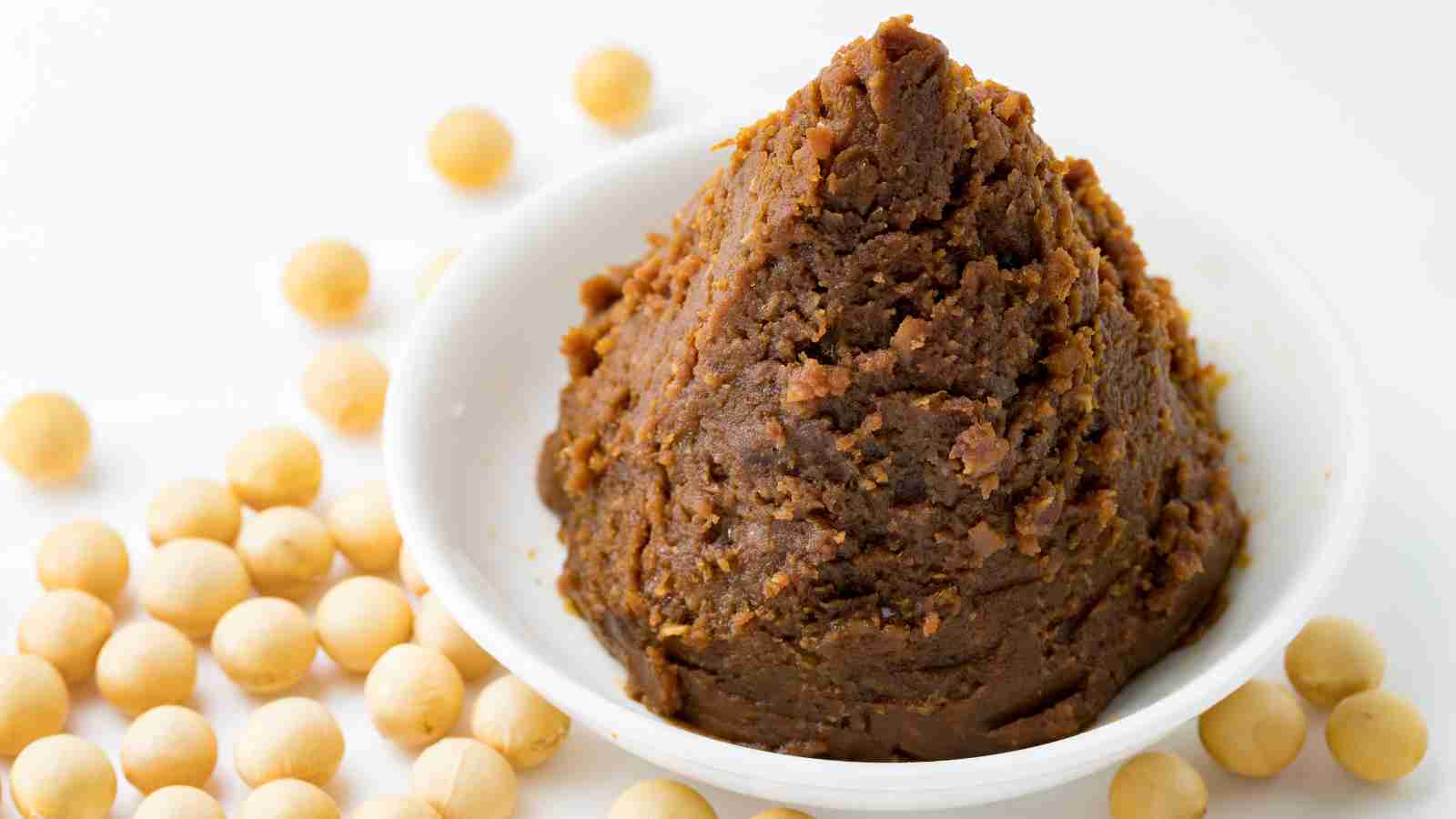
Miso, a fermented soybean paste, is a traditional Japanese ingredient that contains probiotics beneficial for gut health. These probiotics help balance the gut microbiome, reducing digestive issues like diarrhea and constipation. Miso is commonly used in soups, which can be a warm and comforting way to support digestion.
Ginger

Ginger is a well-known remedy for nausea and indigestion, commonly used in both traditional and modern medicine. It helps accelerate gastric emptying, moving food more quickly from the stomach to the small intestine, which reduces the risk of heartburn and stomach discomfort. Ginger is also effective in treating nausea, including morning sickness during pregnancy.
Kimchi

Kimchi, a traditional Korean dish made from fermented vegetables like cabbage, is rich in probiotics and fiber, both of which promote healthy digestion. The probiotics in kimchi help maintain a healthy balance of gut bacteria, while the fiber adds bulk to your stool, promoting regular bowel movements. The longer kimchi is fermented, the higher its concentration of probiotics, making it an excellent addition to your diet for digestive support.

Tamara Tsaturyan is the owner and writer of Thriving In Parenting, a website focused on providing simple tips for busy parents — easy and healthy recipes, home decor and organization ideas and all things P A R E N T I N G.

Share Your Thoughts!
I love to know your thoughts, make sure to comment below to start a discussion! You can also follow me on your favorite social network below.