We’re so used to quickly checking the nutrition facts when grocery shopping, but have you ever stopped to look at the ingredients list? Numbers might tell you how many calories you’re getting, but they don’t always show what’s really going into your food. Many processed foods contain additives that may seem harmless but can affect your health over time. From artificial colors to preservatives and sweeteners, these ingredients are used to boost flavor, texture, or shelf life—often at the expense of your well-being. Here are 13 processed ingredients to watch out for—and what to use instead. Some have been linked to inflammation, digestive issues, or even chronic diseases when consumed regularly. While not all additives are dangerous, being aware of what you’re eating puts you in control. Choosing foods with fewer, more familiar ingredients is often a safer bet.

High-Fructose Corn Syrup

Common in sodas, baked goods, and processed snacks, high-fructose corn syrup is a lab-made sweetener that floods your system with fructose. Unlike glucose, which your body uses for energy, fructose goes straight to the liver, where it can be turned into fat. Over time, this can lead to fatty liver disease, insulin resistance, and stubborn belly fat. It also adds empty calories with zero nutritional benefit. A better alternative? Stick with fresh fruit or naturally sweet options like raw honey, dates, or stevia when you want a hint of sweetness.
Artificial Food Coloring
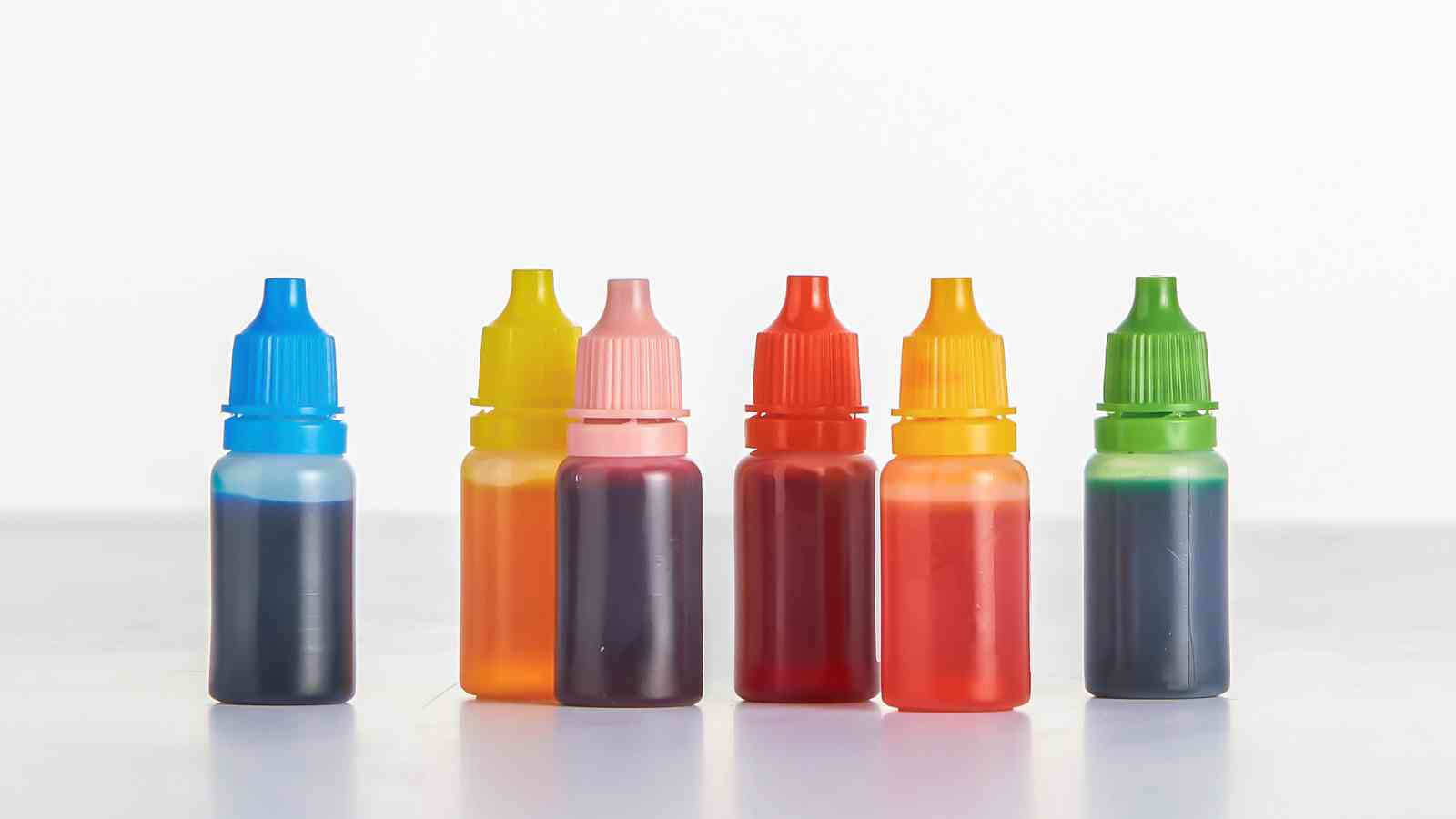
Used to brighten candies, snacks, and drinks, artificial food dyes are petroleum-based chemicals linked to behavioral issues in kids and allergies in sensitive individuals. Certain dyes like Red 40 or Yellow 5 have been under scrutiny for their potential link to hyperactivity and skin reactions. Some studies suggest long-term consumption could also pose cancer risks, especially with dyes like Red 3. These synthetic colors offer no nutritional value and are mostly found in heavily processed items. If you want to avoid them, look for foods colored with natural sources like beet juice, turmeric, or spirulina.
Guar Gum

Often used in gluten-free products, sauces, and ice creams, guar gum helps give food a smooth texture. It’s made from guar beans and is high in fiber, but too much can overwhelm your gut. Some people report gas, bloating, and even blockages when consuming it in large amounts. Because it swells up to 20 times its size in your stomach, it can cause discomfort if you’re sensitive. If you need a thickener, look for chia seeds, psyllium husk, or simply choose products with fewer added gums.
Carrageenan
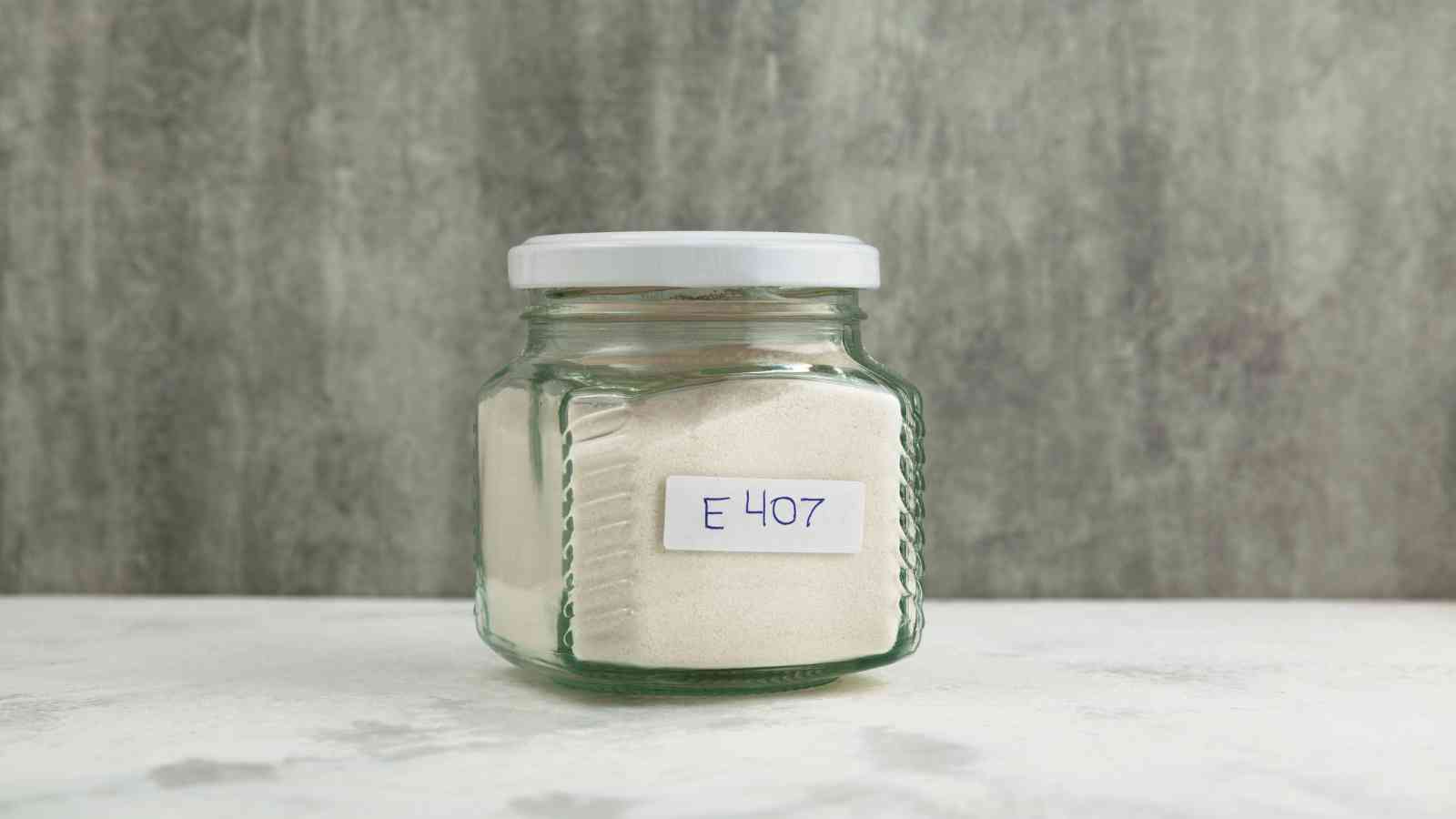
This thickening agent, derived from red seaweed, pops up in almond milk, yogurt, and plant-based cheeses. While it’s natural in origin, it doesn’t always play nice inside your body. Studies on animals and cell cultures suggest it may lead to gut inflammation and worsen symptoms for those with digestive issues like colitis. Some evidence also links it to higher blood sugar levels and potential ulcer formation. To play it safe, look for products specifically labeled “carrageenan-free.”
Sodium Benzoate
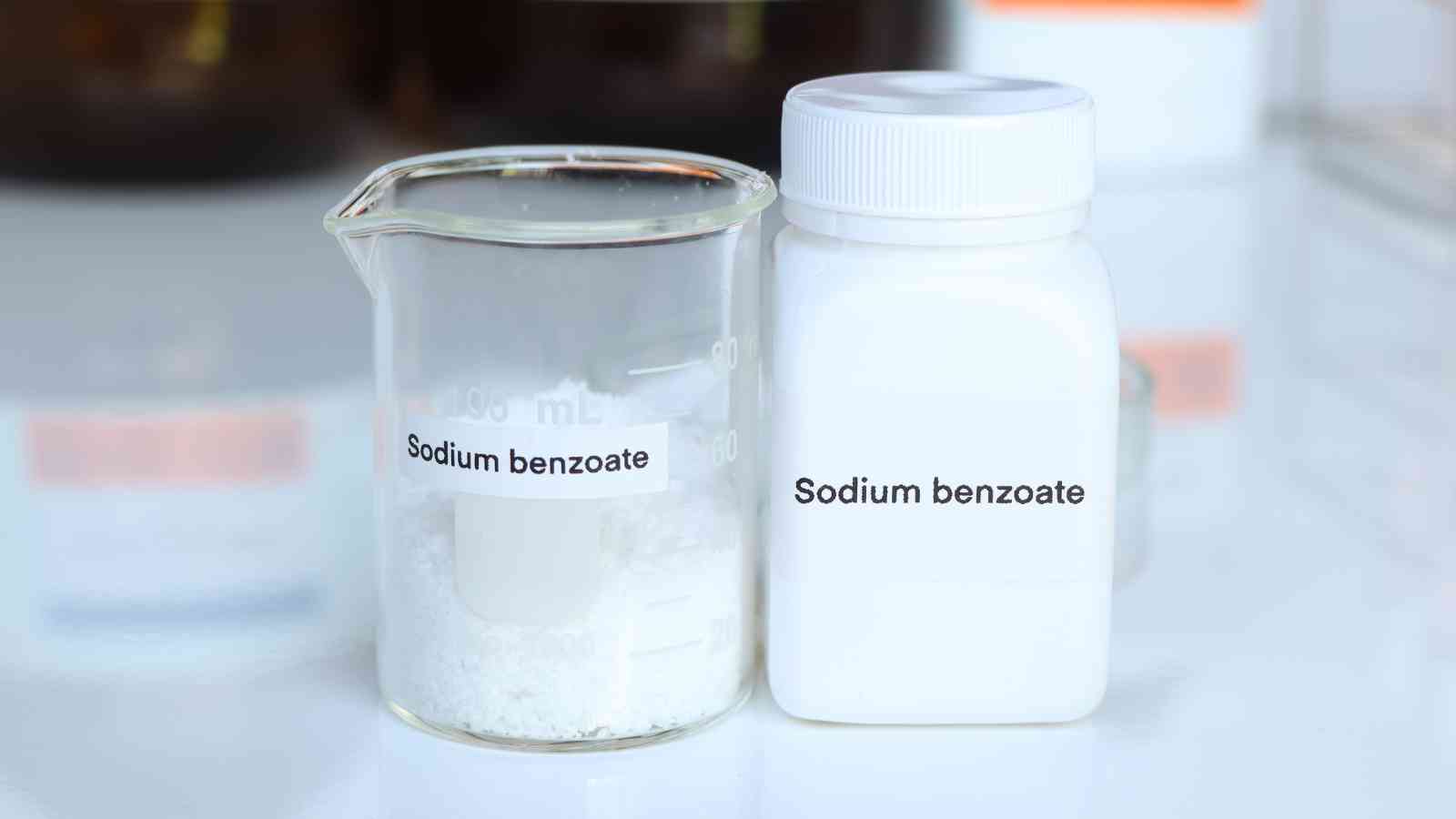
Used to preserve sodas, pickles, and fruit juices, sodium benzoate might keep products shelf-stable, but it can turn risky when combined with vitamin C. That combo can create benzene, a compound linked to cancer. Even without vitamin C, it’s been connected to behavioral problems like increased hyperactivity. Some soft drinks and condiments can contain levels of benzene that far exceed safe water limits. Your best move? Cut back on sodas and check labels for benzoate, benzoic acid, or benzene-related additives.
Trans Fat

Found in margarine, baked goods, and microwave popcorn, trans fats are created through hydrogenation to make oils more stable. But your body can’t process them well, and they tend to raise bad cholesterol while lowering the good kind. They’re strongly linked to heart disease, inflammation, and even diabetes. The FDA has banned partially hydrogenated oils, but trace amounts still show up in some foods. Check for words like “shortening” or “hydrogenated” and stick to healthier fats like butter, olive oil, or avocado oil.
Xanthan Gum

Created by fermenting sugar with bacteria, xanthan gum is a thickener found in dressings, sauces, and gluten-free goods. It’s not necessarily harmful, but too much can cause gas and loose stools for some people. It also doesn’t offer any nutritional value, and reactions vary depending on your gut health. If you feel bloated or uncomfortable after eating certain processed foods, xanthan gum might be the reason. When possible, choose products with fewer stabilizers or opt for natural binders like flax or chia.
Artificial Flavoring
These are lab-made chemicals designed to mimic real flavors without using the actual food. They can imitate everything from butter and bacon to strawberries and bubblegum, but what you’re really getting is a blend of synthetic compounds. Animal studies have linked some artificial flavors to toxic effects on red blood cells and bone marrow. While the doses in food are usually small, frequent exposure still raises concerns over time. Go for real extracts, like vanilla bean or citrus zest, to get true flavor without the additives.
Yeast Extract
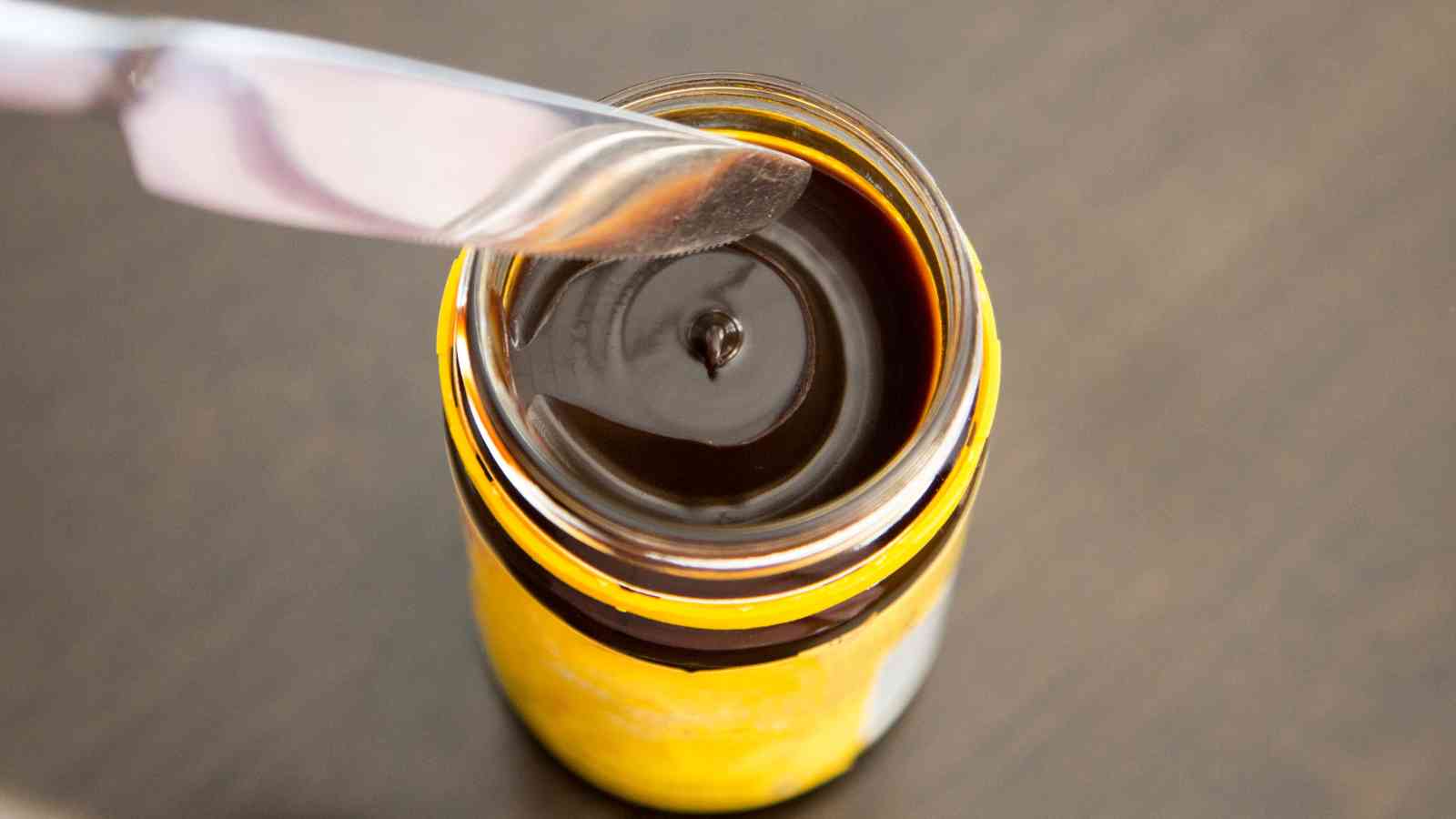
Found in snacks, broths, and savory sauces, yeast extract acts as a flavor booster and contains naturally occurring glutamates. For some, these glutamates can cause symptoms like headaches, flushing, or digestive discomfort—similar to reactions linked to MSG. It also contains added sodium, which can add up fast if you’re not careful. People with glutamate sensitivities should be especially cautious with this ingredient. If you’re trying to avoid it, look for simple, whole-ingredient seasonings or use fresh herbs and spices.
Sodium Nitrate and Nitrite
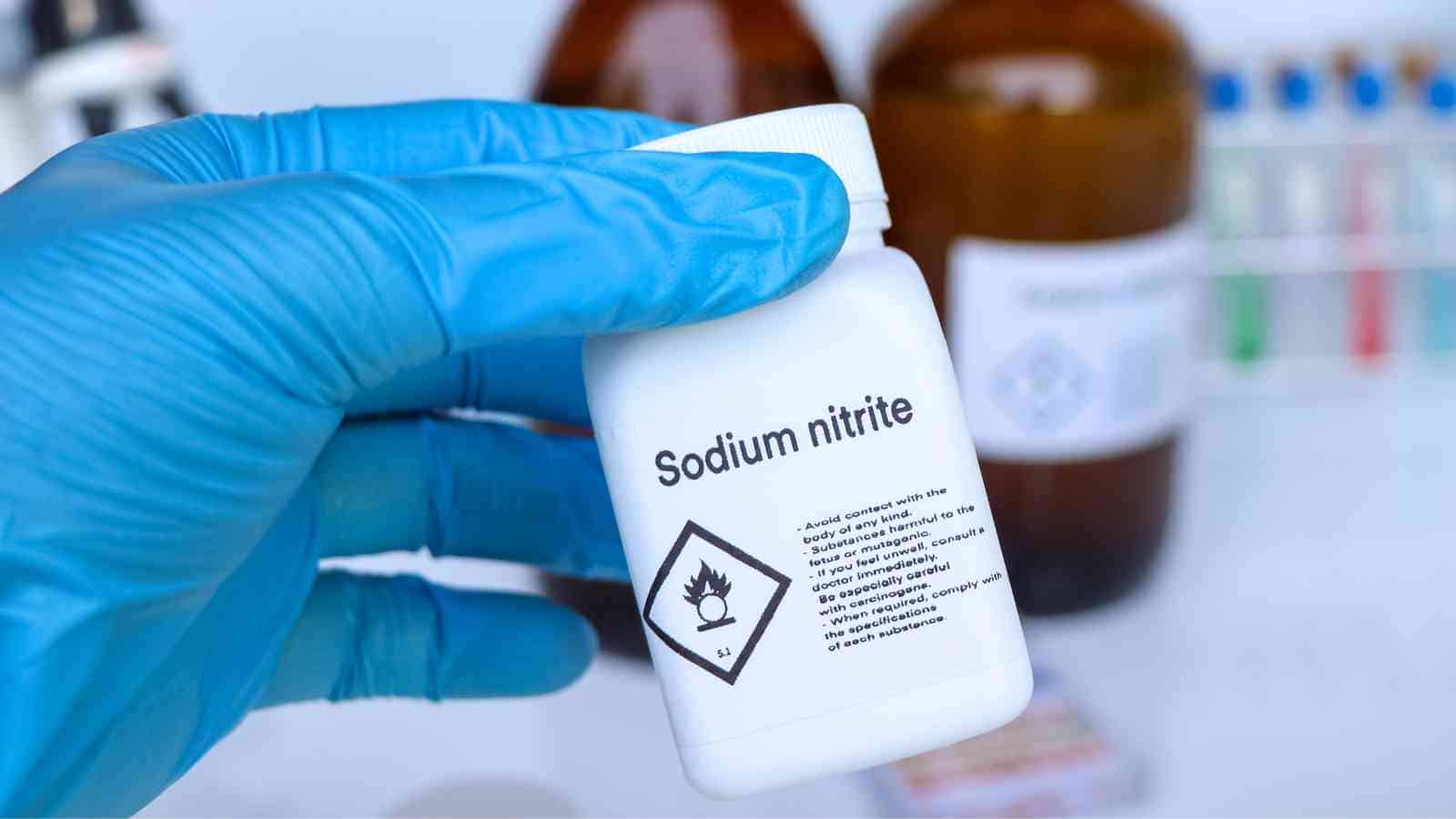
Packaged meats like deli ham, bacon, and hot dogs often include sodium nitrate or nitrite to extend shelf life and keep colors bright. These compounds can convert into nitrosamines inside your body, which have been linked to increased cancer risk over time. You might not notice them right away, but they quietly show up in foods you eat more often than you think. Choosing fresh, unprocessed meat is one of the easiest swaps you can make for long-term health.
Monosodium Glutamate (MSG)
Flavor enhancers like MSG are added to frozen meals, snacks, soups, and even takeout to make foods taste richer than they actually are. While it doesn’t cross the blood-brain barrier, some people still report side effects like headaches, tingling, or fatigue after eating too much. MSG doesn’t affect everyone the same way, and that’s what makes it tricky—your body might react while others feel fine. If you want to skip it, go for foods flavored with herbs, spices, or naturally umami ingredients like mushrooms and tomatoes.
Artificial Sweeteners
You’ll find these sugar substitutes—like aspartame, sucralose, and saccharin—in everything from protein bars to sugar-free drinks and yogurts. They’re designed to satisfy a sweet craving without adding calories, but they can mess with your taste perception and gut balance over time. Some studies link them to changes in insulin response or appetite regulation, especially when used often. When you want to cut sweetness but not flavor, try honey, maple syrup, or dates in small amounts instead.
Bleached Flour
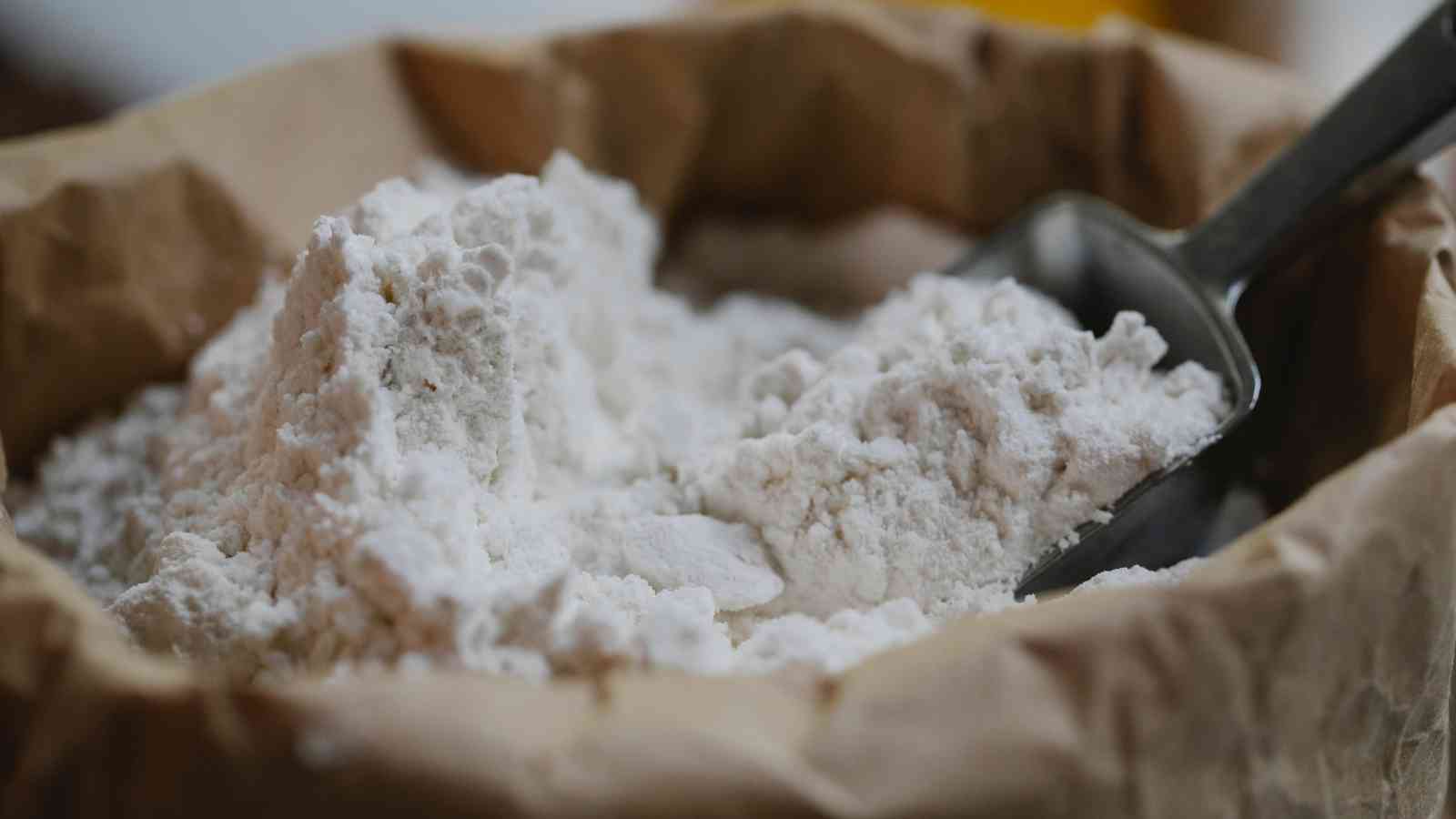
Refined white flour goes through chemical processing to appear ultra-white, and in the process, it loses fiber, B vitamins, and natural texture. Bleaching agents like benzoyl peroxide or chlorine dioxide are sometimes used, which offer no nutritional benefit and can irritate the gut. Swapping to whole wheat or oat flour brought more texture and kept me fuller longer. You’ll find it easier than you think to make the switch once you try baking with better flours at home.
Small Changes, Big Impact! 15 Whole Food Swaps You Can Make Today

Instead of cutting out entire food groups or following extreme diets, making simple swaps can provide better nutrition without sacrificing flavor or satisfaction. The right alternatives can improve digestion, support heart health, and even help maintain steady energy levels throughout the day. Here are 15 easy swaps that pack more nutrition into your diet without making you feel like you’re missing out.
20 Foods You Should Always Keep Stocked

Keeping your pantry, fridge, and freezer filled with dependable basics doesn’t just make life easier — it helps you stay consistent with healthy eating, even on the busiest nights. Whether you’re tossing together a grain bowl, building a healthy wrap, or blending a smoothie, these 20 foods make it possible to put something together fast without sacrificing quality. When time is short and energy is low, these ingredients are what turn chaos into dinner.

Tamara Tsaturyan is the owner and writer of Thriving In Parenting, a website focused on providing simple tips for busy parents — easy and healthy recipes, home decor and organization ideas and all things P A R E N T I N G.

Share Your Thoughts!
I love to know your thoughts, make sure to comment below to start a discussion! You can also follow me on your favorite social network below.