Holiday foods tell a story beyond flavor — they reflect the trends, availability, and cultural habits of the era. Boomers grew up with dishes that marked celebrations, holidays, and family gatherings, creating a sense of ritual and nostalgia that’s hard to replicate today. Many of these foods relied on convenience ingredients or culinary trends of their time, which can feel unusual or confusing to Gen Z. Yet, each dish has a history, whether it’s a recipe passed down through generations or a quirky invention of the mid-20th century. Exploring these classics gives insight into what defined holiday meals for older generations and why certain flavors and textures still hold sentimental value.
Fruitcake

Dense, studded with nuts, and layered with candied fruit, fruitcake became a symbol of holiday longevity and celebration for Boomers. Traditional recipes often include spirits like brandy or rum, which help preserve the cake for weeks. Brightly colored fruits and chewy textures mark it as unmistakably festive. Younger eaters tend to see it as overly sweet and heavy, contrasting with their preference for lighter desserts. Despite differing opinions, it remains a centerpiece in many holiday gift-giving traditions.
Ambrosia Salad

Citrus, coconut, pineapple, and marshmallows combine into a fluffy, sweet salad that dominated mid-century potlucks. Creamy textures and contrasting fruit pieces made it visually appealing for holiday tables. Marshmallow additions created a playful, sweet-tart experience unique to this dish. Gen Z often finds the idea of dessert masquerading as salad unusual. Its popularity among Boomers reflects a preference for layered, nostalgic treats that balance sweet and fresh flavors.
Green Bean Casserole

Canned green beans, cream of mushroom soup, and crunchy fried onions define this iconic side. The dish offered convenience in an era when quick, comforting meals were valued during the holidays. Its creamy, savory layers have made it a staple at Thanksgiving and Christmas for decades. Younger generations tend to gravitate toward roasted or fresh vegetable sides. For Boomers, the casserole represents both tradition and the charm of mid-century cooking shortcuts.
Shrimp Cocktail
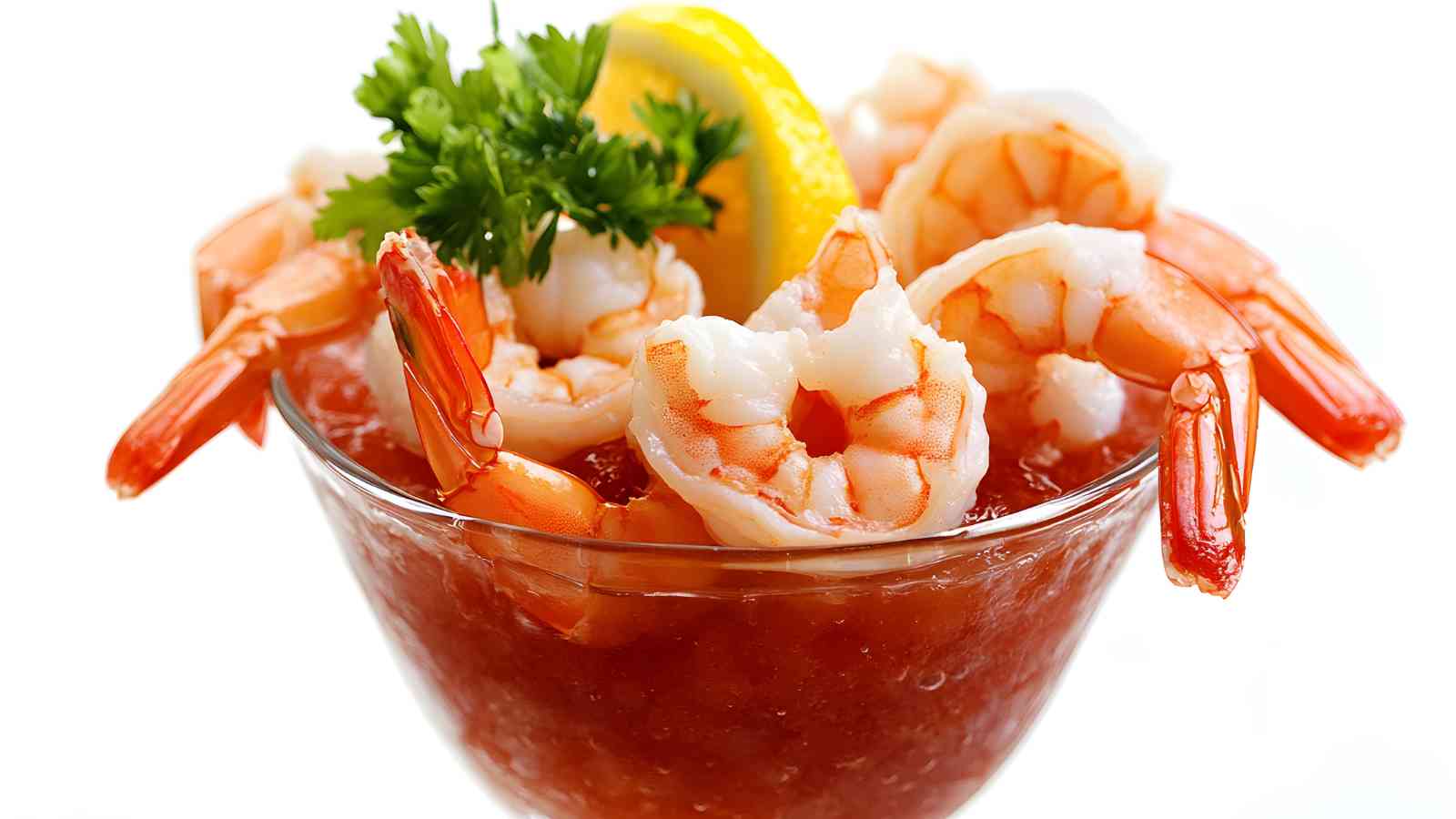
Chilled shrimp paired with tangy cocktail sauce once signaled elegance at holiday gatherings. Presentation in tall glasses or on ice made it a visually striking appetizer. Shrimp cocktails were especially popular when fresh seafood was a special treat for home entertaining. Gen Z often prefers bite-sized, spiced, or hot appetizers. Its appeal lies in nostalgia, simplicity, and association with celebratory dining.
Jell-O Molds

Brightly colored gelatin desserts shaped into festive forms captured attention at holiday tables. Ingredients like fruit chunks, whipped cream, and creative molds added both texture and visual playfulness. Popular from the 1950s through the 1980s, these molds were a family favorite for both kids and adults. Gen Z may view them as kitschy or unusual in comparison to modern desserts. Despite changing tastes, Jell-O molds remain a recognizable symbol of retro holiday parties.
Sweet Potato Casserole with Marshmallows
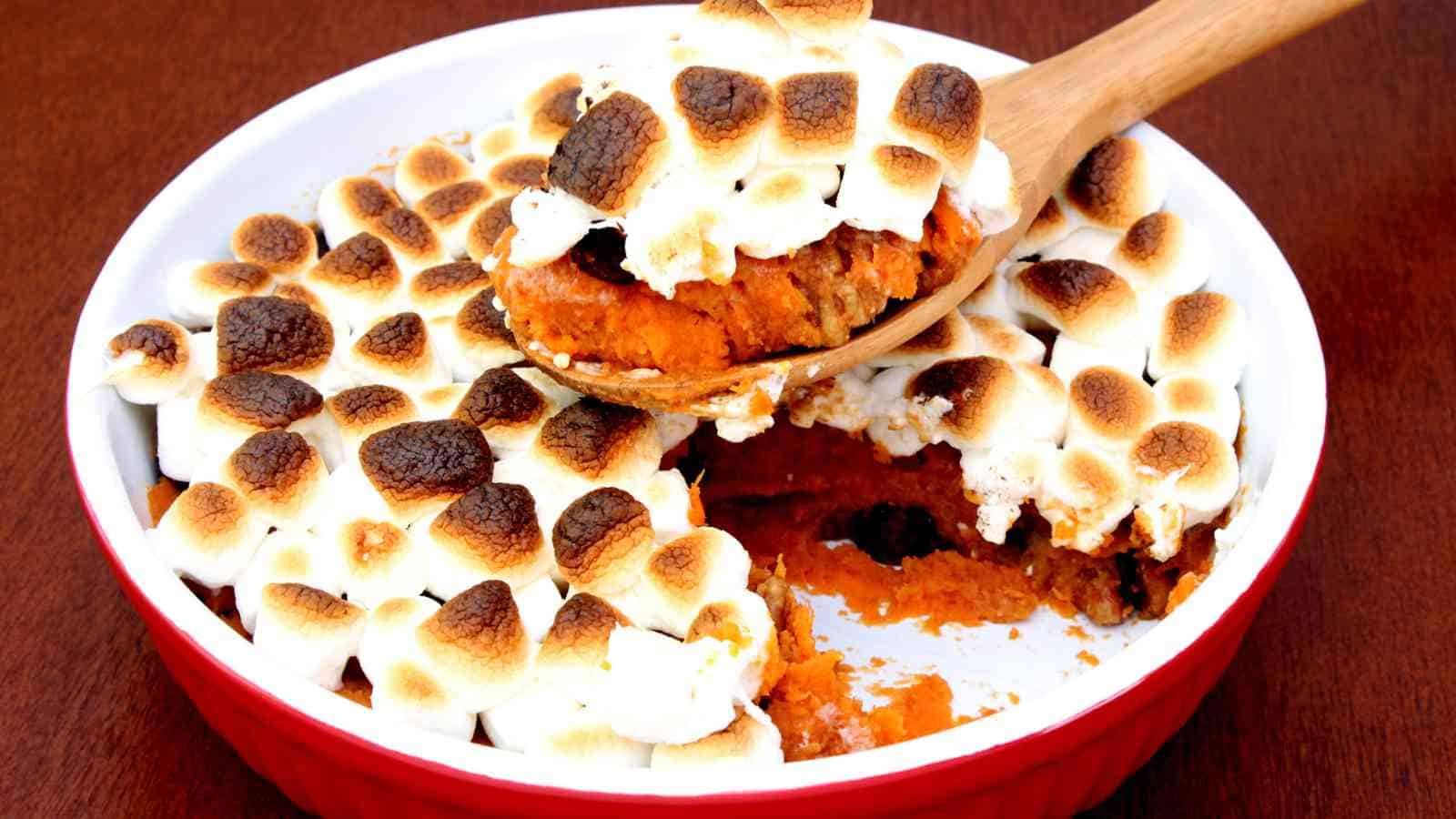
Baked sweet potatoes topped with a layer of marshmallows or brown sugar created a hybrid dessert-side dish. Its warm, gooey topping contrasted with the dense, earthy potatoes beneath. Popular in mid-century holiday meals, it highlighted a love of sweet, comforting dishes. Younger diners often prefer savory alternatives or roasted versions without sugary toppings. The dish endures as a reminder of indulgent holiday traditions Boomers grew up enjoying.
Cranberry Relish from a Can
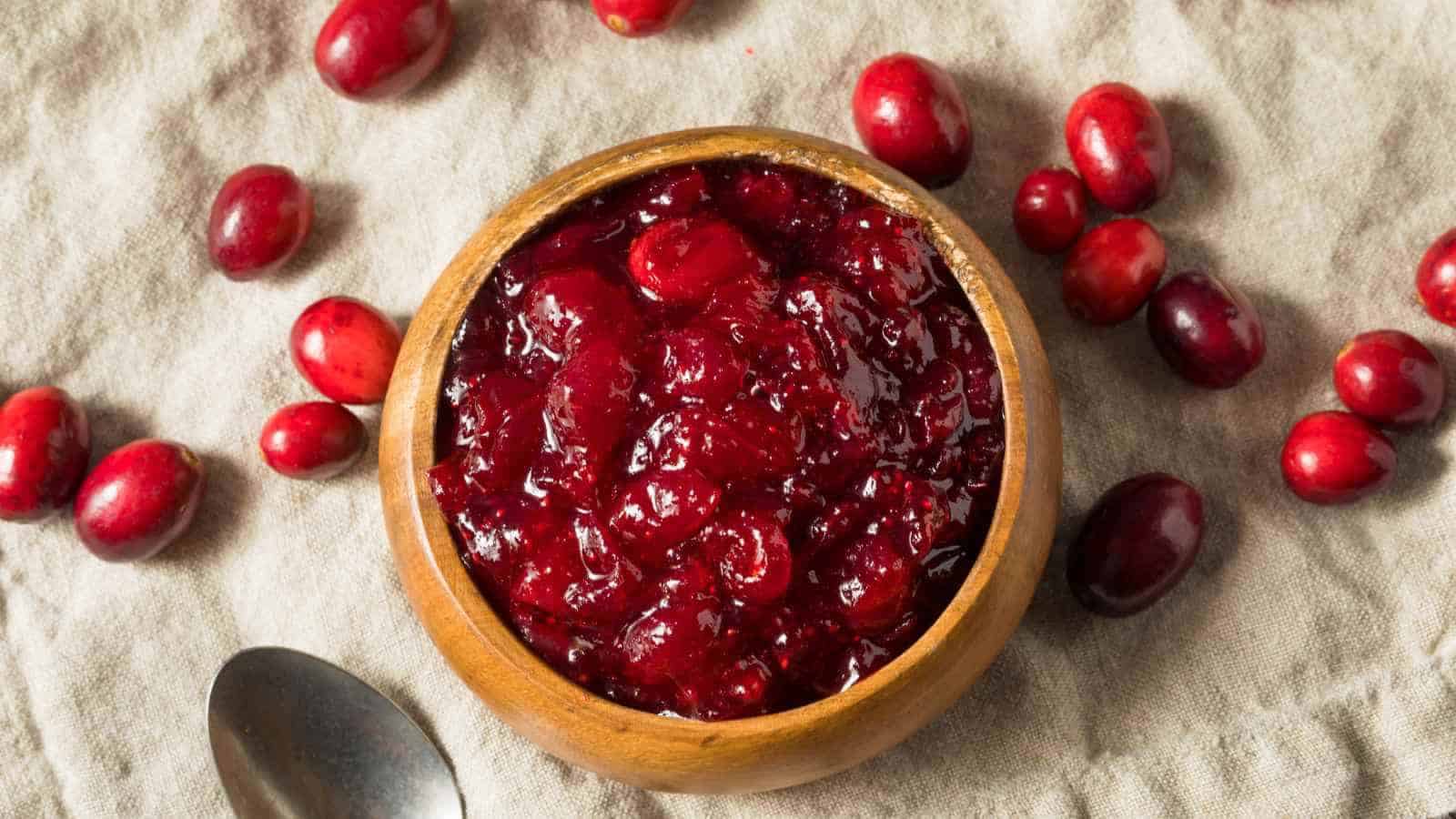
Canned cranberry sauce, complete with signature ridges, became a visual and flavor staple on holiday plates. Its tangy, sweet simplicity fit perfectly alongside roasted meats. Convenience and long shelf life made it a go-to choice for families during the mid-20th century. Gen Z tends to favor fresh cranberry sauces with more texture and less sweetness. For Boomers, canned relish evokes nostalgia and a sense of continuity in holiday meals.
Cheese Balls
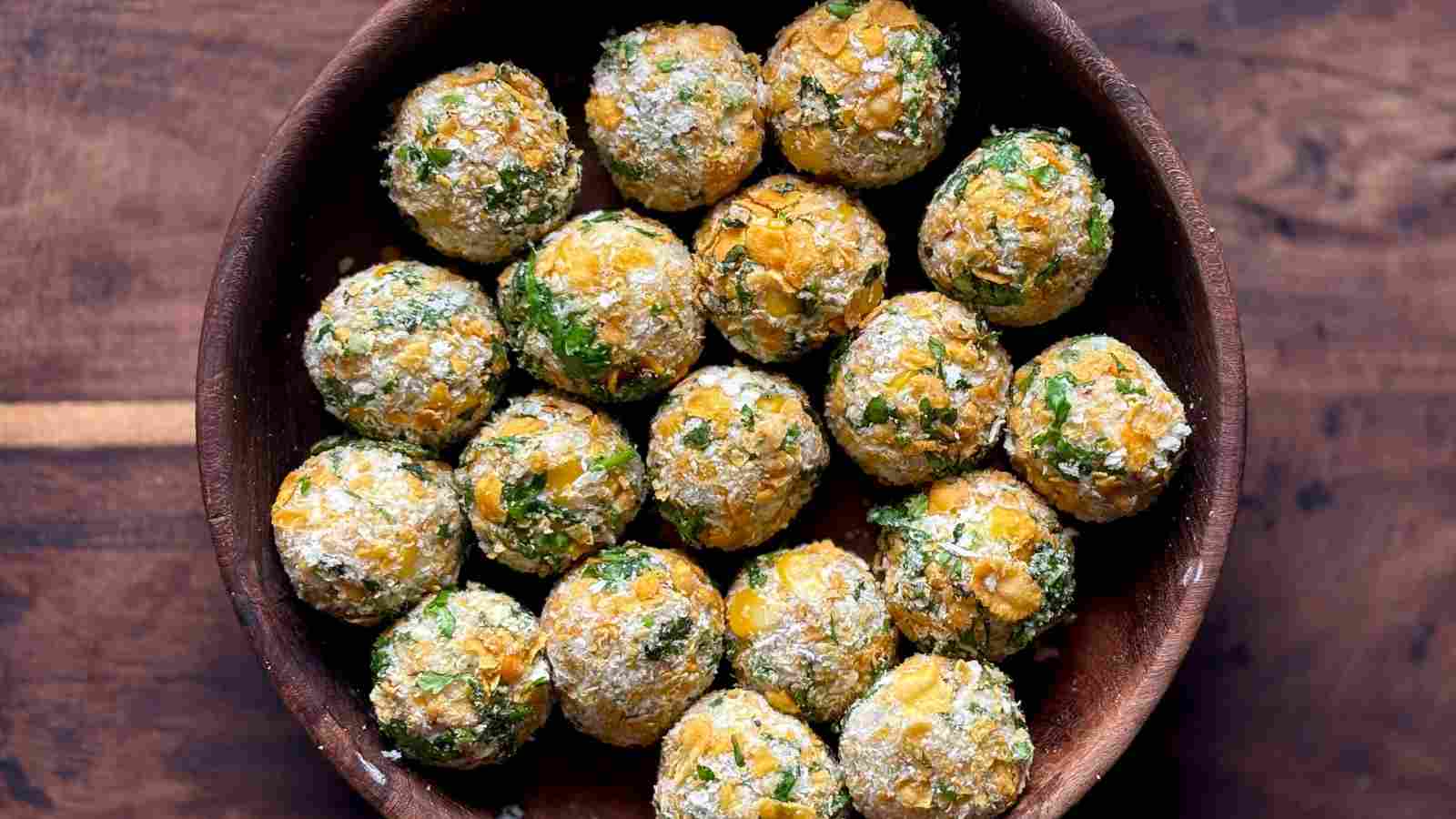
Cream cheese-based mixtures shaped into spheres and rolled in nuts or herbs served as festive appetizers. Cheese balls often featured combinations like cheddar and onion or garlic and pimento. Crackers and sliced vegetables complemented the creamy, flavorful interior. Younger guests may prefer charcuterie spreads or artisanal cheese boards. Boomers value cheese balls for their visual appeal, simplicity, and history at gatherings.
Canned Ham
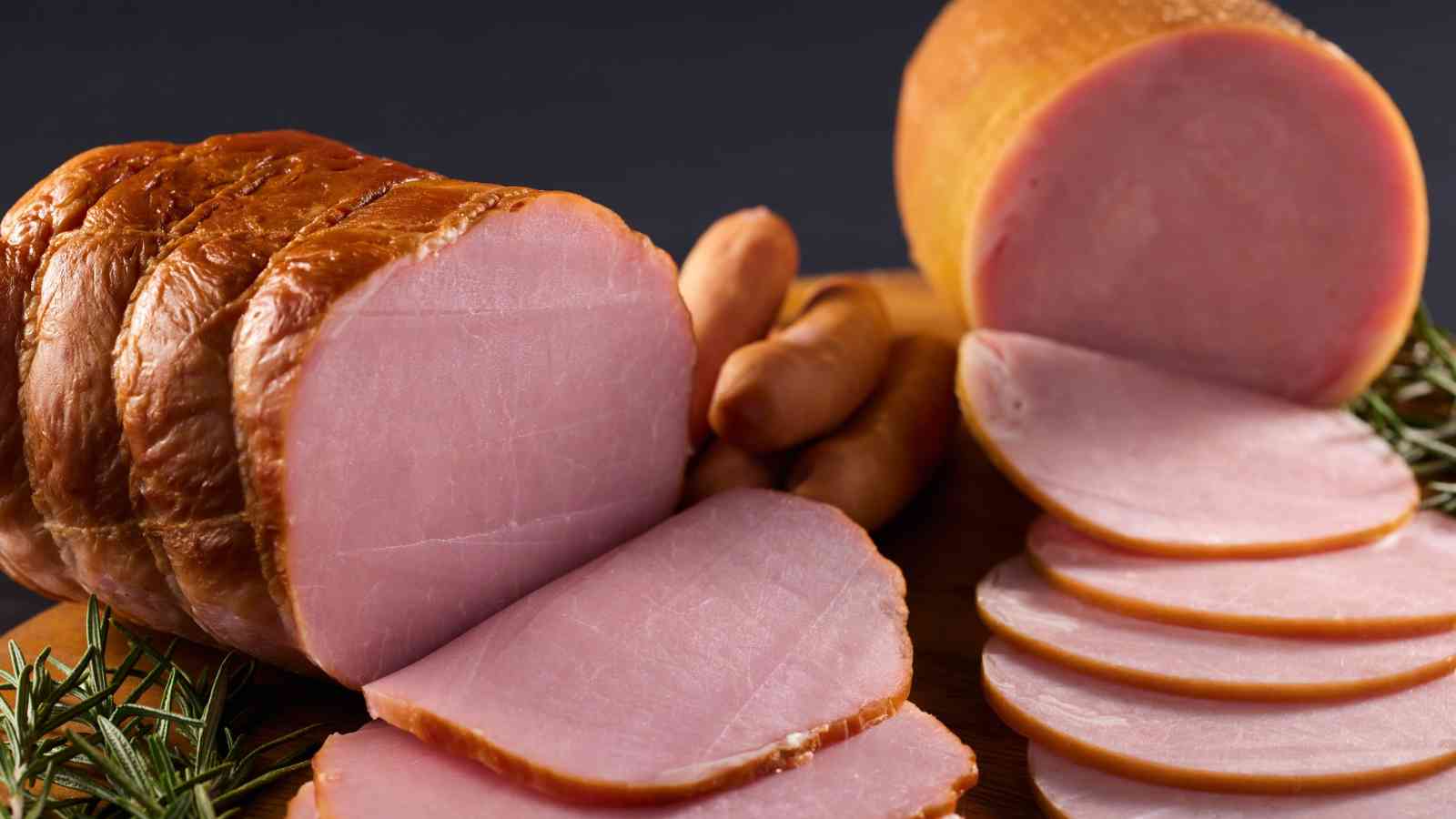
Glazed, baked, or spiral-sliced, canned ham offered convenience and affordability for holiday dinners. Long shelf life and ease of preparation made it a practical centerpiece. Flavorful glazes enhanced both sweetness and savoriness, pleasing multiple generations. Younger diners often prefer fresh cuts or plant-based options, seeking more natural textures. For older generations, canned ham symbolizes a reliable, celebratory meal that never failed to impress guests.
Waldorf Salad
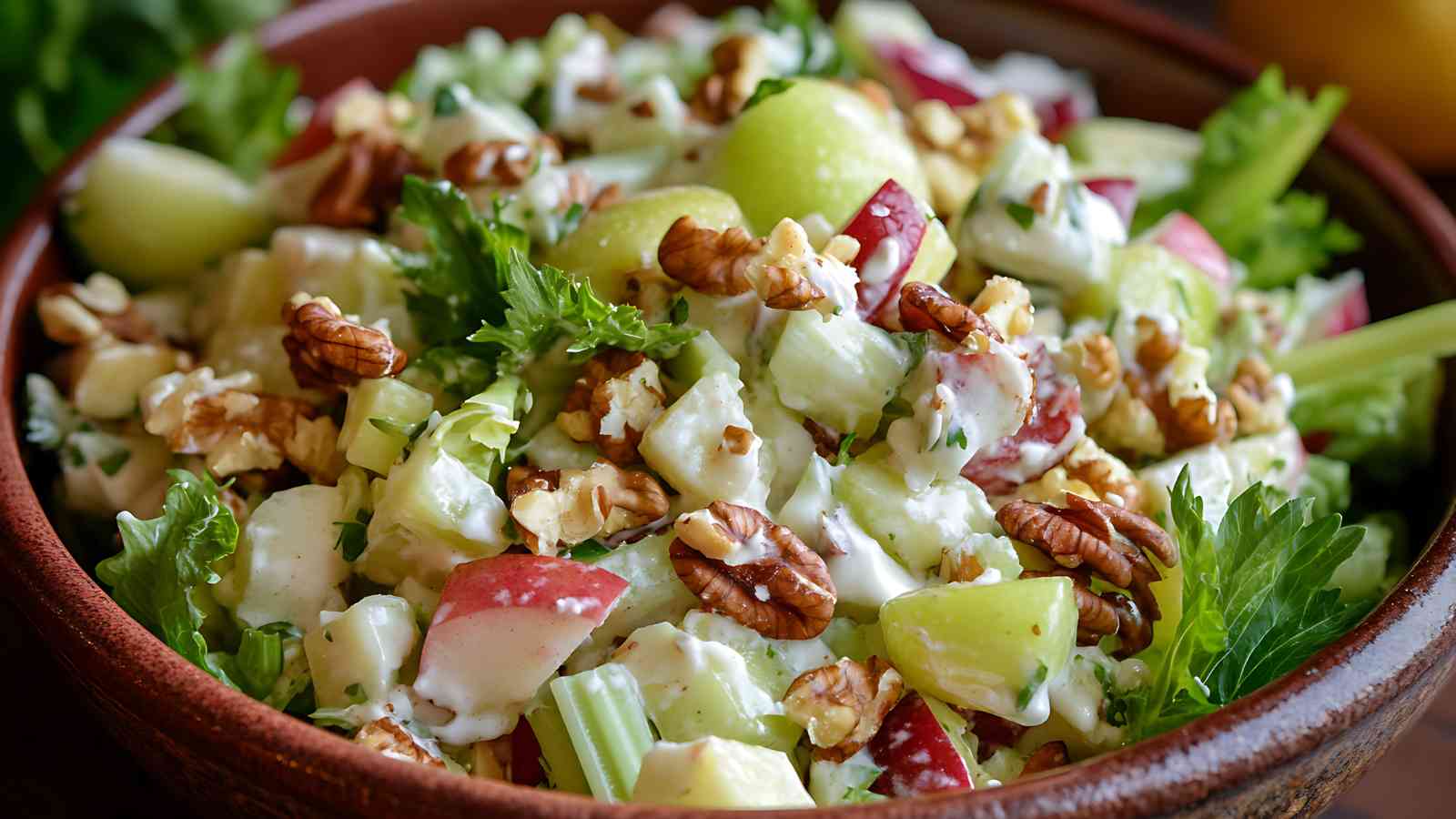
Apples, celery, grapes, walnuts, and mayonnaise combine to create a sweet-and-crunchy dish that once represented sophistication. Served in layered glass bowls, it showcased both texture and visual appeal. Boomers often encountered it at elegant holiday gatherings or restaurants. Gen Z might find the mix unconventional, especially the use of mayonnaise with fruit. Its endurance reflects a mid-century focus on balancing flavors, colors, and seasonal produce.
Duck or Goose
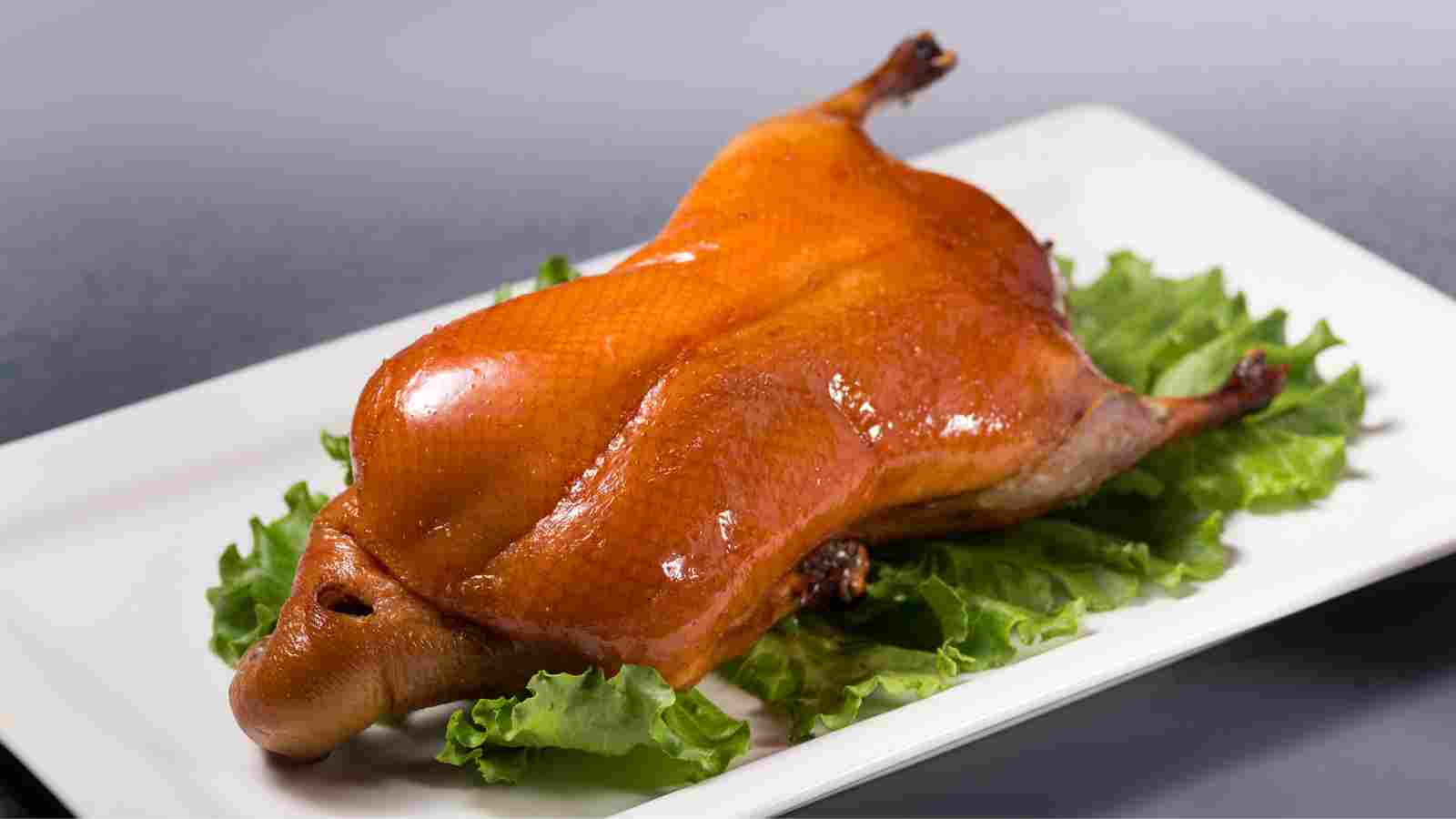
Roasted duck or goose was historically a holiday indulgence, signaling special occasions and culinary skill. Rich fats and flavorful meat made it a highlight of holiday feasts, often paired with fruit-based sauces. Preparing these birds was considered a celebratory tradition, passed down through family recipes. Younger eaters rarely encounter them at home, leaning toward turkey or chicken. Boomers associate these dishes with formal meals, distinctive flavors, and festive flair.
Mince Pies
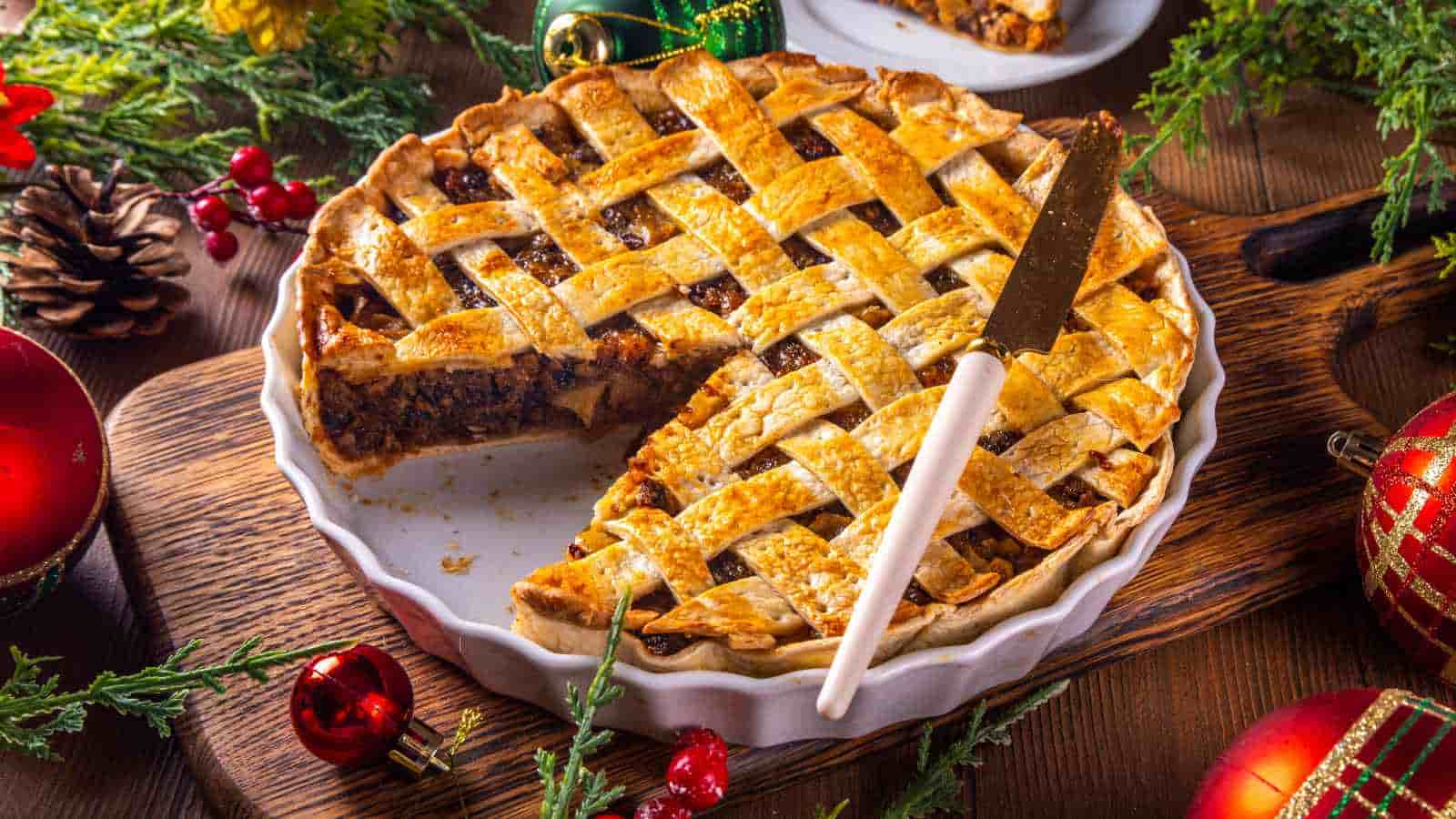
Small pastries filled with a spiced mixture of dried fruits and suet represent centuries of British holiday tradition. Their complex, sweet-spiced filling once made them a signature wintertime treat. Boomers grew up enjoying them as part of festive gatherings or family traditions. Many Gen Zers have limited exposure, making the flavors unusual or unexpected. Mince pies illustrate how culinary customs preserve history and flavor across generations.
Bûche de Noël
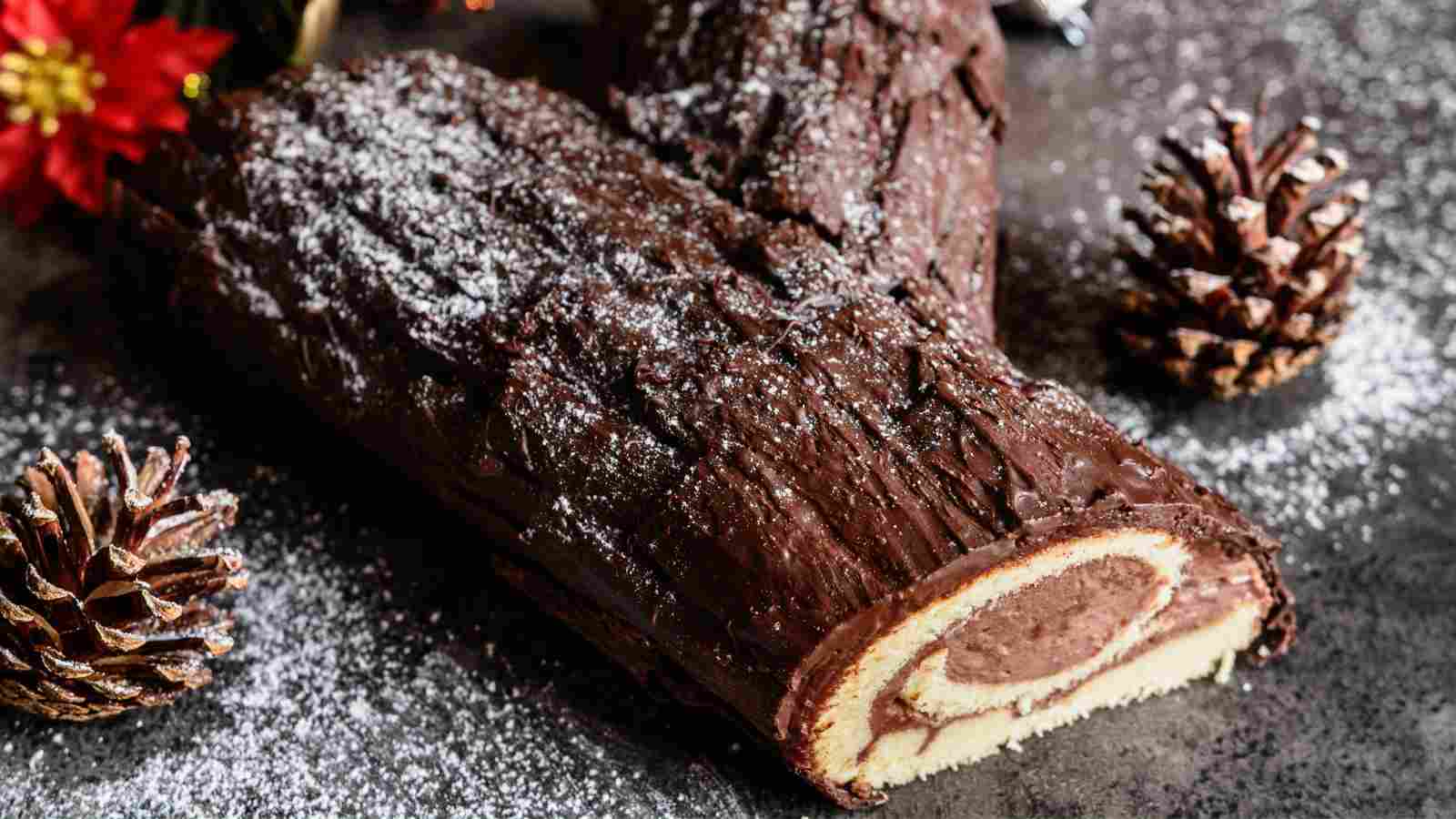
Rolled sponge cakes decorated to resemble a yule log became a French-inspired holiday staple. Frosting, powdered sugar, and decorative mushrooms or holly created festive appeal. The dessert showcased baking skill while adding whimsy to the table. Simpler modern desserts often appeal more to Gen Z, who may find this elaborate style less approachable. For Boomers, it represents both elegance and cherished tradition.
Oyster Stuffing
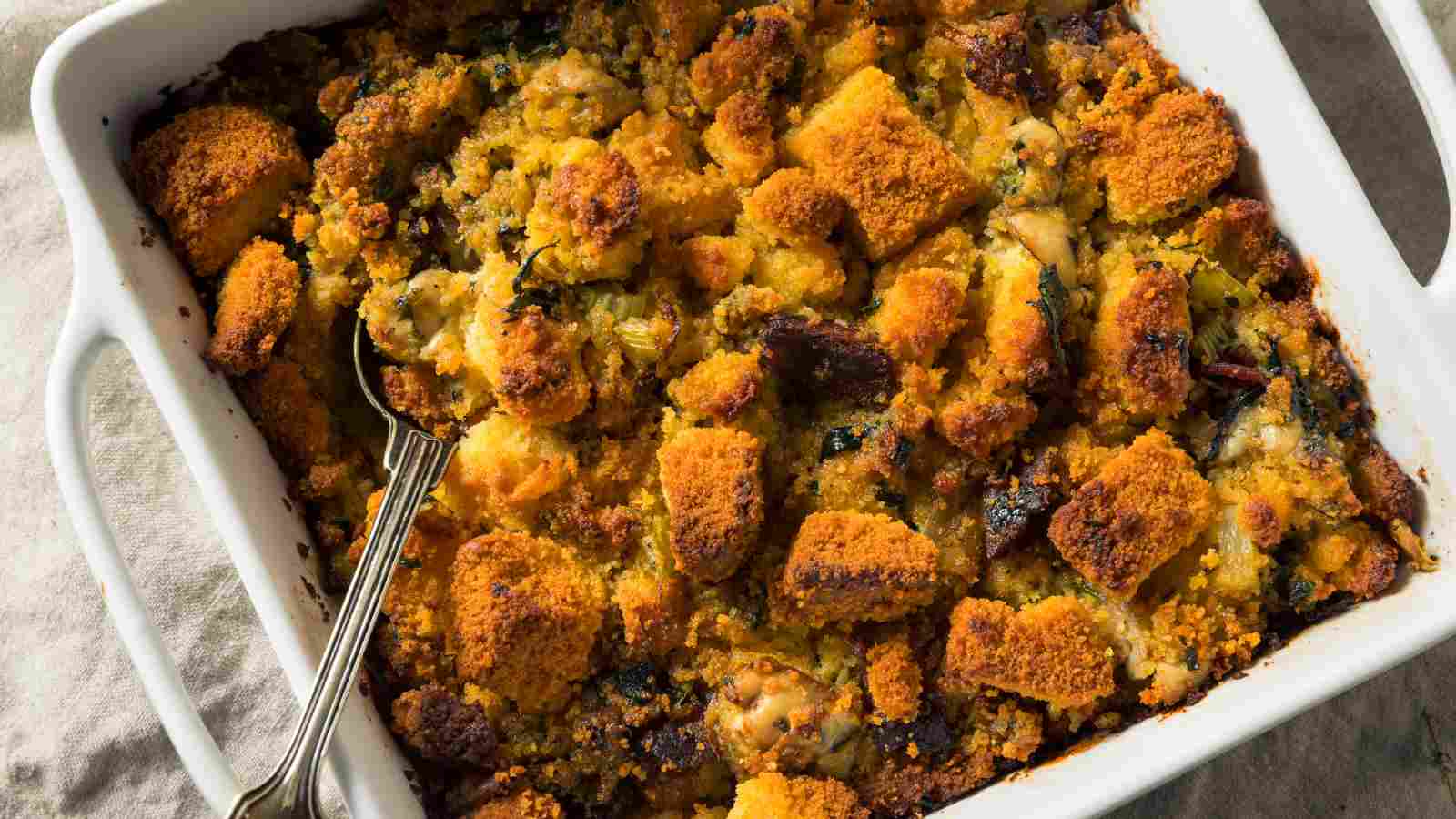
Combining oysters with bread, herbs, and spices became a coastal holiday classic. The briny flavor contrasts with the bread base, adding richness to roasted poultry. Coastal communities especially embraced this dish for its regional character and tradition. Younger diners may find seafood in stuffing unconventional. For Boomers, it symbolizes regional pride, family recipes, and holiday nostalgia.
Molded Cheese Spreads
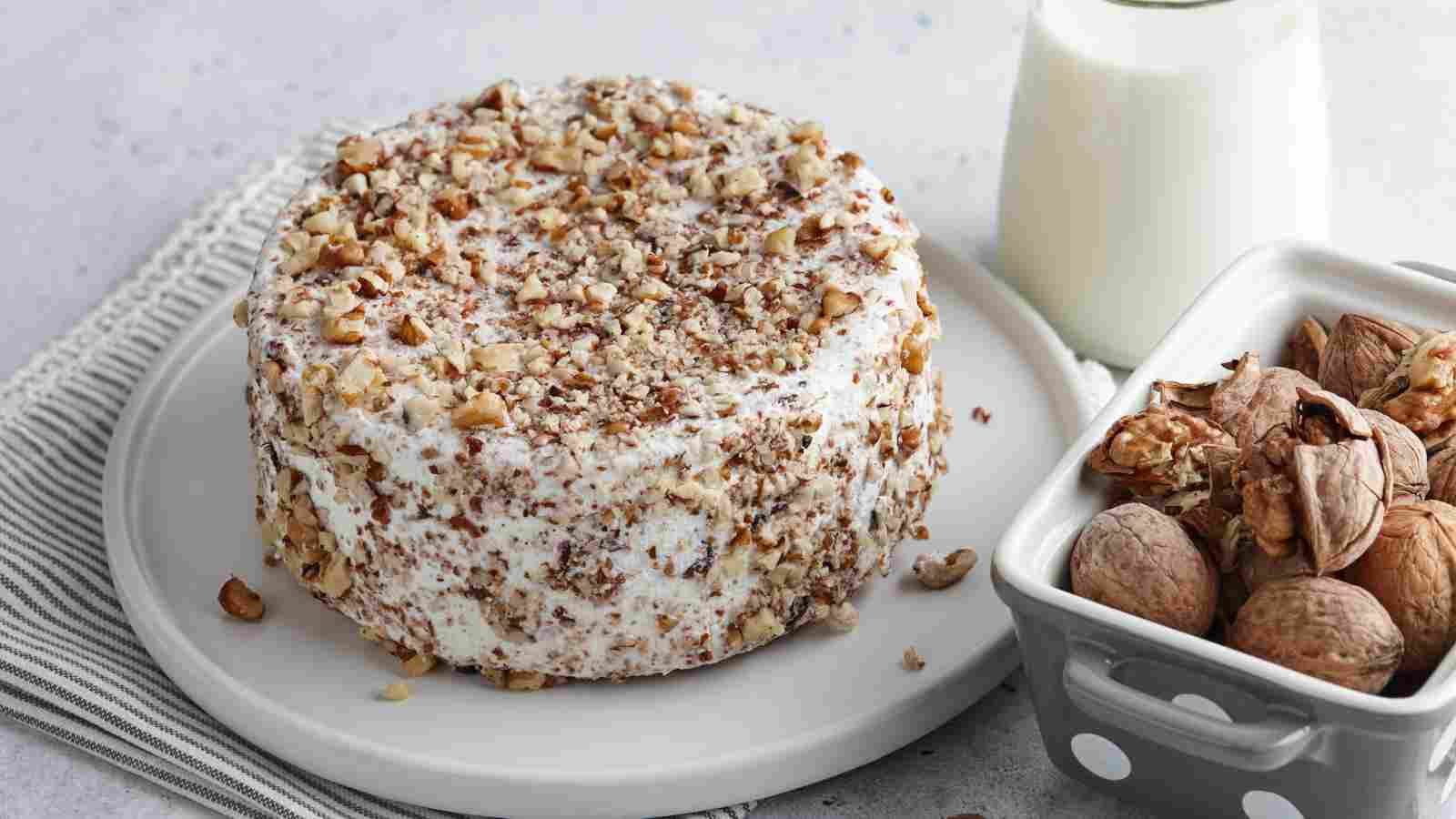
Port wine cheese logs, layered spreads, and decorative cheese molds were once common at festive gatherings. Creamy textures paired with nuts or fruits provided both flavor and visual intrigue. Retro presentation often included gelatin or elaborate shapes. Gen Z may view them as outdated or kitschy rather than essential. Older generations remember molded cheese spreads as a fun, interactive appetizer for entertaining.
Ambrosia Fruit Cups
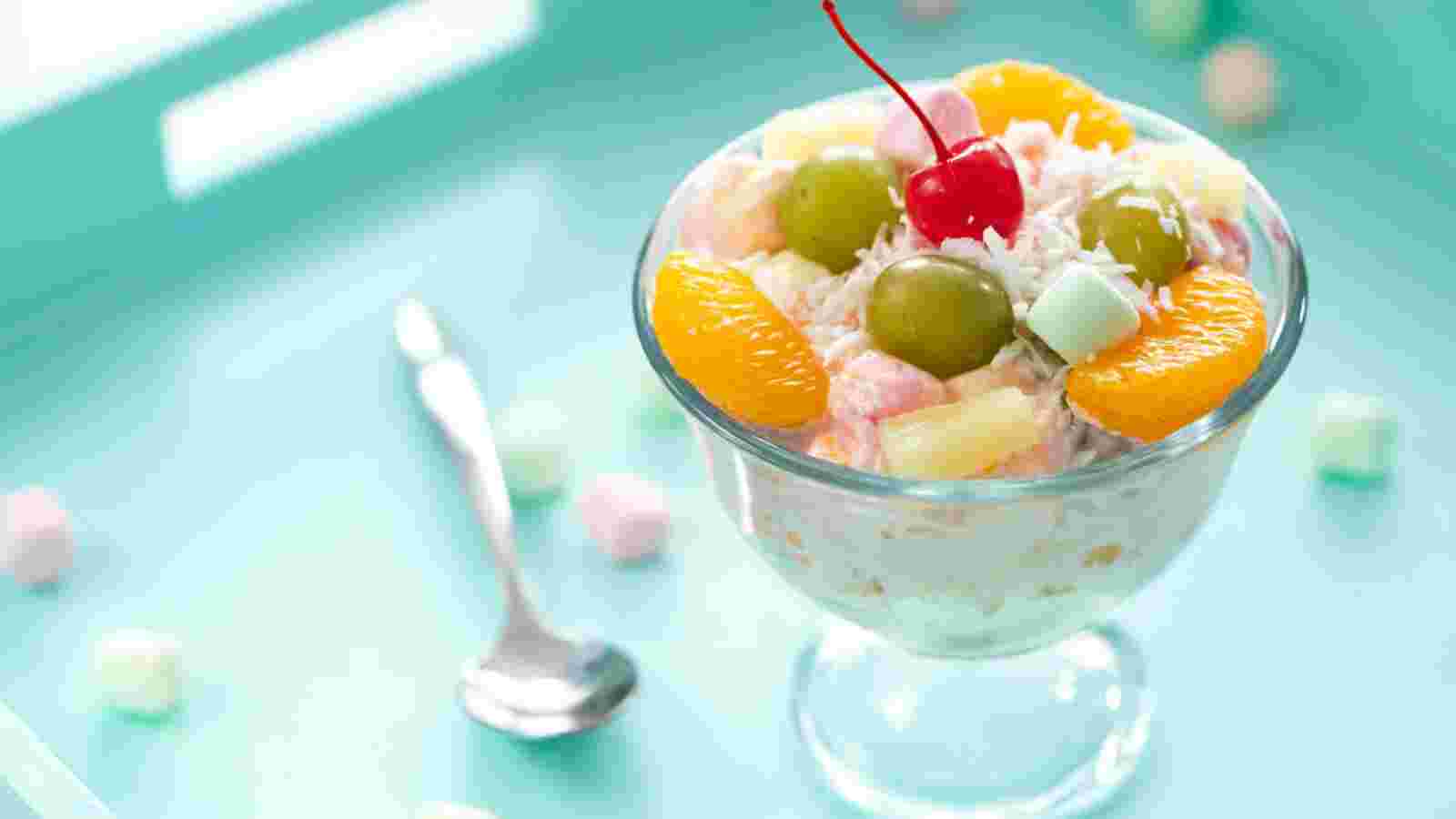
Individual servings of fruit, marshmallows, and coconut offered a lighter, playful alternative to large salads. Portable cups became popular at holiday luncheons and potlucks. Boomers appreciated both the visual appeal and sweet, creamy flavor balance. Gen Z might find them overly nostalgic or unconventional compared to modern dessert cups. They reflect a combination of convenience, tradition, and festive flair.
Pineapple Upside-Down Cake
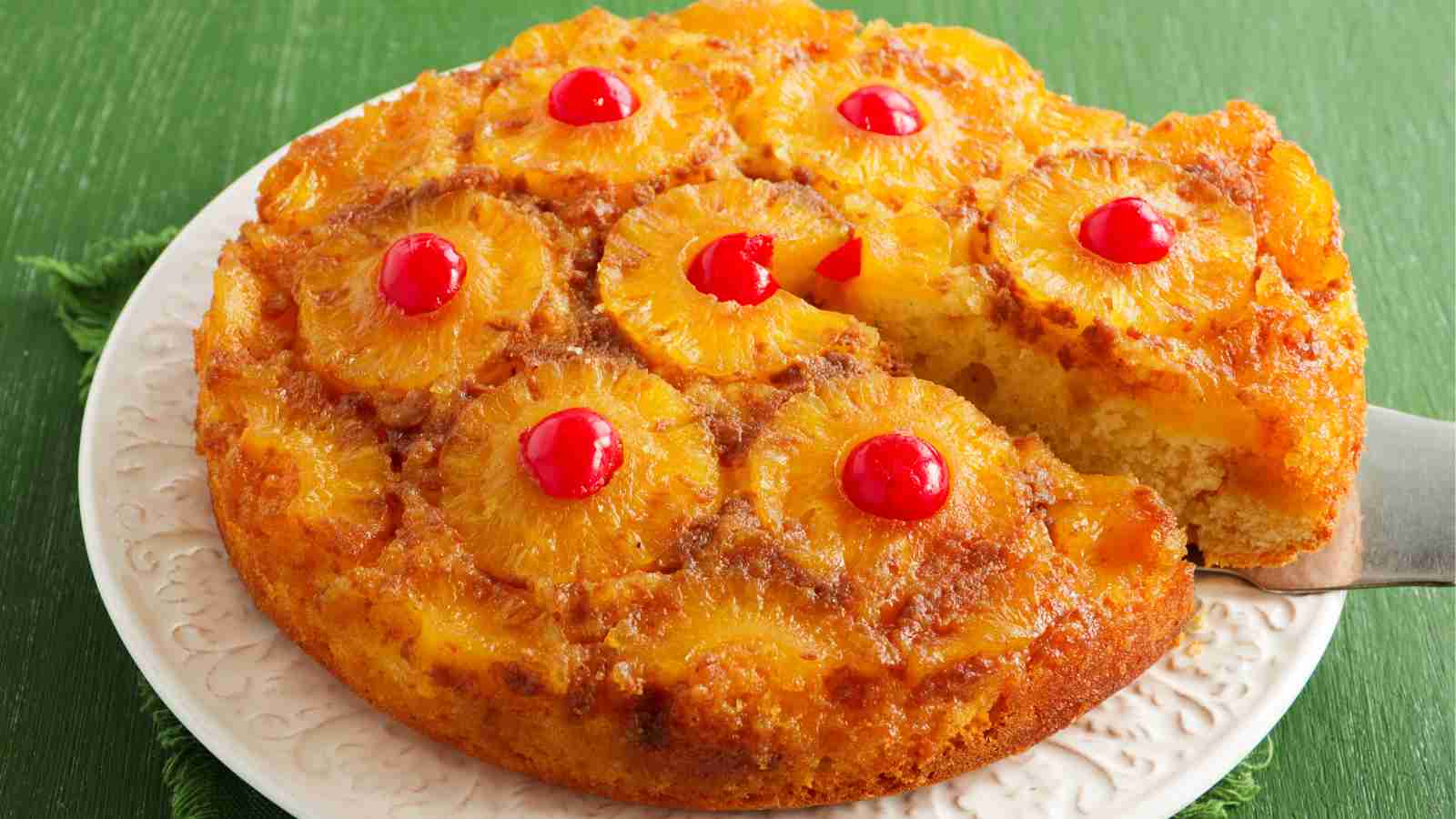
Caramelized pineapple rings atop buttery sponge became a colorful dessert during holiday gatherings. Mid-century baking trends celebrated visual presentation as much as taste. Boomer families often regarded this cake as a treat that could impress guests with ease. Gen Z favors less dense, simpler cakes or fresh fruit desserts. Its enduring charm lies in nostalgia and approachable indulgence.
Ambrosia Gelatin Parfaits
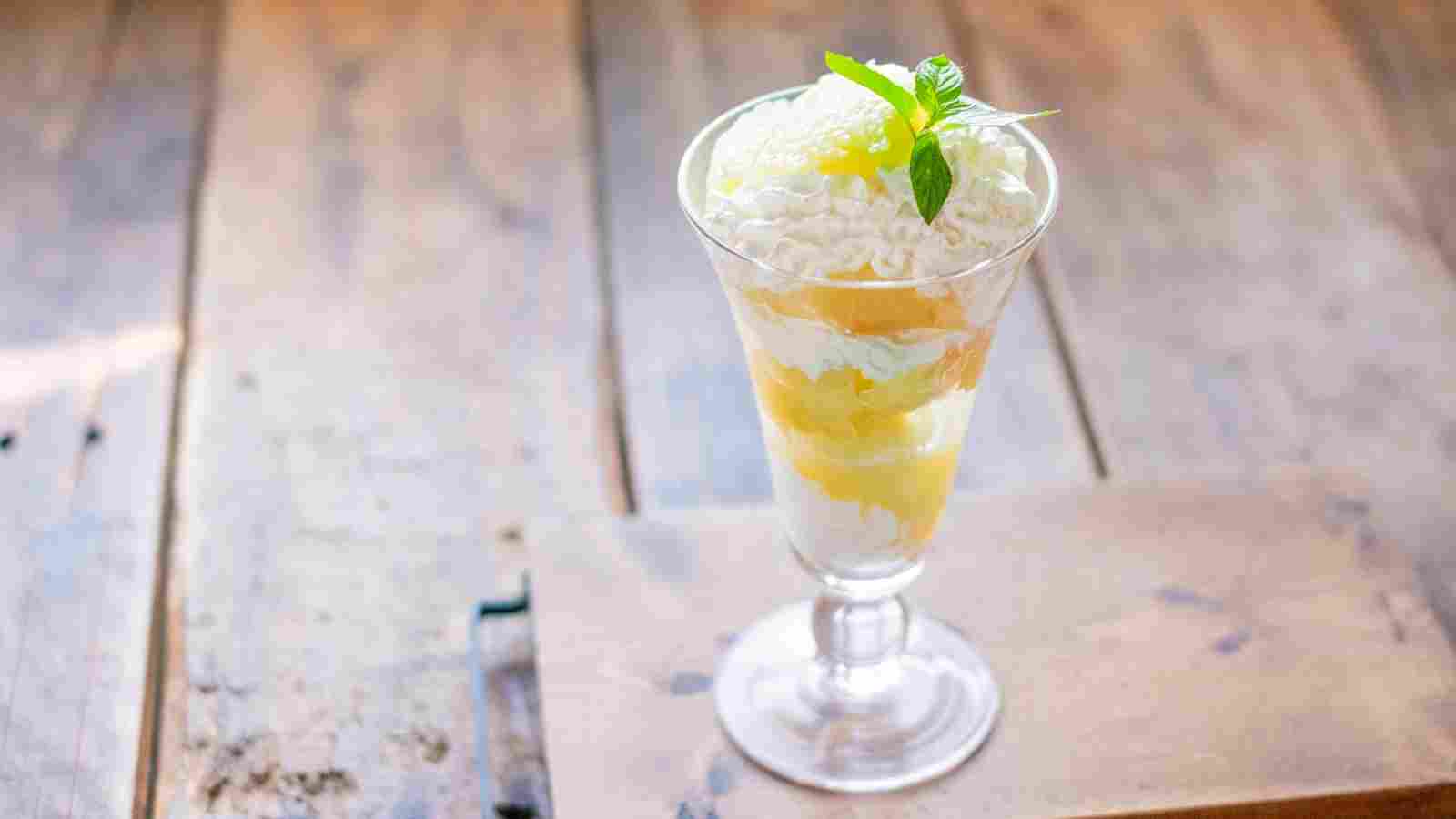
Layered gelatin with fruit and whipped cream offered a visually striking, sweet holiday treat. Individual servings highlighted seasonal colors and textures. Boomers enjoyed the novelty and convenience of prepared gelatin desserts. Younger generations may view them as old-fashioned or overly artificial. They exemplify mid-20th century creativity with sweet ingredients and presentation.
15 Weirdly Specific Holiday Food Problems Everyone Has Faced

Here’s a list of 15 weirdly specific holiday food problems everyone has faced, explained in a fun, factual, and practical way. Understanding why they happen can actually save you from unnecessary stress and wasted food.
15 Regional Holiday Dishes That Outsiders Just Don’t Understand
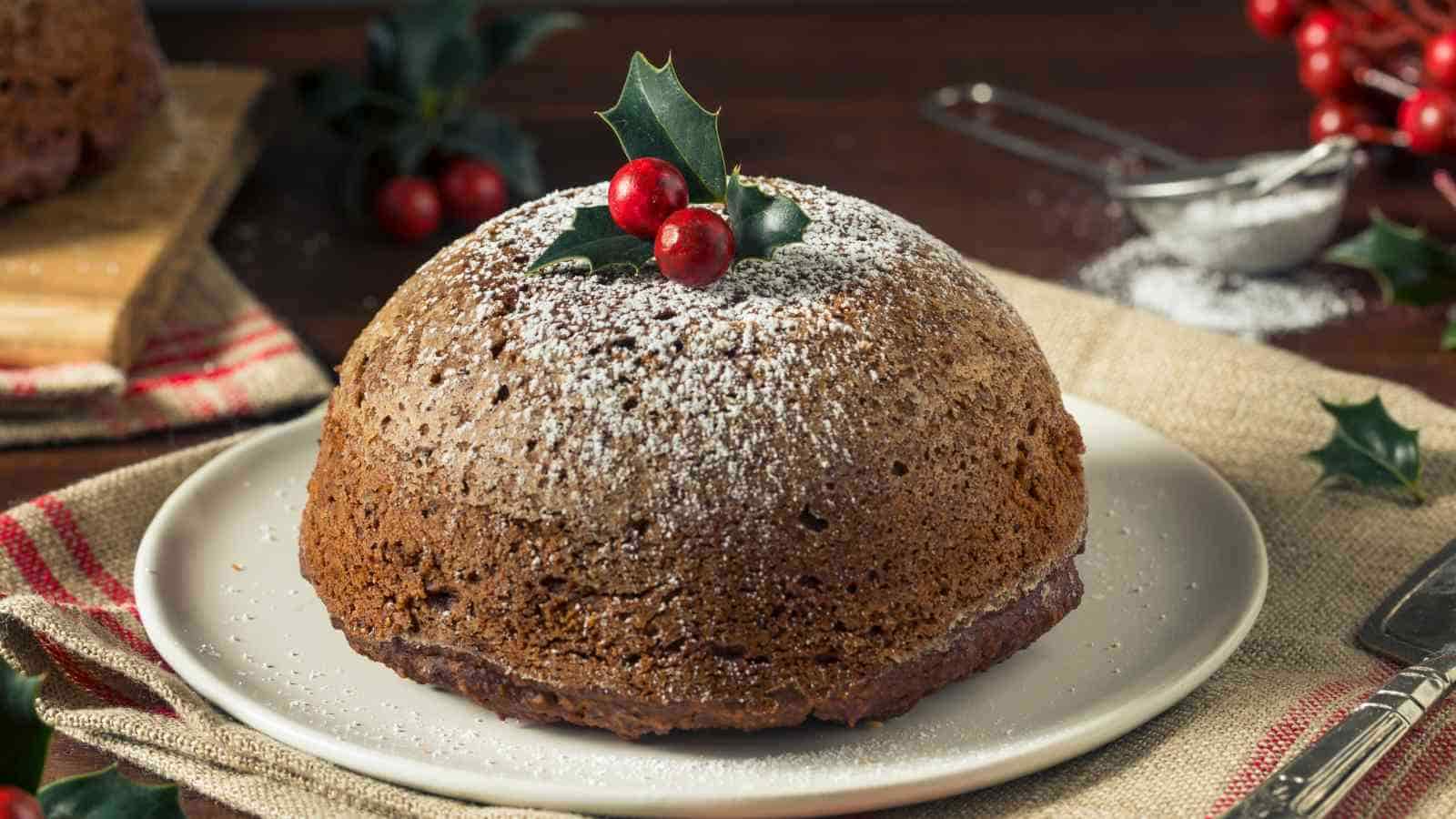
Exploring these dishes provides insight into communities, celebrations, and personal memories tied to the holidays. Expect surprises, unusual textures, and flavors that challenge your assumptions about holiday food. Every bite tells a tale of heritage and creativity.

Tamara Tsaturyan is the owner and writer of Thriving In Parenting, a website focused on providing simple tips for busy parents — easy and healthy recipes, home decor and organization ideas and all things P A R E N T I N G.

Share Your Thoughts!
I love to know your thoughts, make sure to comment below to start a discussion! You can also follow me on your favorite social network below.