The holiday season used to be about cozy moments, laughter, and small traditions that felt just right for your family. Now it comes with an unspoken audience, scrolling and judging in silence. It’s wild how fast a simple idea can turn into pressure once you’ve seen fifty versions of it online done perfectly. You’re just trying to keep the season meaningful without losing your sanity, but social media has a way of making even the best efforts feel small. And you’re definitely not the only one feeling stretched between what you want to do and what you think you’re “supposed” to do. It’s no wonder even the most prepared households sometimes end the day feeling like they’re falling short, no matter how hard they tried. Here are the little pressures we don’t always talk about, but we all quietly feel in our own way.

The Comparison Starts Earlier Every Year

Colorful porches, light-filled doorsteps, and early gift guides pop up months in advance, and it’s hard not to notice. The pressure creeps in before decorations even hit the stores, planting unrealistic expectations in the back of your mind. Parents can feel like they’re already behind while the season hasn’t even officially begun. The early exposure creates a sense of urgency that makes enjoying each moment harder. By the time December rolls around, the comparison fatigue has already set in.
“Core Memory” Culture Raises the Stakes

Every ordinary moment feels like it could be a viral highlight reel. Parents find themselves orchestrating experiences rather than letting them happen naturally. There’s a subtle weight to trying to create lifelong memories on demand. The magic of spontaneous laughter or messy crafts can get lost under the pressure to produce picture-perfect moments. It’s exhausting, yet it comes with the unspoken promise of social validation.
The Gift Pile Guilt Is Real

Even simple gifts can suddenly feel inadequate when compared to what’s trending online. It’s not just about money—it’s about creativity, thoughtfulness, and emotional impact. Many parents replay choices in their heads, worrying if their kids will feel “left out.” Despite meeting their children’s needs, social media nudges them into self-doubt. What should be joy can feel like another measure of parental worth.
Holiday Homes Now Feel Like a Performance

Living rooms, front porches, and dining tables have turned into visual benchmarks. Parents notice every corner, wondering if it looks “enough” for pictures. The warm and cozy spaces that once felt like home can suddenly feel incomplete. Lighting, color coordination, and themed décor become silent tests. It’s hard to relax when every decoration seems like it could be judged online.
The Unspoken Pressure to Be Grateful and Joyful at All Times

Even small struggles are easy to overlook when everyone else seems cheerful online. Parents feel guilty for feeling tired, stressed, or overwhelmed. The expectation of constant happiness is invisible yet heavy. Sharing moments of genuine emotion often feels like admitting failure. Emotional isolation can sneak in while everyone else’s posts shine with curated joy.
Mom Guilt Gets Amplified
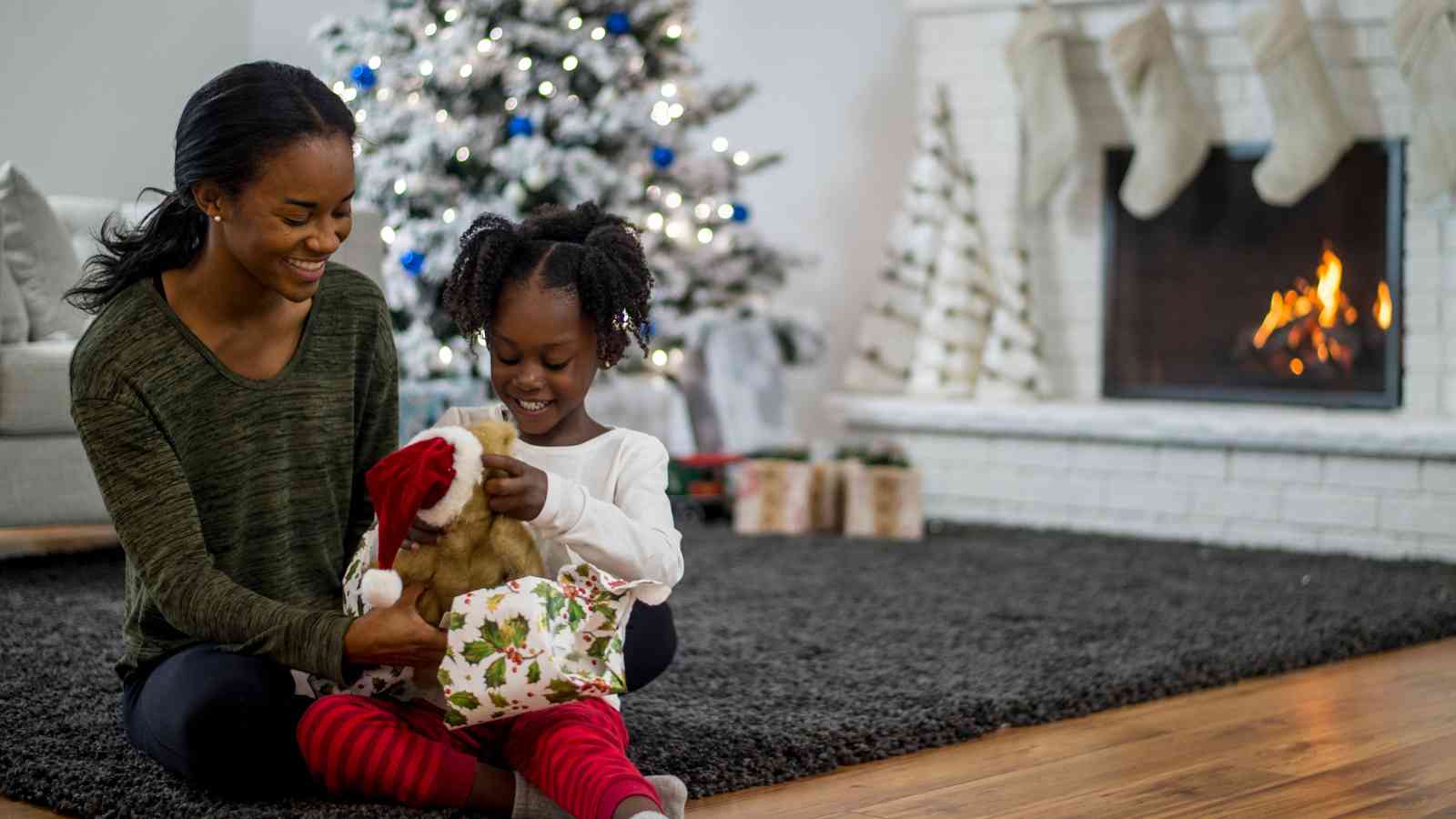
Mothers often carry the invisible mantle of holiday magic. Baking, organizing, decorating, and keeping spirits high can feel like endless responsibility. Social media intensifies the pressure, showing only narrow examples of “perfect” parenting. Even small missteps feel magnified when the online world seems flawless. It can feel like the season’s success rests entirely on one person’s shoulders.
Traditions Start to Feel Like Obligations

Advent calendars, themed breakfasts, nightly crafts—it’s easy for rituals to feel mandatory. When viral posts popularize every little tradition, parents can feel like they’re falling behind. What once felt fun can become another checklist item. Pressure can quietly replace enjoyment, turning meaningful moments into performances. Finding personal meaning becomes a subtle act of rebellion.
Financial Stress Gets Quietly Triggered
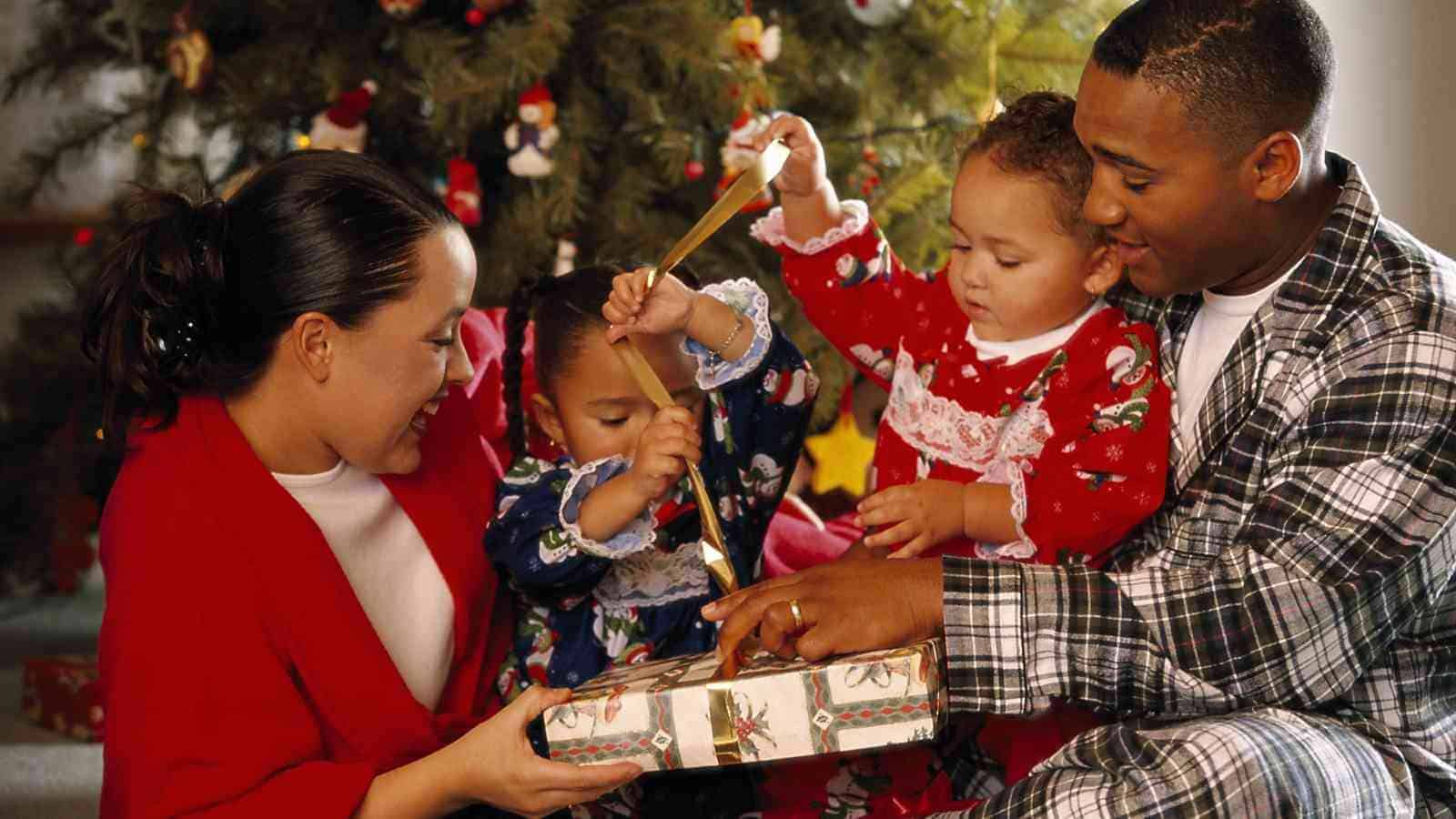
Budgeting carefully doesn’t make social media comparisons any easier. Elaborate gifts, parties, and outfits highlight the differences in what families can afford. Parents may worry their kids are missing out without consciously trying to compete. The emotional weight of financial comparison can linger quietly. Stress sneaks into moments that should feel light and festive.
Kids Start Absorbing the Comparison Too

Tension, rushed schedules, and subtle parental stress can be picked up quickly by children. Even without social media accounts, kids notice when their family seems behind or anxious. The pressure transfers from screen to home, shaping moods and behavior. It can quietly shift family dynamics without anyone realizing. Teaching gratitude and joy becomes more challenging in a stressed environment.
The Invisible Competition Between Parents

Parents rarely talk about it, yet comparisons are everywhere. Classroom treats, holiday parties, and creative traditions all come with silent contests. Even those who dislike the idea feel the subtle pull. It’s exhausting to maintain a balance between personal satisfaction and perceived social expectations. Every family finds themselves quietly measuring up at some point.
Why It Feels Worse During the Holidays

Emotion, money, family, and public display collide all at once. Social media doesn’t invent pressure but makes it feel unavoidable. Every post, story, and reel highlights what someone else is doing differently. The accumulation of these moments intensifies the sense of inadequacy. It’s a season where joy and stress exist in equal measure.
The Quiet Rebellion: Doing Less on Purpose

Some families intentionally simplify their celebrations. Choosing comfort, peace, and authenticity over spectacle becomes a conscious act. Posting less and skipping trends can create space to truly enjoy moments. These choices often bring unexpected relief and happiness. It’s proof that less can sometimes feel more meaningful.
Parental Creativity Feels Constantly Measured

Every craft, outfit, and activity can feel like a performance under a social lens. Parents may doubt their own creativity while scrolling feeds filled with polished projects. Pressure can overshadow enjoyment, making fun feel like work. Even the most simple, heartfelt gestures suddenly carry weight. It’s a subtle stress that lingers in the background.
Seasonal Energy Feels Drained Before It Begins
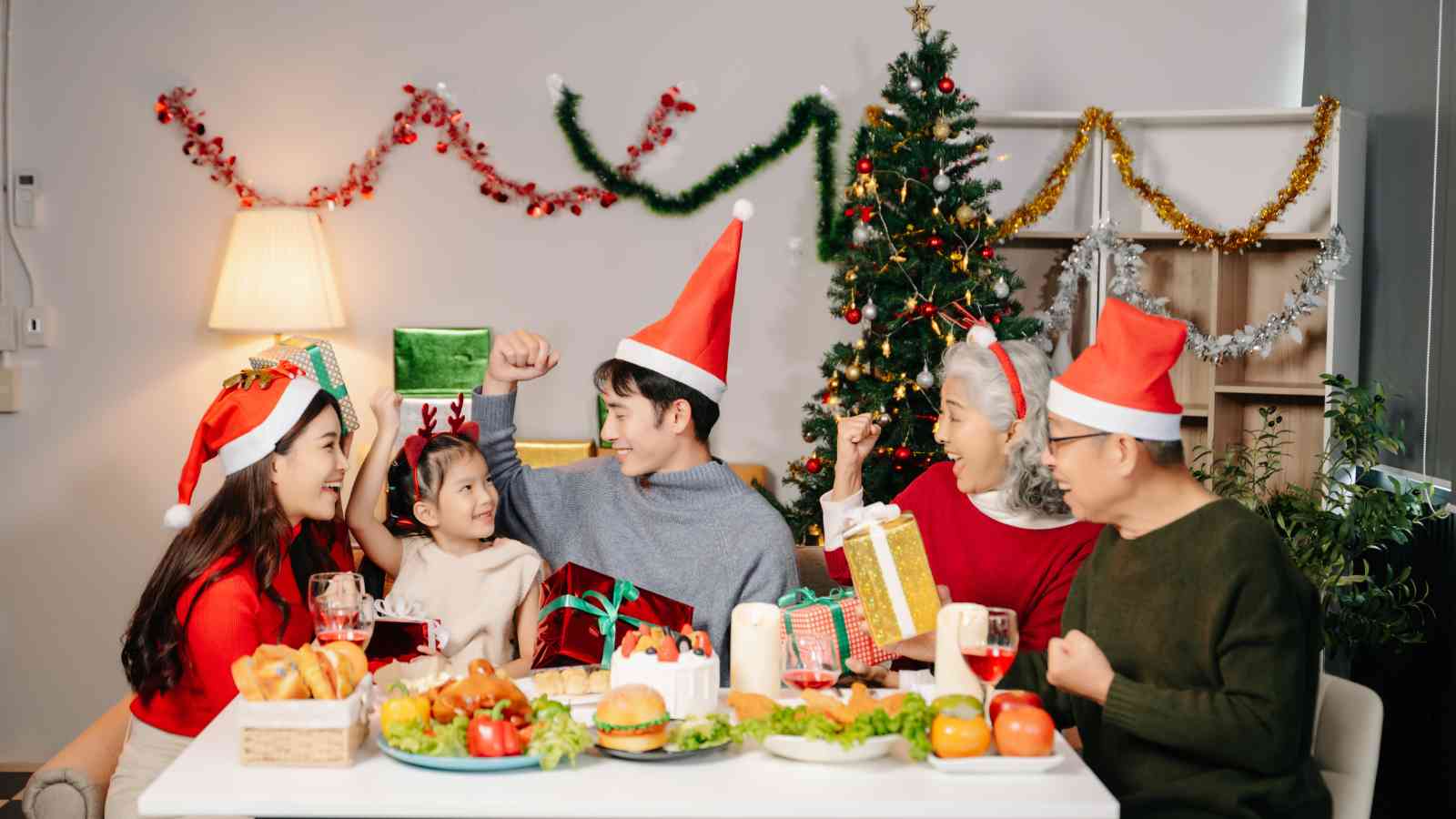
The excitement that used to kick off the holidays can now feel preemptively exhausting. Anticipation meets comparison, leaving parents emotionally depleted. It’s hard to approach the season with fresh enthusiasm when feeds show perfection early. Energy meant for connection and joy gets diverted into silent measurement. Recognizing this early fatigue can help parents reclaim their holiday spirit.
Moments of Connection Feel Less Spontaneous

The push to capture “share-worthy” experiences can overshadow organic family connection. Parents may find themselves performing instead of relaxing. Conversation, play, and genuine laughter sometimes take a backseat. The spontaneity that once defined holidays can feel structured and staged. Protecting real moments becomes an intentional and meaningful choice.
15 Ways Parents Avoid Gift Overload Without Ruining the Excitement

Learning to balance joy with calm has become a survival skill for many families, and it doesn’t have to feel like limiting the magic. Thoughtful approaches can make the season feel full of laughter, connection, and moments that actually stick. These 15 strategies show how gifts can be meaningful, manageable, and still make every smile count.
What Kids Remember Most About Holidays—According to Adults Who Grew Up

There’s something grounding about realizing that your effort doesn’t have to be extravagant to make an impression—it just has to feel warm and consistent. You hear grown adults talk about their childhood memories, and it hits you how similar the themes always are, no matter how different the families were. That’s when it becomes clear that kids remember the feeling of being loved far more than the checklist you stress about. And when those memories come back to them as adults, they’re usually tied to comfort, closeness, and the gentle way the season brought everyone together.

Tamara Tsaturyan is the owner and writer of Thriving In Parenting, a website focused on providing simple tips for busy parents — easy and healthy recipes, home decor and organization ideas and all things P A R E N T I N G.

Share Your Thoughts!
I love to know your thoughts, make sure to comment below to start a discussion! You can also follow me on your favorite social network below.