Digestive issues often lead people to reach for quick fixes like supplements or over-the-counter medications, but your bowels respond to more than just pills. Many everyday foods naturally contain fiber, water, or compounds that help support regular bowel movements and overall gut function. While supplements can provide short-term relief, they don’t always address the root cause or improve long-term digestive health. Including certain fruits, vegetables, grains, and fermented foods in your diet can encourage smooth digestion while supplying essential nutrients. These 25 common foods not only help keep things moving but also boost fiber intake, support a healthy gut microbiome, and provide other benefits for overall wellness.

Prunes

Rich in fiber, especially soluble and insoluble types, prunes contain nutrients that support stool formation and movement through the intestines. Sorbitol, a naturally occurring sugar alcohol found in prunes, draws water into the colon, which can soften stool consistency. Water retention within the digestive tract helps reduce strain during elimination. Antioxidants present in prunes contribute to overall cellular protection. Regular inclusion of prunes in meals can increase daily fiber intake while supporting bowel regularity.
Popcorn

As a whole grain snack, popcorn provides insoluble fiber that increases stool bulk. Greater bulk can promote faster transit through the digestive system. Air-popped varieties retain fiber content without added fats or sugars. Minimal processing preserves its structural components that assist digestion. Choosing plain preparation methods allows popcorn to contribute meaningfully to fiber consumption.
Chia Seeds

When exposed to liquid, chia seeds absorb multiple times their weight in water and form a gel-like substance. That gel formation helps soften stool within the intestines. High fiber concentration makes chia seeds efficient for increasing daily intake. Omega-3 fatty acids provide additional nutritional value. Small servings can significantly influence overall digestive fiber levels.
Apples
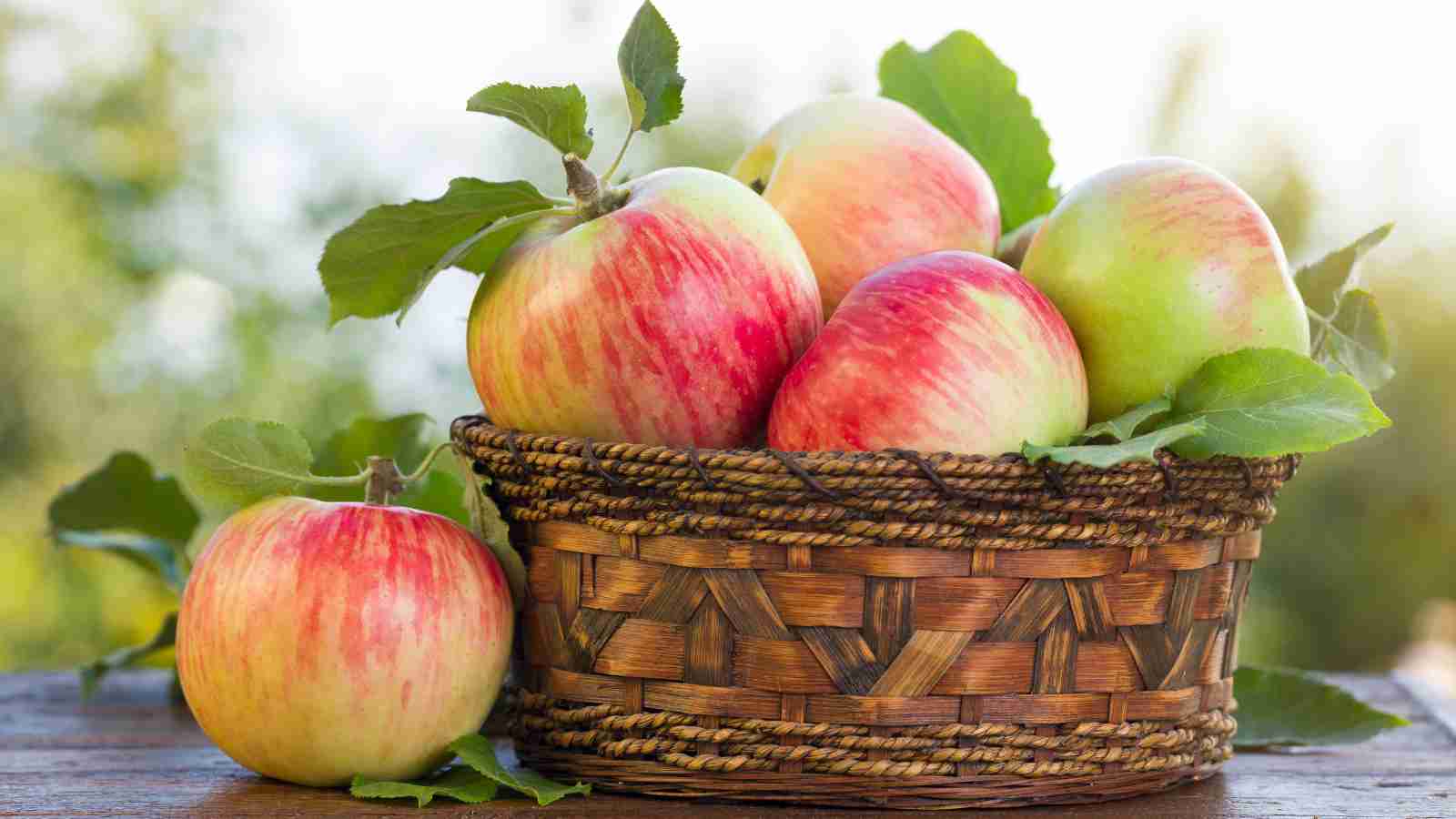
Containing both soluble and insoluble fiber, apples support stool consistency and intestinal movement. Pectin, a soluble fiber found in apples, forms a gel when mixed with water in the gut. Natural sorbitol may assist in drawing water into the colon. Eating the skin increases total fiber content substantially. Regular fruit consumption contributes to digestive balance.
Leafy Greens

Magnesium, fiber, and water are abundant in leafy greens, creating a combination that supports bowel function. Magnesium plays a role in muscle relaxation within the digestive tract. Fiber adds bulk to stool, encouraging smoother passage. High water content contributes to softer intestinal material. Frequent inclusion of greens enhances overall nutrient intake.
Nuts

Fiber and healthy fats in nuts work together to support digestive movement. Fiber increases stool volume, while fats may assist in lubrication within the intestines. Almonds, walnuts, and pistachios are commonly noted for these properties. Nutrient density also provides protein and essential minerals. Moderate portions can contribute to daily fiber goals.
Dried Fruits

Concentrated fiber and sorbitol are present in dried fruits, including apricots, raisins, and figs. Sorbitol promotes water movement into the colon. Reduced moisture content increases nutrient density per serving. Antioxidants and vitamins remain available despite drying. Small portions can meaningfully increase fiber intake.
Flaxseeds

High levels of soluble fiber characterize flaxseeds, allowing them to form a gel when combined with water. That gel helps retain moisture in stool. Lignans provide antioxidant properties. Grinding flaxseeds improves nutrient availability. Regular addition to meals can enhance total dietary fiber.
Whole Grains

Retained bran layers in whole grains supply significant fiber content. Fiber increases stool bulk and supports transit through the intestines. Quinoa, barley, and brown rice are common examples. These grains also provide B vitamins and minerals. Replacing refined grains with whole versions improves overall fiber consumption.
Bananas

Resistant starch found in unripe bananas functions as a prebiotic fiber. Prebiotics serve as nourishment for beneficial gut bacteria. Fiber composition changes as ripening progresses. Potassium contributes to fluid regulation in the body. Including bananas at varying ripeness levels offers different digestive effects.
Oatmeal

Beta-glucan fiber in oatmeal forms a gel-like substance in the digestive tract. That gel retains water, helping soften stool. Soluble fiber content supports regular bowel patterns. Magnesium present in oats contributes to muscle function. Warm preparations can fit easily into daily meals.
Yogurt

Live bacterial cultures distinguish yogurt as a probiotic food. Probiotics influence the balance of microorganisms in the gut. Improved microbial balance may support normal bowel activity. Protein and calcium add nutritional value. Selecting varieties with active cultures ensures beneficial bacteria are present.
Sesame Seeds

Dietary fiber within sesame seeds contributes to stool bulk formation. Natural oils may assist movement within the intestines. Calcium and magnesium provide additional health benefits. Small quantities still add measurable fiber. Incorporating seeds into dishes increases overall nutrient diversity.
Kefir

Fermentation gives kefir its probiotic content, including multiple live cultures. These microorganisms interact with intestinal bacteria. Balanced gut microbiota are associated with normal digestive function. Nutrients such as calcium and protein remain present. Daily consumption can introduce beneficial microbes into the diet.
Sauerkraut

Fermented cabbage in sauerkraut contains live bacterial cultures. Probiotics from fermentation influence gut microbial balance. Fiber from cabbage contributes to stool structure. Vitamin C adds nutritional support. Small servings can complement a fiber-rich eating pattern.
Legumes

Beans, lentils, and chickpeas—collectively known as legumes—contain high levels of fiber. Fiber increases stool volume and supports movement through the digestive tract. Plant-based protein enhances nutritional quality. Micronutrients such as iron and folate are also present. Regular inclusion supports long-term digestive health.
Kiwifruit

Both soluble and insoluble fibers are present in kiwifruit, supporting stool formation. The enzyme actinidin assists in protein digestion. Fiber contributes to intestinal movement efficiency. Vitamin C content is notably high. Consuming kiwi can enhance overall fruit intake.
Grapes

Water content and fiber in grapes work together to support digestive function. Natural sorbitol may assist in drawing water into the colon. Antioxidants contribute to cellular protection. Fresh servings provide hydration alongside nutrients. Including grapes adds variety to fruit consumption.
Blackberries

High fiber concentration distinguishes blackberries among fruits. Both fiber types contribute to stool bulk and consistency. Antioxidants support general health. One serving can provide a substantial portion of daily fiber needs. Adding berries increases overall nutrient density.
Figs

Natural sugars and fiber characterize figs, supporting bowel regularity. Sorbitol content encourages water movement into the intestines. Prebiotic components assist beneficial gut bacteria. Fresh and dried forms retain fiber benefits. Moderate servings contribute to digestive balance.
Sweet Potatoes

Soluble fiber within sweet potatoes absorbs water in the digestive tract. That absorption softens stool consistency. Potassium supports fluid regulation. Vitamin A content provides additional nutritional value. Various cooking methods preserve fiber structure.
Green Peas

Plant protein and fiber are abundant in green peas. Fiber increases stool bulk and supports intestinal transit. Vitamins and minerals enhance overall nutritional quality. Fresh or frozen forms maintain fiber content. Including peas adds both texture and nutrients to meals.
Avocado

Monounsaturated fats and fiber define avocado composition. Fiber supports stool formation and regularity. Healthy fats may assist intestinal movement. Potassium contributes to electrolyte balance. Incorporating avocado increases dietary fiber intake.
Rhubarb

Fiber and naturally occurring compounds in rhubarb influence digestive activity. Anthraquinones can stimulate intestinal muscle contractions. Fiber adds bulk to stool. Cooking reduces excessive tartness while preserving structure. Proper preparation allows safe consumption.
Pears

Pectin, a soluble fiber, is prominent in pears, supporting stool softening. Sorbitol contributes to water retention in the colon. Eating the skin increases total fiber content. High water levels aid hydration. Regular fruit intake promotes digestive consistency.
Want Ozempic-Like Benefits Without the Side Effects of the Drug? Eat These!

While it has helped many people lose weight, it’s not the only way to activate the same hunger-regulating mechanisms in the body. There are certain foods that naturally boost GLP-1, the same hormone Ozempic targets, helping to regulate appetite, stabilize blood sugar, and promote weight loss in a safer, more sustainable way. If you’re looking for a more natural approach, here’s what to eat to get similar effects. Plus, these options are packed with nutrients that improve overall health, not just weight management. Try incorporating them into your meals and see the difference they make!
18 Foods That Help Prevent Hair Loss and Promote Growth

Many foods contain powerful nutrients that help support hair growth by improving scalp health, reducing oxidative stress, and enhancing the strength of each strand. By incorporating the right foods into your diet, you can ensure your hair follicles have the nutrients they need to thrive. It’s time to fuel your hair from the inside out with these nutrient-rich foods that help combat hair loss and stimulate new growth!

Tamara Tsaturyan is the owner and writer of Thriving In Parenting, a website focused on providing simple tips for busy parents — easy and healthy recipes, home decor and organization ideas and all things P A R E N T I N G.

Share Your Thoughts!
I love to know your thoughts, make sure to comment below to start a discussion! You can also follow me on your favorite social network below.