From pills and powders to IV drips and even gummies, there’s always a new weight loss “miracle” product promising fast results. But few have made as big of a splash as Ozempic. Originally developed as a medication for type 2 diabetes, Ozempic (semaglutide) works by mimicking GLP-1, a hormone that helps regulate blood sugar levels and appetite. It slows digestion, making you feel full longer, and reduces hunger cues, which is why many people have turned to it for weight loss. However, its skyrocketing popularity has led to supply shortages, making it harder for diabetes patients to access the medication they need. Beyond availability concerns, Ozempic comes with a long list of side effects — nausea, fatigue, digestive problems, a gaunt or an unhealthy appearance that some users are calling “Ozempic face”, and other potential long-term risks that haven’t been fully researched yet.
While it has helped many people lose weight, it’s not the only way to activate the same hunger-regulating mechanisms in the body. There are certain foods that naturally boost GLP-1, the same hormone Ozempic targets, helping to regulate appetite, stabilize blood sugar, and promote weight loss in a safer, more sustainable way. If you’re looking for a more natural approach, here’s what to eat to get similar effects. Plus, these options are packed with nutrients that improve overall health, not just weight management. Try incorporating them into your meals and see the difference they make!

Greek Yogurt

Thick, creamy, and packed with protein, Greek yogurt is a powerhouse when it comes to keeping hunger in check. It helps regulate appetite hormones, keeping you satisfied for hours. Thanks to its probiotics, it also supports gut health, which is linked to better weight management. Choosing the plain, unsweetened kind ensures you’re getting all the benefits without unnecessary sugars.
Chia Seeds

Chia seeds expand when they absorb liquid, creating a gel-like consistency that helps you feel full. Their combination of fiber, healthy fats, and protein makes them an excellent hunger-suppressing food. Studies suggest they can help reduce appetite and prevent overeating. Stir them into smoothies, sprinkle them on yogurt, or make chia pudding for a simple, filling snack.
Avocado

Loaded with heart-healthy fats and fiber, avocado slows digestion and keeps blood sugar steady. Its rich fat content triggers hormones that tell your brain you’re full, cutting down on cravings. Meals containing avocado lead to longer-lasting satiety compared to carb-heavy options. Plus, it’s an easy add-on—mash it on toast, toss it in a salad, or eat it straight with a spoon.
Eggs

Starting your day with eggs is one of the smartest things you can do for appetite control. High in protein, they help regulate ghrelin, the hormone responsible for hunger, while boosting PYY, which signals fullness. Eating eggs in the morning leads to reduced calorie intake throughout the day. Scramble them, boil them, make an omelet, or try this viral TikTok egg boil recipe—whatever works for you.
Oats

A bowl of oats does more than just warm you up on a cold morning—it actively helps control hunger. The secret is beta-glucan, a type of fiber that slows digestion and increases GLP-1 levels. This means you stay full longer and experience fewer blood sugar spikes. Just skip the instant packets loaded with sugar and go for whole or steel-cut oats instead.
Barley

Barley might not be in your regular grocery rotation, but it should be. Like oats, it’s rich in beta-glucan, which supports GLP-1 production and helps with appetite control. Research shows that barley lowers hunger hormones and reduces fat absorption, making it a great choice for weight management. Try it in soups, salads, or as a rice alternative for a fiber-packed meal.
Nuts

Almonds, pistachios, and walnuts aren’t just great for snacking—they’re also hunger-fighting superfoods. Their mix of protein, fiber, and healthy fats slows digestion and supports GLP-1 release. Unlike processed snacks that spike blood sugar and leave you hungry an hour later, nuts keep energy levels steady. A handful a day is all you need to reap the benefits.
Legumes (Beans, Lentils, Chickpeas)

If you want to feel full for hours without overloading on calories, legumes are the way to go. Their high fiber and protein content make them slow to digest, helping stabilize blood sugar and control cravings. Eating more legumes will help you gain less weight over time. Plus, they’re incredibly versatile—throw them in soups, quesadillas, salads, or even blend them into dips.
Berries (Blueberries, Raspberries, Strawberries)

Berries may be small, but they pack a punch when it comes to weight management. High in fiber and antioxidants, they slow digestion and help control cravings. Unlike processed sweets that lead to energy crashes, berries provide natural sweetness while keeping blood sugar stable. Add them to yogurt, oatmeal, or just eat them by the handful.
Vegetables (Brussels Sprouts, Broccoli, Carrots)

Non-starchy vegetables are your best friend when it comes to natural appetite control. High in fiber and nutrients, they help regulate blood sugar and keep digestion slow, which can trigger higher GLP-1 levels. Eating veggies before carbs can reduce blood sugar spikes and improve satiety. Load up your plate with a variety of colorful veggies to keep hunger in check.
Fish

Fatty fish like salmon and sardines are packed with omega-3s and protein, making them excellent for appetite regulation. Omega-3s play a role in balancing hunger hormones, while protein boosts GLP-1 levels naturally. If you eat fish regularly, you’ll feel fuller and consume fewer calories throughout the day. If you’re looking for a filling meal, grilled or baked fish is a great option.
Small Changes, Big Impact! 15 Whole Food Swaps You Can Make Today

Instead of cutting out entire food groups or following extreme diets, making simple swaps can provide better nutrition without sacrificing flavor or satisfaction. The right alternatives can improve digestion, support heart health, and even help maintain steady energy levels throughout the day. Here are 15 easy swaps that pack more nutrition into your diet without making you feel like you’re missing out.
Eat These Foods Together for Maximum Health Benefits
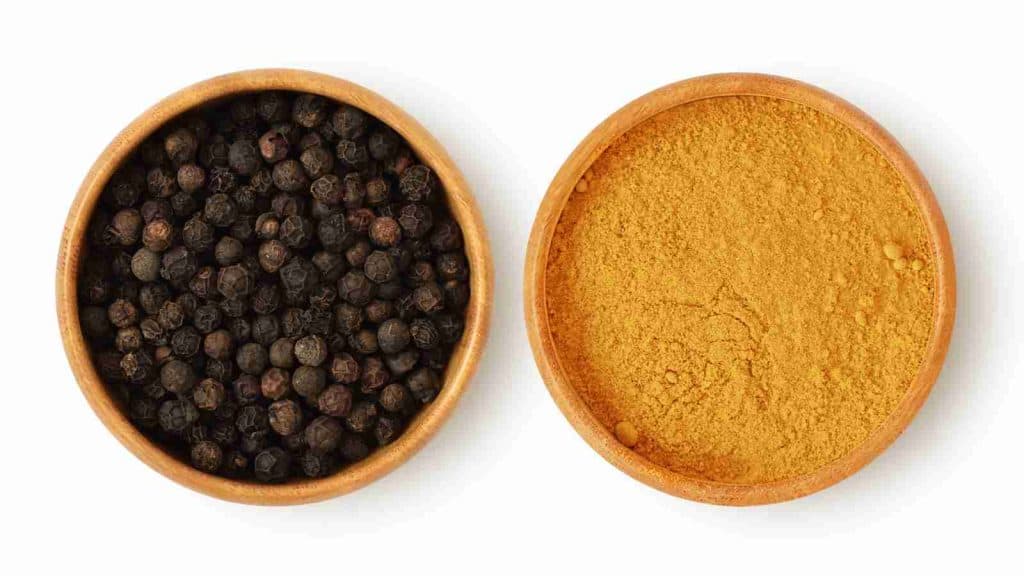
Combining the right ingredients can amplify their nutritional benefits, enhance flavors, and make healthy eating even more enjoyable. Here are top 15 food combinations that provide maximum health benefits. Dive into these combos to supercharge your diet and enjoy a range of health advantages!

Tamara Tsaturyan is the owner and writer of Thriving In Parenting, a website focused on providing simple tips for busy parents — easy and healthy recipes, home decor and organization ideas and all things P A R E N T I N G.

Share Your Thoughts!
I love to know your thoughts, make sure to comment below to start a discussion! You can also follow me on your favorite social network below.