Detoxification happens continuously, with your liver, kidneys, and digestive system working around the clock to remove harmful compounds. Supporting these processes doesn’t require drastic cleanses but rather smart, nutrient-rich food choices that make your body’s job easier. Many natural foods contain compounds that neutralize free radicals, boost enzyme activity, and maintain a healthy gut microbiome. Eating a variety of detox-friendly foods can enhance overall well-being while promoting energy and resilience. Here’s a list of 13 foods that help your body eliminate toxins efficiently and support long-term health in a simple, practical way.
Onions

Allicin and quercetin in onions provide strong antioxidant support that helps your body fight oxidative stress. These compounds assist in neutralizing harmful molecules that can damage cells and tissues. Keeping the outer layers intact while cooking preserves most of the beneficial phytochemicals. Adding raw or lightly cooked onions to meals can enhance flavor while contributing to detoxification. Onions also help maintain cardiovascular health by supporting normal blood pressure and cholesterol levels.
Green Tea

Catechins in green tea boost antioxidant activity, helping your liver and kidneys process toxins more efficiently. Regular consumption supports metabolic functions and reduces the accumulation of harmful compounds in cells. Its natural caffeine content provides a gentle energy lift without overstimulation. Green tea also promotes hydration and may help regulate blood sugar levels. Sipping a few cups a day can be an easy, beneficial addition to your routine.
Turmeric

Curcumin, the active component of turmeric, exhibits anti-inflammatory and antioxidant properties that assist liver detox pathways. Including turmeric in meals helps regulate digestion and supports the breakdown of potentially harmful substances. This bright yellow spice enhances enzyme activity involved in detoxification processes. It also contributes to immune system support, helping the body respond to stress and inflammation. Using turmeric in soups, stews, or teas ensures you get consistent exposure to its health-promoting compounds.
Yogurt

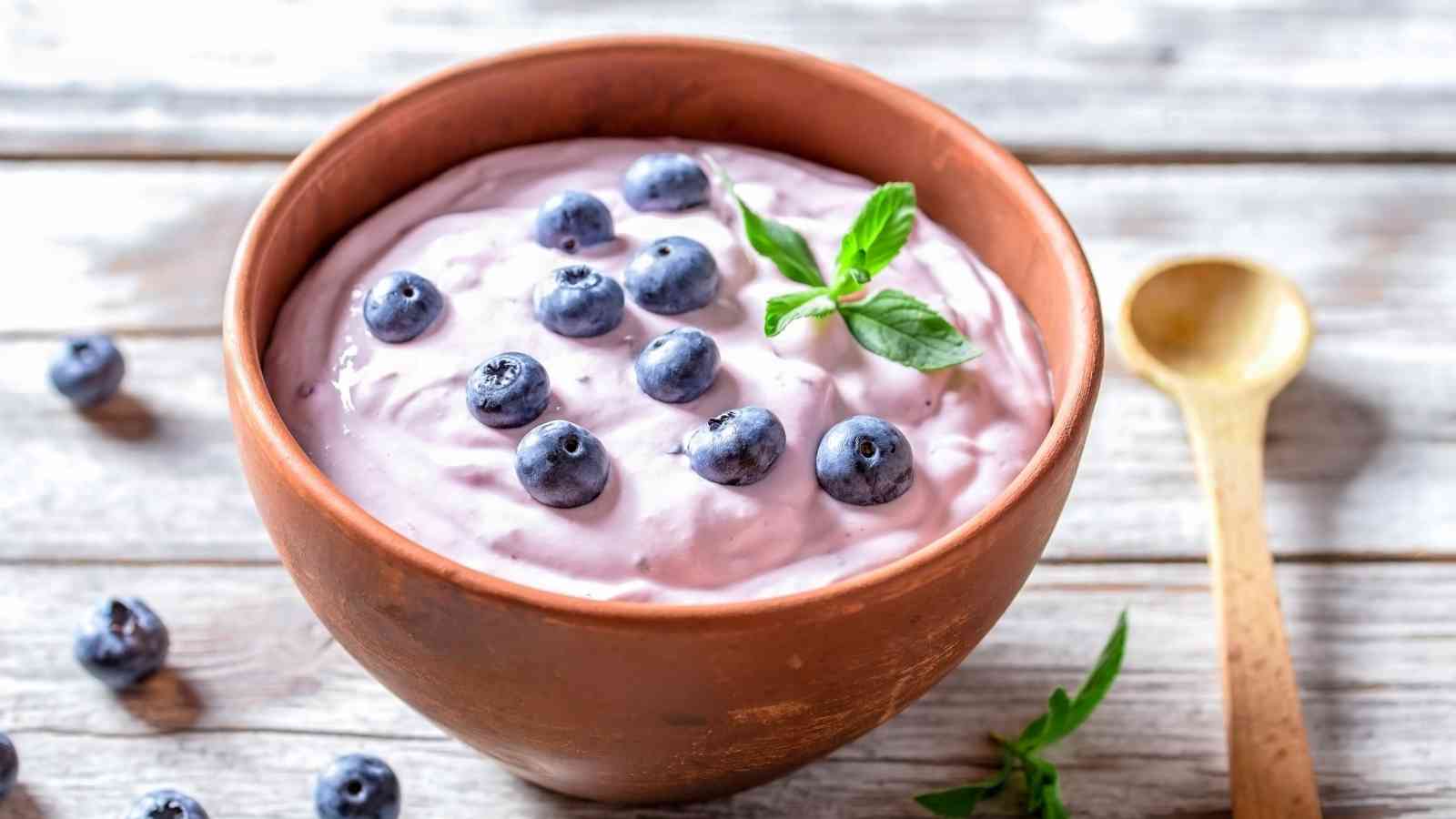
Probiotics in yogurt maintain a balanced gut microbiome, which is essential for efficient toxin processing. Good bacteria help break down waste, reduce inflammation, and support digestive health. Yogurt’s natural nutrients, like calcium and protein, contribute to overall well-being while aiding detox functions. Consuming it regularly encourages a healthy intestinal environment that facilitates nutrient absorption and waste elimination. Including yogurt as a snack or breakfast item can make digestive support a simple habit.
Soy

Isoflavones in soy play a role in converting free radicals into less harmful compounds your body can eliminate. Soy is also rich in vitamin E, an antioxidant that protects cells during detoxification reactions. Regular consumption may enhance brain function and support memory while complementing detox processes. Soy products, including tofu, edamame, and soy milk, provide versatile options for meals. Incorporating soy helps balance hormones naturally while aiding your body’s cleansing systems.
Ginger
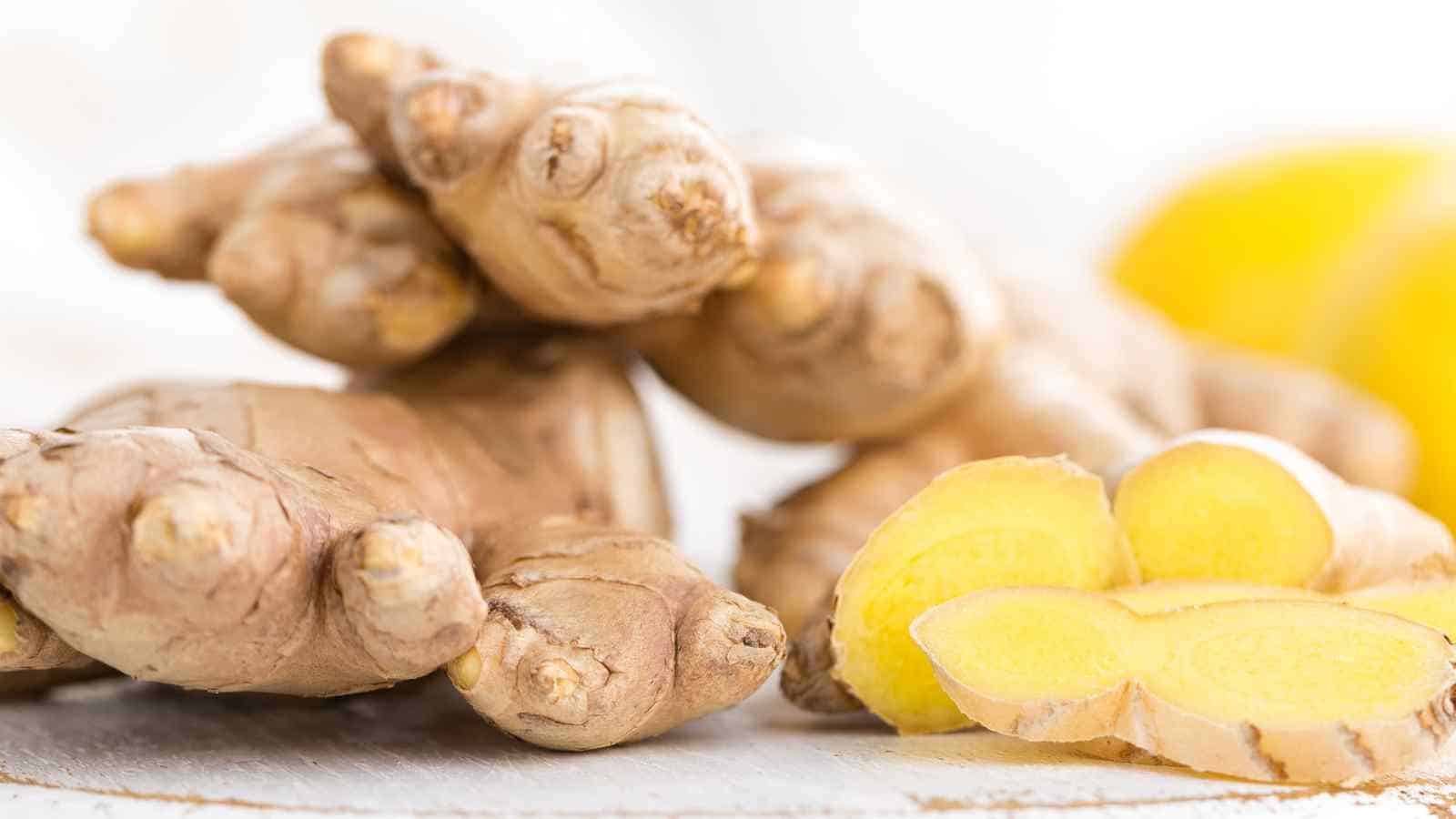
Ginger contains gingerols and shogaols, which promote antioxidant activity and reduce oxidative stress. These compounds also support digestive function and can alleviate mild nausea. Incorporating ginger into teas, smoothies, or stir-fries allows you to enjoy its flavor and detox benefits simultaneously. Regular consumption may contribute to lower inflammation levels and improved circulation. Ginger’s natural compounds make it a versatile ally in supporting overall wellness.
Blueberries

Anthocyanins in blueberries provide strong antioxidant protection against free radicals linked to chronic disease. High fiber content aids digestion and supports elimination of harmful compounds. Wild blueberries tend to have even higher levels of beneficial nutrients compared to cultivated varieties. Including these berries in your diet can improve liver function and metabolic efficiency. They also offer a naturally sweet, low-sugar option for boosting daily antioxidant intake.
Tomatoes

Lycopene in tomatoes supports enzyme systems responsible for breaking down toxins. It also contributes antioxidant protection and may help reduce the risk of certain cancers. High water content aids hydration while facilitating efficient waste removal. Tomatoes are versatile, enhancing the flavor of sauces, salads, and cooked dishes. Regular inclusion provides both nutritional value and detoxification support in your meals.
Cruciferous Vegetables

Sulfur-containing compounds in broccoli, cauliflower, and Brussels sprouts help the liver eliminate toxins effectively. These vegetables are also high in vitamin C, supporting antioxidant defenses and immune health. They contain glucosinolates, which promote detox enzyme production and cellular protection. Regularly eating cruciferous vegetables can improve liver function and support long-term health. Their diverse textures and flavors make them easy to include in a variety of dishes.
Red Grapes

Resveratrol and other polyphenols in red grapes provide antioxidant benefits that protect cells from oxidative damage. These compounds may support heart health and promote longevity. Organic grapes reduce exposure to pesticides while maintaining these beneficial effects. Incorporating grapes as a snack or in meals adds natural sweetness alongside detox support. Regular consumption supports vascular health and the body’s natural cleansing mechanisms.
Citrus Fruits

Vitamin C-rich oranges, lemons, and limes support liver function and reduce inflammation, aiding in detoxification. Polyphenols in citrus fruits stimulate enzymes that help break down and remove harmful compounds. High water and fiber content further promote digestive efficiency and toxin elimination. Consuming citrus adds bright flavor to meals while providing essential nutrients. Including them in salads, drinks, or snacks ensures you support your body’s detox pathways naturally.
Flaxseeds

Lignans in flaxseeds provide antioxidant protection and help bind waste for elimination. Omega-3 fatty acids combat inflammation and support cardiovascular health. Grinding seeds improves nutrient absorption, maximizing their health benefits. Adding flaxseeds to smoothies, oatmeal, or baked goods helps maintain digestive health. Regular inclusion contributes to efficient toxin processing and overall metabolic support.
Rosemary

Phytochemicals in rosemary promote antioxidant and anti-inflammatory activity, aiding detoxification. Compounds in this herb may enhance the function of detoxifying enzymes in your liver. Fresh or dried rosemary adds flavor to dishes while supporting gut and liver health. Including rosemary in cooking supports the body’s natural detox processes. It provides a simple, aromatic way to enhance meals and overall wellness.
17 Food Habits of People Who Rarely Get Sick

The people who rarely get sick usually have a set of quiet, consistent food habits that keep their immune system responsive and less prone to burnout. They eat in ways that support the body’s natural defense mechanisms without triggering unnecessary stress or imbalance. Here are 17 food habits they live by—and why each one works. These aren’t one-time fixes, but long-term habits that strengthen the body’s internal balance.
20 Foods That Help You Recover Faster After a Cold or Flu

Whether your goal is to calm a cough, unclog sinuses, settle your stomach, or just finally get a good night’s sleep, these foods offer more than comfort—they work with your body to help you feel better, faster.

Tamara Tsaturyan is the owner and writer of Thriving In Parenting, a website focused on providing simple tips for busy parents — easy and healthy recipes, home decor and organization ideas and all things P A R E N T I N G.

Share Your Thoughts!
I love to know your thoughts, make sure to comment below to start a discussion! You can also follow me on your favorite social network below.