Cleaning your cookware doesn’t have to be a chore! Here is a detailed guide on how to clean various types of pots and pans. Different materials require different cleaning methods to maintain their integrity and performance. With the right tips, you can keep your kitchenware looking brand new, squeaky clean, and ensure not only their longevity but also the safety and taste of your food!

Copper
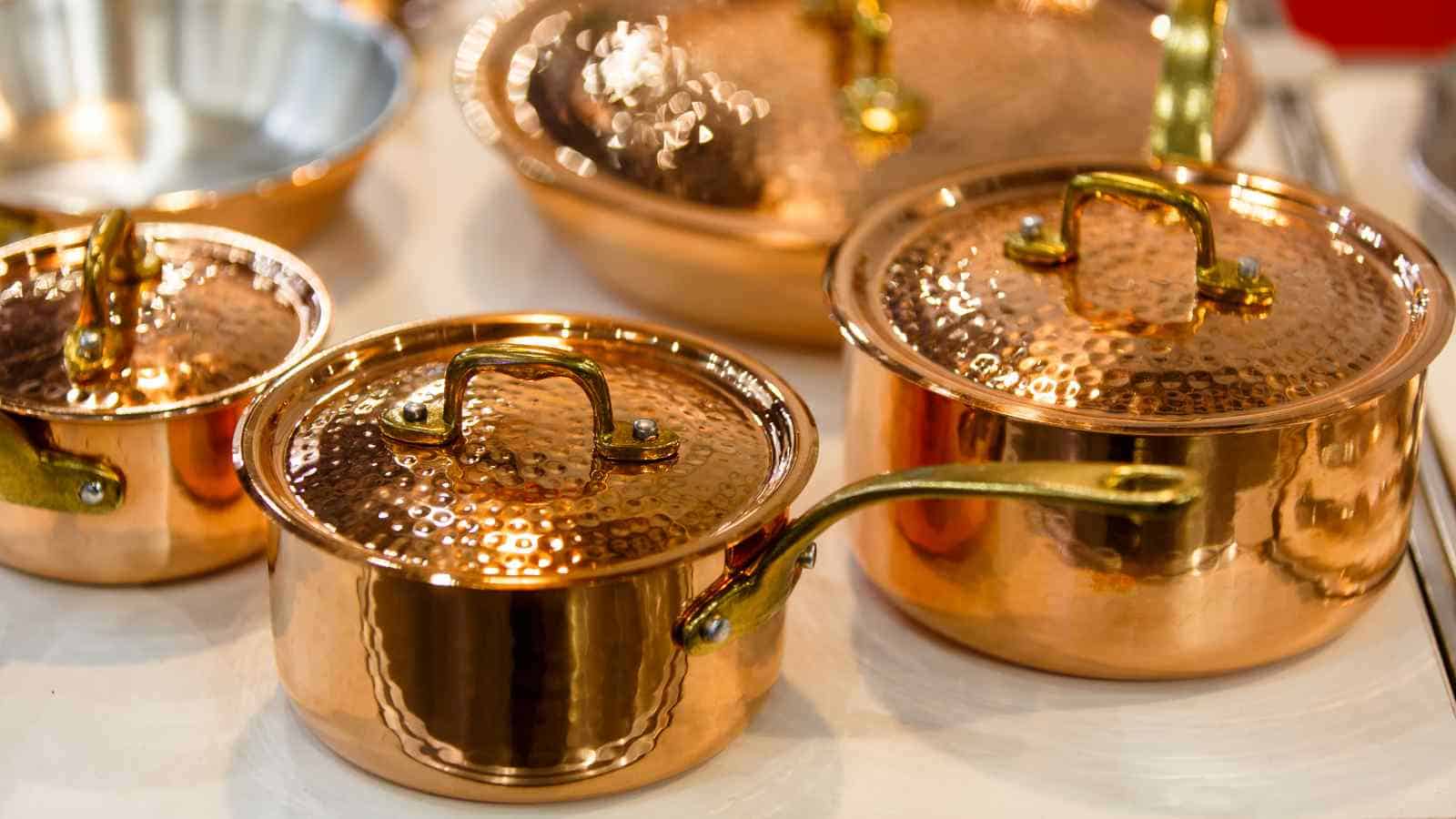
Copper cookware is beautiful but requires careful cleaning to maintain its appearance. Create a solution of white vinegar and salt, then pour it onto your dish and let it sit for 10 minutes. Use a non-abrasive scouring pad to scrub away the tarnish and grime. Rinse thoroughly with plain water and wash with dishwashing soap. This method keeps your copper pots and pans looking as good as new.
Glassware
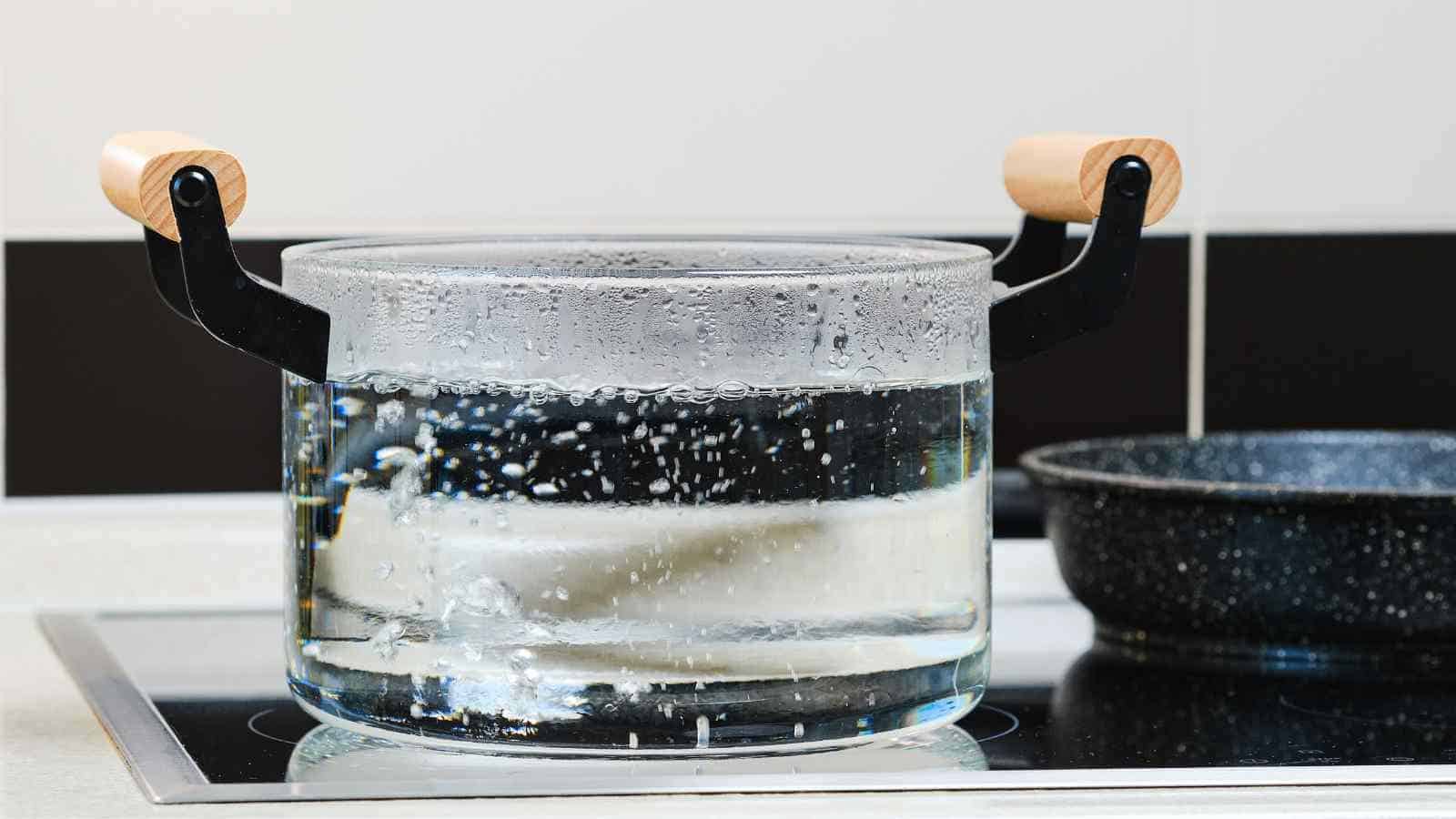
Glassware needs a gentle yet effective cleaning method to avoid scratches. Stop putting it in your dishwasher! Instead, prepare a solution of hot water mixed with baking soda, which helps break down any stuck-on residue. Pour this mixture onto your rinsed dish and let it sit for 10 to 20 minutes. Use a non-abrasive scouring pad to scrub away the loosened gunk. Finally, rinse with plain water and wash with dishwashing soap for a sparkling finish.
Dutch Oven
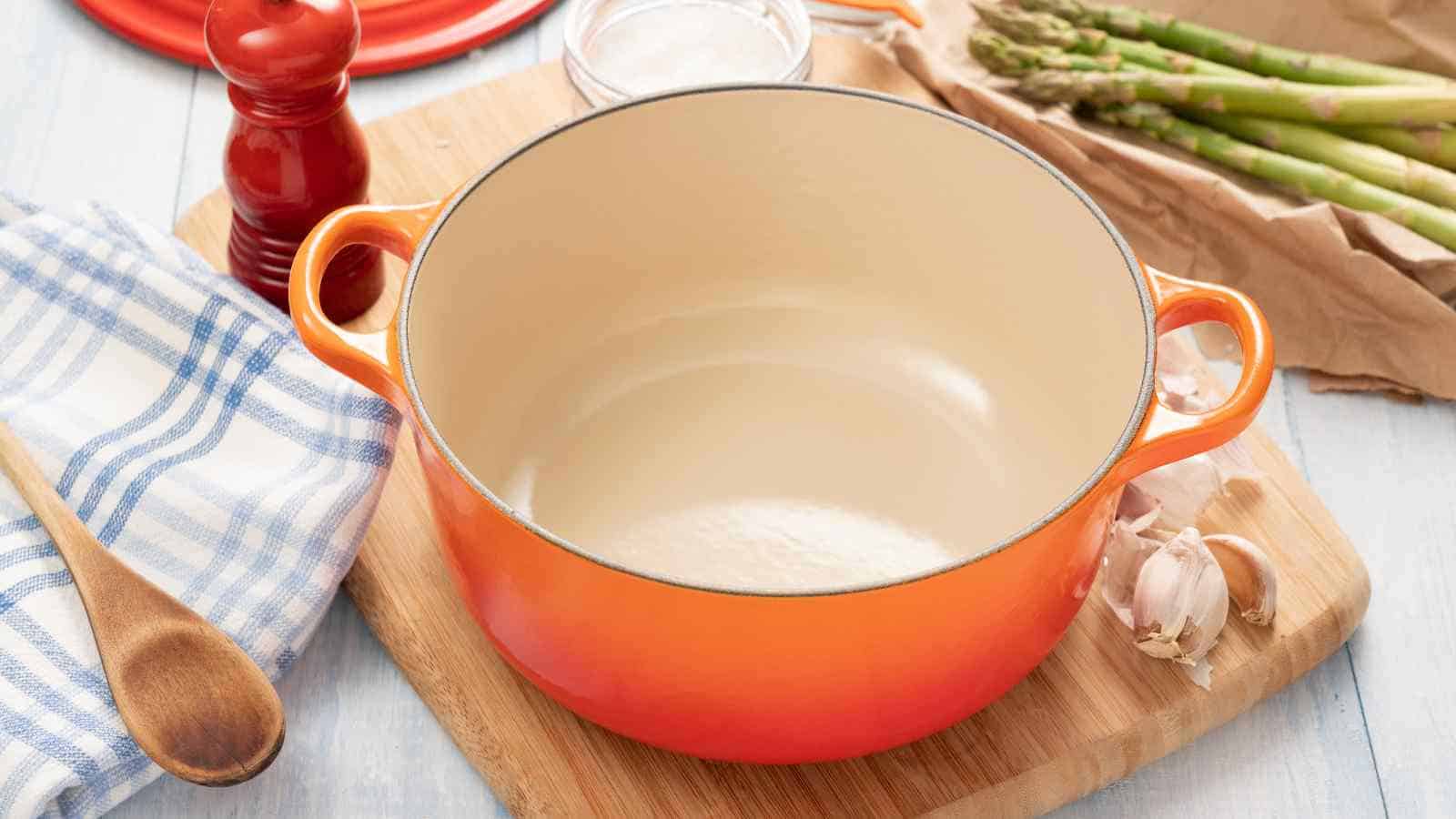
Dutch ovens are versatile but need gentle care to avoid damaging their enamel coating. Clean with warm water and a non-abrasive sponge or cloth, using mild dish soap if needed. For stubborn stains, fill the Dutch oven with warm water and add a few tablespoons of baking soda, letting it sit for 15 minutes before scrubbing gently. Avoid using metal utensils or harsh scouring pads. Rinse thoroughly and dry completely before storing.
Ceramic
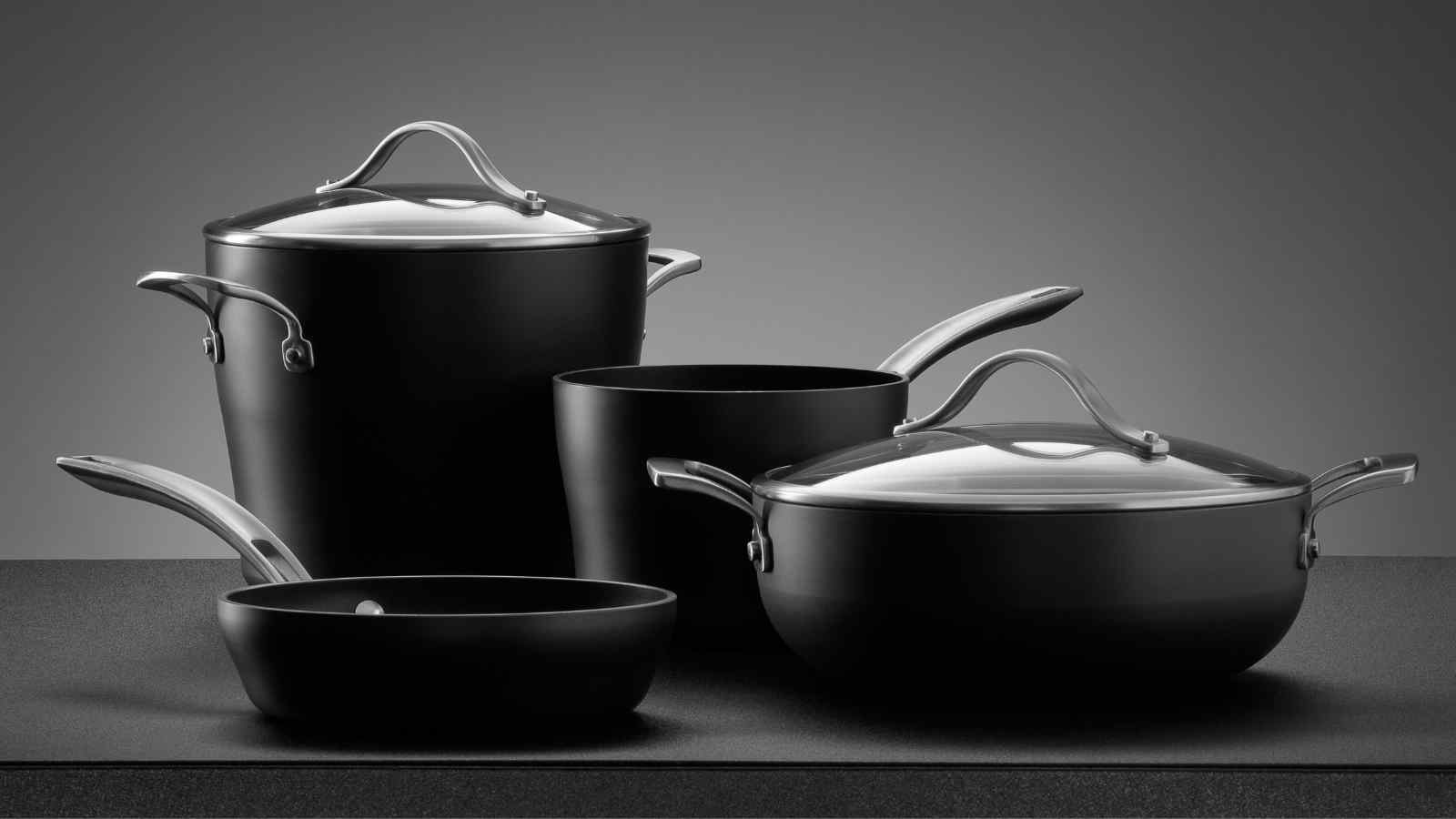
Ceramic pans require cooling down before cleaning to avoid damage. Use warm water and soap with a soft sponge or towel to clean. For deep cleaning discolored ceramic, soak the pan in hydrogen peroxide for 30 minutes. Wash off and dry thoroughly. Always use enough oil or butter when cooking to prevent food from burning and sticking.
Aluminum
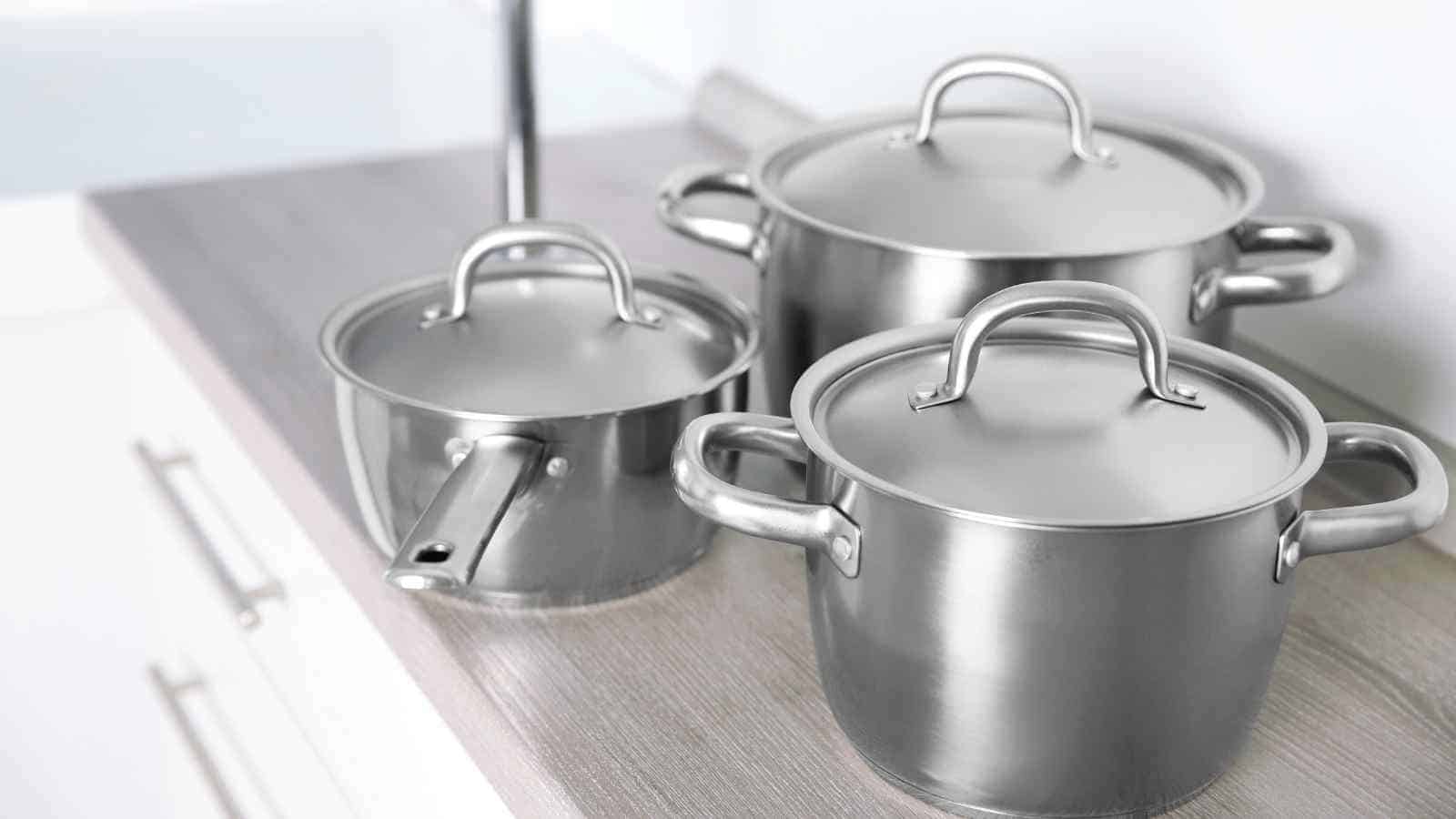
Aluminum pots and pans are prone to discoloration and need a special cleaning approach. Make a solution of water and cream of tartar or substitute with white vinegar and lemon juice if unavailable. Pour this mixture onto your rinsed dish and let it sit for 10 to 20 minutes. Scrub with a scouring pad to remove the residue. Rinse with plain water and finish with dishwashing soap to restore the shine.
Stainless Steel
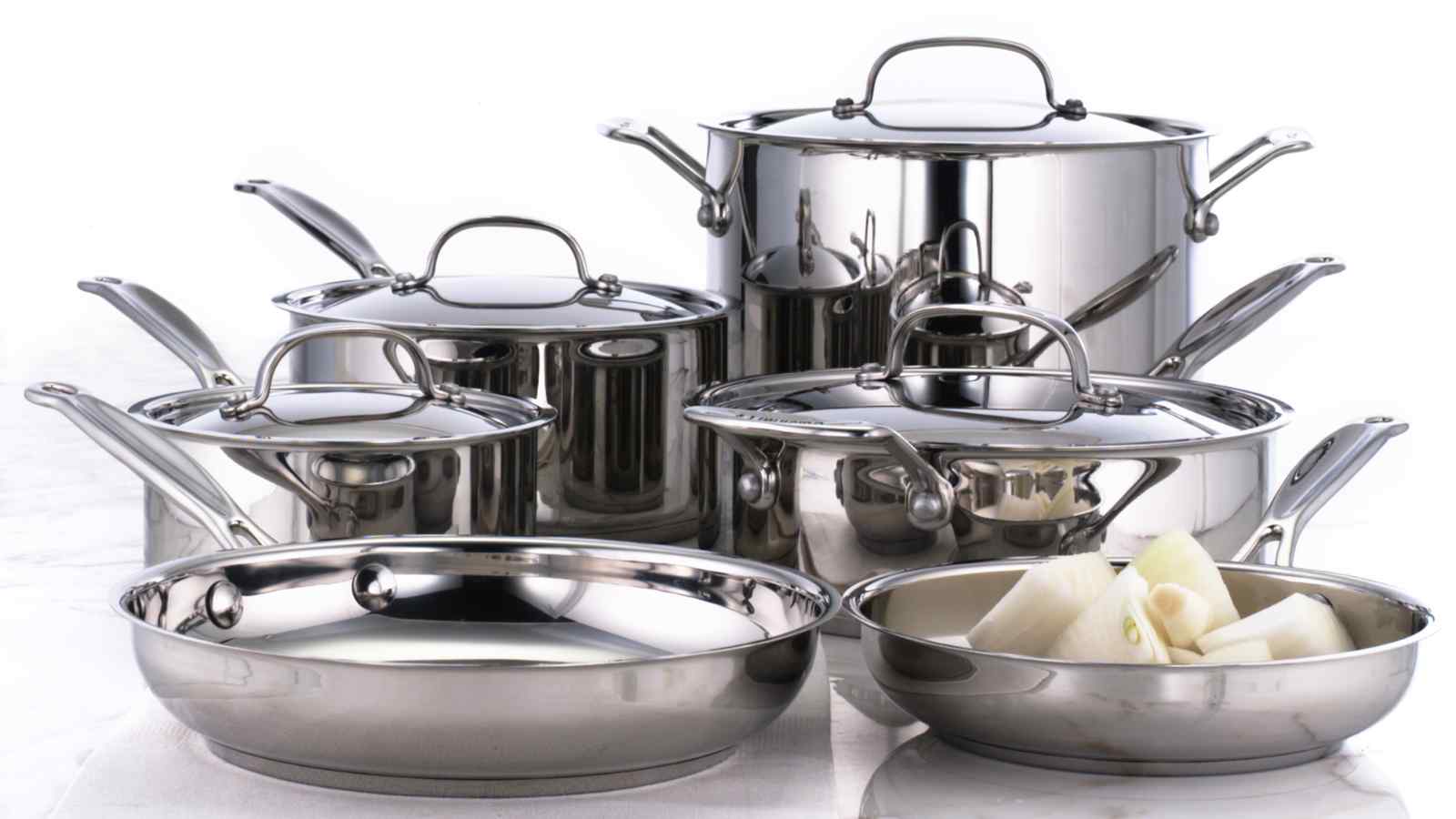
Stainless steel is durable but can get stained or burnt. To clean stainless steel pans properly, use warm water and dish soap with a soft scrubbing pad. To tackle burnt food, fill the pan with water, add a cup of vinegar, and bring to a boil. After removing from heat, add two tablespoons of baking soda. Scrub with a wooden spatula to remove any remaining particles, rinse, and wash with dish soap.
Enamel
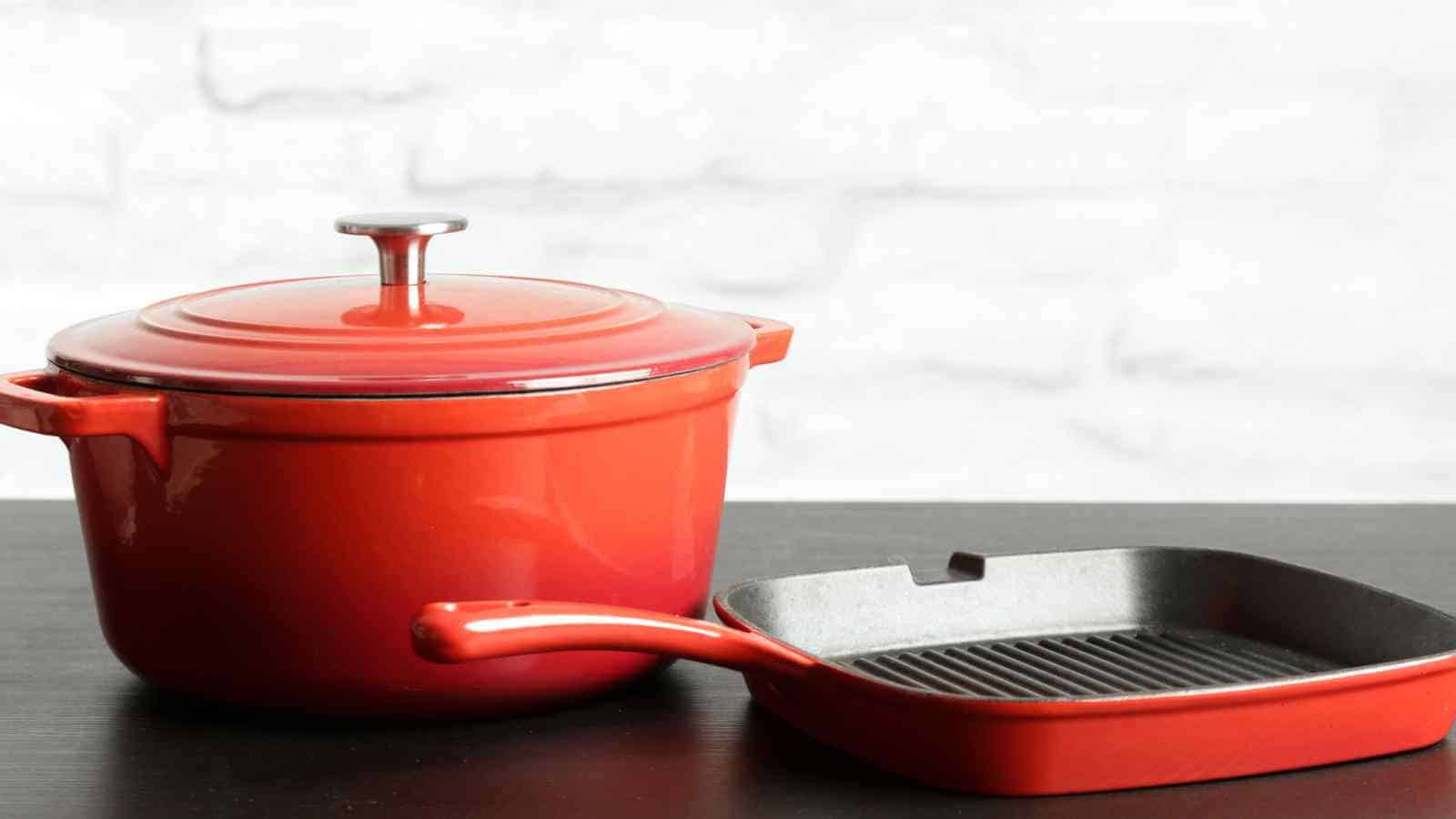
Enamel pots and pans need a gentle touch to avoid damaging the coating. Clean with a solution of warm water and baking soda, letting it sit for 10 to 20 minutes. Use an old toothbrush or a soft bristle brush to scrub away the residue. For deep cleaning, boil water with a few tablespoons of baking soda, then scrape off burnt bits with a wooden spoon. Rinse and wash with dishwashing soap to finish.
Non-Stick
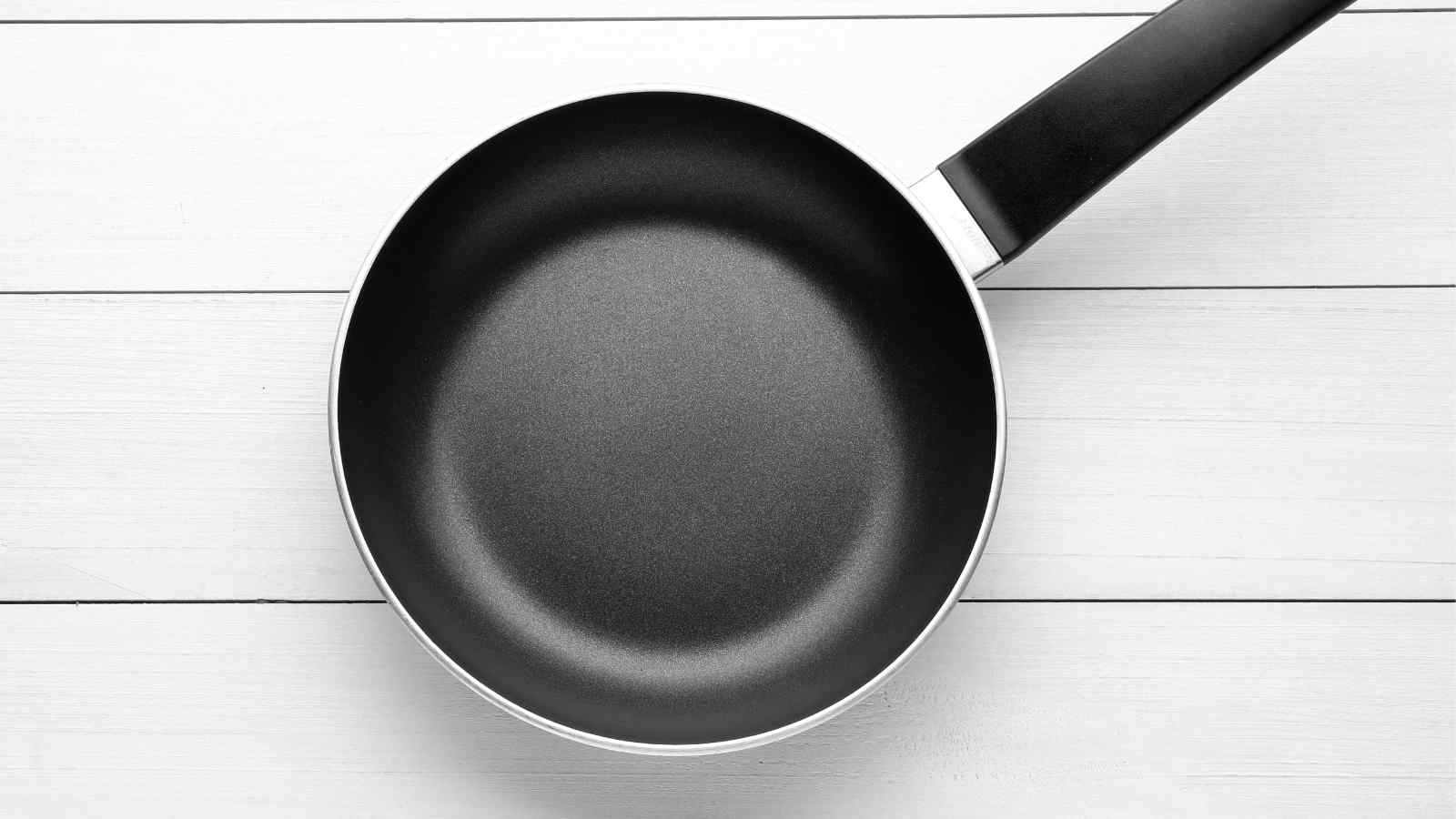
Non-stick pans need careful cleaning to maintain their coating. Allow the pan to cool completely before cleaning. Use soap and warm water to rinse away food particles, scrubbing gently with a sponge. For burnt food, boil a mixture of white vinegar, baking soda, and water for 5-10 minutes. Scrape off the burnt bits with a wooden spatula, then wash with dish soap and rinse thoroughly.
Cast Iron
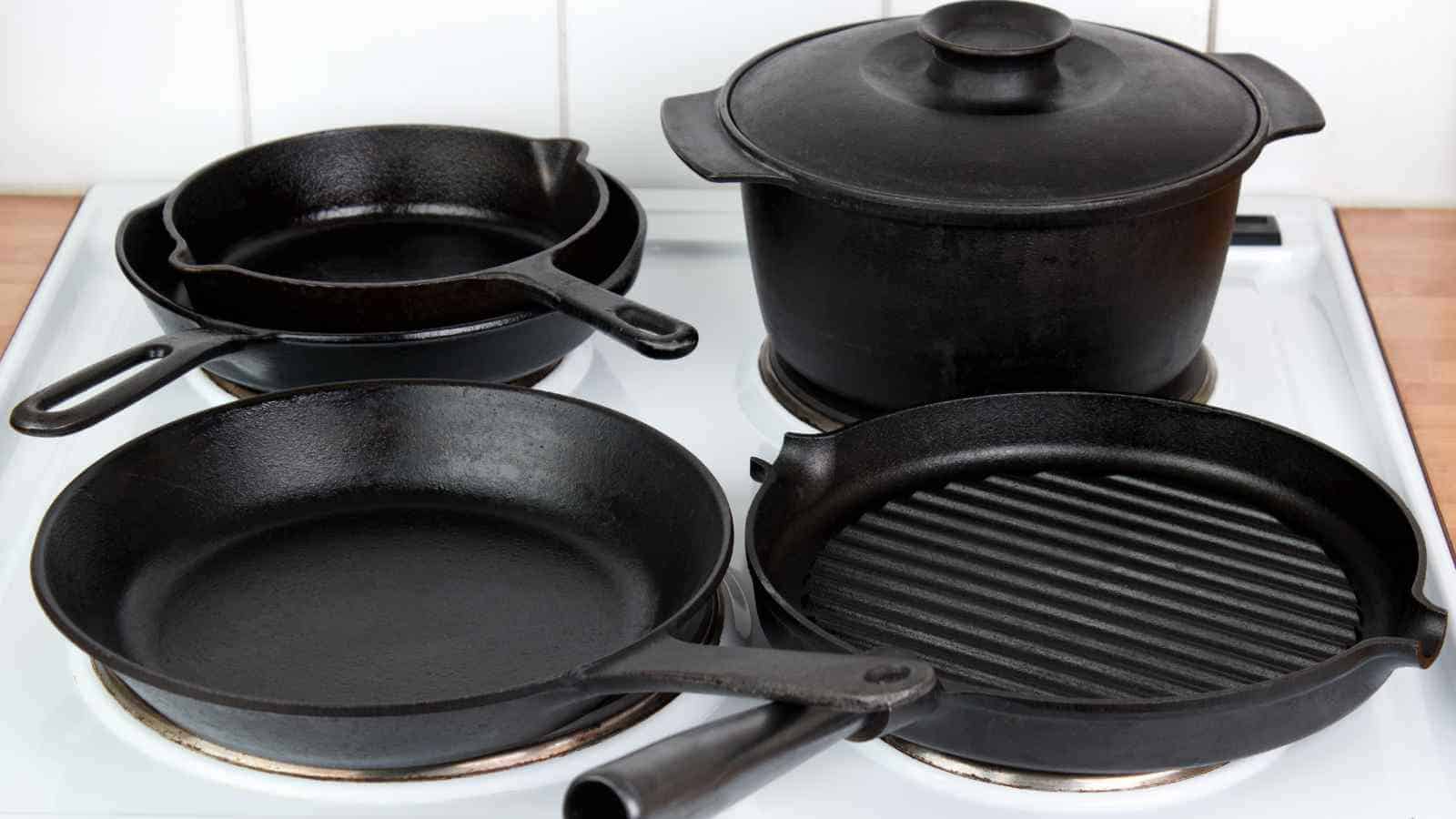
Cast iron requires special care to prevent rust and maintain seasoning. Sprinkle a generous amount of salt into the skillet and scrub with a potato cut in half, using the flat side. Rinse with water and pat dry. To properly season a cast iron skillet, add a teaspoon of oil, spread it evenly with a paper towel, and bake in a preheated oven for an hour. Wipe off any excess oil, and your cast iron is ready for use again.
Wok
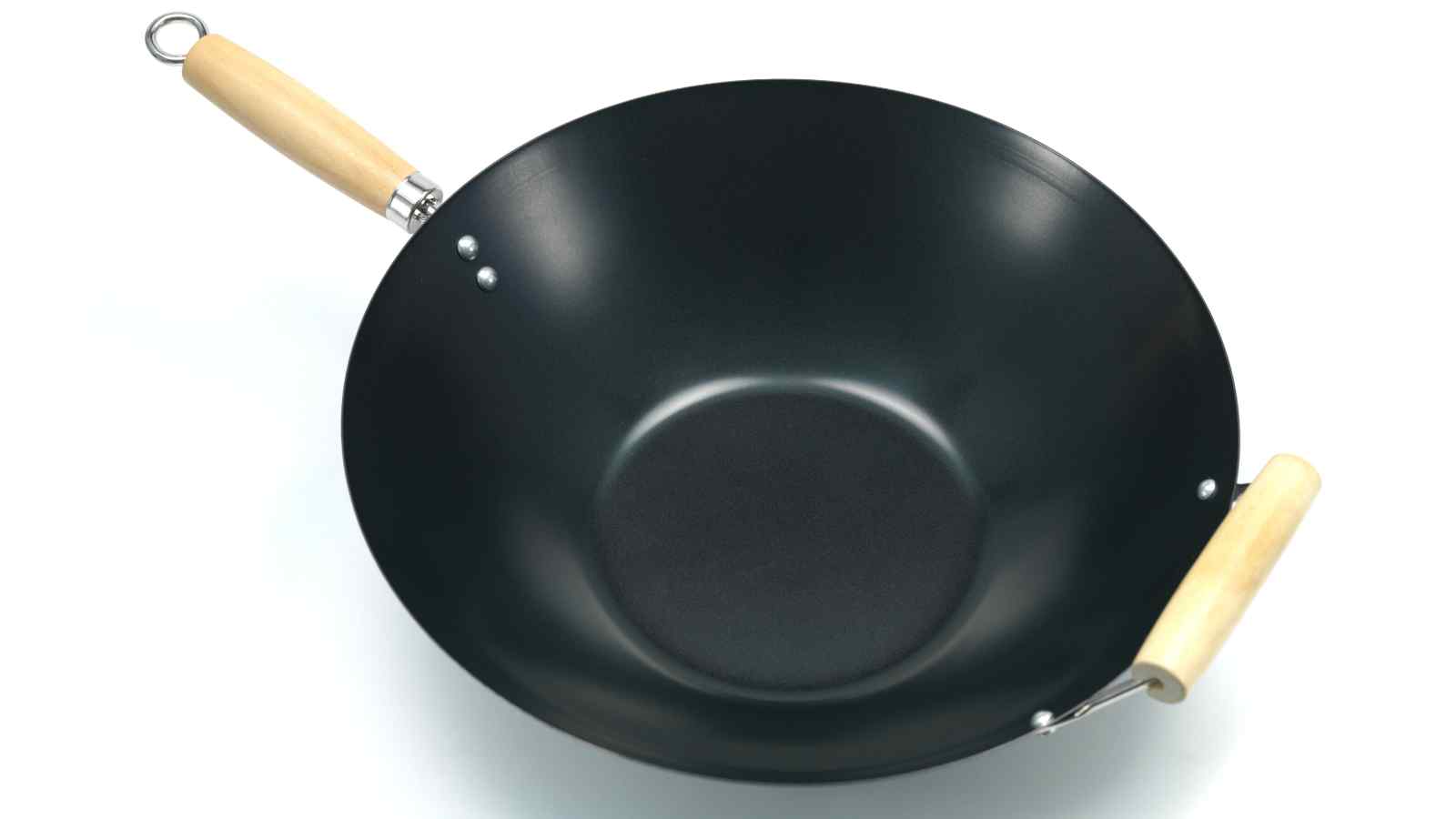
Woks are best for stir frying Asian noodles, and they require special care to maintain their seasoning and prevent rust. After cooking, rinse the wok with hot water and use a soft sponge to remove food particles. Avoid using soap, as it can strip the seasoning. For stubborn residue, scrub with a bamboo brush or a soft nylon pad. Dry the wok over low heat and apply a thin layer of oil to prevent rusting before storing.

Tamara Tsaturyan is the owner and writer of Thriving In Parenting, a website focused on providing simple tips for busy parents — easy and healthy recipes, home decor and organization ideas and all things P A R E N T I N G.

Share Your Thoughts!
I love to know your thoughts, make sure to comment below to start a discussion! You can also follow me on your favorite social network below.