With grocery prices rising faster than your cart can fill up, it’s no wonder consumers are constantly trying to cut corners just to make your budget work. But when you’re trying to eat healthy, it can feel like you’re forced to choose between affordability and nutrition. Most people grab the cheapest processed items or skip the fresh produce altogether because they think healthy eating is too expensive. The truth is, with the right strategy, you can shop smarter and healthier—without breaking your budget. Here are grocery hacks that aren’t just about saving a few bucks—they’re about developing habits that help you stay consistent with your health goals while being financially practical. Learn how you can shop healthier without spending more, one smart decision at a time.

Plan and Prepare

Organizing your meals before shopping helps you avoid unnecessary purchases that inflate your bill. When you plan around balanced meals that include fiber-rich vegetables, lean proteins, and whole grains, your shopping becomes purposeful. Writing out a list based on your planned recipes ensures you stay focused and only buy what’s needed. This cuts down on wasted food and impulse buys that tend to be more processed and less healthy. Planning also makes it easier to align your groceries with your health and budget goals.
Eat First, Then Hit the Store

Entering the store on an empty stomach often leads to quick, unhealthy decisions driven by cravings. Hunger heightens your sensitivity to high-calorie, ultra-processed foods placed strategically for impulse grabs. Eating a meal or snack with protein and fiber beforehand can stabilize your blood sugar and keep your judgment clear. Hunger affects decision-making, often leading to more items in your cart. Being nourished before you shop helps you stick to your list and prioritize healthier options.
Shop the Perimeter

Fresh produce, dairy, meats, and other whole foods are usually placed along the outer edges of the store. Spending more time in these sections increases your chances of buying unprocessed, nutrient-dense items. These foods are often more aligned with a healthy diet compared to the packaged, sugar-laden goods found in center aisles. The layout is designed to lead you through tempting displays, so staying on the edges keeps you focused. This strategy helps reduce exposure to items that can derail your goals.
Load Up on Colorful Produce
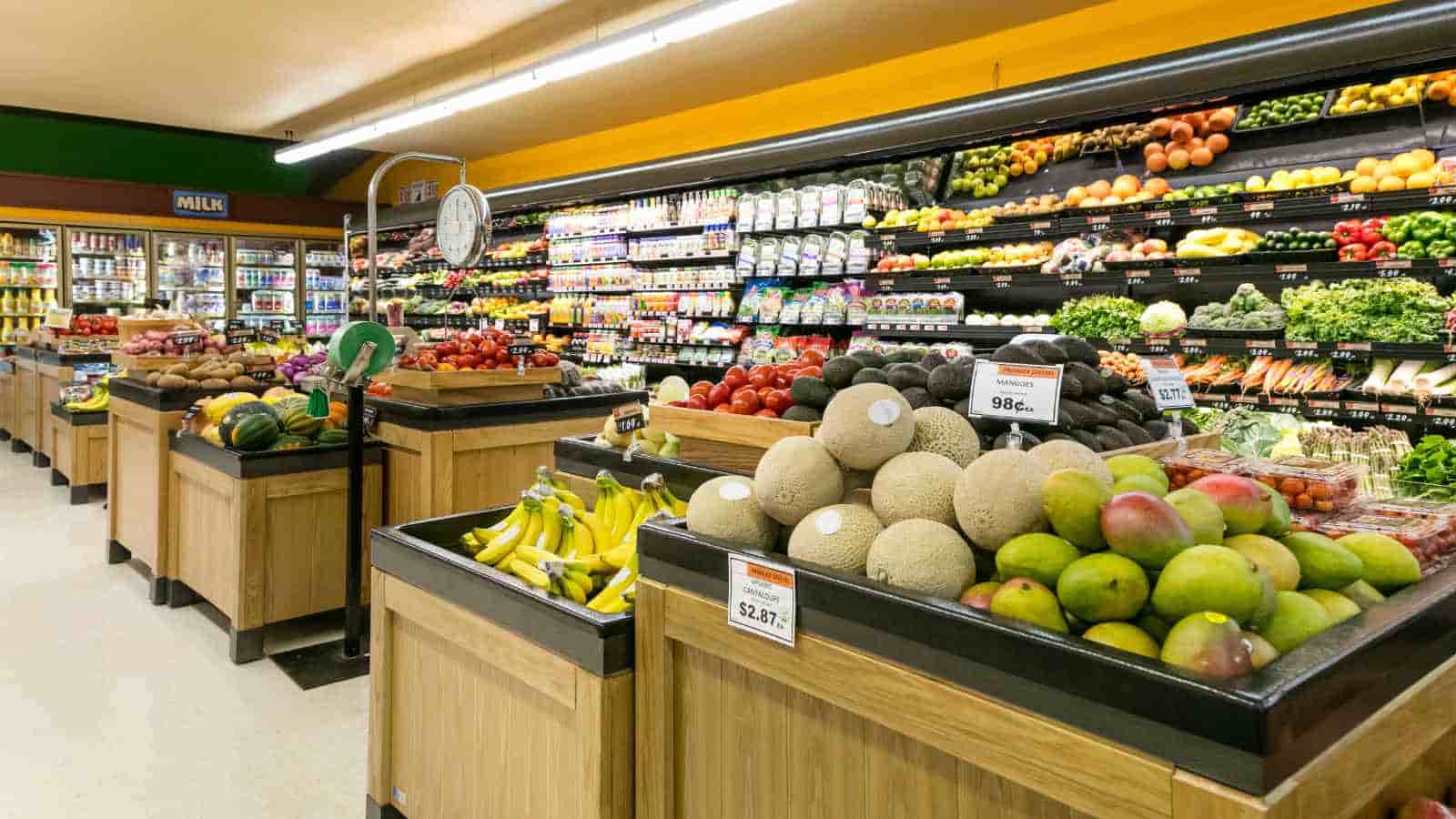
Different pigments in fruits and vegetables represent a range of nutrients, each with its own health benefit. Carotenoids in orange foods, anthocyanins in purples and blues, and chlorophyll in greens all contribute uniquely to your health. By choosing a mix of colors, you’re naturally diversifying your intake of antioxidants, fiber, and essential vitamins. A colorful plate often indicates a nutritionally balanced meal. This approach also keeps your meals more visually appealing and interesting.
Prioritize In-Season Fruits and Vegetables

Fruits and vegetables that are in season tend to be more flavorful, nutrient-rich, and affordable. Local harvests don’t require long-distance shipping, which often lowers the cost and improves freshness. Seasonal options are usually promoted in weekly store ads, making them easy to spot. Planning your meals around what’s currently in season ensures you’re eating a rotating variety of produce. Nutrient content in seasonal produce is typically higher because it’s harvested at peak ripeness.
Read Labels Mindfully

Packaging can be misleading, with front labels often emphasizing buzzwords instead of real nutritional quality. Turning the item over to read the nutrition facts and ingredient list gives a clearer picture of what you’re buying. Look for shorter ingredient lists, and avoid items high in added sugars, saturated fats, or artificial additives. Comparing serving sizes between similar items can also help you avoid hidden calories. Smart label reading helps you make choices that support long-term health, not just convenience.
Pick Lean Protein Sources

Protein helps you feel full longer and preserves muscle mass during weight loss. Opting for sources like skinless poultry, eggs, fish, legumes, and tofu ensures you’re getting high-quality protein with less saturated fat. These foods are also typically lower in calories than their fattier counterparts. Swapping fatty cuts of meat for leaner options can significantly improve your heart health.
Go for Whole Grains, Not Refined Ones

Refined grains lose many nutrients during processing, while whole grains retain fiber, vitamins, and minerals. Eating whole grains like brown rice, oats, and quinoa helps stabilize blood sugar and supports digestion. Higher fiber content in whole grains also keeps you fuller longer, which can reduce total calorie intake. Choosing whole over white bread, and sweet potatoes instead of white potatoes, offers better nutrition. Making these swaps doesn’t increase cost significantly but adds meaningful benefits to your diet.
Stock Up on Healthy Snacks

Keeping nutritious snacks at arm’s reach helps prevent last-minute junk food binges. Fresh fruits, unsalted nuts, yogurt, and veggie sticks are all affordable, health-forward options. Instead of restricting yourself completely from snacking, you’re creating better default choices. Having these snacks available cuts down on drive-thru runs or vending machine trips. When hunger hits, being prepared with the right options supports your goals without extra expense.
Don’t Underestimate Frozen Options

Frozen fruits and vegetables are often flash-frozen at peak ripeness, preserving their nutrients better than some fresh produce that sits for days. They also last much longer, reducing food waste and giving you flexibility with meal timing. Bags of frozen spinach, broccoli, or mixed berries are budget-friendly and versatile for smoothies, stir-fries, or soups. As long as you avoid options with added sauces or salt, these can be just as healthy as fresh. Freezing keeps essential nutrients intact, making it a reliable backup.
Buy Staple Ingredients in Bulk (When You Can)

Buying in bulk reduces the cost per serving for pantry staples like oats, beans, and rice, which can be stored for months. Meat is often cheaper when purchased in larger quantities, especially during sales, and can be portioned and frozen. This strategy minimizes repeat trips to the store and helps with weekly meal prep. Bulk buying is especially effective for foods you use regularly and that don’t spoil quickly. It also provides you with the flexibility to build meals around what you already have.
Keep Canned Fruit and Vegetables on Hand

Canned and frozen produce offer long shelf lives and nutritional value when chosen wisely. Look for canned vegetables with “no salt added” and fruits packed in water or natural juice to avoid excess sugar and sodium. Rinsing canned items before use can remove additional preservatives. These options ensure you always have fruits and vegetables available, even when fresh ones aren’t in season or on sale. Bulk-buying canned or frozen items can also help stretch your food budget.
Choose Store Brands and Use Loyalty Perks

Generic or store-brand items often contain the same ingredients as their brand-name counterparts but cost significantly less. Many grocery stores also offer digital coupons, loyalty discounts, or rewards programs that apply automatically at checkout. Over time, consistently using these can lead to noticeable savings. Store brands cover everything from canned goods to dairy, often matching national brands in both taste and quality. Choosing these options is a straightforward way to cut costs without compromising on nutrition.
Buying More Isn’t Always Worth It

Multi-buy deals can lead to overspending if you don’t actually need or use everything you purchase. These promotions are designed to increase sales volume, not necessarily offer true value. If perishable items go to waste, any savings disappear quickly. It’s smarter to calculate the unit price and buy only what aligns with your plan. Being selective helps you avoid cluttered pantries and wasted money.
Consider Shopping at Two Stores

Grocery chains rarely have the lowest prices on every item at once. Switching between two stores based on weekly ads or special deals allows you to take advantage of each store’s strengths. One might have better produce, while another offers discounts on proteins or pantry items. Planning your trips strategically can result in noticeable savings without requiring extra effort. Keeping a flexible shopping routine gives you more control over quality and cost.
20 Healthy Add-Ons to Boost the Nutrition of Any Salad

Here are 20 healthy add-ons that do more than just enhance flavor or texture. These ingredients pack in essential fats, others bring protein, and some deliver antioxidants you don’t always get from vegetables alone. Use them to build a better bowl, one topping at a time!
Small Changes, Big Impact! 15 Whole Food Swaps You Can Make Today

Instead of cutting out entire food groups or following extreme diets, making simple swaps can provide better nutrition without sacrificing flavor or satisfaction. The right alternatives can improve digestion, support heart health, and even help maintain steady energy levels throughout the day. Here are 15 easy swaps that pack more nutrition into your diet without making you feel like you’re missing out.

Tamara Tsaturyan is the owner and writer of Thriving In Parenting, a website focused on providing simple tips for busy parents — easy and healthy recipes, home decor and organization ideas and all things P A R E N T I N G.

Share Your Thoughts!
I love to know your thoughts, make sure to comment below to start a discussion! You can also follow me on your favorite social network below.