Herbal tea brings together centuries of tradition and everyday comfort in a way few drinks can match, and each cup has its own story shaped by culture, climate, and the unique compounds found in plants. People around the world have relied on these brews not just for flavor but also for gentle support in sleep, digestion, and overall wellness. What makes herbal tea especially interesting is how different ingredients—flowers, roots, seeds, and leaves—carry their own naturally occurring benefits without any caffeine involved. With so many varieties offering distinct advantages, herbal tea continues to blend comfort and function in a way that never feels outdated.
Chamomile Tea
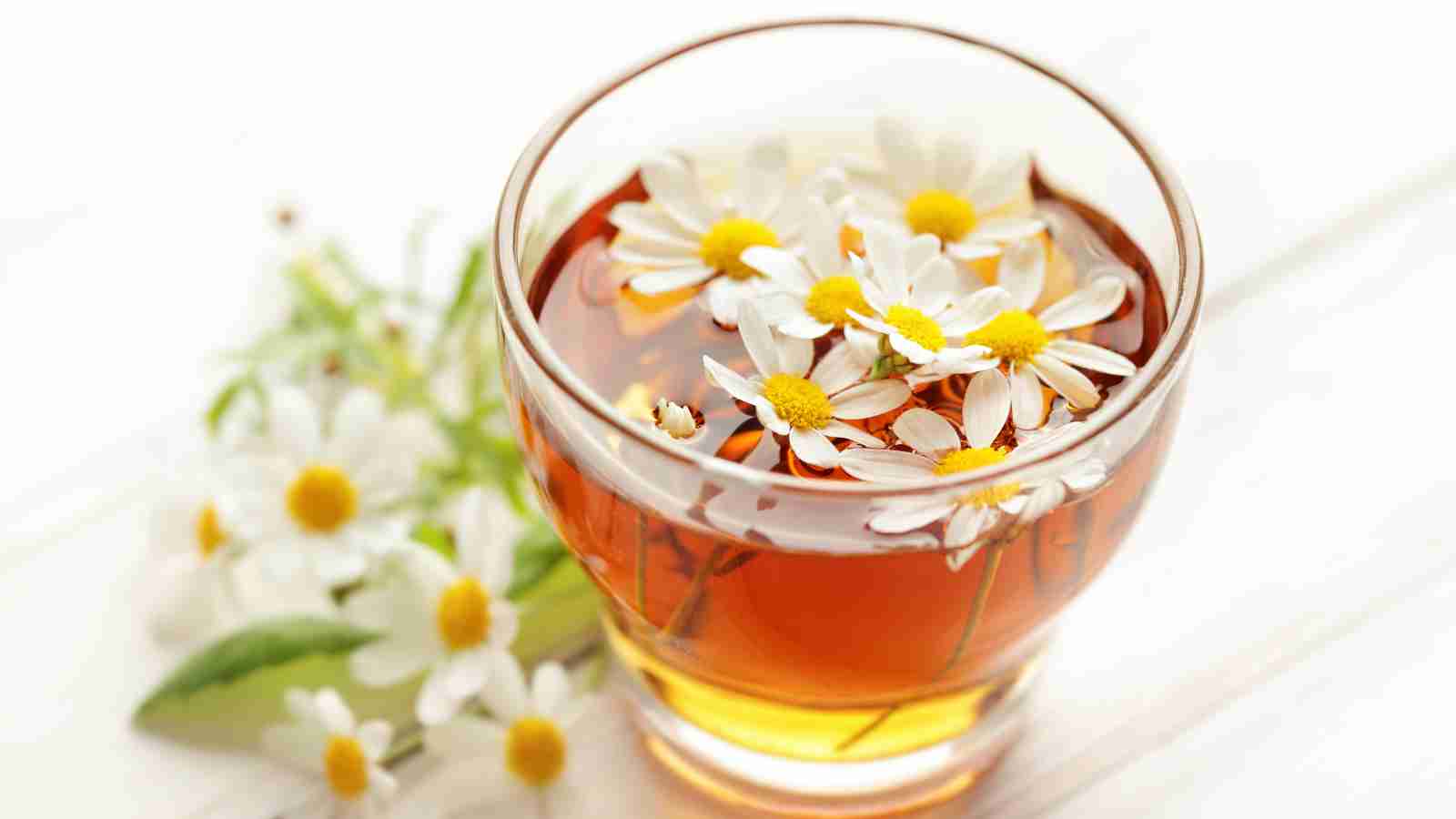
A cup of chamomile gives you a mild, floral flavor that pairs perfectly with quiet moments when you want your mind to slow down. You’ll find it commonly used for better sleep because its natural plant compounds support relaxation and help ease nighttime restlessness. Your gut may also benefit since chamomile has long been linked to soothing minor digestive discomfort. You get gentle anti-inflammatory effects too, which can bring relief during days when your body feels tense. Many people also drink it to lessen PMS-related unease, making it a versatile tea for daily comfort.
Rooibos Tea
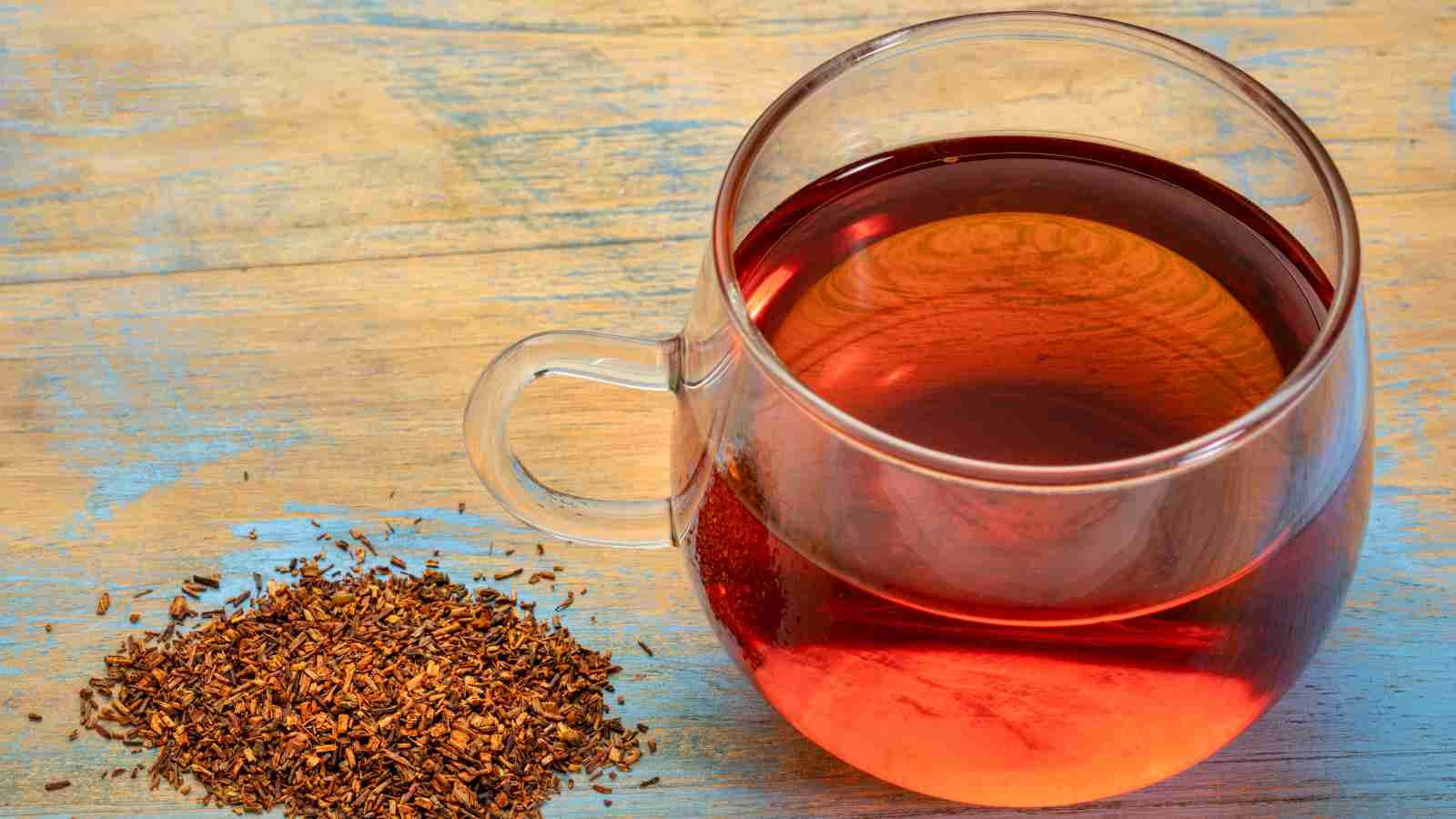
Rich color and earthy sweetness make rooibos a standout choice when you want something flavorful without caffeine. You’re getting a brew filled with antioxidants that help your body manage everyday oxidative stress. Your heart may benefit as well, since rooibos has been associated with supporting healthy blood pressure and cholesterol levels. Bone health is another area of interest, as certain compounds in rooibos are known to help slow down bone breakdown. With its naturally smooth taste, you can easily make it part of your daily routine.
Ginger Tea
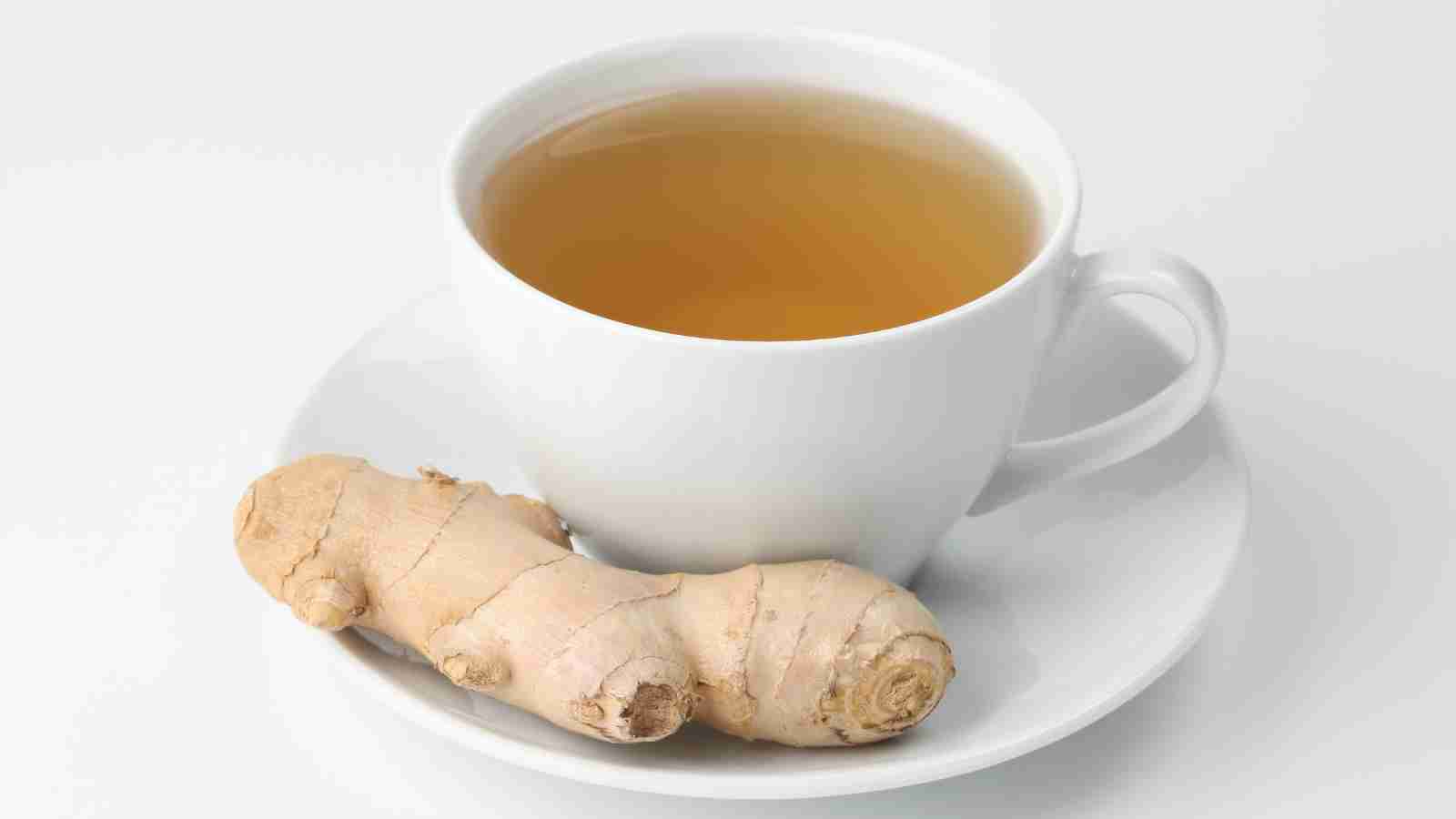
Strong, warming spice gives ginger tea a bold personality that wakes up your senses while supporting your stomach. Your digestion often gets a boost because ginger helps calm nausea and queasiness from pregnancy, travel, or post-surgery recovery. You may notice its anti-inflammatory effects too, especially if you’re dealing with sore muscles or joint discomfort. Some people use it to support steadier blood sugar levels, making it an interesting choice for overall wellness. Add a little honey or lemon, and you have a cup that feels instantly comforting.
Hibiscus Tea
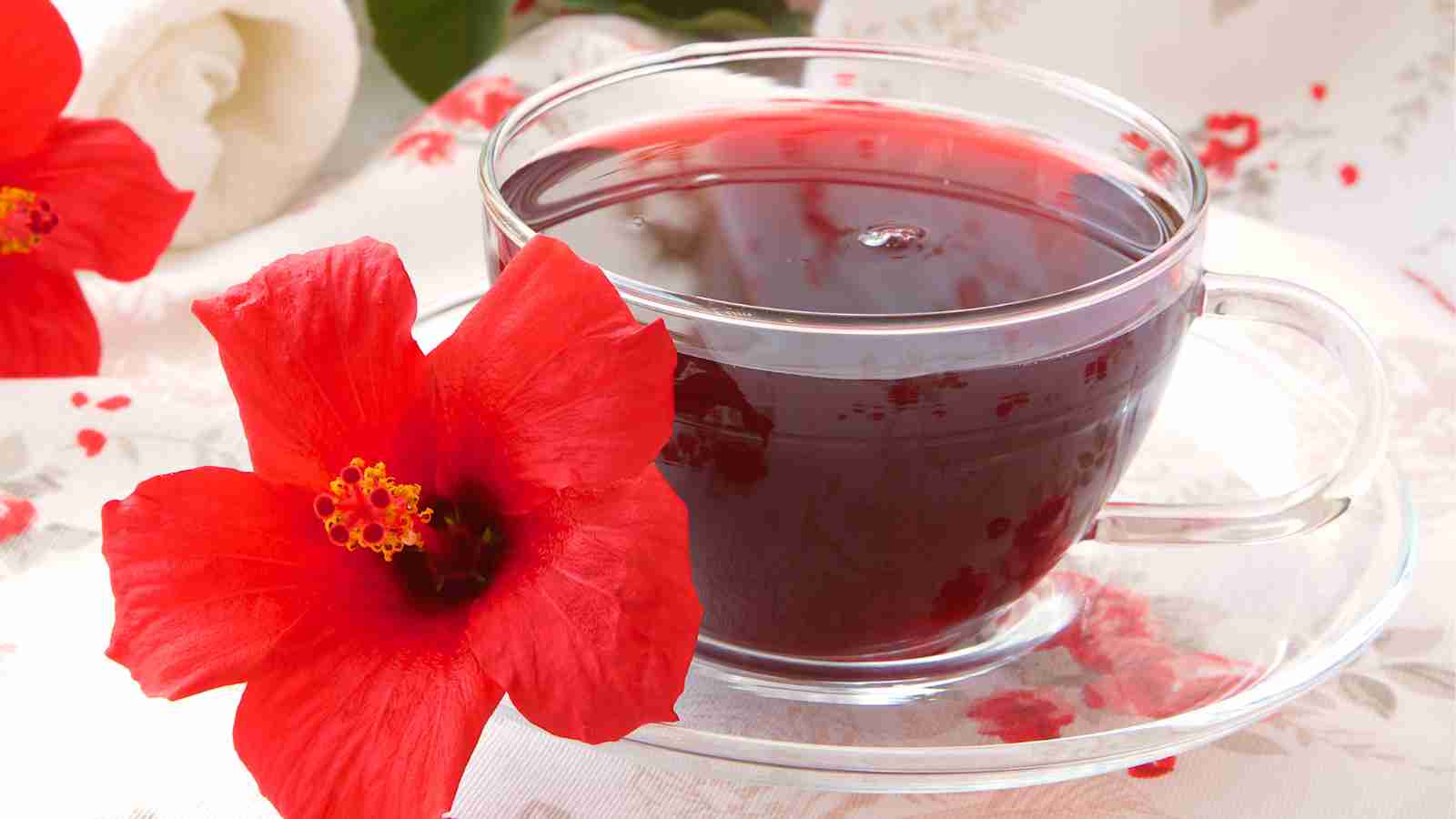
Bright red color makes hibiscus tea look as refreshing as it tastes, giving you a tart, fruity sip packed with beneficial plant compounds. You’re getting natural support for heart health because hibiscus is known for helping manage blood pressure and cholesterol levels. Antioxidants in the petals also play a role in protecting your cells from oxidative stress. Your kidney function may be affected if you’re on certain medications, so it’s smart to enjoy it with awareness. Its bold flavor makes it a great option for both hot and iced brewing.
Peppermint Tea
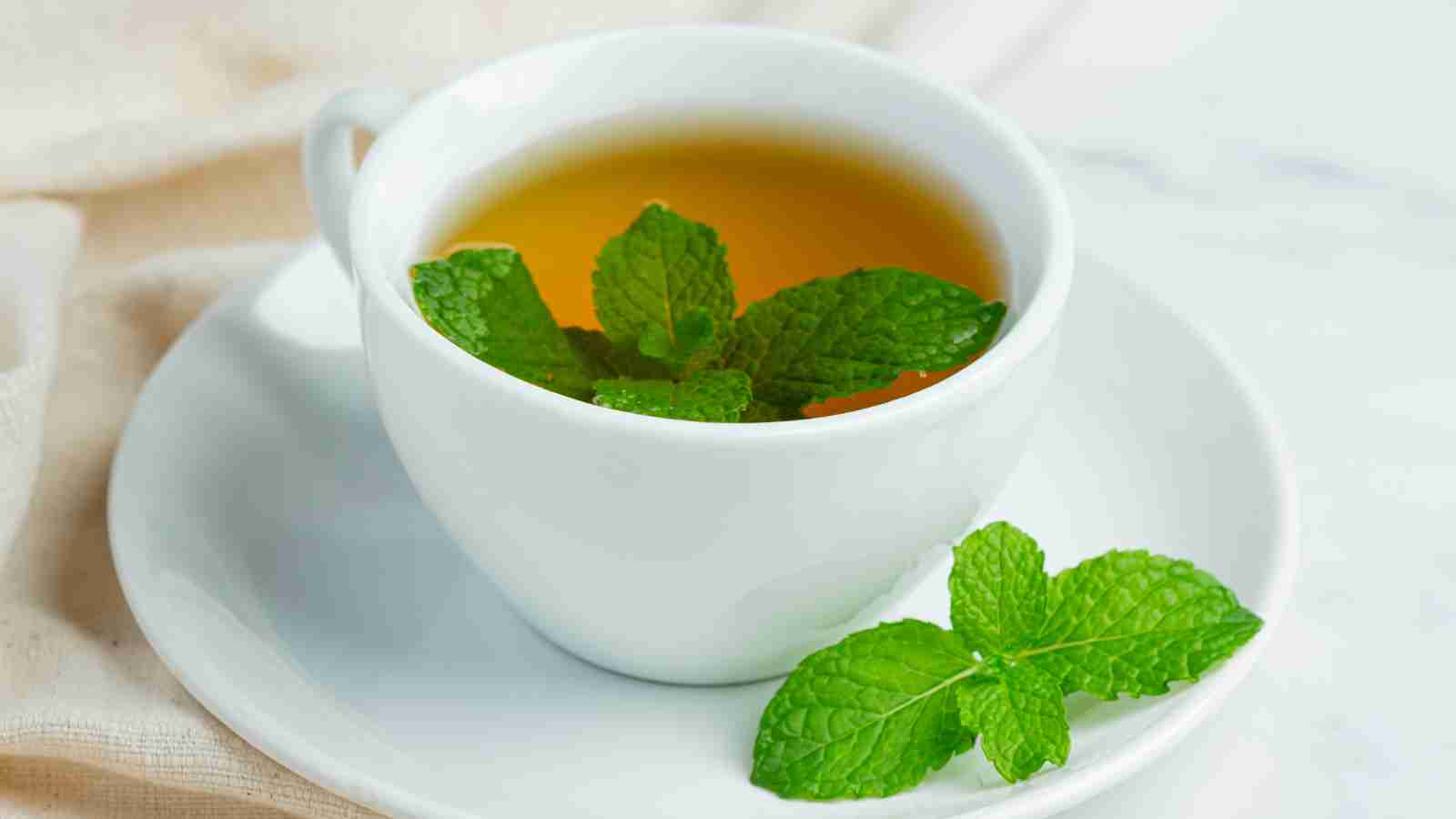
Cooling aroma and crisp flavor make peppermint tea an instant pick-me-up when your stomach feels unsettled. You may experience relief from bloating, indigestion, or mild IBS symptoms thanks to peppermint’s natural soothing properties. Your body also gets a little extra support from its antiviral and antibacterial qualities. Breathing often feels easier after a cup because the menthol can help open your airways. Whether you’re relaxing or recharging, peppermint tea delivers refreshing comfort with every sip.
Echinacea Tea

Herbal strength takes center stage with echinacea tea, giving you a bold brew often associated with seasonal immune support. You’re getting antioxidants that help your body deal with everyday stress and environmental exposures. Many people reach for it when they feel run-down since echinacea may help shorten cold-related discomfort. Your natural defenses can get a gentle boost when you drink it consistently, especially during peak cold seasons. It’s a handy option to keep in your pantry for days when you need extra support.
Rose Hip Tea

Vibrant and slightly tangy, rose hip tea gives you a powerful dose of vitamin C that supports your immune system. You’re also getting antioxidants known for helping reduce oxidative damage in your cells. Joint health may improve as well because rose hips contain compounds that ease inflammation, especially for people with osteoarthritis. Your skin might benefit too, since rose hip has been associated with better elasticity and a more youthful appearance. With its refreshing flavor, it’s an easy tea to reach for at any time.
Lemon Balm Tea
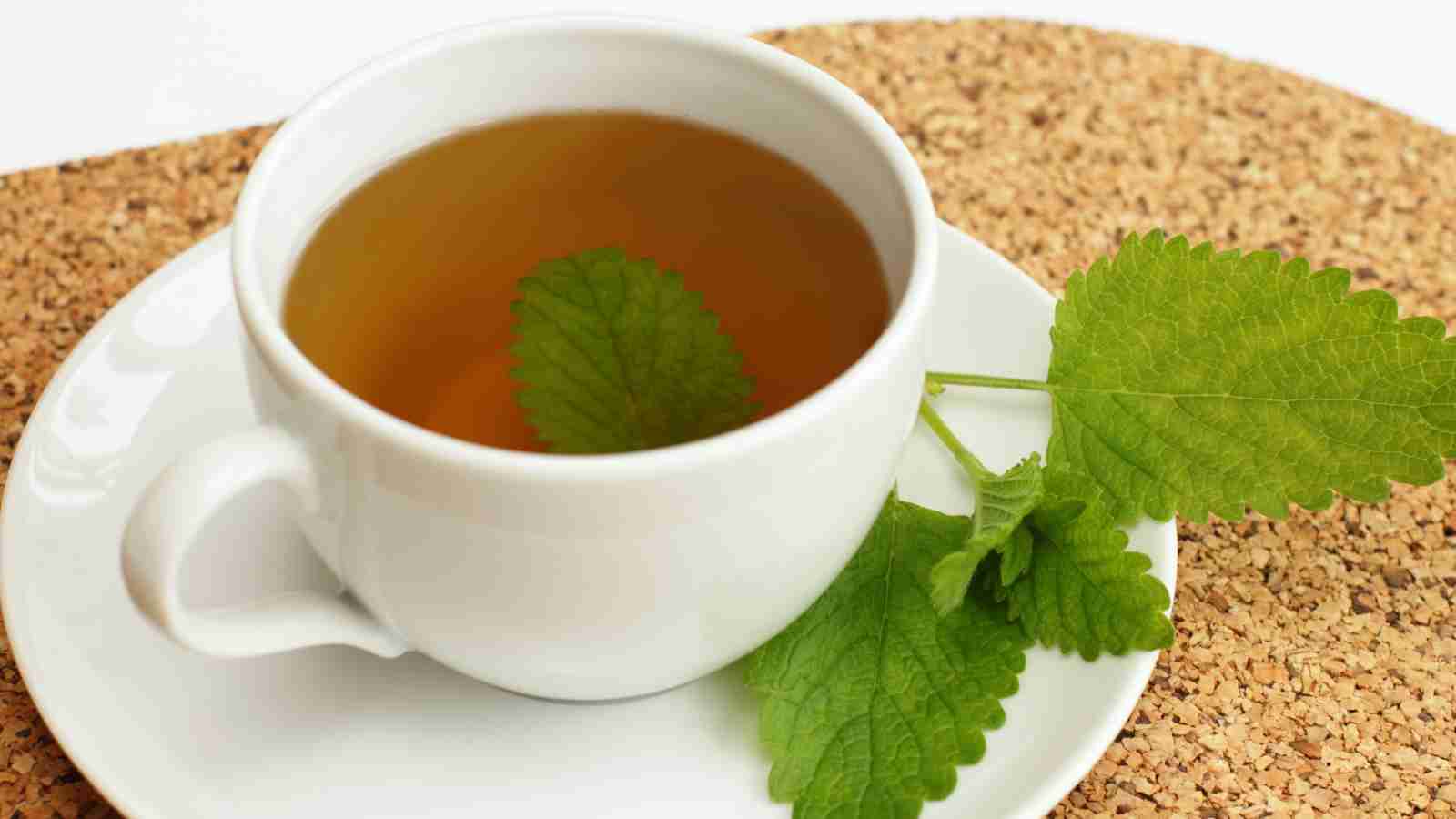
Mild citrus notes make lemon balm tea a calming choice for evenings when you want your mind to settle. You might feel its relaxing effects quickly because it’s commonly used to ease anxiety and promote better sleep. Memory and cognitive function are areas of growing interest, as lemon balm appears to support mental clarity. Your stomach, however, may feel sensitive if you drink too much, so moderation works best. It’s a gentle brew that offers comfort without overpowering flavors.
Turmeric Tea

Golden color and earthy warmth give turmeric tea a distinctive presence in your wellness lineup. You’re getting curcumin, a compound valued for its strong anti-inflammatory properties that benefit your joints and muscles. Digestion often improves with regular use because turmeric has been traditionally used to soothe the gut and support liver function. Skin health may also get a boost thanks to its antioxidant compounds. Caution is important if you’re undergoing certain medical treatments, since turmeric can interact with some medications.
Valerian Tea

Valerian carries natural sedative-like compounds that may help improve sleep, making it a popular choice for people dealing with insomnia. Some individuals also use it for easing anxiety or low mood, though its effectiveness varies. Menopausal women often turn to it for support in managing symptoms such as nighttime restlessness. Because valerian can increase drowsiness, combining it with alcohol or sedatives should be avoided. When used responsibly, valerian tea serves as a calming nighttime companion.
12 Foods That Can Help Reset Your Appetite After Overeating

Instead of skipping meals or going into “reset” panic mode, the smarter move is to reach for foods that naturally help your body find its rhythm again. Here are 12 foods that help reset your appetite and support your body after you’ve gone all in on a big meal. Certain ingredients can calm your system, steady your appetite, and get your energy back where it needs to be.
17 Things to Eat First Thing in the Morning (That Aren’t Toast or Cereal)

These 17 options are far from boring and way more nutritious than a slice of toast or a sugar-filled bowl of cereal. Some are grab-and-go, others take five minutes, but all give your body a boost. From high-protein picks to fiber-packed bites, here’s what to eat when you’re trying to actually start your day right.

Tamara Tsaturyan is the owner and writer of Thriving In Parenting, a website focused on providing simple tips for busy parents — easy and healthy recipes, home decor and organization ideas and all things P A R E N T I N G.

Share Your Thoughts!
I love to know your thoughts, make sure to comment below to start a discussion! You can also follow me on your favorite social network below.