Parenting comes with a million opinions from all directions—family, friends, strangers on the internet. And let’s be real, some of those opinions make us question our instincts. A lot of what’s called “tough love” these days gets mistaken for bad parenting when in reality, it helps kids grow into capable, responsible adults. Moms especially get criticized for setting boundaries or having high expectations, but tough love isn’t neglect. Here are parenting myths that aren’t toxic at all—they’re just the hard truths of raising kids. Experts in child development confirm that many so-called “toxic” methods are actually necessary for teaching resilience, independence, and accountability.

Letting Kids Fail Means You Don’t Care

Stepping back and letting your kids fail isn’t heartless—it’s how they learn. If you rescue them every time, they’ll never figure out how to handle setbacks on their own. Life isn’t always easy, and they need to experience small failures now so they can handle bigger challenges later. Your job isn’t to shield them from everything but to help them get back up and try again. Real love isn’t about fixing things for them—it’s about making sure they know how to fix things themselves.
Making Kids Do Chores is a Form of Child Labor
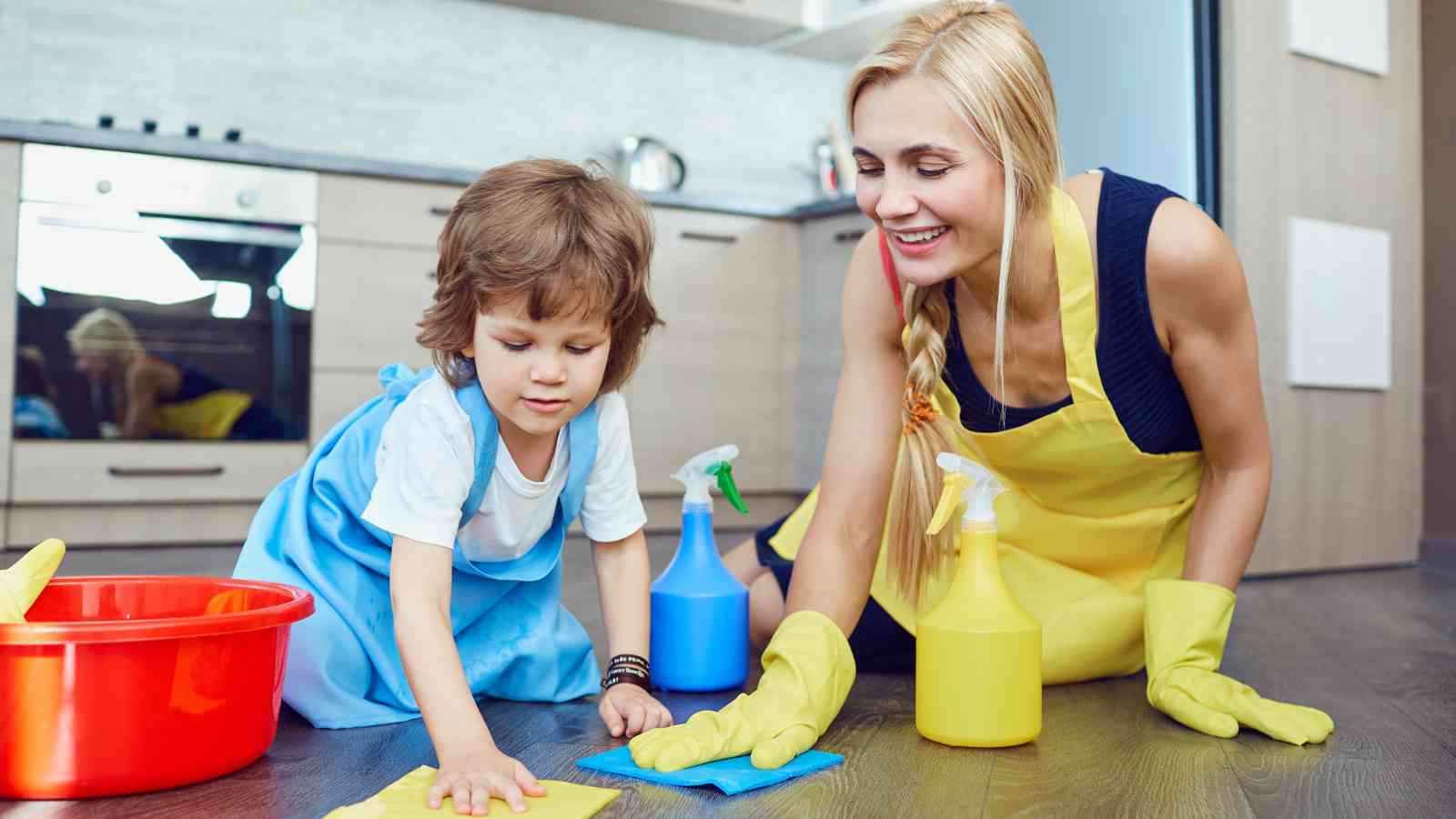
Chores aren’t punishment; they’re life skills in action. You don’t want to raise a child who enters adulthood not knowing how to do laundry or wash a dish. Giving kids responsibilities teaches them that they’re part of a family, not guests in a hotel. They don’t need to scrub floors from sunrise to sunset, but pitching in helps them appreciate what it takes to run a home. Someday, they’ll thank you when they’re the only one in college who knows how to cook a decent meal.
Saying ‘No’ Too Much Will Make Kids Resent You

No child likes hearing “no,” but that doesn’t mean they should never hear it. If you gave in every time your kid wanted candy for dinner or more screen time, you’d be setting them up for bad habits and poor self-control. Boundaries help kids feel secure and power up patience, even if they push against them. They may not like it now, but they’ll respect it later. A little pushback is normal, but clear expectations give kids the structure they need to thrive.
Strict Rules Mean You’re Too Controlling

Discipline doesn’t mean dictatorship. Setting clear expectations helps kids understand what’s acceptable and what’s not. If there are no rules, how do they learn respect, responsibility, and accountability? Kids don’t magically become well-behaved adults without structure. Enforcing rules isn’t about control—it’s about preparing them for the real world, where actions have consequences.
Punishing Bad Behavior is Harmful

Consequences aren’t the enemy—how you enforce them matters. Kids need to understand that choices come with results, both good and bad. If they never experience consequences, they’ll struggle when life doesn’t hand out second chances. Discipline isn’t about making them suffer; it’s about teaching them accountability. The goal isn’t to punish—it’s to help them grow into responsible, respectful adults.
Kids Should Never Feel Uncomfortable

If you never let your child feel discomfort, they’ll never develop resilience. Life isn’t always easy, and it’s better they learn to handle frustration, boredom, and disappointment now rather than be blindsided as adults. Growth happens outside of comfort zones. Letting kids struggle a little—whether it’s solving a tough homework problem or dealing with a friend issue—teaches them problem-solving skills. You can’t remove all discomfort, but you can help them learn how to work through it.
Letting Kids Make Their Own Decisions is Irresponsible

There’s a big difference between letting kids have choices and letting them run the household. Giving them small decisions—like picking their outfit or choosing between two lunch options—teaches independence. But big decisions, like bedtime or school attendance, aren’t up for negotiation. Kids need guidance, not total freedom. It’s your responsibility to make the tough calls, even if they don’t always like them.
Being Too Tough Will Make Kids Afraid of You

There’s a huge difference between being firm and being frightening. My kids know that when I say something, I mean it—but they also know they’re safe and loved. Fear-based parenting is harmful, but so is being a pushover. Kids need to know that rules exist for a reason, and they won’t always like them. It’s possible to be both strict and compassionate at the same time.
Kids Should Always Be Happy

Of course, we want our kids to be happy, but happiness isn’t the only goal. If you shield them from every hardship or fix every problem, you’re robbing them of the ability to cope. They need to learn that sadness, frustration, and disappointment are all normal parts of life. Instead of preventing every struggle, focus on helping them develop the tools to handle emotions in a healthy way.
Apologizing to Your Kids Shows Weakness

Some parents think admitting mistakes makes them lose authority, but I see it differently. If you mess up, you own it, if you want your kids to learn that accountability applies to everyone—even parents. Saying “I’m sorry” teaches them humility and models how to handle conflict in a healthy way. It doesn’t make you weak; it makes you human. And honestly, I’d rather raise kids who respect me for being real than fear me for being infallible.
Are You Raising a Spoiled Kid? 15 Signs (and How to Fix It)

No one plans to raise an entitled child, but certain habits can unknowingly set the stage for it. Spoiling isn’t just about showering kids with toys—it’s a pattern where appreciation takes a backseat, and constant special treatment becomes expected. If your child struggles with gratitude, frustration, or demands more than they give, it may be time for a reset. Here are 15 behaviors that signal a spoiled mindset—and practical ways to turn things
15 Easy Hacks to Get Kids Out the Door on Time Every Morning

Mornings with kids can feel like a nonstop scramble, leaving you exhausted before the day even begins. Between missing shoes, half-eaten breakfasts, and unexpected tantrums, getting everyone out the door on time can seem impossible. But with a few smart tweaks, you can turn the chaos into a manageable routine. Simple, effective strategies can reduce stress, build independence, and create the structure kids need to transition smoothly into the day.

Tamara Tsaturyan is the owner and writer of Thriving In Parenting, a website focused on providing simple tips for busy parents — easy and healthy recipes, home decor and organization ideas and all things P A R E N T I N G.
Share Your Thoughts!
I love to know your thoughts, make sure to comment below to start a discussion! You can also follow me on your favorite social network below.