Gone are the days when you could simply walk into a restaurant, grab a paper menu, and expect the same familiar routine. Dining out since 2020 has turned into a very different experience, reshaped by technology, altered expectations, and new ways of running food businesses. Restaurants have had to reinvent operations, rethink customer interaction, and redesign spaces to keep up with changing needs. Costs, supply challenges, and shifting lifestyles continue to influence how people eat out and how establishments respond. Together, these changes show how deeply the culture of dining has evolved in just a few years, opening a new chapter in the restaurant experience.
QR Code Menus
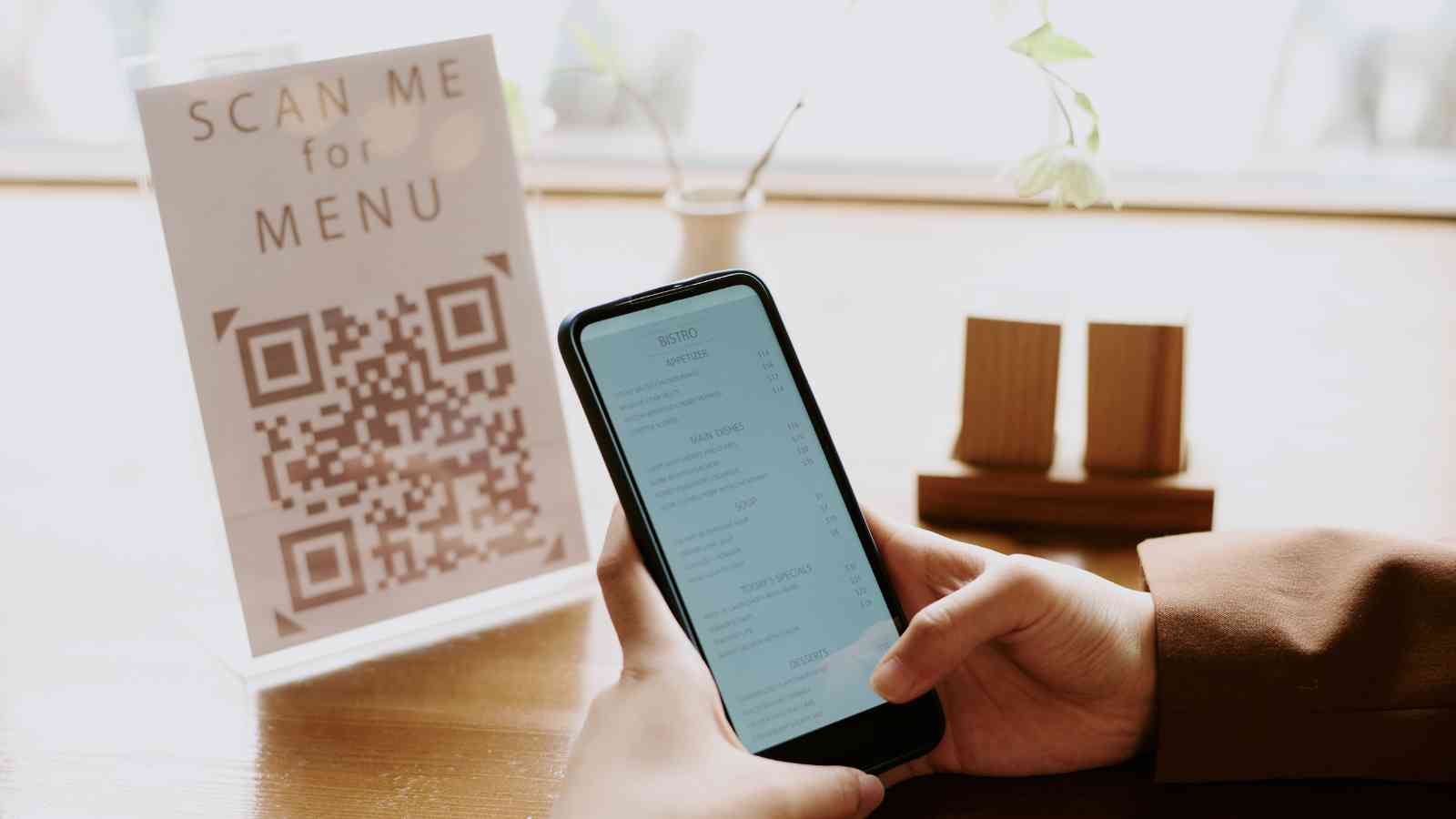
Many restaurants moved away from printed menus in favor of QR codes that can be scanned with a smartphone camera. This shift cuts down on paper waste, speeds up menu updates, and reduces shared surface contact. It also allows restaurants to instantly adjust prices or highlight specials without reprinting anything. Guests have grown comfortable with navigating digital menus, and it’s now an expected feature at both casual and upscale establishments. For some diners, scanning a code to view options feels as routine as checking a text message.
Reservations Over Walk-Ins
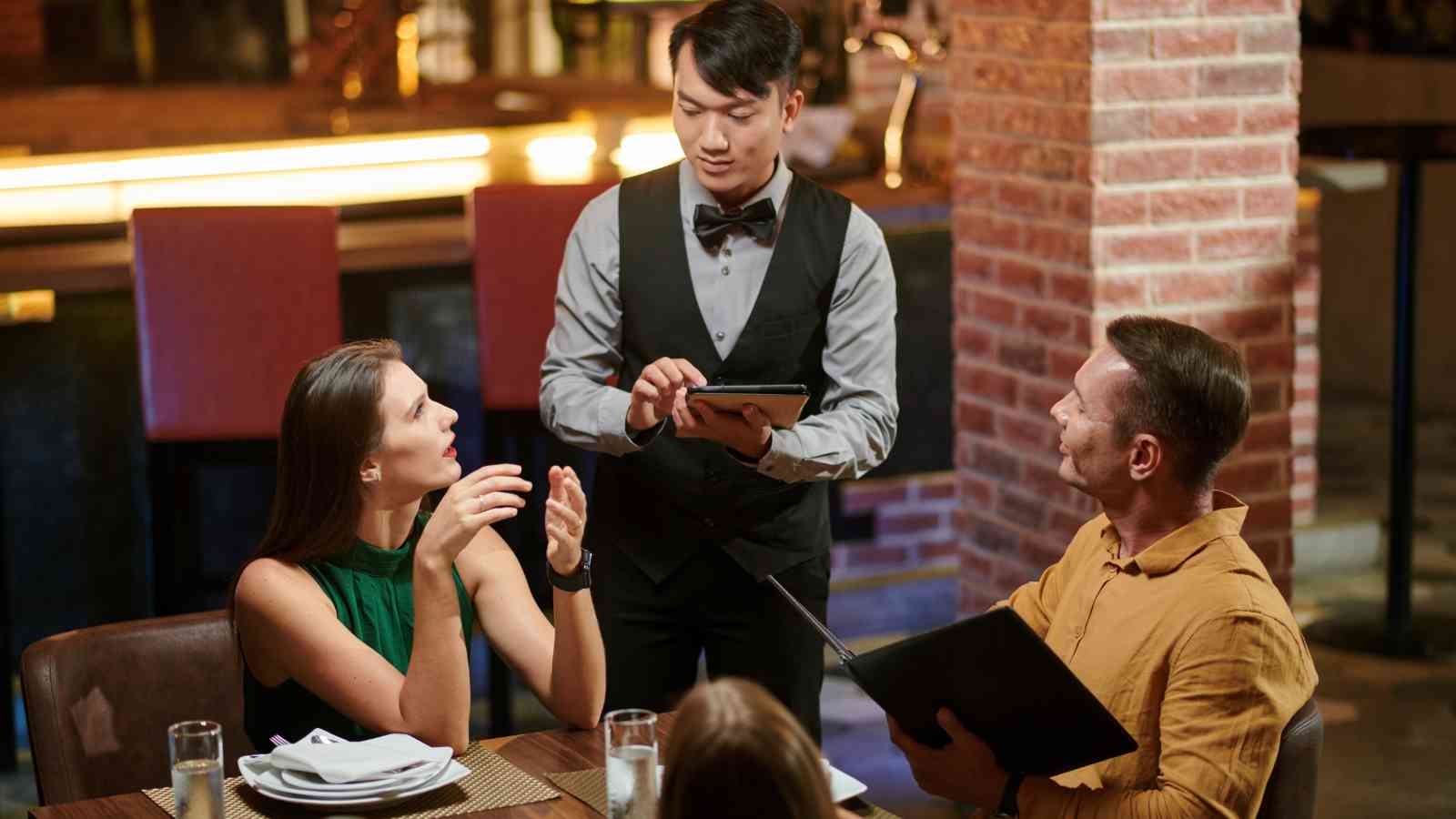
Casual restaurants now often encourage reservations, something that used to be limited to fine dining. Managing guest flow this way reduces overcrowding and helps staff plan better during unpredictable demand. Many booking platforms sync with table management software, streamlining the process for hosts. Customers gain more certainty about seating times, especially during peak hours. Even smaller eateries now treat online reservations as part of everyday operations rather than an extra service.
Outdoor Dining As A Default
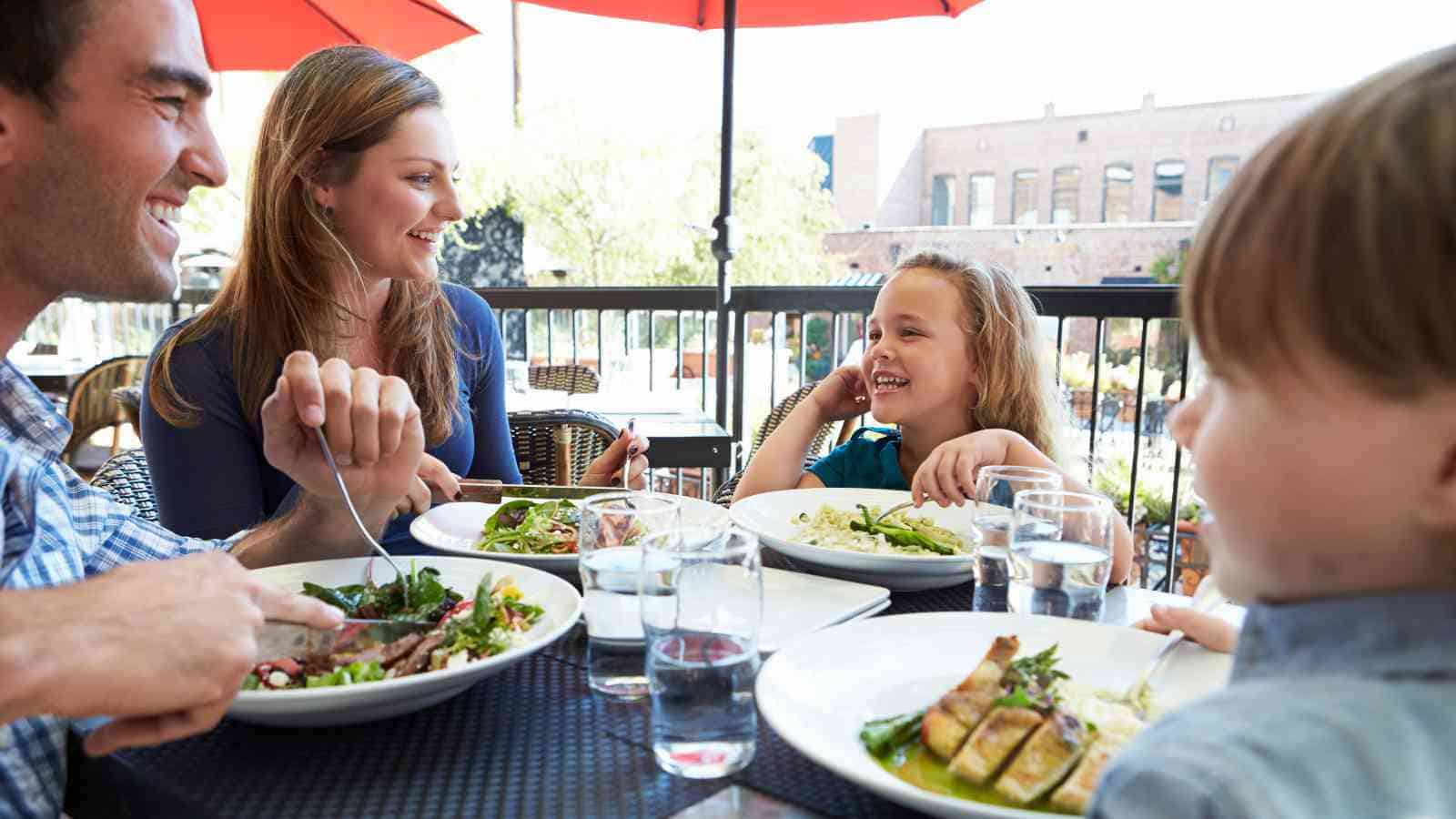
Cities permanently expanded sidewalk seating, closed off streets, and built parklets to support restaurants. What started as a temporary measure is now a defining part of many neighborhoods’ identities. Heat lamps, retractable roofs, and improved furniture make outdoor dining viable year-round. Restaurants can serve more guests without expensive indoor expansions. Diners now consider fresh-air seating a normal and desirable option rather than a seasonal perk.
Contactless Payments
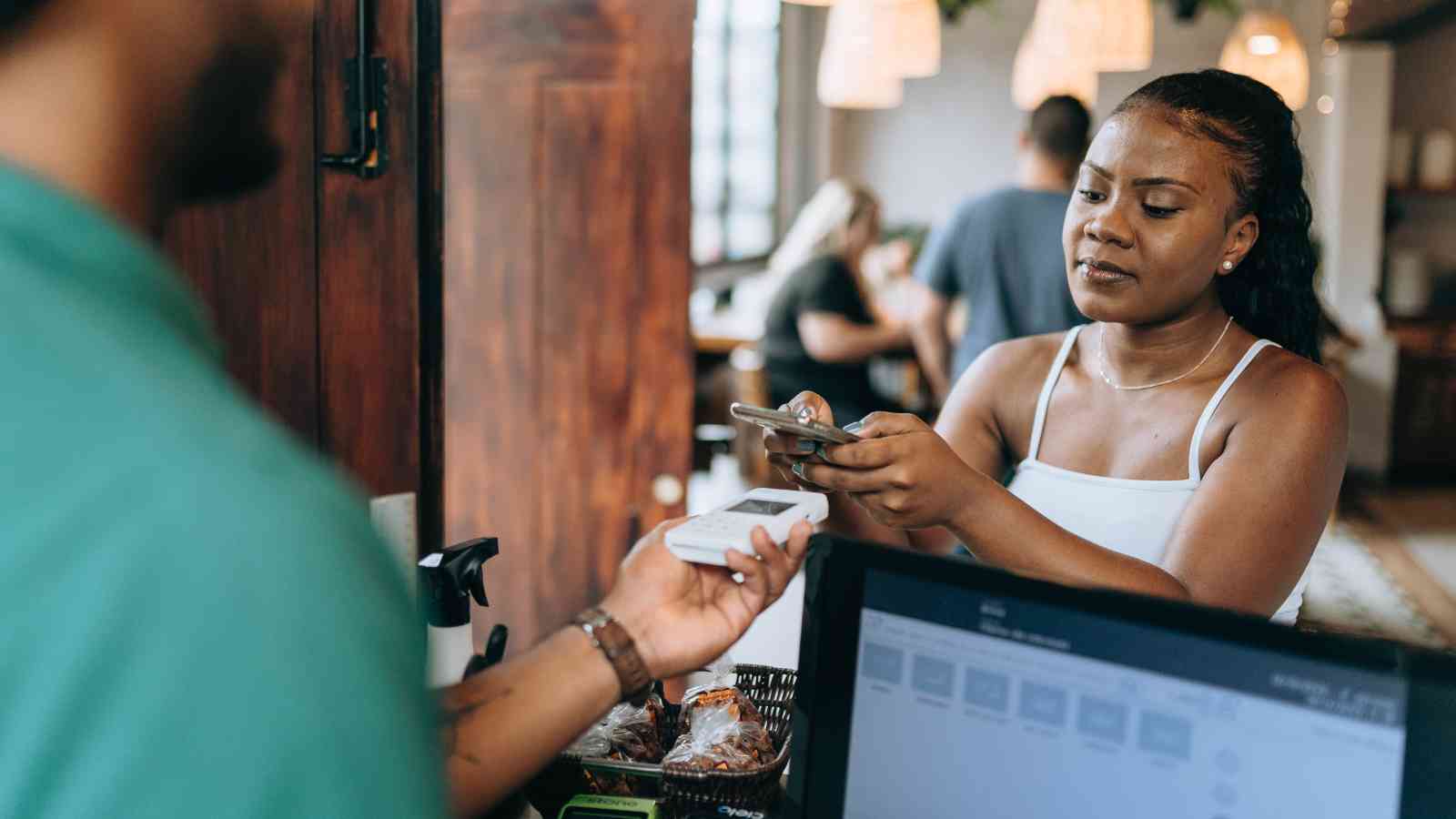
Tap-to-pay options like Apple Pay and Google Wallet became standard because they’re faster and reduce physical interaction. Restaurants benefit from quicker table turns and fewer issues handling cash. Guests also appreciate not having to hand over cards or wait for checkbooks. Digital receipts make expense tracking simpler for both customers and businesses. The practice has become so common that some venues no longer accept cash at all.
Shorter Menus

Streamlined menus help kitchens manage costs, staffing, and supply chain fluctuations. Offering fewer dishes also allows chefs to focus on consistent quality and speed. Diners benefit from easier decision-making and often faster service times. Many restaurants rotate specials to maintain variety without expanding the core menu. This model has proven effective in balancing customer expectations with operational realities.
To-Go Cocktails
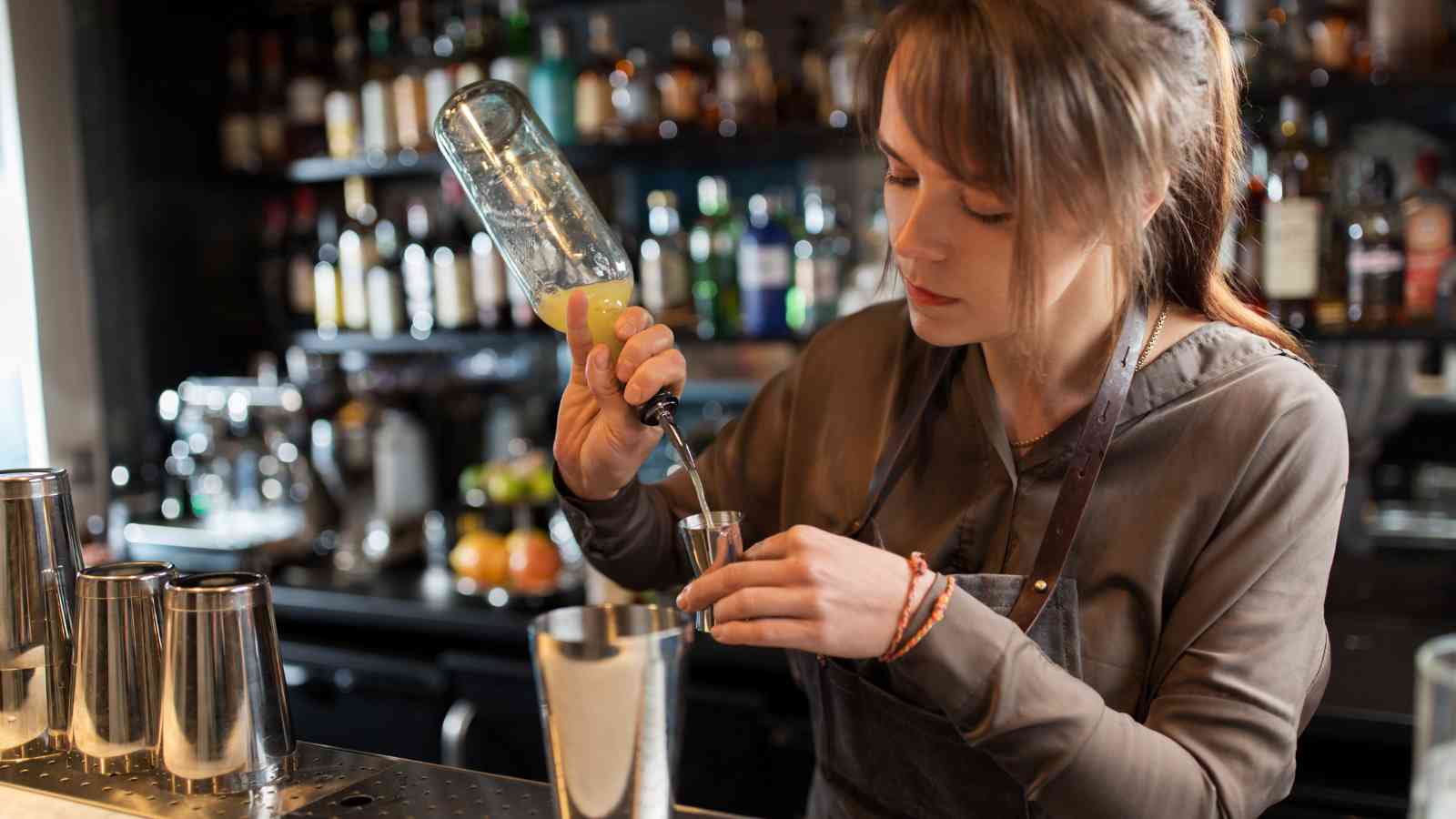
States and municipalities that relaxed alcohol laws during 2020 often kept those policies. Restaurants now offer sealed cocktails for pickup alongside food orders. This new revenue stream helps offset losses from reduced in-house dining. Customers enjoy bar-quality drinks at home without investing in ingredients. Even some high-end establishments have crafted unique packaging for signature beverages.
Loyalty Apps Over Punch Cards
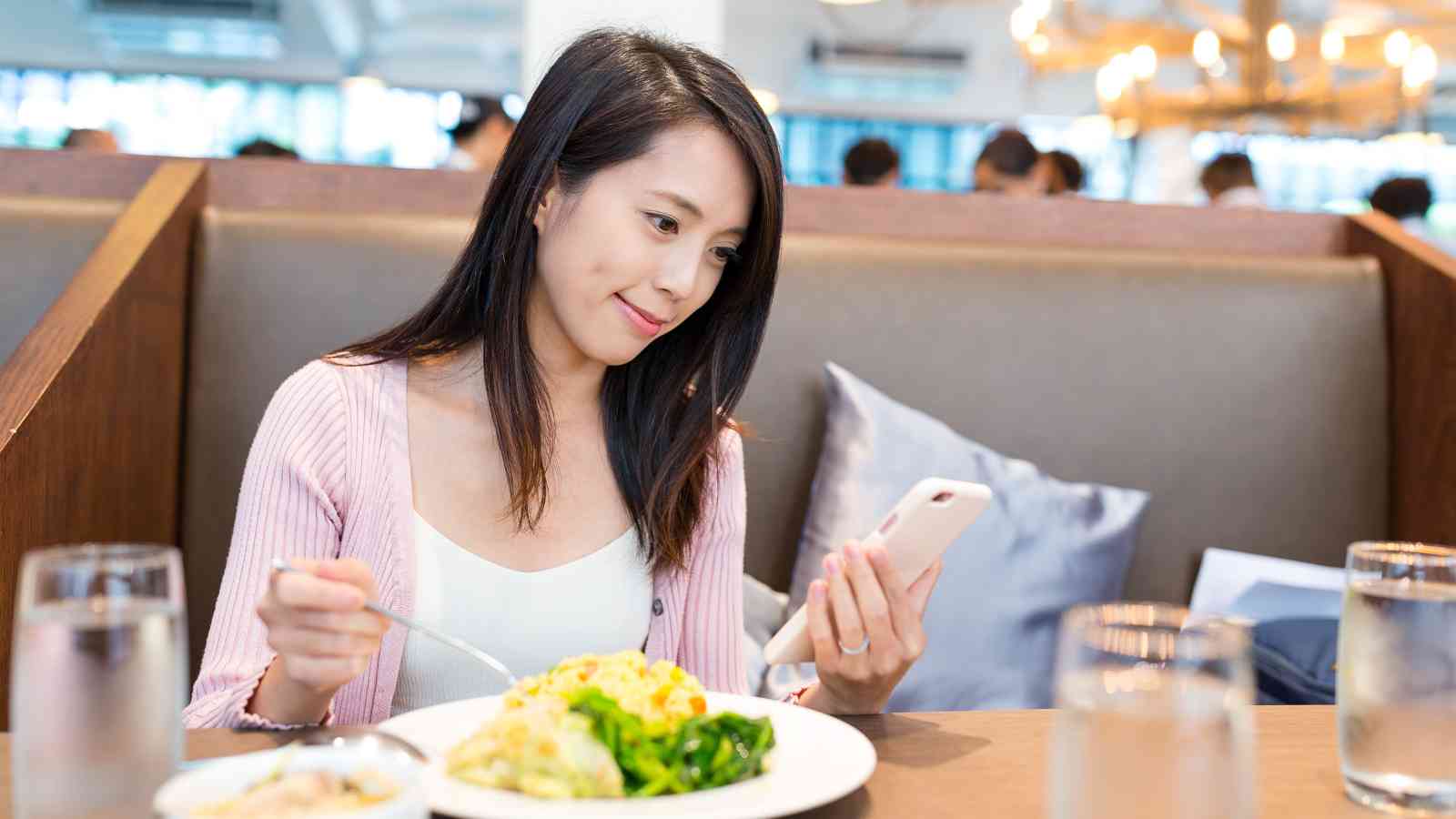
Paper punch cards have largely disappeared, replaced by digital apps tied to customer profiles. These apps can track spending, send targeted offers, and integrate with mobile ordering. Guests enjoy accumulating points and redeeming rewards without worrying about losing a card. Restaurants gain data to refine menus and promotions. The shift has also made reward programs easier to scale across multiple locations.
More Service Fees
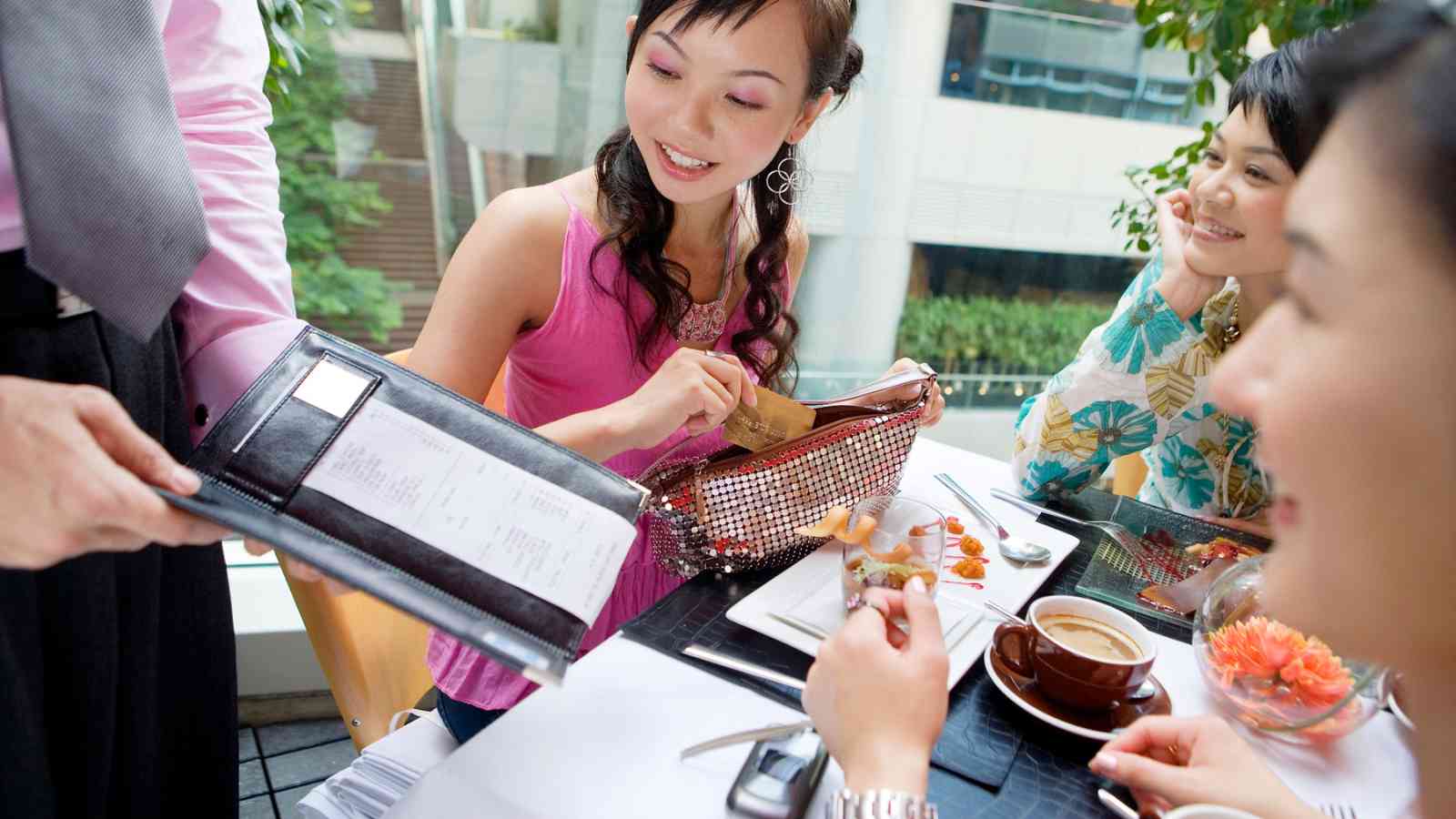
Temporary surcharges meant to cover pandemic-related costs have evolved into permanent line items on bills. These fees can fund staff wellness, kitchen upgrades, or higher wages. Transparency about how fees are used varies by restaurant, but they’re now commonplace. Customers have become accustomed to seeing extra charges alongside tax and tip. For some establishments, such fees help avoid raising menu prices too sharply.
Delivery As A Core Business
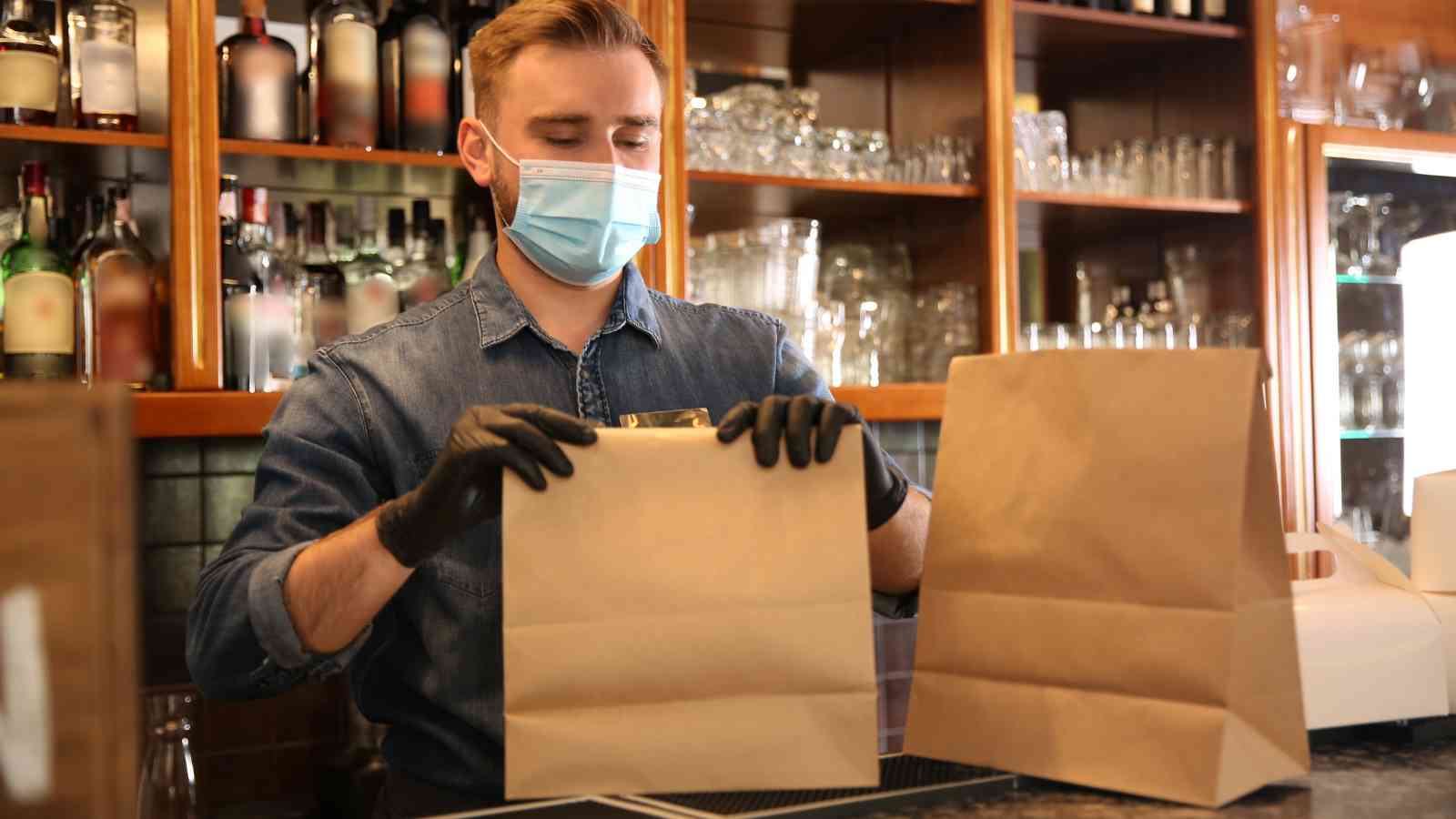
Delivery once served as an add-on but is now central to many restaurants’ survival. Some venues operate “ghost kitchens” dedicated solely to online orders. Integrating third-party apps and direct ordering systems has become routine. This shift has also driven investment in better packaging and menu items designed to travel well. Dining out now often includes the option to dine in at home with the same restaurant-quality food.
Smaller Portions, Higher Prices
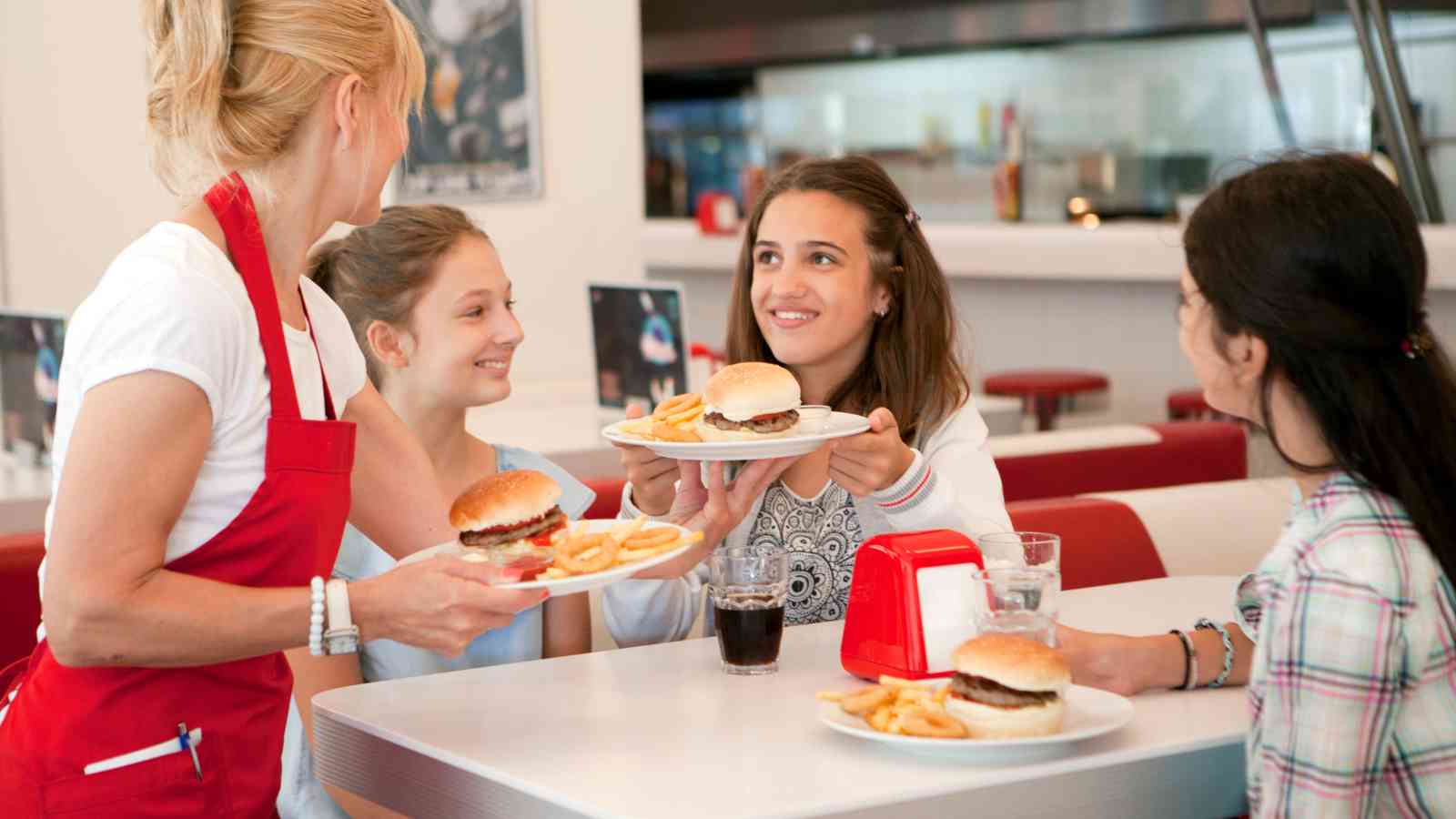
Rising ingredient and labor costs have pushed restaurants to shrink portions instead of drastically increasing menu prices. This approach helps control waste and maintain profitability while still offering premium ingredients. Diners notice more emphasis on plating and presentation to offset size changes. Many also opt to order multiple small plates rather than a single entrée. The model reflects a broader move toward “quality over quantity” in restaurant dining.
Emphasis On Local Ingredients
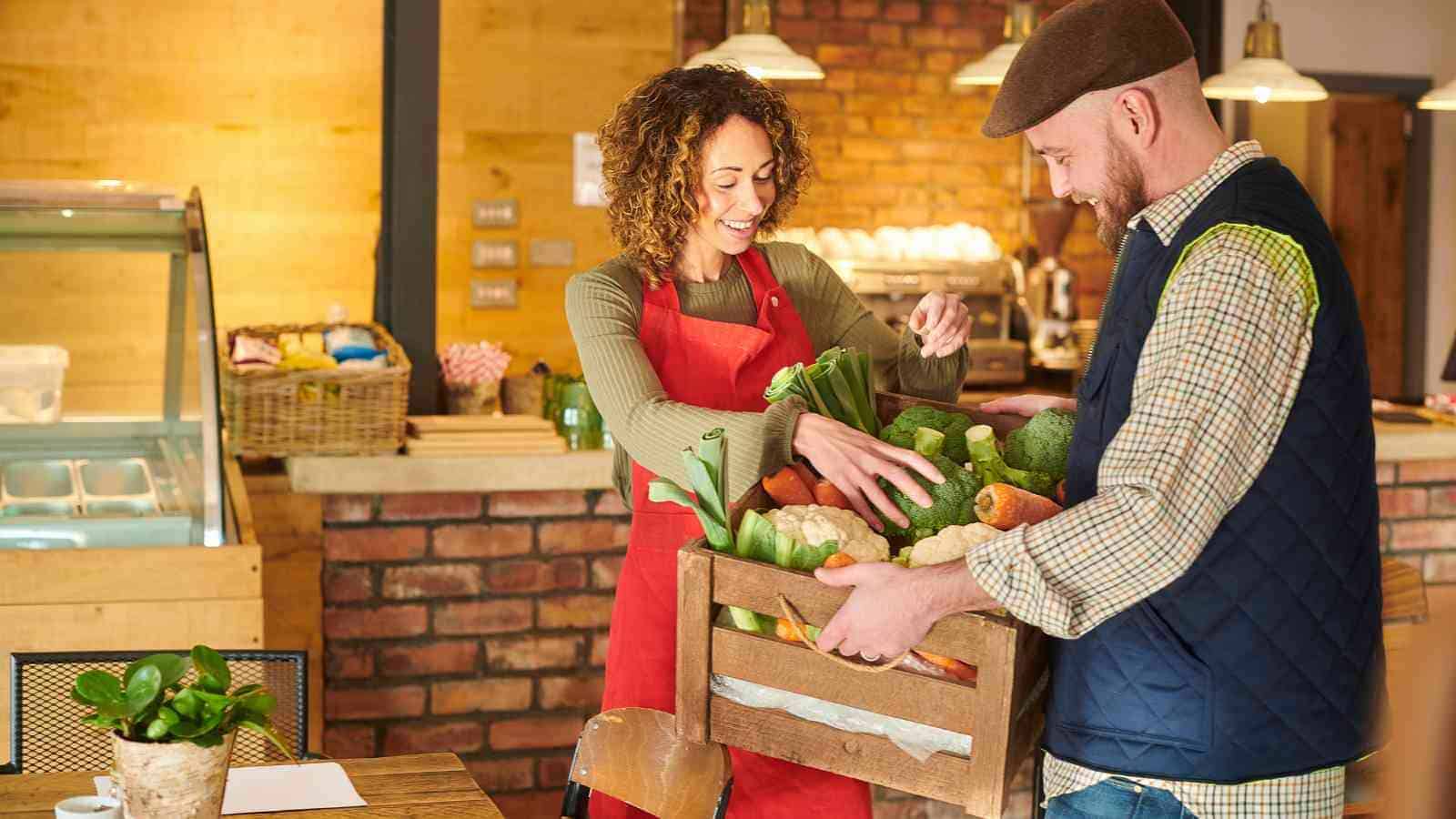
Supply chain disruptions highlighted the risks of relying on distant suppliers. Many restaurants now partner with nearby farms, fisheries, and artisans to secure fresh products. This approach supports regional economies and shortens delivery times. Guests often see farm names or local producers listed directly on menus. Such sourcing choices have turned from a niche marketing point into a mainstream practice.
Casual Dress Codes

Relaxed dress standards reflect the blending of work-from-home culture with public life. Athleisure and casual outfits are now common even in venues that once demanded business attire. Restaurants have responded by softening dress expectations without compromising service quality. This shift broadens accessibility, attracting a wider mix of customers. Dining out has become less about formality and more about comfort and experience.
Takeout Packaging Upgrades
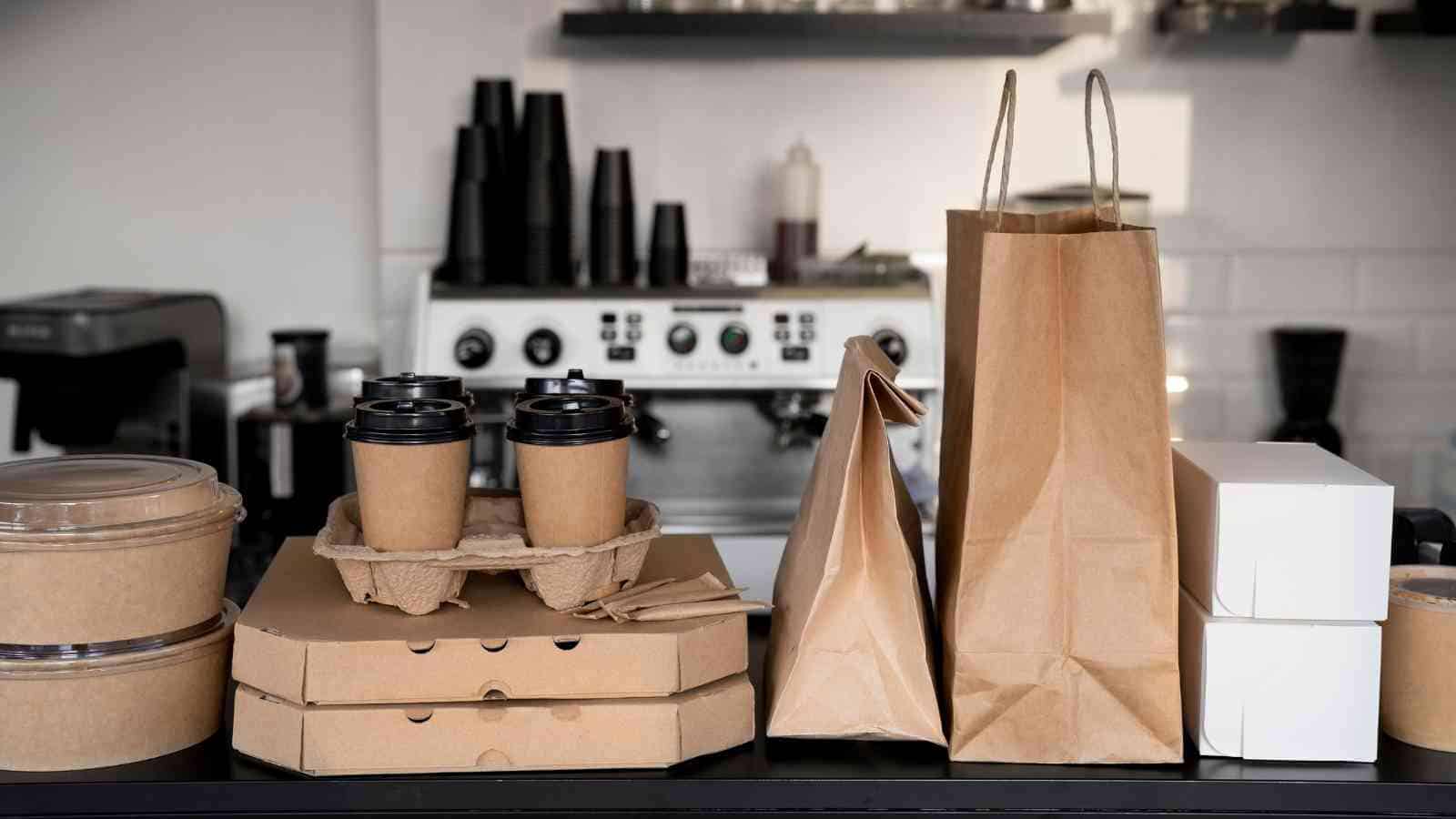
Restaurants have invested heavily in packaging that preserves texture, temperature, and appearance. Eco-friendly materials now replace cheap plastics, aligning with sustainability goals. Many containers are designed to prevent spills or sogginess, even during long delivery times. Improved packaging enhances brand image as well as food quality. Customers notice the difference and often associate it with a higher-value meal.
Health And Allergy Transparency

Menus increasingly highlight potential allergens and dietary preferences clearly and consistently. Icons, separate sections, and digital filters help customers make informed choices quickly. This clarity reduces risks for people with food allergies and expands appeal to diners with dietary restrictions. Many restaurants also train staff specifically on allergen handling and cross-contact prevention. Health-conscious and allergy-aware dining has shifted from a niche service to a core expectation.
Flexible Dining Spaces
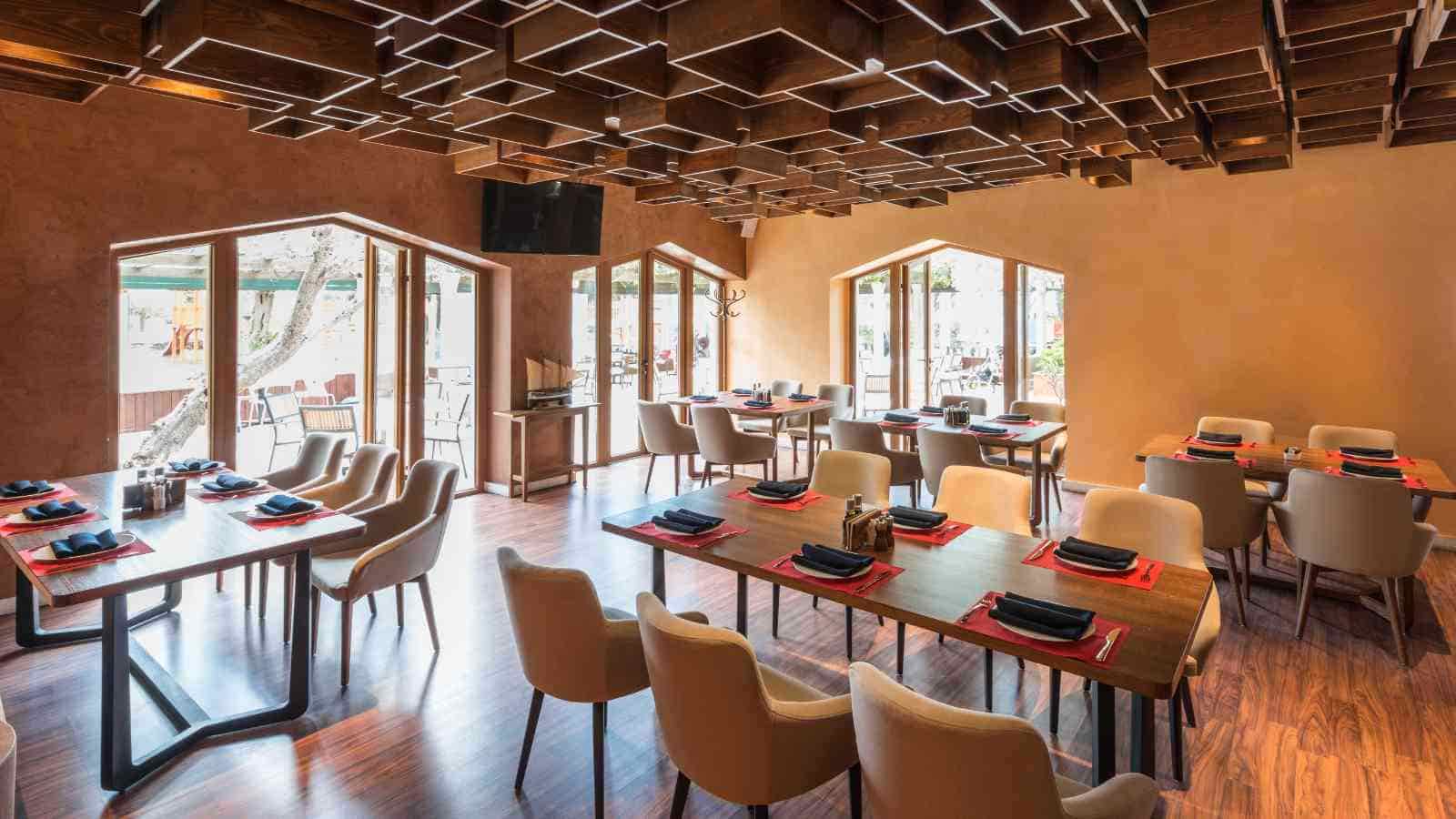
Restaurants are redesigning interiors to accommodate multiple purposes, such as takeout staging areas, private dining, and hybrid workspaces. Movable partitions, modular furniture, and convertible layouts allow quick adaptation to changing demand. Guests may notice separate pickup counters, co-working tables, or event-friendly zones within the same space. This flexibility improves operational efficiency and customer experience. Hybrid layouts have become a hallmark of post-2020 restaurant design.
25 Menu Secrets Restaurants Don’t Want Diners to Notice

Here’s a detailed look at 25 menu tactics designed to shape your choices in ways you might never notice. Understanding these secrets reveals why some items catch your eye, why some prices feel lighter, and why your bill often climbs higher than expected.
15 Things Restaurants Do to Food That Home Cooks Never Think Of

These tricks not only affect taste but also the way a dish feels, smells, and even looks on the plate. What seems like an effortless plate of food is usually the result of carefully applied techniques designed to highlight ingredients in the best way possible.

Tamara Tsaturyan is the owner and writer of Thriving In Parenting, a website focused on providing simple tips for busy parents — easy and healthy recipes, home decor and organization ideas and all things P A R E N T I N G.

Share Your Thoughts!
I love to know your thoughts, make sure to comment below to start a discussion! You can also follow me on your favorite social network below.