Dining out often feels like stepping into another world where even the simplest dish tastes elevated. The foods are tricky to recreate at home, even when you have the exact recipe in front of you. What many people don’t realize is that the secret lies not only in hidden ingredients but in the habits and techniques chefs practice daily—moves that home cooks rarely think to use. Every dish that comes out of a professional kitchen is the result of precise timing, layered seasoning, and small finishing touches that create big flavor. Here are 15 restaurant chefs’ secrets that reveal why your favorite dish tastes so different outside your home kitchen. These tricks not only affect taste but also the way a dish feels, smells, and even looks on the plate. What seems like an effortless plate of food is usually the result of carefully applied techniques designed to highlight ingredients in the best way possible.

They Use Way More Butter Than You’d Expect

Butter is often the secret weapon behind restaurant flavors. A sauce may be finished with several tablespoons of butter, giving it a silky texture and sheen. Vegetables often get tossed with butter right before serving for extra richness. Even steaks are sometimes basted with melted butter to lock in flavor. The generous use of butter is something most home cooks hold back on.
They Rest Meat Longer

Resting meat is a crucial step in restaurant kitchens. Once cooked, proteins like steak or chicken are left untouched so the juices redistribute evenly. This prevents the meat from drying out when sliced. At home, many people cut too soon, losing valuable moisture on the cutting board. Patience in resting ensures that the restaurant cuts are tender and juicy every time.
They Salt in Layers

Layered salting creates complexity in flavor. Chefs season meat before it cooks, season pasta water generously, and add finishing salt right before plating. These small steps build flavor throughout the cooking process instead of just on the surface. Home cooks who only add salt at the end often end up with food that tastes one-dimensional. The layered approach makes dishes taste deeper and more balanced.
They Flash-Chill Vegetables
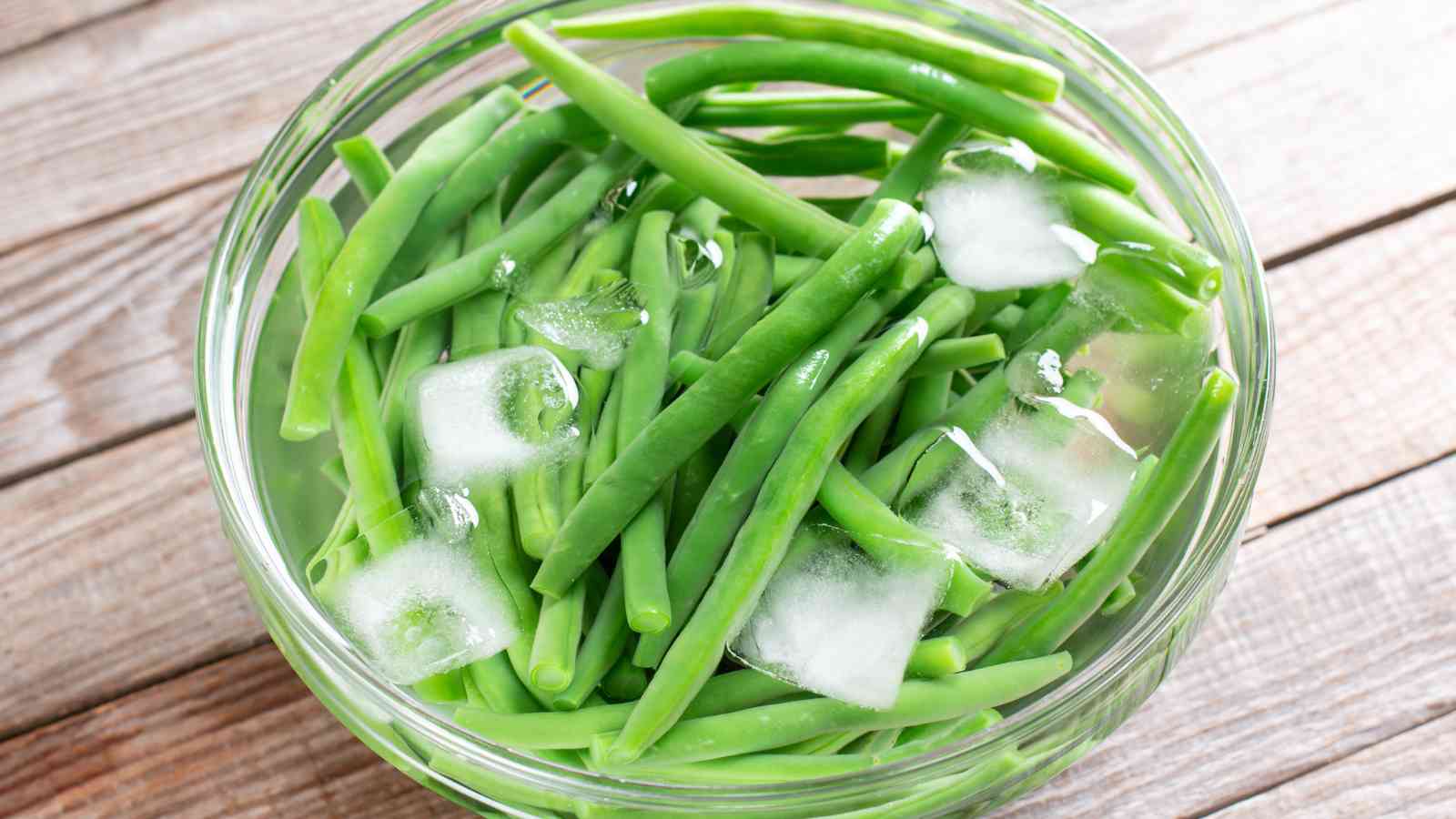
Restaurants rely on blanching and shocking vegetables to lock in color and crunch. Vegetables are briefly boiled, then plunged into ice water to stop cooking instantly. This preserves their natural vibrancy and prevents them from going mushy. At home, skipping this step often leads to dull or overcooked greens. The technique is especially common for vegetables used in salads or side dishes.
They Use Stock Instead of Water

Flavorful stock is a restaurant staple that replaces water in cooking. Grains like rice or quinoa take on a richer taste when simmered in stock. Even simple vegetables absorb more depth when boiled in broth. This extra layer of seasoning comes built into every bite. By comparison, water adds nothing and leaves food tasting flatter.
They Baste Proteins Constantly
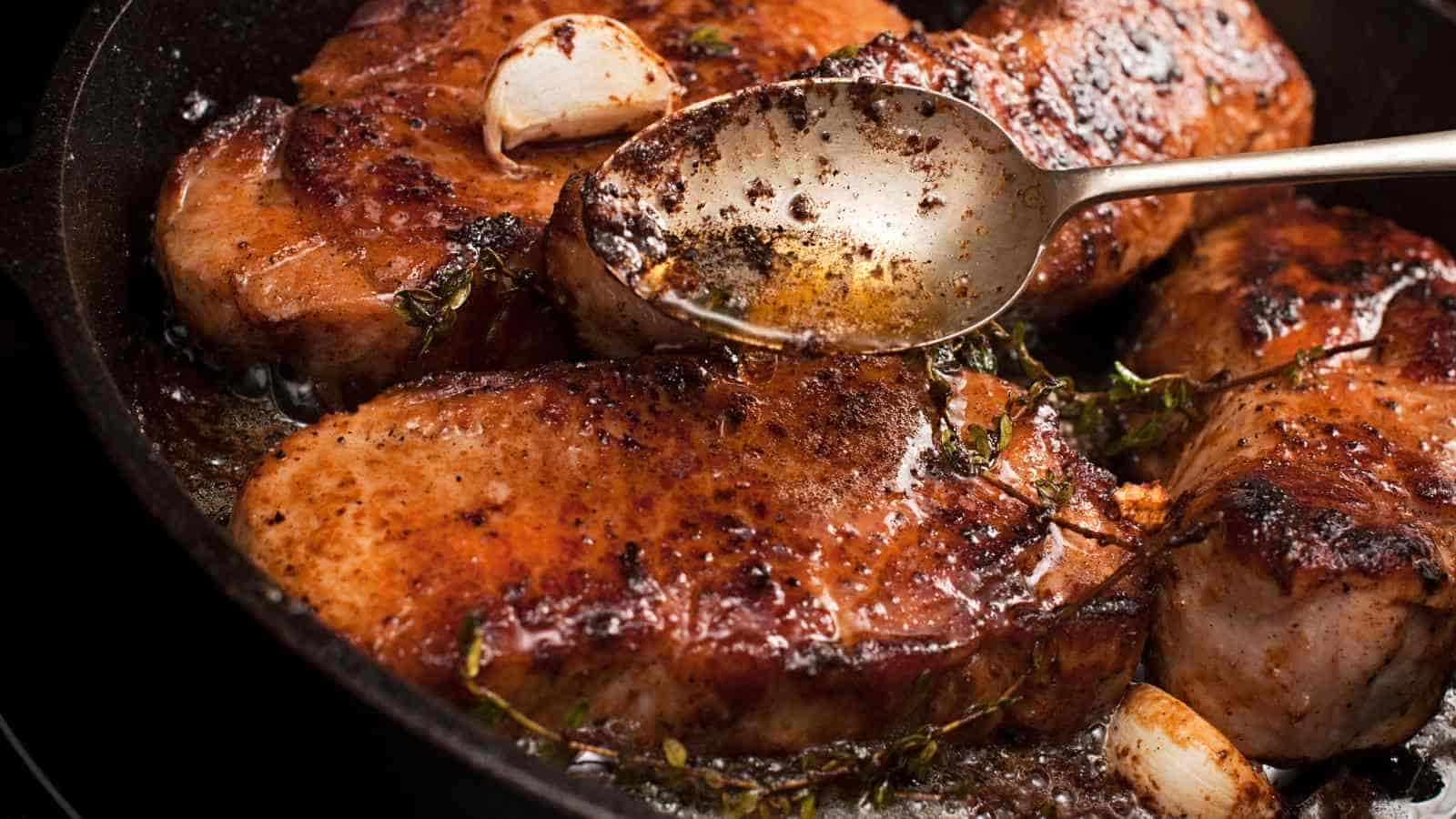
Constant basting adds both flavor and moisture to proteins. Butter or oil infused with herbs and garlic is spooned over fish, steak, or poultry as it cooks. This keeps the surface juicy while layering in aromatic notes. The result is meat that tastes complex and evenly cooked. Most home kitchens don’t take the time for this repetitive but rewarding step.
They Caramelize Everything
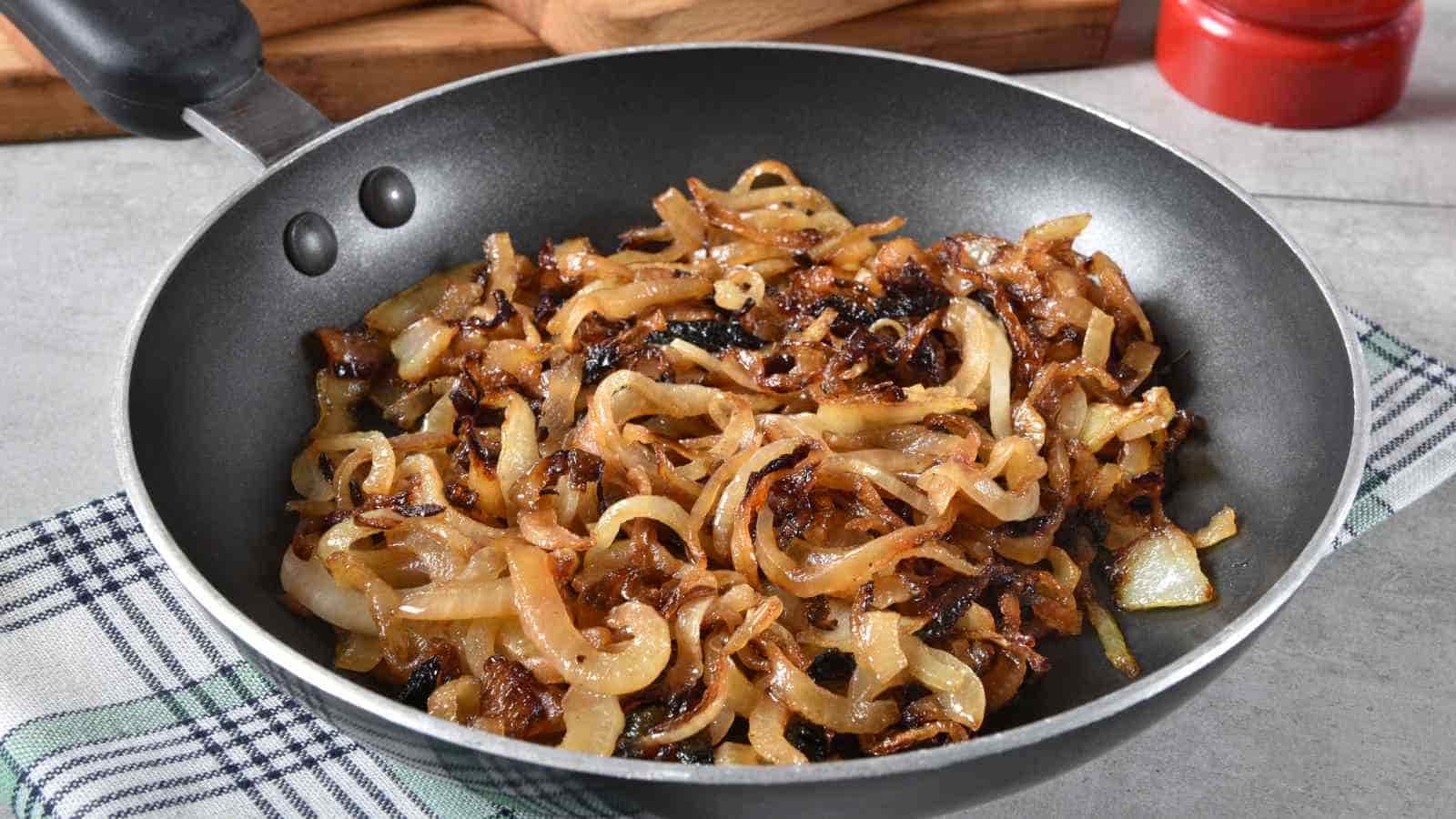
Caramelization is one of the strongest tools in a chef’s arsenal. Applying high heat transforms natural sugars in onions, meats, and even vegetables into deep, complex flavors. Golden crusts on proteins or dark, sweet onions don’t happen without patience. Home cooks often rush the process and miss out on that intensity. Caramelization makes food taste richer and more layered.
They Plate with Garnishes for Flavor, Not Just Looks
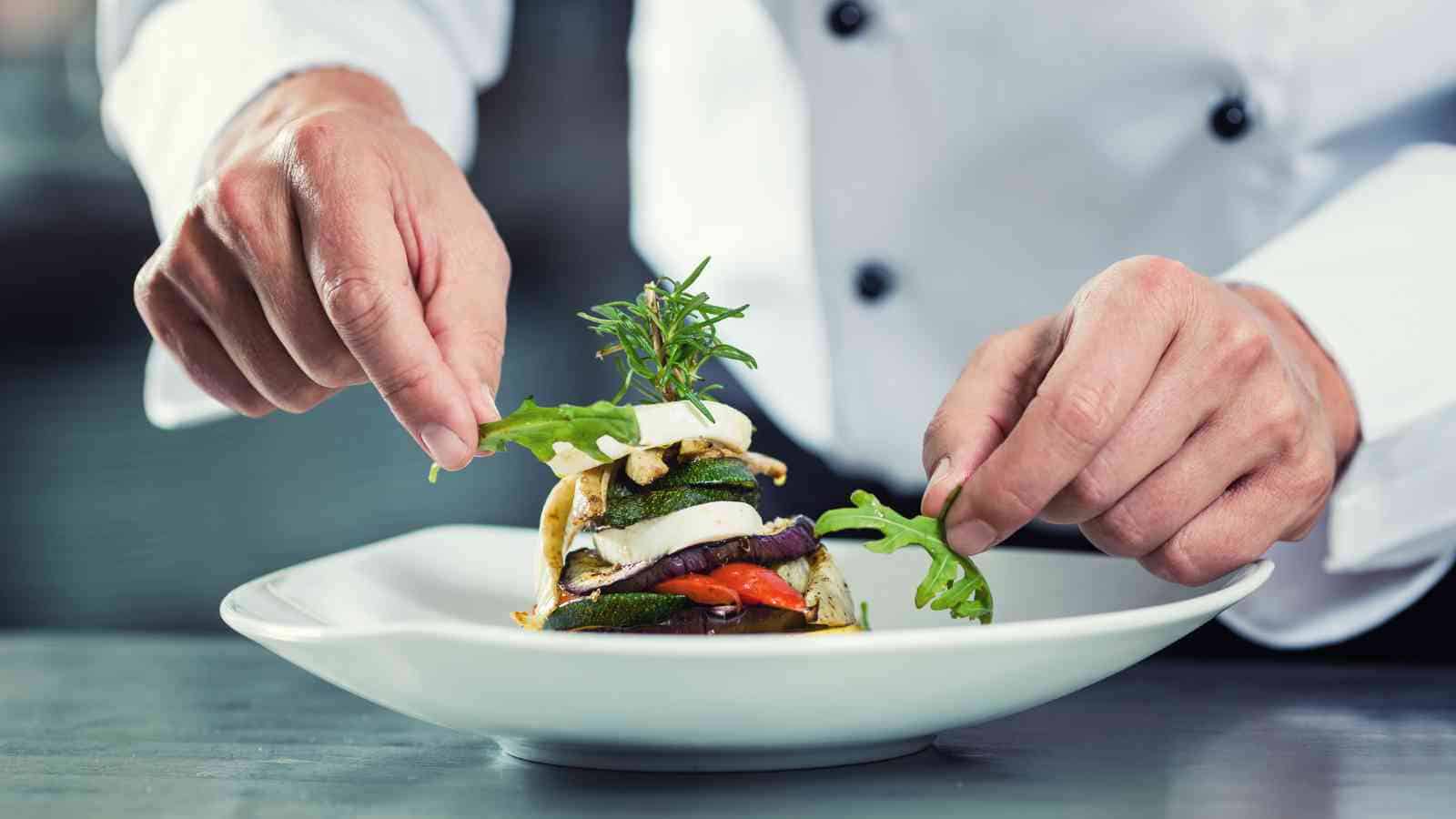
Restaurant garnishes are rarely decorative alone. A sprinkle of microgreens, fresh herbs, or citrus zest brightens and balances heavy flavors. Those small touches are chosen to cut richness or add freshness. Without them, dishes risk tasting flat or heavy. Every garnish has a purpose beyond looking good.
They Reduce Sauces Until Intensely Concentrated

Reduction is key to restaurant-quality sauces. Simmering for long periods allows water to evaporate and flavors to concentrate. The result is a sauce that coats food with a glossy, intense finish. Home cooks often stop cooking sauces too early, leaving them thin and weak. The difference in texture and taste is dramatic once reduced properly.
They Use Acid at the End

Acidity is often the final adjustment before a dish leaves the kitchen. Lemon juice, vinegar, or pickled vegetables brighten rich foods instantly. Without it, flavors can feel heavy or dull. Chefs know that a touch of acid sharpens everything on the plate. At home, people often forget this small but powerful step.
They Toast Spices and Nuts First
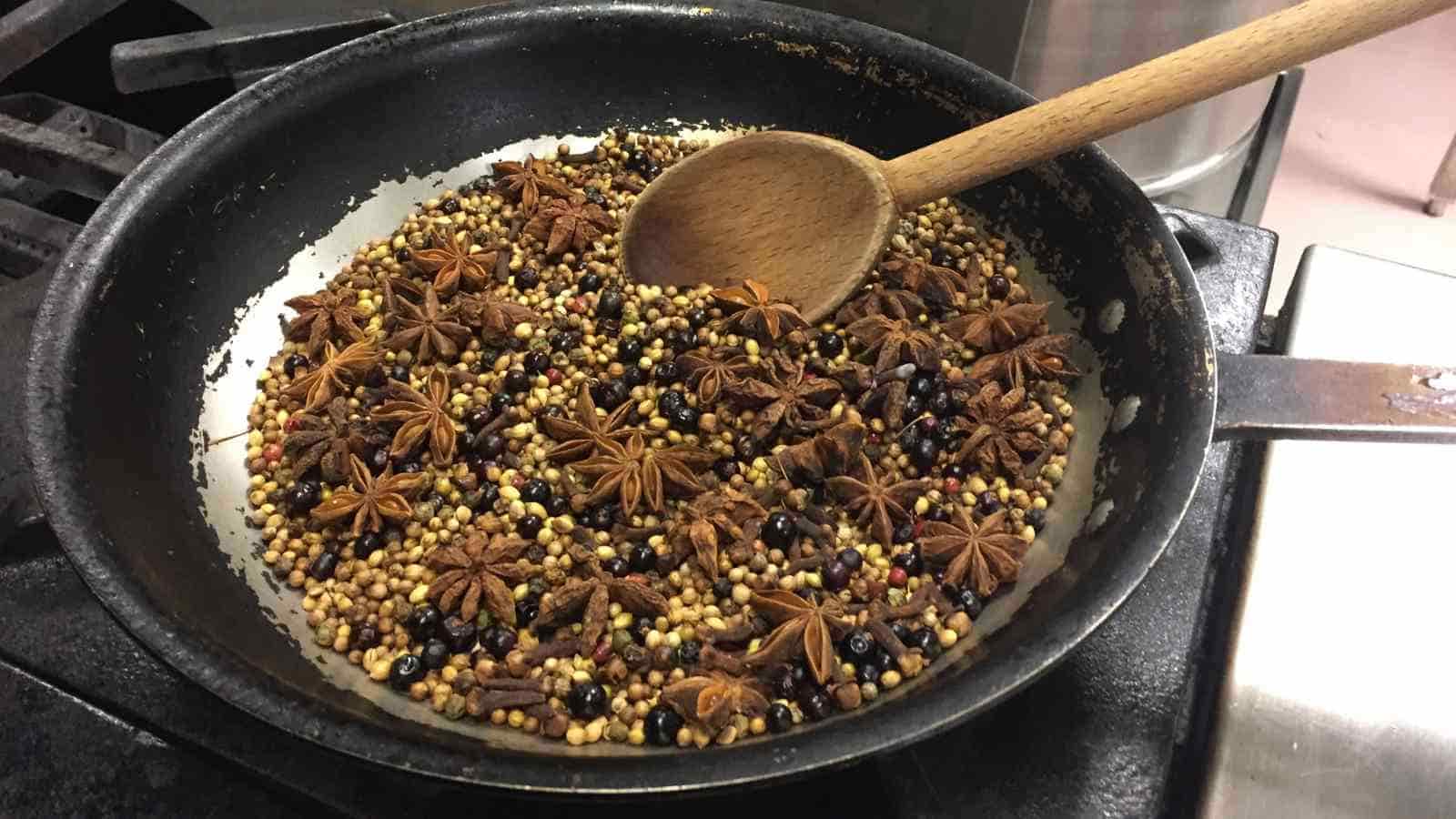
Dry toasting unlocks hidden depth in spices and nuts. Heat draws out natural oils, intensifying aromas and flavors. A curry or sauce made with toasted spices tastes fuller compared to one using them raw. Nuts also gain extra crunch and flavor when toasted before being added. Skipping this step means missing out on complexity.
They Make Compound Butters and Oils
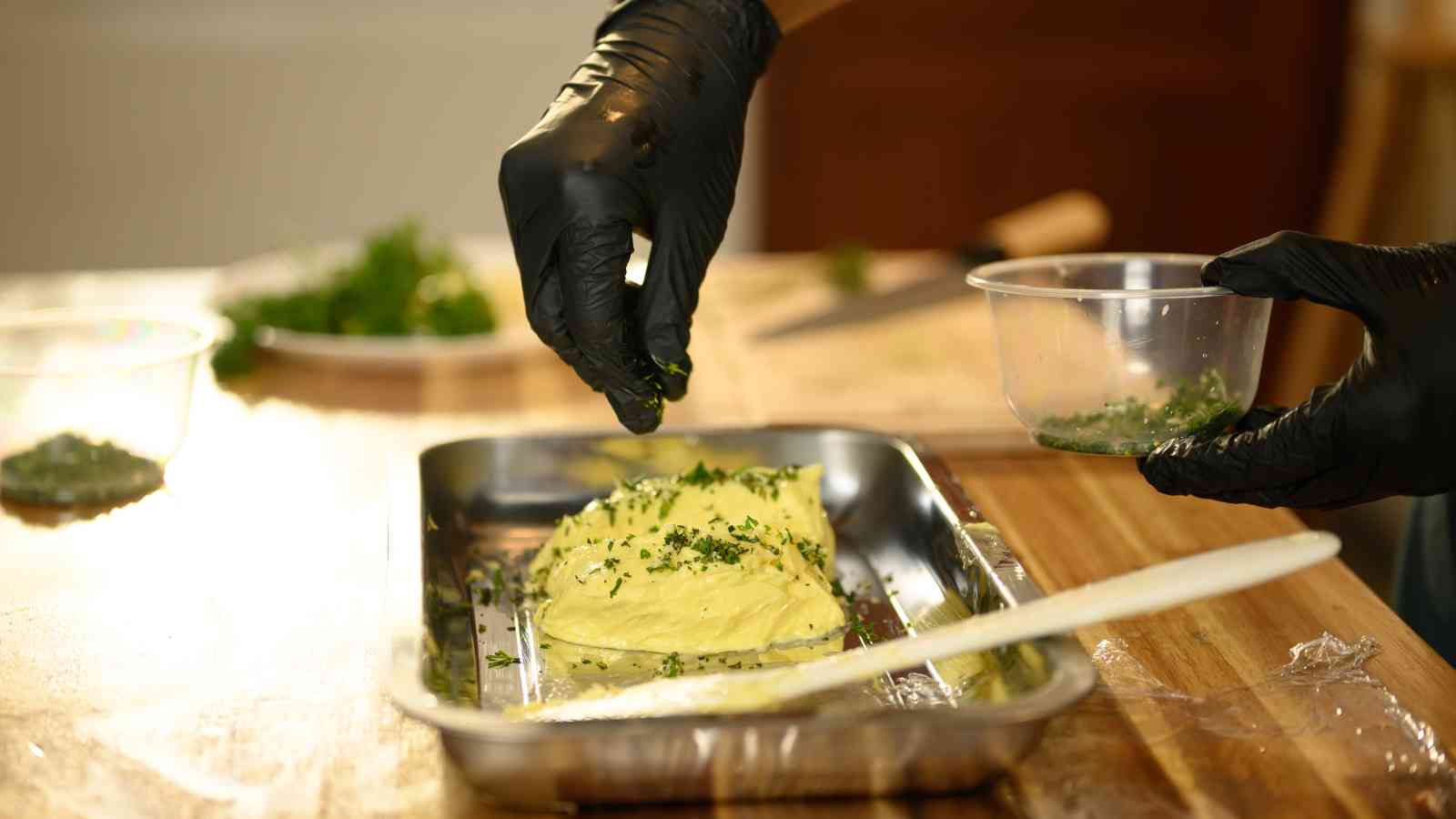
Pre-flavored or compound butters and oils are staples in restaurants. Garlic butter, chili oil, or herb butter can instantly finish a dish without extra effort during service. These ready-to-go condiments make every plate taste more polished. At home, most cooks don’t prepare them in advance. The result is often a simpler, less layered flavor.
They Use Bigger, Hotter Pans
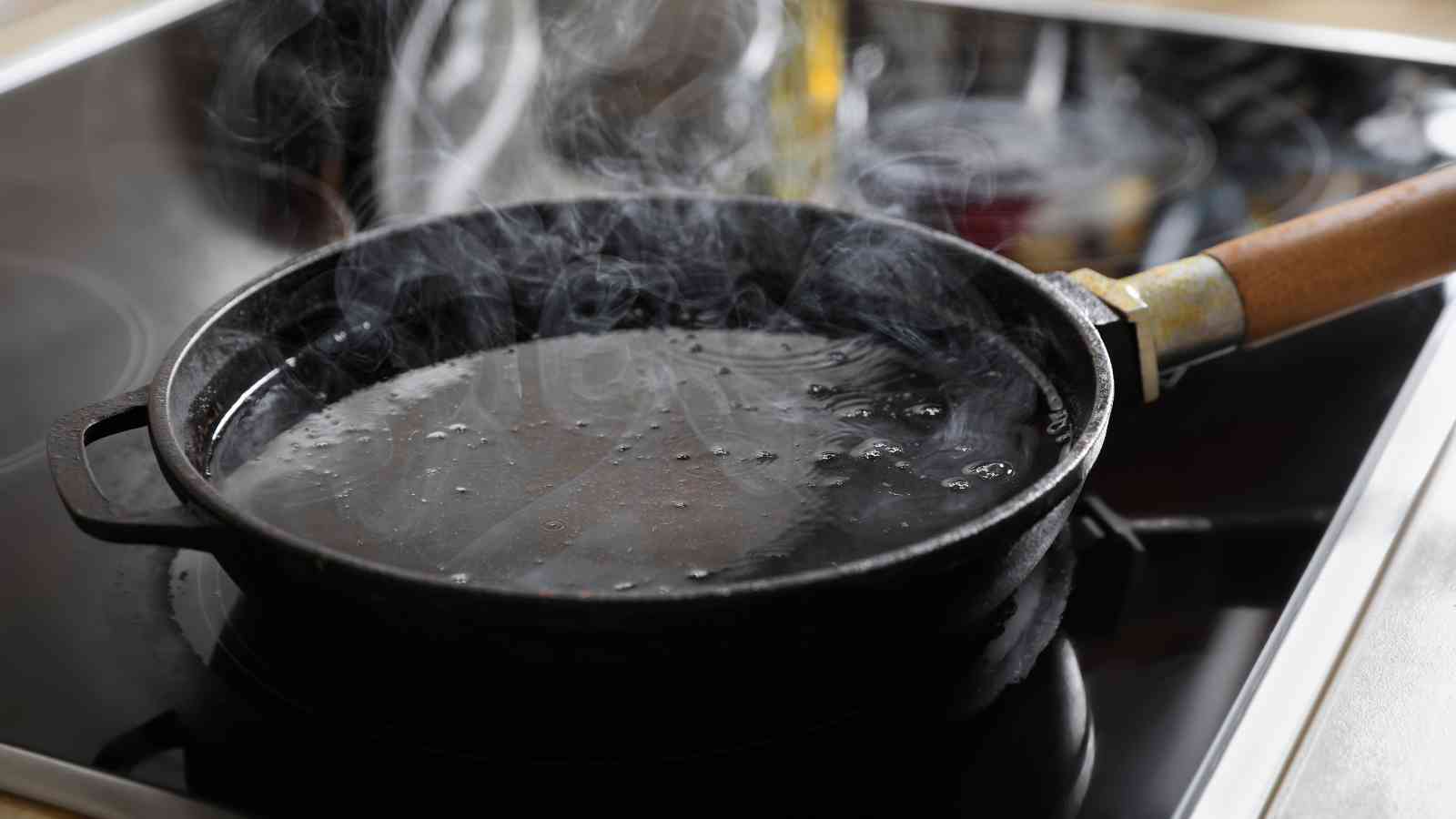
High heat and space are non-negotiable in restaurant kitchens. Large pans let food sear quickly without steaming. A blazing-hot skillet gives proteins a crust while locking in juices. Overcrowding a smaller pan at home often produces soggy food. Restaurants invest in equipment that delivers the high heat needed for proper searing.
They Add Hidden Sweetness
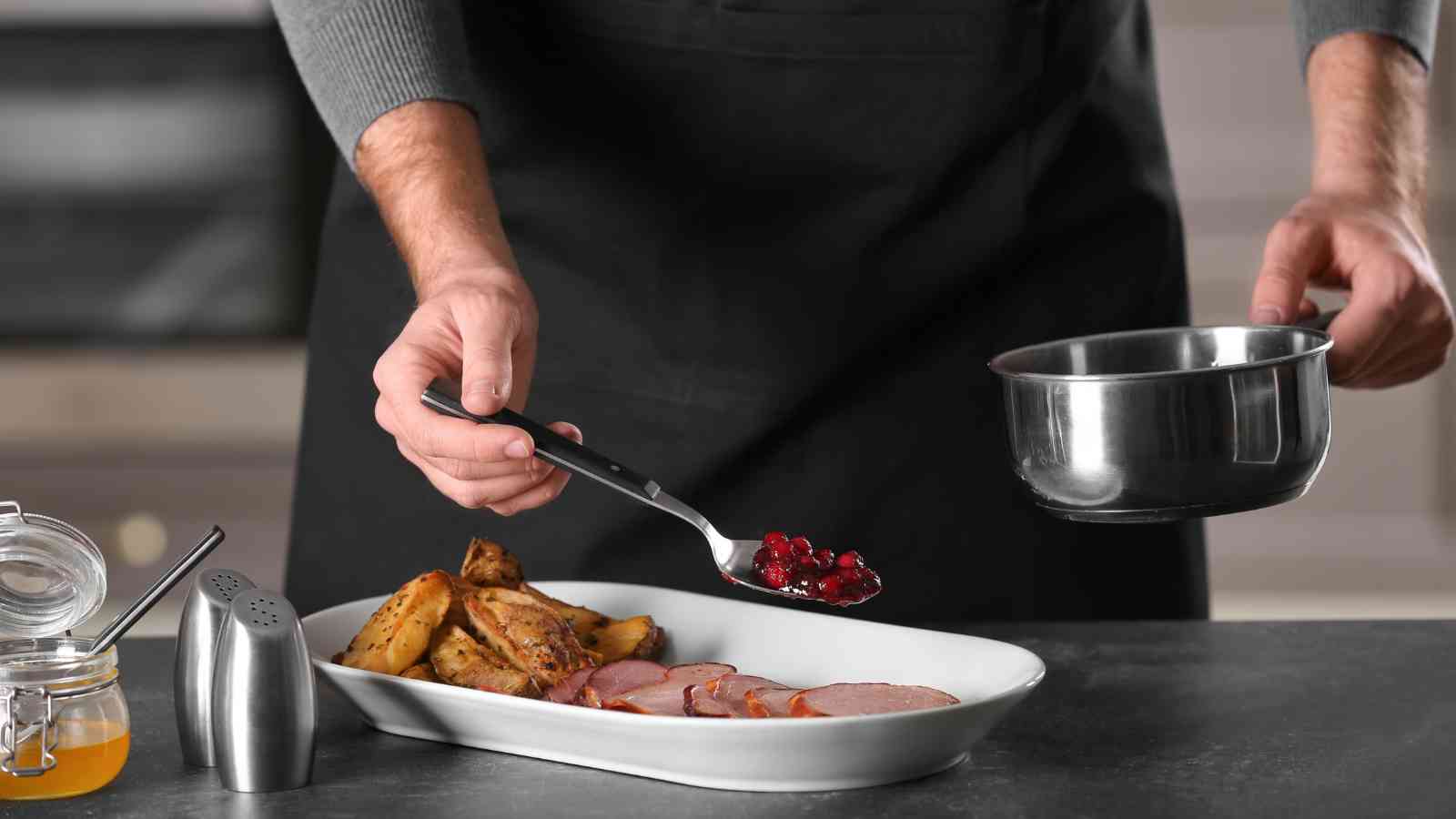
Small amounts of sugar, honey, or even fruit purées find their way into savory dishes. These touches balance acidity, bitterness, or spice without making food taste sugary. Tomato sauce, salad dressing, and marinades often contain a hint of sweetness. The effect is subtle but crucial for balance. Home cooks may miss this hidden layer entirely.
They Taste Constantly
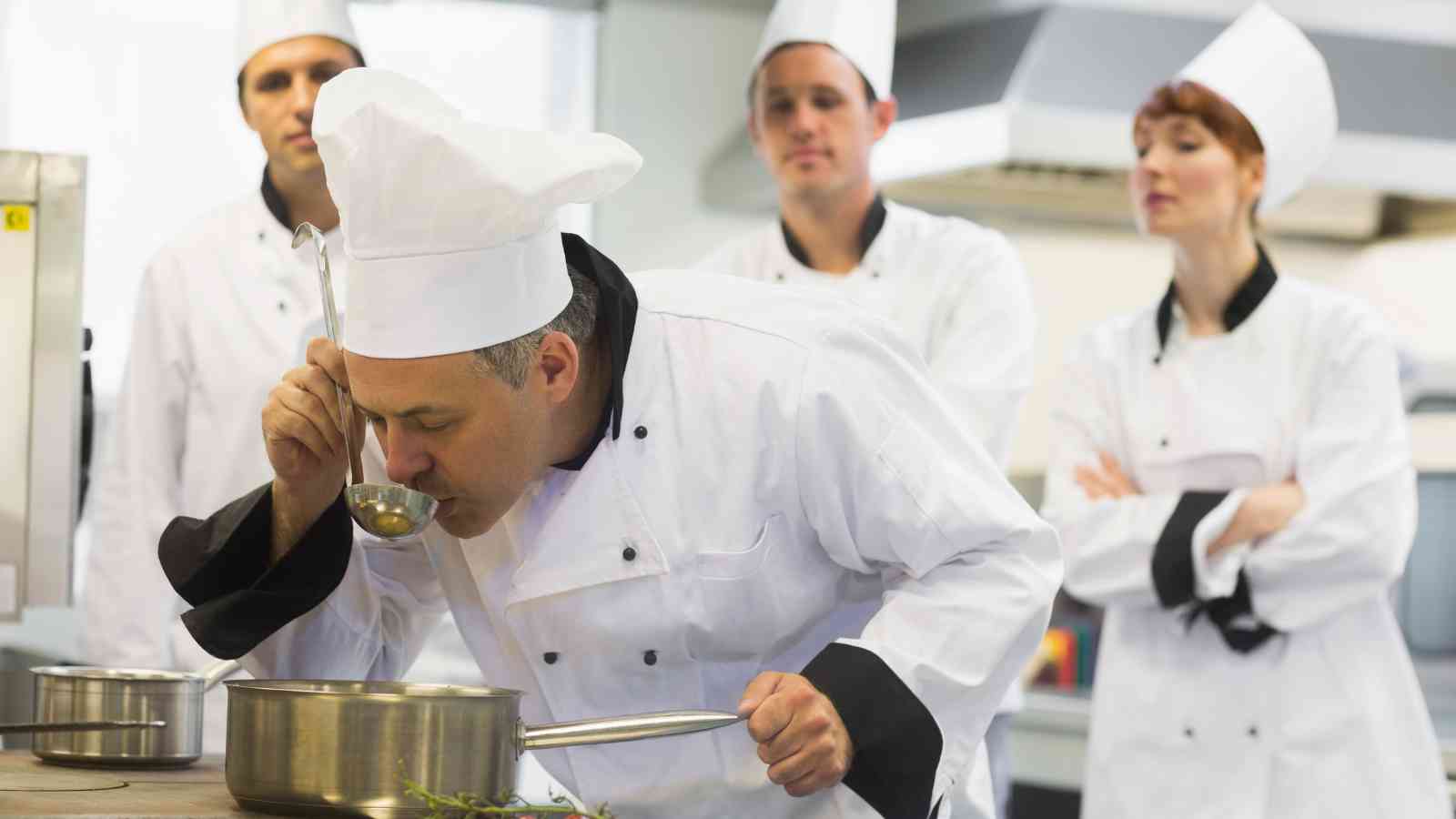
Constant tasting ensures food is always adjusted to perfection. Chefs don’t wait until the end to check seasoning—they taste at every stage. This allows for gradual fine-tuning of salt, acid, and spice. By the time the dish is served, every element feels balanced. Home cooks often test only at the finish line, missing chances to improve flavor earlier.
20 Ingredients You’ve Never Heard Of—But Should Try

These ingredients can change the structure of a dish, adding brightness, depth, or an entirely unexpected aroma. Each one brings with it a history of traditional uses, local craftsmanship, and cultural significance. By learning how to work with them, you gain not just new flavors, but insight into the places and people who have kept them alive through generations.
20 Foods That Were Out… But Are Trendy Again

Here are 20 perfect examples of foods that were once out of fashion but are now having their big moment again. Even humble ingredients, once dismissed as “old-fashioned,” are returning with creative recipes and upgraded presentations. What’s fascinating is how these foods bridge generations—appealing to those who remember them the first time and to younger audiences tasting them fresh.

Tamara Tsaturyan is the owner and writer of Thriving In Parenting, a website focused on providing simple tips for busy parents — easy and healthy recipes, home decor and organization ideas and all things P A R E N T I N G.

Share Your Thoughts!
I love to know your thoughts, make sure to comment below to start a discussion! You can also follow me on your favorite social network below.