Across kitchens worldwide, there are flavors that rarely make it into mainstream cooking yet have been essentials in their native cuisines for centuries. Some are harvested only in specific climates, giving them qualities impossible to replicate elsewhere. Others are prepared through slow, intricate methods that transform their taste and texture in ways most home cooks have never experienced. These ingredients can change the structure of a dish, adding brightness, depth, or an entirely unexpected aroma. Each one brings with it a history of traditional uses, local craftsmanship, and cultural significance. By learning how to work with them, you gain not just new flavors, but insight into the places and people who have kept them alive through generations.
This post contains affiliate links. If you click the highlighted links and make a purchase, I may receive a commission at no additional cost to you.

Sumac
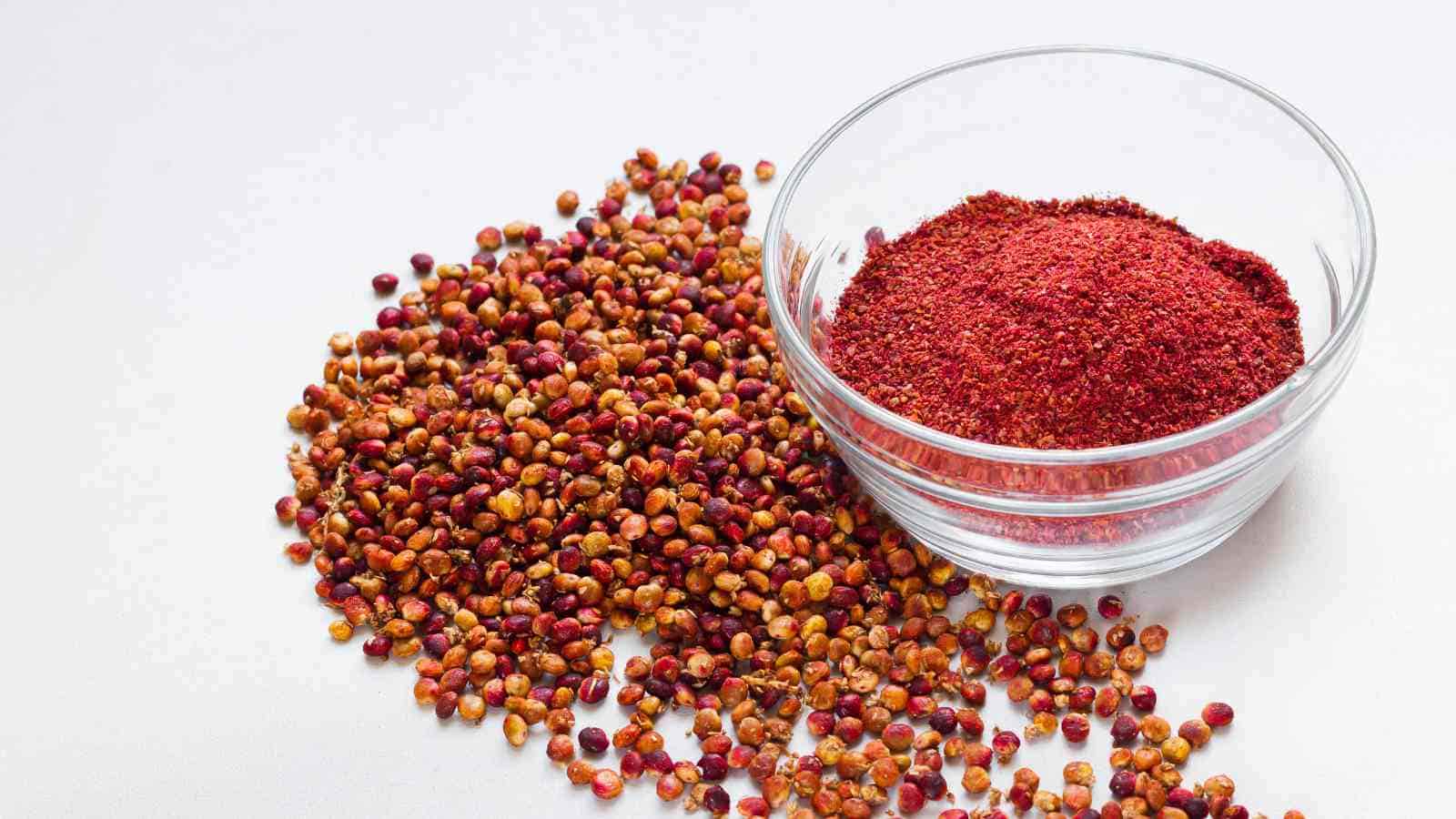
A staple in Middle Eastern cooking, sumac is a deep-red spice made from dried and ground berries of the Rhus plant. Its flavor is tangy and slightly astringent, often compared to lemon but with a softer acidity. Add-ons to salads, sprinkled on grilled meats or dips like hummus, sumac instantly brightens the dish. It’s particularly popular in za’atar spice blends and fattoush salad for a sharp, refreshing note. Sumac also balances fatty or rich dishes by cutting through heaviness with its clean, citrus-like finish.
Get This Product: Sumac
Freekeh

Harvested while still young and green, freekeh is a roasted wheat grain originating in the Middle East. The roasting process imparts a distinct smoky, nutty flavor that sets it apart from other grains. It’s ideal for pilafs, grain bowls, or hearty soups, holding its texture even after long cooking. With high fiber and protein content, freekeh is valued as both nutritious and flavorful. It pairs especially well with roasted vegetables, legumes, and bold spices.
Get This Product: Freekeh
Ube
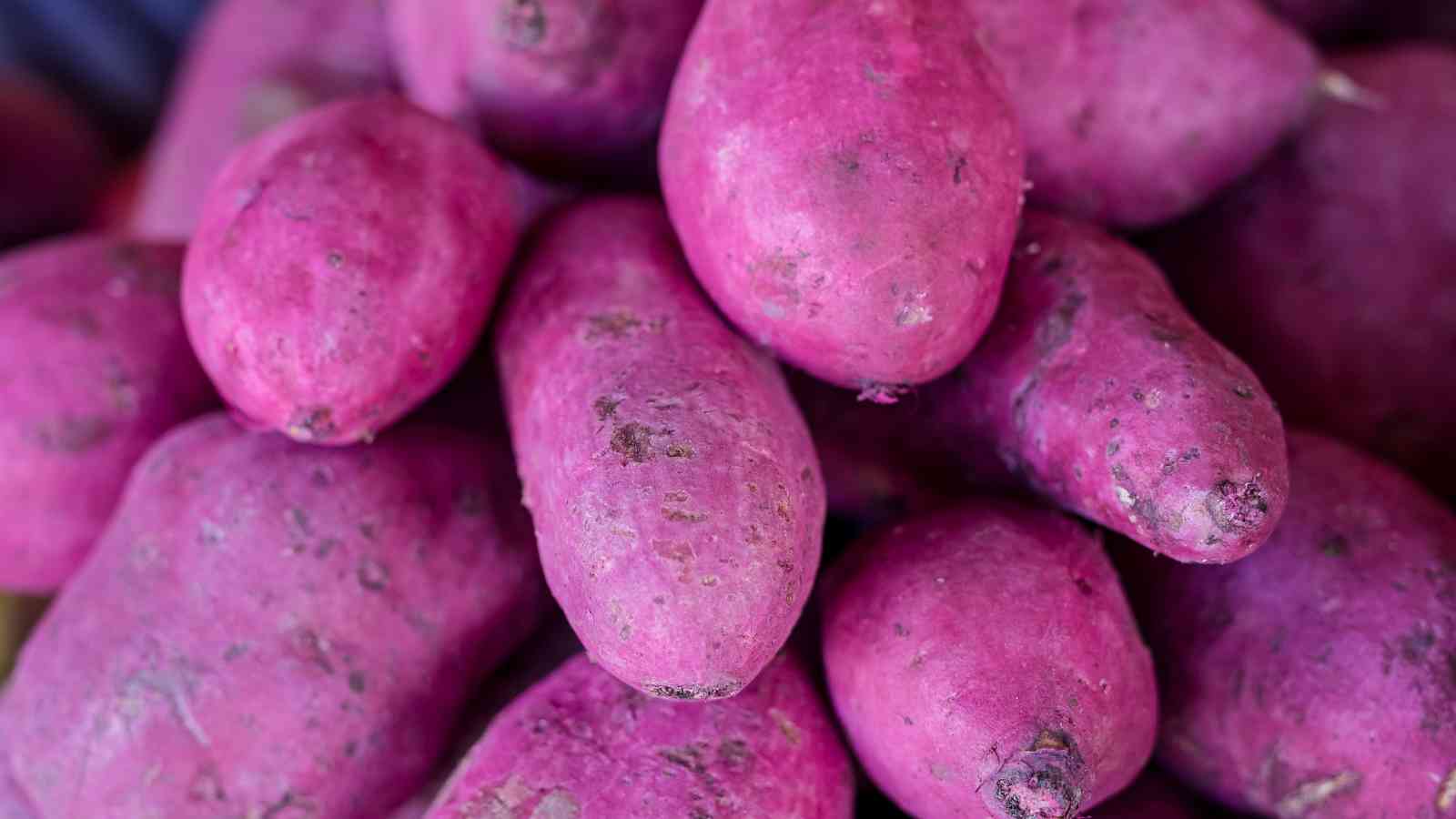
Native to the Philippines, ube is a vibrant purple yam known for its naturally sweet and earthy flavor. Its striking color comes from anthocyanins, antioxidants also found in blueberries and purple sweet potatoes. Commonly used in cakes, ice cream, and halaya (a type of jam), it adds both flavor and visual appeal. Ube’s mild sweetness allows it to work in both creamy desserts and baked goods, and it’s equally delicious in creative twists like ube pancakes. Its color remains vivid even after cooking, making it a favorite for eye-catching treats.
Yuzu
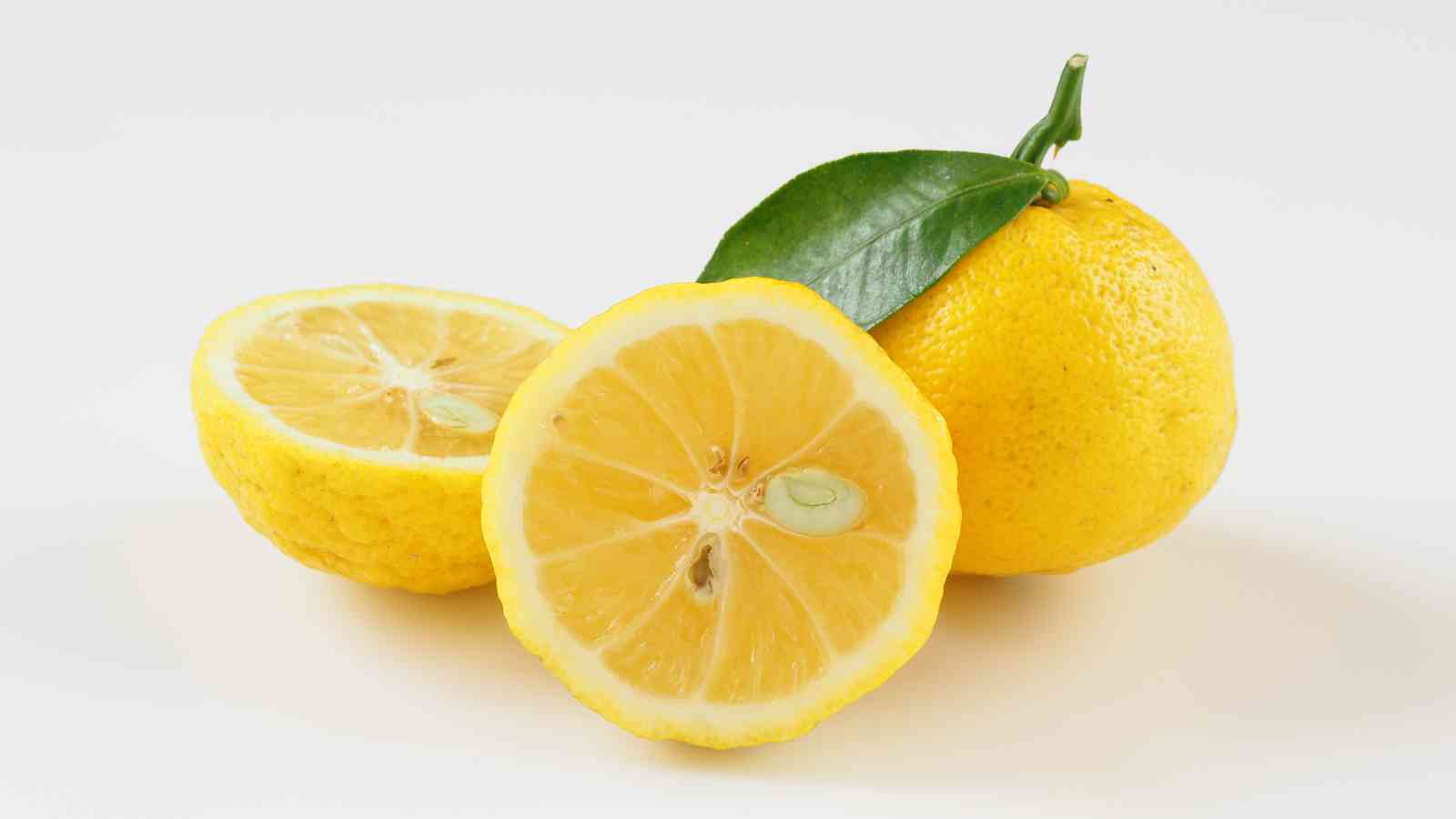
A Japanese citrus fruit, yuzu has a highly aromatic rind and a complex tartness that combines elements of grapefruit, lemon, and mandarin. The juice is rarely consumed on its own but is prized in marinades, vinaigrettes, ponzu sauce, and cocktails. Yuzu’s zest can infuse baked goods or desserts with an intensely fresh aroma. Its essential oils are so fragrant they’re also used in perfumes and bath products. The fruit’s rarity outside Asia makes it a sought-after flavor in gourmet cooking.
Ajvar
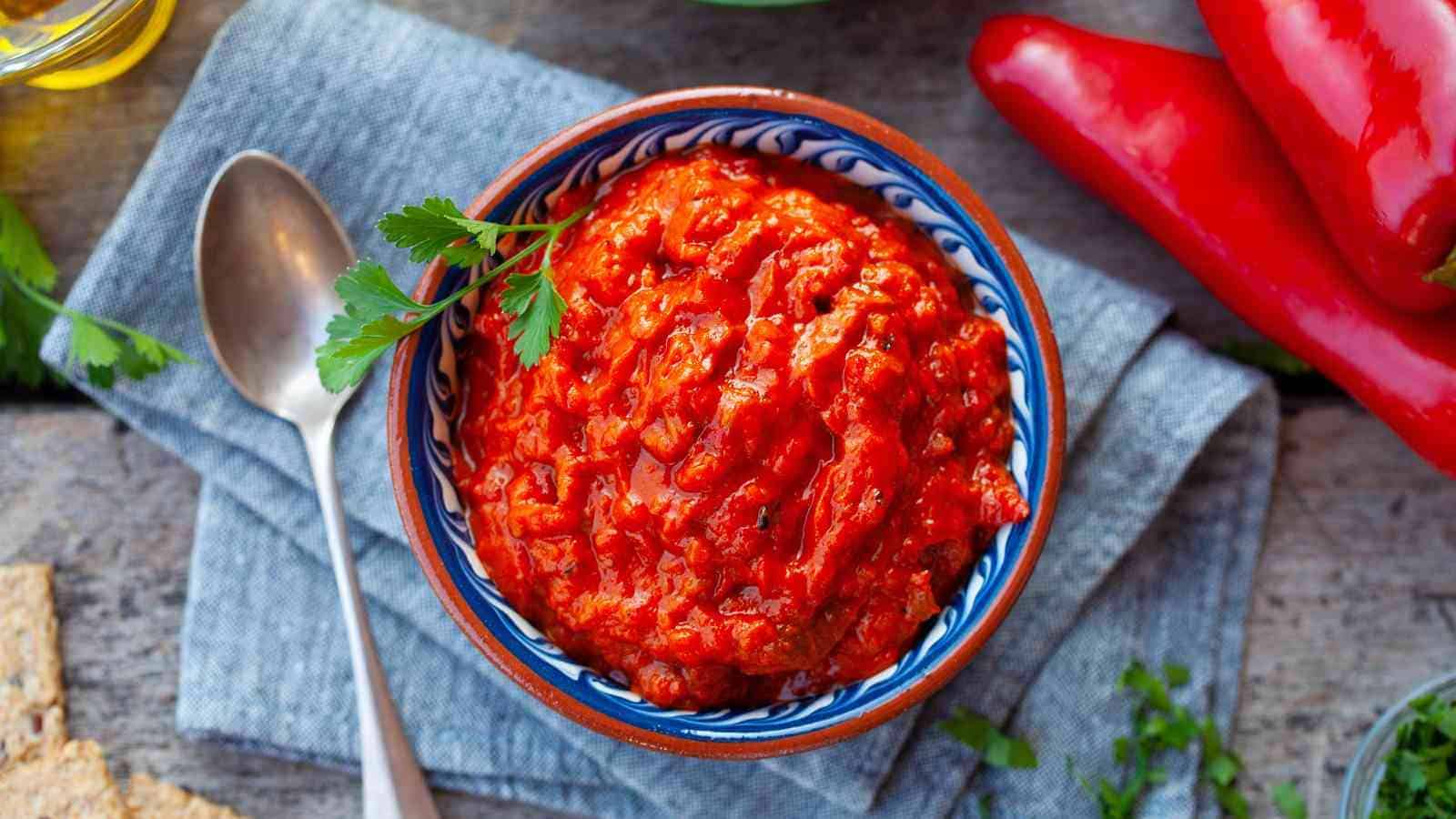
Originating from the Balkans, ajvar is a smooth spread made from roasted red peppers, eggplant, garlic, and sometimes chili. It has a deep, smoky sweetness with a subtle savory backbone. Traditionally served with bread, grilled meats, or as a condiment, it’s versatile enough to use in pasta sauces or as a pizza topping. Ajvar is rich in antioxidants from the peppers and provides a concentrated vegetable flavor. Both mild and hot versions exist, depending on the amount of chili added.
Get This Product: Ajvar
Teff

Teff is a tiny gluten-free grain native to Ethiopia and Eritrea, known for being one of the smallest grains in the world. It has a mild, nutty flavor and is the key ingredient in injera, a spongy Ethiopian flatbread. High in protein, iron, and calcium, teff is often ground into flour for baking or cooked whole into porridge. Its earthy taste works well in both sweet and savory dishes. Slow cooking brings out its rich aroma and slightly sweet undertones.
Get This Product: Teff
Shiso
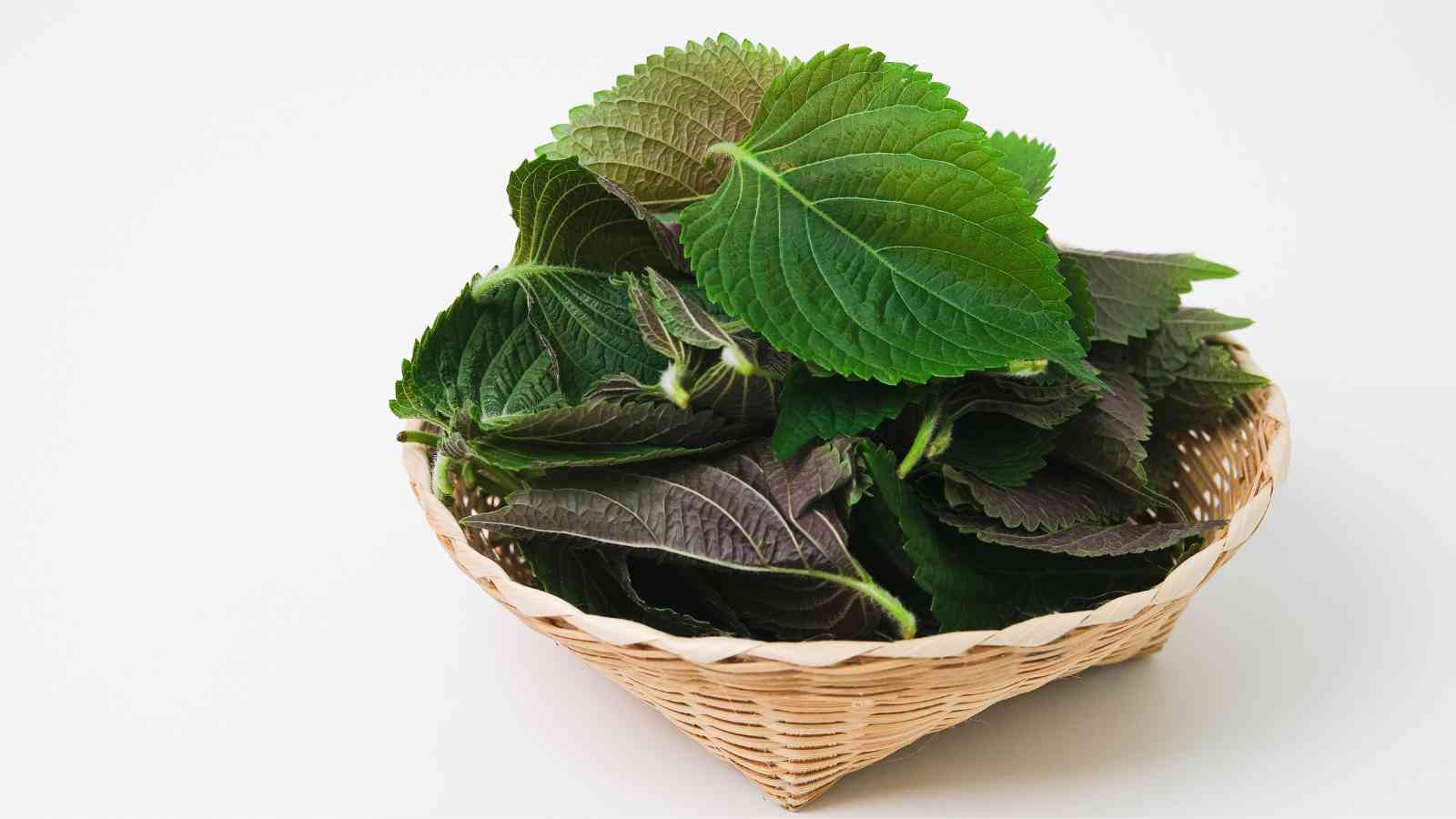
Part of the mint family, shiso is a Japanese herb with a bright, slightly peppery, and minty taste. It comes in green and red varieties, each offering subtle differences in flavor. Often used to wrap sushi or garnish sashimi, it can also be added to salads, pickles, and cocktails. The herb’s aromatic oils give a refreshing lift to dishes, especially when paired with seafood. In Japan, it’s also valued for its antibacterial properties, making it both flavorful and functional.
Dukkah
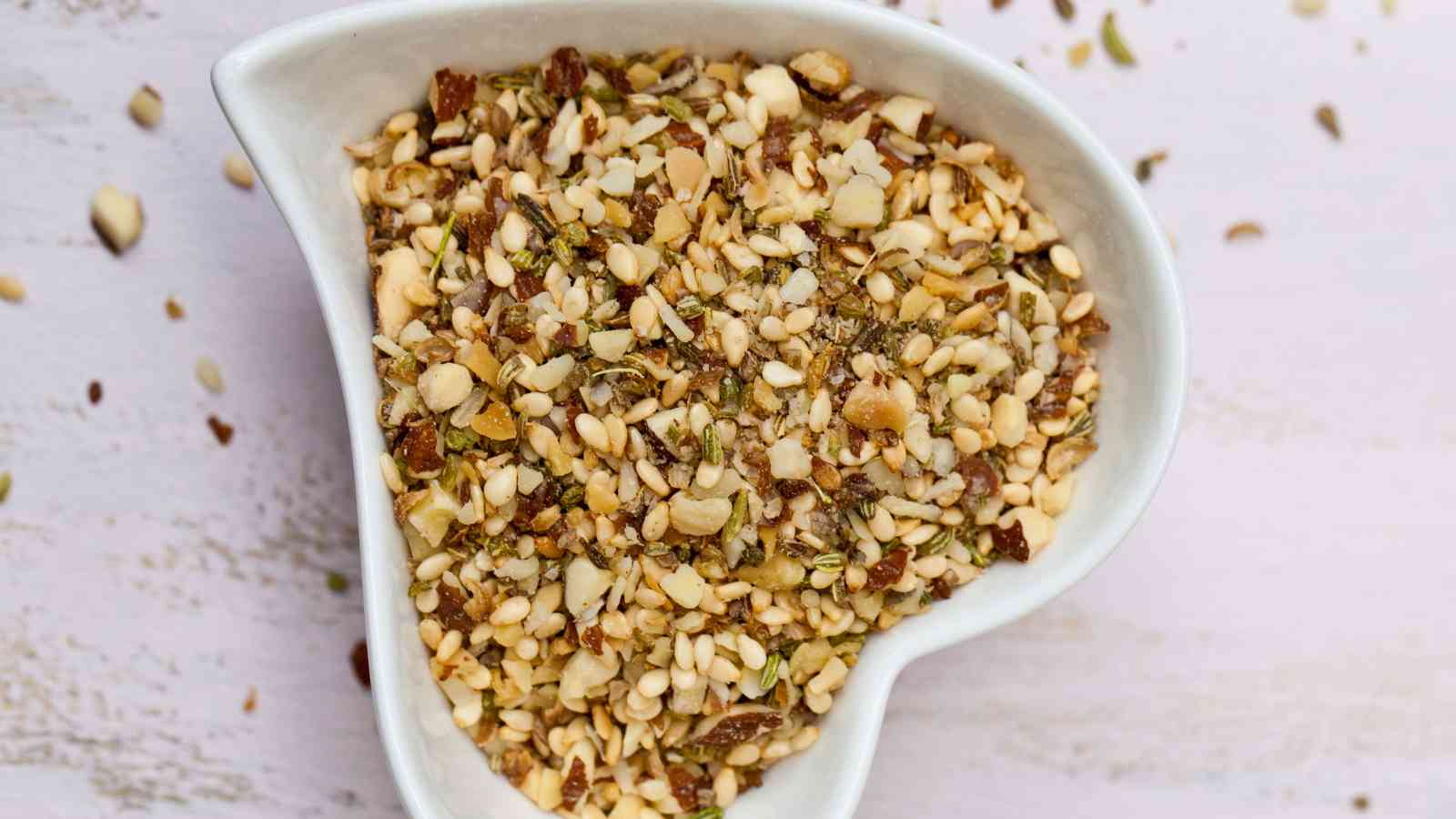
An Egyptian seasoning mix, dukkah combines roasted nuts, seeds, and spices such as coriander and cumin. The texture is coarse, making it perfect for dipping bread into olive oil and then into the blend. Beyond bread, dukkah can be sprinkled over roasted vegetables, grilled meats, or avocado toast for extra crunch and flavor. Its nutty, aromatic profile enhances both texture and taste in simple dishes. The mix varies by region, with families often passing down their own signature recipes.
Get This Product: Dukkah
Kashk
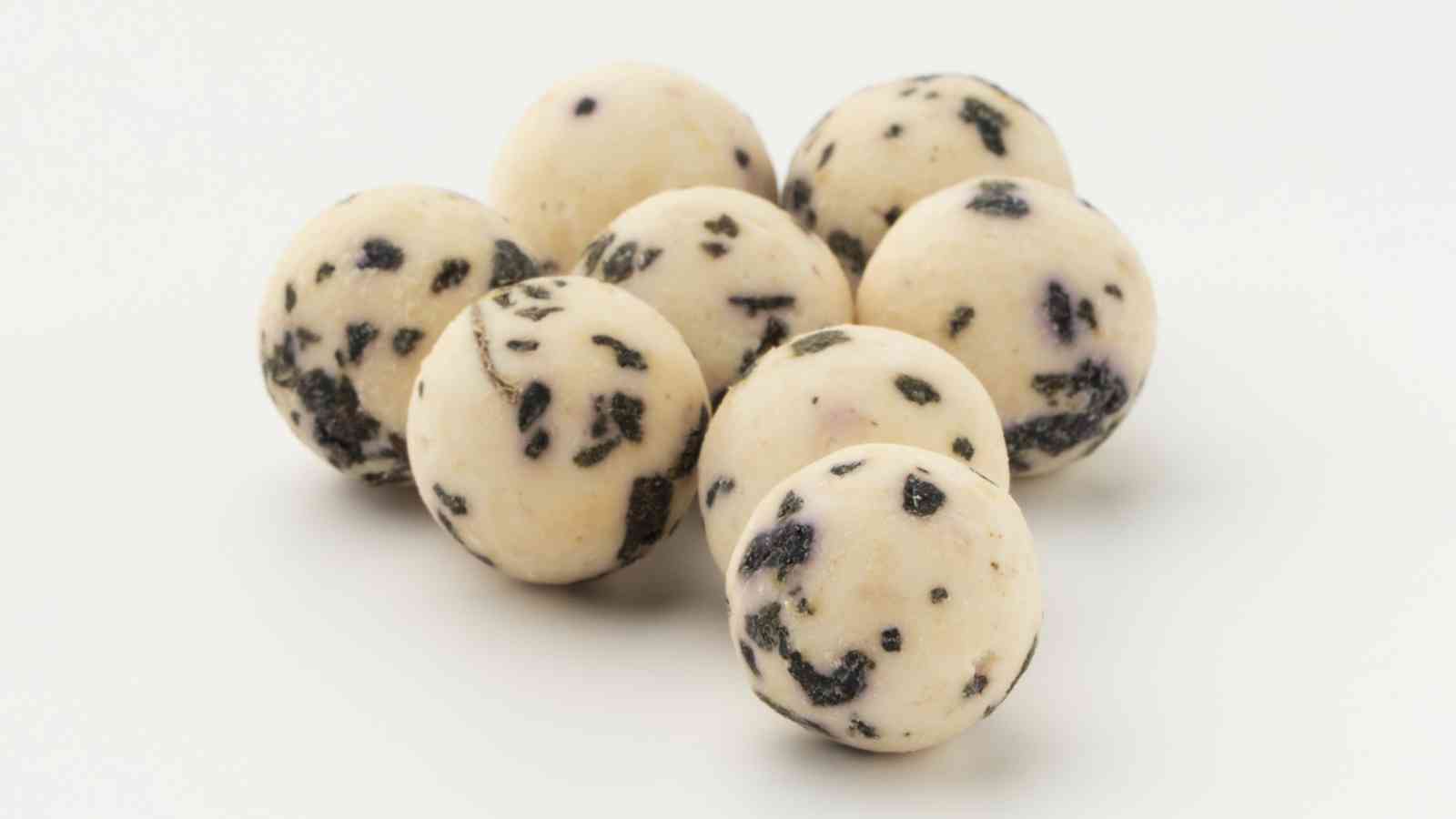
A fermented dairy product common in Persian cuisine, kashk is made from drained yogurt or curd that is dried and rehydrated. It has a tangy, slightly salty flavor that adds depth to soups, stews, and sauces. One famous dish featuring kashk is kashk-e bademjan, an eggplant dip. Its complex taste comes from lactic fermentation, which develops savory umami notes. Kashk also adds creaminess without the heaviness of fresh cream.
Pandan
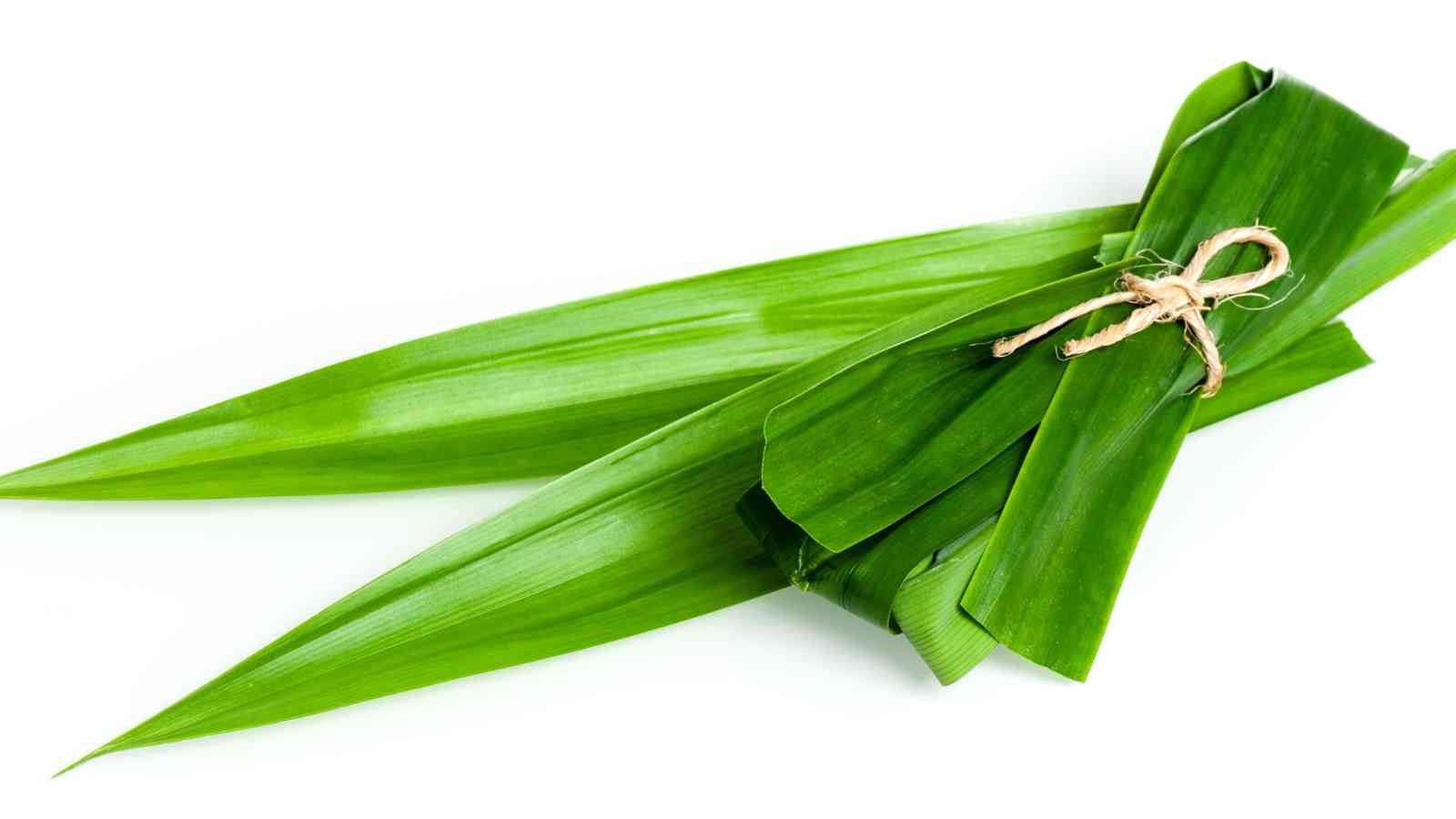
Pandan leaves, widely used in Southeast Asia, release a sweet, floral aroma when cooked. Often compared to vanilla in terms of its role in flavoring, pandan is used in rice dishes, cakes, and drinks. Its natural green pigment can also color desserts without artificial dyes. When infused into coconut milk or custard, pandan gives a distinct tropical fragrance. The leaf is usually tied into knots or blended and strained for its juice before cooking.
Black Garlic

Made by slowly fermenting garlic bulbs over several weeks, black garlic develops a dark, soft texture and deep umami flavor. Its taste is sweet and tangy, reminiscent of balsamic vinegar and molasses. Often used in sauces, marinades, or as a spread, it brings complexity to both savory and sweet dishes. Black garlic also has higher antioxidant levels than raw garlic. Its mildness makes it suitable for recipes where regular garlic might be too sharp.
Berbere
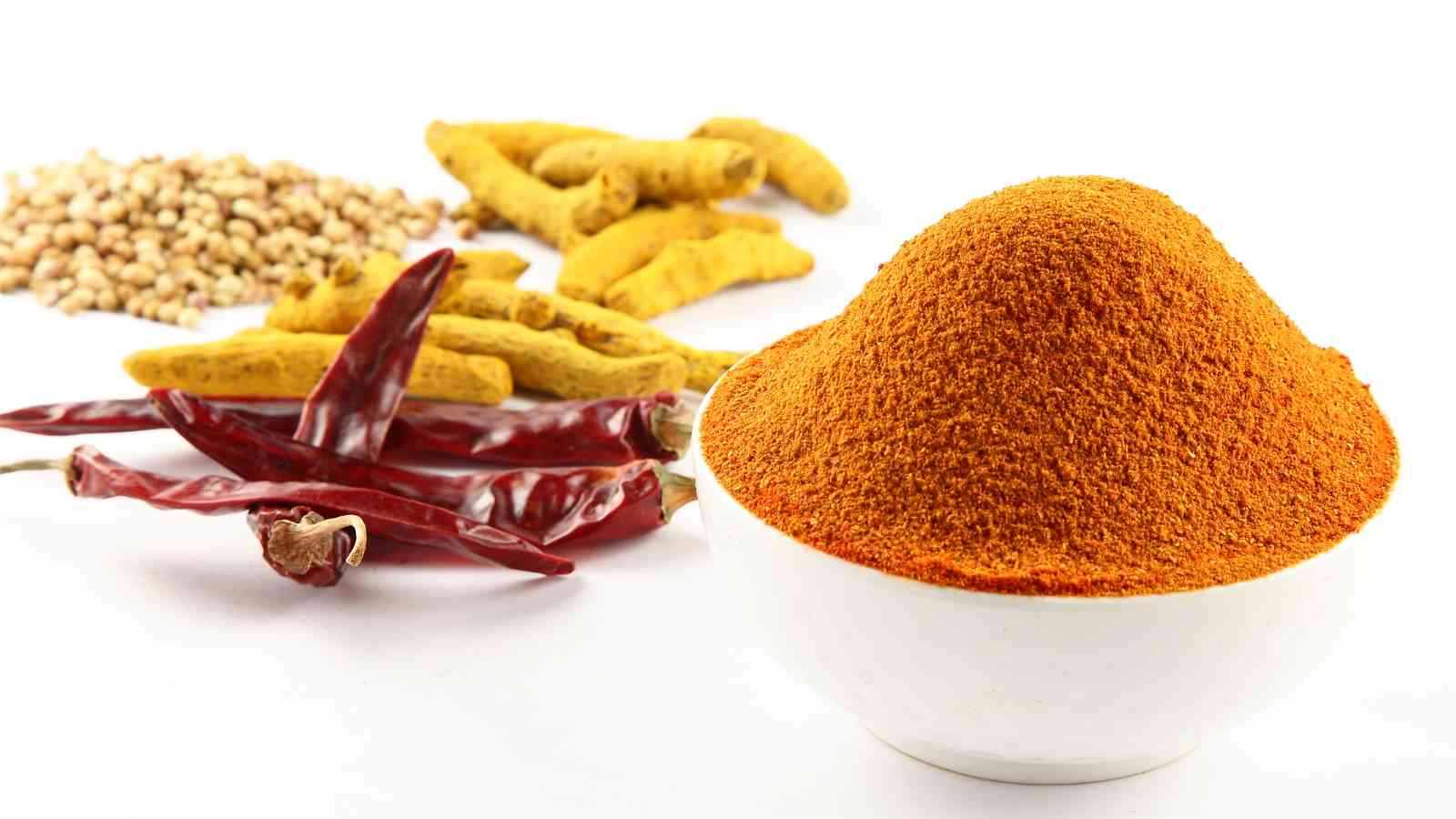
A cornerstone of Ethiopian cooking, berbere is a spice blend containing chili peppers, ginger, garlic, fenugreek, and aromatic spices. It offers a bold heat balanced with warmth and earthiness. Commonly used in stews like doro wat, it also works well as a dry rub for meats or seasoning for roasted vegetables. Berbere’s complexity comes from its layered flavors that deepen during slow cooking. The mix can vary slightly between households, reflecting personal and regional preferences.
Get This Product: Berbere
Finger Limes
Known as “citrus caviar,” finger limes are small, elongated fruits native to Australia. Inside, they hold tiny juice-filled pearls that burst with tangy flavor. These pearls are ideal for garnishing seafood, salads, or cocktails, adding both texture and acidity. Their flavor resembles lime but with a more delicate, floral note. Finger limes are often prized in fine dining for their visual appeal and fresh taste.
Sea Beans
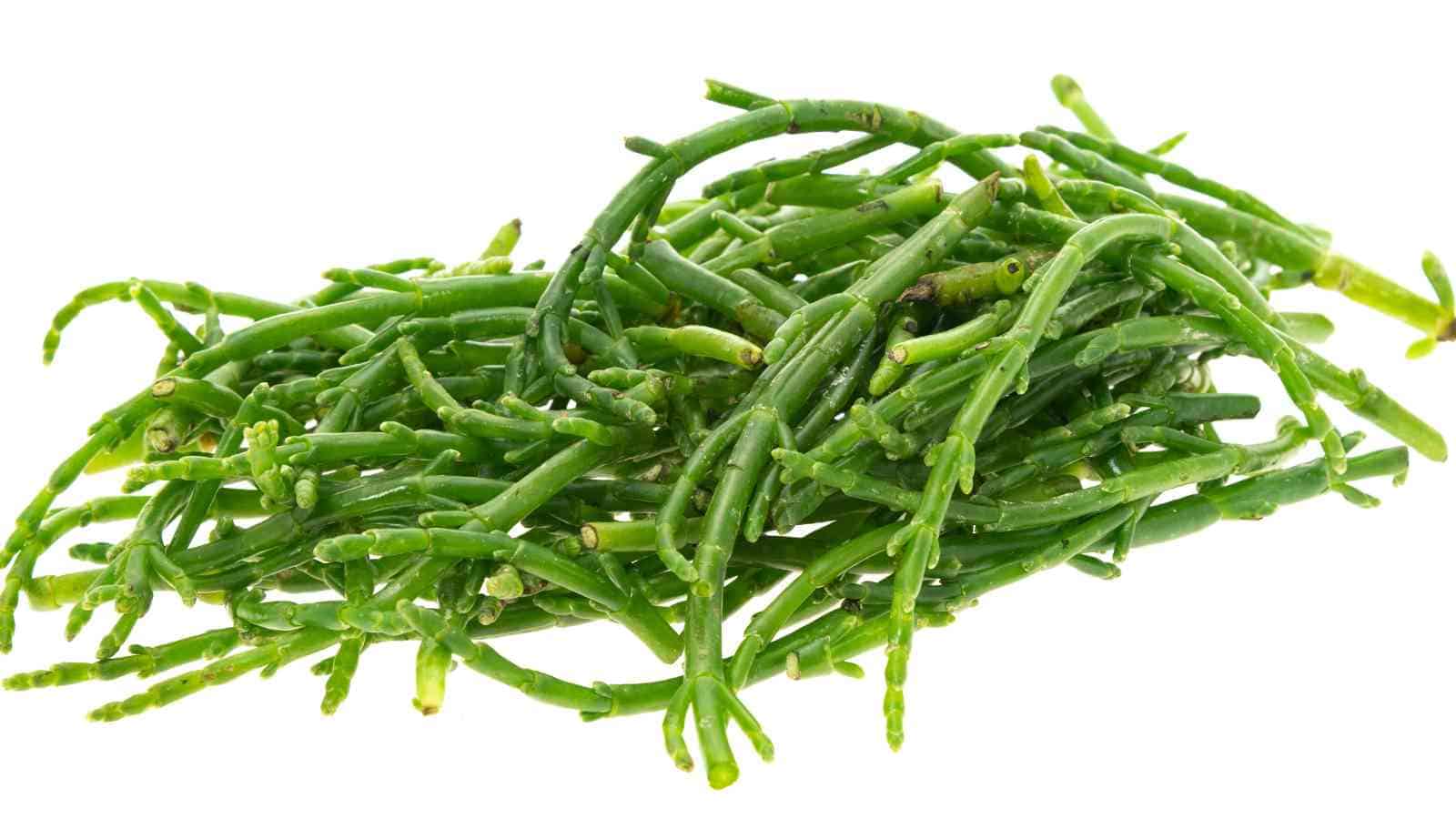
Also known as samphire, sea beans are succulent greens that grow in coastal areas. They have a crisp texture and a naturally salty flavor from their marine habitat. Lightly steaming or sautéing preserves their crunch while mellowing their briny bite. They pair particularly well with fish, seafood pastas, and fresh salads. Rich in minerals, sea beans add both nutrition and a distinctive oceanic note to meals.
Salsify
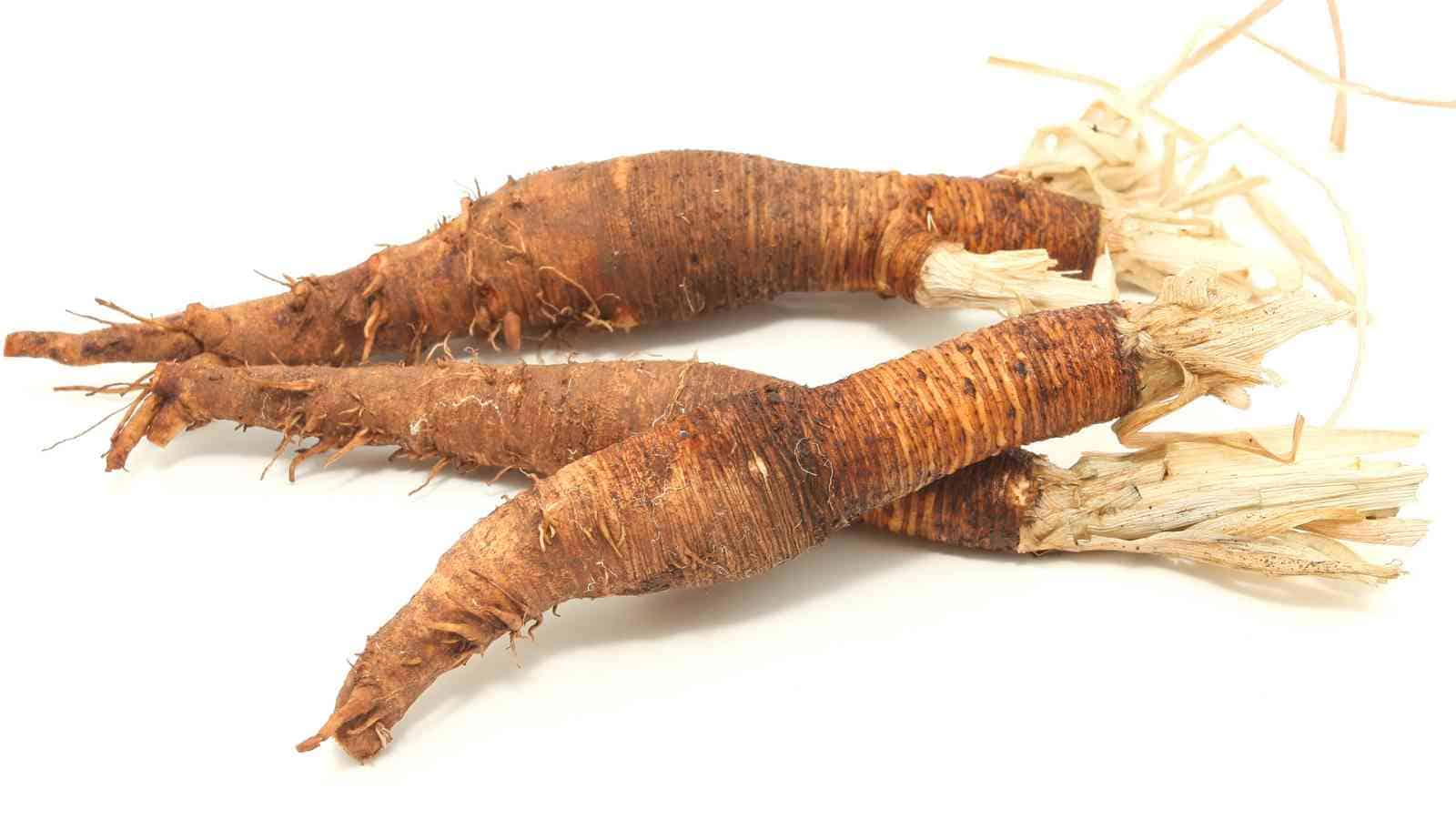
Salsify is a root vegetable with an appearance similar to a parsnip but a delicate flavor often compared to oysters. It becomes tender and subtly sweet when roasted or simmered. Chefs also puree it into soups for a creamy texture without added dairy. Its mild seafood-like essence pairs well with butter, cream, and fresh herbs. The root is a winter crop, making it a seasonal favorite in cooler months.
Epazote
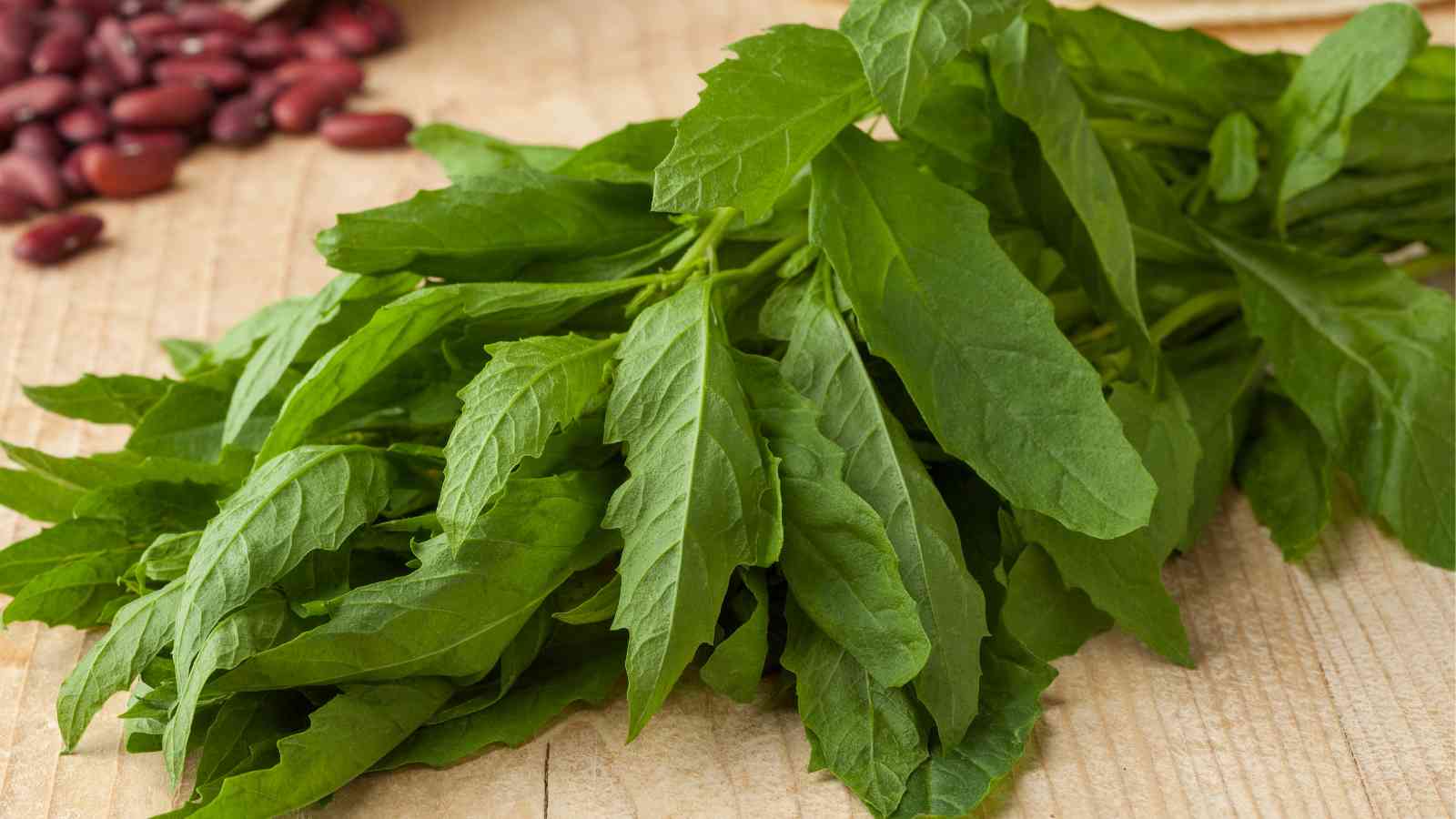
A pungent herb native to Mexico and Central America, epazote has a sharp, slightly medicinal flavor. It is traditionally cooked with beans to reduce gas and enhance flavor. The taste is strong, so it’s usually added in small amounts near the end of cooking. Epazote complements chili, quesadillas, and soups with its unique aroma. Fresh leaves are preferred, but dried epazote is also available for year-round use.
Persimmon
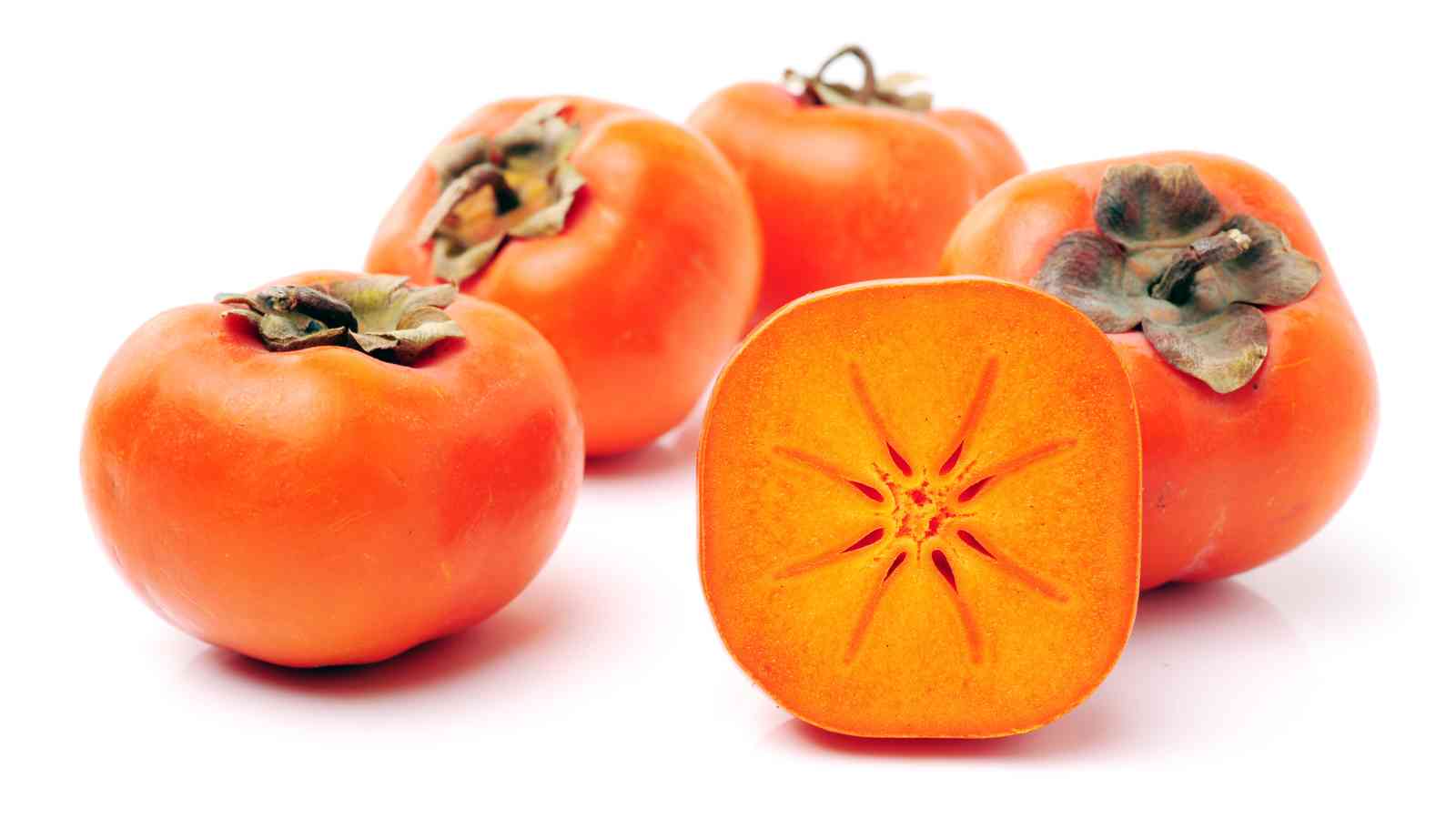
Persimmons are sweet, orange fruits that range from crisp to soft depending on variety. The honey-like flavor intensifies as the fruit ripens, making it ideal for baking into breads, cakes, or cookies. Fresh persimmons can be sliced into salads or eaten on their own. Some varieties, like Hachiya, are best enjoyed fully ripe to avoid bitterness. They are also rich in beta-carotene and vitamin C, contributing both flavor and nutrition.
Gooseberries

Gooseberries are small, tart berries that can be green, red, yellow, or purple. They have a tangy flavor that works well in both sweet and savory dishes. Gooseberry jam and pies are classic uses, but they also pair beautifully with fatty meats like pork or duck. Their high pectin content makes them ideal for preserves. Gooseberries are also a source of vitamin C and antioxidants.
Grains of Paradise
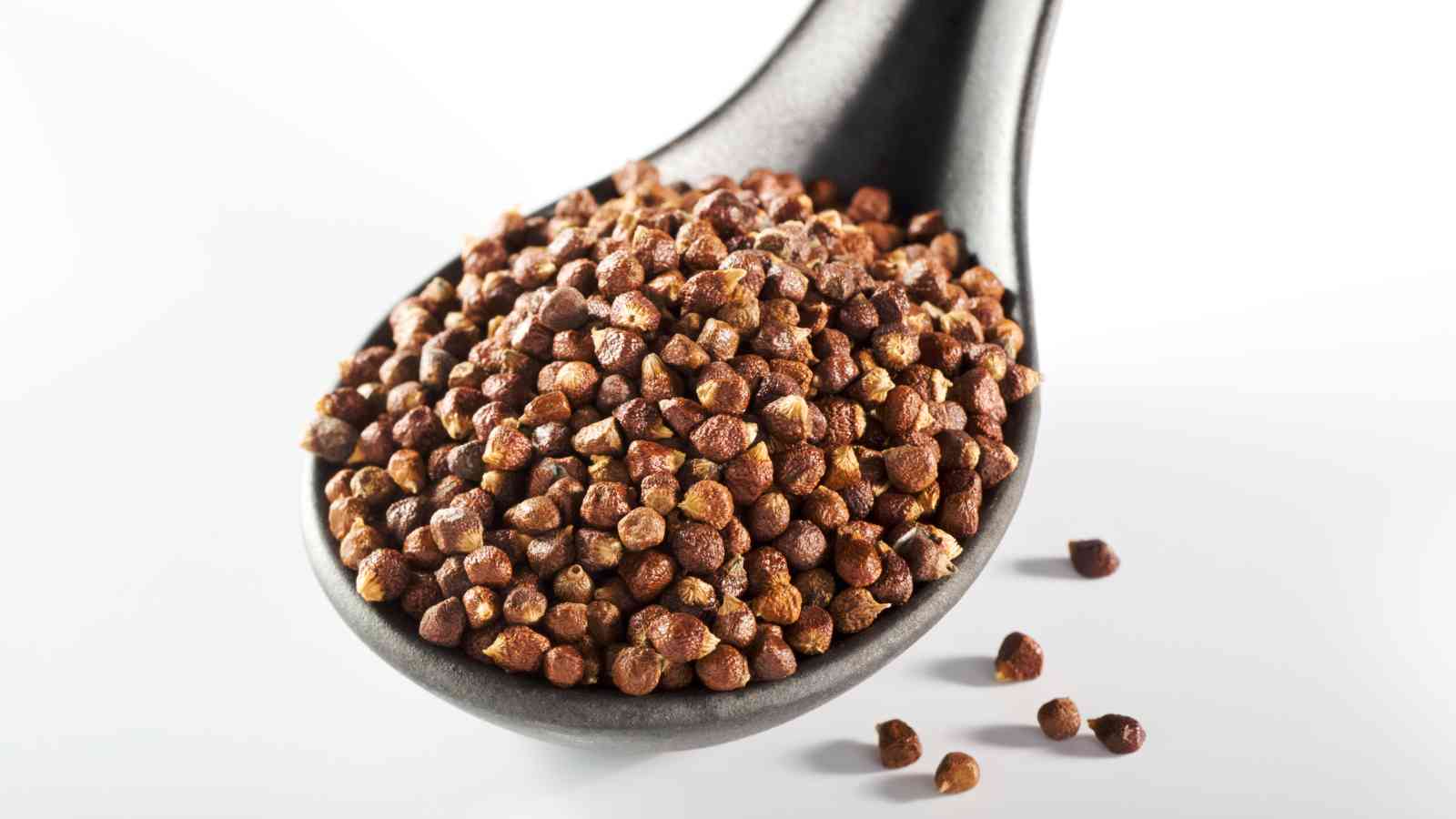
Native to West Africa, grains of paradise are seeds from a plant in the ginger family, offering a peppery flavor with hints of citrus and cardamom. They were once a prized spice in medieval Europe before black pepper became more common. Used whole or ground, they add complexity to stews, spice rubs, and even craft beers. The spice brings a warm, aromatic heat that’s less sharp than pepper. It’s also popular in seasoning blends for grilled meats and roasted vegetables.
Get This Product: Grains of Paradise
Moringa Leaves

Harvested from the moringa tree, these leaves are nutrient-dense and used in both fresh and dried forms. They have a slightly earthy, spinach-like flavor when cooked. In South Asian and African cuisines, moringa leaves are added to soups, curries, and stir-fries. They’re also dried and ground into powder for teas or smoothies, boosting vitamin and mineral intake. Cooking the leaves softens their texture while preserving their distinctive herbal taste.
15 Weird Food Combos That Are Way More Popular Than You’d Think
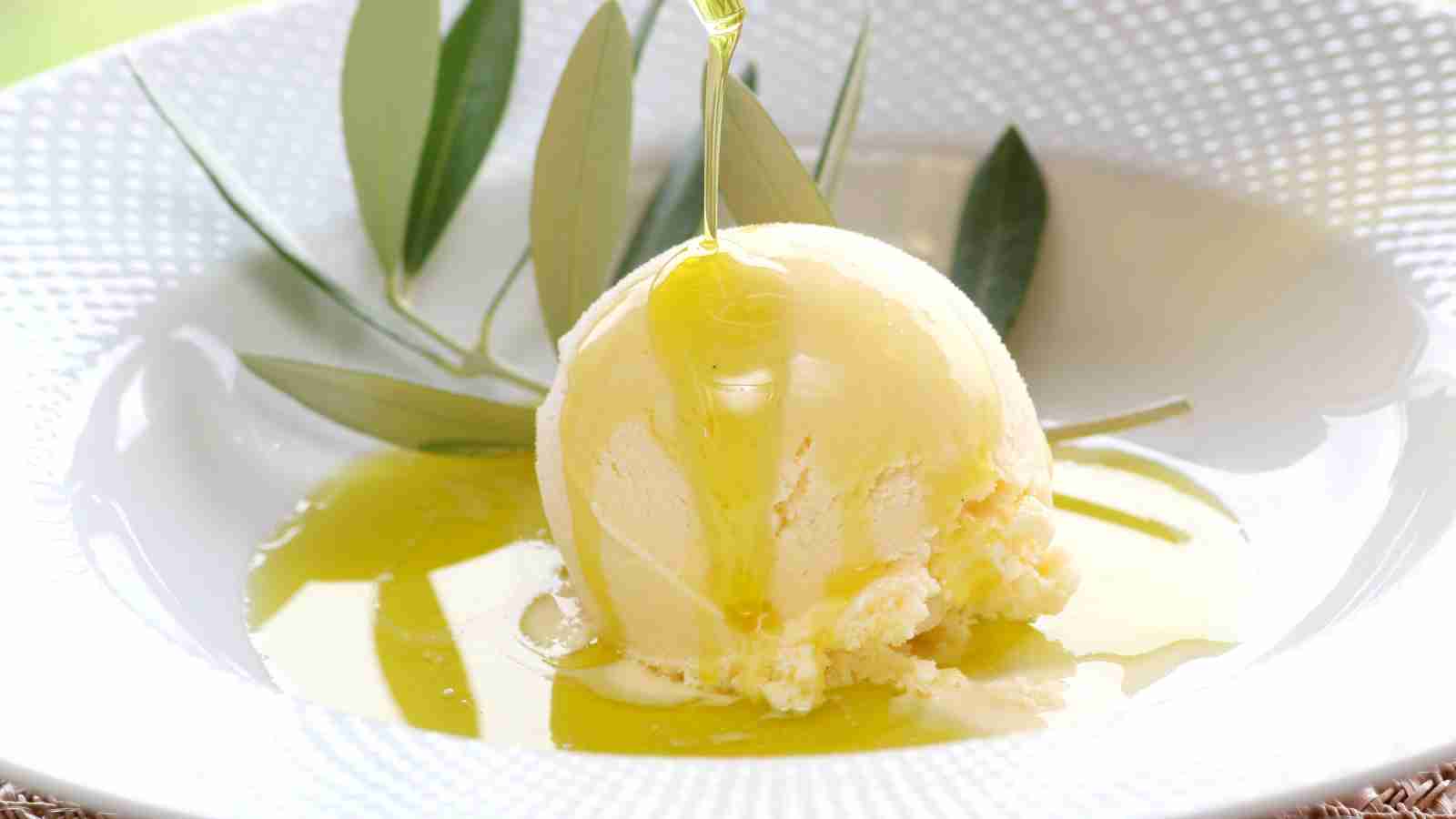
As odd as they may seem at first, once you try them, you might be surprised at how much they mess with your expectations—in a good way. Try a few yourself, and you might just find your new favorite craving!
20 U.S. Dishes That Non-Americans Find Totally Bizarre

Here are 20 U.S. dishes that non-Americans often find totally bizarre—and why they raise so many eyebrows abroad. These dishes might make perfect sense to someone raised with them, but to many from other cultures, they’re head-scratchers.

Tamara Tsaturyan is the owner and writer of Thriving In Parenting, a website focused on providing simple tips for busy parents — easy and healthy recipes, home decor and organization ideas and all things P A R E N T I N G.

Share Your Thoughts!
I love to know your thoughts, make sure to comment below to start a discussion! You can also follow me on your favorite social network below.