Empty shelves aren’t always a sign of poor supply chain management. Sometimes, it’s just that certain grocery items are in such high demand, stores can’t restock fast enough. Whether it’s tied to viral food trends, wellness-driven habits, or shifting global production patterns, more shoppers are going after very specific products this year — and grabbing them before anyone else can. Here’s a closer look at 15 grocery store items that just keep selling out in 2025 and the real reasons behind their staying power. Inflation, crop failures, global trade changes, and even social media hype all play a role in what’s flying off the shelves.
Cottage Cheese

Cottage cheese is having a major resurgence, thanks to its high-protein content and its sudden popularity on social media. People are blending it into desserts, turning it into ice cream, or simply eating it with fruit or savory toppings. The product’s nutritional appeal, especially among fitness enthusiasts and those following high-protein diets, keeps demand high. New flavored versions and whipped textures from trending brands have added even more variety to shelves. As more people find creative ways to use it, cottage cheese continues to disappear from dairy aisles quickly.
Eggs
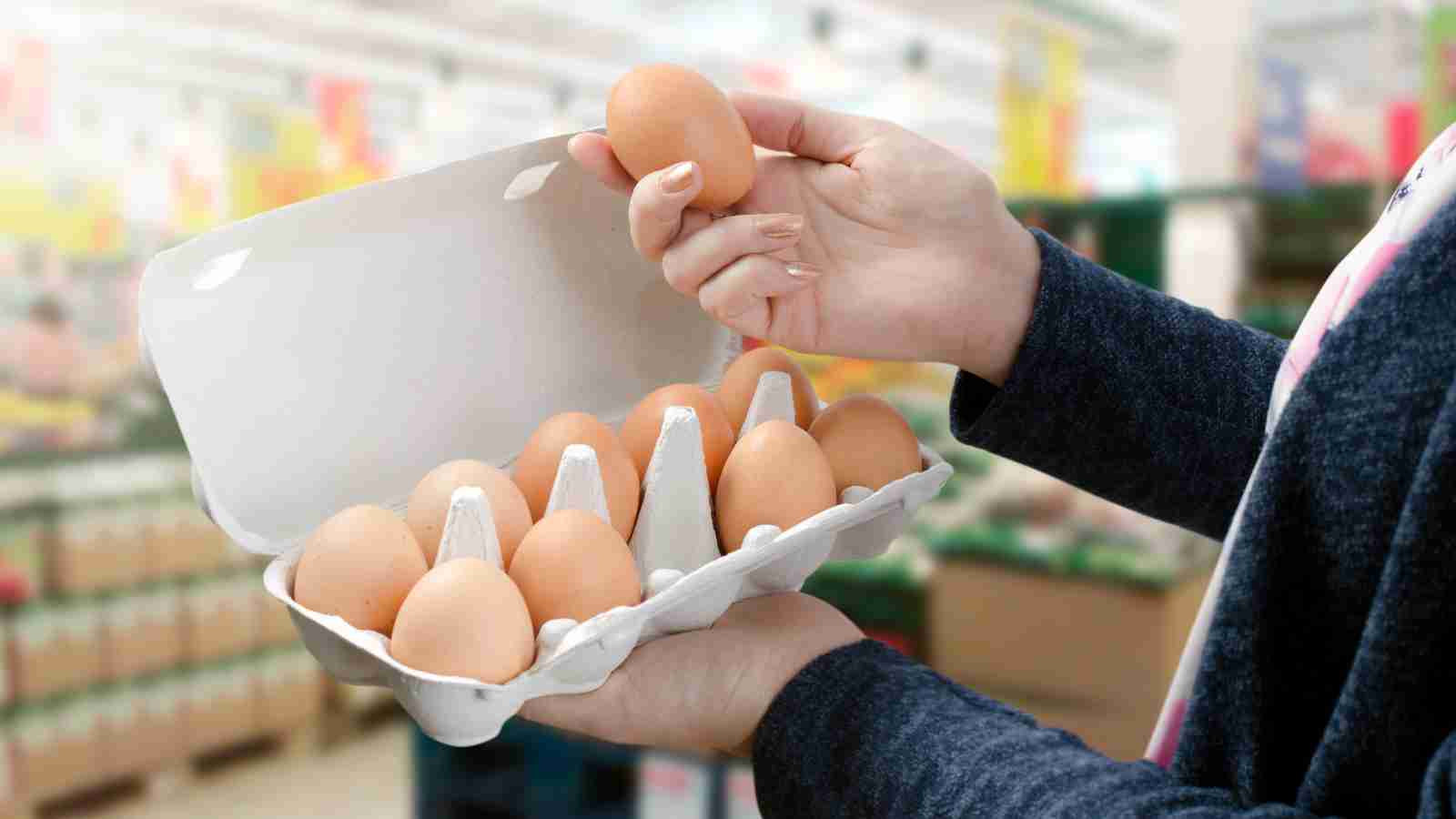
Eggs remain one of the most essential grocery staples, and they’re constantly under pressure due to fluctuating production levels. Ongoing avian flu outbreaks have disrupted supply chains globally, affecting both price and availability. More people are also cooking at home and baking frequently, which keeps demand consistently high. As shelves empty faster, shoppers are turning to egg alternatives and substitutes to keep up with baking recipes. Even with higher prices, eggs are still considered a must-have, and stores can’t replenish them fast enough.
Ground Beef
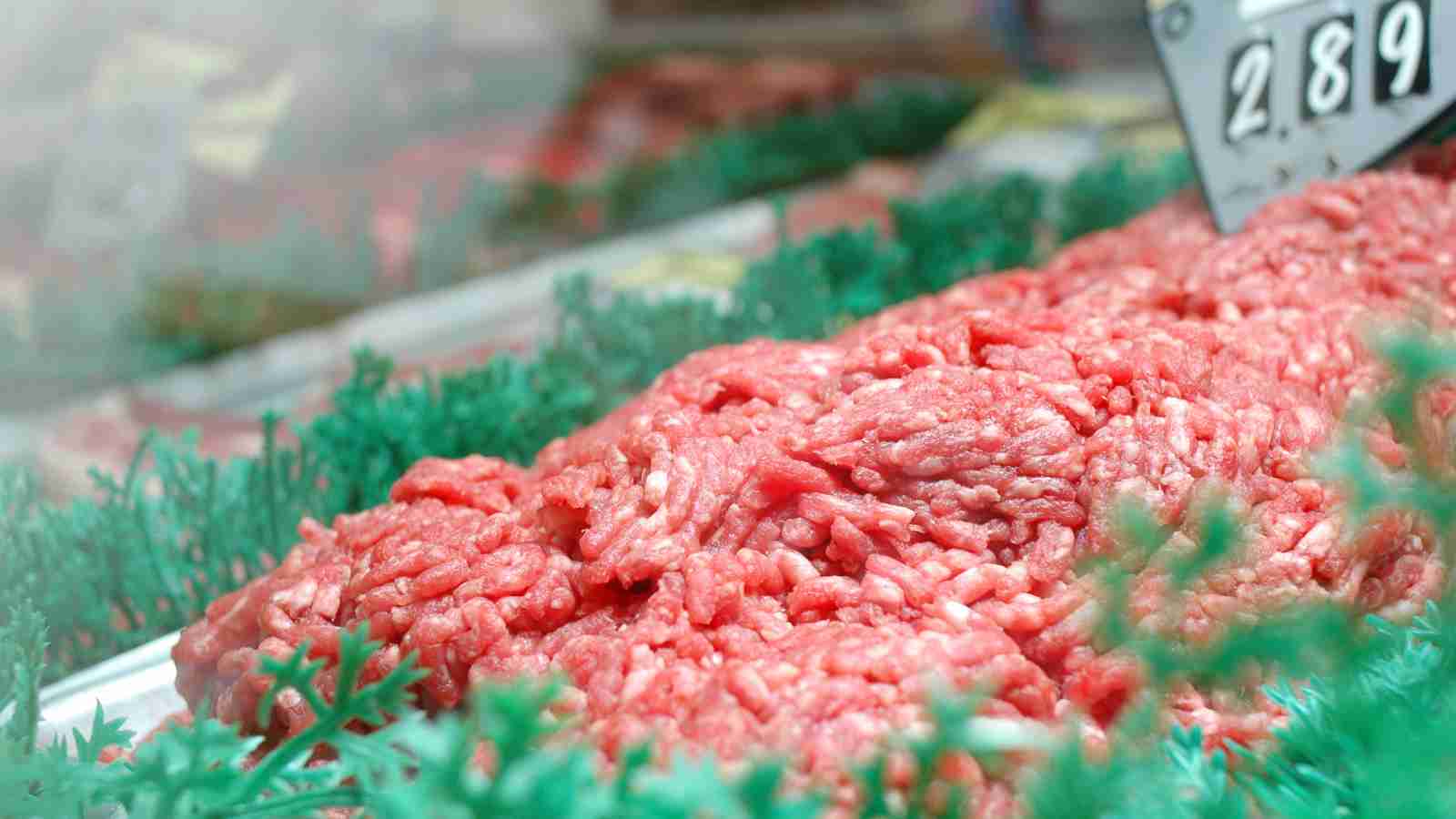
Ground beef demand has stayed strong due to its versatility and relatively lower cost compared to whole cuts of meat. Families rely on it for quick meals like tacos, burgers, pasta sauces, and casseroles. However, cattle herd reductions in the U.S. due to drought conditions and rising feed costs have led to tightening supply. With fewer animals available, production has slowed while consumer demand stays steady or climbs. The result: consistent sell-outs, especially for lean or organic varieties.
Tinned Fish
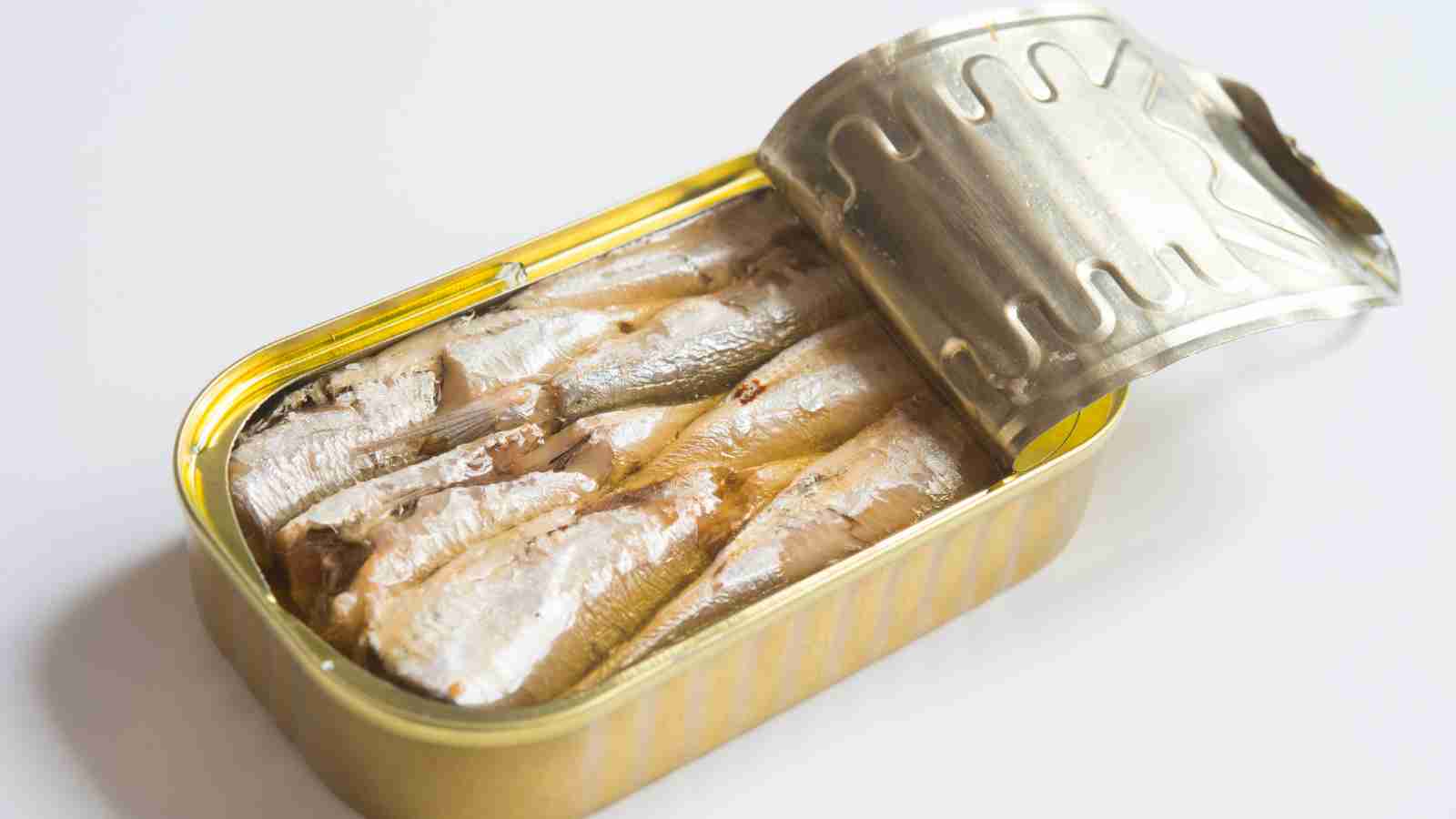
Tinned fish like sardines, mackerel, anchovies, and tuna are being snapped up fast due to a mix of convenience and a growing interest in Mediterranean and protein-forward diets. Food influencers have also made “tinned fish date nights” a trendy concept, boosting appeal. Packed with healthy fats, protein, and long shelf lives, these cans offer both nutrition and practicality. Imported brands and gourmet-style tins are especially prone to vanishing from store shelves. It’s a blend of tradition and trend that’s making tinned fish a surprise grocery superstar.
Frozen Seafood
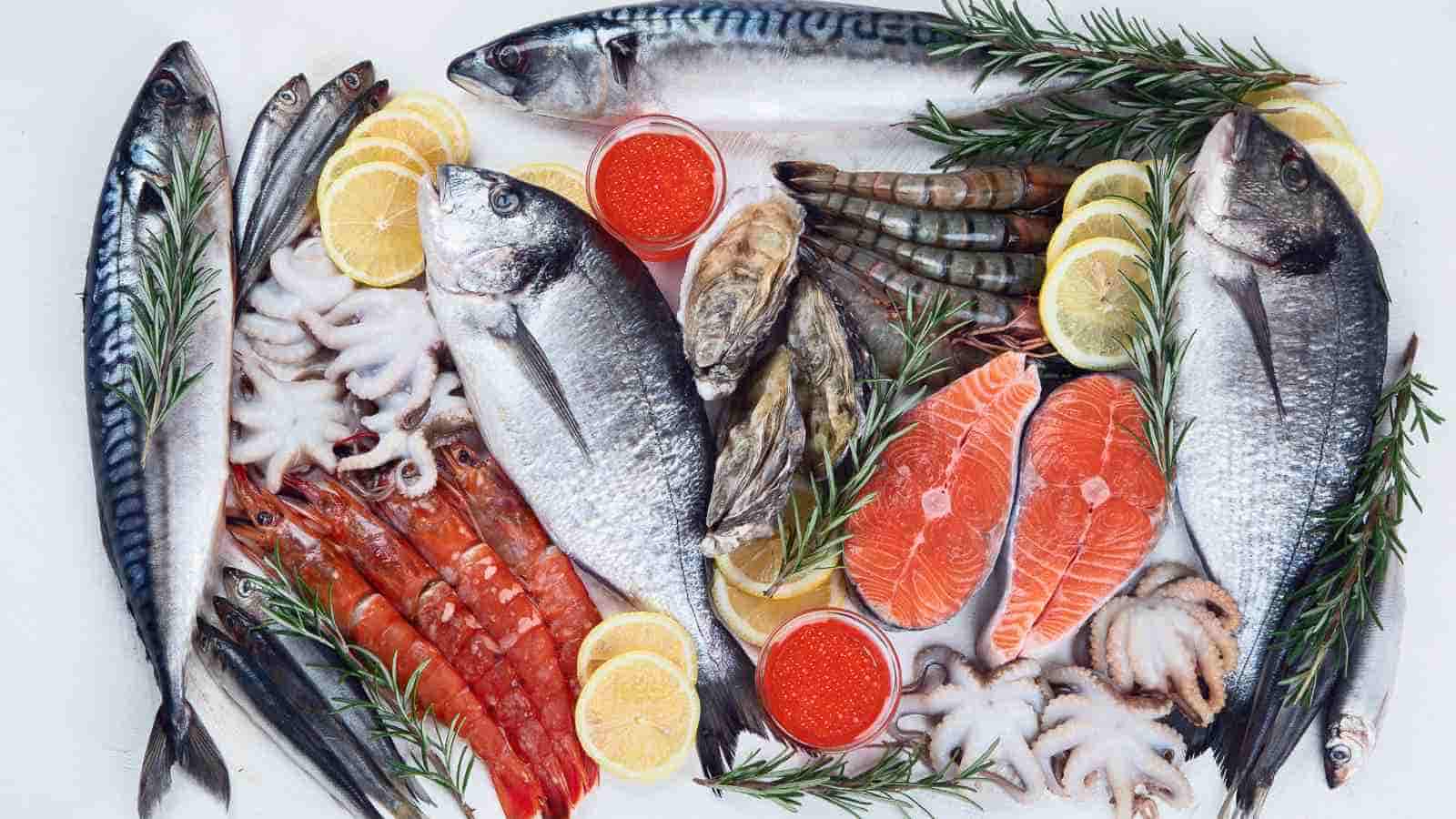
Frozen seafood sales keep rising as more people cook restaurant-style meals at home without the cost of fresh fish. Items like shrimp, scallops, and salmon are easy to store and prepare, offering both convenience and health benefits. Global supply constraints, especially from Southeast Asia and Norway, have also tightened inventory levels. Popular pre-marinated or pre-cooked options disappear quickly, especially during Lent or summer grilling months. It’s a category where rising demand and limited imports often collide.
Non‑Alcoholic Spirits & Mocktails
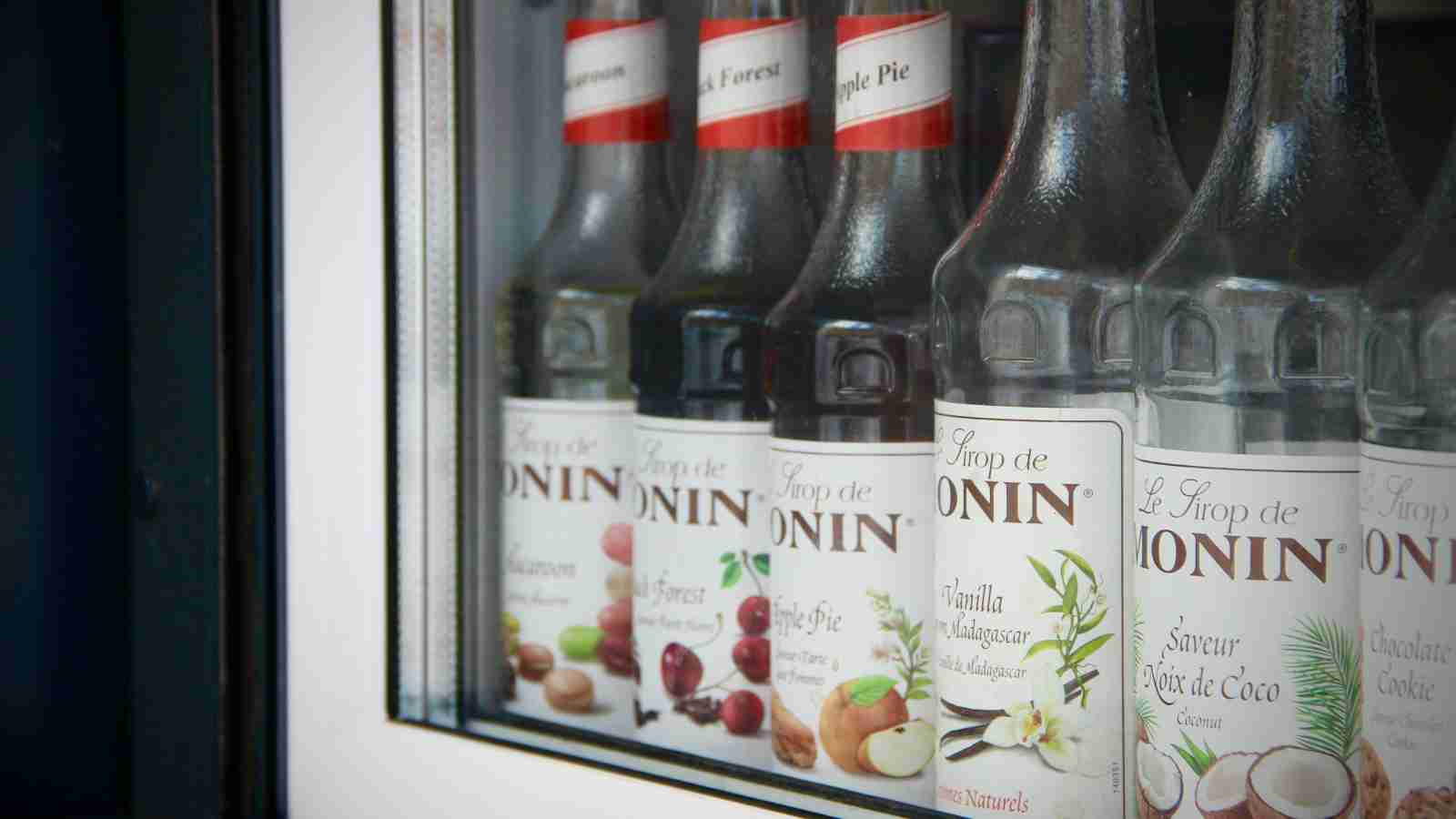
Non-alcoholic spirits and mocktails are flying off shelves as more consumers cut back on drinking but still want something festive or sophisticated to sip. Brands like Seedlip, Ritual, and Ghia are redefining what an adult beverage looks like without the booze. The rise of sober-curious lifestyles, Dry January, and wellness-focused habits have accelerated their popularity. Many of these products are still made in small batches, which adds to the limited availability. Trendy packaging and upscale flavors only fuel the demand further.
Canned Soup and Vegetables

Canned soups and vegetables are making a comeback as inflation pushes people toward long-lasting and budget-friendly meal options. These pantry staples offer quick fixes for lunches and dinners without the prep time. Emergency stockpiling, meal planning, and food insecurity concerns also drive their consistent sales. During colder months or natural disaster prep cycles, stores often can’t restock them quickly enough. Brands offering low-sodium or organic versions are especially hard to find.
Coffee
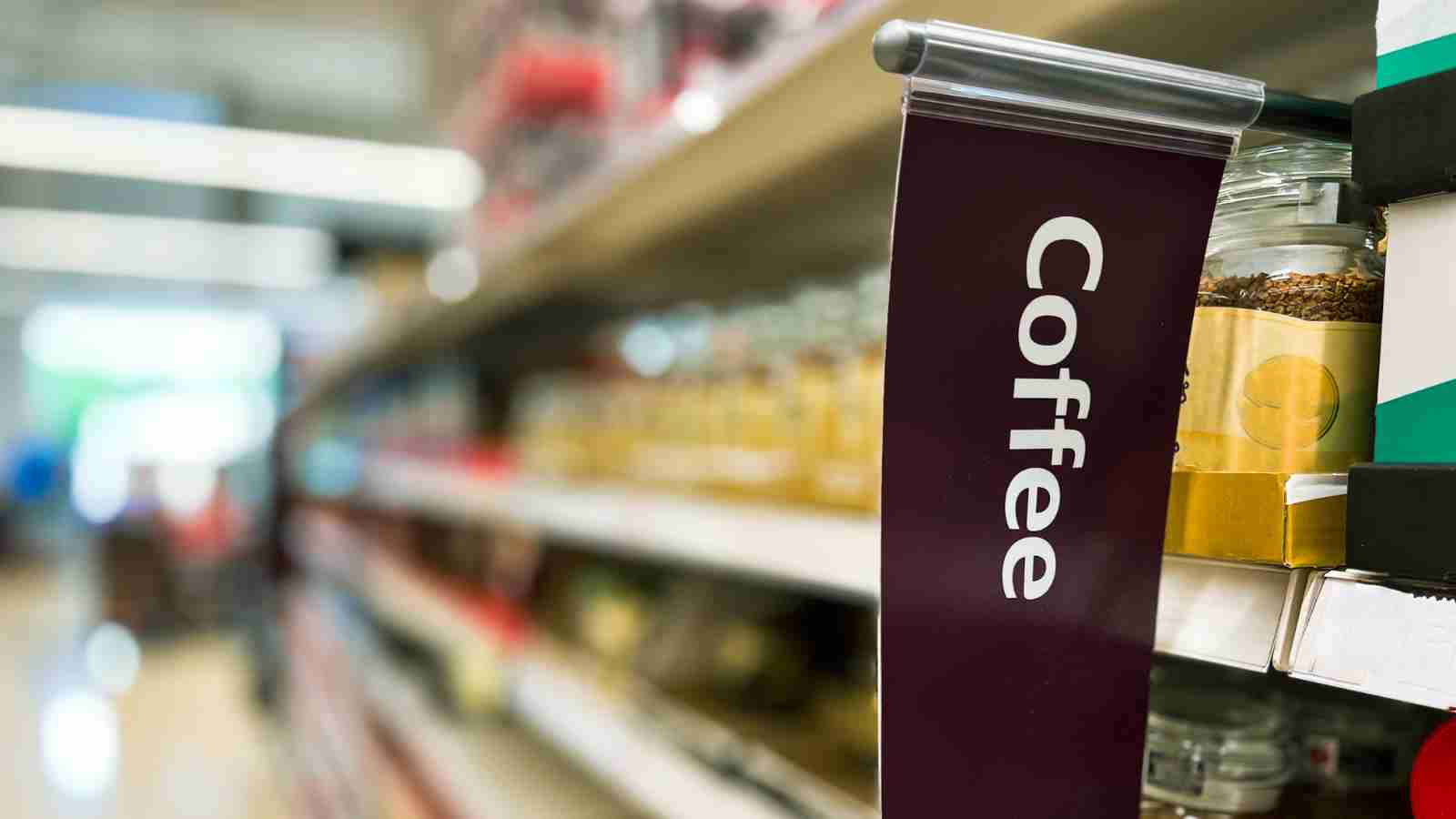
Coffee shortages have become more common due to a mix of climate change and global supply chain disruptions in major coffee-producing countries like Brazil and Vietnam. At the same time, at-home brewing has become more elaborate, with people investing in espresso machines, grinders, and pour-over setups. If shelves are empty, you can try healthier coffee alternatives, like mushroom blends, chicory root drinks, or roasted barley brews that offer a smoother energy boost without the crash. Whether it’s a daily ritual or an Instagram-worthy hobby, coffee isn’t sitting on shelves for long.
Avocados
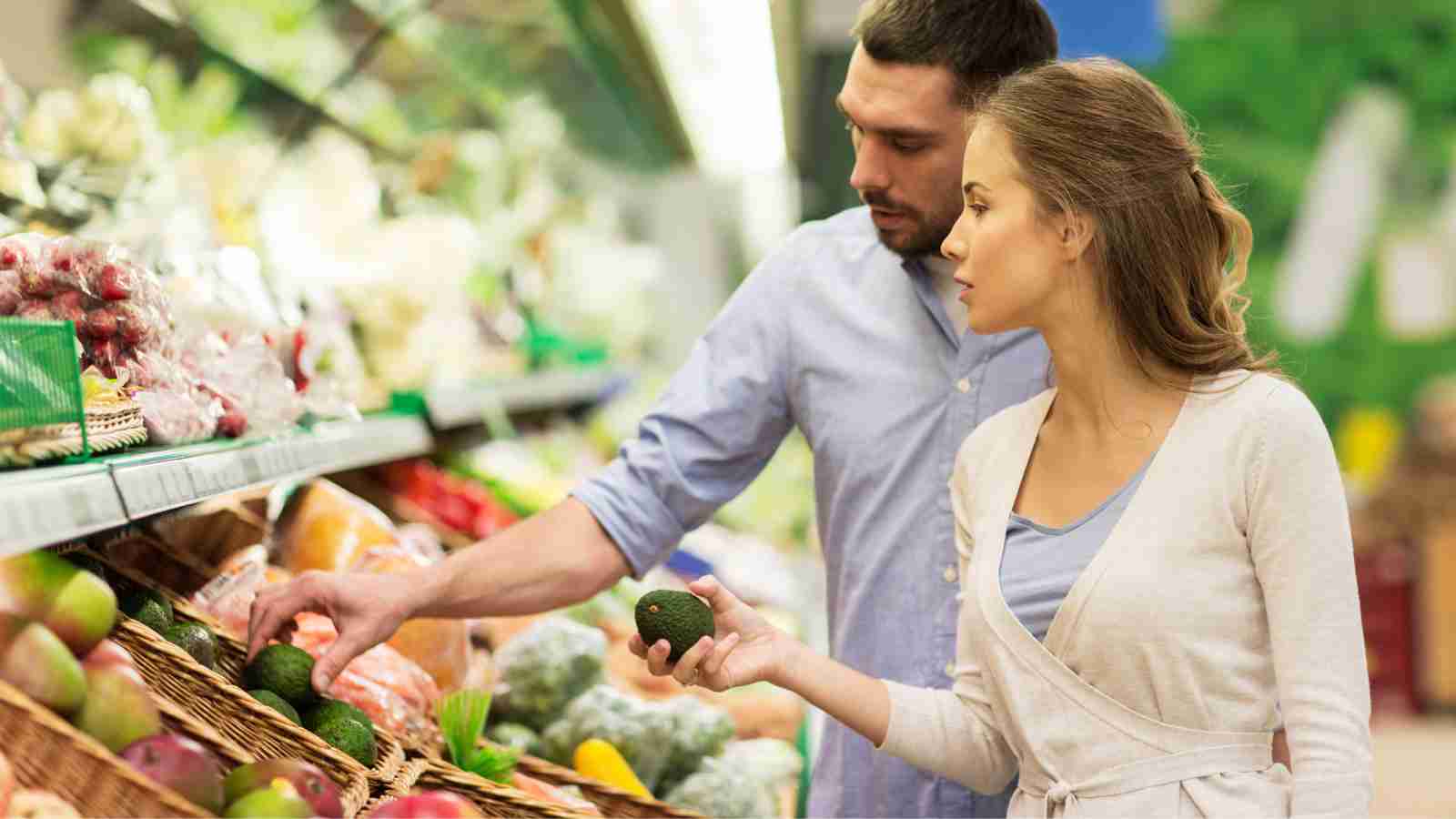
Avocados continue to be a hot commodity, driven by their popularity in wellness-focused diets and versatile uses across meals. Export disruptions from Mexico and unpredictable growing seasons have led to inconsistent supply. With demand from both individuals and restaurants staying high, prices have surged, but that hasn’t stopped people from buying them. To make the most of each one, learn how to freeze avocados properly so they won’t spoil fast and you can use them for longer. Avocado toast, smoothies, and dips like guacamole keep the fruit in constant rotation. Ripeness timing and high perishability only add to the scramble when stock hits the produce section.
Orange Juice
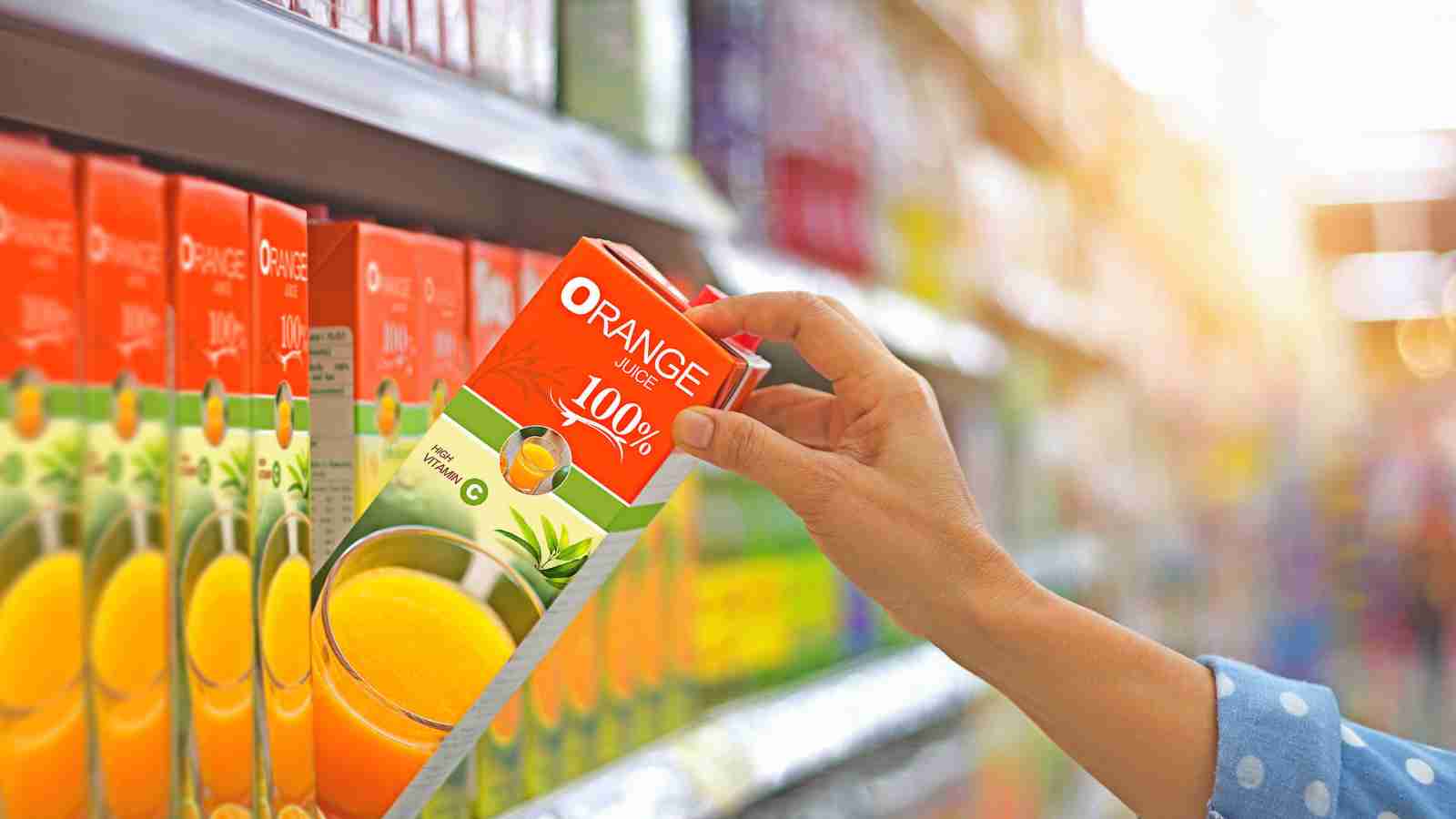
Orange juice supplies have been tight due to ongoing citrus greening disease in Florida, one of the largest orange producers in the U.S. The disease has significantly reduced crop yields, while demand has gone up as more people focus on immune health. Rising prices and reduced imports from Brazil haven’t helped either. Even shelf-stable cartons are disappearing quickly in many regions. It’s become one of the most impacted juices in the grocery store, and it shows no signs of slowing down.
Strawberries
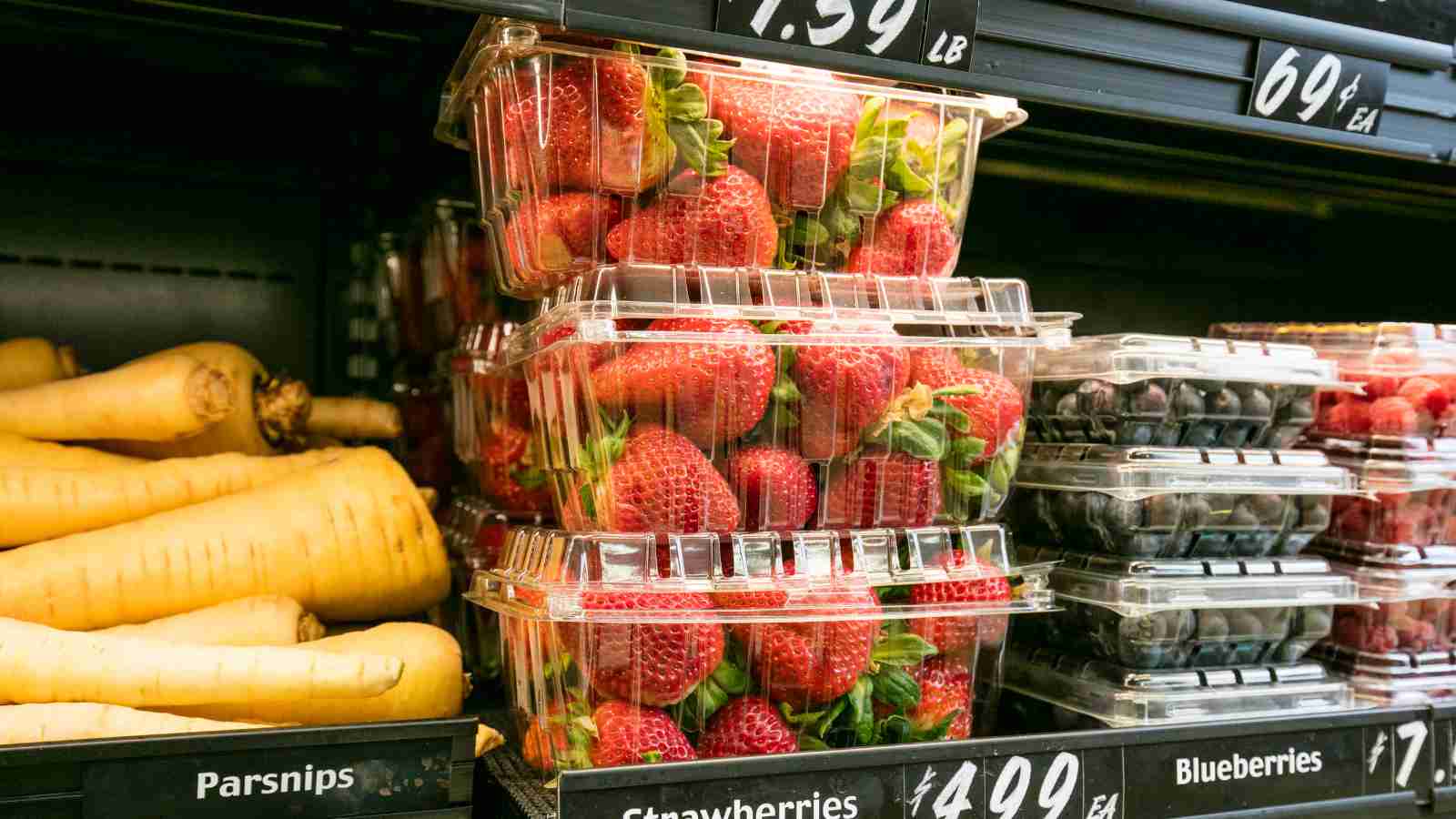
Strawberries are often affected by weather extremes — droughts, floods, and unseasonal temperature swings all disrupt crop yields. Despite their delicate shelf life, they remain one of the most popular fruits due to their use in snacks, desserts, smoothies, and breakfasts. Peak strawberry seasons can’t always keep up with year-round demand. Organic and locally grown options are especially quick to sell out. To keep strawberries fresh longer, learn how to store them properly. Social media recipes and seasonal promotions drive even more urgency around buying them.
Rice & Wheat Products
Global rice and wheat shortages, especially tied to export restrictions from India and the war in Ukraine, have tightened supplies significantly. These two staples form the base of countless meals worldwide, and rising costs have only intensified demand. Shelf-stable, affordable, and filling, products like pasta, flour, and white rice vanish fast when people start stocking up. Whole grain and specialty options tend to go first, especially during sale periods. It’s a high-need category with unpredictable availability.
Specialty Vinegars & Novel Functional Beverages
Products like apple cider vinegar tonics, drinking vinegars, kombucha, and gut-health beverages have found loyal followings in wellness communities. As more people become aware of the link between gut health and immunity or digestion, these drinks fly off the shelves. Small-batch production, limited shelf life, and high demand for probiotics make it tough for stores to keep them in stock. If you always use apple cider vinegar, there are easy-to-find alternatives that offer similar benefits with a new flavor twist.
Sriracha & Chili Sauces

Sriracha, in particular, faced major shortages due to droughts affecting chili pepper crops in Mexico. Spicy food lovers and restaurants scrambled to find alternatives, but loyal fans often wait for the original to return. Specialty sauces from Korea, Thailand, and regional hot sauce makers have also seen boosted demand. As global flavors become more integrated into everyday cooking, people are keeping bottles of heat in their kitchens year-round. Supply struggles plus surging demand make it one of the spiciest categories in more ways than one.
Tissue Products
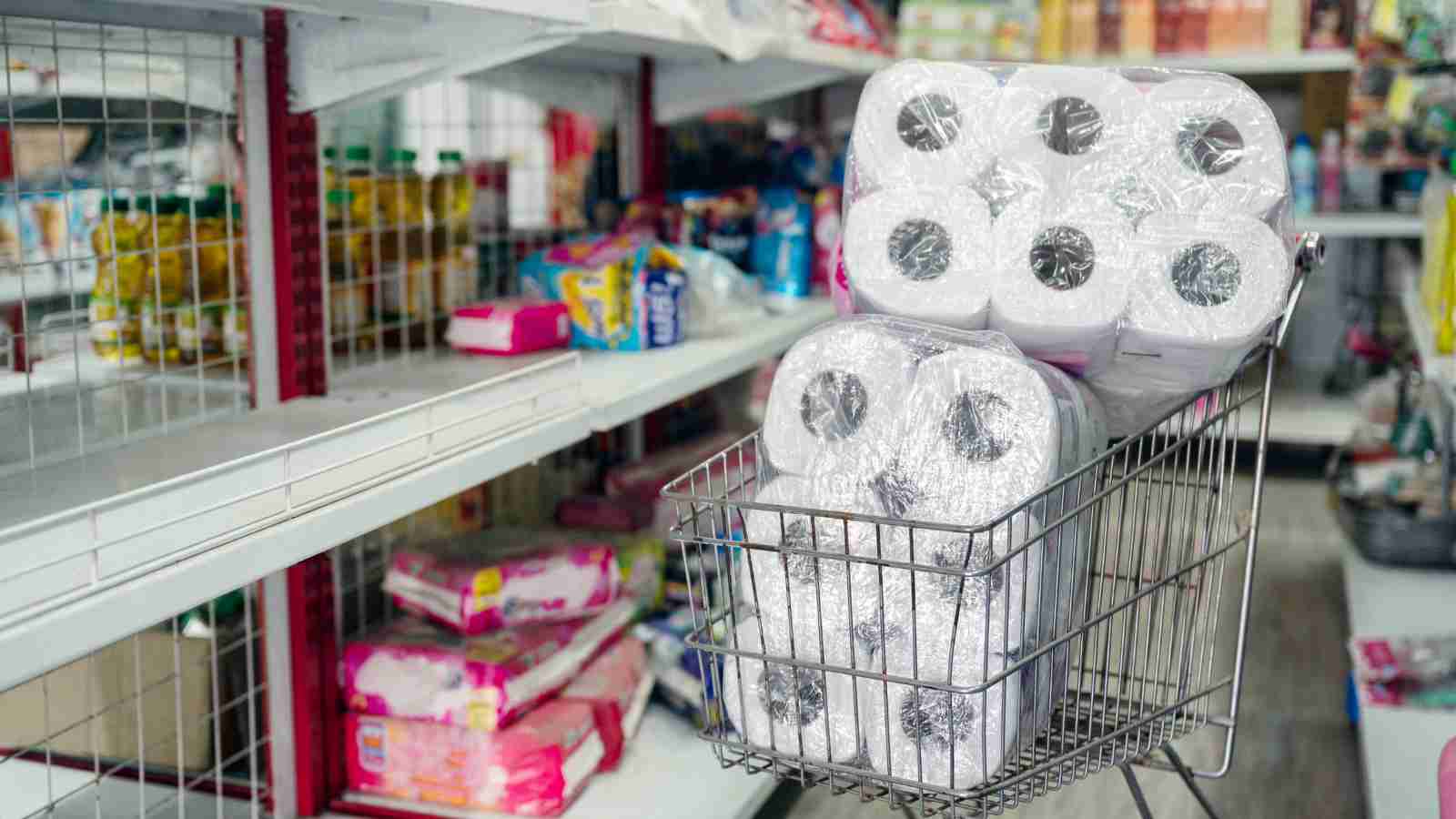
Paper goods like toilet paper, facial tissues, and paper towels continue to sell out regularly — not due to panic buying, but because demand has simply stayed elevated. Increased home use, fewer people going to offices, and continued bulk buying habits have all played a part. Manufacturing can’t always match the pace when raw material costs rise or transportation is delayed. Sustainable and bamboo-based tissue options are also flying off shelves faster than traditional ones. It’s become a quiet but ongoing supply issue most shoppers still notice.
20 U.S. Dishes That Non-Americans Find Totally Bizarre

Here are 20 U.S. dishes that non-Americans often find totally bizarre—and why they raise so many eyebrows abroad. These dishes might make perfect sense to someone raised with them, but to many from other cultures, they’re head-scratchers.
These 12 Foods Are Banned in the U.S. – Here’s Why

Here are 12 banned foods you won’t legally find in the U.S., and the reasons behind each prohibition. What’s clear is that food bans in the U.S. are more than just bureaucracy—they reflect serious decisions about public safety and global responsibility.

Tamara Tsaturyan is the owner and writer of Thriving In Parenting, a website focused on providing simple tips for busy parents — easy and healthy recipes, home decor and organization ideas and all things P A R E N T I N G.

Share Your Thoughts!
I love to know your thoughts, make sure to comment below to start a discussion! You can also follow me on your favorite social network below.