Holiday meals are filled with more than just food—they carry habits, rituals, and small mysteries that linger year after year. Many dishes and practices persist even when their origins are forgotten or their practical purpose is gone. Here are 15 holiday food traditions that survive mostly because “that’s what we do,” revealing a mix of history, convenience, and human nature. Some traditions come from centuries-old customs, while others started as quirky family preferences that somehow stuck. These repeated patterns provide a sense of continuity and connection, even if no one can explain exactly why.
Making a Pie Per Family Member
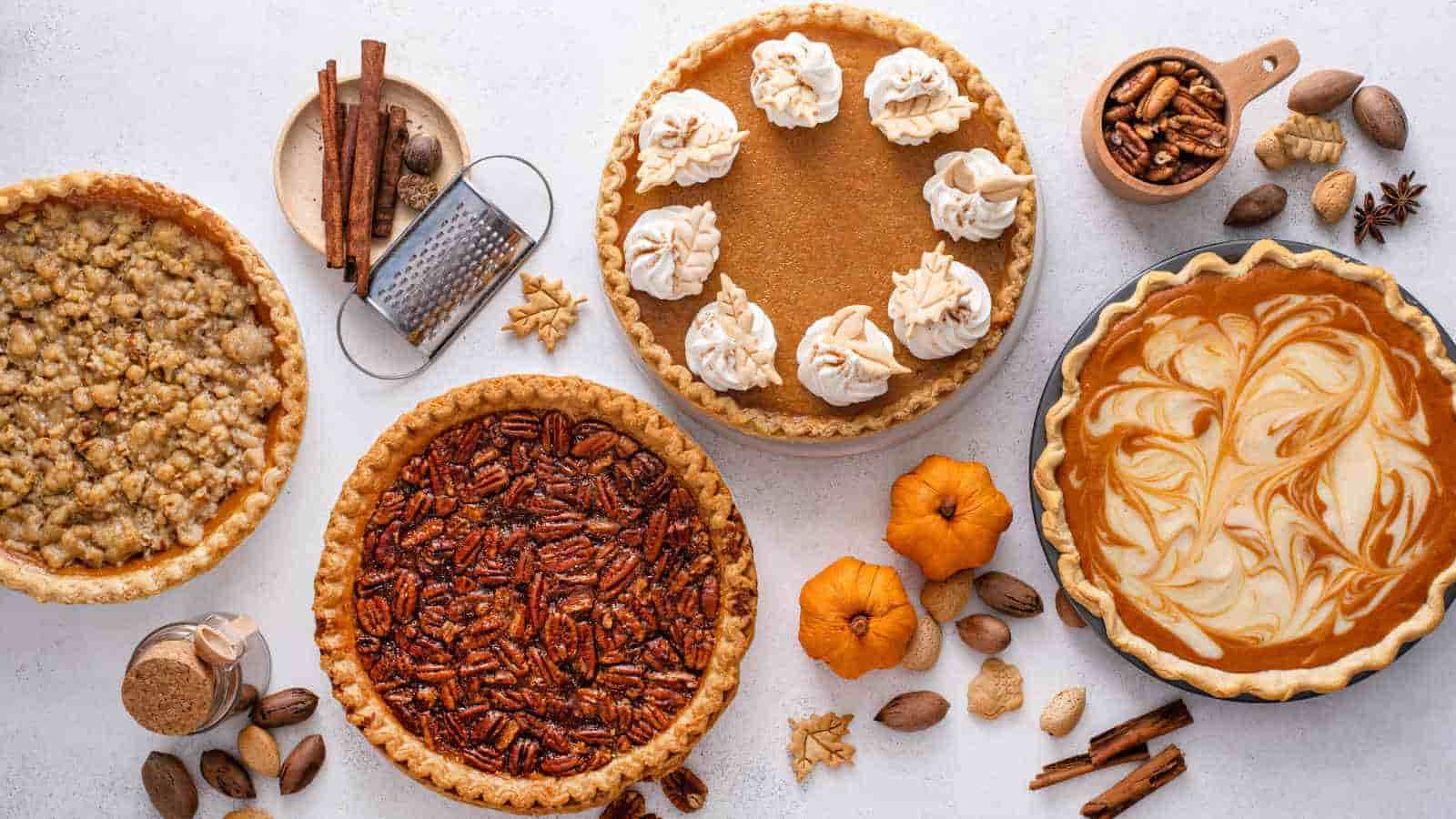
Preparing multiple pies for each person seems excessive, but it harks back to a time when variety signaled abundance and hospitality. Each pie often carries a unique flavor, reflecting family preferences or regional specialties. Overproduction ensures that even picky eaters have options, and leftovers become a bonus rather than a concern. Historically, pies were portable and durable, making them ideal for extended family gatherings. Despite modern refrigeration and smaller households, the ritual of baking more pies than necessary continues as a symbolic gesture of generosity.
Stuffing the Turkey Instead of Baking It Separately
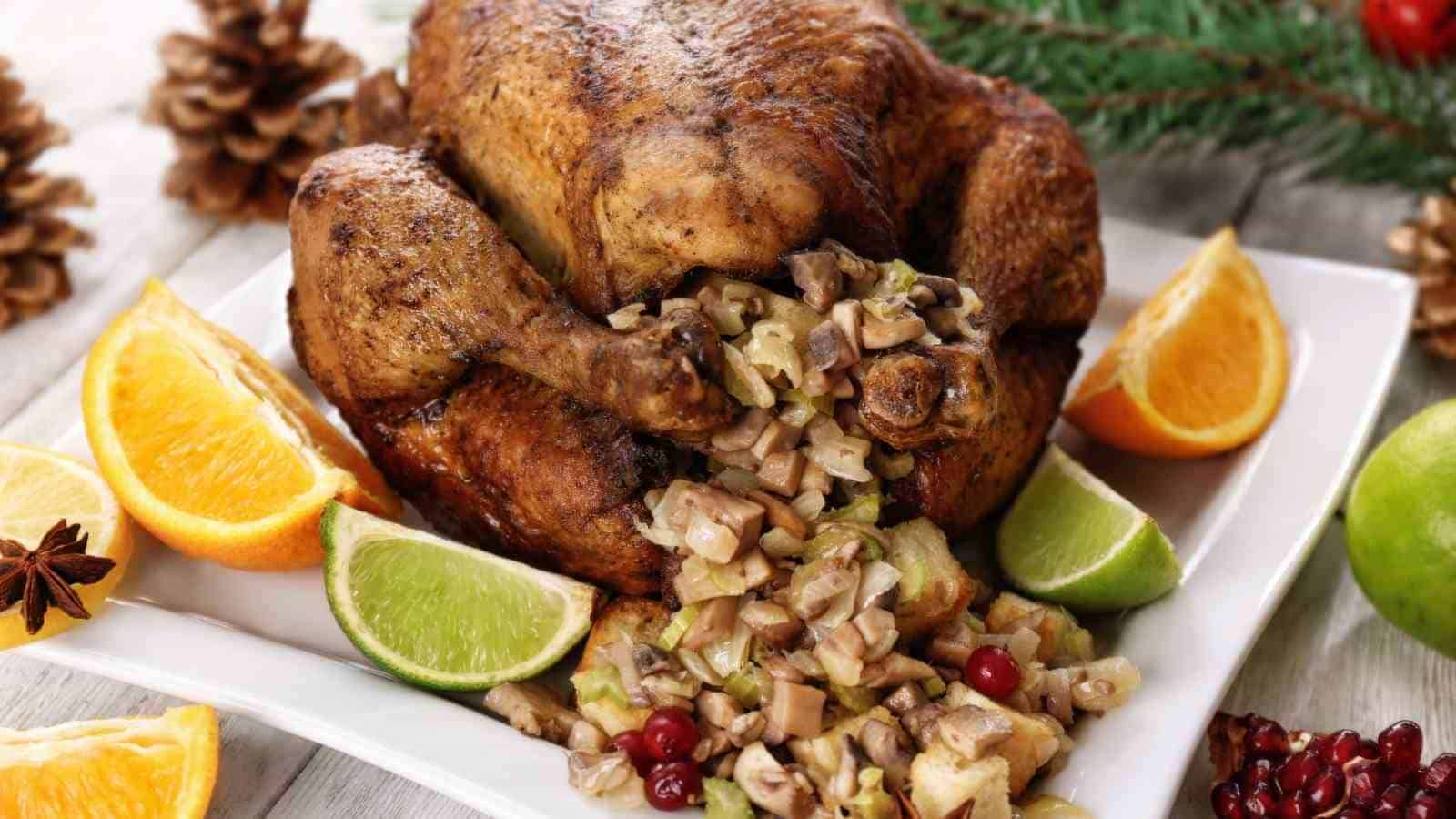
Stuffing inside a turkey is an age-old practice that originated from medieval cooking methods. Combining meat and filling allowed flavors to mingle, though it increases the risk of uneven cooking. Modern culinary science shows that separate baking ensures safer temperatures, but tradition keeps many families stuffing birds the old-fashioned way. The ritual of carving a turkey with its golden interior is a visual centerpiece at the table. Even when convenience would suggest otherwise, the familiar sight of a stuffed turkey remains comforting.
Putting Marshmallows on Sweet Potatoes
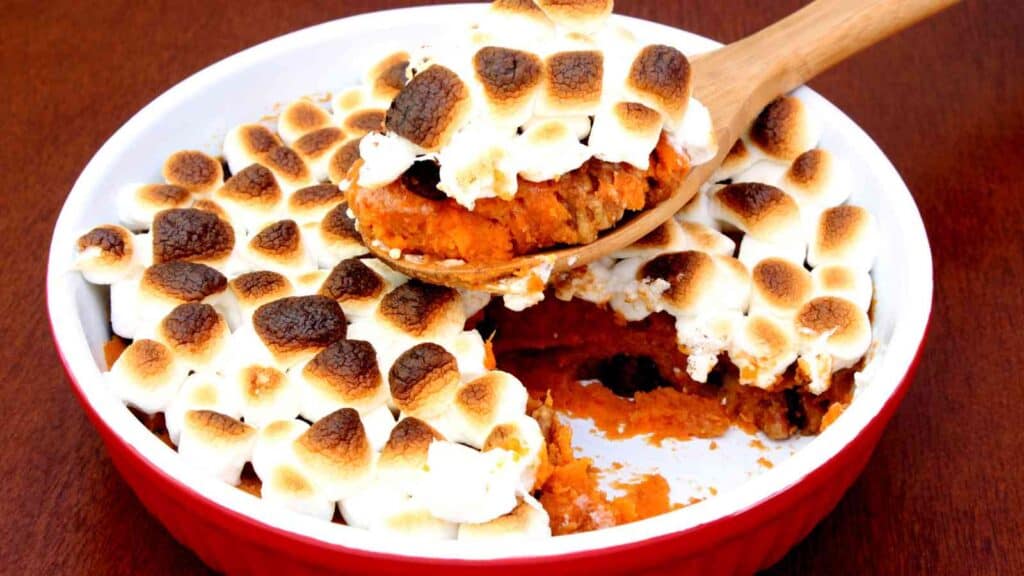
Layering marshmallows over sweet potatoes emerged in early 20th-century American cookbooks, blending homegrown produce with processed sugar trends. It creates a caramelized, sweet crust contrasting the natural earthiness of the vegetable. Children quickly embraced the dish, and it became a festive favorite despite limited nutritional value. Marketing campaigns at the time likely helped popularize the sugary topping. The combination survives as a symbol of indulgent holiday cooking, bridging nostalgia and flavor spectacle.
Eating Cranberry Sauce Straight Out of the Can
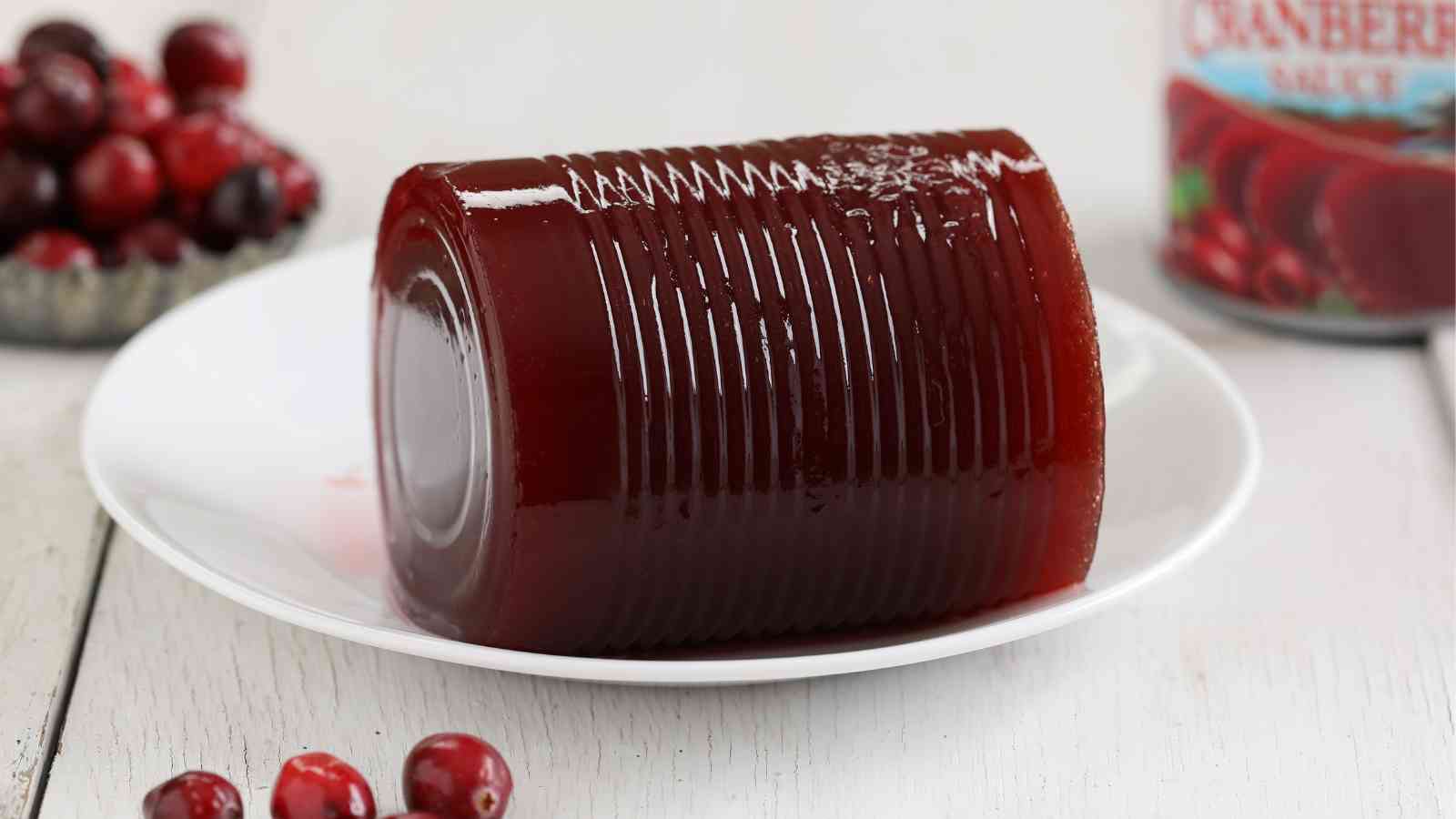
Canned cranberry sauce preserves its cylindrical form and a unique gelatinous texture that has endured as a quirky tradition. Commercially introduced in the early 1900s, the convenience and long shelf life made it a holiday staple. The ridged slice looks ceremonial and adds a playful touch to the table. Despite fresh cranberry options, many families continue using the can for familiarity and ease. Its presence reflects the intersection of practicality and a fondness for ritual presentation.
Saving the Wishbone
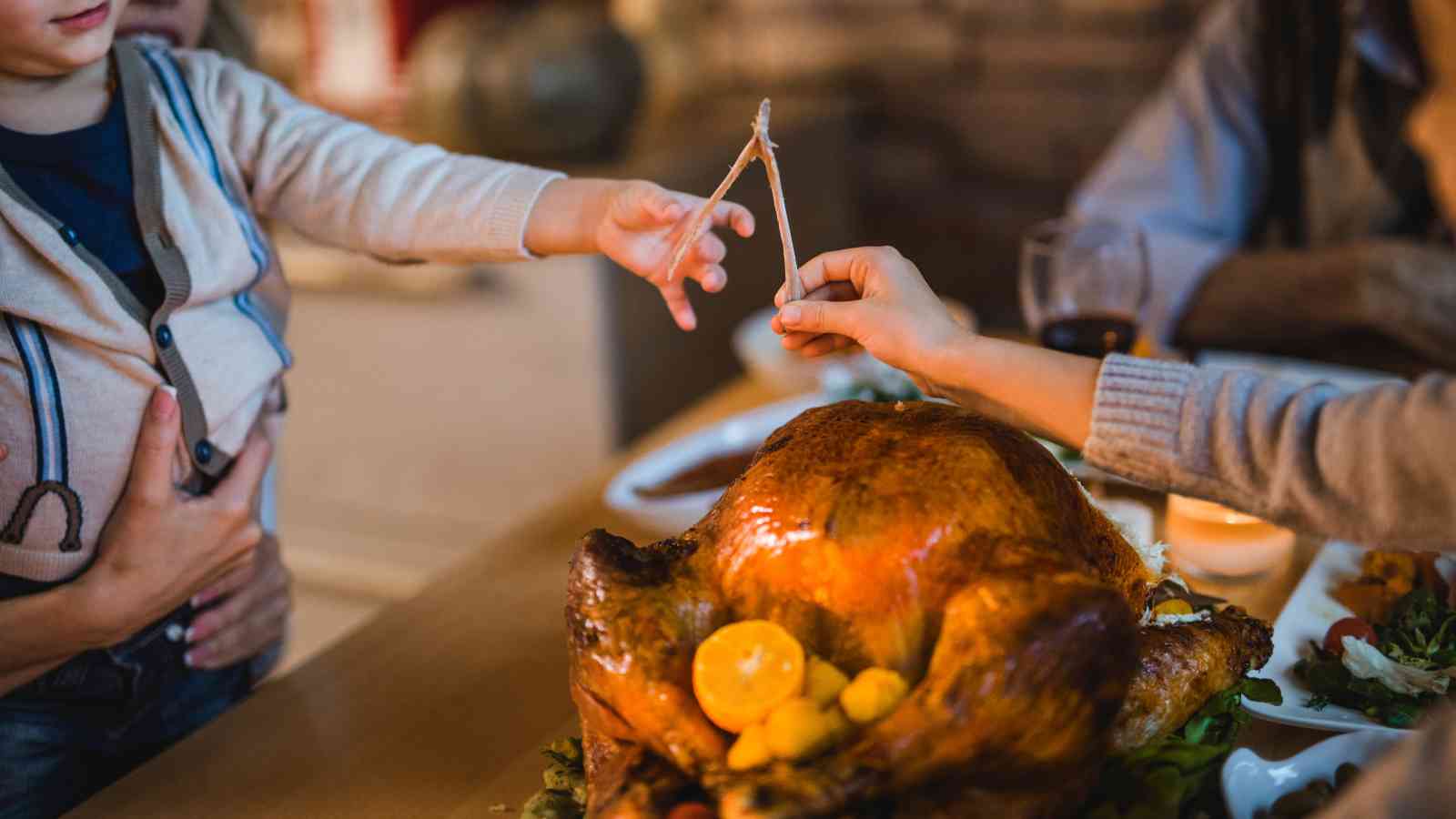
Breaking the turkey wishbone is a ritual with roots in ancient Roman and Norse practices, where bones were believed to grant luck. Families dry and preserve the bone, then pull it apart, each hoping for fortune. Often, the specific wish is forgotten, yet the act remains a playful moment. Symbolism outweighs function, making it more about the shared experience than outcome. Even adults participate, preserving a connection to past generations.
Having a ‘Kids’ Table’ Even When the Kids Are 19
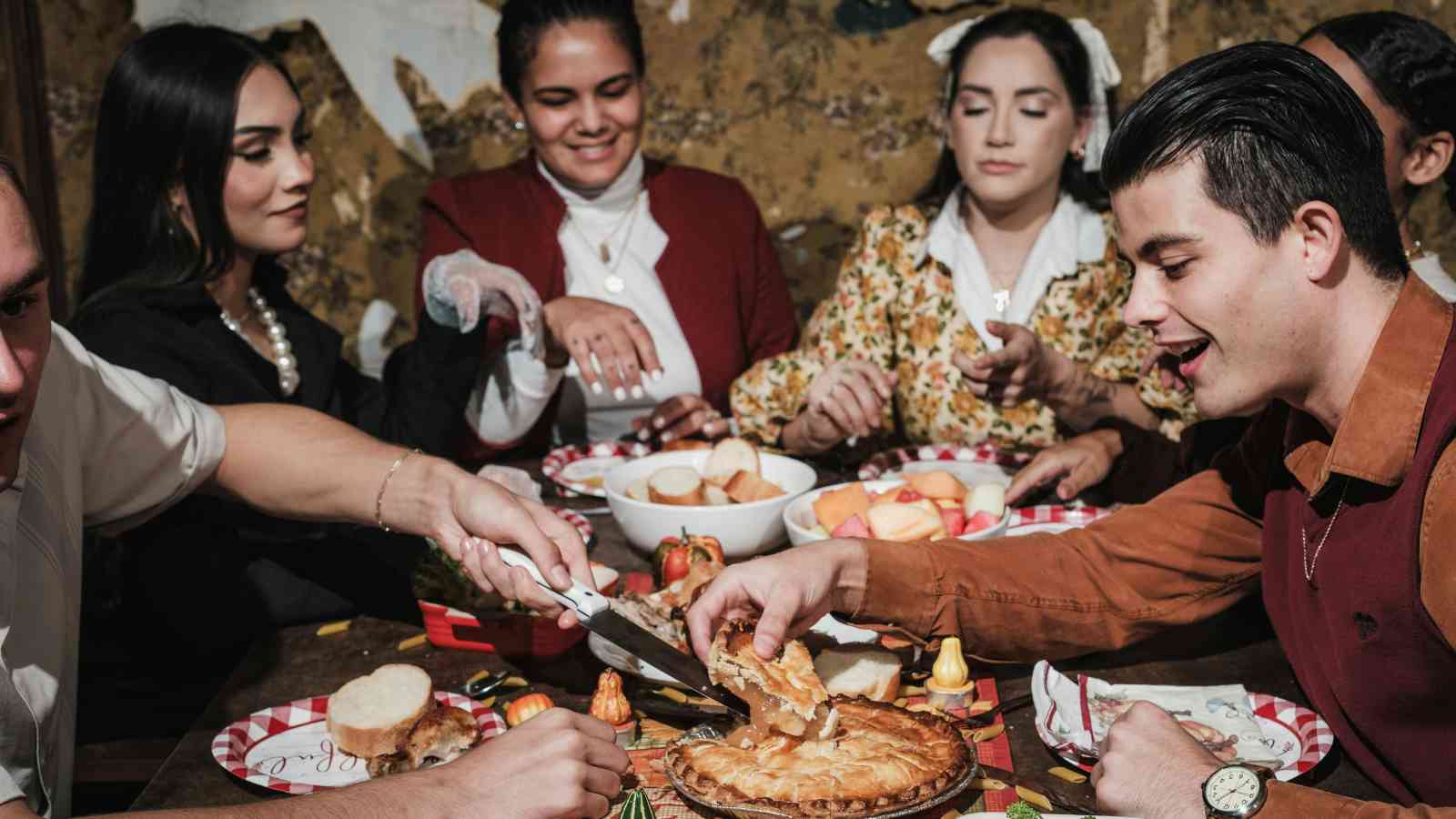
Assigning a separate table for younger family members dates to Victorian social customs, emphasizing order and manners. Adults who’ve outgrown childhood often return to folding chairs out of habit or playful tradition. The arrangement fosters informal conversation among peers and reinforces nostalgic roles. While unnecessary for functional reasons, it provides continuity and a sense of humor at gatherings. The table endures as a ceremonial reminder of family dynamics.
Calling Something a “Salad” When It Has No Greens

Many holiday salads contain potatoes, fruits, or whipped toppings, diverging from the leafy definition. These concoctions often originated from regional recipes or resourceful attempts to categorize layered dishes. Naming conventions persisted because the word “salad” implies variety and balance, even when ingredients contradict expectations. Presentation and tradition keep these unusual salads on the menu. The label survives more for ritual and recognition than literal accuracy.
Serving Fruitcake Even Though No One Eats It

Dense fruitcakes became holiday symbols in Europe, valued for longevity and richness. Despite widespread reputation for being undesirable, families continue baking or gifting them annually. The practice reflects a desire to honor heritage and maintain continuity rather than actual consumption. Fruitcakes also serve as conversation starters and visual decor. Their endurance showcases ritual taking precedence over practicality.
Using Grandma’s Handwritten Recipe Everyone Has Modified
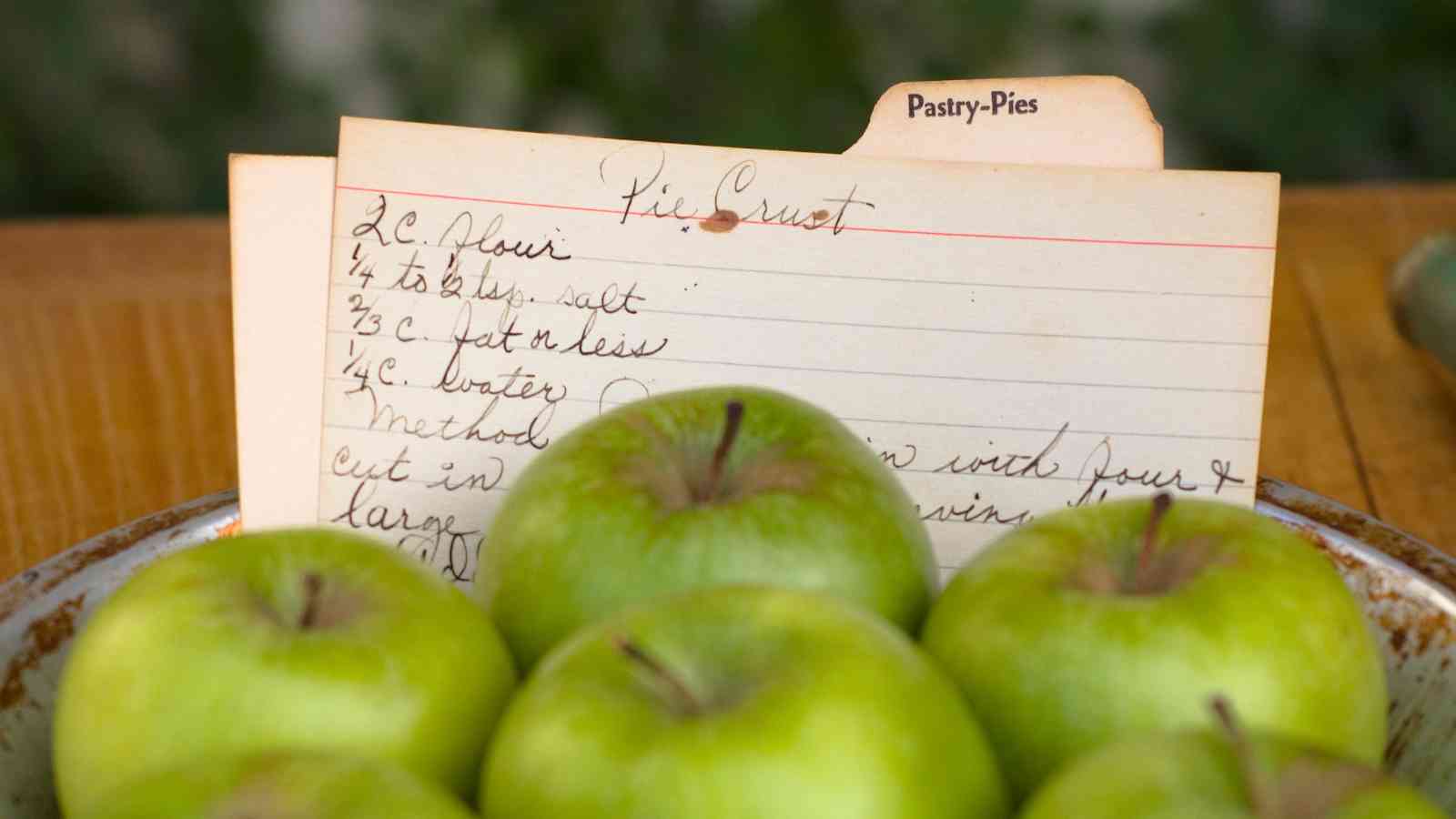
Recipes written by ancestors carry sentimental and historical value, even if each cook adapts them. Handwriting, notes, and small variations make these recipes more heirloom than strict instruction. Consistency is less important than preserving family identity and memory. The recipe often acts as a storytelling tool during preparation. The tradition reinforces familial bonds and shared history through subtle, edible continuity.
Timing Dinner Around the Turkey—Even If Everything Else Is Ready
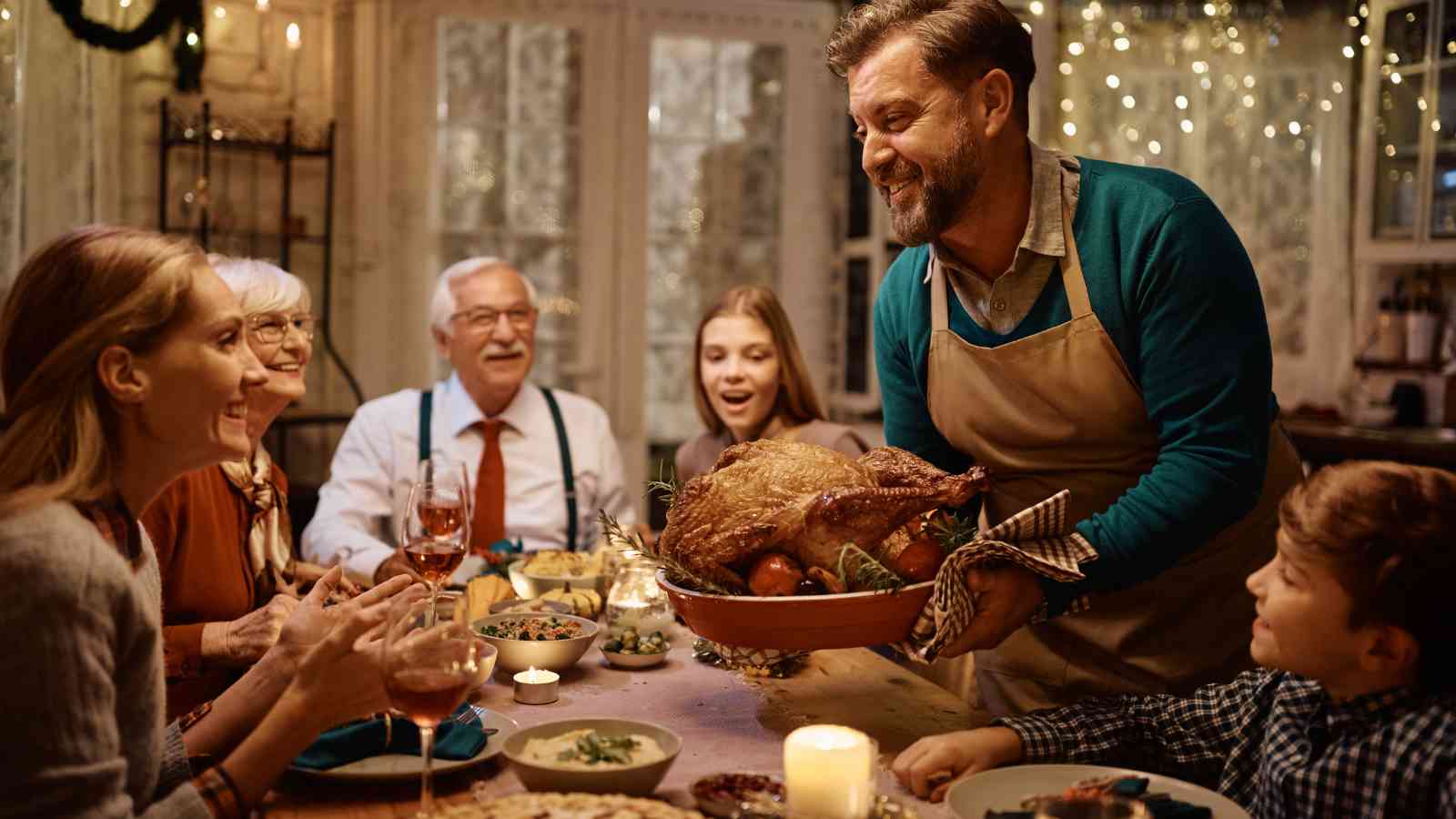
Turkey often dominates holiday meals, and its cooking schedule dictates the timing of other dishes. The bird’s central role evolved from symbolism of abundance and status in past centuries. Coordination around one large roast requires patience and planning, sometimes leaving sides on standby. Ritual emphasizes anticipation and respect for centerpiece presentation. Even modern cooks adhere to this structure as a nod to culinary heritage.
Making Food “Just in Case Someone Wants It”
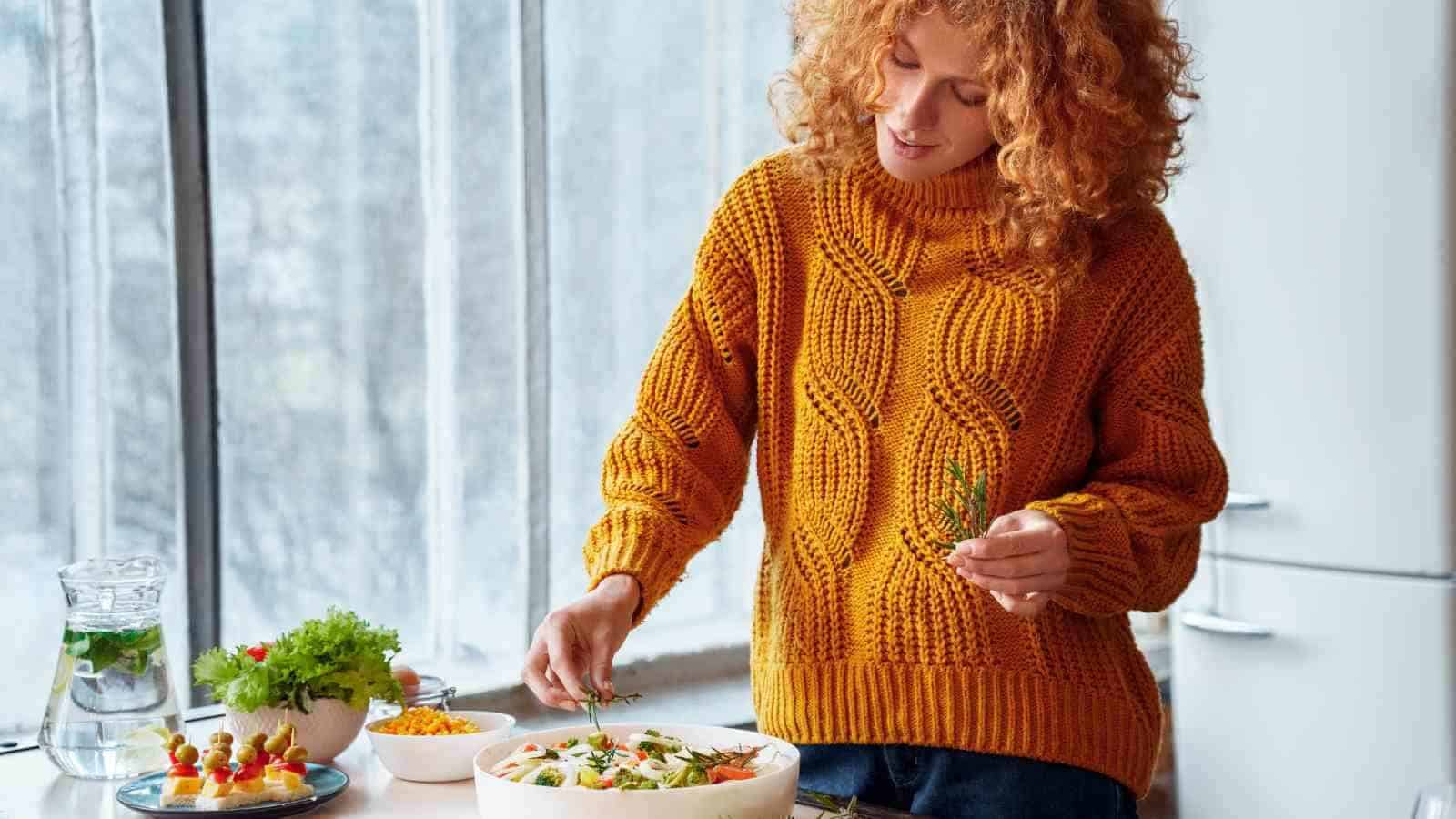
Producing extra dishes reflects hospitality norms and fear of scarcity, a holdover from times when supplies were uncertain. Families prepare foods that rarely get eaten, ensuring every possible preference is accommodated. This surplus signals generosity and abundance, even if waste results. Excess options contribute to a festive atmosphere and reduce stress over dietary gaps. The ritual of abundance reinforces tradition more than practicality.
Leaving One Perfect Plate for Photos
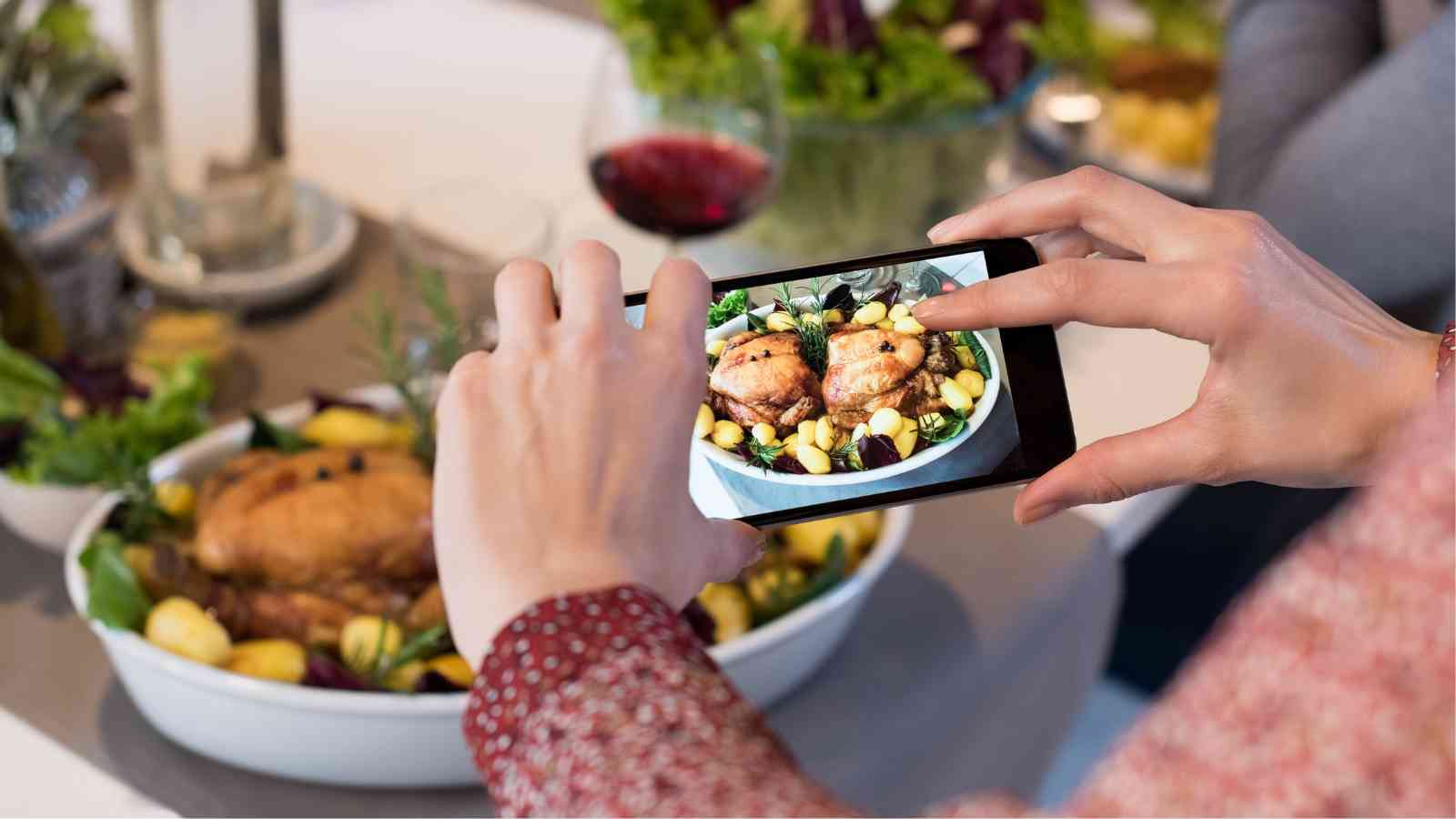
Curated plates for photography have emerged alongside social media culture. Meals are styled to capture perfect colors, arrangement, and proportion before family digs in. The practice prioritizes aesthetics over immediate consumption, preserving visual storytelling. Such plates often highlight centerpiece dishes or particularly ornate recipes. Visual documentation merges nostalgia with modern holiday expression.
Eating Until We Can’t Move—Then Playing Board Games
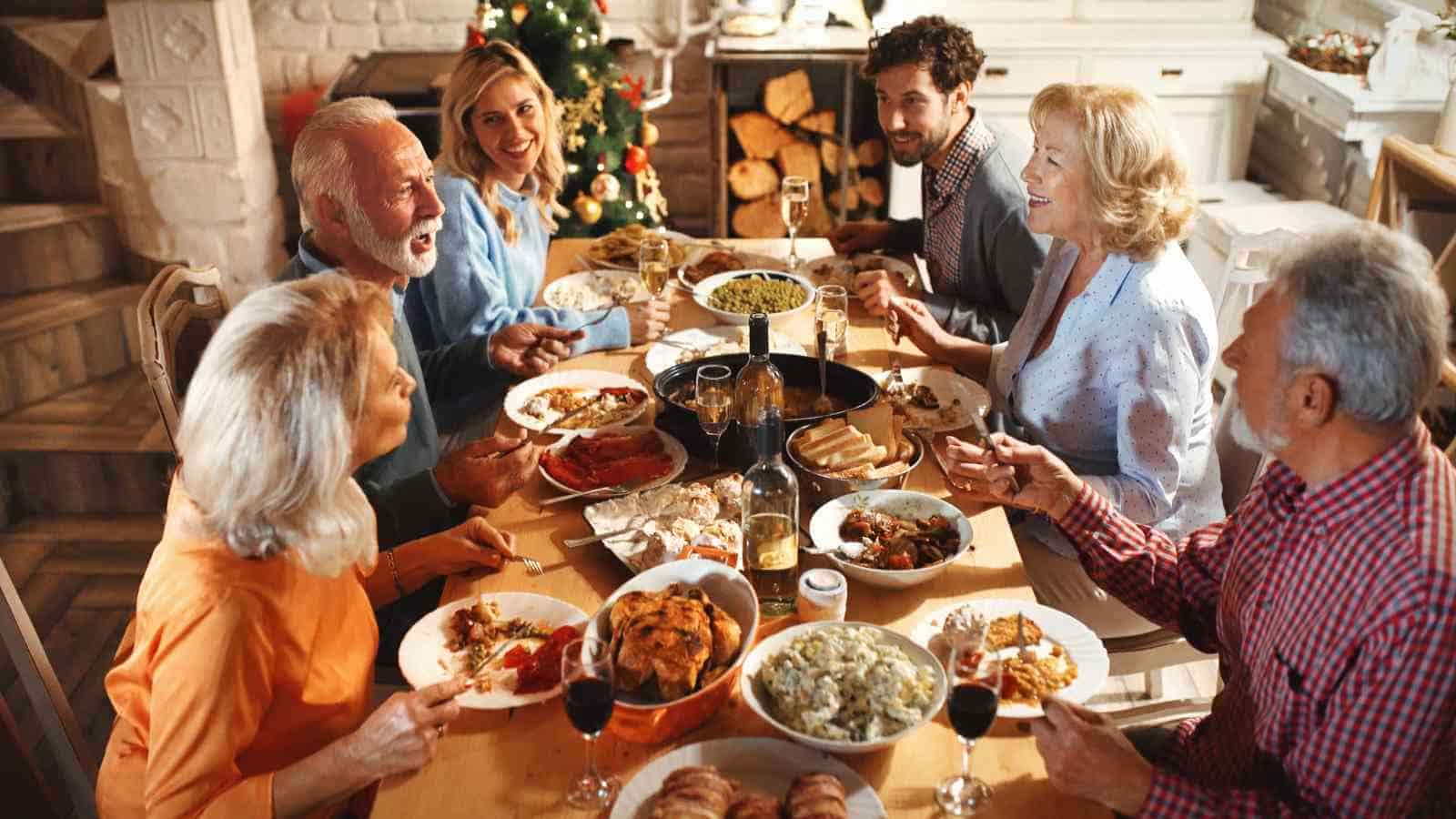
Overindulgence followed by communal games reflects centuries of celebratory feasting patterns. Large meals encourage digestion pauses and relaxed interaction, often leading to casual competitions or leisure activities. Board games foster connection and prolong family engagement after food has been served. The combination of excess eating and structured fun creates ritualized bonding moments. Tradition emphasizes experience over moderation or timing.
Buying Special Serving Platters Used Once a Year
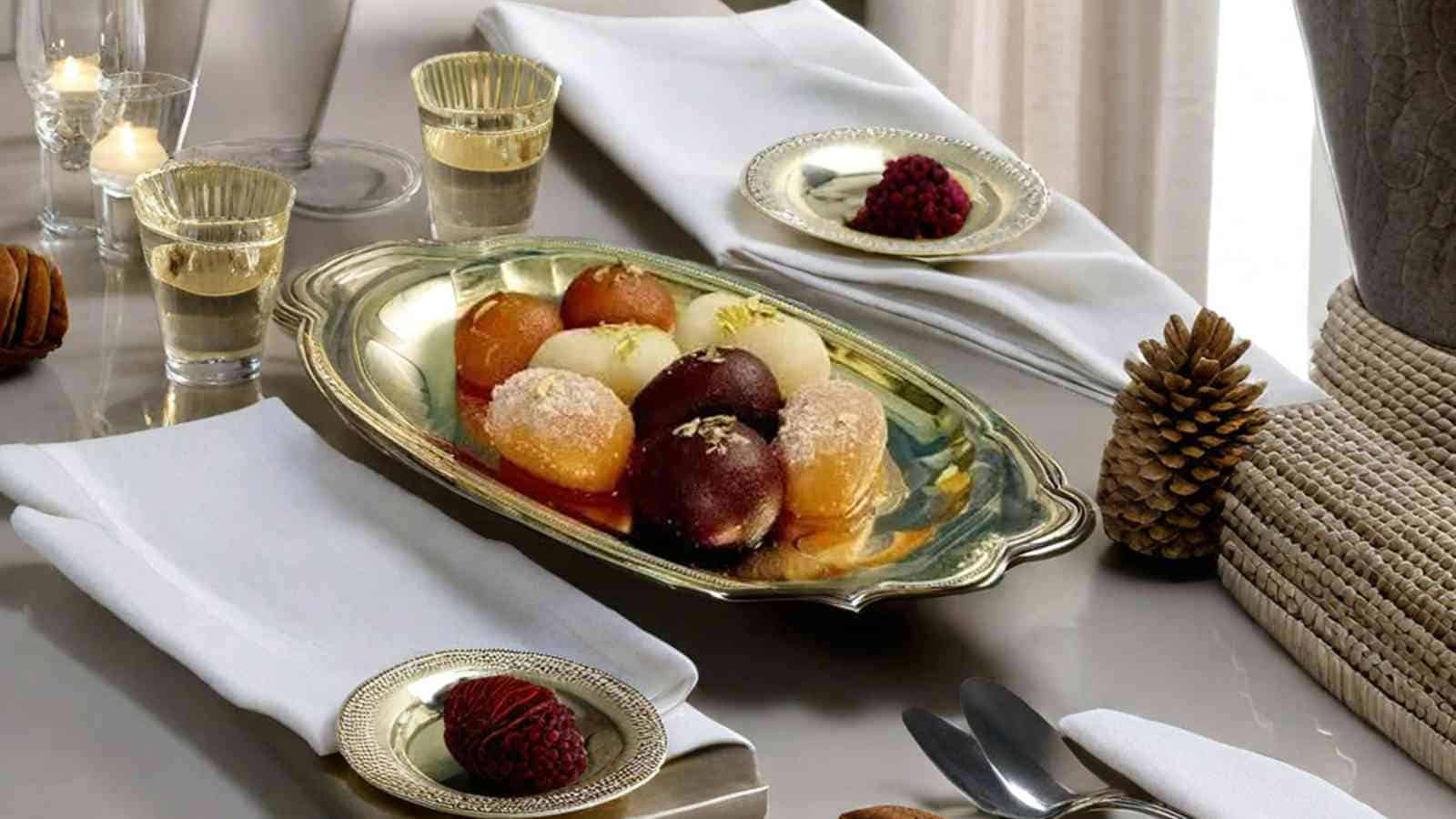
Dedicated holiday platters signify celebration and elevate the visual impact of food presentation. Historically, specific serving dishes denoted status or occasion. Modern households may use them sparingly, but storage reflects anticipation and care. The rarity of use makes them feel special, reserved for meaningful gatherings. The practice persists as an aesthetic and ceremonial statement rather than necessity.
Pretending It’s About the Food—Even Though It’s Really About the Ritual
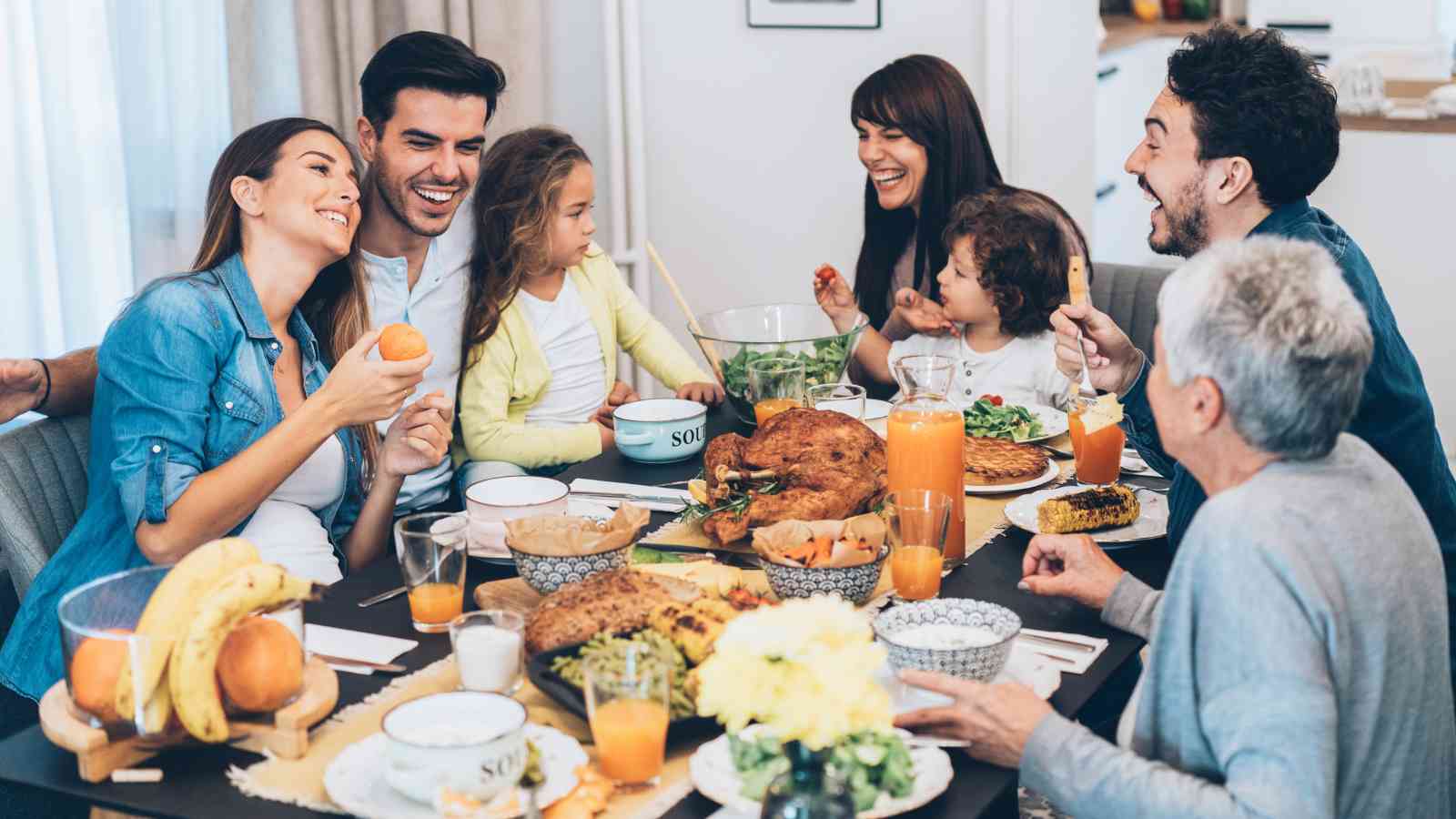
Holiday meals often prioritize presence, participation, and shared experiences over ingredients. Food acts as a vehicle for continuity, memory, and storytelling across generations. Ritualized dishes signal seasonal change, family unity, and cultural heritage. Even simple recipes gain significance through repetition and symbolism. Celebrating tradition becomes an end in itself, with food supporting the narrative rather than defining it.
20 Holiday Hosting Tricks That Cut Down the Chaos

A well-planned setup reduces bottlenecks in the kitchen, prevents last-minute scrambling, and frees you to interact with guests instead of managing chaos. By understanding how each step contributes to a relaxed flow, you gain a system that makes hosting feel less frantic. Moments become more enjoyable when your home functions like it’s already prepared for anything.
20 Holiday Prep Hacks Home Cooks Are Sharing This Year

These shortcuts didn’t start as trends but as practical adjustments people discovered while trying to avoid last-minute chaos. With more cooks sharing what truly works, holiday prep is becoming less about scrambling and more about using smart, reliable systems.

Tamara Tsaturyan is the owner and writer of Thriving In Parenting, a website focused on providing simple tips for busy parents — easy and healthy recipes, home decor and organization ideas and all things P A R E N T I N G.

Share Your Thoughts!
I love to know your thoughts, make sure to comment below to start a discussion! You can also follow me on your favorite social network below.