New Year’s celebrations for Boomers often revolved around foods that carried tradition, meaning, and a sense of occasion. These dishes weren’t chosen for trendiness but for familiarity, abundance, and the way they marked a night as special. Many of these foods reflected regional customs, family heritage, or symbols of prosperity, subtly teaching younger generations what a proper celebration entailed. Observing these foods together created a shared experience that blended nostalgia, taste, and ritual into one memorable evening.
Deviled Eggs

Halved eggs stuffed with seasoned yolk mixtures were easy to prepare yet impressive in appearance. Their presence signaled a host’s understanding of tradition, as they had long been associated with parties and gatherings. Creamy texture and mild flavor made them versatile for pairing with other appetizers. Deviled eggs could be adapted with paprika, mustard, or herbs, offering subtle variations that became family favorites. They were a reliable snack that both kids and adults returned to repeatedly during celebrations.
Shrimp Cocktail
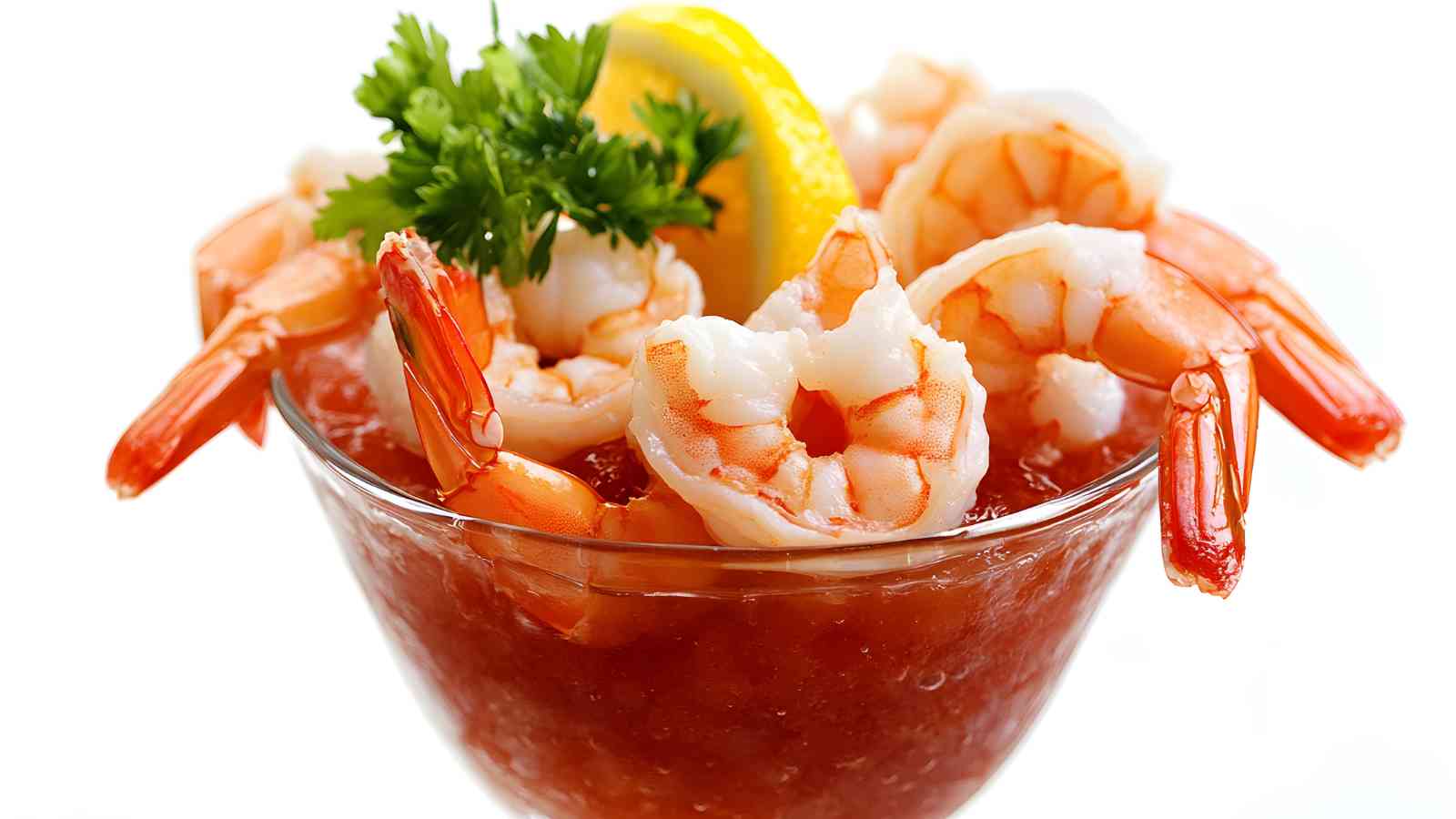
Chilled shrimp arranged around a tangy cocktail sauce became a visual statement of sophistication at parties. Presentation mattered, with tall glasses or platters often used to elevate the dish. Shrimp’s status as a luxury seafood made it an ideal choice for marking a festive occasion. Flavor balance between the sweet shrimp and zesty sauce offered a bite that felt indulgent without being heavy. Shrimp cocktail also invited conversation and mingling, as guests could serve themselves while standing around the table.
Prime Rib
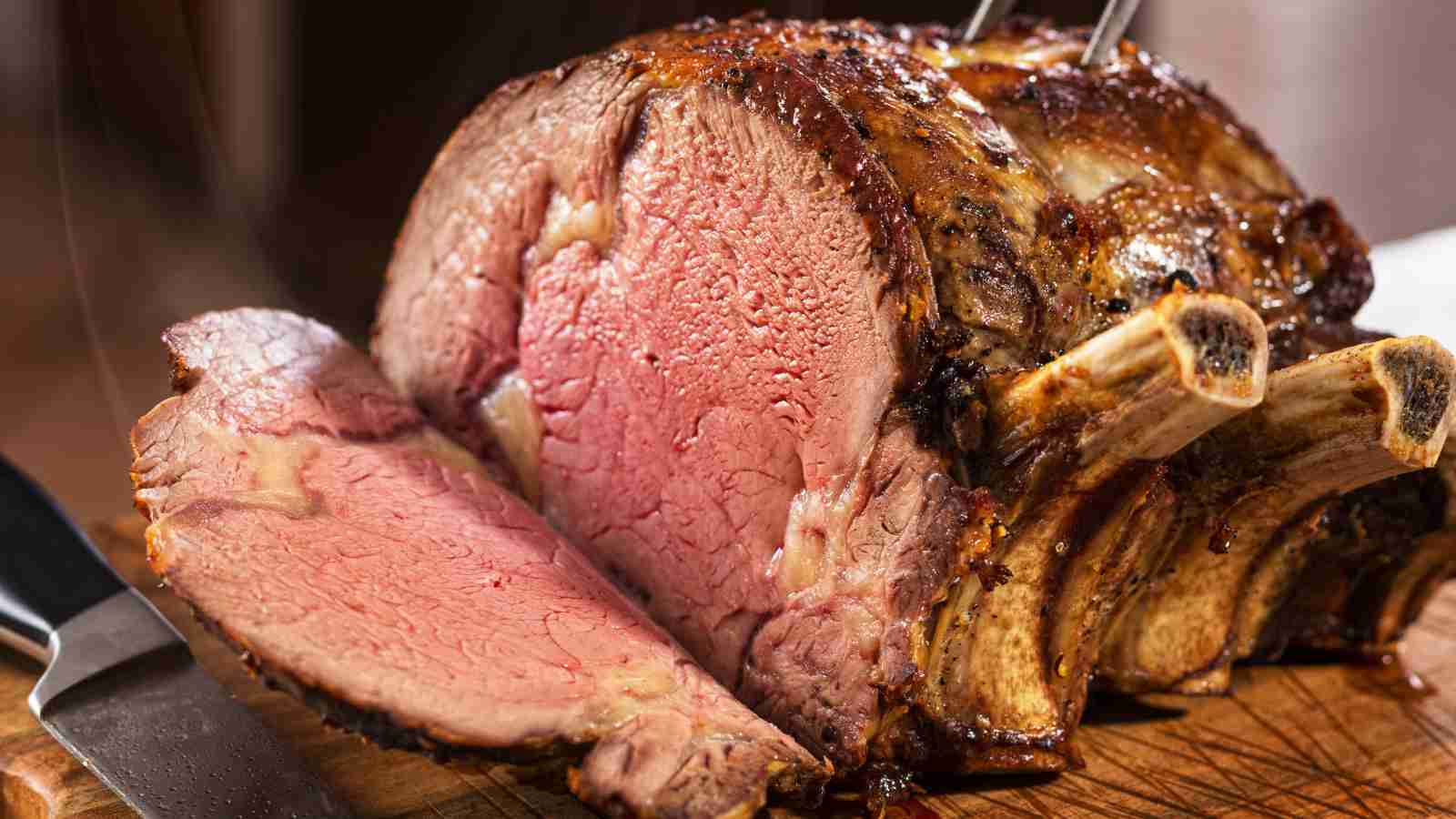
Large cuts of prime rib carried connotations of effort and celebration that ordinary weeknight meals lacked. Oven-roasted with seasoning and sometimes herbs, it often dominated the table both in size and attention. Meat quality reflected prosperity and care in preparation, making it a natural choice for a milestone occasion. Slicing into a perfectly roasted prime rib gave the event a tangible, ceremonial moment. Its leftovers often extended the celebration into the following day, reinforcing abundance.
Cheese Balls Rolled in Nuts
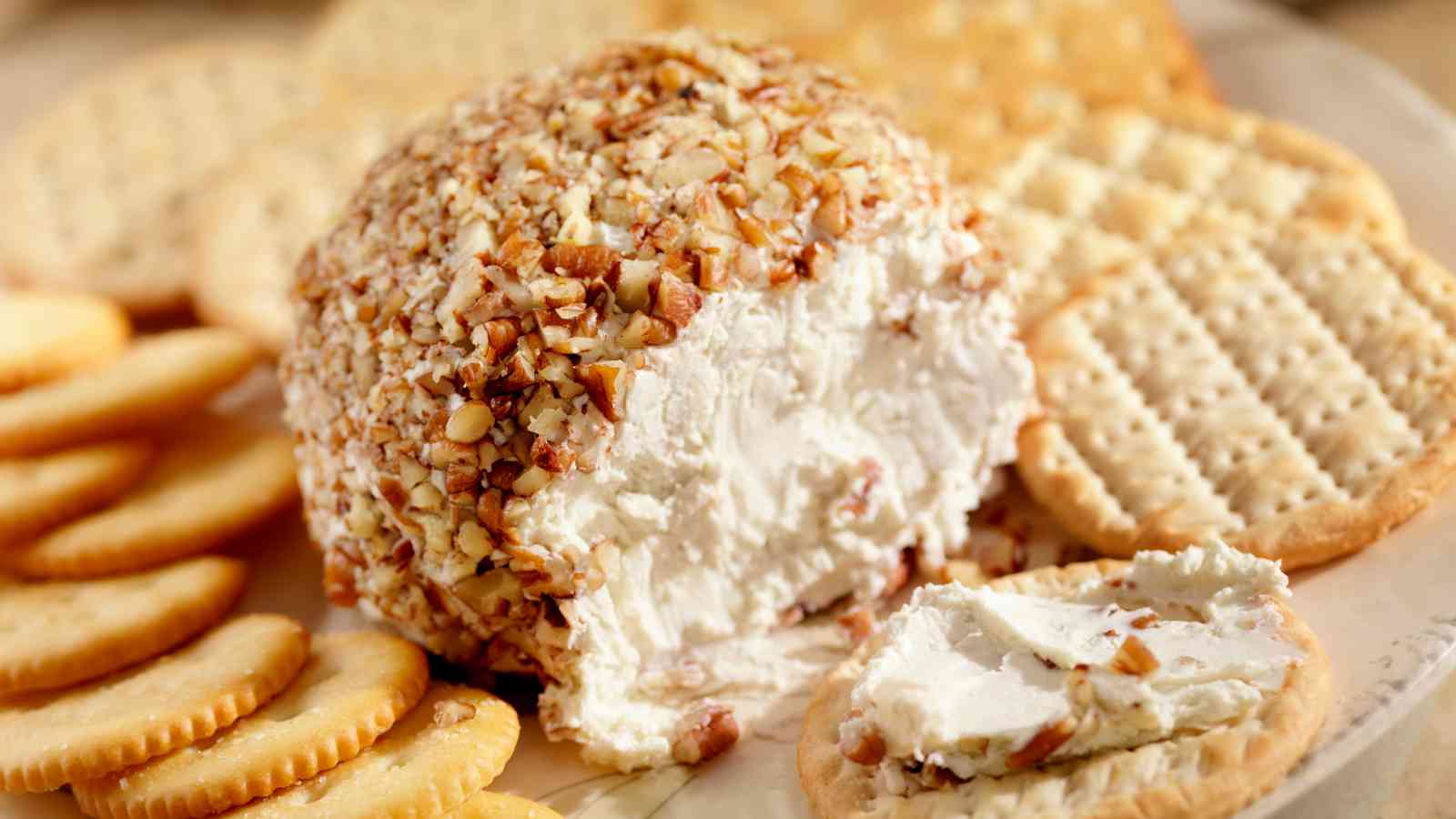
Spherical cheese creations became a centerpiece as much for their shape as their taste. Rolled in nuts or herbs, cheese balls offered a mix of texture and flavor that guests could nibble on throughout the night. Often paired with crackers or bread, they encouraged communal grazing around the table. Cheese balls were visually striking, signaling attention to presentation and indulgence. Their role as conversation starters made them a memorable feature of the festive spread.
Cocktail Wieners in Sauce
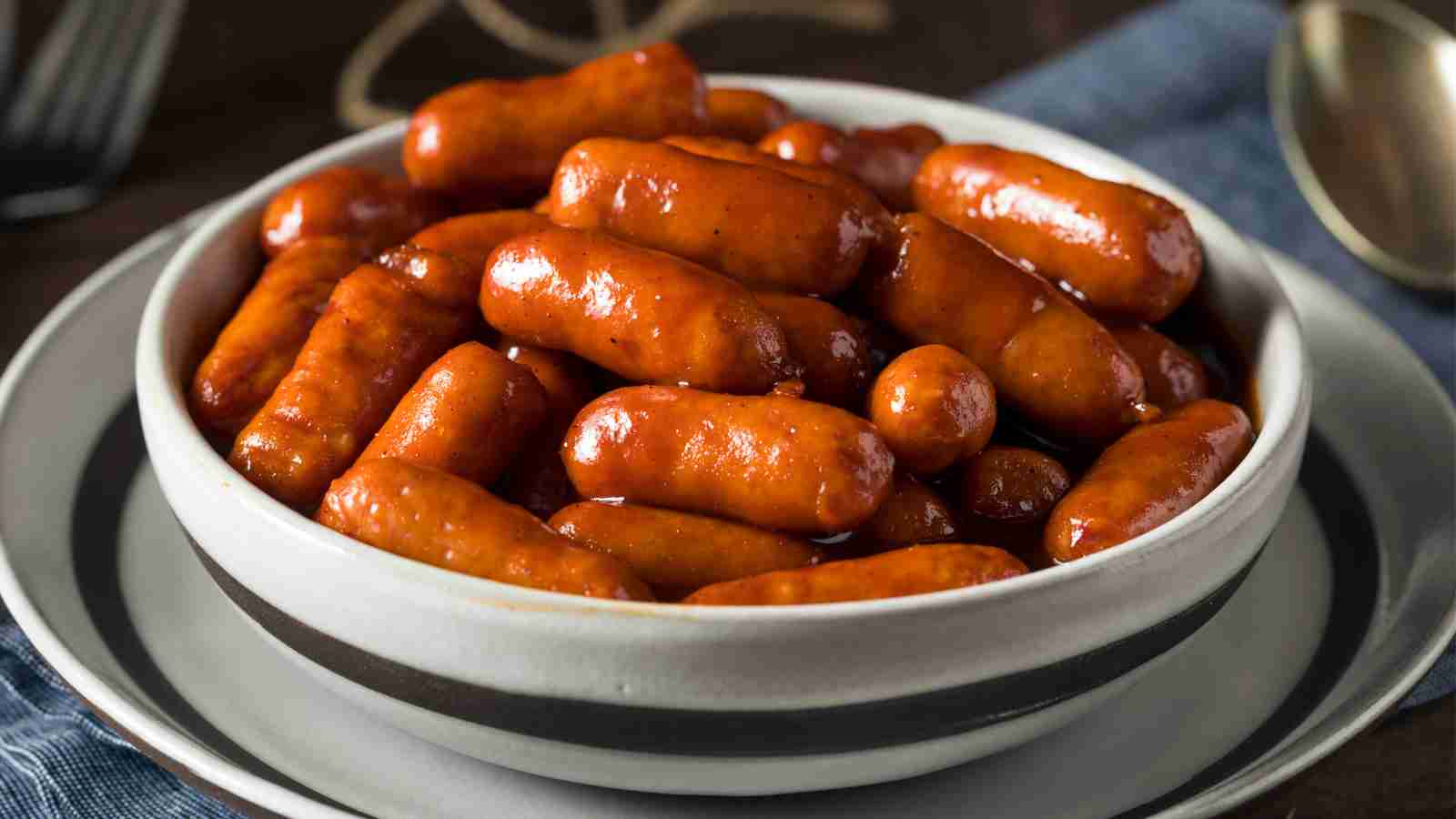
Small sausages cooked in sweet or savory sauces became a simple, hands-off appetizer that fed a crowd efficiently. Often prepared in slow cookers, they stayed warm and accessible, allowing hosts to focus on socializing rather than constant monitoring. The combination of meatiness and sauce offered flavor without complication. Guests could eat them straight from the serving dish, making them ideal for informal mingling. Cocktail wieners became a nostalgic marker of mid-century entertaining style.
Black-Eyed Peas
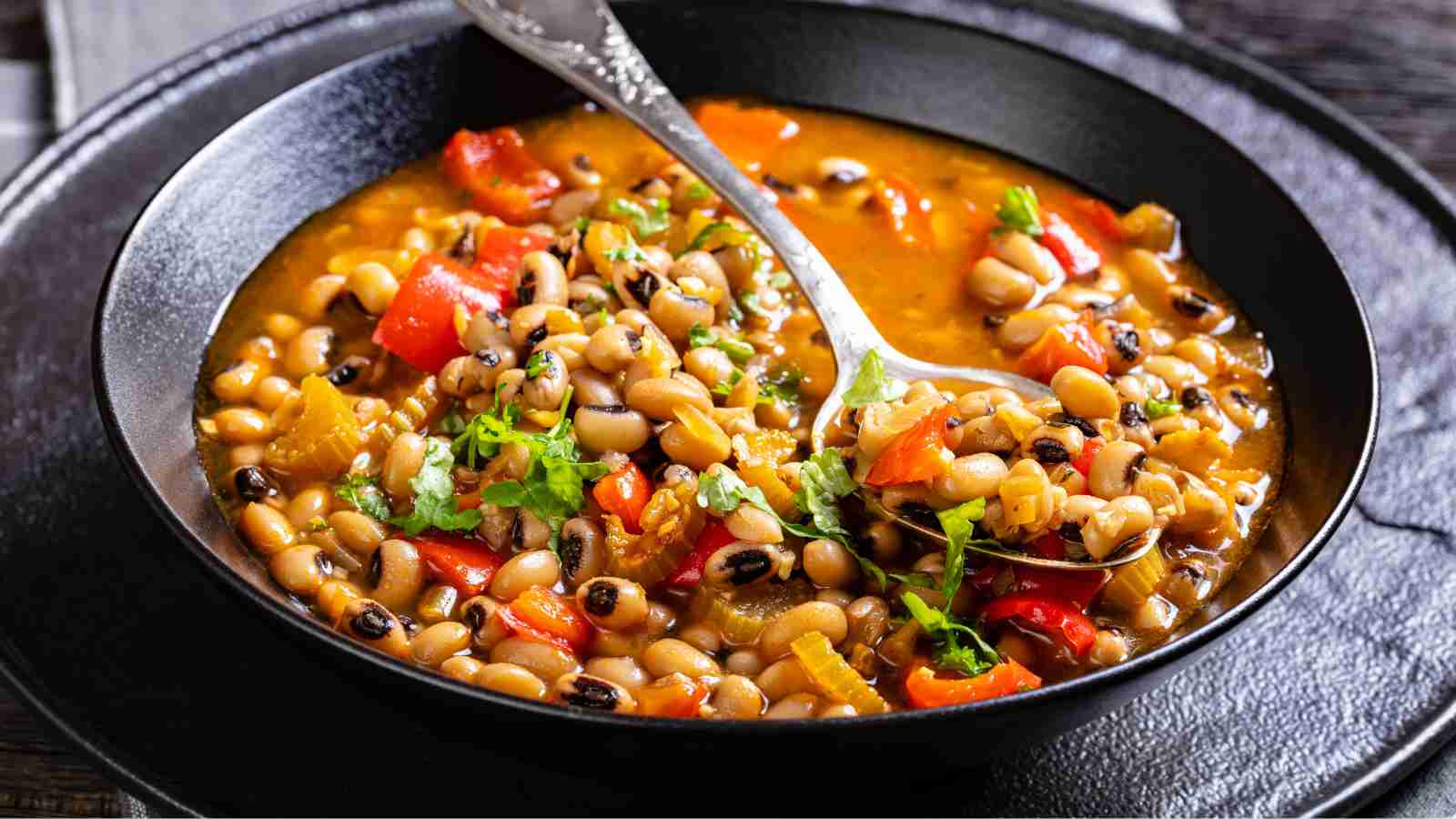
Symbolism drove the popularity of black-eyed peas, especially in Southern households, where they represented luck and financial prosperity. Often served in a pot with ham or greens, they carried both flavor and meaning. Their soft texture and mild taste allowed them to blend seamlessly into celebratory meals. Consuming them at New Year’s became a ritual meant to invite good fortune for the coming year. Preparation varied, reflecting regional tastes and family traditions.
Sausage and Sauerkraut
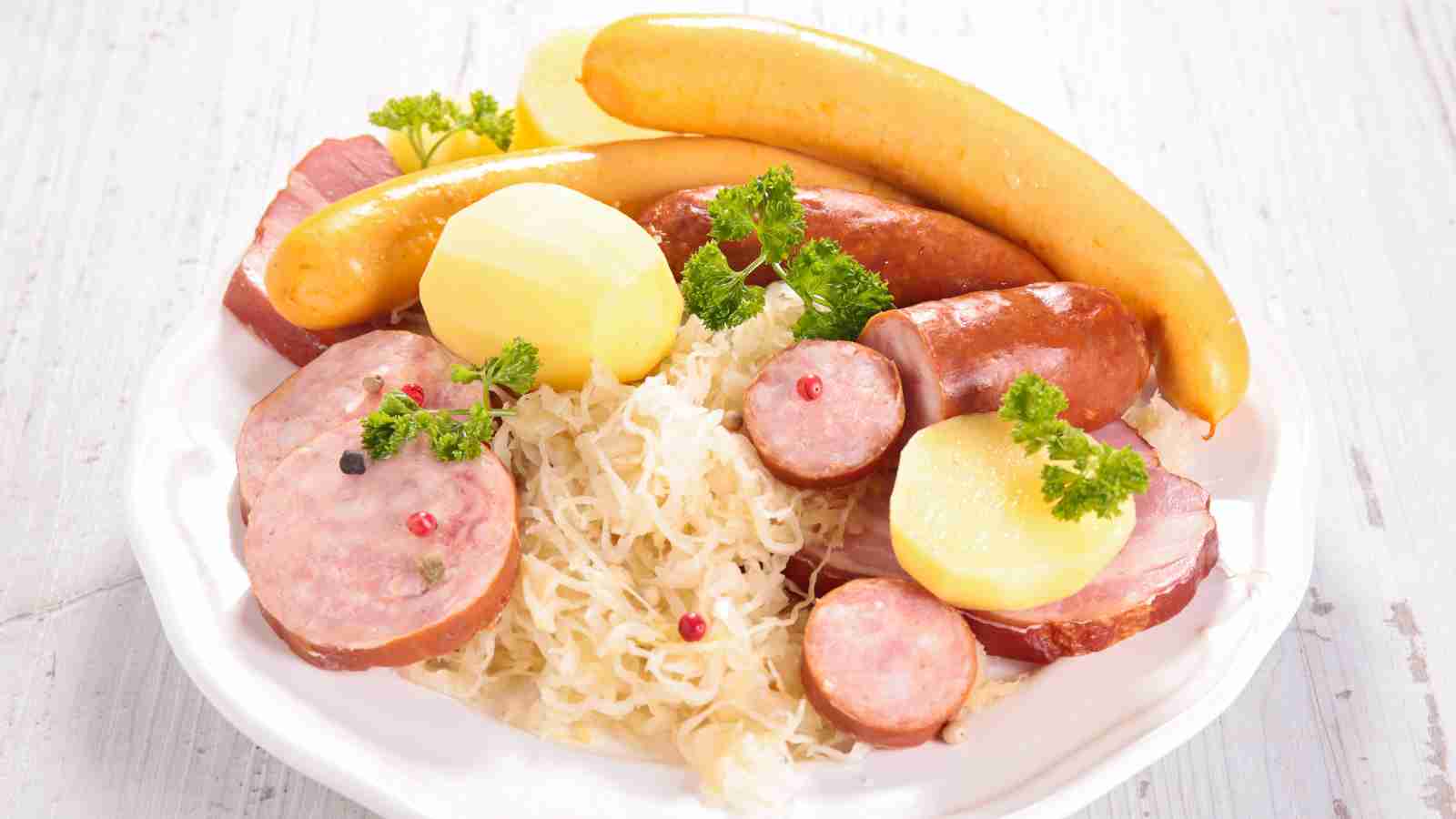
Combining pork sausage with fermented cabbage created a dish rich in both flavor and symbolism. Rooted in German and Eastern European traditions, it was believed to attract luck and wealth for the new year. Slow cooking the ingredients allowed flavors to meld while creating a hearty, satisfying dish. Often accompanied by mustard or potatoes, it anchored the meal with familiarity. Serving it at midnight or on New Year’s Day reinforced cultural continuity and celebration.
Fondue

Sharing melted cheese or chocolate from a communal pot made any party feel interactive and special. Fondue encouraged conversation, as guests dipped bread, fruit, or vegetables into the pot together. Its origins in Switzerland gave it an international flair while remaining approachable. Multiple variations allowed hosts to adapt it to the crowd’s taste and occasion. Presenting fondue at New Year’s added both elegance and fun to the table.
Seven-Layer Dip
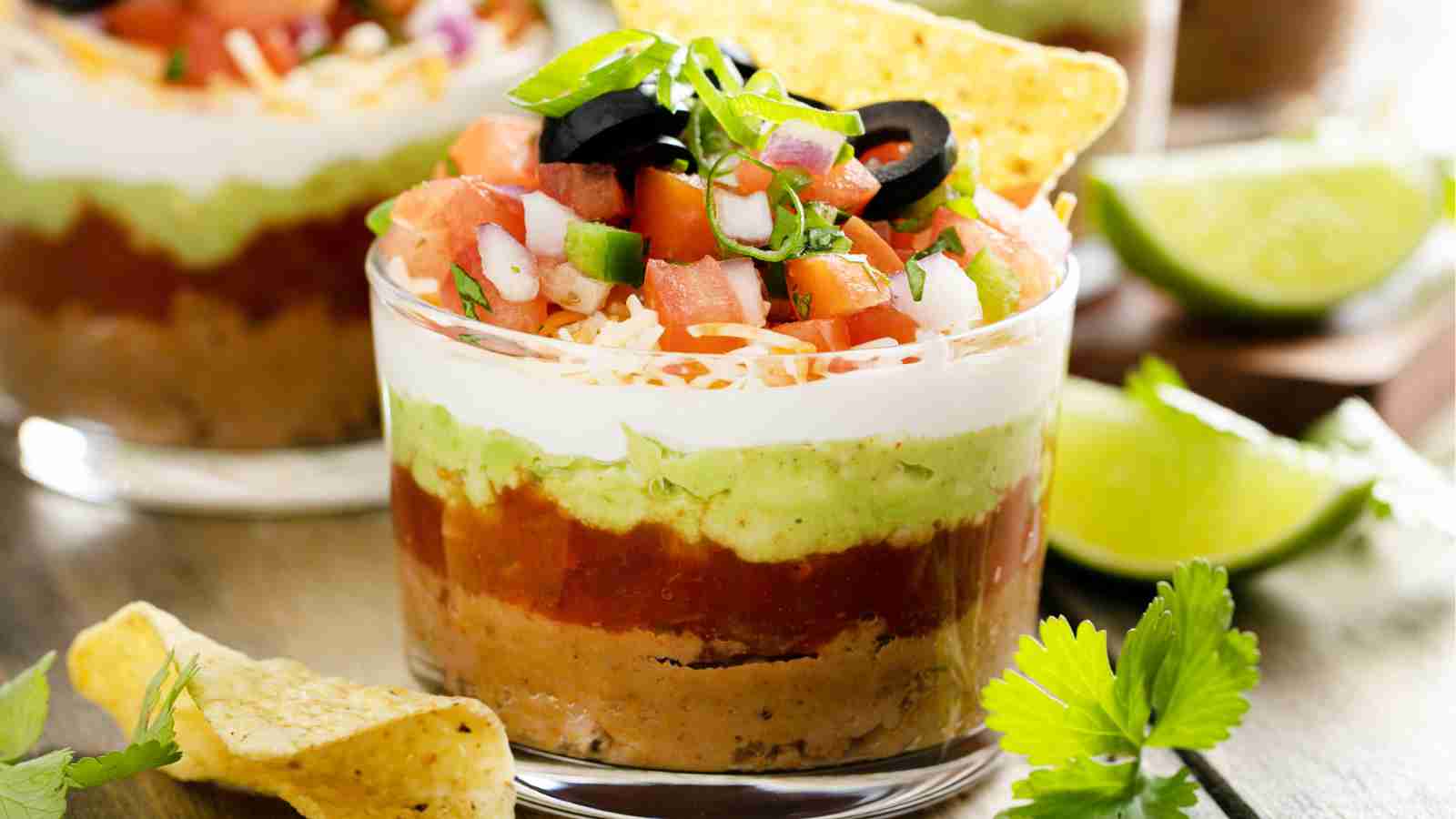
Layers of beans, sour cream, cheese, guacamole, tomatoes, olives, and onions became a visual and flavorful centerpiece. Its multi-textured approach made it a hit at casual gatherings and lent variety without complex preparation. Served with tortilla chips, it allowed for self-serving while mingling. The dish symbolized abundance and practicality, reflecting the era’s party hosting style. Its popularity endured because it could satisfy many tastes in a single platter.
Pineapple Upside-Down Cake
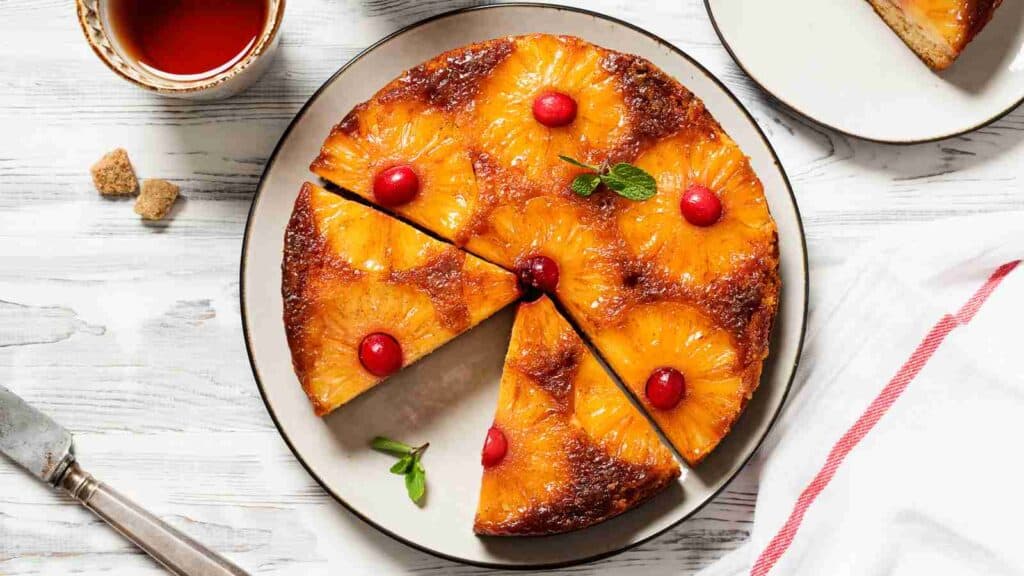
Bright, caramelized pineapple rings topping a moist cake made it instantly recognizable and festive. Sweetness combined with visual appeal highlighted celebration rather than everyday eating. Often baked in advance, it allowed hosts to prepare in advance without last-minute stress. Its association with hospitality made it suitable for welcoming guests or extended family. The dessert’s cheerful appearance and flavor reinforced the feeling of a proper party.
Ham with Glaze
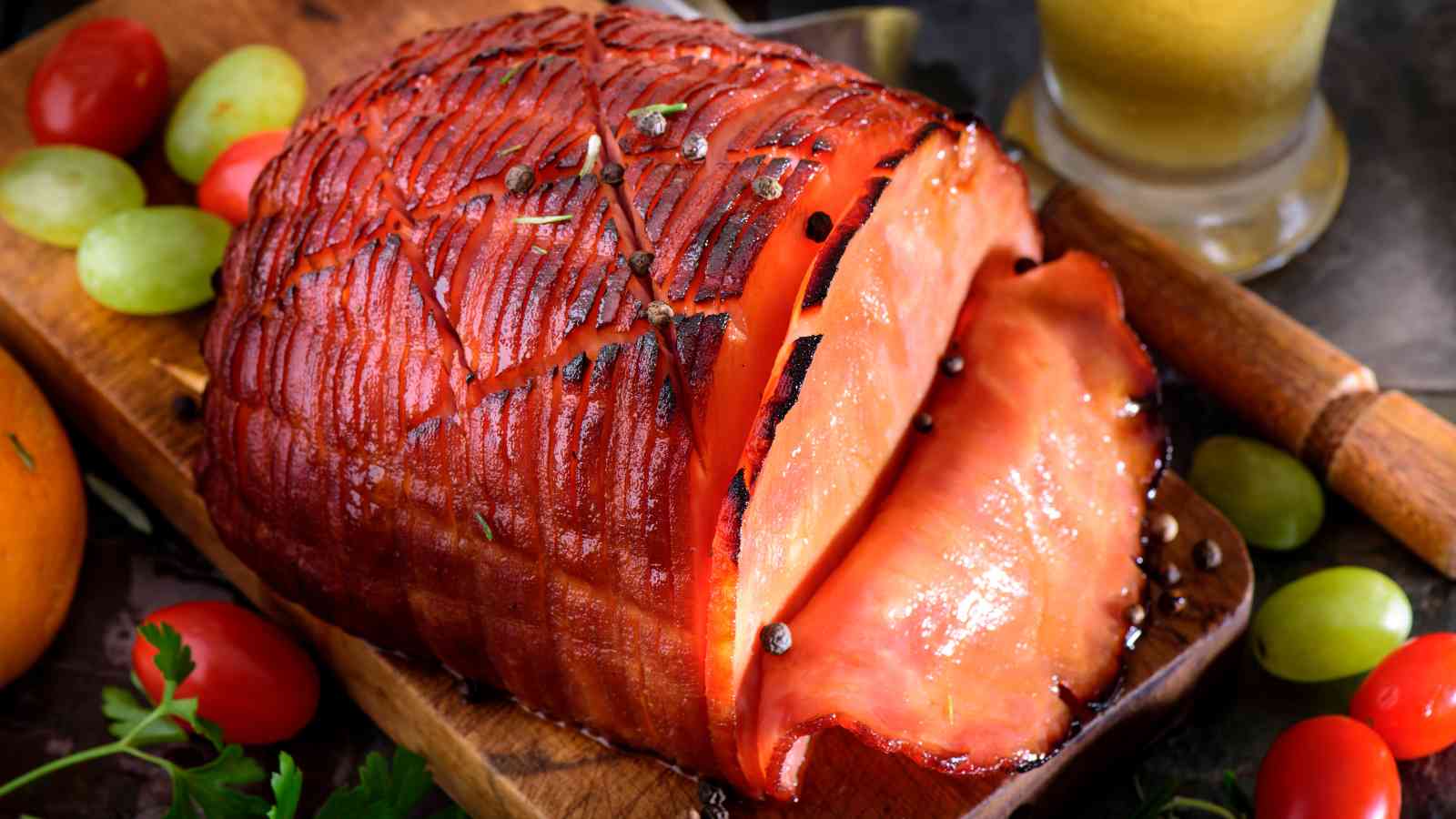
Cured or roasted ham, often brushed with sugar or fruit-based glazes, marked the occasion with both abundance and tradition. Its preparation was simple yet impressive, making it suitable for large family gatherings. Symbolic of prosperity, ham also paired well with multiple side dishes, allowing variety on the table. Glazing added a touch of flair that visually signaled effort and care. Leftover ham also became an easy next-day meal, extending the festive energy.
Party Mix (Homemade)
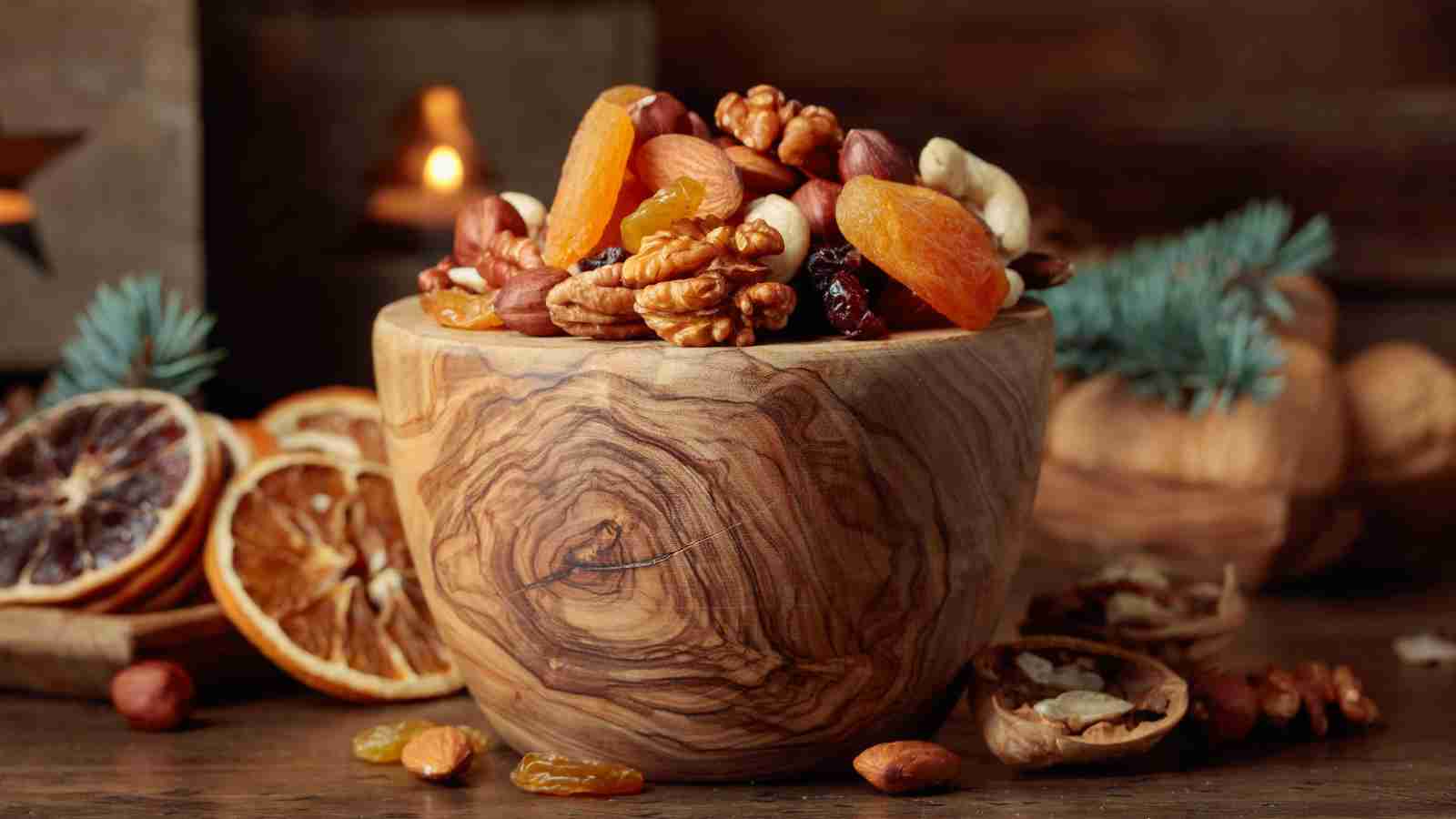
Handmade mixes combined cereals, nuts, pretzels, and seasoning for a crunchy, snackable option. Customizing ingredients allowed hosts to make it unique and memorable for their gatherings. Served in bowls for casual grazing, it contributed to a lively, informal party atmosphere. Preparation ahead of time reduced stress while still impressing guests. Homemade party mix reflected creativity and personalization, making it a classic comfort item.
Crab Legs (When Budget Allows)
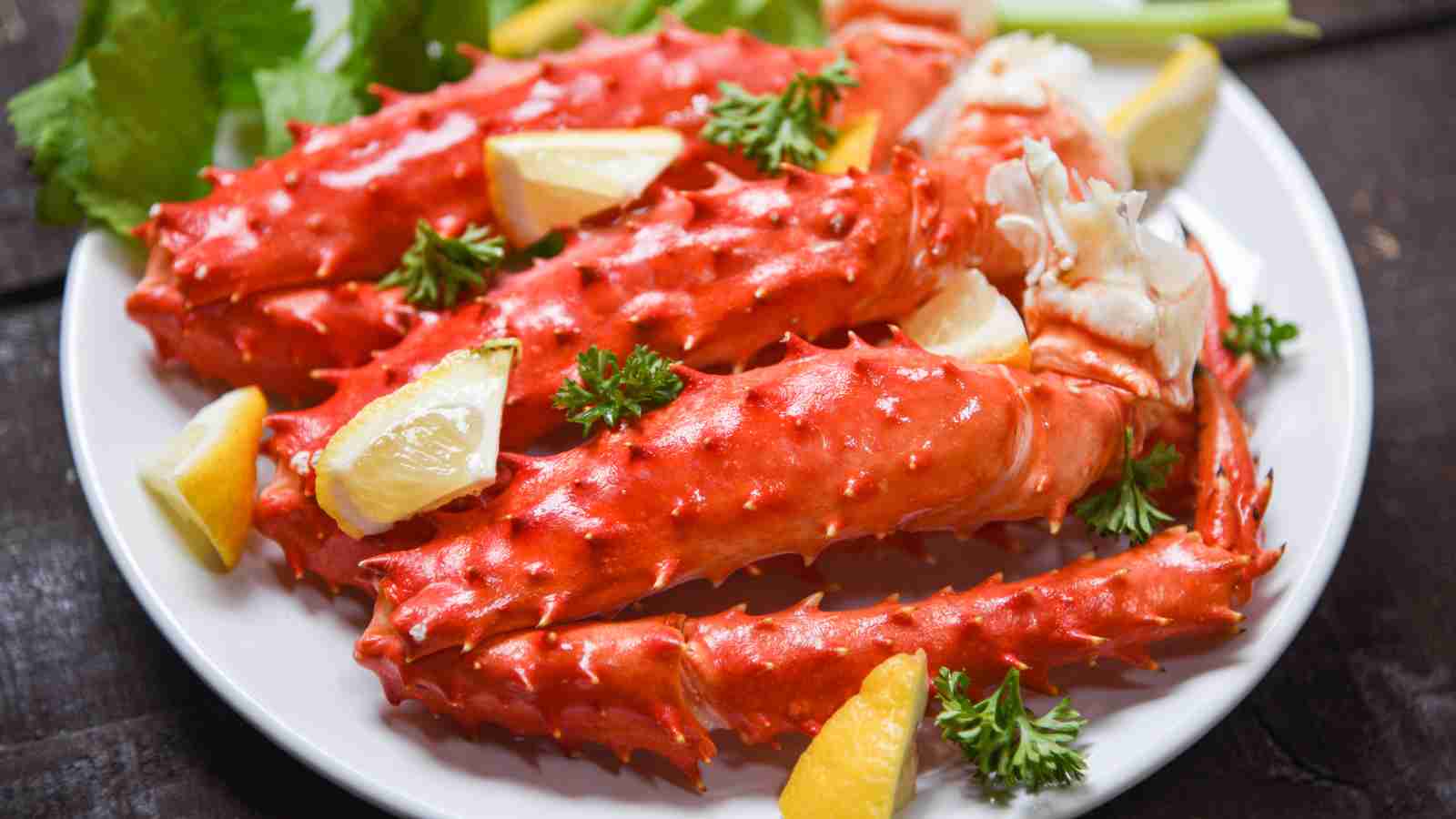
Steaming or boiling crab legs added a touch of luxury to the table, signaling prosperity for the household. They were often reserved for special occasions due to cost and preparation effort. Eating crab legs created a leisurely, interactive experience as guests cracked shells and shared the catch. Presentation on ice or large platters enhanced the visual appeal. Their appearance indicated that the host had spared no effort for the holiday celebration.
Champagne with Sugar Cubes

Pouring champagne over sugar cubes created a ritual that was as memorable as the drink itself. It added both a visual and auditory element to the celebration, with the fizz capturing attention. Champagne symbolized luxury and marked the countdown in style. Sugar cubes added sweetness while reinforcing the ceremonial aspect of the toast. This simple tradition enhanced the sense of occasion and collective excitement.
Fruit Salad Mold
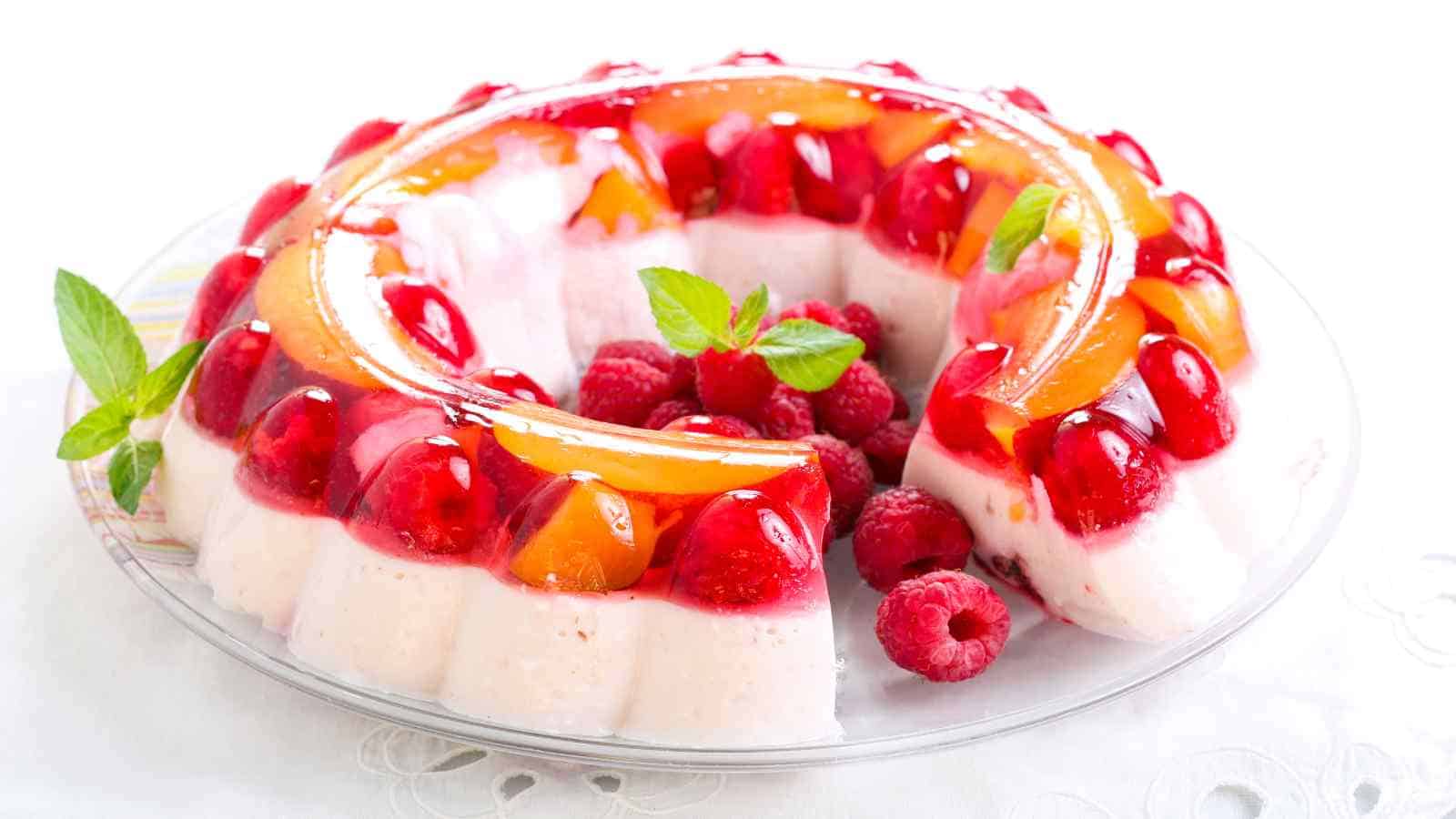
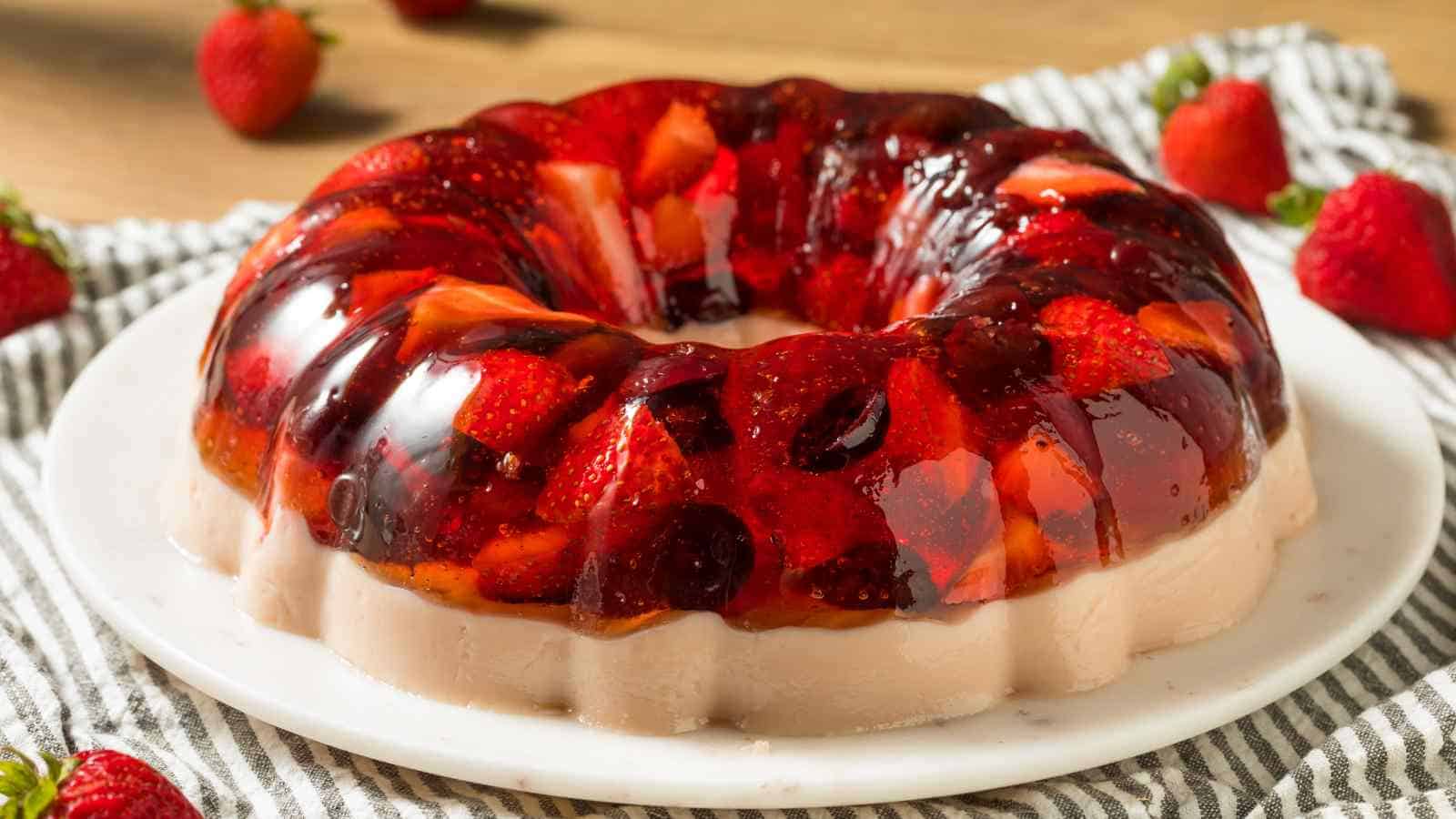
Colorful gelatin or fruit salads molded into decorative shapes were a festive, retro touch on many New Year’s tables. Combining canned fruits, marshmallows, and sometimes nuts, these salads reflected mid-century presentation trends. Molded salads offered both visual flair and light dessert options, balancing heavier mains. Their preparation allowed for early assembly, freeing hosts to enjoy the party itself. Displaying a fruit salad mold became a signal that care and style went into even seemingly simple dishes.
15 New Year’s Eve Traditions People Feel Guilty Skipping

New Year’s Eve carries a quiet weight that can be hard to explain. There’s an invisible checklist of little things people feel they “should” do, even when it’s tempting to skip them. Traditions stick because they’re familiar, tied to family and loved ones, and somehow missing them leaves a small twinge of guilt. Here are 15 traditions people feel guilty skipping, and why they matter more than it seems. Each one feels meaningful, even if it’s just a small gesture or habit. They remind people that the night is different, important, and shared.
15 New Year’s Eve Rituals People Use to Feel a Fresh Start

Doing these tiny traditions reminds you that even small gestures matter when it comes to starting fresh. And honestly, it’s fun to have a few moments that feel just for you before the chaos of the new year hits.

Tamara Tsaturyan is the owner and writer of Thriving In Parenting, a website focused on providing simple tips for busy parents — easy and healthy recipes, home decor and organization ideas and all things P A R E N T I N G.

Share Your Thoughts!
I love to know your thoughts, make sure to comment below to start a discussion! You can also follow me on your favorite social network below.