Something’s shifting—and honestly, it feels like a breath of fresh air. After years of intensive parenting trends that left so many of us feeling burnt out and unsure, more and more parents are reconnecting with the values we grew up with. The kind that didn’t rely on over-explaining everything or turning every moment into a teachable one. The kind that focused on common sense, gut instincts, and a whole lot more trust in kids than we’ve been conditioned to give. Here are 30 old-school parenting tactics making a quiet (but powerful) comeback—and why they still matter. It’s not about going backward—it’s about choosing what still works and letting go of what never really did. And as we slowly bring them back into our homes, it’s not just the kids who are benefiting. We are, too.

Letting Kids Play Outside Unsupervised

Freedom to roam without eyes glued on them every second has started to return, and it’s doing something good. Kids are learning to trust their own judgment, make decisions, and explore the world in their own way. That bit of unstructured time outdoors brings a calm confidence you can’t teach with a worksheet or screen. Letting them figure out how to climb a tree, chase a bug, or make up a game from nothing—it builds something inside them that sticks. Independence doesn’t happen all at once, but it grows when given the space.
Bringing Back Family Dinners
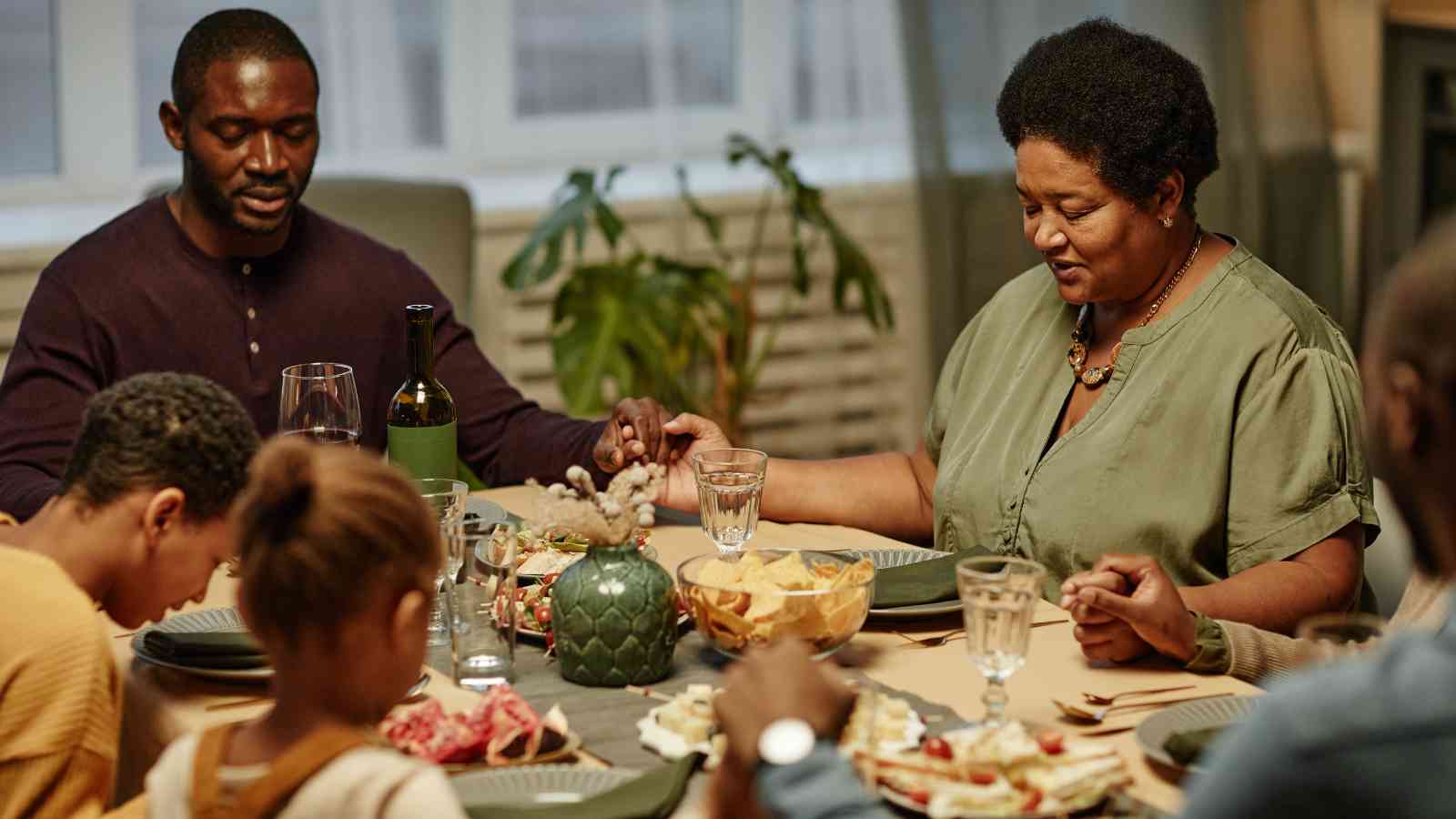
There’s something about gathering around the table that resets everyone, even when it’s just pizza and store-bought salad. Kids start to feel part of something bigger than themselves when they’re expected to show up, share stories, and pass the rolls. Those few moments of togetherness every night make a quiet kind of impact—stronger than lectures and more lasting than reminders. It becomes the place where little things get talked about before they turn into big things. And more than anything, it reminds them that they matter.
Chores as Non-Negotiable

Pitching in at home isn’t punishment—it’s participation. Giving kids real chores without a reward shows them that their role in the family matters, that they’re not just guests here. There’s pride in wiping down a table, folding a towel, or feeding the dog, even if they roll their eyes the whole time. They might not say it, but the structure gives them security. And someday, they’ll look back and realize those small chores helped shape a dependable adult.
Teaching Them to Clean Up Their Own Messes

Mess is part of childhood, but cleaning up after yourself is part of growing up. Handing kids a broom or a rag isn’t punishment—it’s participation. They learn that actions have impact and that taking care of your own mess is a way of showing care for others. Those small moments of responsibility build a kind of inner strength that can’t be bought. And over time, they stop seeing cleanup as someone else’s job.
“Because I Said So” (Within Reason)

Not everything needs a debate or a PowerPoint presentation. Setting clear boundaries, calmly and firmly, teaches kids that sometimes you just have to trust someone who sees the bigger picture. It isn’t about control—it’s about leadership. They may not like hearing “no,” but it gives them something to push against that feels solid. And when things get confusing in the outside world, that stability means more than we realize.
Making Kids Earn Their Privileges

Nothing builds appreciation like effort. Whether it’s screen time, a trip to the mall, or a little spending money, having to work for it teaches kids that rewards aren’t guaranteed—they’re earned. It might take longer and require more patience on our end, but it sticks. Kids who understand the value of what they’re given tend to take better care of it. And there’s something kind of beautiful about watching them beam with pride after they’ve earned something on their own.
Teaching Manners as a Daily Practice

Simple courtesies make a big difference, and practicing them every day adds up. Kids who are expected to say “please,” “thank you,” and greet people respectfully carry those habits into every part of their lives. It’s not about being proper—it’s about being kind and aware of others. Modeling those behaviors consistently at home plants roots that grow quietly but steadily. Eventually, those little words turn into something much bigger: character.
Encouraging Independent Conflict Resolution
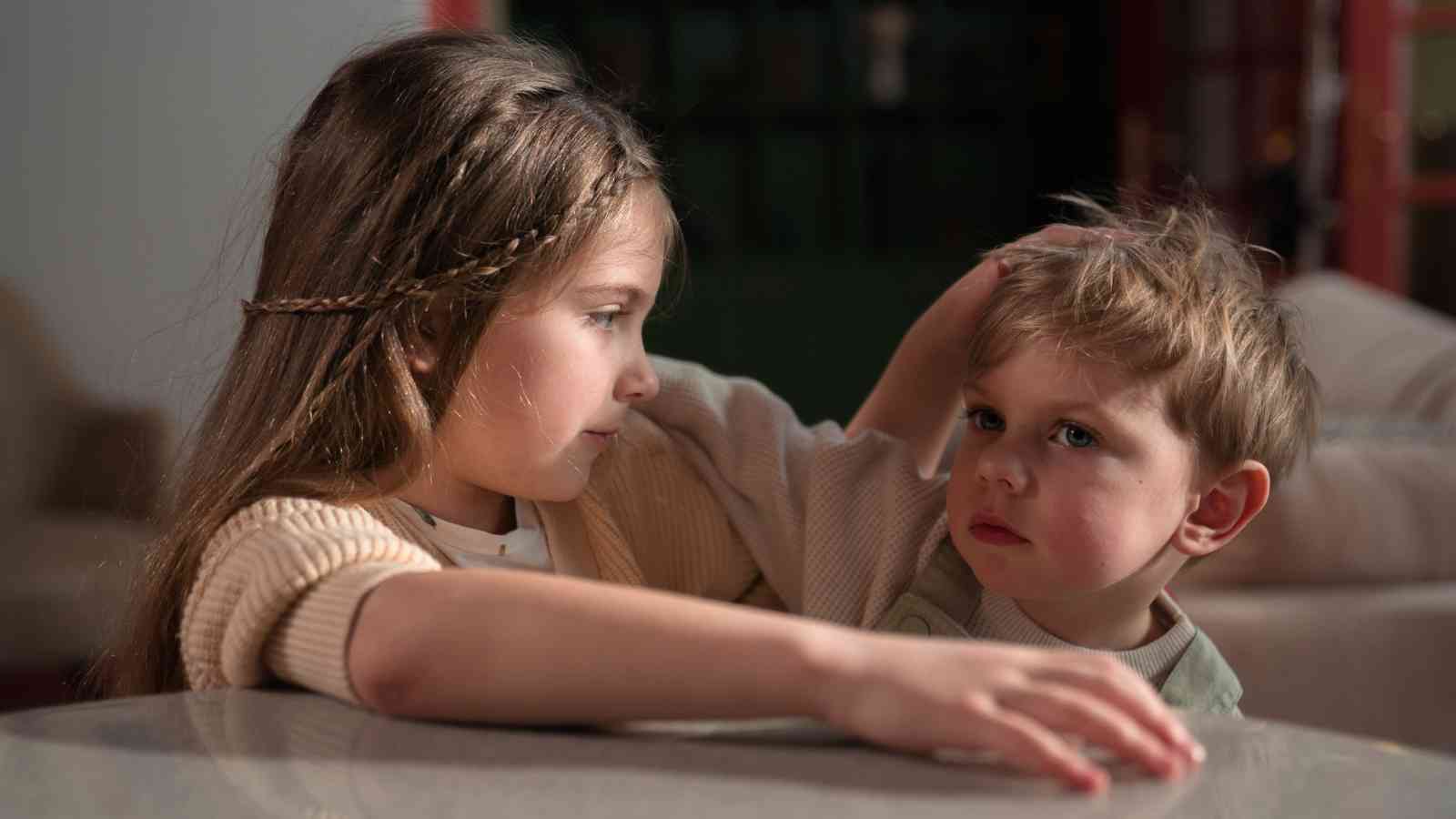
Stepping back and letting kids figure things out with their siblings or friends is uncomfortable at first—but necessary. When they learn how to talk it through, compromise, or even walk away, they’re building emotional muscles they’ll need forever. Jumping in too quickly robs them of that growth. It’s hard to resist, but that pause makes space for their own wisdom to surface. And often, they surprise us with how well they handle it.
Enforcing Bedtimes—No Exceptions

Consistency creates comfort, especially when the day’s been chaotic or overstimulating. Knowing that lights-out happens at a certain time gives kids the predictability they don’t even know they crave. It’s not about being strict—it’s about being steady. Sleep is where growth happens, moods reset, and bodies recharge. And even when they push back, their mornings tell the truth: rest matters.
Keeping Toys Simple and Fewer

Overwhelming them with too many choices can make everything feel disposable. Simple toys invite deeper play—more imagination, more stories, more focus. Blocks become castles, puzzles become shared triumphs, and board games teach more than just rules. Having less teaches them to treasure more. It’s amazing what they come up with when there’s less doing the work for them.
Using the Word “No” Without Guilt

Saying no doesn’t mean withholding love—it means giving structure. Kids need limits to feel safe, even when they act like they don’t. Standing firm builds respect, not resentment. And when “no” is given with love and consistency, it becomes something they can rely on. They learn that someone cares enough to mean what they say.
Not Letting Whining Get Results

Giving in to whining doesn’t just wear us down—it teaches kids that persistence beats respect. Ignoring the theatrics, even when it’s hard, sends a louder message than words ever could. Kids start to realize that calm voices carry more weight than complaints. That lesson carries into friendships, school, and eventually work. And they come to see that respect, not manipulation, is what truly works.
Letting Boredom Happen

When everything isn’t planned out or provided, creativity quietly takes the wheel. Letting kids feel bored without rushing to fill the space gives them time to think, dream, and create. That space is where imaginary friends are born, cardboard boxes become pirate ships, and doodles become stories. Boredom builds patience and a deeper sense of self. And it teaches them that quiet moments don’t need to be escaped—they can be explored.
Holding Them Accountable for Forgotten Items

Forgetting a lunch or leaving homework at home used to mean tough luck, and that lesson stuck. Kids who aren’t rescued every time they slip up learn fast how to organize themselves. It’s not being cold—it’s giving them a safe space to fail and try again. That natural consequence helps build responsibility far more effectively than nagging ever could. And with every little mistake, they grow a little steadier.
Keeping Adult Conversations Off-Limits

Holding boundaries around grown-up talk reminds kids that not every space is meant for them—and that’s not a bad thing. Shielding them from certain topics protects their innocence and lets them focus on what they’re supposed to: being kids. They don’t need the weight of adult problems or gossip, and they benefit from knowing when to step back and listen instead of jumping in. Respecting that line teaches awareness and emotional boundaries. And later on, they carry that same discernment into their own relationships.
Old-School Parenting Lessons That Kids Today Could Seriously Benefit From

These old-school values weren’t about being overly strict or harsh—they were about preparing kids for the real world. While times have changed, the wisdom behind those parenting principles is still just as relevant today.
15 Things Parents Did in the ’50s That Would Spark Outrage Today

Here are 15 things parents did back then that would totally spark outrage today. Looking back now, some of these parenting choices seem downright shocking, while others make us appreciate how much we’ve learned. What was once considered normal would now have people calling child services. Many of these choices weren’t questioned back then, but with time, research, and new societal norms, we’ve come to see things differently.

Tamara Tsaturyan is the owner and writer of Thriving In Parenting, a website focused on providing simple tips for busy parents — easy and healthy recipes, home decor and organization ideas and all things P A R E N T I N G.
Share Your Thoughts!
I love to know your thoughts, make sure to comment below to start a discussion! You can also follow me on your favorite social network below.