So much has changed over the years, and parenting is no exception. It’s not just the world that feels different—it’s how you show up every day for your kids, how you think through every decision, and how you carry the weight of doing things better than they were done before. Because it’s not just about what they need anymore, but also what you need as a parent. You’re not just raising a child; you’re navigating a world full of opinions, tools, and expectations that didn’t even exist back when you were growing up. And with all that change comes both growth and guilt, learning and unlearning, all tangled up in a kind of love that makes you question everything in the best and hardest ways.
What used to be instinct now comes with research, conversation, and a hundred different choices. But even with all the newness, you’re still doing what parents have always done—trying your best to raise kind, confident, secure kids. The difference now is, you’re more aware. Of yourself. Of them. Of everything in between. And while it can feel like a lot, it also means you’re giving them something many of us didn’t get: intention. Let’s look at some of the modern parenting trends that are actually everywhere today—and that your younger self would’ve never imagined.

Gentle Parenting

Firm voices and time-outs were the norm, but today, the focus is on connection before correction. You’re expected to talk through tantrums, validate feelings, and stay calm when everything in you wants to scream. It’s not easy, especially when you weren’t raised that way yourself. But here you are, choosing empathy over punishment and trying to break cycles without losing your sanity. Every deep breath you take in those moments feels like rewriting history for your own kids.
Gender Neutral Parenting
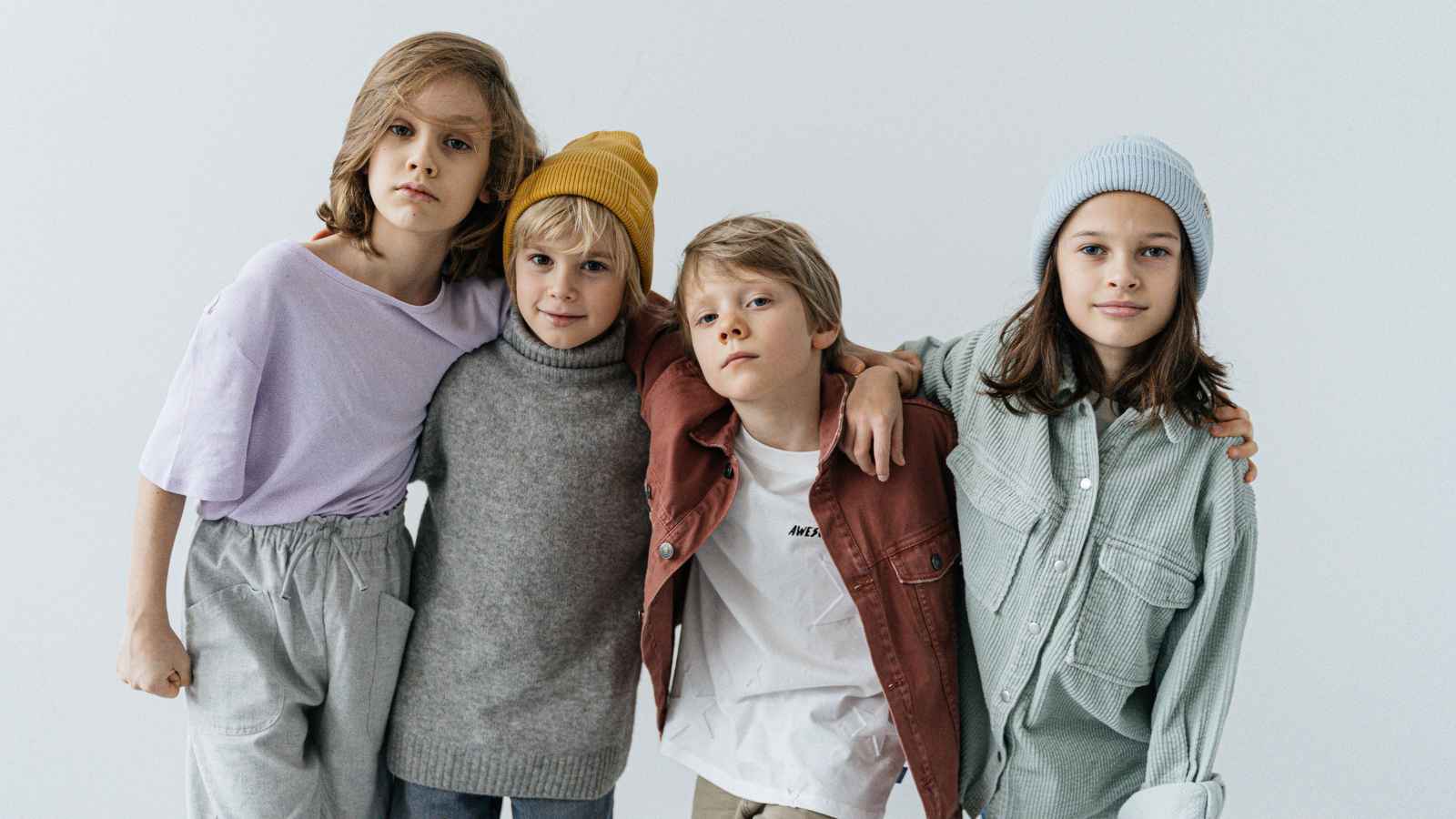
A generation ago, the blue and pink boundaries seemed pretty clear-cut, but today’s parents are embracing a more fluid approach to gender. Gender-neutral parenting allows kids to express themselves without being boxed into traditional gender roles. Parents are choosing clothing, toys, and even language that don’t define their children’s interests by gender. It’s about letting kids be who they are, without the pressure of societal expectations, and embracing a world where boys and girls alike can be whoever they want to be.
Eco-Conscious Parenting

Environmental concerns today are bigger than ever, and parenting has shifted to reflect that. Parents are raising awareness in their kids about sustainability and eco-friendly habits, from reducing waste to choosing eco-conscious products. Many parents now incorporate practices like zero-waste lunches, using sustainable materials, or buying second-hand goods as part of everyday life. It’s not just about recycling—it’s about instilling a sense of responsibility and respect for the planet in a generation that will need to face its challenges head-on.
Screen Time Management with Real

Gone are the days when kids spent hours playing outside without a care in the world. Nowadays, screen time is a topic of constant conversation, and it’s all about balance. Parents today have access to apps that allow them to monitor not just how much time kids spend on their devices, but also the content they consume. Instead of hoping for the best or limiting time by gut feeling, parents can now set limits, schedule breaks, and even control what apps their kids have access to. This creates a more structured digital life for children but also puts the pressure on parents to manage their kids’ exposure to technology carefully.
Child-Led Learning

There’s a shift towards child-led learning, where parents allow their children to take the lead in their education and interests. Whether through unschooling or simply encouraging exploration, this trend is about letting kids have more control over their learning process. It’s about embracing curiosity, allowing children to explore what excites them without rigid structures. Parents today are opting for learning environments where children can thrive at their own pace.
Bilingual Parenting

Raising bilingual children has become a top priority for many parents today, especially in multicultural societies. The benefits of bilingualism are well-known, and parents are eager to provide their children with the cognitive, social, and cultural advantages that come with learning more than one language. In an increasingly global world, being bilingual gives kids an edge, and parents are making it a part of their daily lives.
Prioritizing Mental Health from Day One

Emotions are no longer something you push aside, and it’s a good thing. You’re working on giving your child the tools to express how they feel, something that was never quite done for you growing up. There’s a lot of peace in normalizing talking about feelings, but also a constant reminder of how much emotional weight you carried for years without ever knowing how to process it. Supporting your little one through their big emotions can feel draining at times, but it’s also incredibly fulfilling. Every meltdown managed with care makes the next one a little easier, for both of you.
Minimalist Parenting
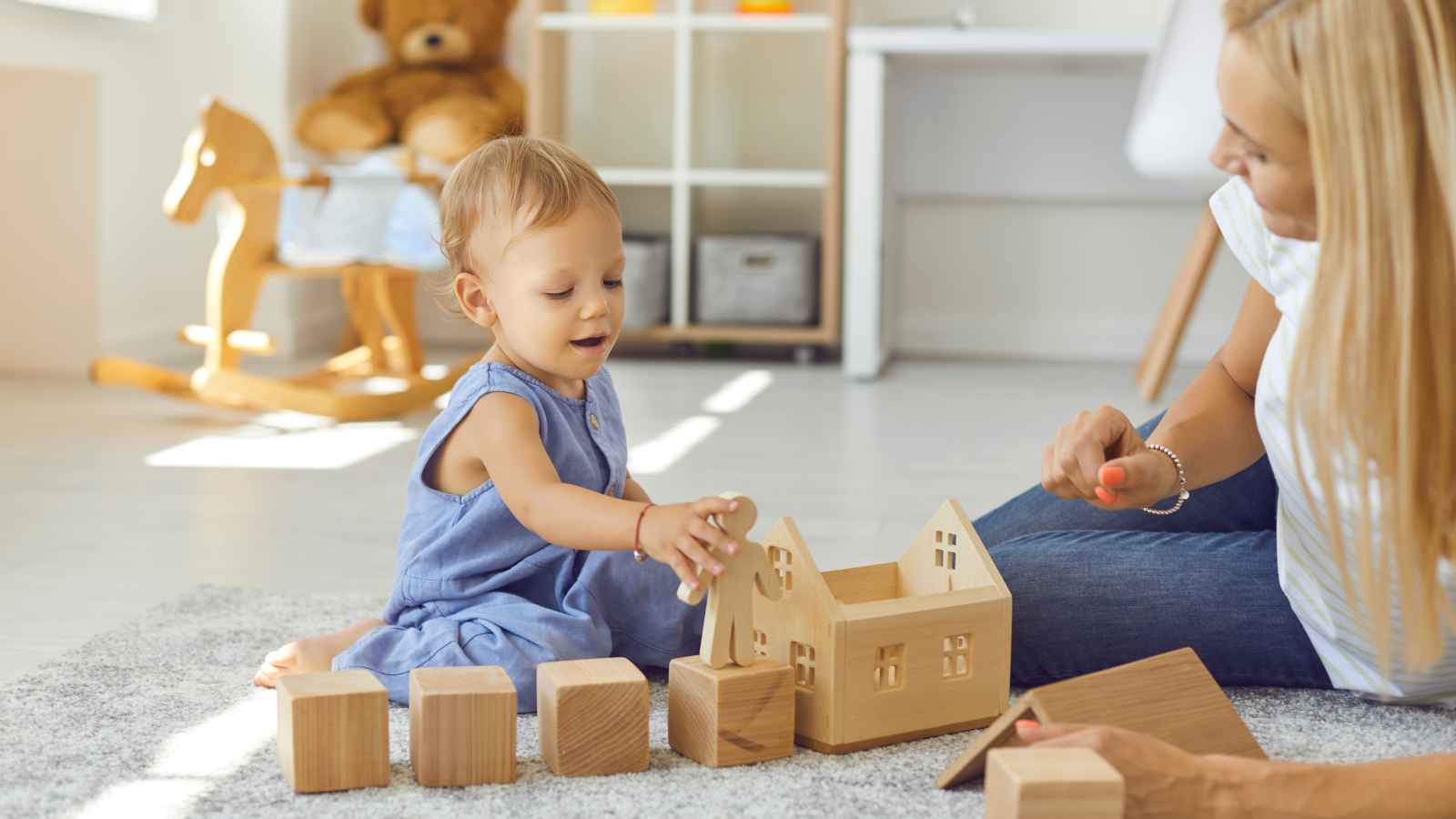
More and more parents are embracing minimalist parenting, which focuses on simplifying both the home environment and parenting practices. The goal is to reduce clutter, stress, and distractions to focus more on quality time with kids. Parents today are choosing to give their children fewer toys but of higher quality, and organizing family life to prioritize meaningful experiences over material things. Minimalism in parenting doesn’t mean less love—it means focusing on what truly matters.
Sensory Play
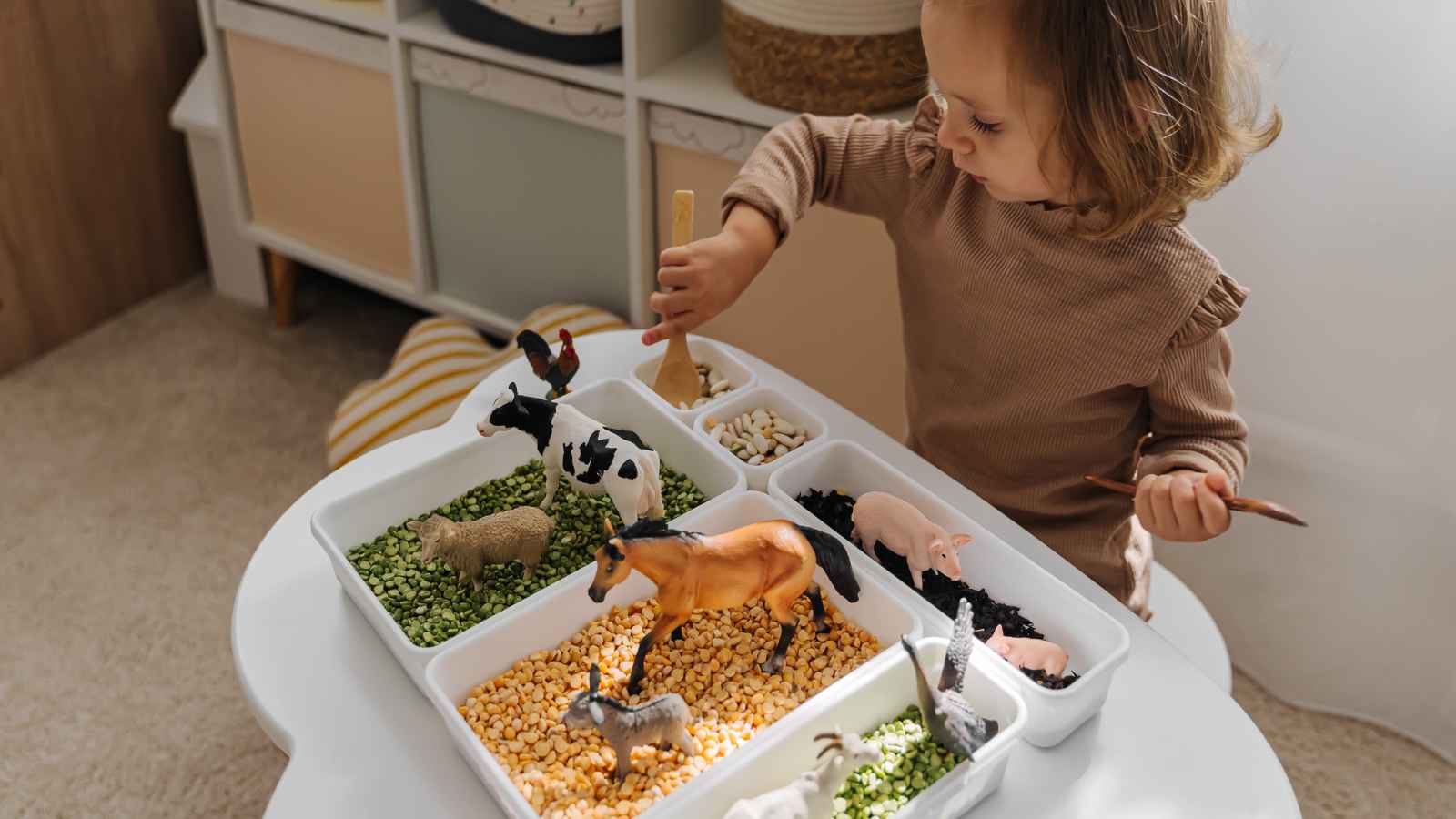
Kids are more sensitive to their surroundings today, and as a result, sensory play has become a big trend. Activities that involve touch, sight, sound, and even smell are helping kids explore the world around them in a whole new way. Parents are curating experiences that allow children to engage all their senses, from making slime to playing with textured materials. It’s believed that this type of play supports cognitive development and emotional expression, giving children the chance to feel and understand their environment better.
Personalized Educational Apps

Parents are increasingly turning to personalized educational apps to support their children’s learning outside of school. These apps use algorithms to adapt to a child’s specific learning pace and interests, making them an engaging and effective tool for reinforcing what kids are learning. Whether it’s math, language arts, or science, these apps give children the ability to explore subjects at their own pace. Parents like that they can track progress and make sure their child is staying engaged with educational material.
Allergen-Free Kitchens

As more families face food allergies, the allergen-free kitchen trend is growing. Parents are dedicating their kitchens to being free of common allergens like peanuts, dairy, or gluten, making it easier to prepare meals that are safe for children with sensitivities. This can mean using alternative ingredients like almond butter, oat milk, or gluten-free flour to ensure that meals are inclusive for all family members. It’s about creating a safe environment where every child can enjoy meals without worry.
“Then and Now” Comparisons

Parents love sharing “then and now” photos on social media, comparing their child’s early days to more recent pictures. Whether it’s a first birthday to a recent school picture or a newborn photo to a toddler snapshot, these comparisons highlight how much kids grow and change over time. The trend is all about celebrating growth, both physical and emotional, and showcasing the beauty of childhood milestones.
Birthdays That Look Like Pinterest Boards

Planning a child’s birthday has evolved into a whole production, but deep down, you know it’s not just about the decorations—it’s about creating memories. You want their day to be as special as they are, but sometimes it feels like there’s an unspoken pressure to make it picture-perfect. Behind the themes, the backdrops, and the desserts is a simple desire to make them feel celebrated. At the end of the day, it’s not about the perfect photo or the most stylish cake—it’s those little moments that matter most. And when you see their face light up, it makes all the hustle worth it.
Reels and TikToks About Toddler Life

Short-form videos about toddler behavior, routines, and funny fails are taking over social media feeds. Parents are using humor, trends, and sound clips to capture moments that only other parents truly get. These clips aren’t just for laughs—they also make others feel less alone in the day-to-day reality of parenting. Whether it’s picky eating or bedtime battles, these videos have become a form of support and expression.
Food Neutrality Over “Clean Plates”

The idea that food isn’t inherently “good” or “bad” is something you never really considered growing up, but now, it’s central to how you want them to view eating. Allowing them to stop eating when they’re full—even if it’s just three bites—can feel strange at first, especially when you grew up with “finish your plate” as a rule. But you’re slowly realizing it’s less about the food and more about building trust and encouraging them to listen to themselves. The hardest part is unlearning what you’ve known your whole life, but in the end, it’s all about them developing a healthy relationship with food.
Subscription Boxes for Kids
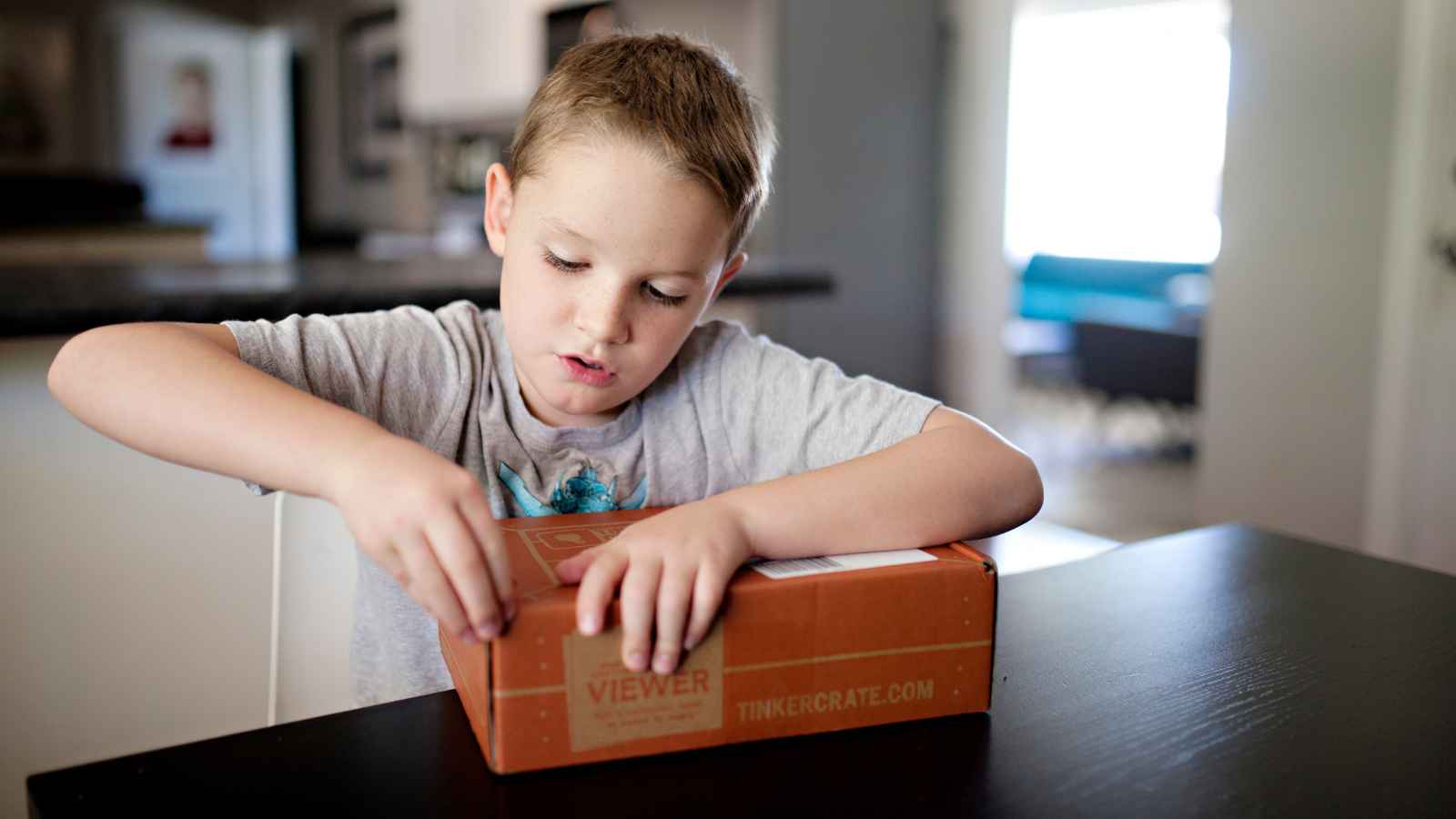
Subscription boxes for kids have grown in popularity, offering parents a fun way to introduce their children to new hobbies and interests. From STEM kits and books to arts and crafts projects, these boxes provide educational entertainment delivered right to the door. This trend helps keep kids engaged while giving them access to quality activities that support their development and creativity, without the need for a trip to the store.
Baby Gear That Requires a Manual

Gone are the days when baby gear was simple and intuitive. Now, each piece of equipment comes with instructions that might as well be a novel, and half the time you need a YouTube tutorial just to assemble the stroller. You thought you’d be an expert by now, but there always seems to be a new gadget to figure out. The irony of it all is that even though you’ve figured out how to use half of it, you still feel like you’re missing something vital. There’s no handbook for parenting, but there sure are a lot of gadgets that promise to make it easier.
Milestone Pics
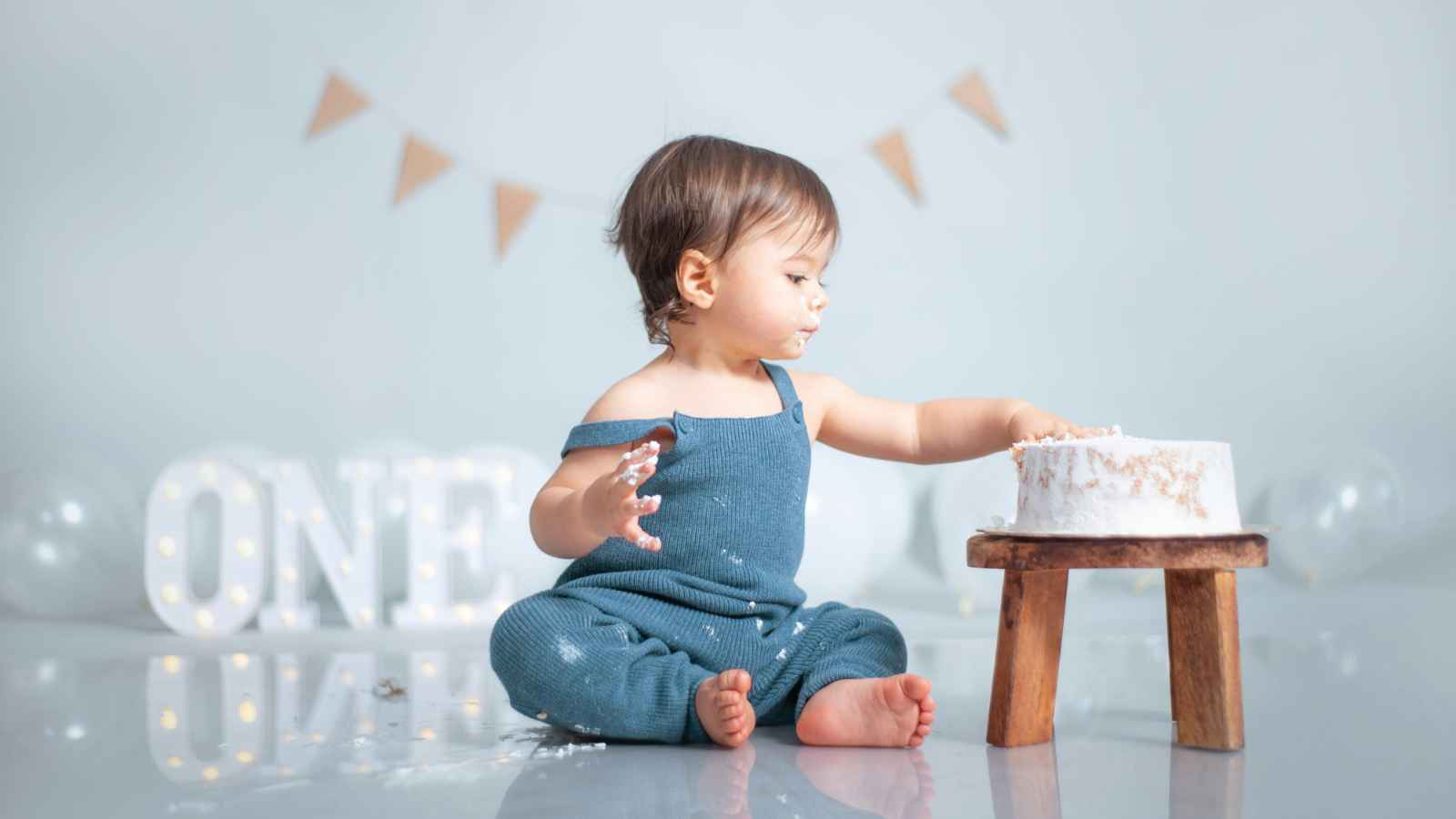
Documenting growth has turned into a whole monthly production—coordinated outfits, chalkboards, milestone props. It’s sweet, yes, but it also becomes another thing on your mental checklist when the month rolls around. You’re torn between wanting the keepsake and not wanting to stage another photo when you’re running on three hours of sleep. Half the time, you’re chasing them around just to get one non-blurry shot. Still, when you look back at those photos, messy hair and all, it tells a story only you understand.
Kids with Therapists Before They Hit Double Digits

Therapy used to be something that was whispered about, but now, it’s a normal, healthy way to process emotions and work through challenges. You’re teaching your child that it’s okay to seek support and that there’s no shame in needing help. It’s not about labeling them or seeing them as “broken”—it’s about giving them the tools to navigate life’s ups and downs with confidence. Knowing they have someone to talk to who’s not you doesn’t feel like a failure; it feels like being proactive.
Teaching Kids How to Set Boundaries with Adults

It’s no longer unusual to hear a child say “I don’t like that” or “please stop”—even to an adult. Parents are supporting kids in setting respectful but firm boundaries, even in power dynamics. It builds assertiveness without disrespect and teaches them that safety doesn’t depend on age or authority. This trend flips the script from obedience at all costs to confident self-advocacy.
Boomers Never Worried About These 15 Parenting Issues — But Modern Parents Do

We’re navigating issues our parents never had to think about—screen time, nutrition, emotional well-being, and safety in ways previous generations hardly considered. Back then, boomers didn’t stress over every little detail of parenting. Now, every decision feels like it could shape our child’s future. Some days, it feels like we’re carrying the weight of the world just trying to raise happy, healthy kids. These are the thoughts that keep modern parents up at night. Here are 15 parenting struggles boomers never had to think twice about—but today, they’re impossible to ignore.
15 Signs Your Kid Is Stressed (That Most Parents Miss)

Recognizing these signs early is crucial so you can guide them toward managing their emotions. With patience, understanding, and the right support, you can help them navigate it in a healthy way. The key to helping them isn’t just about telling them to relax—it’s about identifying their struggles and providing the right support. You don’t have to have all the answers—just being there, listening, and offering a safe space makes all the difference.

Tamara Tsaturyan is the owner and writer of Thriving In Parenting, a website focused on providing simple tips for busy parents — easy and healthy recipes, home decor and organization ideas and all things P A R E N T I N G.
Share Your Thoughts!
I love to know your thoughts, make sure to comment below to start a discussion! You can also follow me on your favorite social network below.