Your body depends on omega-3 fatty acids for much more than just heart health—they play a key role in how your brain functions, how well you handle stress, and even how your skin looks. These essential fats can’t be made naturally by your body, so getting enough through food is non-negotiable. You don’t have to overhaul your diet to benefit; even small, consistent changes can make a noticeable difference. Here’s a closer look at 15 foods that pack a powerful punch of these essential fats and why they deserve a spot on your plate. Whether you prefer fish, seeds, or greens, there’s an omega-3 source for every taste and lifestyle.

Mackerel

Rich and flavorful, mackerel offers a hefty 4,580 mg of omega-3s per serving—one of the highest amounts you’ll find in fish. You can enjoy it grilled, smoked, or baked, bringing both taste and nutrition to your table. Mackerel also provides vitamin B12 and selenium, two nutrients that help your body maintain energy and protect against cell damage. Regular servings can keep your heart strong while improving brain function.
Chia Seeds

Tiny but mighty, chia seeds pack 5,050 mg of omega-3s per serving, making them a plant-based powerhouse. Their mild taste works beautifully in smoothies, yogurts, or overnight oats. Along with healthy fats, chia seeds deliver fiber for good digestion and protein to support muscle repair. When mixed with liquid, they form a gel-like texture that’s great for puddings or as an egg substitute in baking.
Flaxseed

Ground flaxseed brings 2,350 mg of omega-3s per serving and adds a pleasant nuttiness to your food. It’s easy to sprinkle on cereal, blend into smoothies, or mix into baked goods. Beyond omega-3s, flaxseed offers fiber to support digestion and plant compounds that may help lower cholesterol. You’ll also benefit from magnesium and thiamine, essential for energy production.
Walnuts

Crunchy and satisfying, walnuts contain around 2,570 mg of omega-3s per serving. They’re an ideal snack, or you can toss them into salads, yogurt, or baked treats for extra texture. These nuts are loaded with antioxidants that help protect your cells from oxidative stress. Eating walnuts regularly has been linked to improved brain performance and better heart health.
Salmon

Few foods rival salmon’s omega-3 content, with about 2,150 mg per serving. You can bake, grill, or pan-sear it for a protein-packed meal that’s as versatile as it is nourishing. Salmon also delivers vitamin D, high-quality protein, and minerals like selenium and potassium. Eating it regularly may boost your mood and support cognitive health.
Sardines

Small but nutrient-dense, sardines provide around 2,205 mg of omega-3s per serving. Whether canned, grilled, or smoked, they add bold flavor to meals and pair well with salads, pasta, or crackers. Sardines also contain calcium and vitamin D, helping strengthen bones. They’re an affordable way to support heart health and reduce inflammation.
Hemp Seeds

Offering 1,000 mg of omega-3s per serving, hemp seeds bring a mild nutty taste and a satisfying crunch. They blend easily into smoothies, salads, or baked goods without altering flavor much. Beyond omega-3s, hemp seeds are rich in complete protein and magnesium, promoting steady energy and muscle function. Their natural balance of healthy fats supports skin health and joint mobility.
Cod Liver Oil
A spoonful of cod liver oil delivers 2,438 mg of omega-3s along with vitamins A and D. It’s long been used to strengthen bones, improve immunity, and reduce inflammation. A small daily dose is all you need to get its full benefits. Its nutrient profile supports brain health, especially during colder months when sunlight exposure is limited.
Canola Oil

Supplying about 1,300 mg of omega-3s per serving, canola oil is a smart choice for everyday cooking. It’s low in saturated fat and high in monounsaturated fats, helping support healthy cholesterol levels. You can use it for frying, roasting, or as a base for salad dressings. The presence of vitamin E also helps protect your cells from oxidative damage. Swapping it for other cooking oils is a simple way to add more omega-3s to your meals.
Soybeans

Packed with 670 mg of omega-3s per serving, soybeans are a reliable plant-based source of healthy fats. They can be eaten as edamame, tofu, or tempeh, making them incredibly versatile in your kitchen. Soybeans are also rich in plant protein, providing a filling alternative to meat. They supply important nutrients like iron and calcium, supporting overall wellness.
Anchovies

Anchovies may be small, but they offer 411 mg of omega-3s per serving and a strong umami flavor that enhances any dish. They’re commonly added to Caesar salads, pizzas, or pasta sauces for depth and saltiness. Along with omega-3s, they’re packed with calcium, iron, and other essential minerals. Their tiny size makes them easy to incorporate into meals without overpowering them.
Seaweed

Varieties like nori and kelp bring 250 mg of omega-3s per serving, offering a unique plant-based source from the ocean. Seaweed adds texture and umami flavor to soups, sushi, and salads. It’s naturally rich in iodine, crucial for thyroid function and energy regulation. Seaweed also provides fiber and antioxidants, making it a nutrient-dense addition to your meals.
Oysters

With 329 mg of omega-3s per serving, oysters are both a delicacy and a nutrition powerhouse. They’re an excellent source of zinc, which supports immunity and skin repair. Oysters also supply iron, copper, and vitamin B12 for improved energy and cell health. Their natural minerals help promote collagen production and vitality.
Brussels Sprouts

A serving of cooked Brussels sprouts offers around 135 mg of omega-3s, tripling the amount found in their raw form. These cruciferous vegetables are also high in fiber, vitamins C and K, and antioxidants. Roasting or sautéing them enhances their mild sweetness and makes them easier to digest. Their nutrient profile supports heart health and fights inflammation.
Algal Oil

Extracted from algae, algal oil provides 400 mg of omega-3s per serving and serves as an excellent vegan alternative to fish oil. It’s often available as a supplement but can also be added to smoothies or food. Algal oil is unique because it delivers both DHA and EPA—two essential types of omega-3s usually found in fish. It’s sustainable and free from the aftertaste that comes with traditional fish oils.
20 Everyday Foods That Help Reduce Water Retention
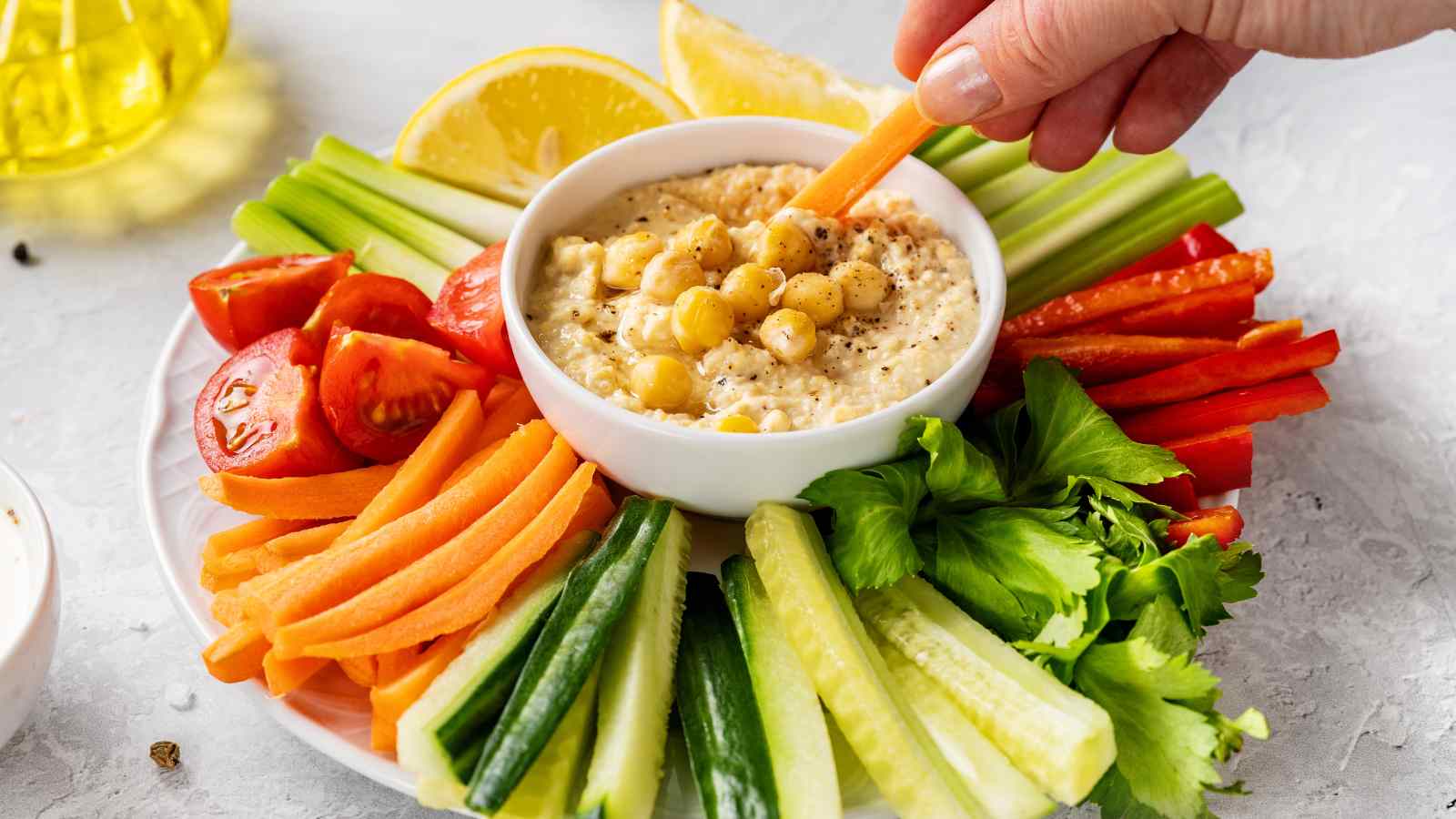
Ever feel swollen, puffy, or heavier than usual—especially around your hands, feet, or belly? That could be water retention, a condition where excess fluid builds up in your body’s tissues instead of being flushed out. While it’s not always serious, it can be uncomfortable and frustrating to deal with. Instead of turning to pills or quick fixes, try focusing on what’s on your plate. Certain everyday foods act as natural diuretics, helping your body flush out that trapped fluid and reduce bloating more gently.
20 Foods You Should Always Keep Stocked

Keeping your pantry, fridge, and freezer filled with dependable basics doesn’t just make life easier — it helps you stay consistent with healthy eating, even on the busiest nights. Whether you’re tossing together a grain bowl, building a healthy wrap, or blending a smoothie, these 20 foods make it possible to put something together fast without sacrificing quality. When time is short and energy is low, these ingredients are what turn chaos into dinner.

Tamara Tsaturyan is the owner and writer of Thriving In Parenting, a website focused on providing simple tips for busy parents — easy and healthy recipes, home decor and organization ideas and all things P A R E N T I N G.

Share Your Thoughts!
I love to know your thoughts, make sure to comment below to start a discussion! You can also follow me on your favorite social network below.