You might think of protein as something that comes mainly from steak or chicken, but your pantry and fridge are probably packed with surprising sources hiding in plain sight. From canned classics to modern high-protein twists on comfort foods, these convenient staples make it easier than ever to hit your protein goals without cooking from scratch. Whether you’re trying to build muscle, manage your appetite, or just eat more balanced meals, protein-rich packaged foods can save your day (and your diet). Some of them offer more grams of protein than a fresh chicken breast — seriously! By the end of this list, you’ll know exactly which supermarket shortcuts pack the biggest punch in the smallest packages.

Canned Tuna
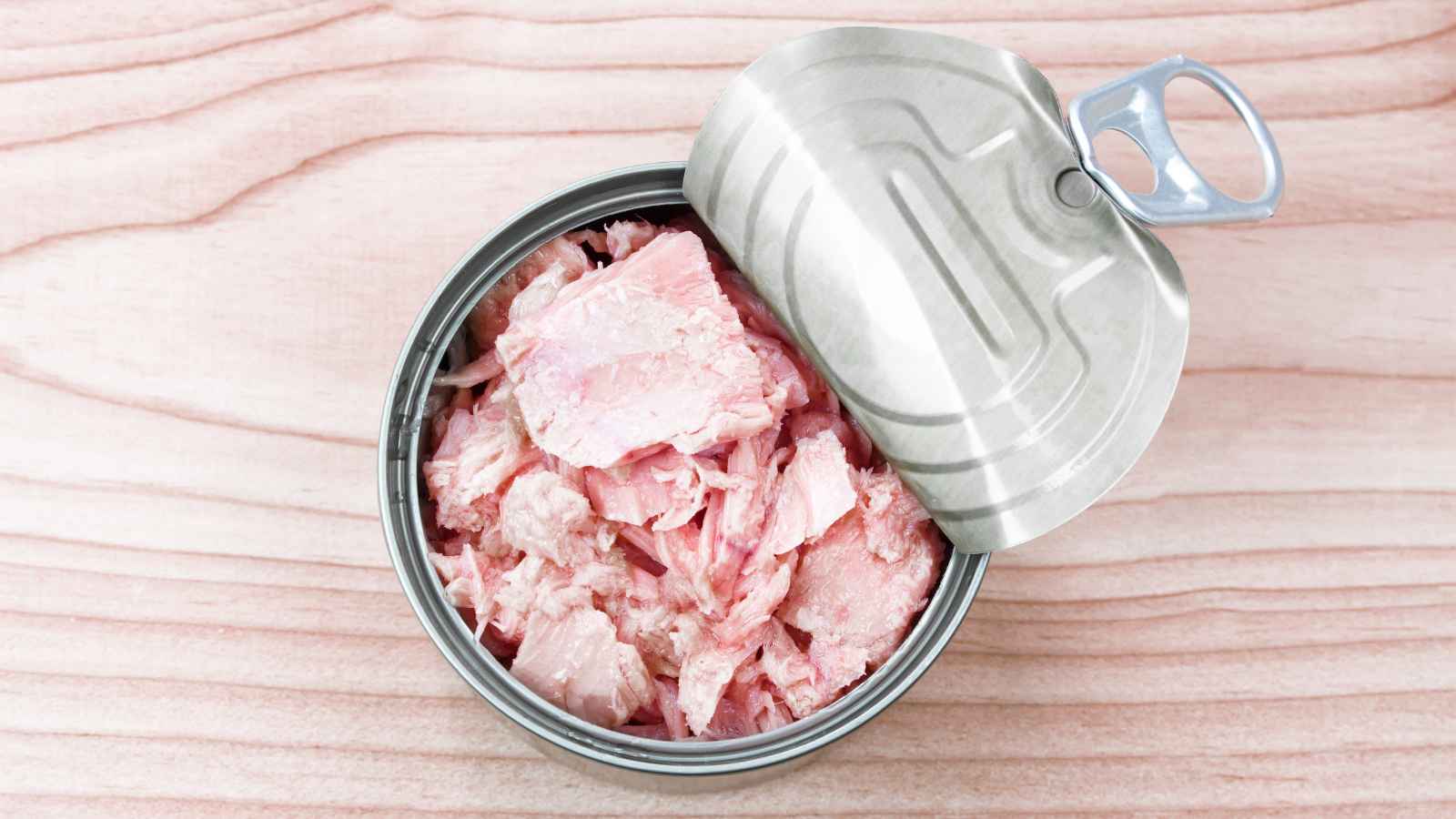
Packed tightly into every can, tuna delivers an impressive 22 grams of protein in just 5 ounces. You can toss it into salads, spread it on whole-grain toast, or mix it with Greek yogurt for a lighter spin on tuna salad. Its lean protein profile makes it a go-to for quick lunches that don’t compromise nutrition. Mercury levels vary by type, so choosing light tuna over albacore helps you stay on the safer side. With zero prep and endless versatility, canned tuna is one of the simplest ways to get quality protein fast.
Canned Salmon

You get both power and perks from canned salmon — roughly 20 to 30 grams of protein per can plus heart-friendly omega-3 fats. It’s a smart, shelf-stable way to enjoy fish even when fresh fillets aren’t available. The soft, edible bones add a bonus hit of calcium, making it a quiet overachiever in your pantry. You can flake it into pasta, stir it into rice bowls, or shape it into quick salmon patties. It’s rich, satisfying, and packed with nutrients your body actually uses.
Canned Chicken
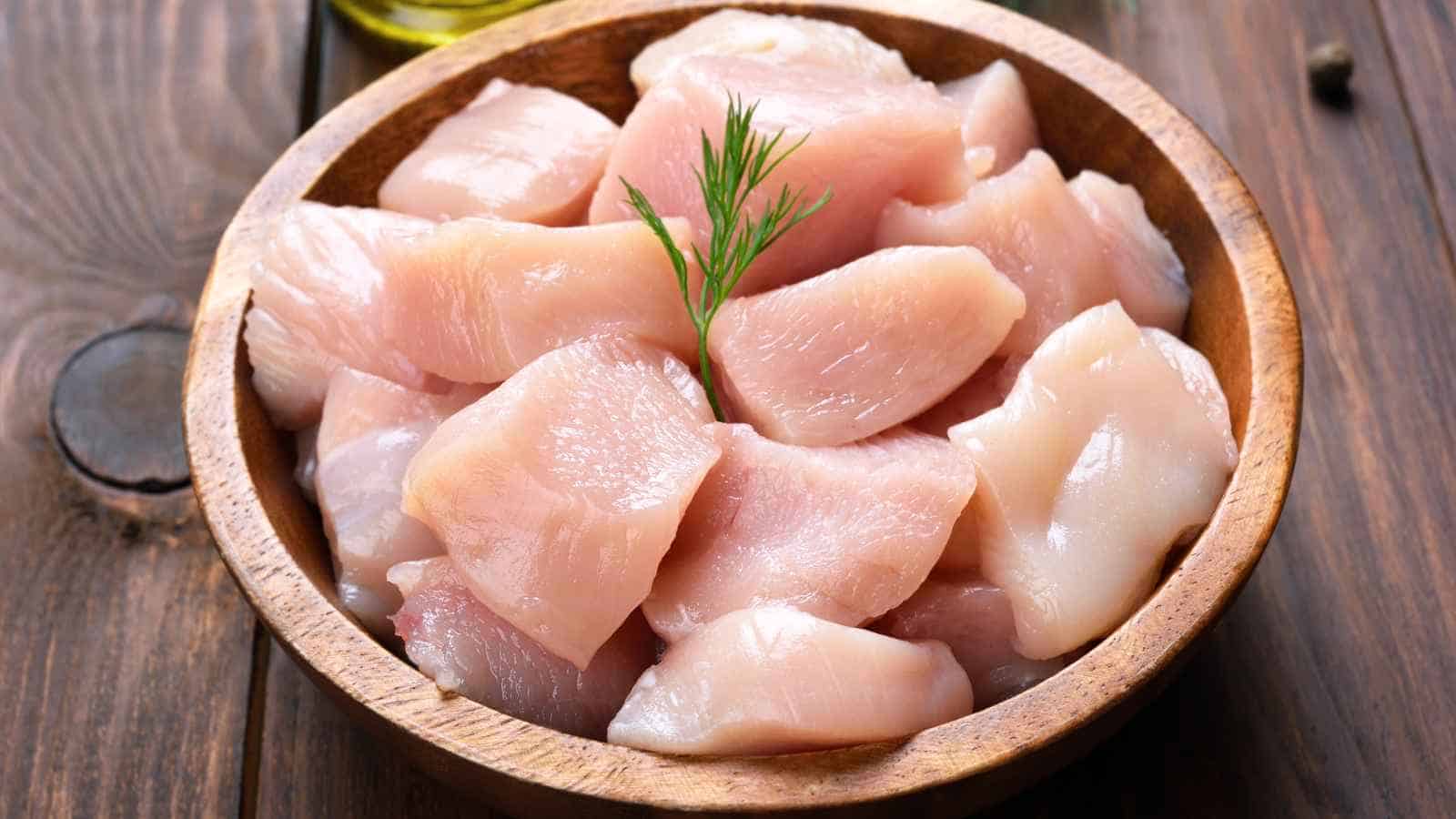
When you need protein in a pinch, canned chicken is your reliable backup with 30–32 grams per can. It’s already cooked and shredded, saving you prep time while keeping the nutrition intact. You can add it to wraps, soups, or casseroles without changing the flavor balance. The texture holds up surprisingly well, especially in creamy dishes or salads. It’s a convenient way to turn any meal into a protein-packed plate in seconds.
Canned Black Beans

Half a cup of these humble beans brings you about 7 to 8 grams of protein plus plenty of fiber. That combo helps stabilize your energy and keeps you full longer after eating. They’re an easy add-in for burrito bowls, quesadillas, or veggie burgers. The deep color hints at antioxidants that benefit your overall health. Having a can on hand means a quick, plant-based boost is always within reach.
Canned Chickpeas

Versatility meets nutrition in every can of chickpeas, giving you around 7 grams of protein per half cup. They’re a pantry staple, turning into creamy hummus, crunchy roasted snacks, or hearty salad toppers. Chickpeas also bring along fiber, iron, and slow-digesting carbs for steady energy. You can mash them into sandwiches or toss them into curries for an instant upgrade. It’s a simple, satisfying plant protein you can count on any day.
Canned Sardines

Small but mighty, sardines offer roughly 20–25 grams of protein per can. They’re also loaded with calcium, vitamin D, and omega-3s — all packed in their tiny silver bodies. Their rich, savory flavor works beautifully on whole-grain crackers or tossed into pasta with olive oil and herbs. Unlike larger fish, sardines are low on the food chain, which means fewer toxins and higher nutrient density. Keeping a few cans in your pantry is like storing little protein powerhouses on standby.
Protein Brownies

You don’t have to skip dessert to stay on track with your goals. Packaged protein brownies are engineered to deliver 6 grams or more of protein per serving — often using whey or plant-based sources. Their chewy texture and chocolatey flavor make them feel indulgent, but they double as a post-workout pick-me-up. You can stash one in your bag for a snack that satisfies both hunger and cravings. It’s a treat that multitasks as nutrition.
Liquid Egg Whites
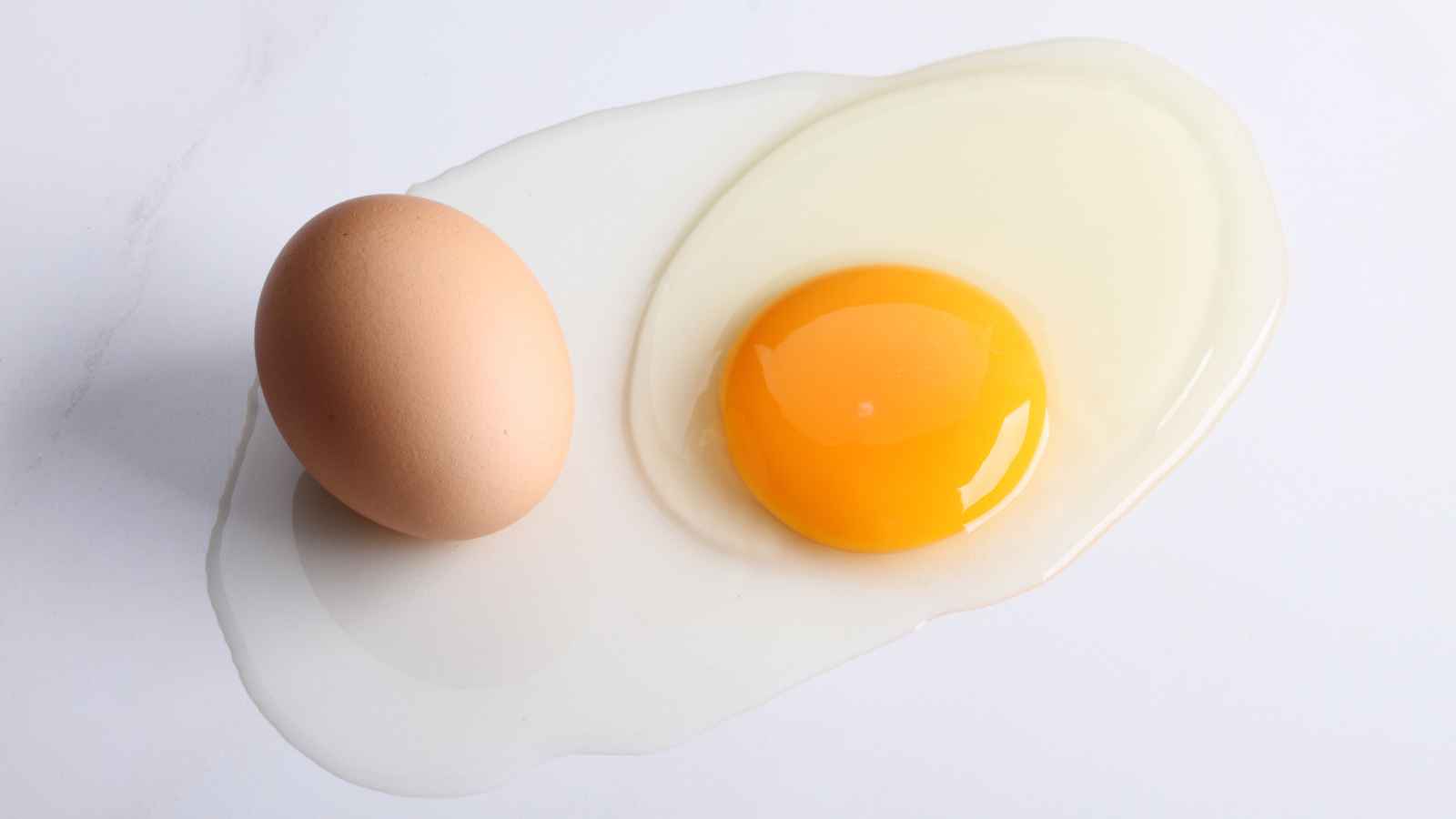
Ready-to-pour egg whites give you around 25–26 grams of pure protein per cup with almost no fat. You can whisk them into omelets, stir them into oatmeal, or even blend them into smoothies. Since they’re pasteurized, you can safely enjoy them uncooked in shakes or protein coffee. They provide all the amino acids your muscles crave with minimal calories. It’s an easy, mess-free way to cook high-protein meals without cracking a single shell.
High-Protein Pasta (Like Chickpea Pasta)
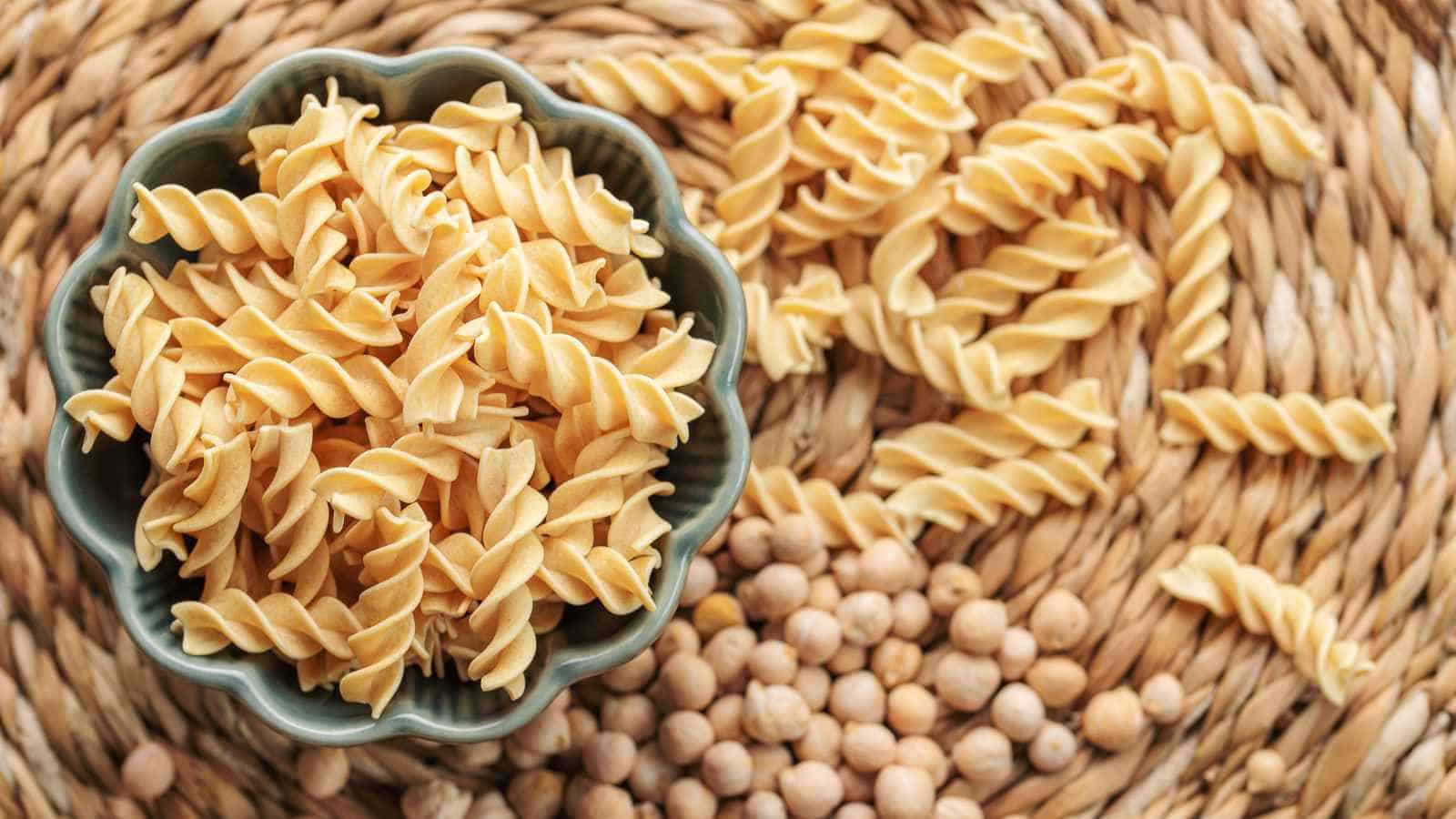
Chickpea and lentil-based pastas have nearly double the protein of traditional wheat noodles. They also deliver extra fiber and iron, making them both filling and nutritious. You can use them just like regular pasta — toss with tomato sauce, pesto, or roasted veggies. Their slightly nutty flavor pairs well with savory ingredients and keeps you fuller longer. Swapping your usual spaghetti for a chickpea version transforms comfort food into a powerhouse meal.
Beef Jerky
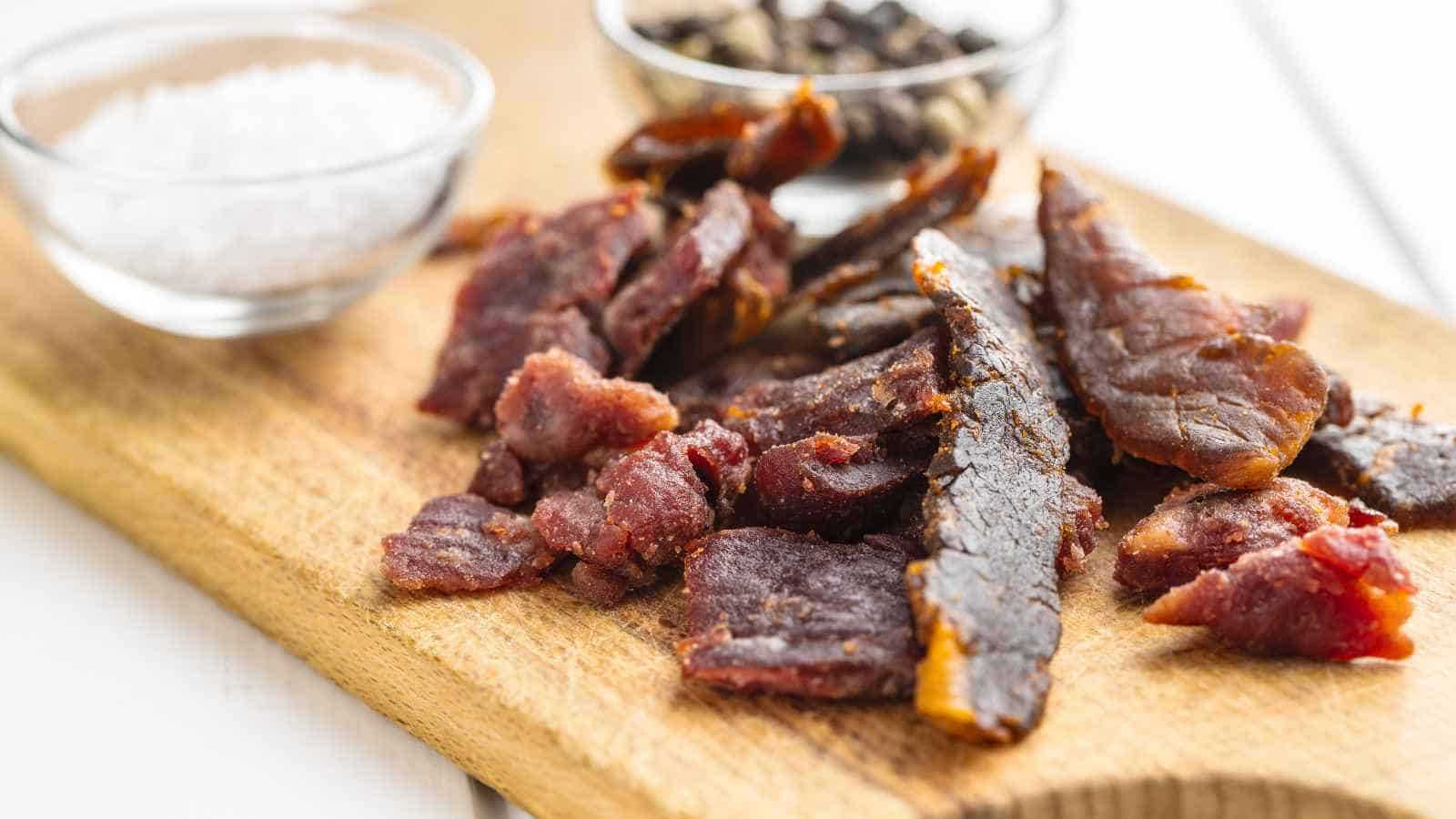
Every chewy bite of jerky brings 7–15 grams of concentrated protein per ounce. It’s one of the most portable high-protein snacks you can keep in your car, office, or gym bag. Lean cuts are dried and seasoned to perfection, locking in flavor and nutrients. You’ll also get iron and zinc, two minerals that support energy and recovery. Whether you prefer smoky, spicy, or sweet, jerky makes protein feel adventurous.
Parmesan or Hard Cheese
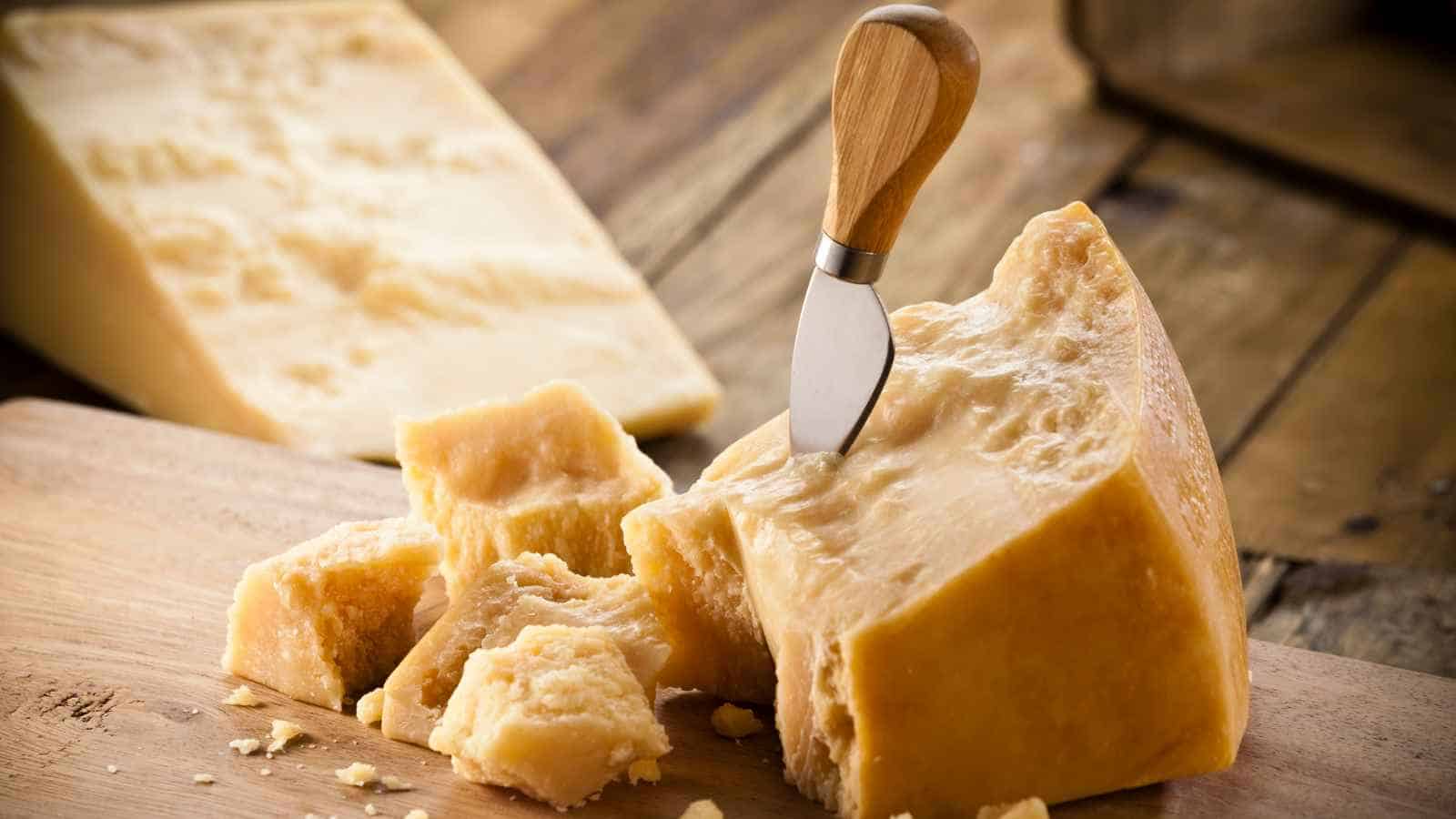
Hard cheeses like Parmesan aren’t just flavor boosters — they’re protein powerhouses with up to 36 grams per 100 grams. Their dense texture comes from aging, which concentrates both flavor and nutrients. You can grate a small amount over pasta or salads and still add meaningful protein. They’re naturally low in lactose, so they’re easier to digest for some people. A little goes a long way in both taste and nutrition.
Greek Yogurt Cups

Strained for extra thickness, Greek yogurt delivers 17–20 grams of protein in every single cup. It’s an easy grab-and-go breakfast or post-workout refuel. You can enjoy it plain, swirl in fruit, or use it as a creamy substitute for sour cream. The fermentation process gives it gut-friendly probiotics that support digestion. It’s proof that something simple can still be seriously nutritious.
Cottage Cheese

A full cup of low-fat cottage cheese offers about 25–28 grams of protein, making it one of the most efficient dairy options out there. The mild flavor means it pairs easily with fruit, veggies, or savory spices. You can spread it on toast, blend it into smoothies, or spoon it straight from the cup. It’s rich in casein, a slow-digesting protein that keeps you full longer. Having it in your fridge means instant, wholesome fuel whenever you need it.
Edamame

Edamame might look simple, but these little green soybeans are packed with plant-based protein—about 17 grams per cup. They’re one of the few non-meat foods that contain all nine essential amino acids, making them a complete protein source. Often sold pre-cooked and frozen, edamame is easy to microwave or steam for a quick, healthy snack. Whether you enjoy them plain with sea salt or tossed into salads, edamame proves that snacking smart can still be fun and full of flavor.
Tempeh
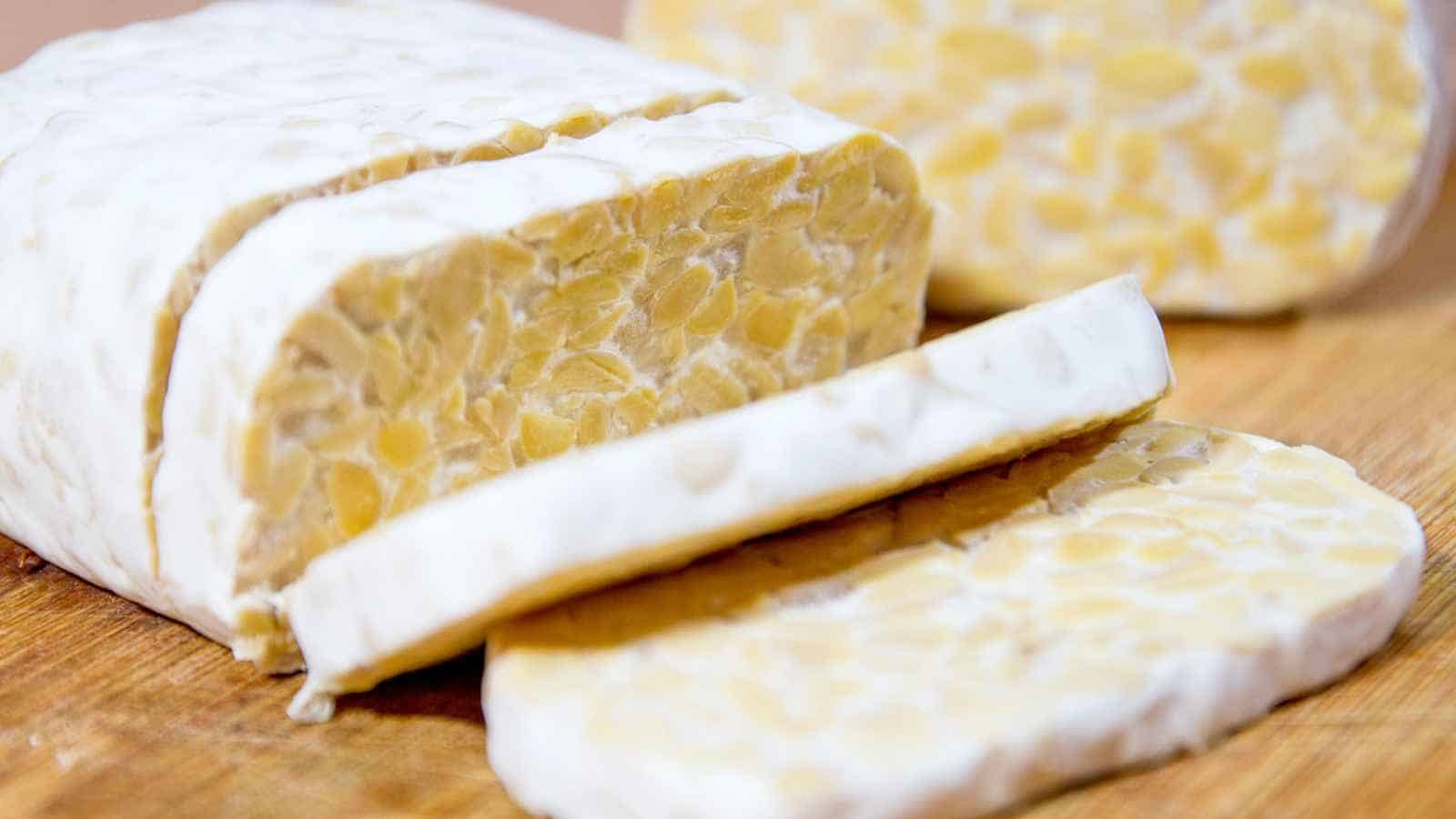
Made from fermented soybeans, tempeh brings 15–20 grams of protein per serving and a hearty, nutty taste. Its firm texture holds up well in stir-fries, sandwiches, or salads. You also get fiber, probiotics, and micronutrients from the fermentation process. It’s a satisfying plant-based staple that feels substantial on your plate. Once you try it, you’ll understand why it’s a favorite among those who eat mindfully and protein-smart.
20 Cheapest Foods That Give You the Most Nutrition
Here are 20 of the cheapest foods that give you the most nutrition. What makes them even better is how versatile they are—you can turn them into soups, snacks, sides, or full meals without much effort. Several of them last for weeks in your pantry or fridge, saving you money by cutting down on waste. By leaning on these budget-friendly staples, you’ll discover that eating well doesn’t require a big budget at all.
15 Fibermaxxing Snacks Trending on TikTok

Instead of powders and bland supplements, creators are showcasing colorful jars, bowls, and bites that load meals with naturally occurring fiber from seeds, legumes, fruits, and whole grains. Viewers aren’t just watching for recipes; they’re learning about resistant starch, soluble versus insoluble fiber, and how pairing proteins or healthy fats can amplify fiber’s effects.

Tamara Tsaturyan is the owner and writer of Thriving In Parenting, a website focused on providing simple tips for busy parents — easy and healthy recipes, home decor and organization ideas and all things P A R E N T I N G.

Share Your Thoughts!
I love to know your thoughts, make sure to comment below to start a discussion! You can also follow me on your favorite social network below.