When you become a parent, it feels like your heart is living outside your body, and every little choice carries the weight of shaping who your child becomes. Love makes you want to protect them from pain, mistakes, and disappointments, but sometimes that same love turns into worry that lingers too heavy. You want to do everything right, yet the more you try to hold it all together, the more it feels like you’re holding your child too tightly. These are some of the common parenting fears that often make childhood harder without us even realizing it. Kids don’t just notice your words—they feel your fears, and sometimes that pressure becomes louder than your love. Letting go of certain worries doesn’t mean you love them any less; it simply means you’re choosing peace over pressure.
Fixating on Being the “Perfect Parent”

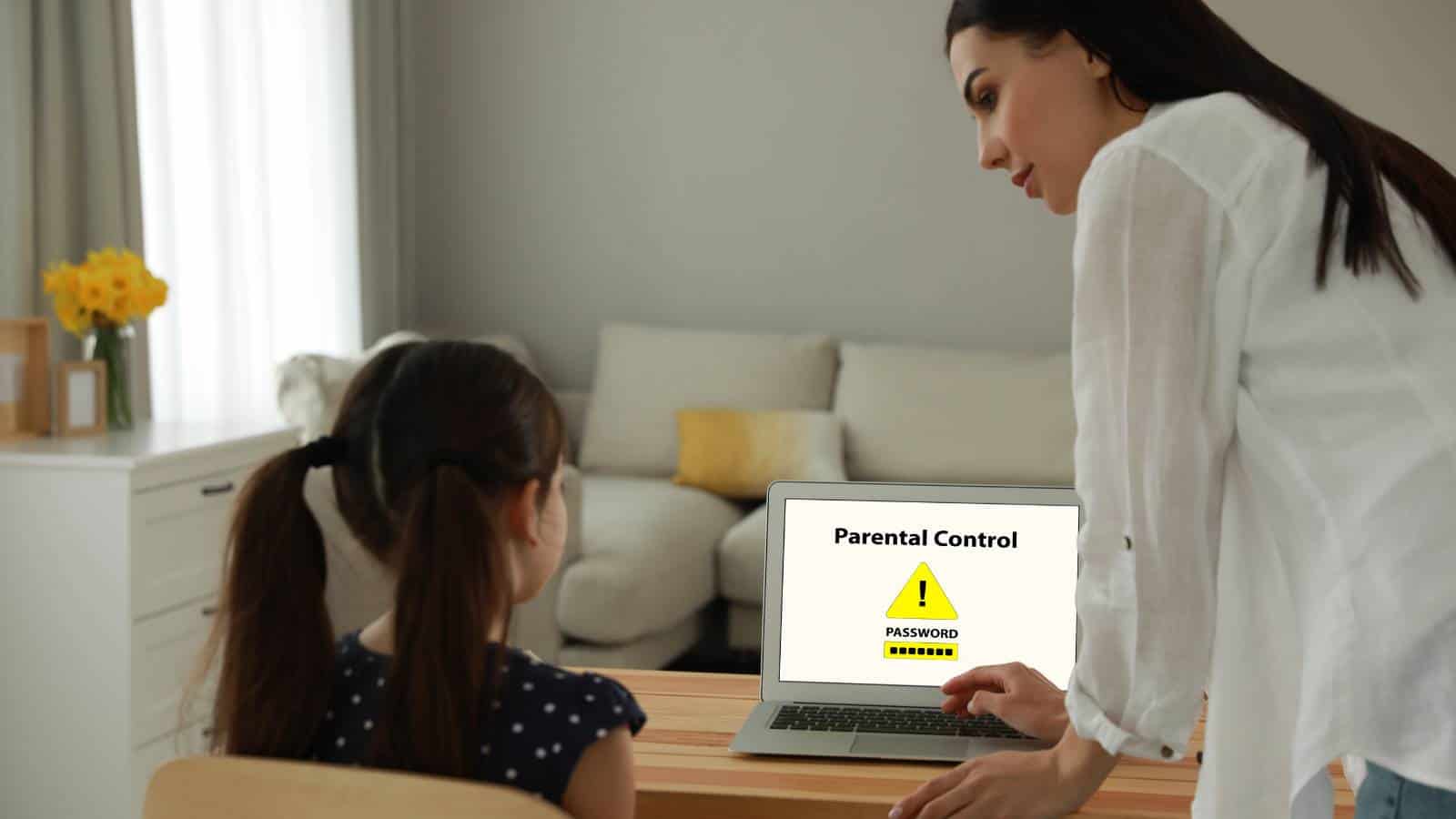
Chasing perfection leaves no room for the beautiful mess of real connection. Kids don’t need flawless—they need consistent love and presence. When you measure yourself against impossible standards, children pick up the stress instead of the comfort. The truth is, they’re not looking for a perfect parent—they’re looking for you. Showing up, even imperfectly, is what roots them in security.
Worrying About Perfect Grades

Academic pressure can make school feel less like a place of discovery and more like a test of worth. When every grade is scrutinized, kids begin to believe love is tied to performance instead of effort. That constant weight can chip away at their confidence and curiosity. Encouragement means far more when it’s about trying, learning, and growing rather than chasing flawless results. What children need most is the freedom to explore without fear of disappointing you.
Comparing Your Child to Others

Nothing cuts deeper for a child than feeling measured against someone else’s strengths. The moment comparisons creep in, their sense of being “enough” begins to shrink. Even well-meaning remarks can create a shadow they struggle to climb out of. Every child blooms in their own season, and trying to rush that process only leaves scars. When you celebrate who they are right now, they carry a confidence no outside praise can replace.
Micromanaging Friendships

Friendships are where kids practice independence, and stepping in too much can quietly erode that trust. They sense when choices are doubted, and it makes them question their own judgment. When you control who they spend time with, it doesn’t just shape their social life—it shapes their confidence in making decisions. Kids thrive when they know you’re nearby for guidance, not control. Respecting those little choices now builds stronger trust for bigger ones later.
Worrying About Messy Rooms
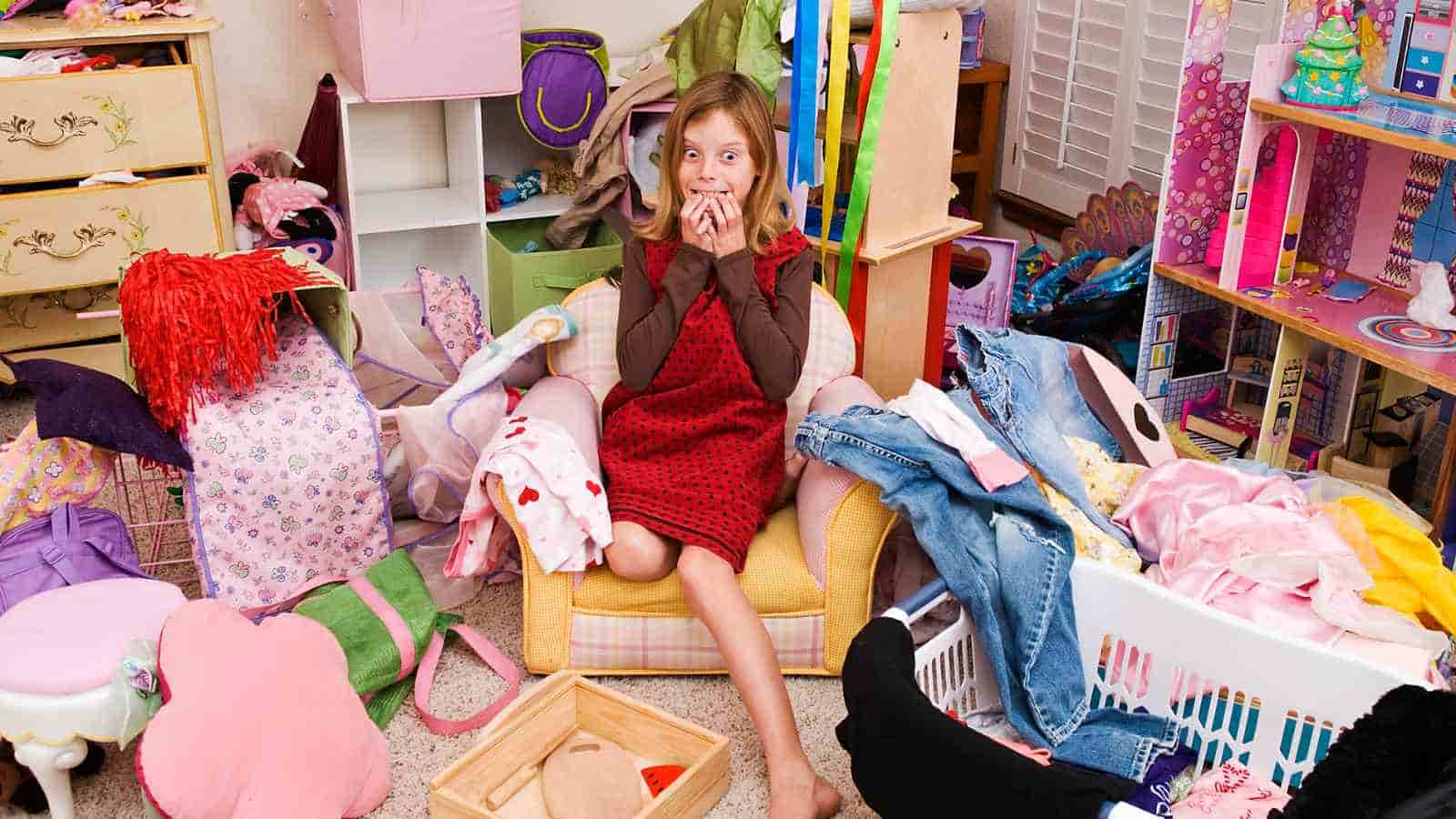
A messy room often says more about imagination and busy days than it does about character. When too much weight is placed on keeping things spotless, kids may start connecting their worth to appearances. That pressure can make them feel like their natural chaos is wrong. Teaching responsibility matters, but it doesn’t have to come at the cost of connection. Sometimes letting the room be messy means letting childhood breathe a little freer.
Overthinking Every Meal

Food becomes more than just nourishment when every bite is scrutinized. Kids can feel the tension, and meals turn into battles instead of moments of comfort. Obsessing over vegetables, sugar, or portions may cause them to see food as stressful rather than enjoyable. Children develop healthier habits when they sense freedom, balance, and joy around the table. Sometimes the best gift is simply eating together without turning it into a lesson.
Pushing Too Many Activities

Filling a calendar with endless lessons, practices, and clubs often steals the very rest kids need to grow. When free time disappears, so does creativity and the simple joy of just being. The exhaustion seeps in, and children may begin to see their worth tied to productivity instead of presence. Childhood isn’t meant to feel like a checklist—it’s meant to leave space for wonder. Protecting that space can sometimes be the most powerful choice.
Stressing Over Manners in Public

Correcting kids in front of others often does more than teach manners—it can chip away at their confidence. They feel the sting of embarrassment long after the moment passes. Respect matters, but so does the way it’s taught. Children learn best when dignity is protected, even in mistakes. Gentle guidance at home carries further than harsh reminders in public.
Worrying About What Others Think

Kids notice when approval from strangers matters more than connection at home. That silent message makes them question if love is conditional on how they appear. The constant worry about judgment can rob family life of joy and authenticity. Children grow stronger when they know your focus is on their heart, not how others see them. Your steady acceptance gives them courage that outside opinions can’t touch.
Hovering Over Safety Constantly

Too many warnings can plant fear instead of wisdom. When every move is shadowed with worry, children begin to believe the world is unsafe and their abilities are limited. That anxiety can follow them into bigger moments, making them hesitant to try. Protecting them matters, but so does showing faith in their strength. Trust helps kids build courage in ways worry never can.
Focusing on Future Success Too Soon

Conversations about careers, colleges, and achievements may feel encouraging but can weigh heavily on young hearts. Childhood isn’t built for carrying the pressure of adult expectations. When focus shifts too far ahead, kids lose the joy of being in the moment. They don’t need a roadmap to success—they need room to grow into themselves. Celebrating today is often what leads to tomorrow’s confidence.
Worrying About Normal Developmental Phases

Tantrums, mood swings, or picky eating often feel overwhelming in the moment, but they are usually just part of growing up. When every phase sparks panic, kids sense that something is “wrong” with them. That belief can quietly bruise their self-image. Patience and understanding help them move through those stages with less shame. Trusting the process allows them to see themselves as normal, even when things feel messy.
Worrying About Small Mistakes

Every stumble is a lesson, not a failure. When kids are corrected at every misstep, they lose the chance to build resilience. Small mistakes prepare them for the bigger ones life will bring, and constant worry can rob them of that growth. Children feel stronger when they know it’s safe to try, fail, and try again. Sometimes the best parenting is stepping back and letting those lessons unfold.
Overloading Them With Advice

Endless reminders and constant correcting may feel like guidance, but kids often hear it as criticism. When advice piles on too thick, they stop trusting their own instincts and look only for your approval. That weight makes them afraid to try things on their own. Sometimes the best lesson comes from silence and letting them figure it out. Space to stumble is often the very thing that helps wisdom take root.
Expecting Them To Always Be Happy

When children feel like sadness, anger, or frustration isn’t welcome, they start to hide their emotions instead of sharing them. That silence can build into shame, making them think their feelings are a burden. Allowing every emotion, even the hard ones, teaches them that love doesn’t disappear when they struggle. Childhood becomes lighter when they know all parts of them are safe with you.
20 Surprising Reasons Your Kid Isn’t Listening—And What Actually Helps

What feels like defiance is often something much simpler and more human—something that has a reason you can actually work with. You’re not alone in this, and your child isn’t broken. There’s always something underneath the silence—and often, it just takes a softer look to see it.
15 Things to Do When You’re Parenting on Empty

If you’re in that place where you feel like you’re holding it all together with a hair tie and a prayer, this list is for you. Not to fix anything, not to add more pressure—but to remind you that you matter, too. These small, honest steps are here to help you feel more like you again, even when everything feels heavy. You may not get a break from parenting, but you can find small but powerful ways to reset. While the world might tell you to “push through,” what you really need is a second to stop and just feel human again.

Tamara Tsaturyan is the owner and writer of Thriving In Parenting, a website focused on providing simple tips for busy parents — easy and healthy recipes, home decor and organization ideas and all things P A R E N T I N G.
Share Your Thoughts!
I love to know your thoughts, make sure to comment below to start a discussion! You can also follow me on your favorite social network below.