Even when you’re doing your best—loving hard, showing up, trying again after rough days—it’s still so easy to feel like you’re not getting it right. Maybe it’s a voice in your head, maybe it’s a post online, or maybe it’s just one of those nights where everything feels heavier than it should. And somehow, all the small things start to pile up and whisper, “You should’ve done more.” But so much of what makes you feel like a bad parent doesn’t actually matter in the way you think it does. Not to your kid. Here are just a few things that feel big in your mind but won’t matter nearly as much in the long run—if at all. They’re not keeping track of forgotten theme days or how many times dinner came in a paper bag. They’re looking at how safe they feel with you. How they’re hugged, how they’re heard, how they’re loved.

Serving Takeout for Dinner

Pizza boxes or fast food bags on the table don’t mean your kitchen’s closed forever. Some days, choosing convenience is the only way to keep the night running somewhat smoothly. Kids won’t remember one dinner of fries—they’ll remember laughing around the table or watching a movie afterward. Nourishment happens in more ways than one, and love isn’t measured in homemade meals. You’re feeding them, you’re showing up, and that counts far more than what’s on the plate.
Feeding Them the Same Meal on Repeat

When something works, you stick with it—and that’s okay. Kids like predictability, and it’s not a failure to make the same three meals if they’re eating and happy. Nourishment isn’t just about variety—it’s also about consistency and care. You’re still providing, still meeting their needs, and that’s more than enough.
Raising Your Voice

Sometimes, frustration breaks through despite your best intentions. And while nobody wants to yell, what matters is what happens afterward—the repair, the hug, the conversation. Kids don’t need a perfect parent; they need a real one who owns their emotions and circles back with love. Those moments of honesty teach emotional growth more than silence ever could. Growth isn’t about never snapping—it’s about always coming back.
Not Playing Every Time They Ask

Being present doesn’t always mean being playful on demand. It’s okay to say no when your parenting on empty or you’re juggling ten other things. That boundary doesn’t take away from the moments when you do play, giggle, and jump into their world. Kids learn from watching how you manage your energy and time—it teaches them that relationships are about balance, not constant availability. You’re allowed to protect your peace without damaging theirs.
Letting Them Watch Too Much TV One Weekend

A marathon cartoon session doesn’t rewrite everything else they’ve experienced. There’s more to their day-to-day than one screen-filled weekend—there’s love, conversation, learning, and movement too. Sometimes, downtime looks like reruns and snacks while you catch your breath. It’s okay to have pockets of rest that don’t look productive. What sticks is the rhythm over time, not a single lazy stretch.
Not Loving Every Minute of Parenthood

Nobody enjoys something all the time—not even when it’s wrapped in love. Loving your child deeply and still struggling in the trenches of parenting aren’t opposites; they coexist. Frustration, boredom, and exhaustion don’t cancel out connection and care. Those harder moments just mean you’re showing up in real life, not some filtered version of it. And honestly, it’s okay to name it—it’s hard, and you’re still doing it.
Sending Store-Bought Treats to School
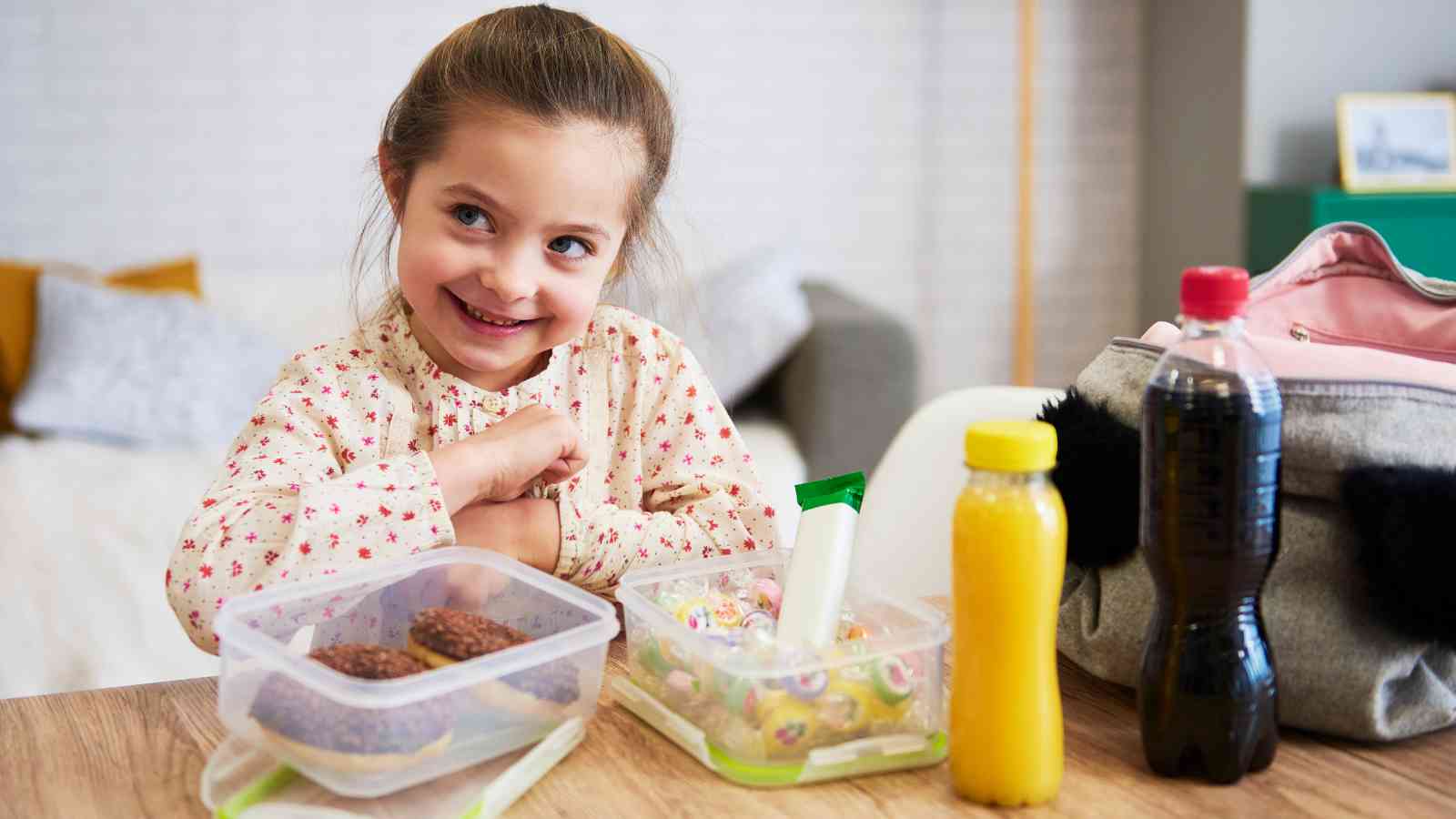
Homemade doesn’t hold the only key to care. That pack of cookies or box of cupcakes still made it into their hands because you thought of them, remembered the event, and found a way. Love doesn’t only show up in sprinkles and perfectly piped icing. It shows up in being there, even imperfectly. And long after the wrappers are gone, they’ll remember how supported they felt—not where the snack came from.
Taking a Break From Social Media Photos

A quiet camera roll doesn’t mean the moments didn’t happen. Some memories live best in your heart, not your feed. It’s okay if there’s no proof of every small smile or silly milestone—those things still matter deeply. You’re building something beautiful behind the scenes, not just for public consumption. Presence is enough, even when it’s undocumented.
Skipping a Bedtime Story (or Five)

Not every night ends with cozy snuggles and pages turning. Sometimes it’s just teeth, pajamas, lights out, and you quietly closing the door with relief. That doesn’t mean they missed out on bonding or feel less loved. Routines are flexible, and one skipped ritual doesn’t undo the comfort built over time. They’re still safe, still adored, and still going to bed knowing you’re there.
Letting Them Wear the Same Shirt Three Days in a Row

Repetition sometimes wins over laundry battles. That favorite shirt might make them feel confident, silly, or simply at home in their skin. It’s not about wardrobe variety—it’s about how they feel when they show up in their world. Letting it go can be a quiet way of saying “I see you and what matters to you.” Not every fight needs to be fought, especially the ones that don’t hurt anyone.
Not Having the Perfect Answer

Responding with “I don’t know” teaches humility and honesty, not failure. Children aren’t looking for wisdom all the time—they’re looking for someone who listens and cares. Taking a pause to figure things out together builds more trust than rushing to say something impressive. You’re showing that it’s okay to be uncertain, and that love doesn’t require always being right. And in the end, they’ll remember the connection more than the explanation.
Skipping Family Traditions Sometimes

Life doesn’t always leave space for pancakes or special banners, and that’s okay. Traditions are meant to bring joy, not guilt. If skipping something gives room to breathe, the bond remains intact. What they carry forward isn’t the missed ritual—it’s the emotional warmth built across ordinary days. The love stays even when the traditions don’t happen exactly on schedule.
Comparing Yourself to “Perfect” Parents Online
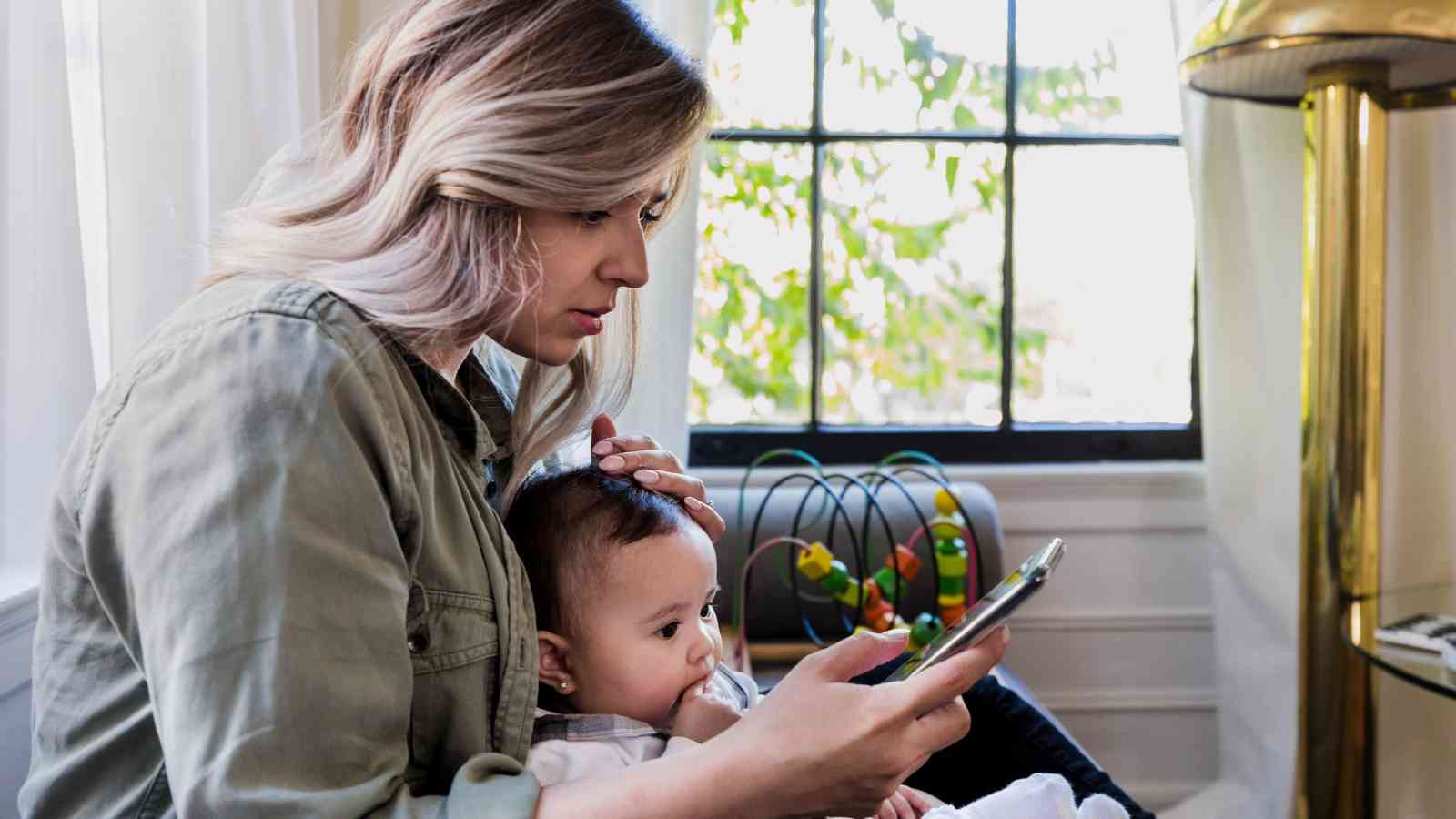
Filtered snapshots aren’t showing anyone’s whole life. That curated post doesn’t tell you about the meltdowns, the stress, or the mess behind the scenes. It’s easy to feel like you’re falling short next to all that shine, but real connection happens in the raw, not the polished. No one’s child is loved better because of a matching outfit or themed lunchbox. What they remember is how they felt, not how you looked doing it.
Saying “I Need a Minute”

Stepping away to breathe or calm down isn’t selfish—it’s healthy. Kids learn a lot from seeing that emotions can be managed without exploding or shutting down. That pause you take teaches them it’s okay to honor their own limits, too. Holding space for yourself doesn’t take love away—it actually helps you keep showing up with more of it.
Taking a Long Bath or Shower Just to Be Alone

Locking the door and letting the water drown out everything for a little while doesn’t make you a bad mom. It makes you a person with needs, and that’s allowed. Kids benefit from a parent who knows how to recharge. That quiet moment is often what helps you come back with more calm, more love, and more of yourself.
Not Having It All Figured Out

Every stage feels like starting over. Just when you think you’ve got it, the game shifts—and that’s not failure, that’s parenting. Trying, adjusting, and showing up over and over again is what counts. Kids don’t need you to have every answer, just to keep showing up through the questions. You’re not behind—you’re growing right alongside them.
Giving In Just to Avoid a Tantrum

Choosing peace in the moment doesn’t mean you’re weak or inconsistent. Sometimes you’re just doing what’s needed to get through a hard hour, a long day, or a public meltdown. Boundaries still exist even when they bend once in a while, and your love isn’t defined by one “yes” you didn’t want to give. Kids learn not just from your firmness but also from your flexibility and care. One small surrender doesn’t undo all the values you’re trying to build—it just means you’re human.
Wishing for a Break From It All

That passing thought of just wanting a day off doesn’t make you ungrateful—it makes you honest. Parenting asks everything from you, and needing rest is not weakness. Your love isn’t measured by how worn down you’re willing to be. Wanting a break doesn’t mean you’d trade your life—it means you’re carrying it all, and sometimes it’s just heavy.
10 Toxic ‘Parenting Myths’ That Are Actually Just Tough Love

Parents are constantly bombarded with opinions about how to raise their kids, making it easy to second-guess every decision. What some call “harsh” or “toxic” parenting is often just necessary discipline that teaches kids responsibility and resilience. Setting boundaries and expecting accountability aren’t harmful—they’re key to raising independent adults. Despite the criticism, many parenting strategies labeled as outdated or too strict are actually backed by child development experts.
20 Honest Questions to Ask Yourself When You’re Losing Patience a Lot

If your patience feels thin lately, here are 20 honest questions to help you check in with yourself when it’s getting hard to hold it together. These questions aren’t here to judge you—because sometimes the reason you’re losing it has more to do with you needing something, too.

Tamara Tsaturyan is the owner and writer of Thriving In Parenting, a website focused on providing simple tips for busy parents — easy and healthy recipes, home decor and organization ideas and all things P A R E N T I N G.
Share Your Thoughts!
I love to know your thoughts, make sure to comment below to start a discussion! You can also follow me on your favorite social network below.